Easy Restaurant-Style Teriyaki Chicken Thigh over Rice
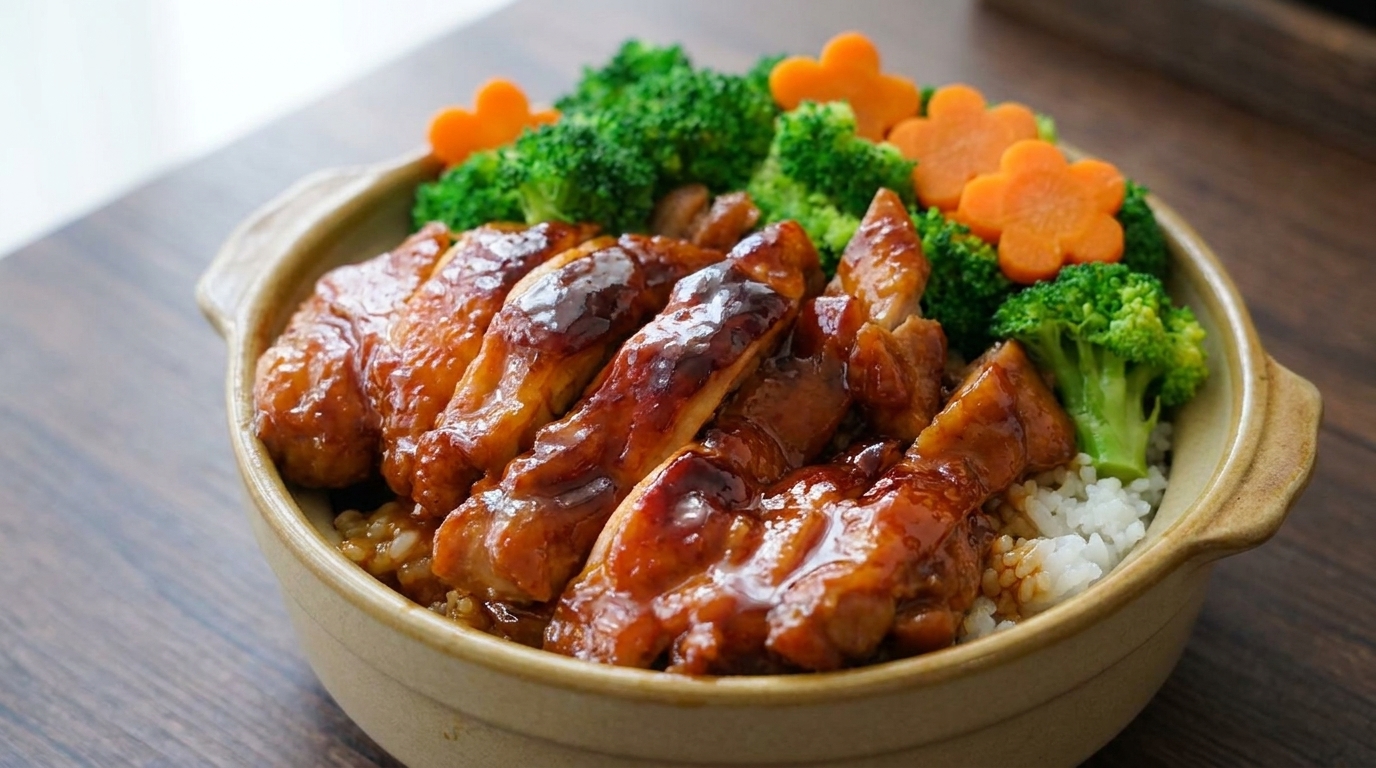
Better than takeout—tender deboned chicken thighs seared until golden, simmered in a glossy homemade glaze, and served over a warm bed of fluffy white rice.
Teriyaki chicken is a cornerstone of Japanese-inspired comfort food, loved for its perfect balance of savory soy and sweet mirin. While often a restaurant staple, the secret to a great bowl lies in rendering the chicken fat slowly to achieve a crispy skin that holds the thick, soul-satisfying glaze. This home-style version is more affordable and flavorful than any shop-bought alternative.
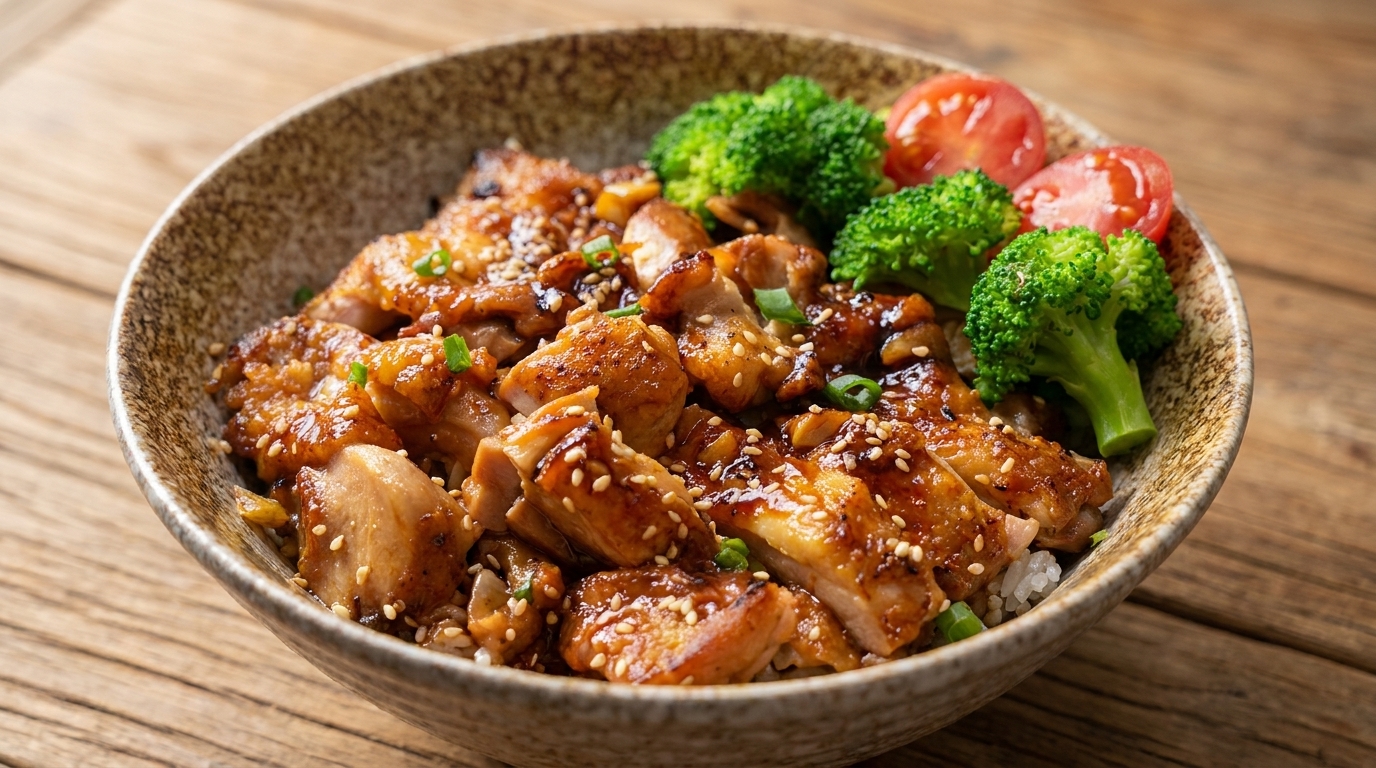
Ingredients
- 2 pieces deboned chicken thighs
- 1 tbsp cooking wine
- 1 tbsp minced garlic
- 3–4 slices ginger
- 100 ml teriyaki sauce
- 1 bowl steamed white rice
- to taste salt
- to taste black pepper
- optional broccoli florets
- optional cherry tomatoes
- to taste toasted sesame seeds
- to taste chopped green onions
Instructions
- 1Prep and dry the chicken
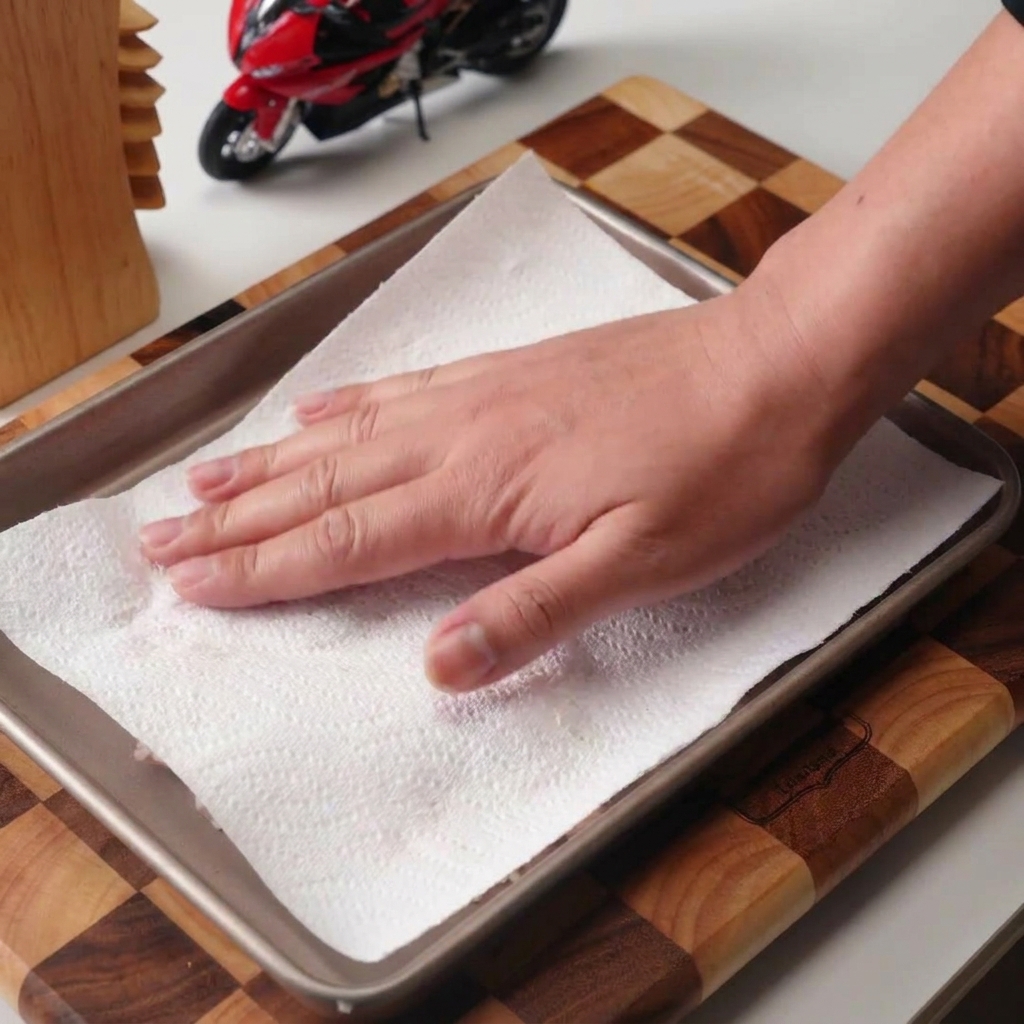
Place your deboned chicken thighs on a tray. Use a clean paper towel to thoroughly pat the surface dry on both sides. Removing this moisture is the first step to achieving a proper sear and prevents the chicken from steaming.
Tip: Removing surface moisture is the secret to getting that golden-brown, crispy skin when you start frying. - 2Score the chicken
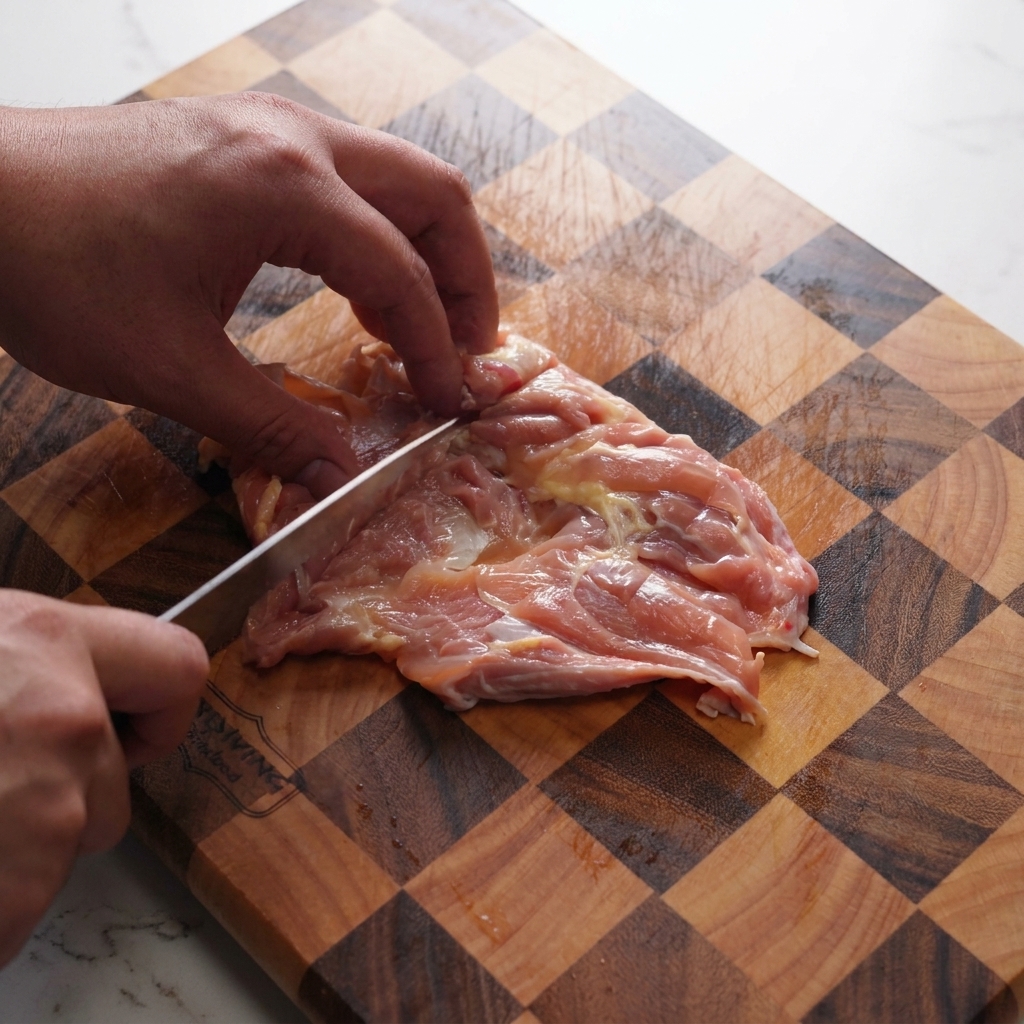
Place the deboned chicken thighs on a cutting board skin-side down. Use a sharp knife to make shallow, diagonal scores across the flesh. This prevents the meat from curling and shrinking during the frying process.
Tip: Be careful not to cut all the way through the meat; you only want to score the surface to relax the muscle fibers. - 3Tenderize the meat
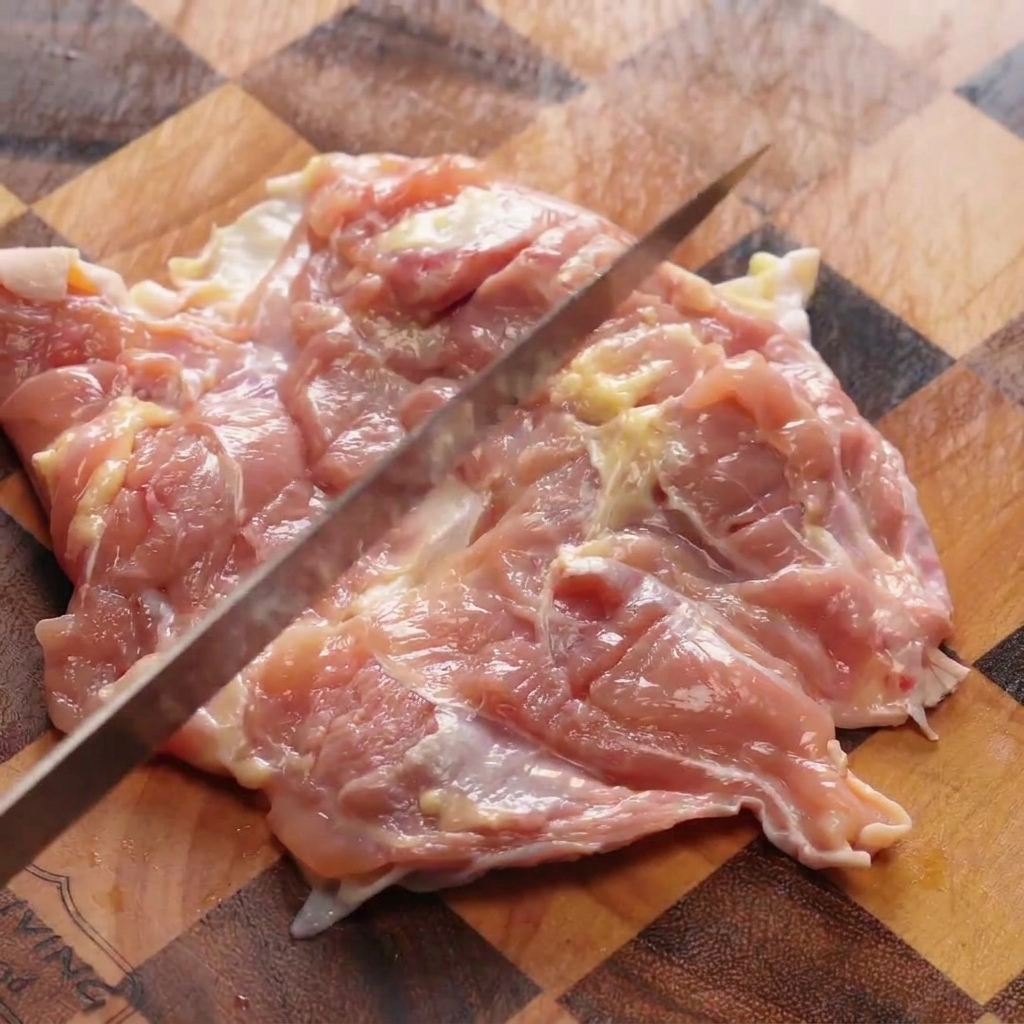
Use the back of your kitchen knife to lightly pound the surface of the chicken thigh. This further tenderizes the meat and ensures an even thickness, which helps the chicken cook uniformly in the pan.
Tip: Pounding also helps the marinade penetrate deeper into the meat for better flavor. - 4Marinate the chicken
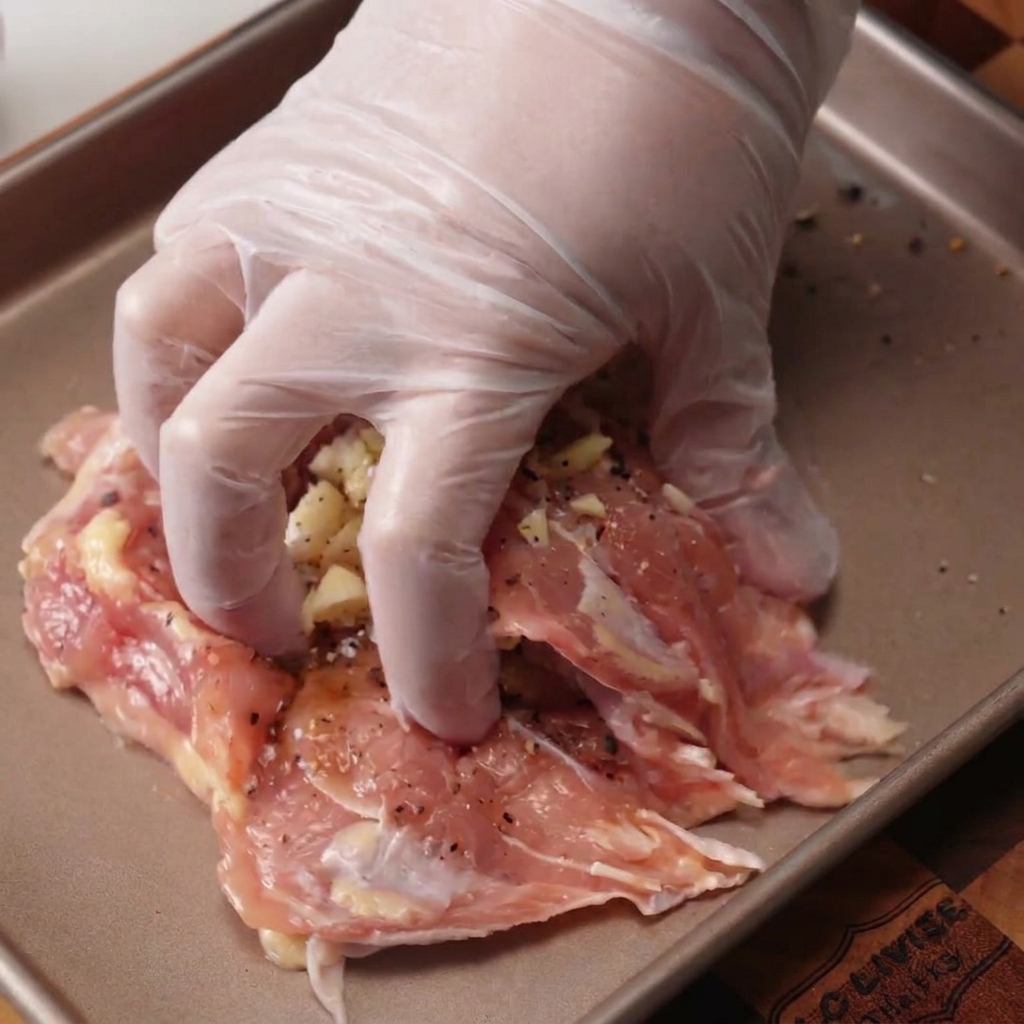
Combine the chicken thighs with salt, cooking wine, black pepper, minced garlic, and ginger slices. Massage the seasonings into the meat thoroughly to ensure every part is coated. Let it marinate for at least ten minutes.
Tip: If you have time, marinating for 30 minutes in the fridge will result in even deeper flavor. - 5Sear skin-side down
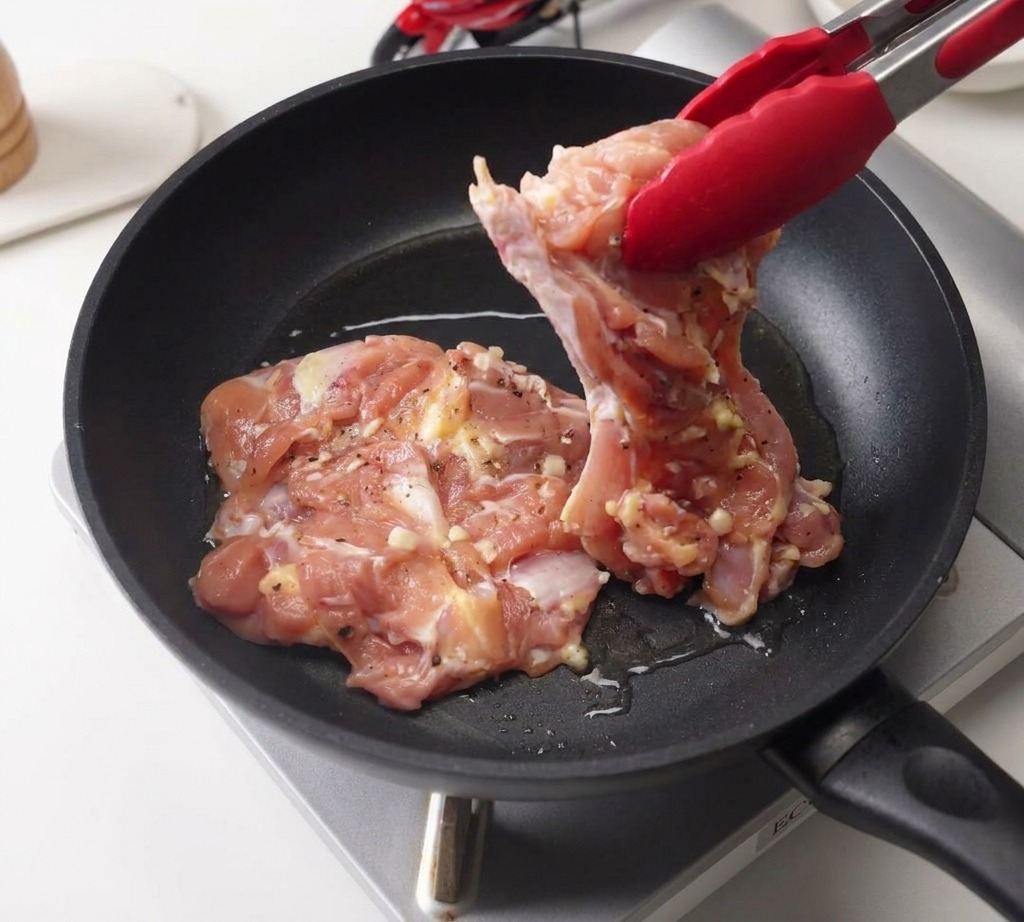
Heat a small amount of oil in a pan over low heat. Carefully place the chicken thighs into the pan with the skin-side facing down. Cooking skin-side first allows the fat to render out, resulting in a crispier texture.
Tip: Starting with a cold or low-heat pan helps render the chicken fat more effectively without burning the skin. - 6Flip and brown
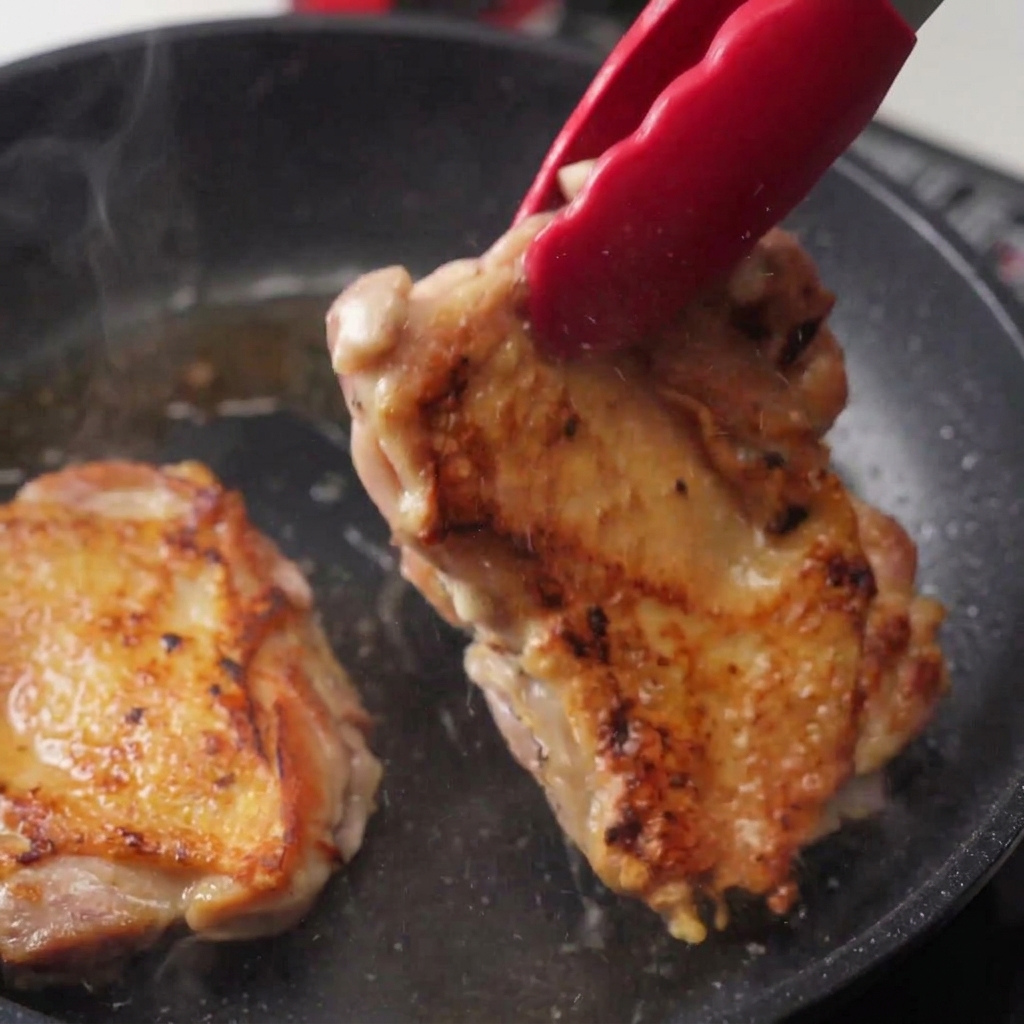
Once the skin has become golden brown and crispy, use tongs to flip the chicken thighs over. Continue to fry the other side until it is also golden. This seals in the juices before adding the sauce.
Tip: Adjust the heat as needed to ensure the chicken browns beautifully without the garlic in the marinade burning. - 7Add the teriyaki sauce
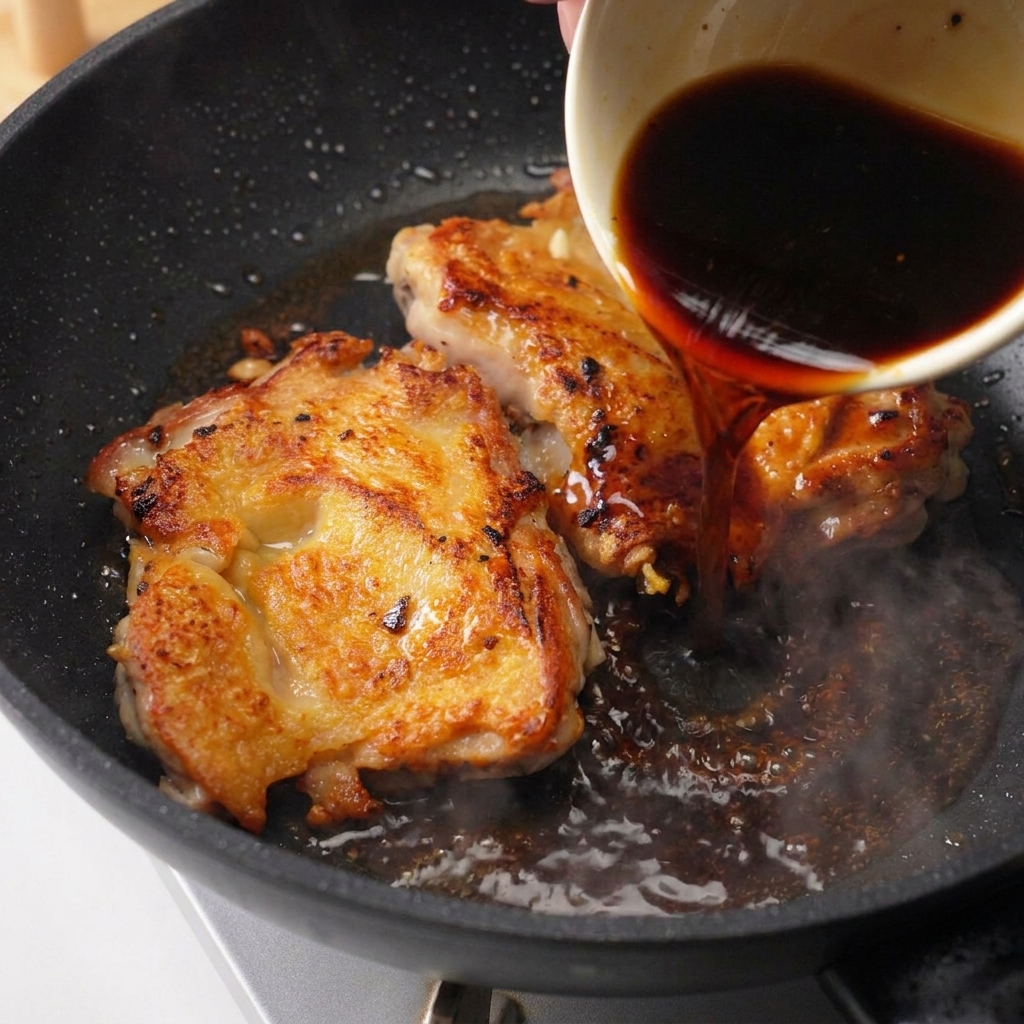
Once the chicken thighs are golden brown on both sides, pour your pre-mixed dark teriyaki sauce directly into the pan. The sauce should immediately begin to sizzle and bubble as it hits the hot surface, surrounding the chicken with flavor.
Tip: Lower the heat slightly before adding the sauce to prevent the sugars in the teriyaki from burning too quickly. - 8Simmer to tenderize
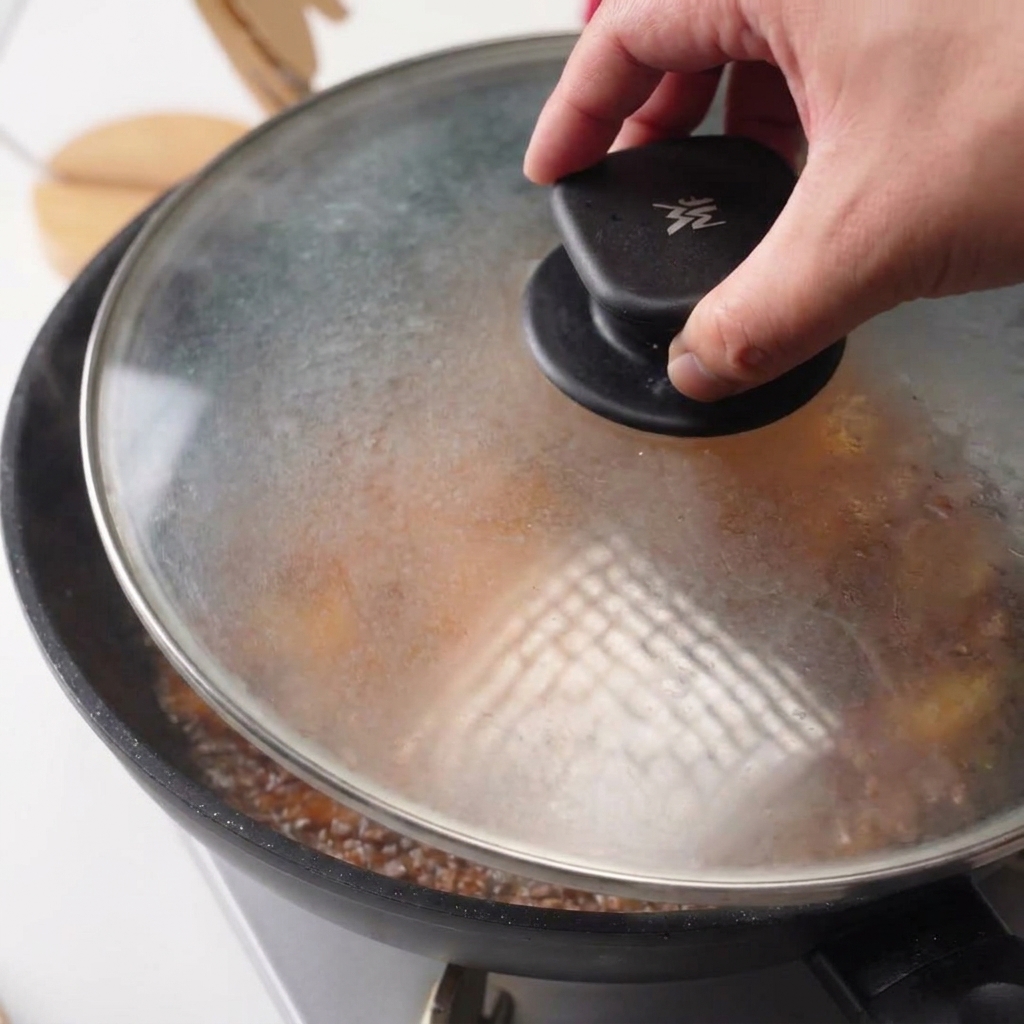
Cover the pan with a glass lid and let the chicken simmer in the teriyaki sauce for about five minutes over low heat. This traps steam to ensure the meat is cooked through while remaining juicy and infused with the sauces aroma.
Tip: Using a glass lid allows you to monitor the sauces consistency without lifting the cover and letting the heat escape. - 9Baste for flavor
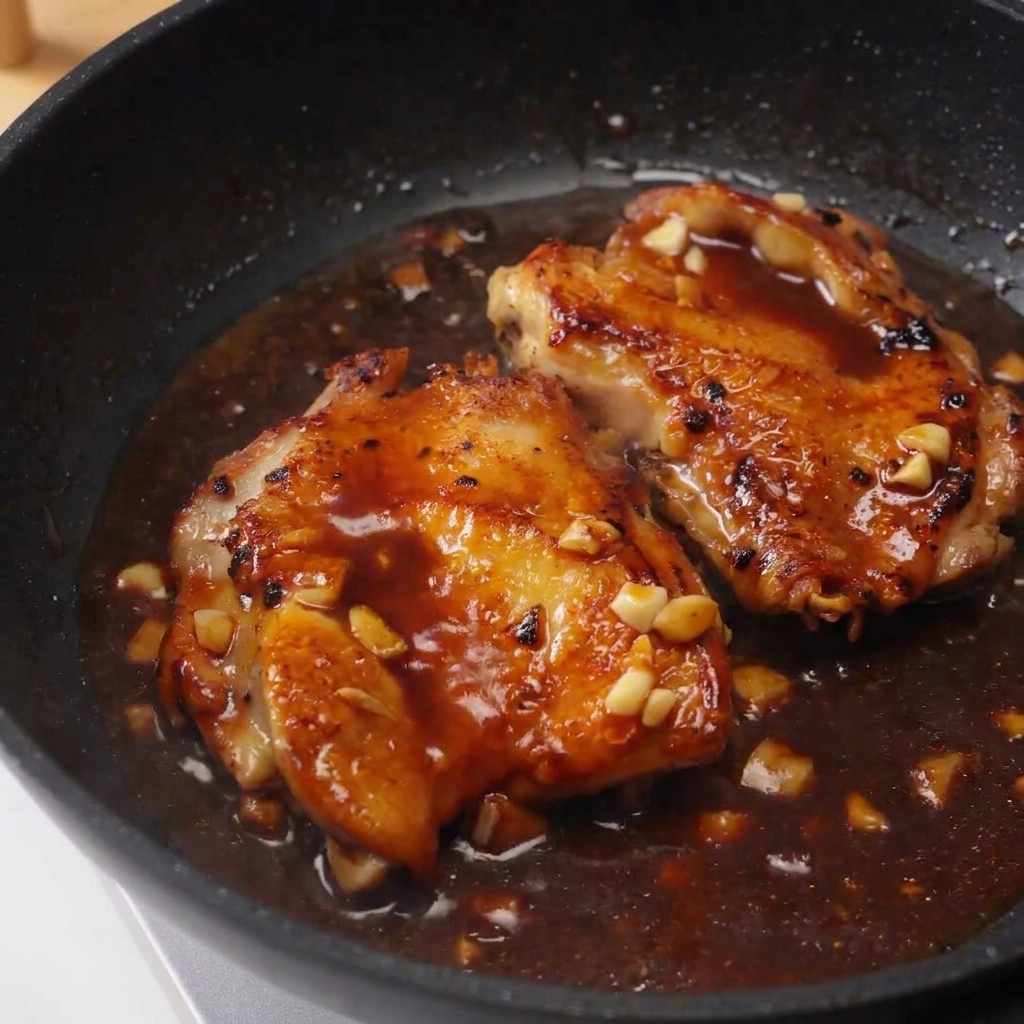
Remove the lid and use a spoon to repeatedly scoop the thickening sauce over the top of the chicken thighs. This basting process coats the meat in a rich, glossy glaze and intensifies the teriyaki flavor throughout the dish.
Tip: The sauce will thicken as it reduces; continue basting until the glaze looks shiny and clings to the chicken. - 10Slice and serve
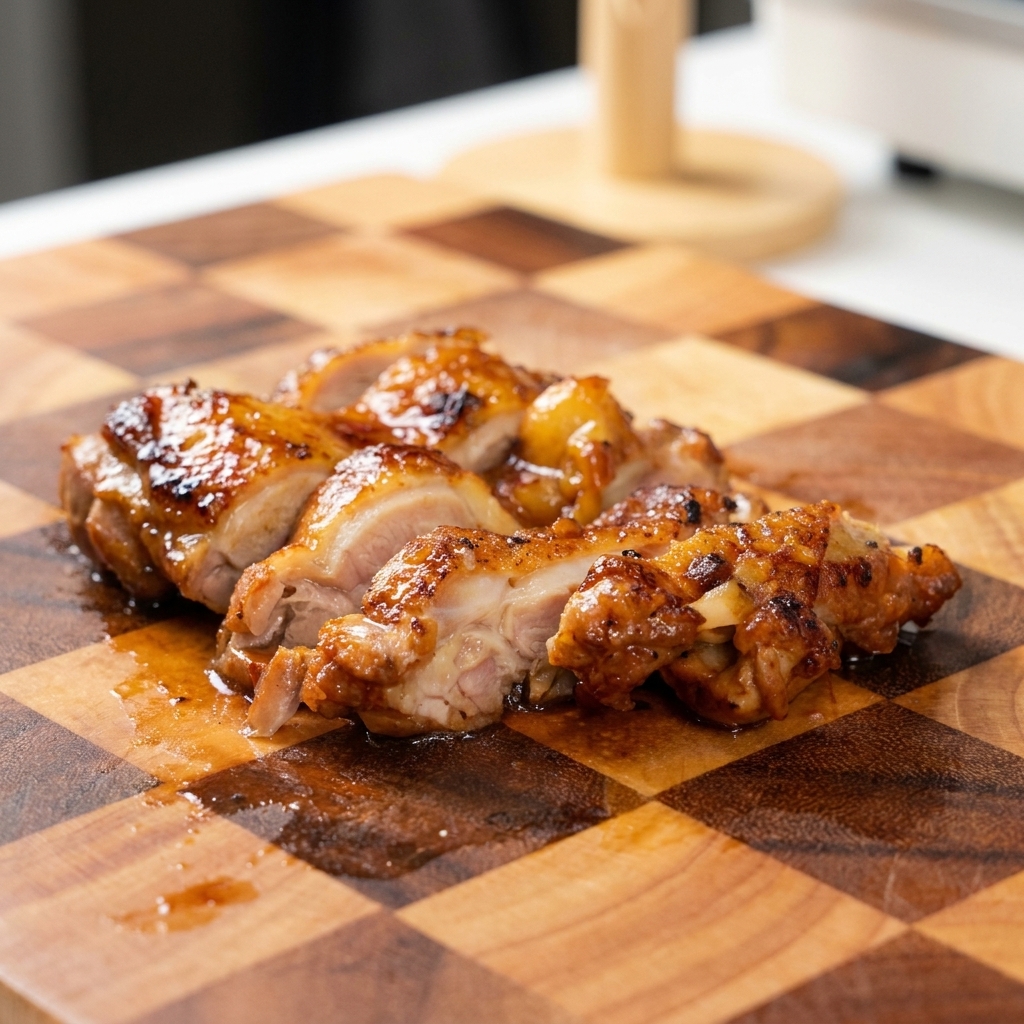
Transfer the glazed chicken to a cutting board and slice into even, bite-sized strips. Arrange them over a warm bowl of rice, drizzle with the remaining pan sauce, and garnish with sesame seeds and green onions.
Tip: Let the chicken rest for a minute before slicing to keep the juices inside the meat.