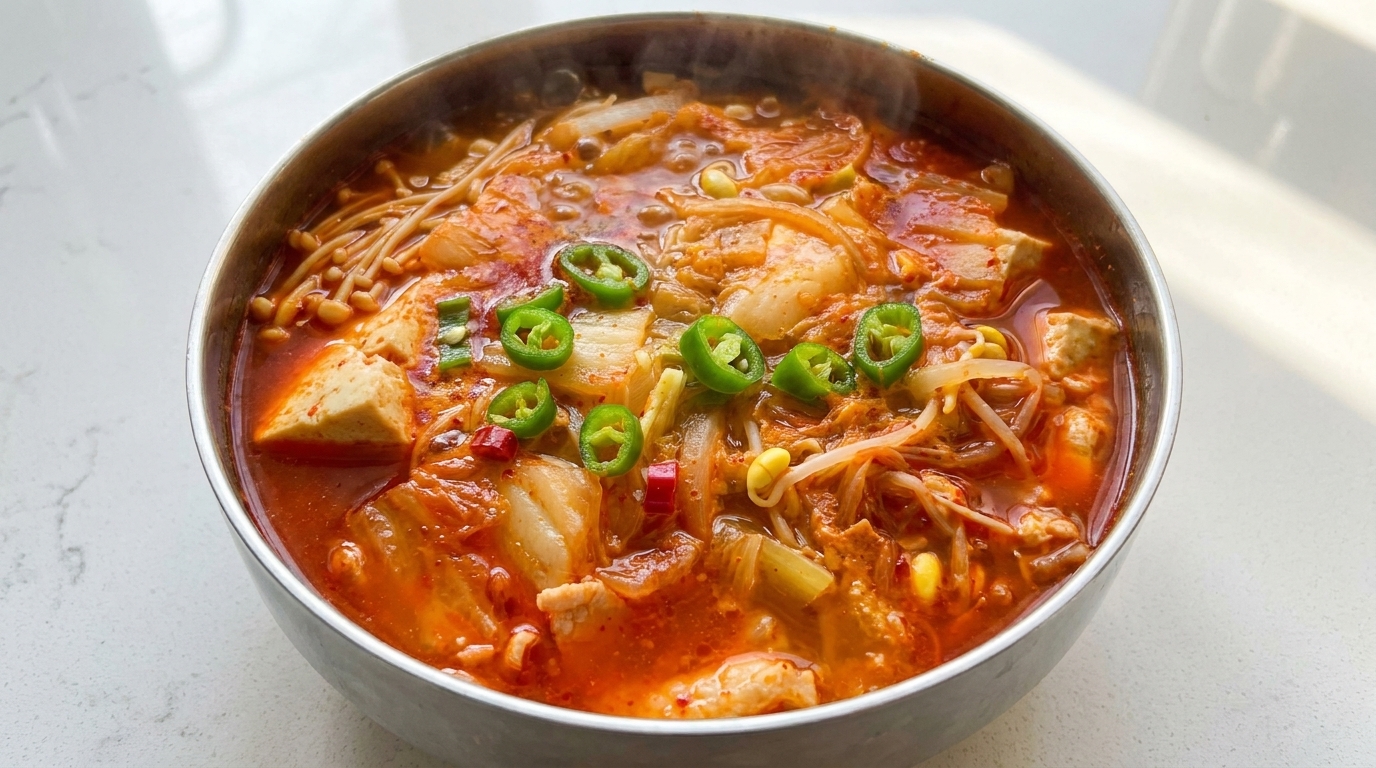
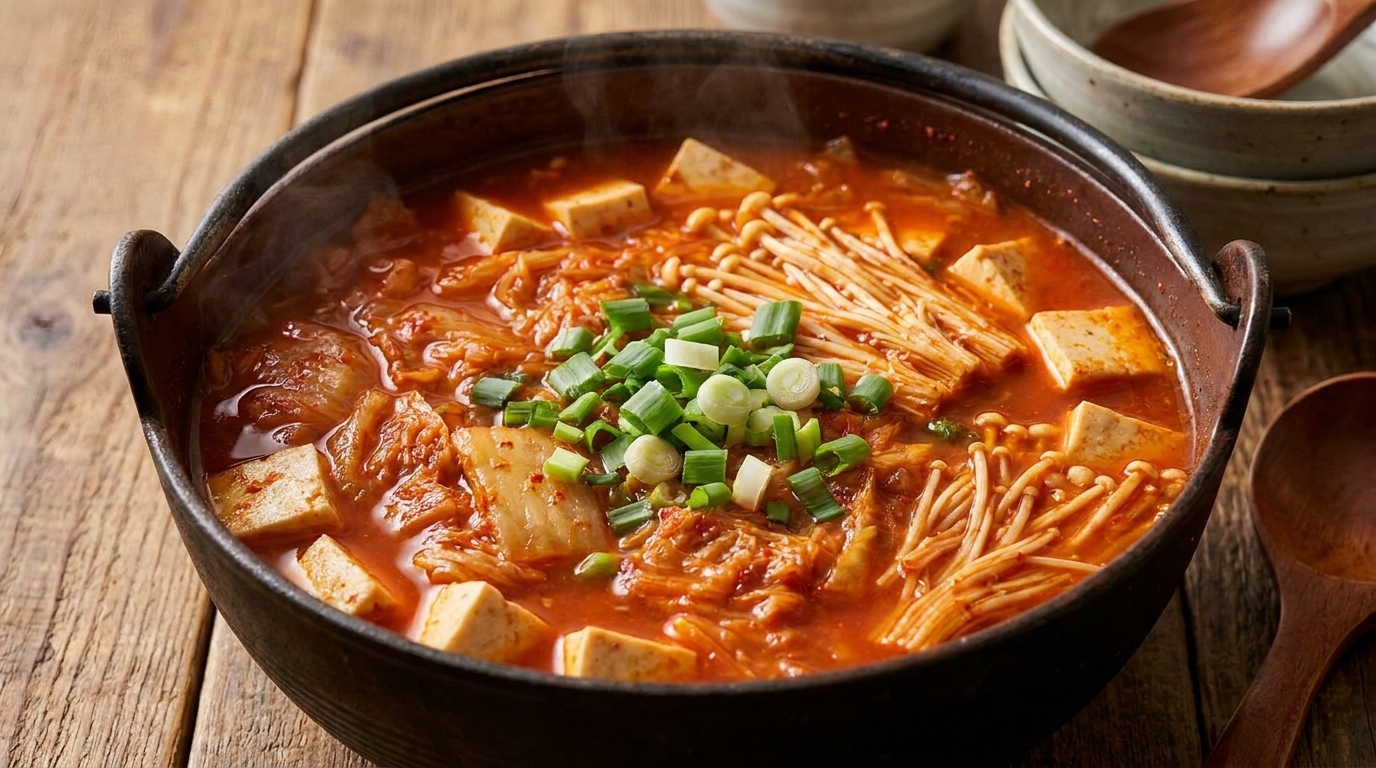
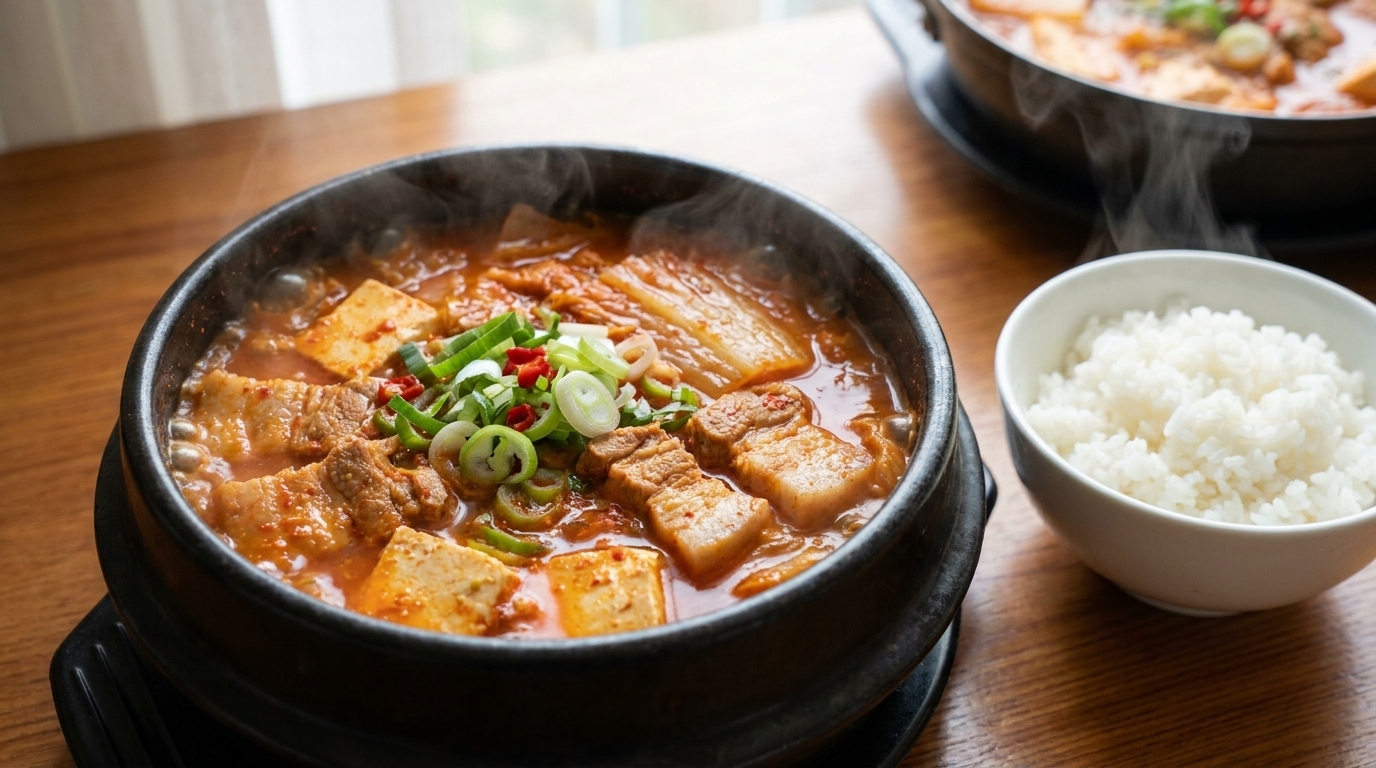
Classic Korean Kimchi Jjigae (Kimchi Stew)
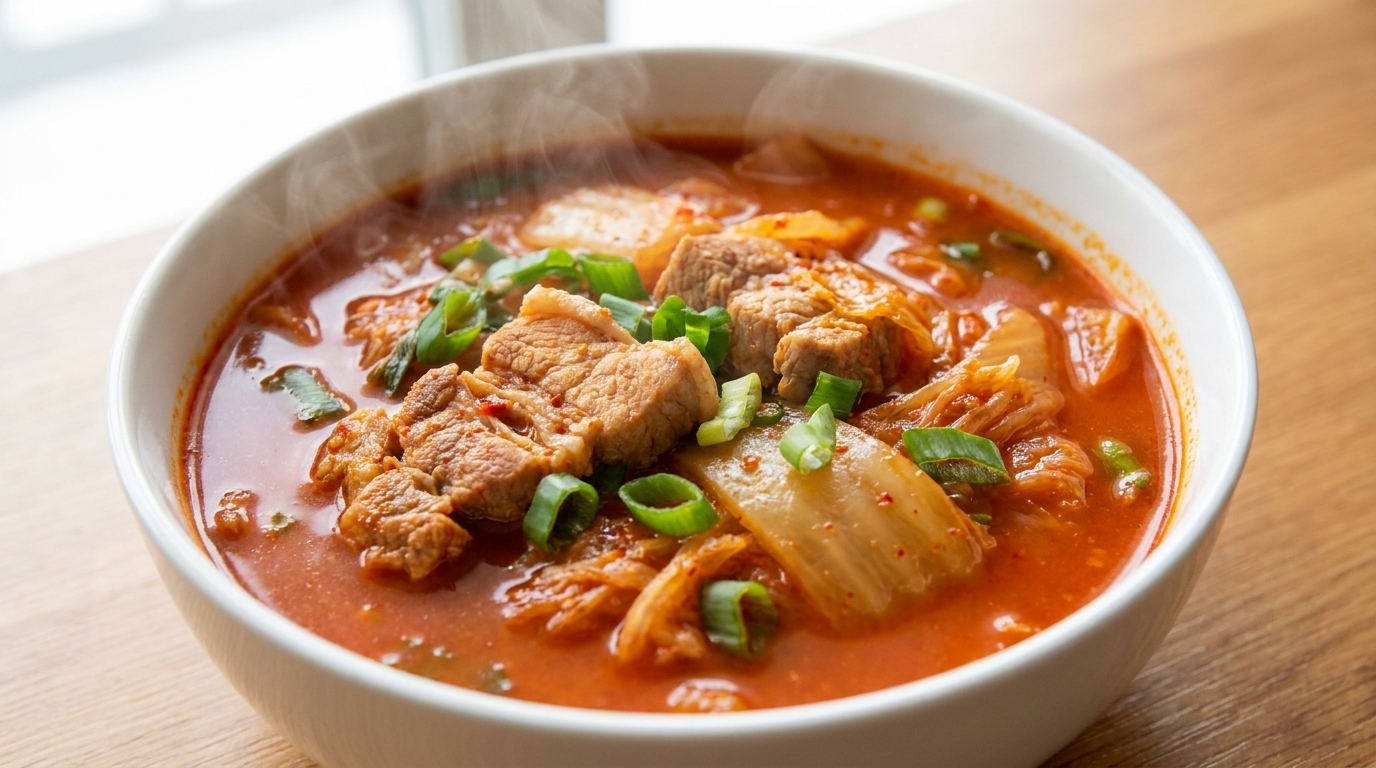
Master the art of authentic Korean comfort food with this flavorful Kimchi Jjigae, featuring tender pork and sour, well-fermented kimchi in a spicy, savory broth.
Kimchi Jjigae is a quintessential Korean stew that transforms humble ingredients into a deeply satisfying meal. At the heart of this dish is the fermentation of the kimchi, which provides a complex, tangy foundation that balances perfectly with savory pork and aromatic spices. This recipe captures the beloved, balanced approach of Chef Baek Jong-won, making it an ideal choice for both weeknight dinners and cozy gatherings.
Ingredients
- 390 g well-fermented kimchi
- 120 g pork
- 670 ml water
- 1 tbsp salted shrimp
- 1 tbsp light soy sauce
- 1 tbsp coarse chili flakes
- 0.5 tbsp fine chili flakes
- 1 tbsp minced garlic
- 0.2 tbsp MSG
- 0.2 tbsp sugar
- to taste green onions
- to taste chili slices
Instructions
- 1Start the broth base
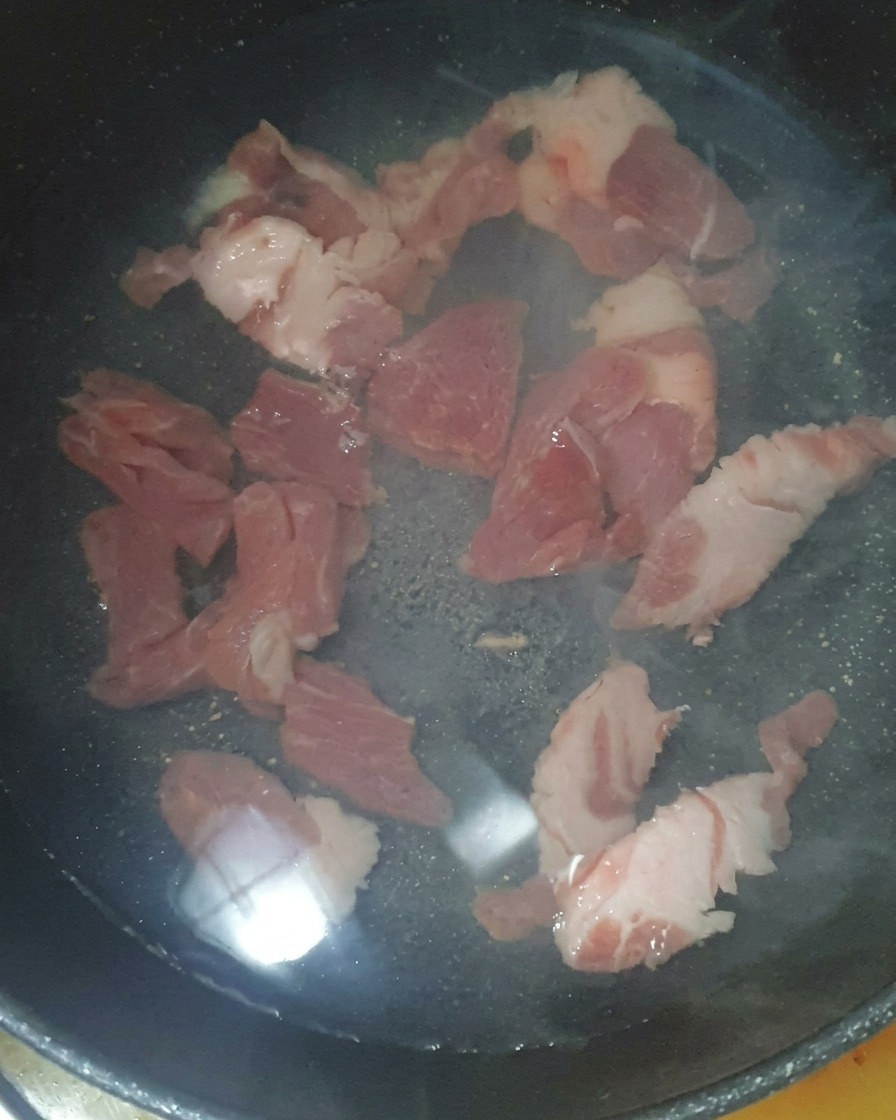
Begin by adding 550ml of water to a pot, then combine it with 120g of pork and one spoonful of salted shrimp. This forms the foundational base for your Kimchi Jjigae.
Tip: If you dont have salted shrimp on hand, you can use one spoonful of fish sauce as an effective substitute. - 2Simmer and replenish
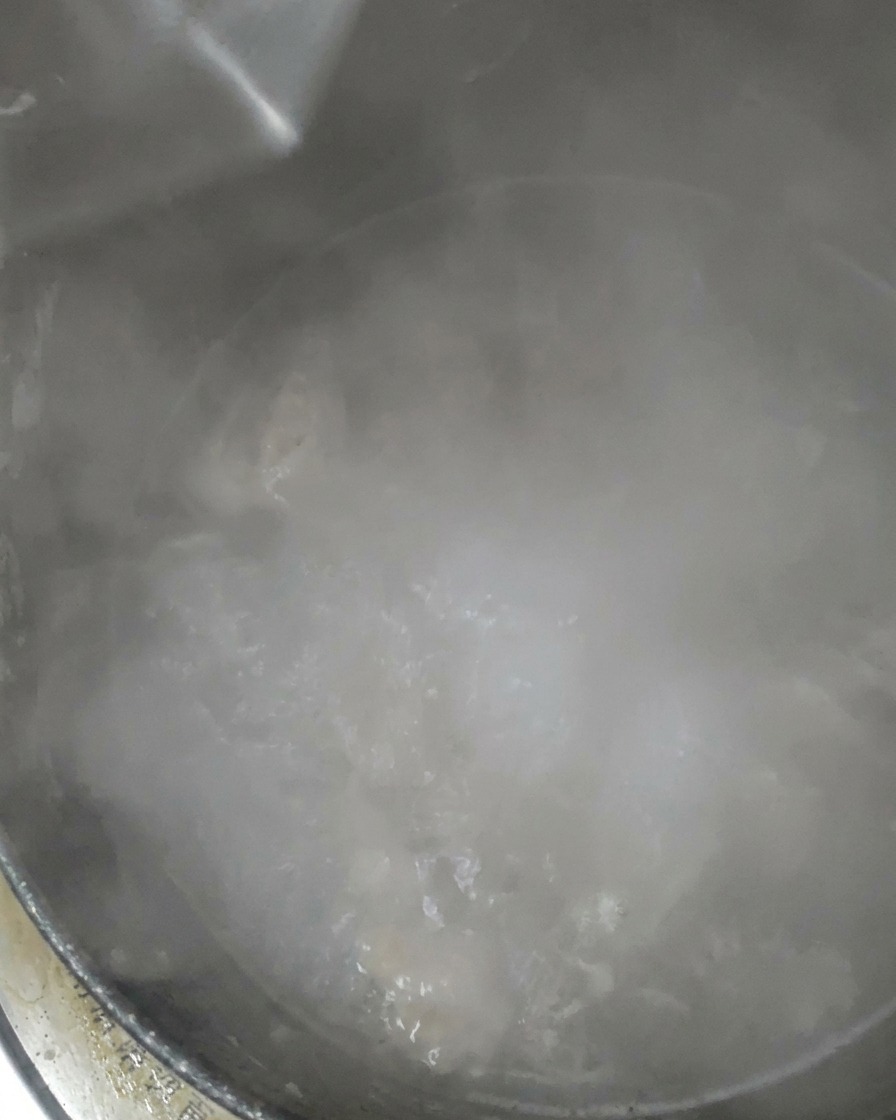
Allow the base to simmer over low heat for 20 minutes to develop flavor. Once the time is up, pour in an additional 120ml of water to maintain the soup consistency.
Tip: Simmering slowly helps tenderize the pork and builds a deeper flavor profile for the broth. - 3Add the kimchi
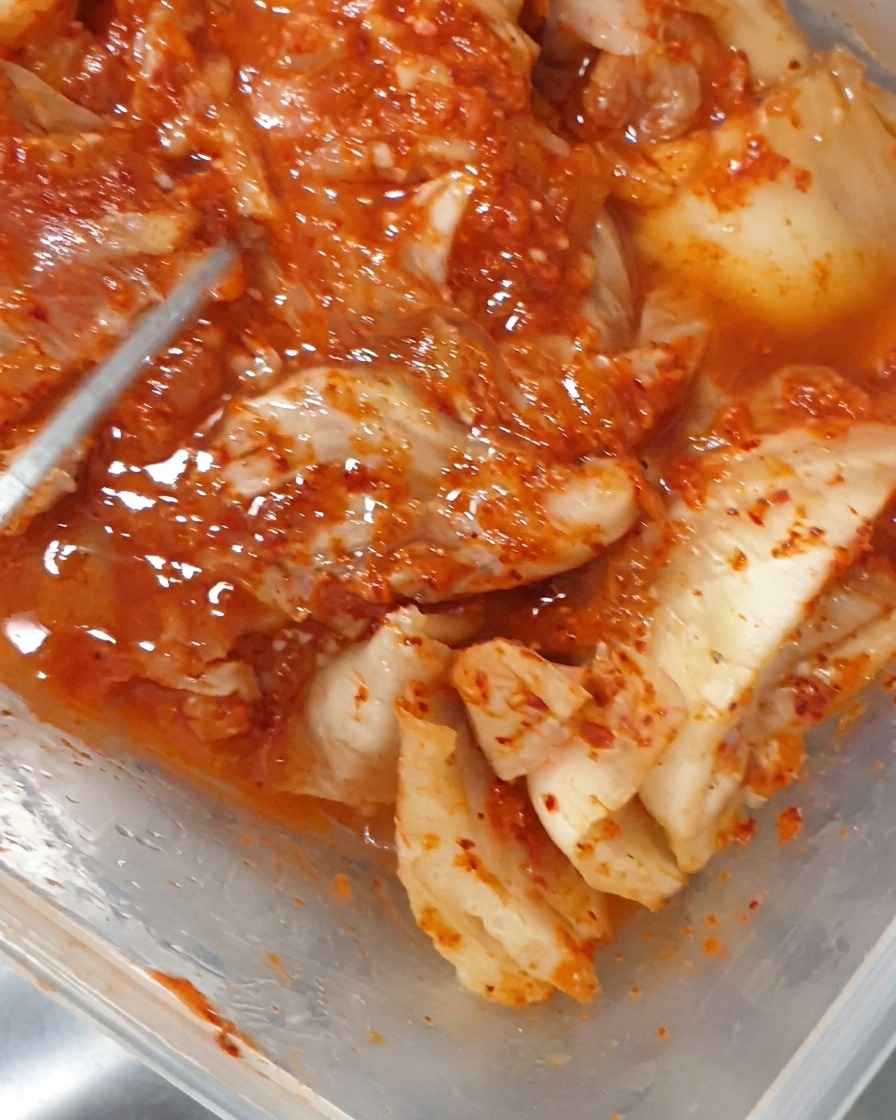
Add 390g (about three cups) of well-fermented, sour kimchi to the pot. The quality of your stew depends largely on how aged and flavorful your kimchi is.
Tip: Ensure you are using well-fermented, sour kimchi for the best possible flavor in your Jjigae. - 4Season with soy sauce
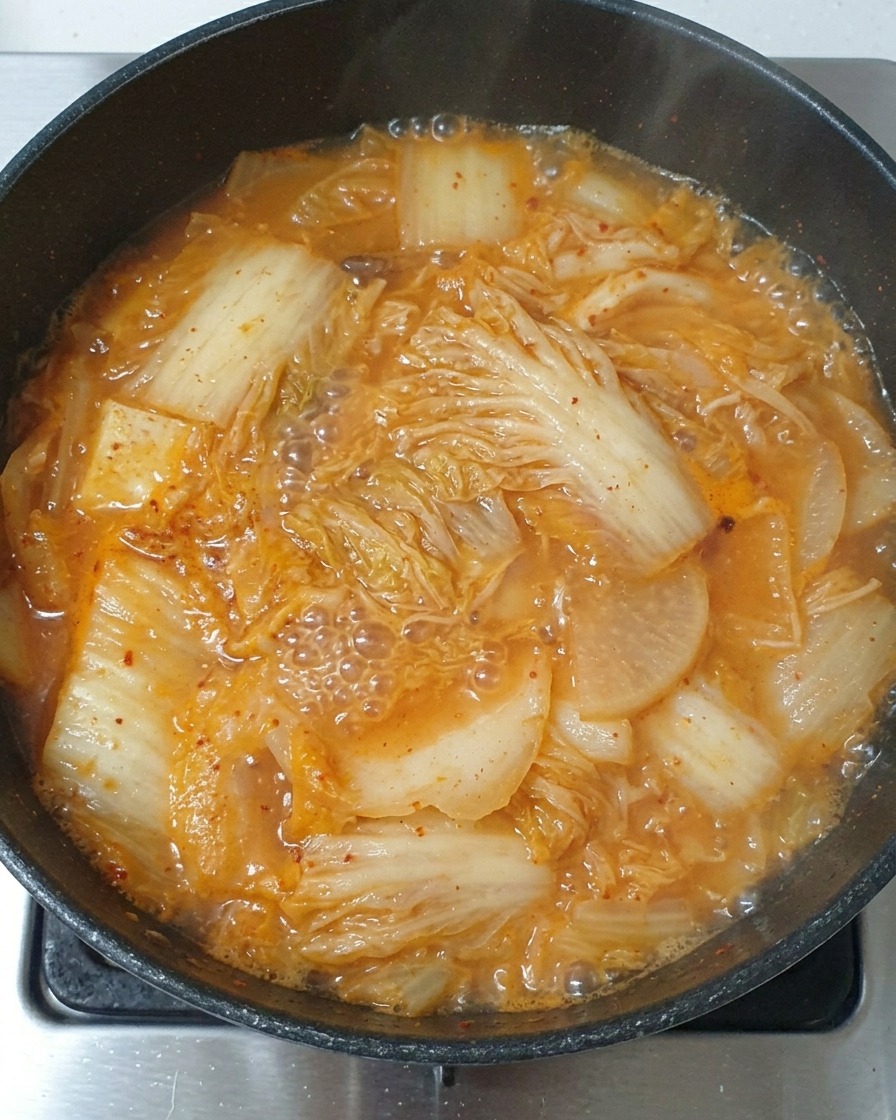
Stir in one spoonful of light soy sauce to the stew to enhance the savory notes and depth of the broth.
Tip: Add the soy sauce gradually if you prefer to adjust the saltiness to your personal taste. - 5Add chili flakes
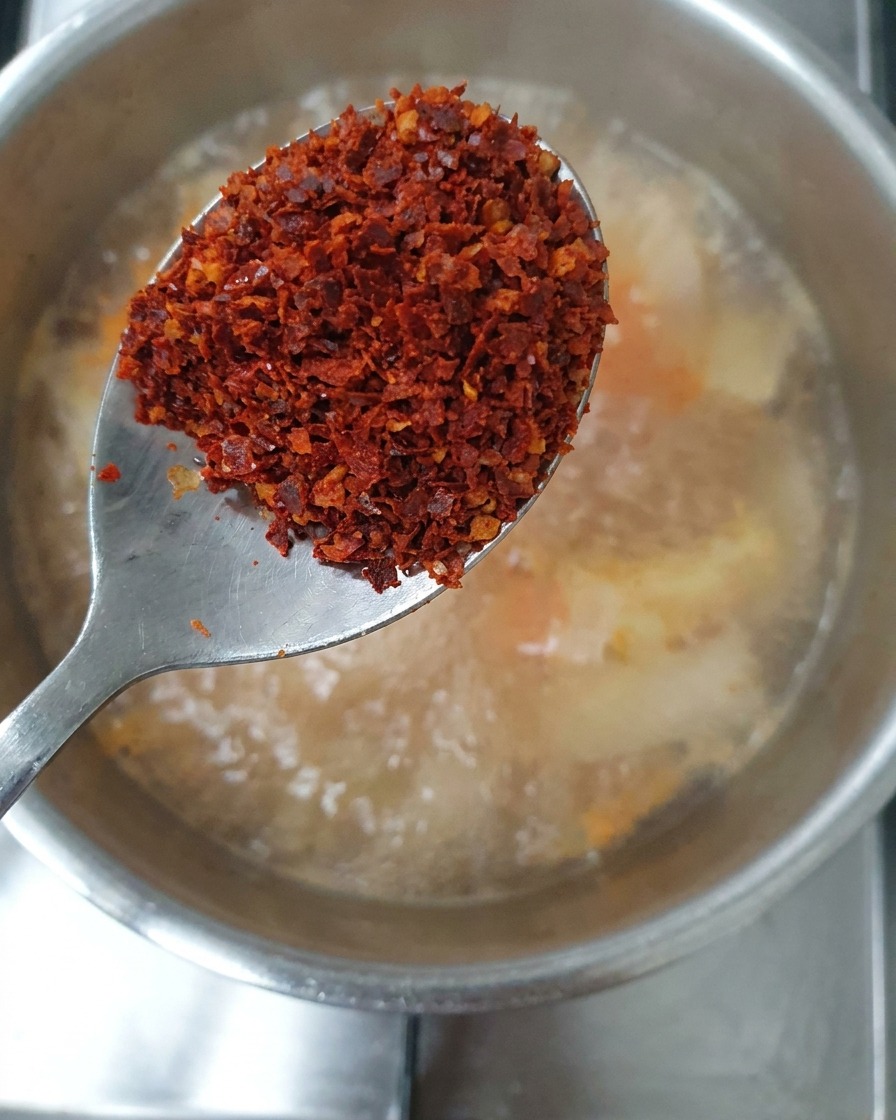
Incorporate one spoonful of coarse chili flakes and half a spoonful of fine chili flakes into the pot to provide the signature color and heat.
Tip: The combination of coarse and fine flakes provides both vibrant color and a balanced texture to the broth. - 6Final seasonings
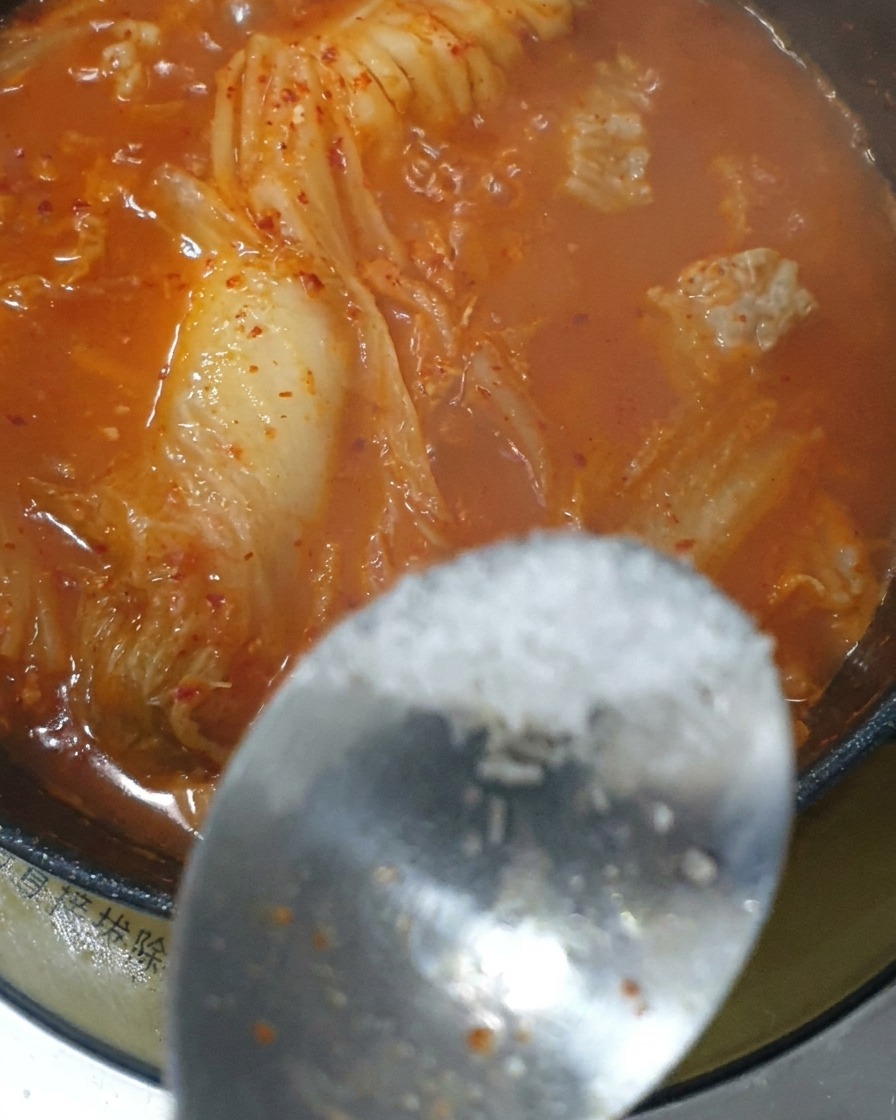
Add 1/5 spoonful of MSG and 1/5 spoonful of sugar to the stew. These ingredients help balance the acidity of the fermented kimchi.
Tip: The sugar is crucial for mellowing out the tartness of the aged kimchi. - 7Add aromatics and finish cooking
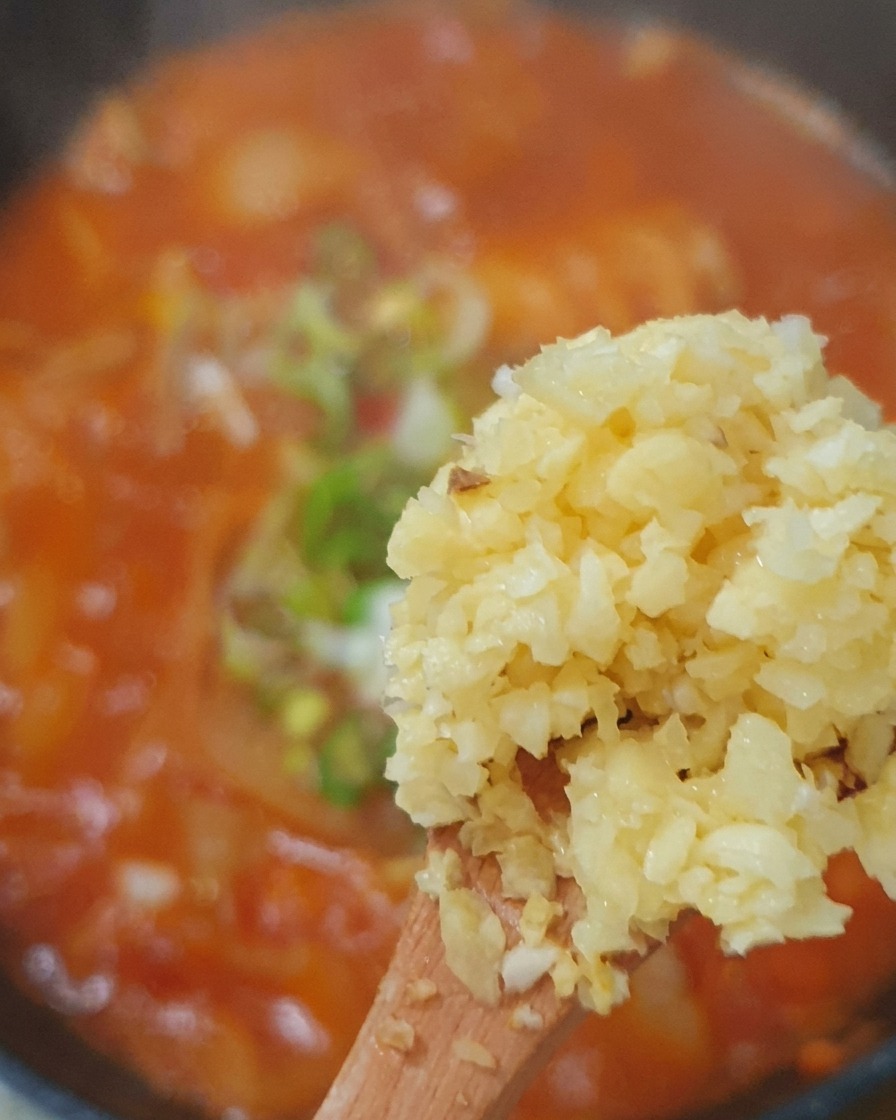
Add one spoonful of minced garlic along with the prepared green onions and chili slices into the bubbling kimchi stew. Allow the ingredients to simmer together for an additional two or three minutes before turning off the heat.
Tip: Adding the aromatics near the end keeps their flavor fresh and vibrant in the finished stew.