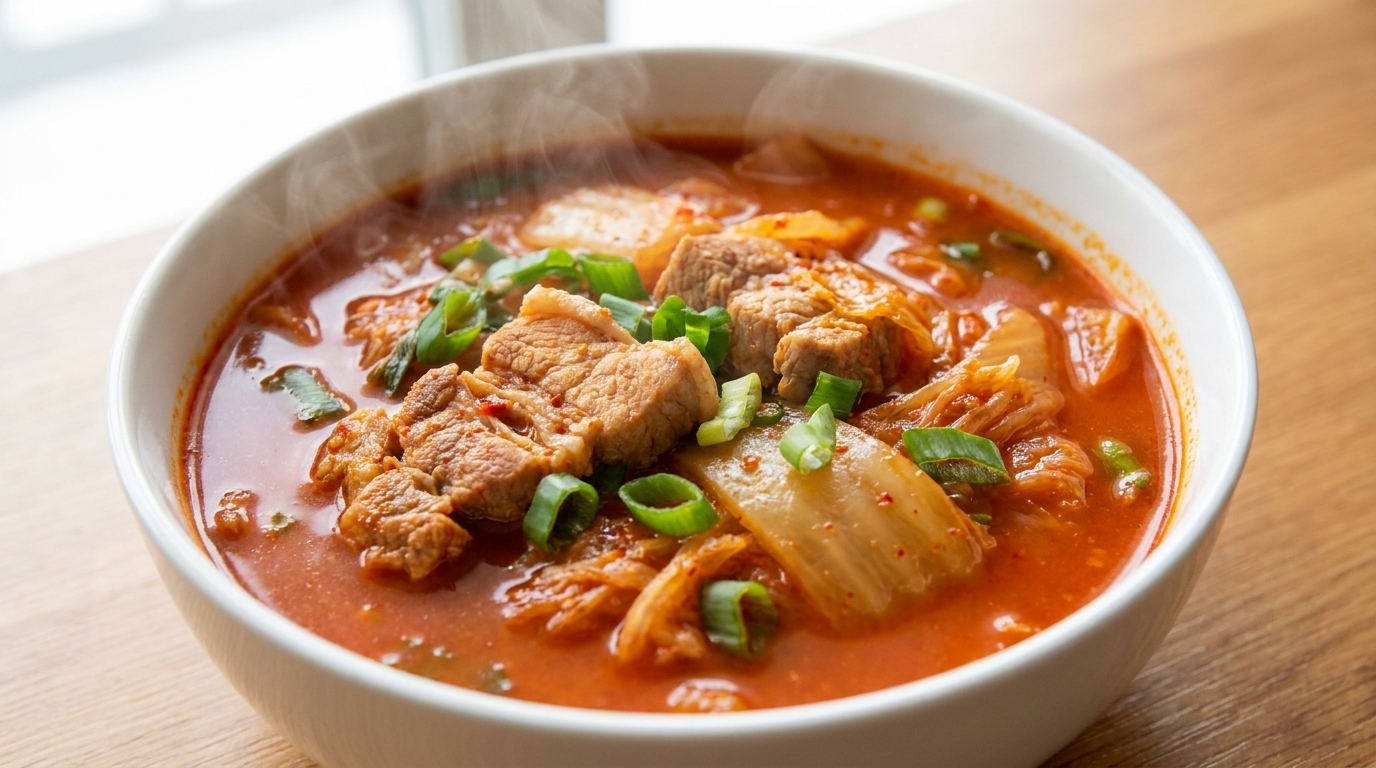
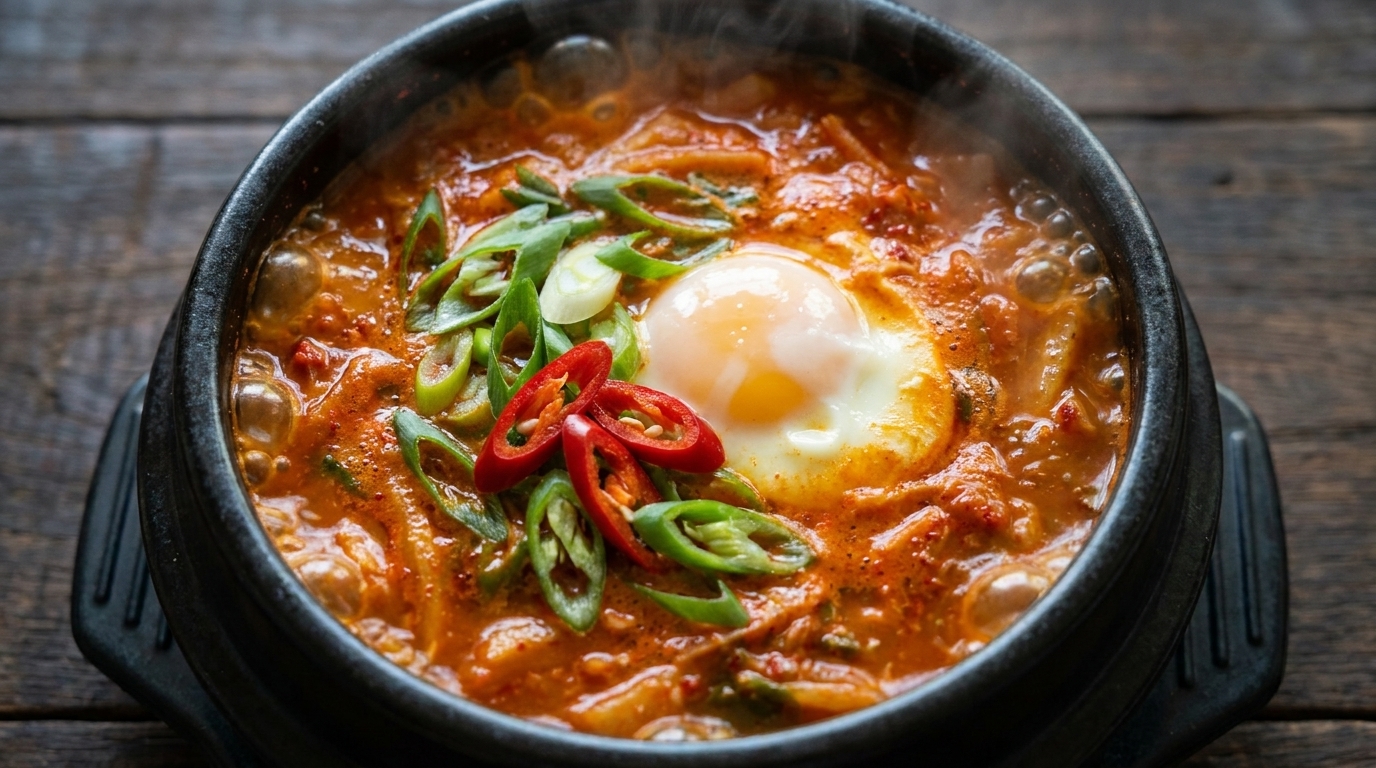
Traditional Kimchi Jjigae (Korean Kimchi Stew)
Master the art of authentic Kimchi Jjigae with this 24-year restaurant-proven recipe, featuring a secret golden seasoning ratio for a clean, deep umami flavor.
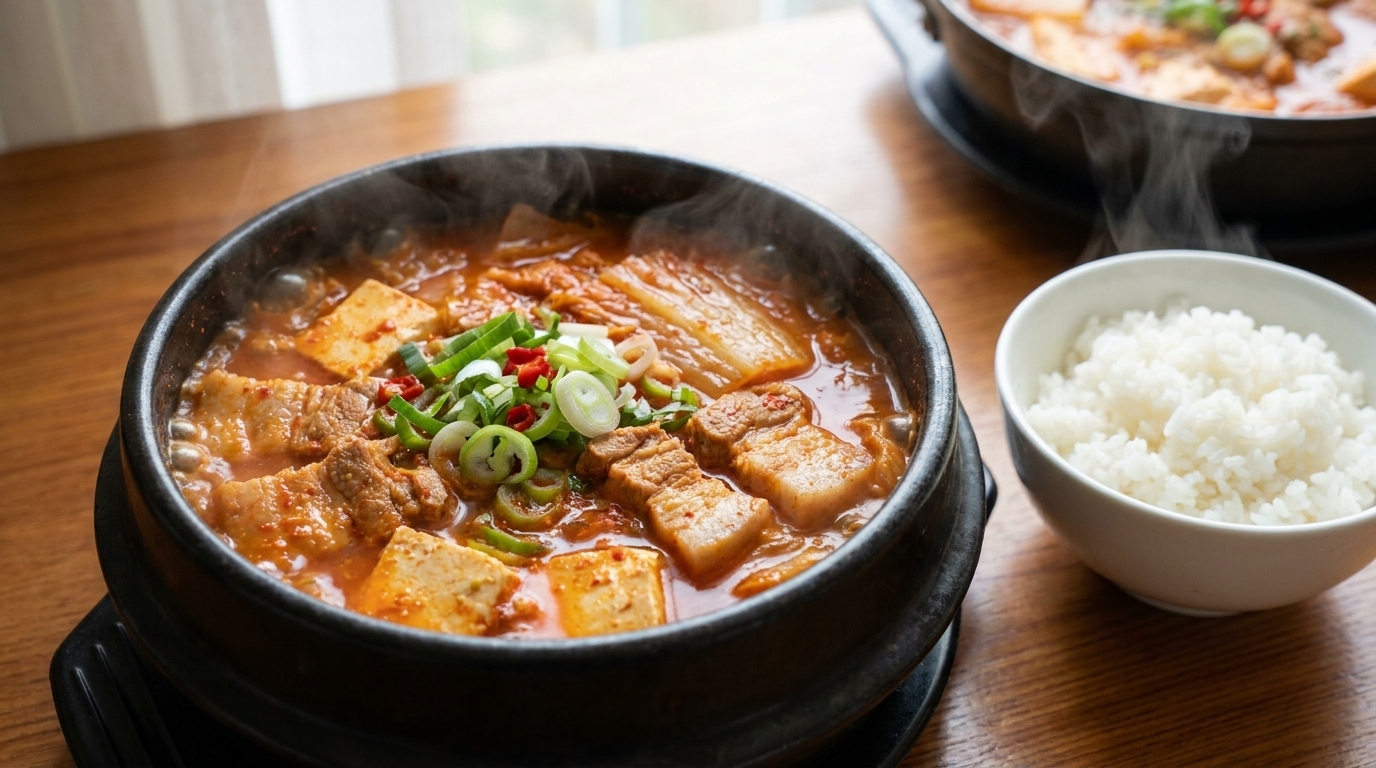
Kimchi Jjigae is the quintessential Korean comfort food, a hearty stew that transforms aged kimchi into a rich, spicy, and deeply savory meal. This version focuses on achieving a perfectly balanced broth by carefully searing the pork and aromatics before simmering. With a professional-grade golden ratio of sauces, it delivers the clean, refreshing, and addictive flavor typically reserved for the best traditional eateries.
Ingredients
- 600 g kimchi
- 200 g tofu
- 1/2 onion
- 1 green onion
- 2 spicy green chilies
- 1 red chili
- 1 tbsp perilla oil
- 1 tbsp avocado oil
- 2 tbsp cooking wine
- 1/3 tbsp ginger powder
- 2 tbsp chili powder
- 1 tbsp shrimp salted fish sauce
- 1/2 tbsp sugar
- 1 tbsp minced garlic
- 900 ml water
- 2 tbsp 1:1:1 fish sauce, soy sauce, and tuna sauce mixture
- 1/2 tbsp Dashida beef seasoning
Instructions
- 1Slice the onions
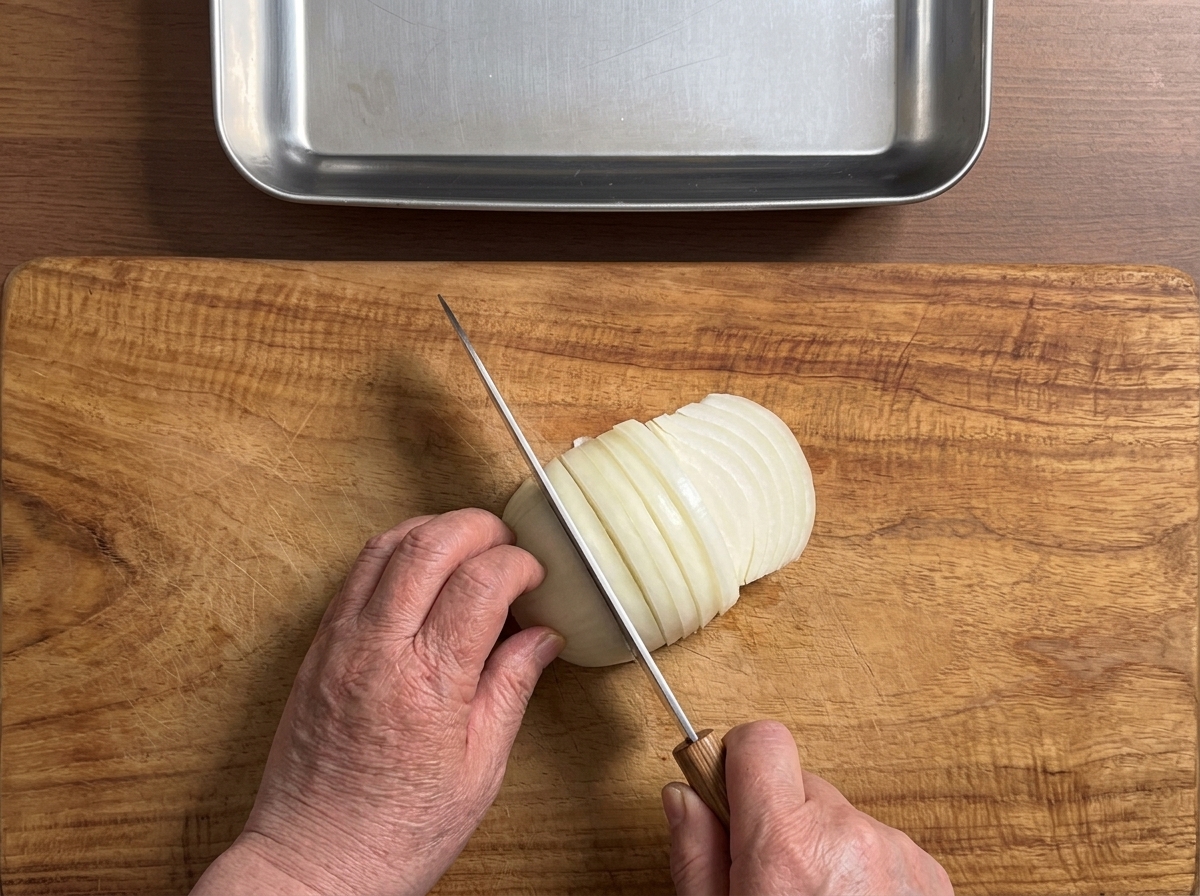
Take half an onion and slice it into thick, uniform pieces on a cutting board. Preparing the onions this way ensures they hold their texture during the stewing process.
Tip: Thick slices prevent the onion from completely dissolving into the broth. - 2Prepare the tofu
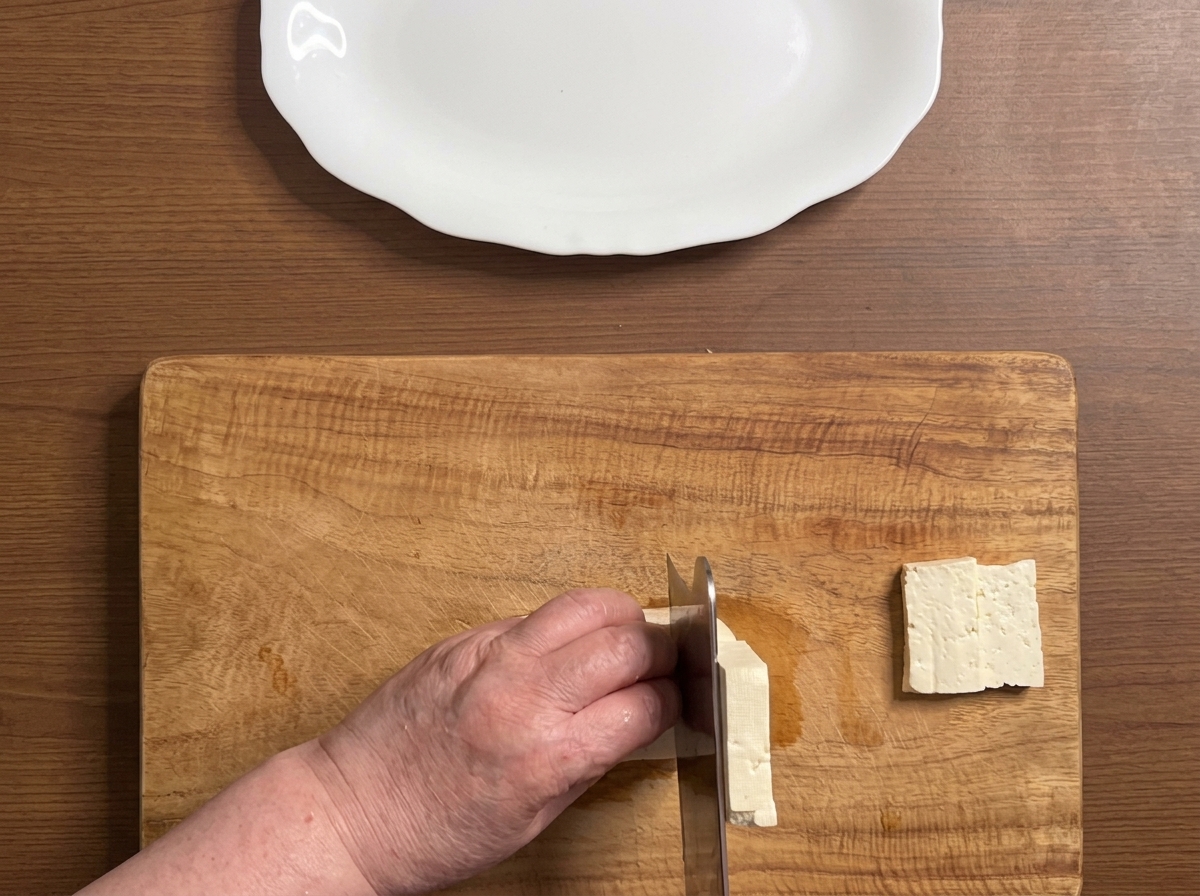
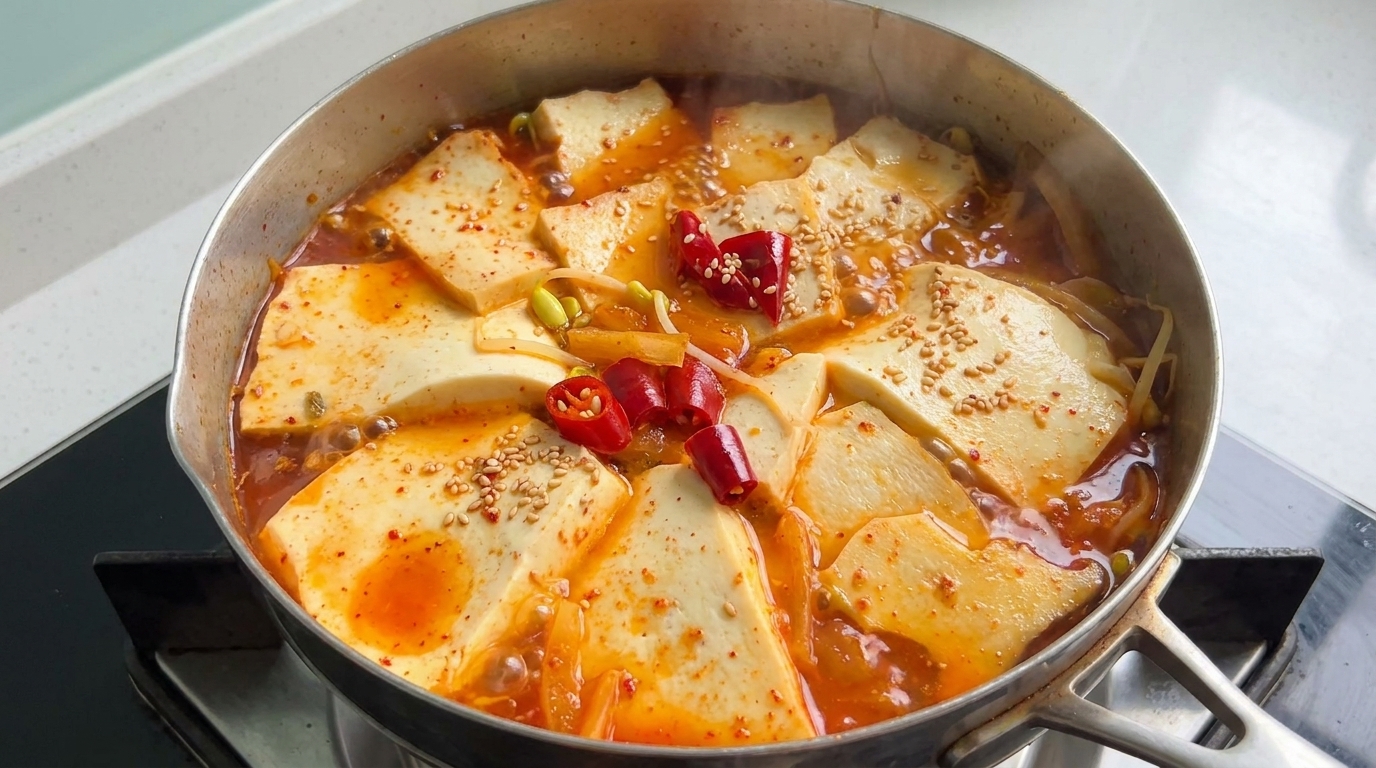
Take 200g of tofu and carefully slice it into thick, uniform slabs. These pieces will be added to the stew towards the end to ensure they remain firm and soak up the flavors.
Tip: Use a sharp knife to get clean cuts without crumbling the tofu. - 3Sauté the pork and onions
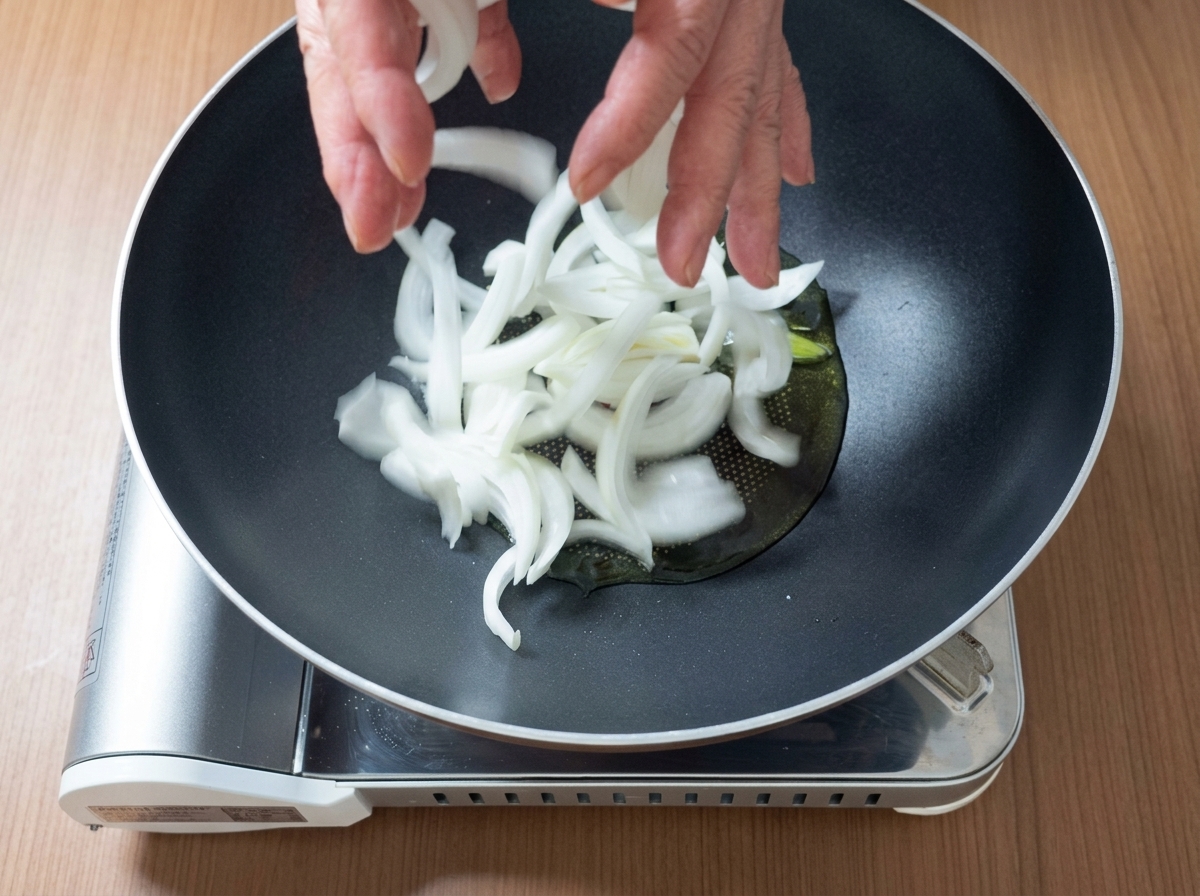
In a pan, add a swirl of perilla oil and a swirl of avocado oil. Add the sliced onions and pork, and stir-fry them over medium-high heat for about 1 minute until the pork begins to sear.
Tip: Stir-frying the meat with the oil first builds a strong savory base for the kimchi broth. - 4Add the kimchi
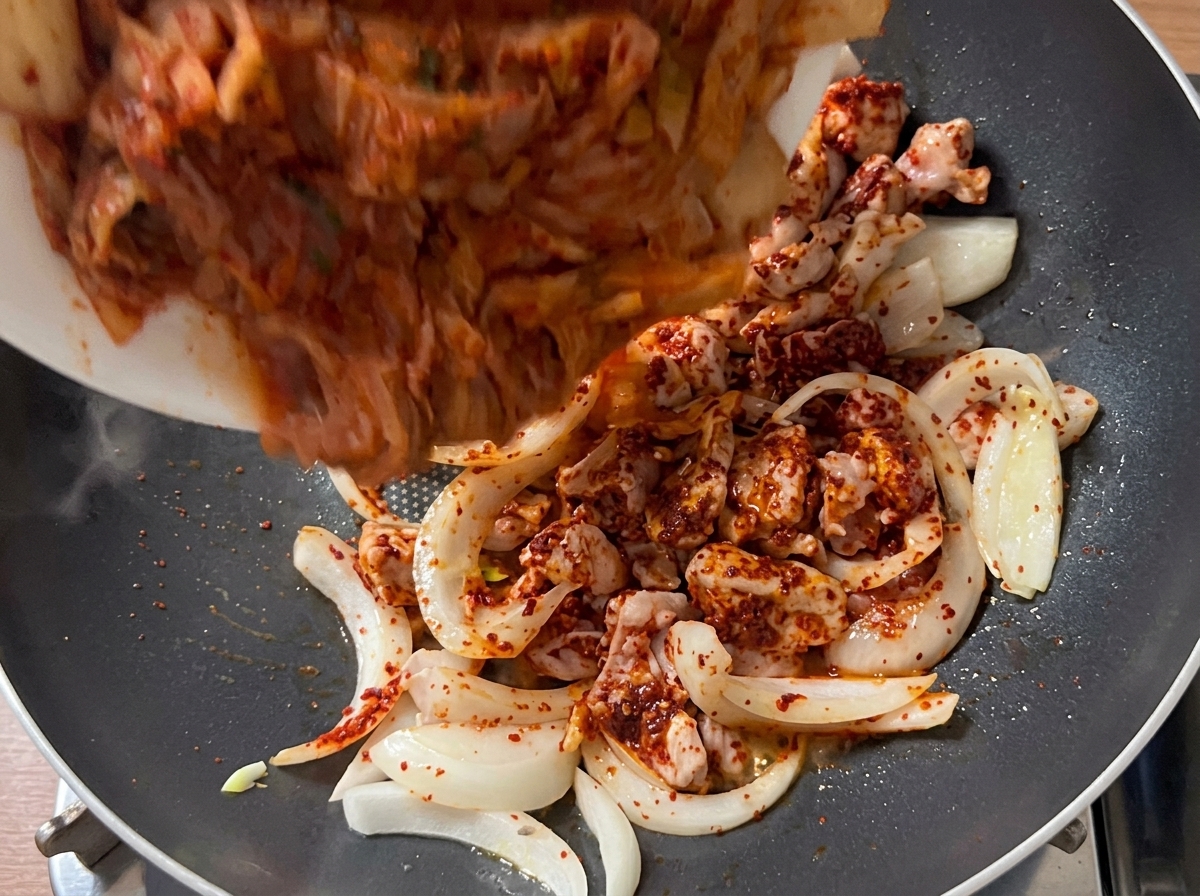
Add 600g of bite-sized kimchi pieces into the pan with the sautéed pork and onions. Continue to stir-fry to let the flavors meld together before adding liquids.
Tip: Adding the kimchi at this stage allows the pork fat to coat the cabbage, enhancing the depth of the stew. - 5Pour in water
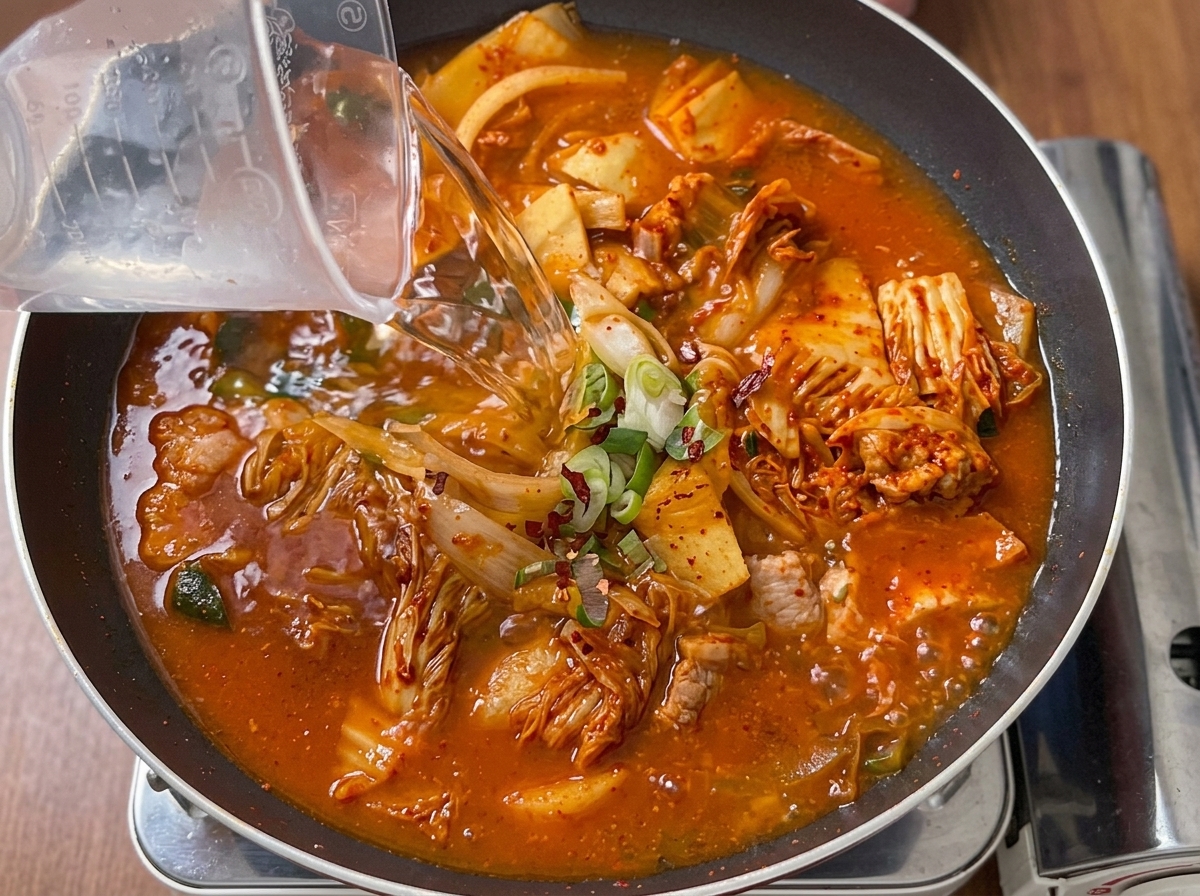
Pour 900ml of water into the pan over the cooked kimchi and pork mixture. This will form the base of your flavorful Kimchi Jjigae.
Tip: Ensure the water is distributed evenly to begin the simmering process properly. - 6Add the golden seasoning and simmer
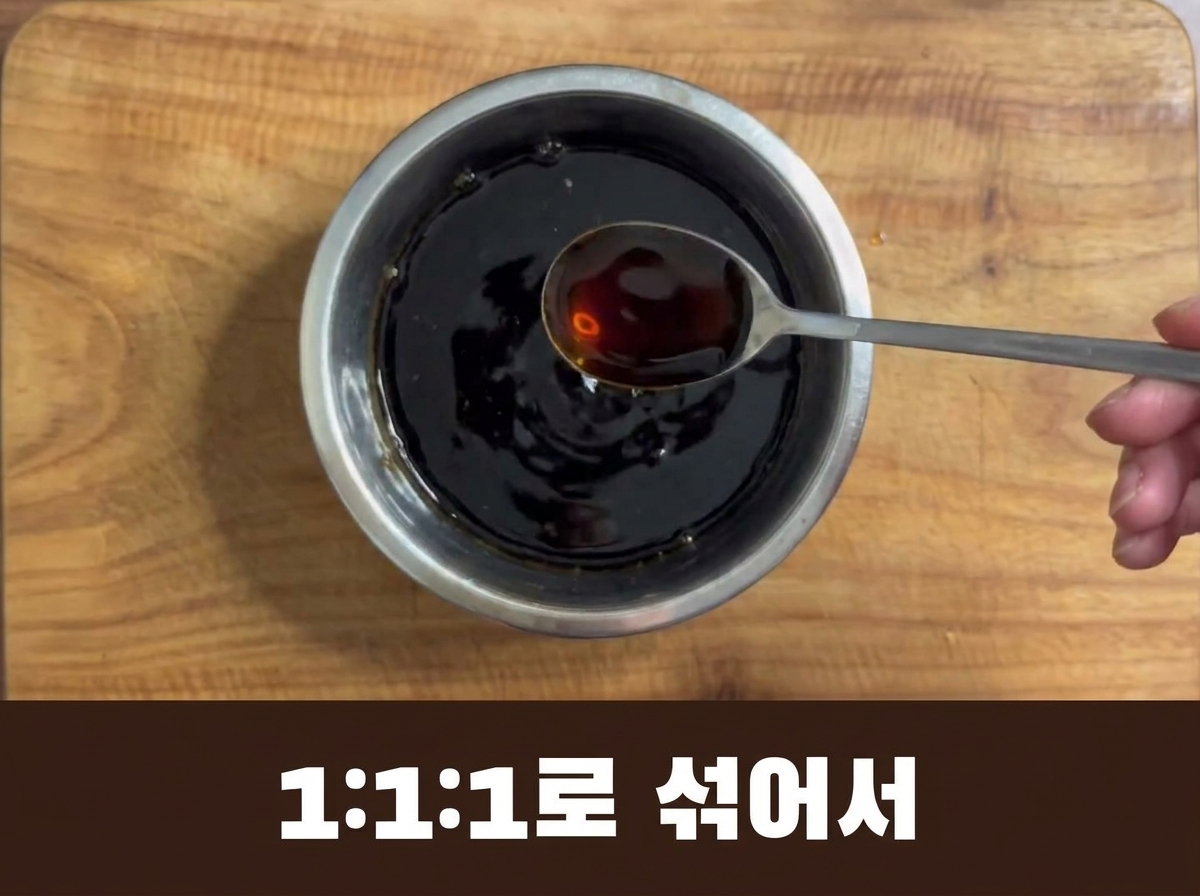
Prepare the seasoning mixture by combining fish sauce, soy sauce, and tuna sauce in a 1:1:1 ratio. Add 2 tablespoons of this mixture, along with the minced garlic and Dashida beef seasoning, to the pot. Cover and let it boil thoroughly for 15 minutes before adding the tofu for a final 5-minute simmer.
Tip: The 1:1:1 ratio is the secret to a clean and restaurant-quality taste.