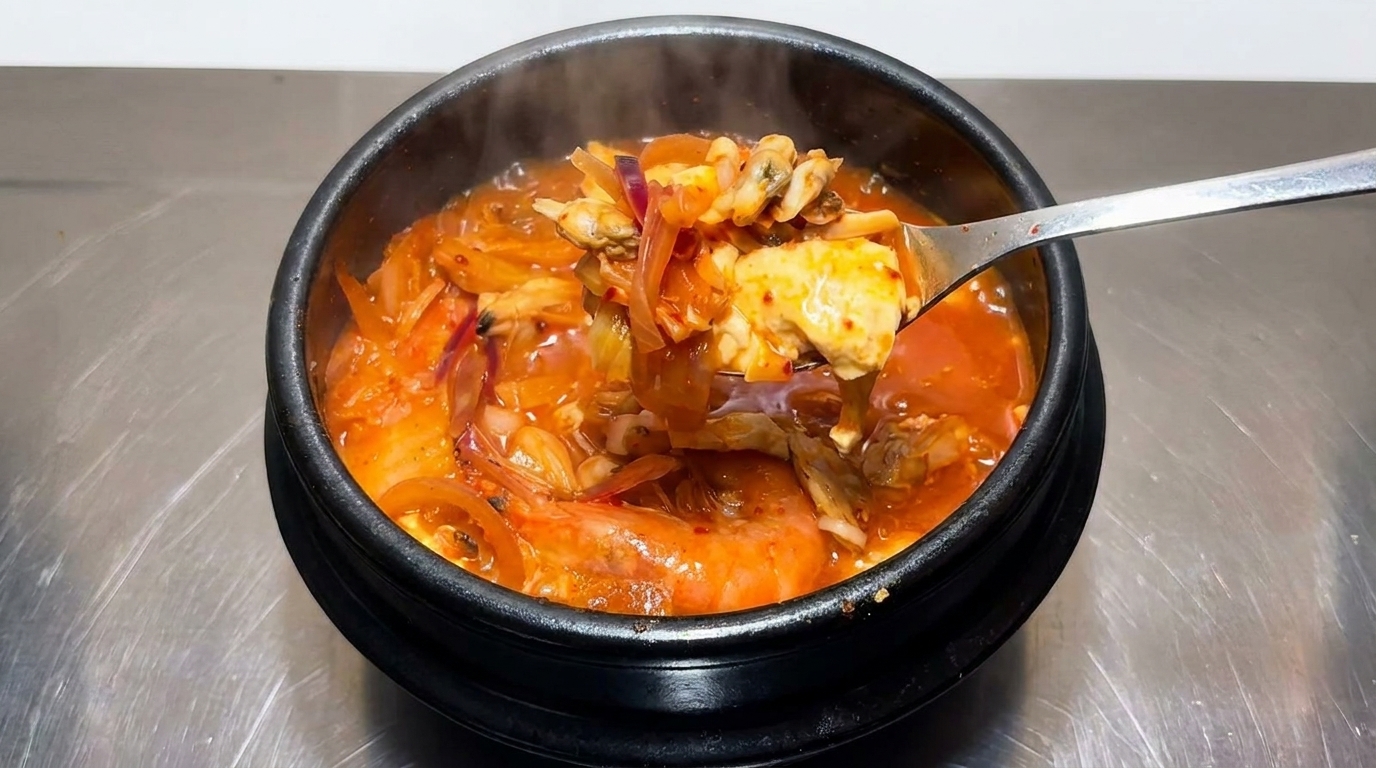
Healthy Tuna Kimchi Tofu Soup
Sweet Corn
A vibrant, protein-packed Korean-style soup featuring savory tuna, soft egg tofu, and tangy kimchi, balanced with the natural sweetness of napa cabbage and corn.
Kimchi soup is a staple of Korean home cooking, prized for its gut-friendly fermented base and deep umami. This variation uses water-packed tuna for a lean protein boost, making it a favorite for those seeking a comforting meal that supports fat loss goals. By adding sweet corn and napa cabbage, the soup gains a refreshing crispness that beautifully offsets the spicy kick of the chili powder.

Ingredients
- 5 pcs white button mushrooms
- 0.5 red onion
- 250 g egg tofu
- 3 leaves napa cabbage
- 1 tbsp cooking oil spray
- 500 ml water
- 50 g sweet corn kernels
- 1 can water-packed tuna
- to taste salt
- 100 g kimchi
- 2 tsp Korean red chili powder
- 1 egg
Instructions
- 1Slice the mushrooms

Clean the white button mushrooms and slice them into thick pieces on a cutting board. Preparing the vegetables before turning on the heat ensures a smooth and organized cooking process for your soup.
Tip: To keep mushrooms from getting soggy, wipe them with a damp paper towel instead of soaking them in water. - 2Prepare the red onion

Peel a fresh red onion and slice it into thin wedges using a large kitchen knife. Red onions provide a subtle sweetness and a beautiful pop of color to the soup base.
Tip: If you find onions too pungent, soak the slices in cold water for a few minutes before stir-frying to mellow the flavor. - 3Prepare the tofu

Take a block of fresh egg tofu or firm white tofu and carefully cut it into even, bite-sized cubes. Using tofu provides a wonderful source of high-quality protein that absorbs the savory flavors of the kimchi broth beautifully.
Tip: If using soft tofu, handle it gently to ensure the cubes stay intact during the cooking process. - 4Chop the napa cabbage

Wash the napa cabbage leaves thoroughly and chop them into manageable, bite-sized pieces. Cabbage adds a natural sweetness to the soup and provides plenty of healthy fiber without adding many calories.
- 5Sauté the onions

Heat a pan over a gas flame and spray with a small amount of oil. Add the sliced red onions and stir-fry them until they become fragrant and start to soften. This step builds the aromatic foundation of the dish.
Tip: Dont rush this part; allowing the onions to slightly caramelize will add a richer depth of flavor to the final broth. - 6Add water to the base

Carefully pour clean water into the pan with the sautéed onions. Increase the heat to bring the liquid to a steady boil, preparing the soup base for the remaining protein and vegetables.
Tip: For a richer flavor, you can substitute plain water with vegetable or chicken stock. - 7Simmer mushrooms and tofu

Once the water comes to a boil after stir-frying the onions, add the sliced mushrooms and the prepared tofu cubes into the pan. Let them simmer together to allow the mushrooms to release their umami flavor into the base of the soup.
Tip: You can use any variety of mushrooms you prefer, such as button, shiitake, or oyster mushrooms, for different textures. - 8Add cabbage and sweet corn
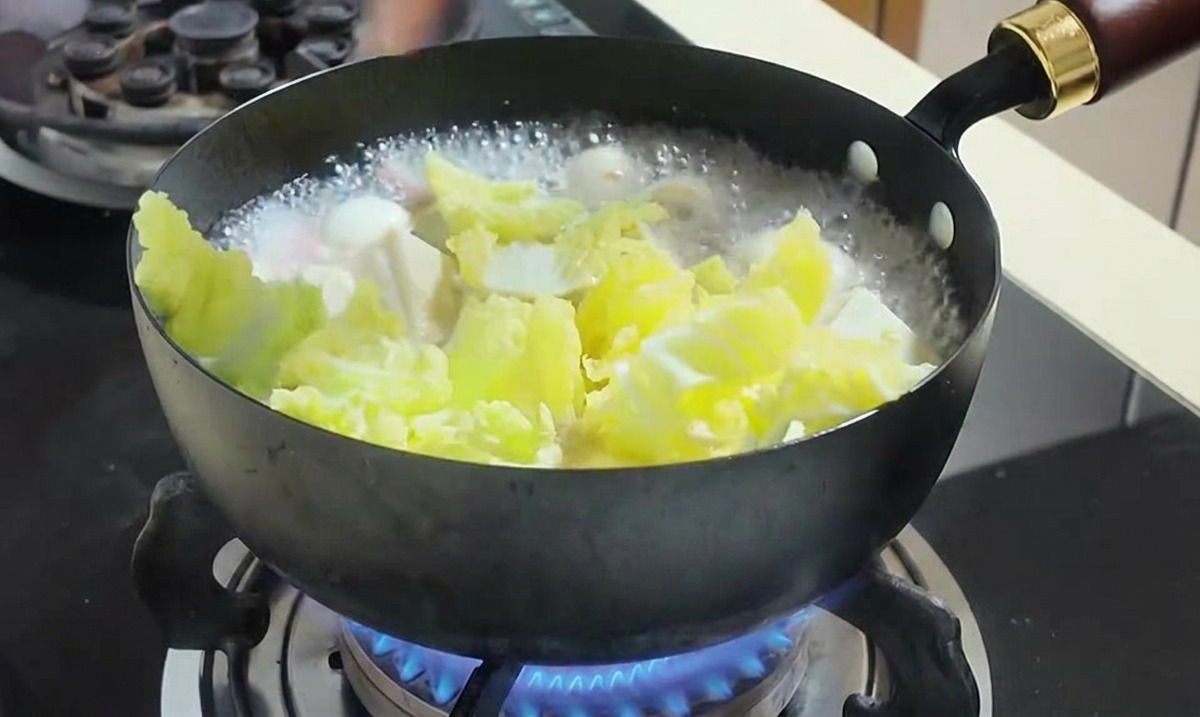
Incorporate the chopped napa cabbage and a handful of sweet corn kernels into the simmering pot. The cabbage will soften and bulk up the soup, while the corn adds a pleasant crunch and a hint of sweetness to balance the bold kimchi flavors later.
- 9Add the tuna

Once the vegetables have softened, add the flaked tuna into the pot. Use water-packed tuna to keep the dish light and healthy, as oil-packed tuna contains significantly more calories which isnt ideal for fat loss.
Tip: Drain the liquid from the tuna can before adding the flakes to the soup to maintain a clean flavor profile. - 10Season and divide the broth
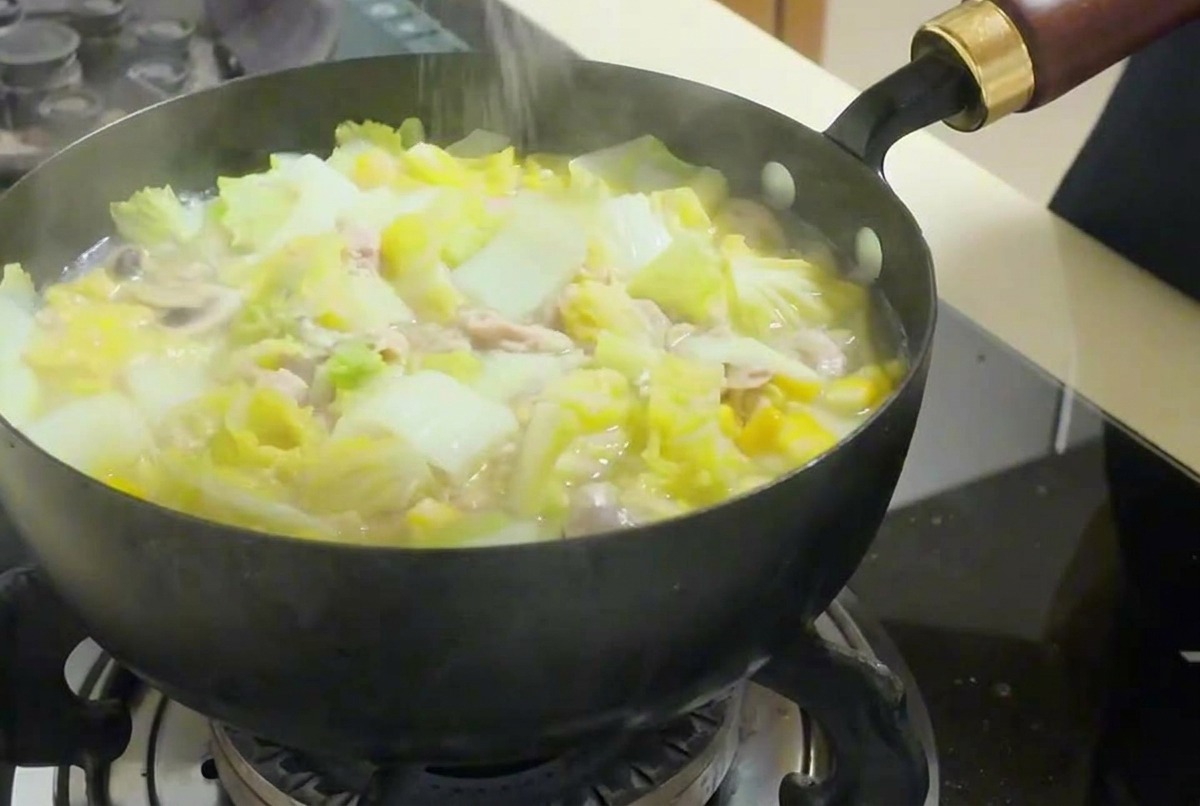
Sprinkle a small amount of salt over the simmering soup. At this stage, the broth is savory enough that you can set aside a mild portion for children or those who prefer no spice before adding the kimchi.
Tip: Taste the broth first; the tuna and kimchi (added later) can be quite salty, so add salt gradually. - 11Stir in the chopped kimchi
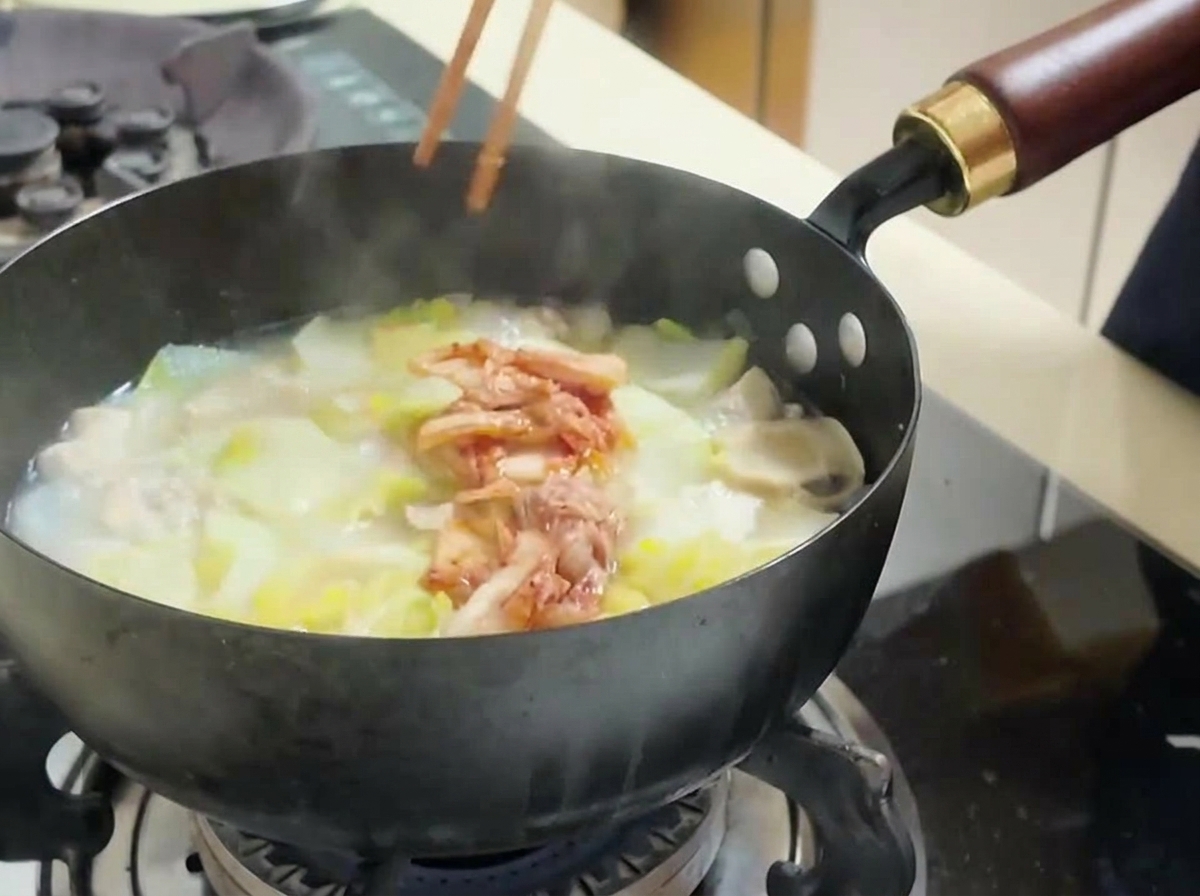
Add a generous amount of chopped red kimchi to the center of the pot. The fermented cabbage provides the signature tang and depth of flavor essential for this soup, while also adding a bit of crunchy texture to the mix.
Tip: If you want a deeper red color and more punchy flavor, pour in a tablespoon of the liquid from the kimchi jar at this stage. - 12Add a spicy kick

Sprinkle Korean red chili powder over the kimchi and the surrounding broth. This not only increases the heat level but also gives the soup its vibrant, appetizing reddish hue as it simmers.
Tip: Adjust the amount of chili powder based on your spice tolerance; you can start with a little and add more after tasting. - 13Poach the egg

Carefully crack a raw egg into the center of the boiling soup. Let it sit undisturbed to poach; the heat from the broth will cook the egg, creating a rich and creamy addition to the bowl.
Tip: If you prefer the yolk to stay runny, only cook it for about 1-2 minutes after adding it to the soup.