Traditional Japanese Miso Ramen
Chashu Pork
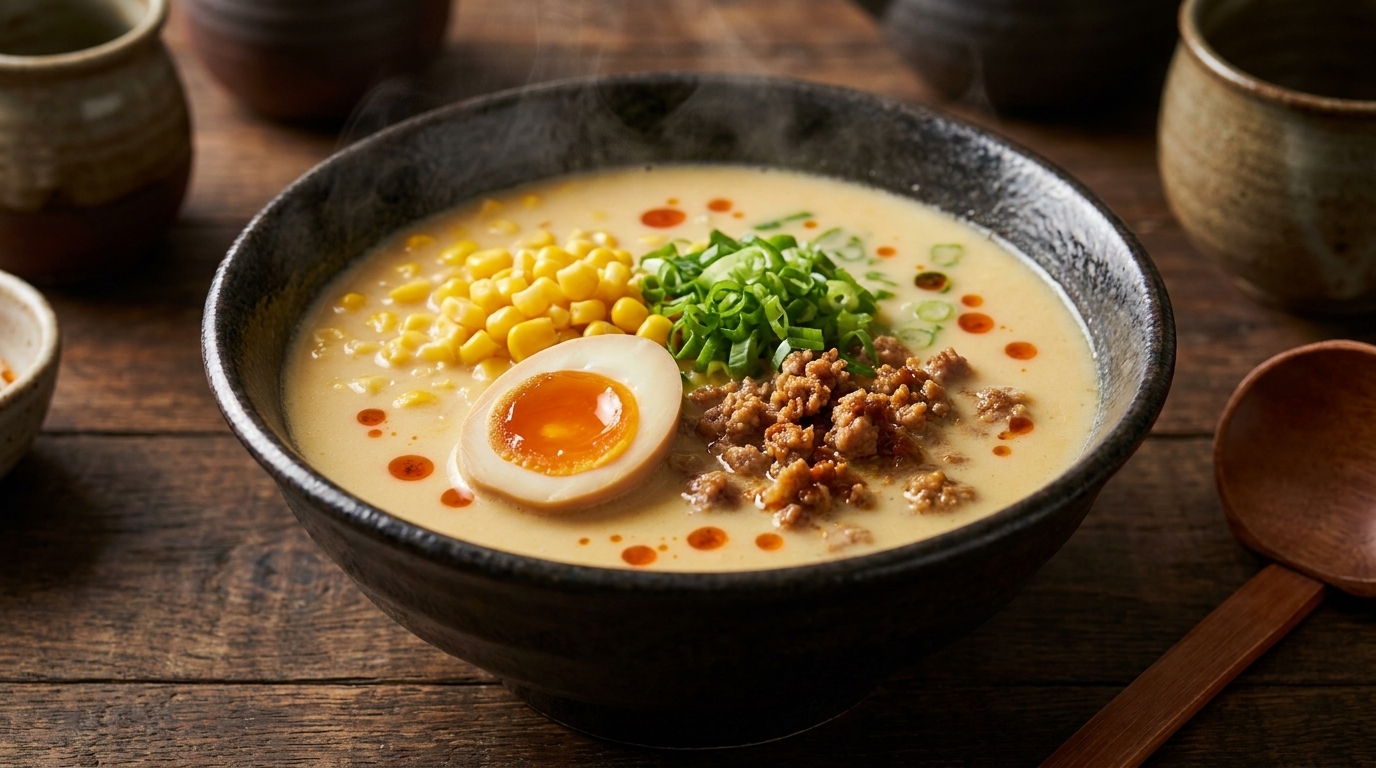
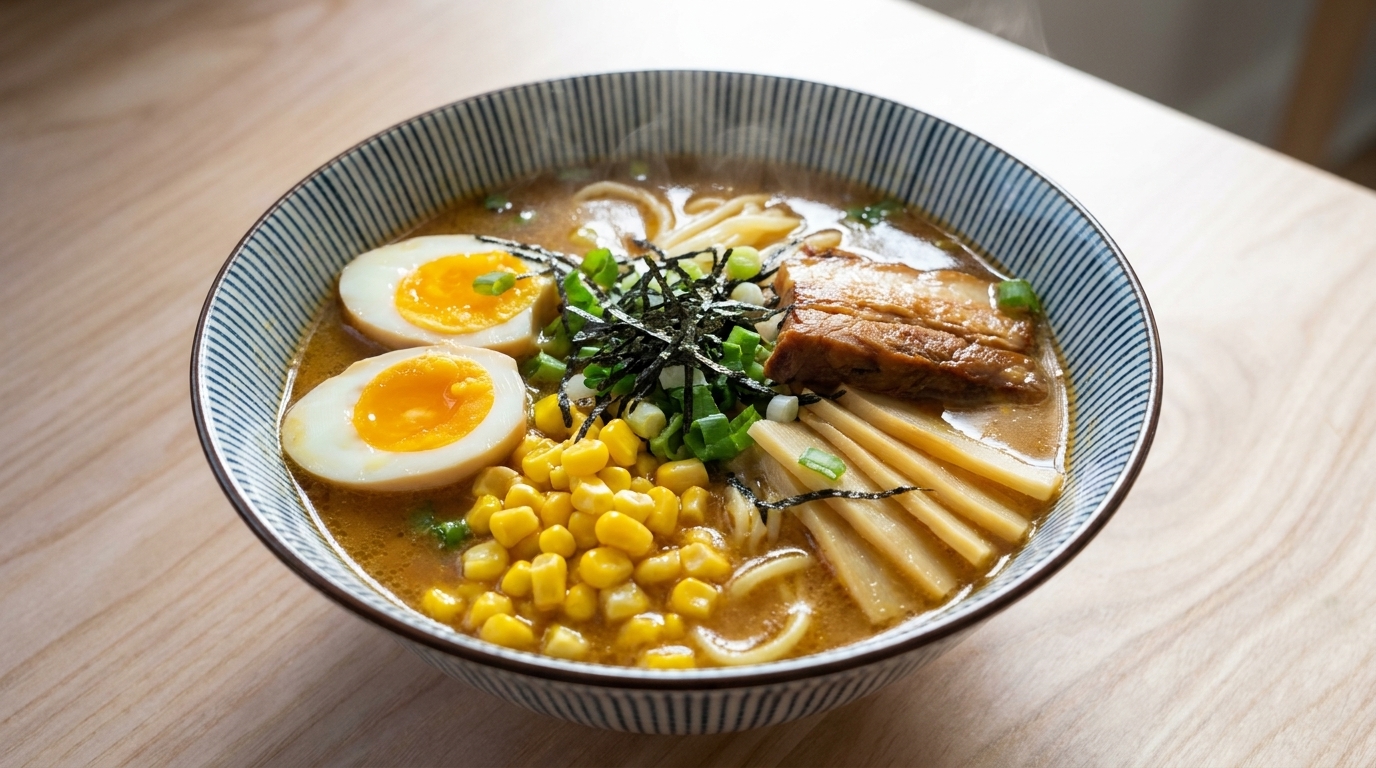
A rich and savory Miso Ramen featuring a jammy soft-boiled egg, tender chashu pork, and bouncy noodles in a deeply flavorful umami broth.
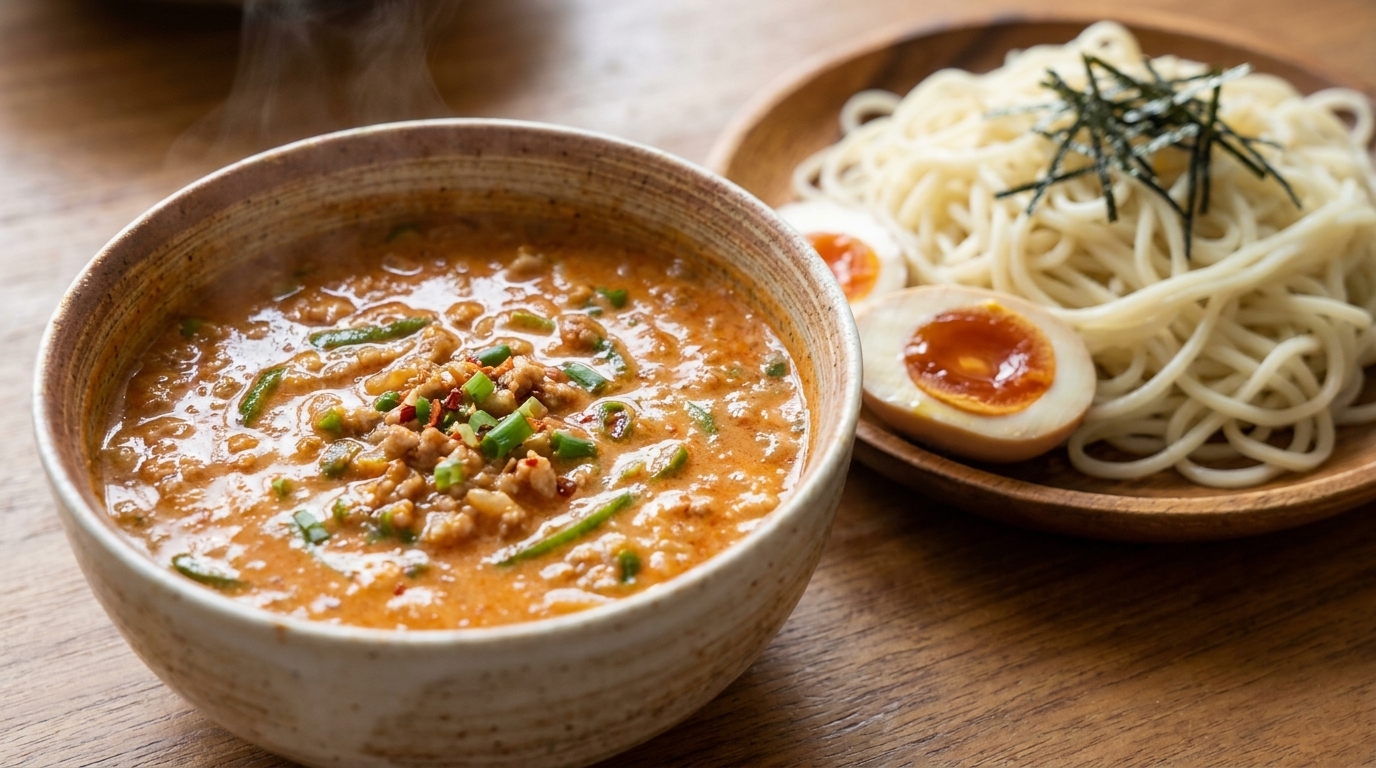
Miso ramen is a hallmark of Japanese comfort food, specifically hailing from the snowy region of Hokkaido. Unlike lighter broths, the addition of fermented miso paste creates a thick, nutty, and complex soup base that warms from the inside out. This recipe utilizes a seasoned concentrate to bring professional ramen-shop flavors to your home kitchen in minutes.
Ingredients
- 1 fresh egg
- 2 stalks green onions
- 1 packet pre-packaged chashu pork
- 1 serving dry ramen noodles
- 50 g miso ramen soup base concentrate
- 360 g boiling water
- 2 tbsp sweet yellow corn kernels
- 3-4 slices bamboo shoots (menma)
- to taste shredded nori
Instructions
- 1Boil the egg
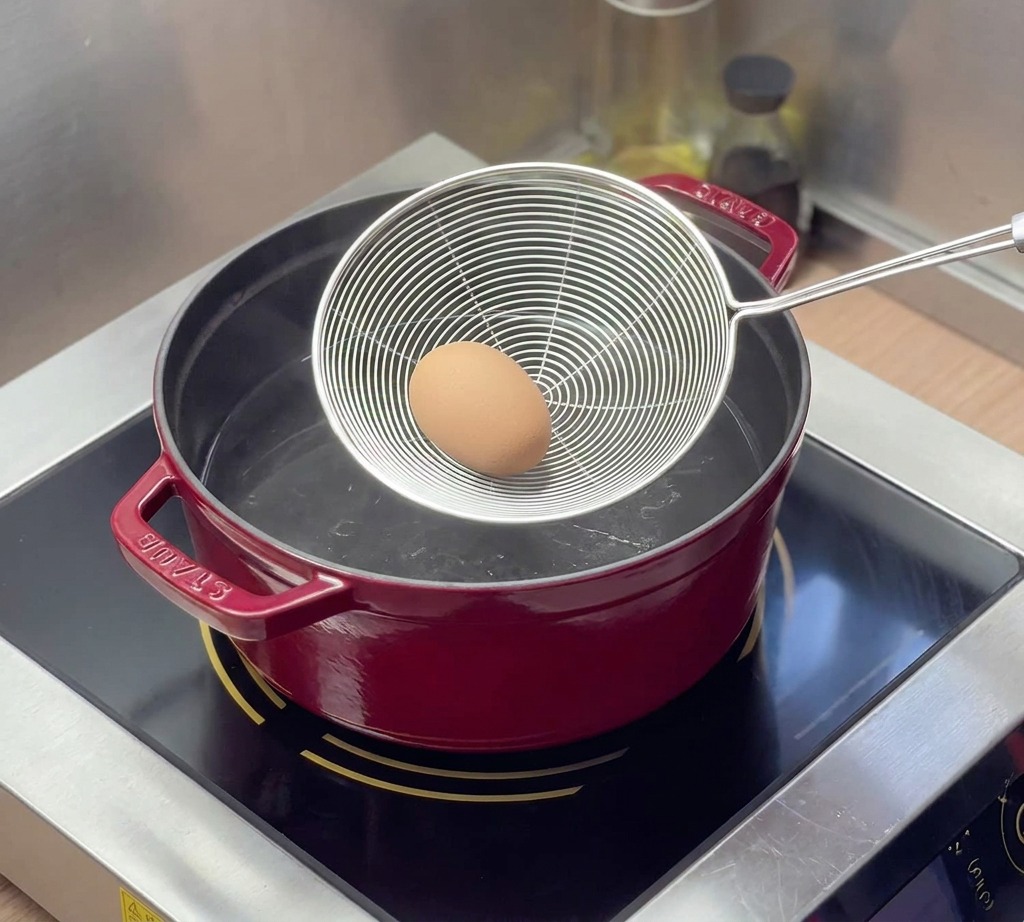
Carefully lower a whole fresh egg into a pot of boiling water using a mesh strainer. Set a timer for nine minutes and twelve seconds; this specific timing ensures the egg reaches the ideal soft-boiled consistency with a set white and a jammy center.
Tip: Lowering the egg slowly with a strainer prevents the shell from hitting the bottom of the pot and cracking due to the heat and impact. - 2Chop the green onions
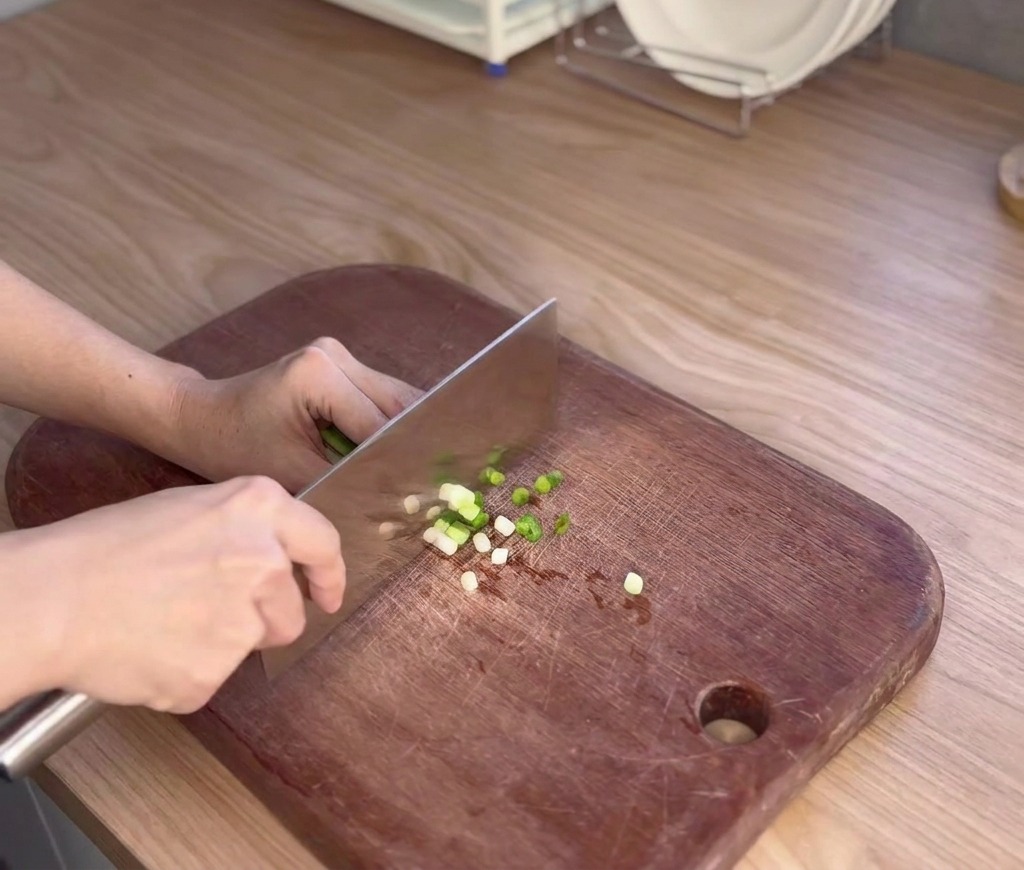
While the egg is boiling, prepare the garnish by finely chopping fresh green onions on a wooden cutting board. These thin slices will provide a crisp texture and a bright, sharp flavor to contrast the rich miso broth.
Tip: Keep the slices uniform to ensure they are distributed evenly throughout the bowl when garnishing. - 3Chill the egg in an ice bath
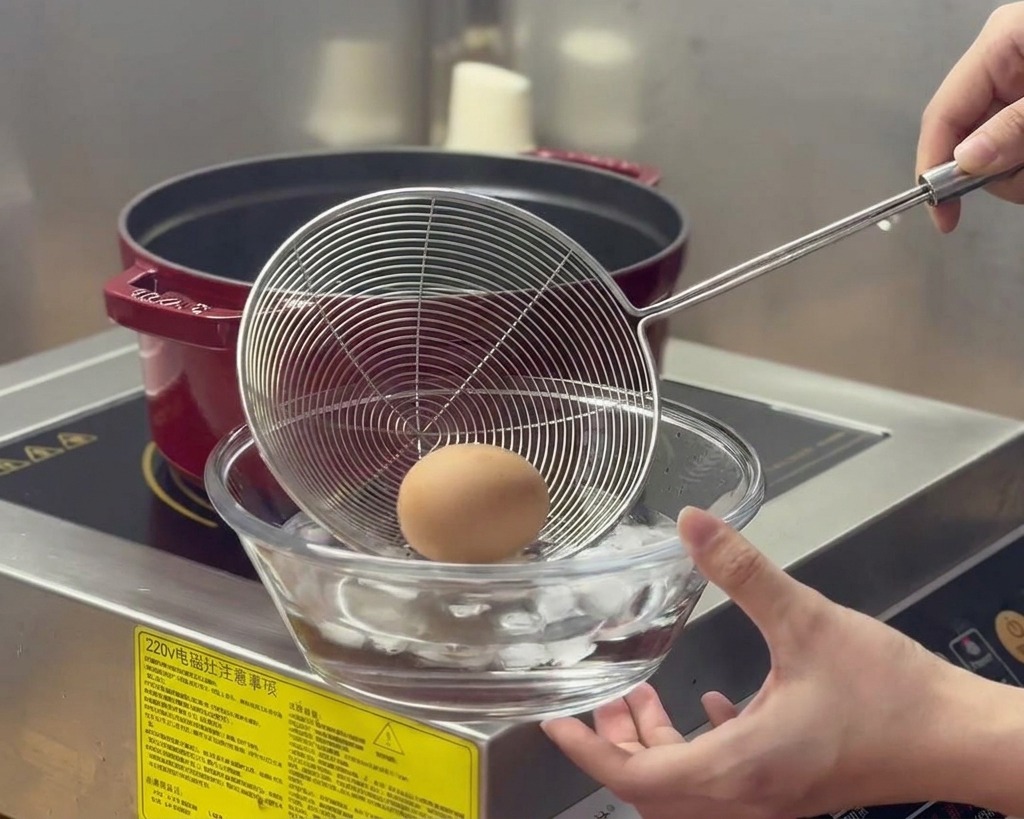
Once the cooking time is complete, immediately remove the egg from the boiling water and submerge it in a bowl of ice water. This rapid temperature change shocks the egg, stopping the cooking process instantly to preserve the perfect yolk texture.
Tip: Leaving the egg in the ice bath for a few minutes also makes the shell significantly easier to peel away from the whites. - 4Warm the Chashu pork
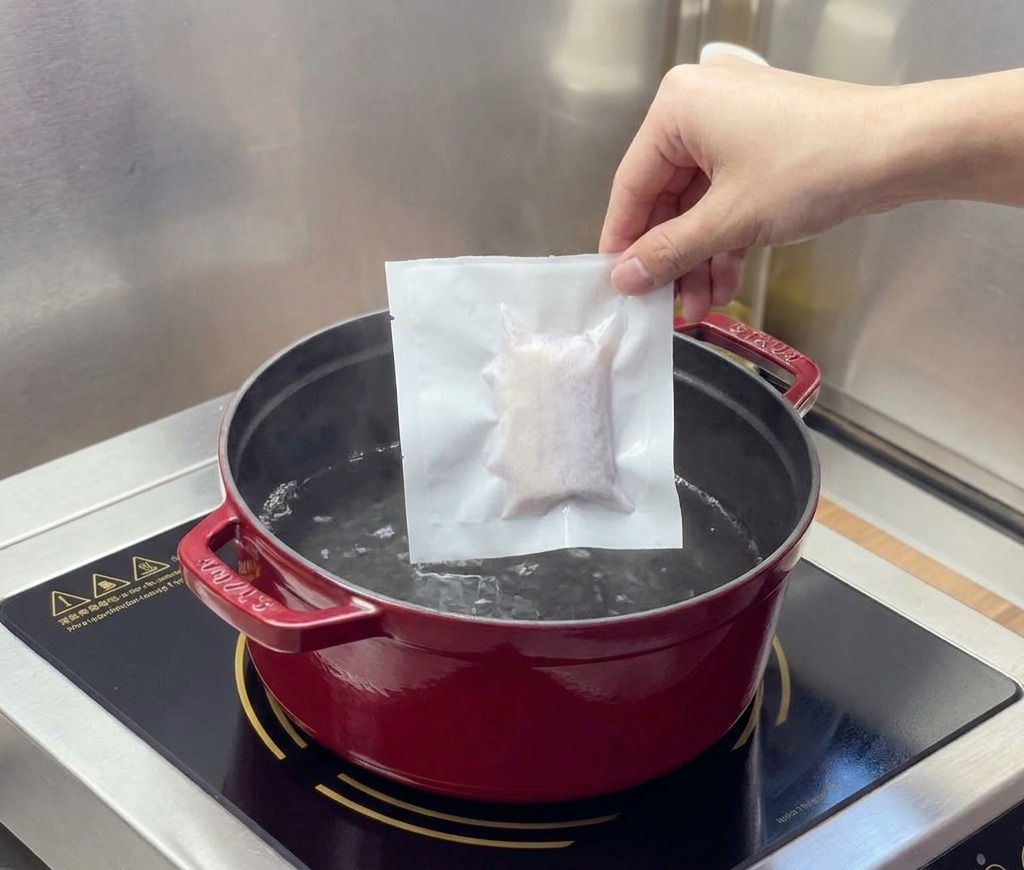
Take the pre-packaged Chashu pork and place the entire sealed pouch into the hot water. Warming it through this way keeps the pork succulent and prevents it from drying out before it is added to the ramen bowl.
Tip: You can use the hot water from the egg pot to warm the pork, making the process more efficient. - 5Cook the ramen noodles
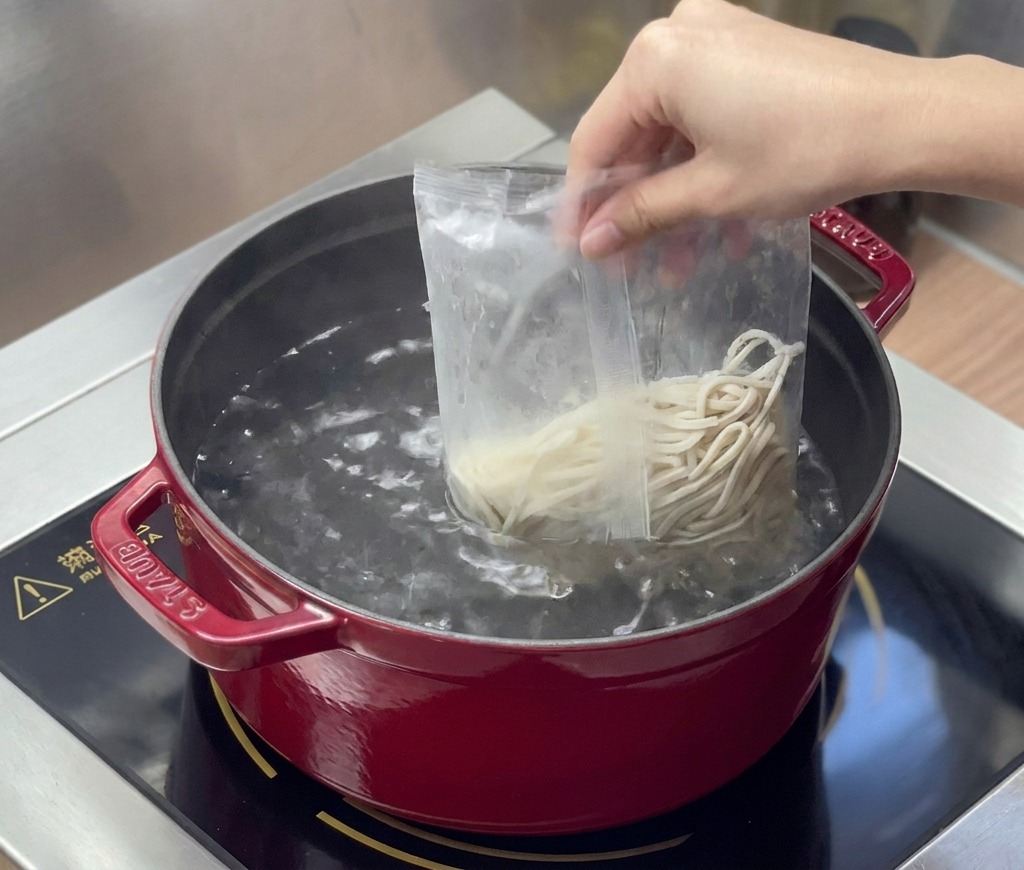
Bring a fresh pot of water to a rolling boil and add the ramen noodles. Cook them until they reach your desired level of firmness, stirring occasionally to ensure they dont stick together.
Tip: Always cook your noodles in plenty of boiling water to allow them to move freely and cook evenly. - 6Prepare the miso soup base
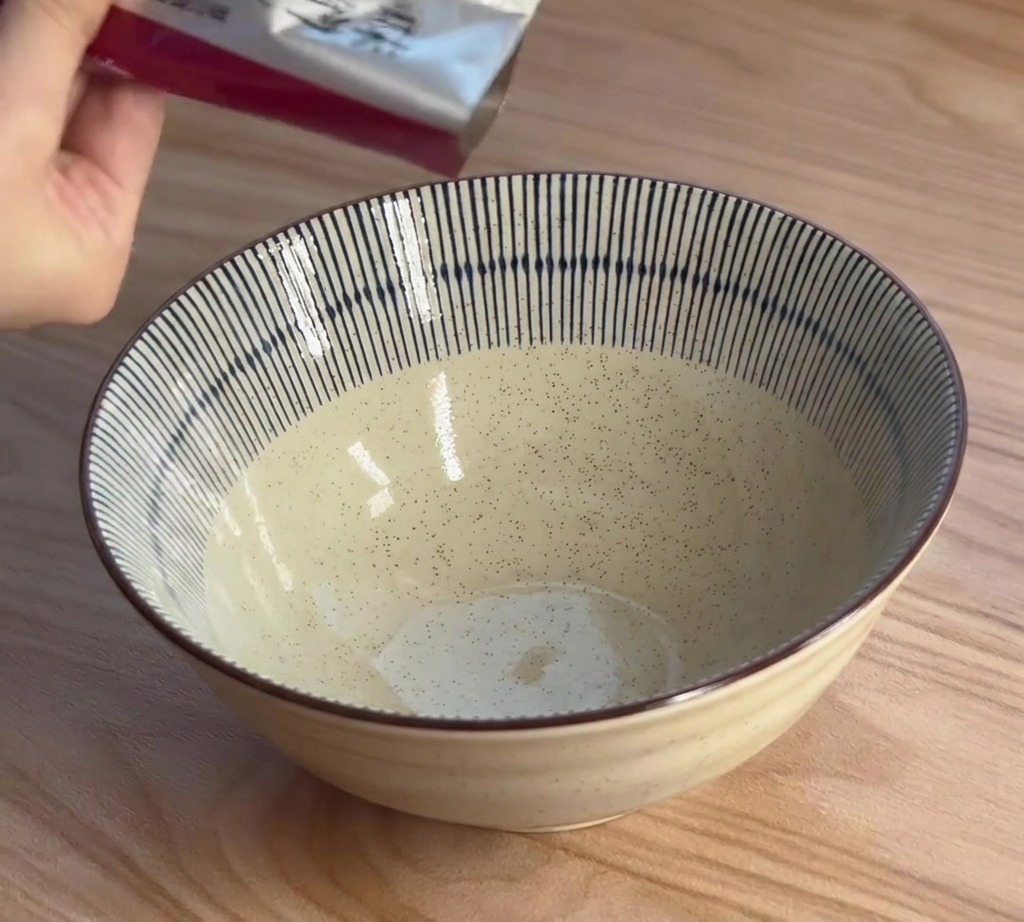
Squeeze the miso ramen soup base concentrate from its packet into a large ceramic serving bowl. This concentrated paste provides the deep, savory umami foundation that characterizes a traditional miso-style broth.
Tip: Try to squeeze out as much of the paste as possible to ensure the final broth has a full and balanced flavor. - 7Add boiling water
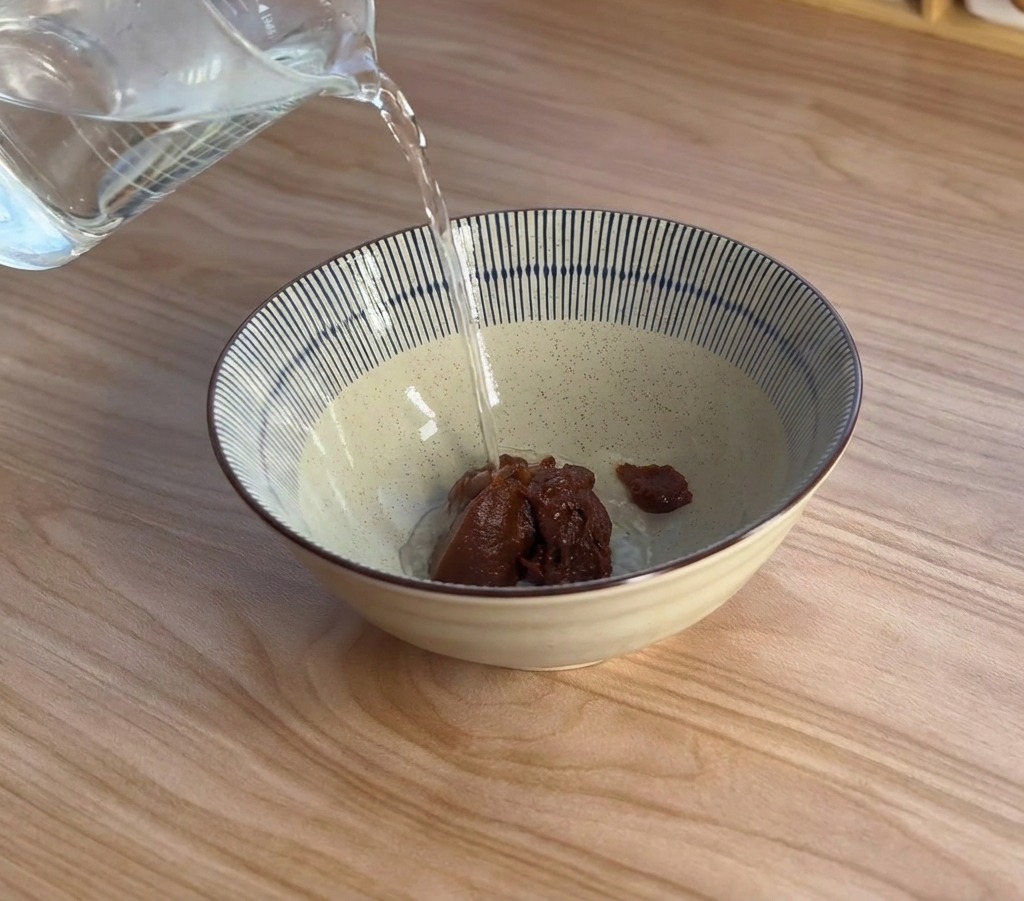
Pour 360 grams of boiling water directly into the serving bowl over the miso concentrate. Using the correct ratio of water to concentrate is essential for achieving the rich, savory balance characteristic of a high-quality miso ramen.
Tip: Ensure the water is at a rolling boil to help the miso paste dissolve instantly and keep the serving bowl warm. - 8Mix the soup until smooth
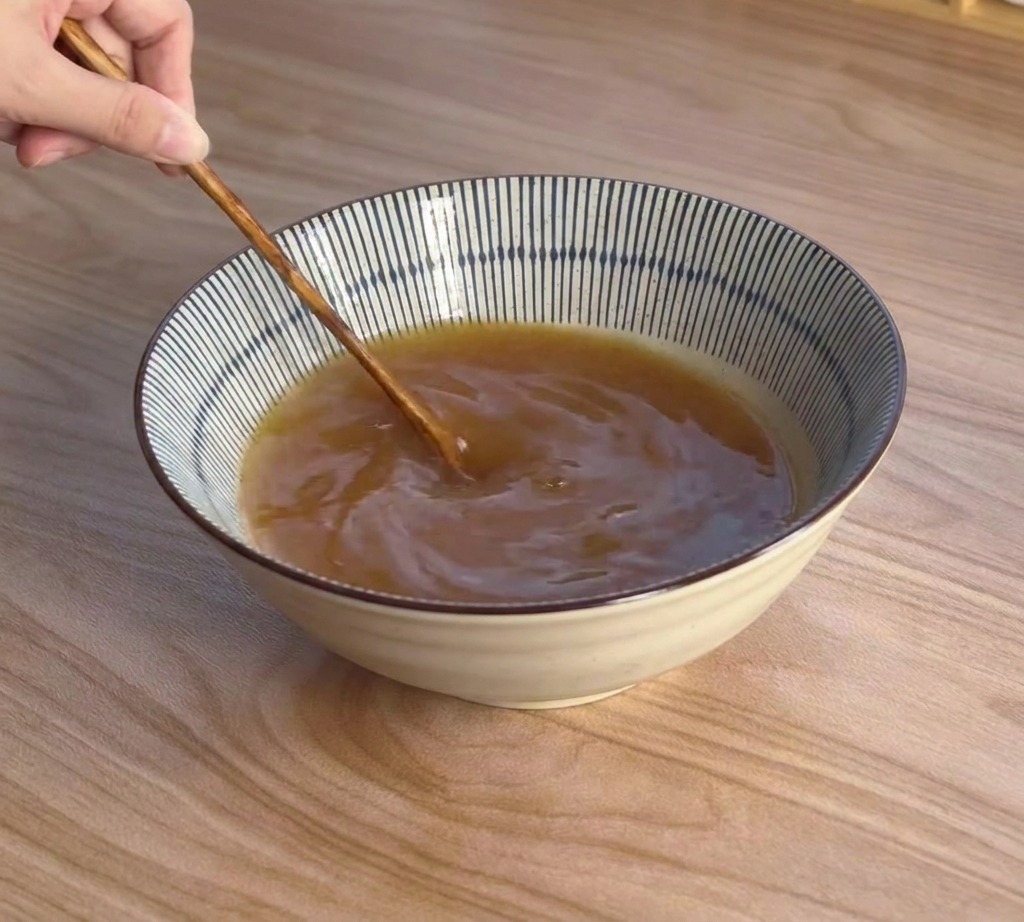
Use a wooden spoon to stir the hot water and miso concentrate together until the mixture is completely uniform. Make sure to scrape the bottom and sides of the bowl to incorporate any remaining paste, ensuring a consistent flavor throughout the broth.
Tip: A wooden spoon is preferred here as it is gentle on ceramic and effective for smoothing out any small clumps of miso. - 9Add noodles to the miso broth
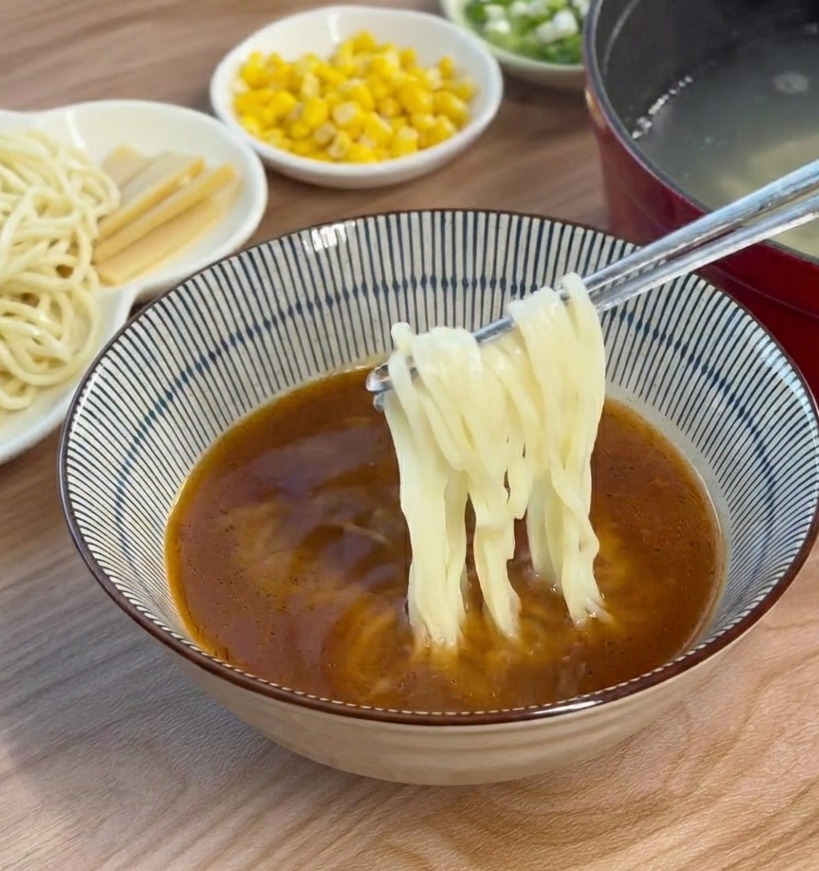
Carefully place the cooked and drained ramen noodles into the bowl of hot miso broth. Use chopsticks to gently lift and separate the noodles, ensuring they are evenly distributed and well-coated by the soup before you begin adding any toppings.
Tip: Drain the noodles thoroughly before adding them to the bowl to prevent excess water from diluting the rich flavor of the miso concentrate. - 10Add the soft-boiled eggs
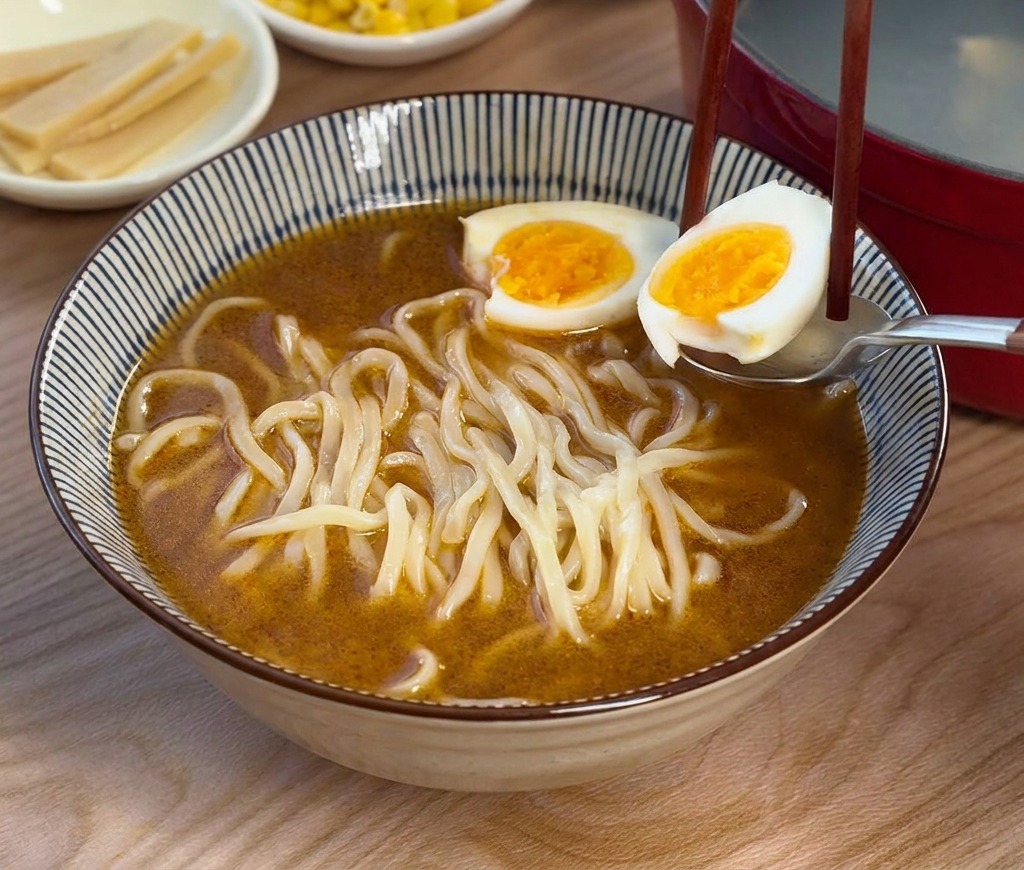
Gently place two halves of a soft-boiled egg onto the surface of the ramen. The jammy, golden yolk adds a rich, creamy texture that perfectly complements the savory depth of the miso soup.
Tip: Slicing the egg with a piece of fishing line or a very thin blade ensures a clean cut without tearing the delicate yolk. - 11Garnish with sweet corn
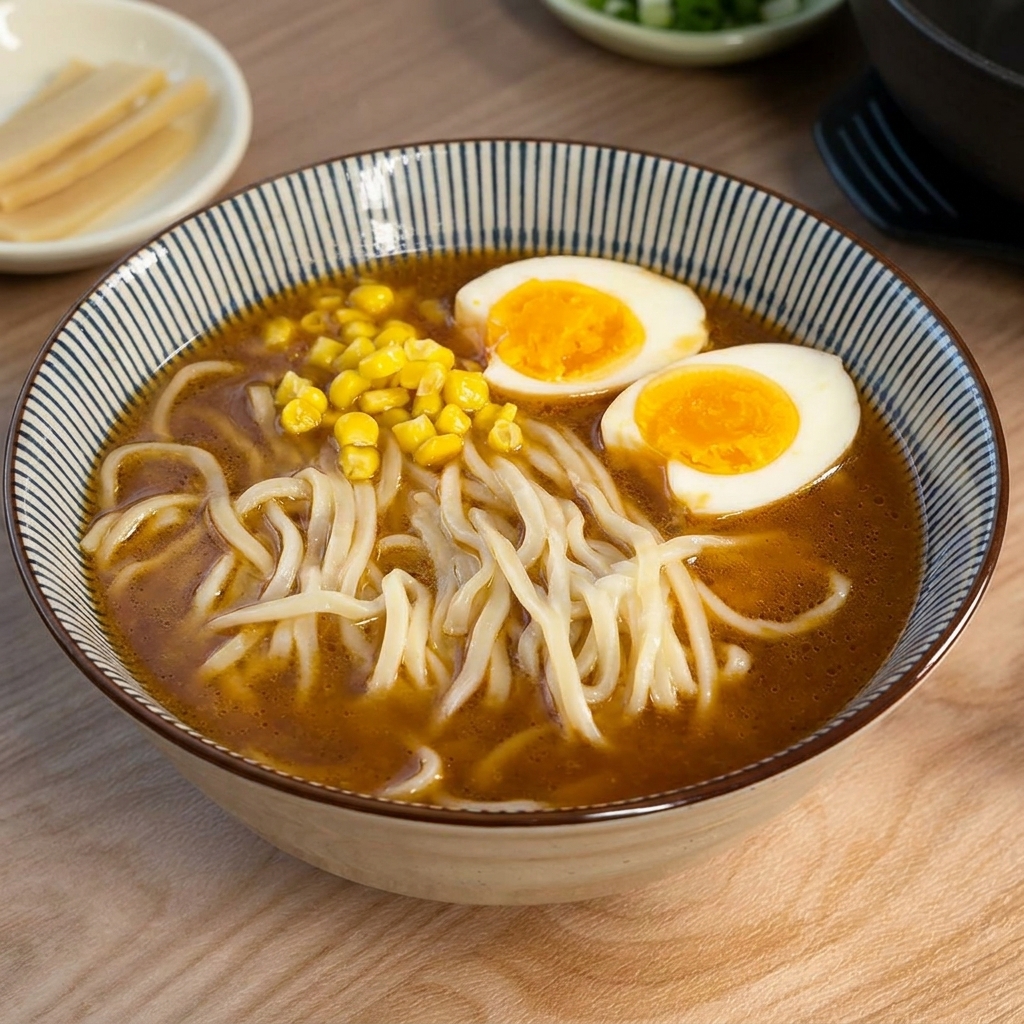
Add a generous spoonful of yellow corn kernels to the bowl, positioning them to one side. The natural sweetness and crunch of the corn provides a bright contrast to the salty miso and tender noodles.
Tip: Drain any excess liquid from the corn before adding it to prevent diluting the carefully seasoned broth. - 12Add bamboo shoots
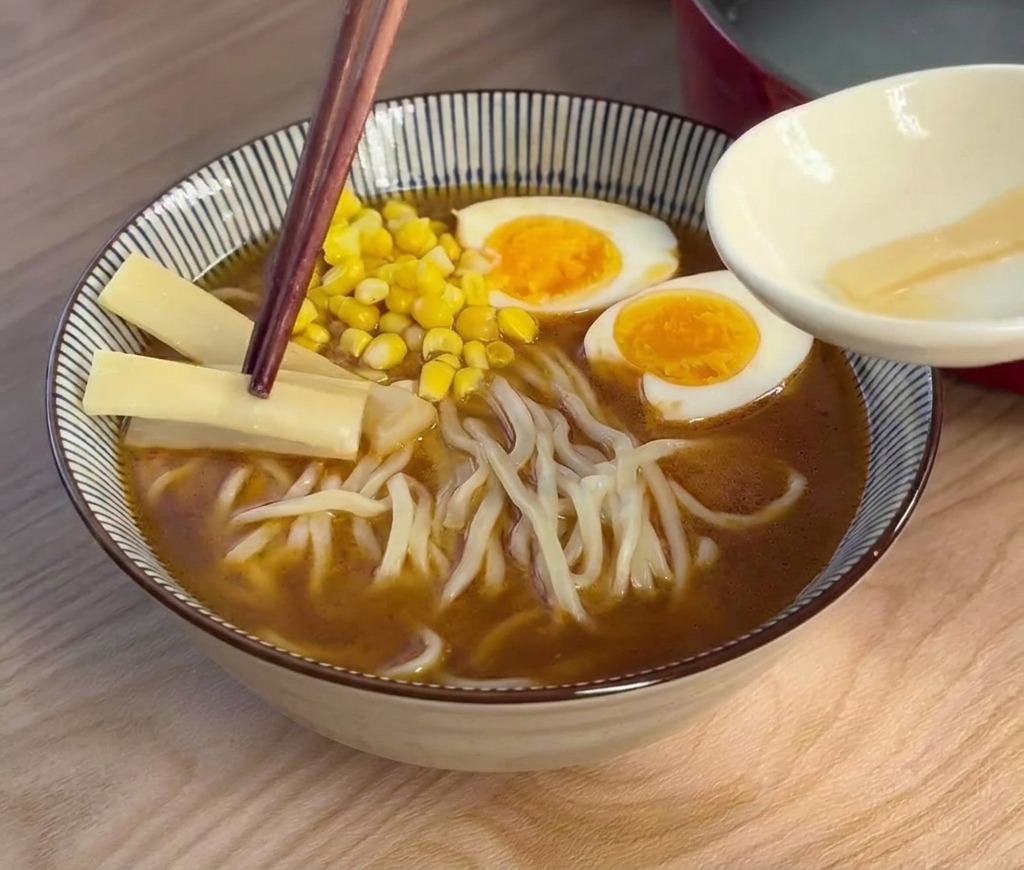
Arrange several slices of bamboo shoots (menma) next to the corn. These traditional toppings provide a subtle earthy flavor and a satisfyingly firm texture that rounds out the variety of toppings in the bowl.
Tip: If using canned bamboo shoots, you can briefly warm them in the ramen cooking water for a more integrated flavor. - 13Place the warmed chashu pork
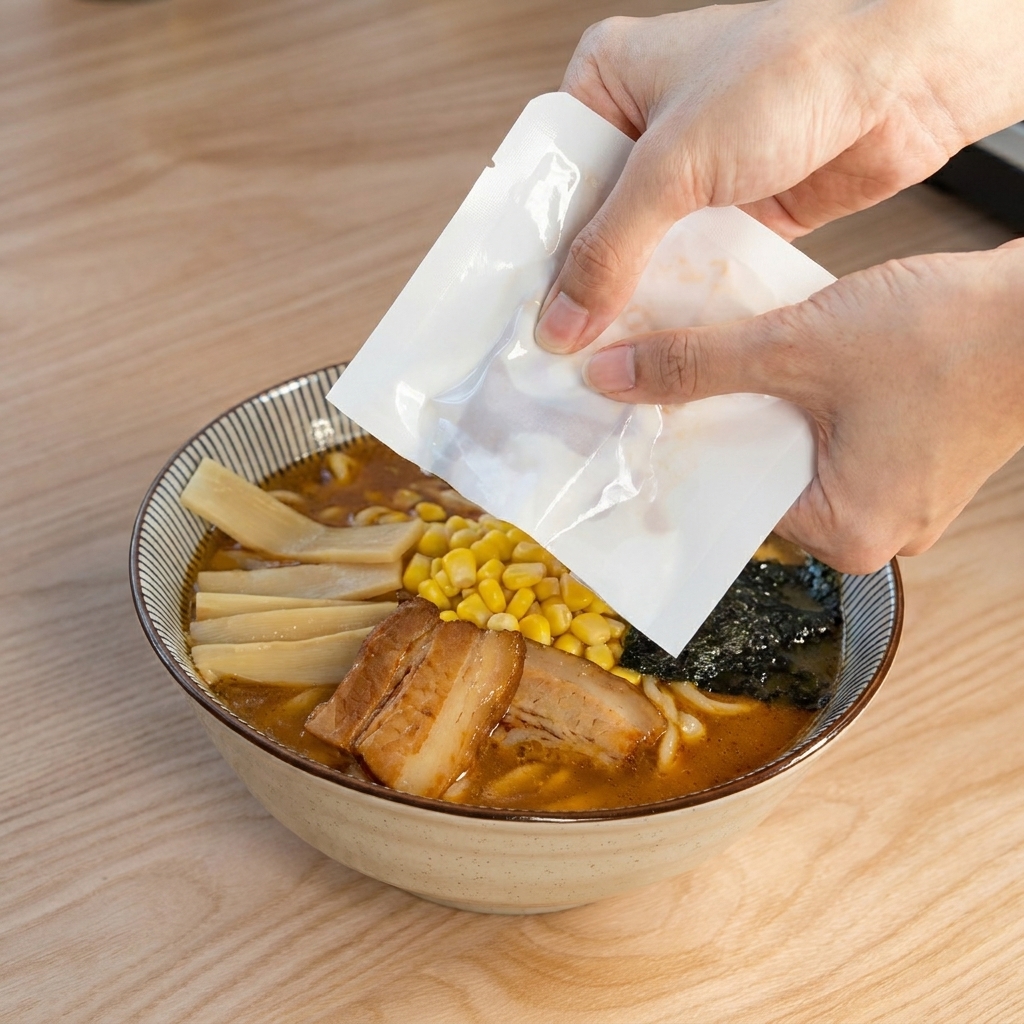
Retrieve the pre-packaged chashu pork from the hot water. Open the pouch and gently slide the large, tender slice of pork onto the ramen. The heat from the broth will help release the savory aromas and fats of the marinated meat.
Tip: Warming the pork in its original vacuum-sealed bag ensures it stays moist and retains all its seasoning until the moment its served. - 14Add shredded nori
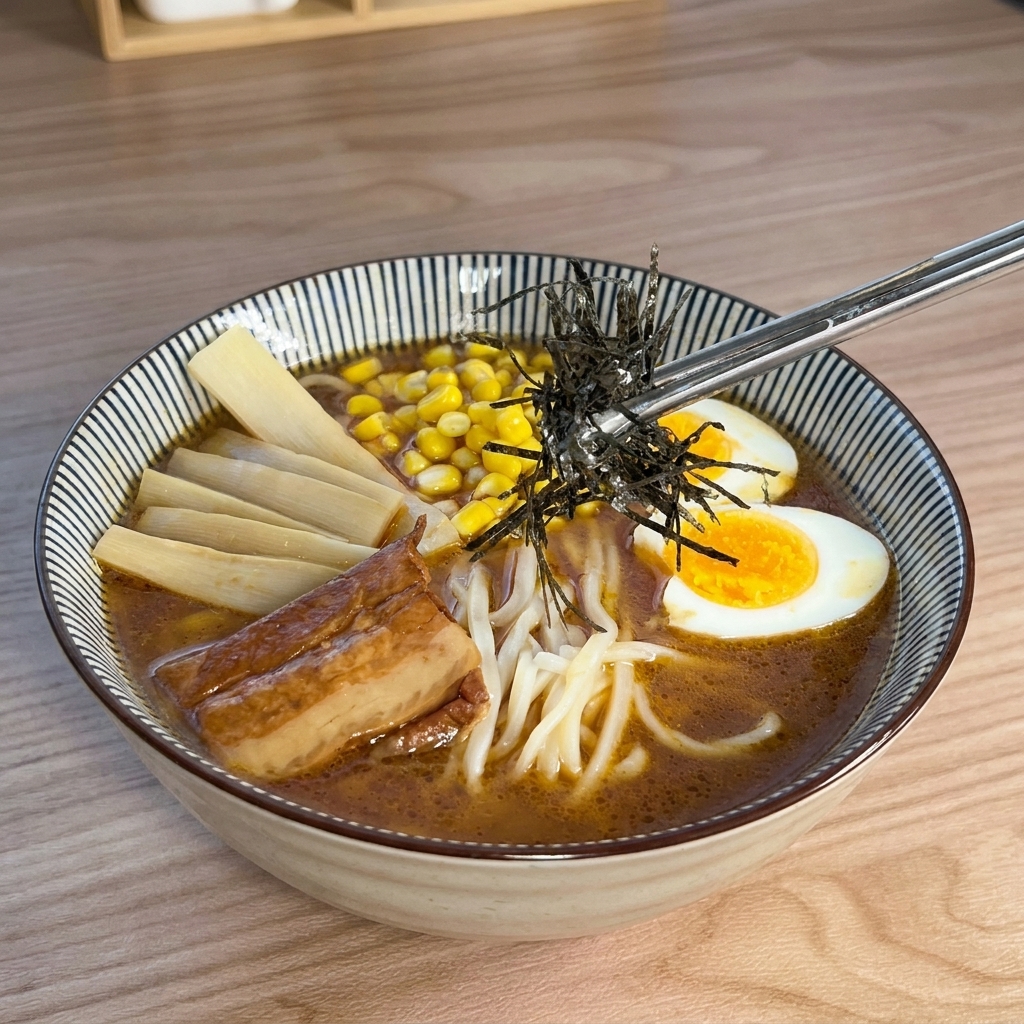
Garnish the dish by placing a cluster of shredded nori seaweed directly onto the chashu pork. The nori provides a subtle hint of the sea and a crisp texture that contrasts beautifully with the rich broth and soft noodles.
Tip: For the best experience, add the nori at the very last second so it stays crisp and doesnt wilt in the steam before serving.