Japanese Miso Soy Milk Tsukemen (Dipping Noodles)
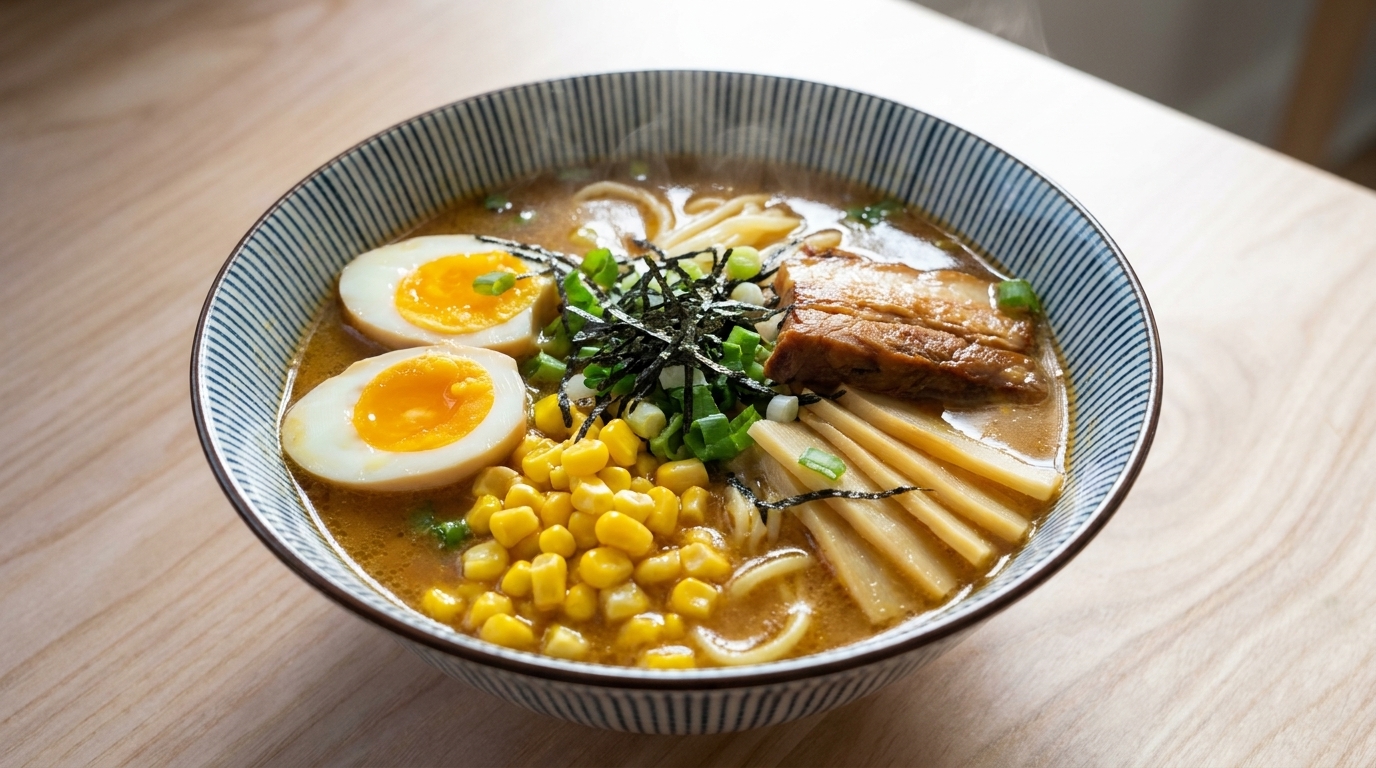
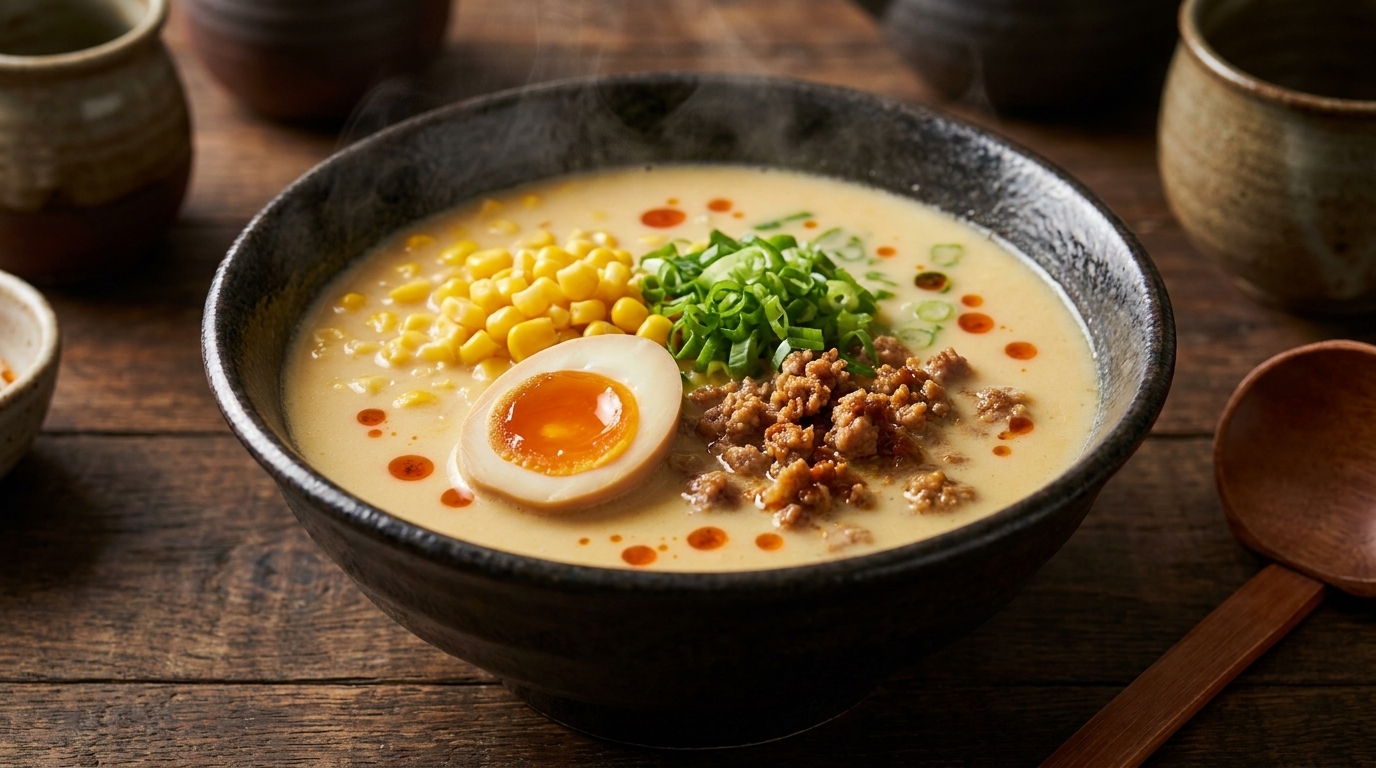
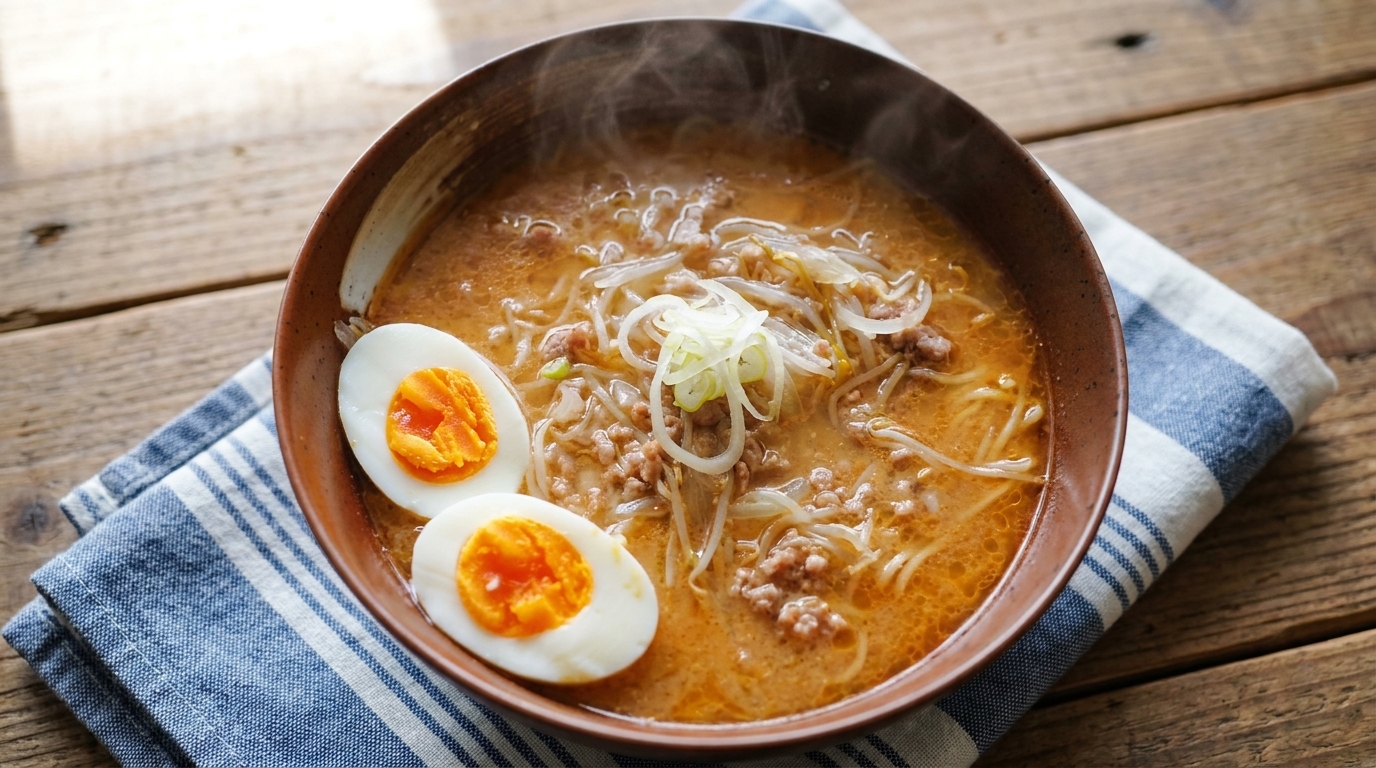
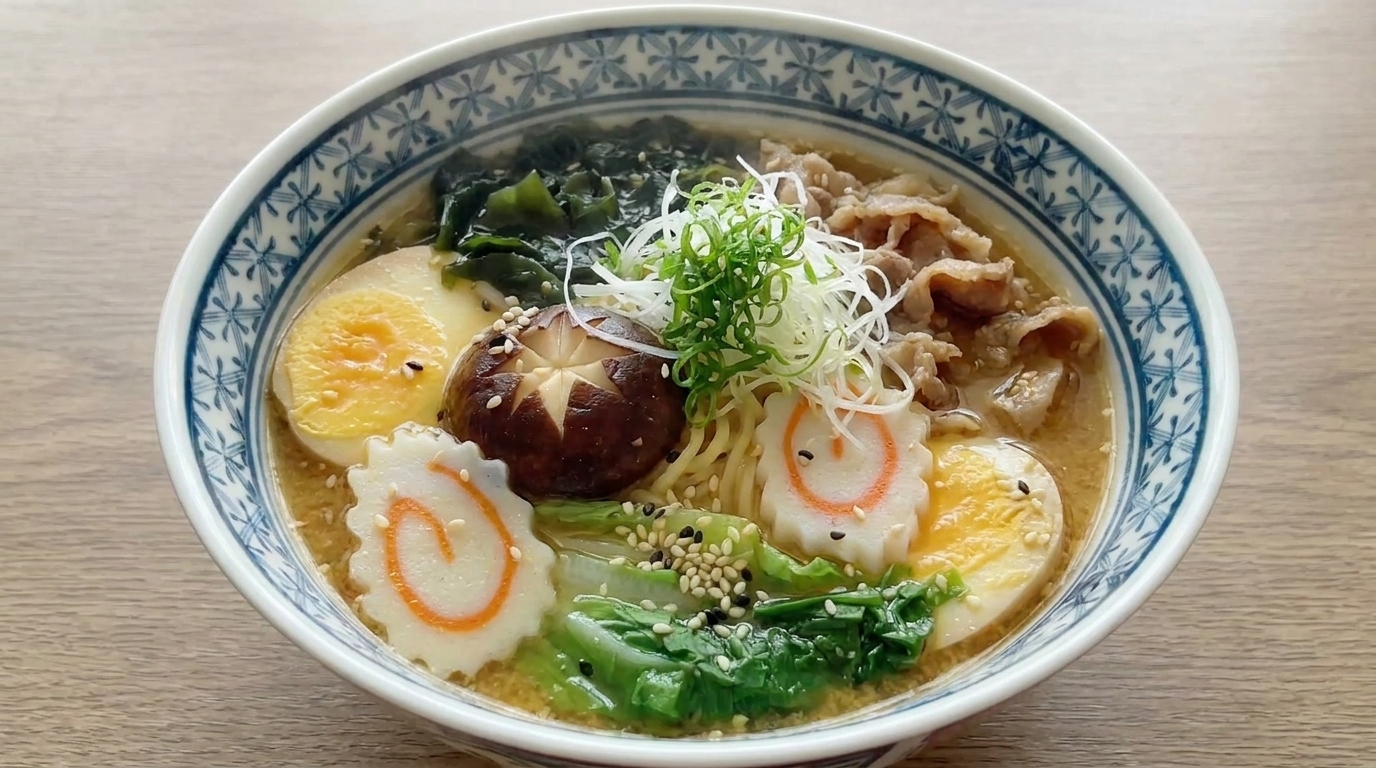
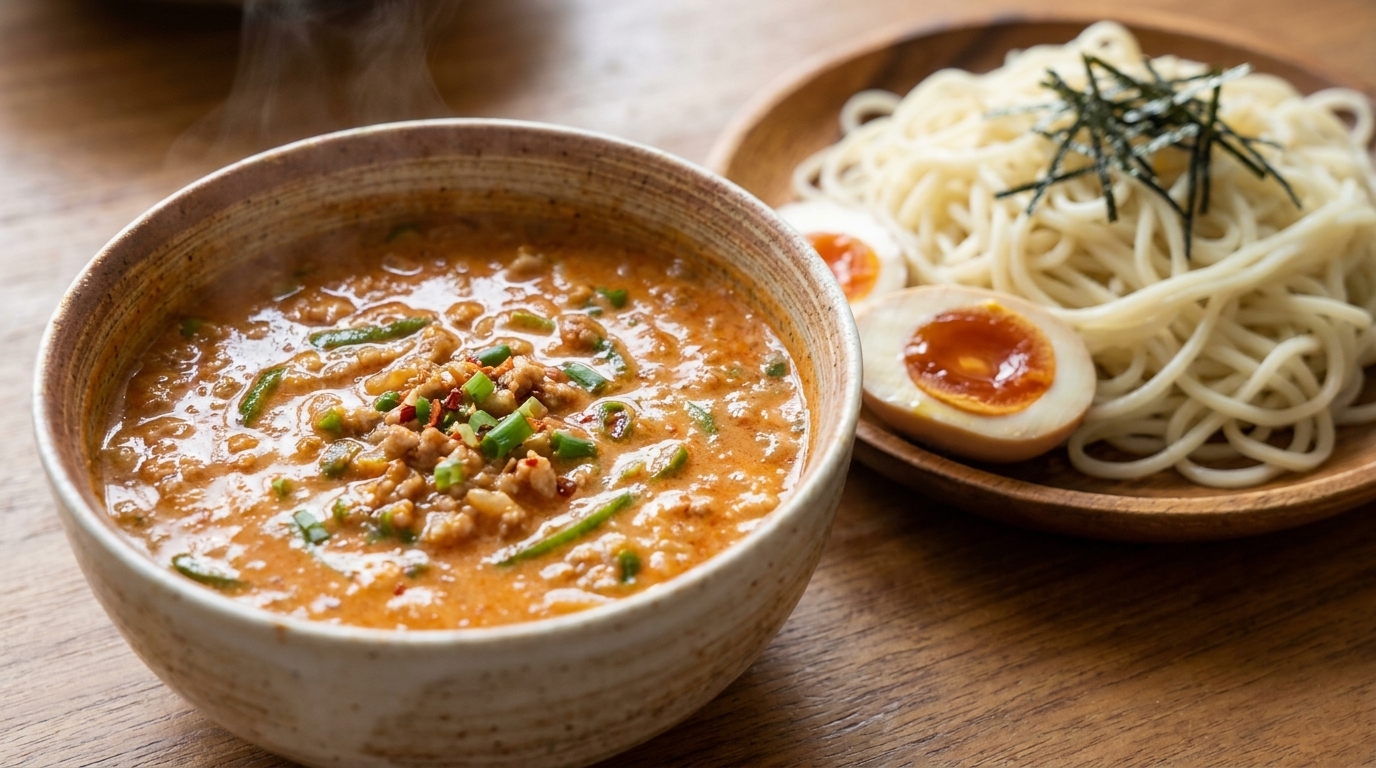
A comforting bowl of Japanese dipping noodles featuring a rich, nutty broth made from soy milk and red miso, paired with chewy cold ramen and jammy eggs.
Tsukemen is a unique style of Japanese ramen where noodles and broth are served separately. This version uses creamy soybean milk for a velvety texture, balanced by the savory depth of red miso and the spicy kick of bean paste. It is a quick, beginner-friendly recipe that delivers a complex, healing flavor profile in under 30 minutes.
Ingredients
- 200 g minced pork
- 2 portions Japanese ramen noodles
- 300 ml unsweetened soybean milk
- 2 eggs
- 1 tbsp spicy bean paste (Doubanjiang)
- 1 tbsp red miso
- 2 stalks green onion
- 1 tsp minced garlic
- 12 tsp white pepper
- 1 tsp chili powder
- 1 tbsp roasted peanuts
- 1 tsp toasted sesame seeds
- 1 tbsp cooking oil
Instructions
- 1Heat the cooking oil
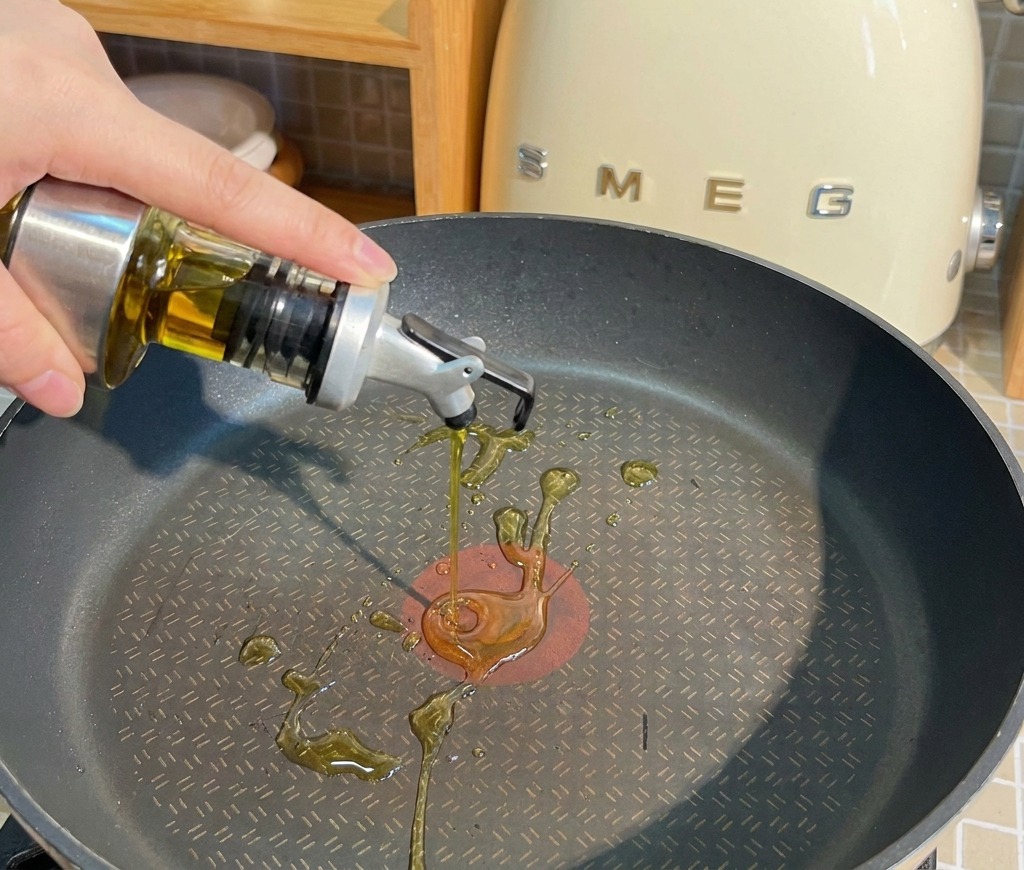
Begin by pouring a small amount of cooking oil into a flat frying pan over medium heat. Tilt the pan slightly to ensure the oil coats the entire surface, providing a smooth base for sautéing the aromatics. This step is essential for releasing the oils and flavors of the bean paste without sticking.
Tip: Use a neutral oil with a high smoke point, like vegetable or canola oil, to prevent it from burning while you fry the paste. - 2Sauté the spicy bean paste
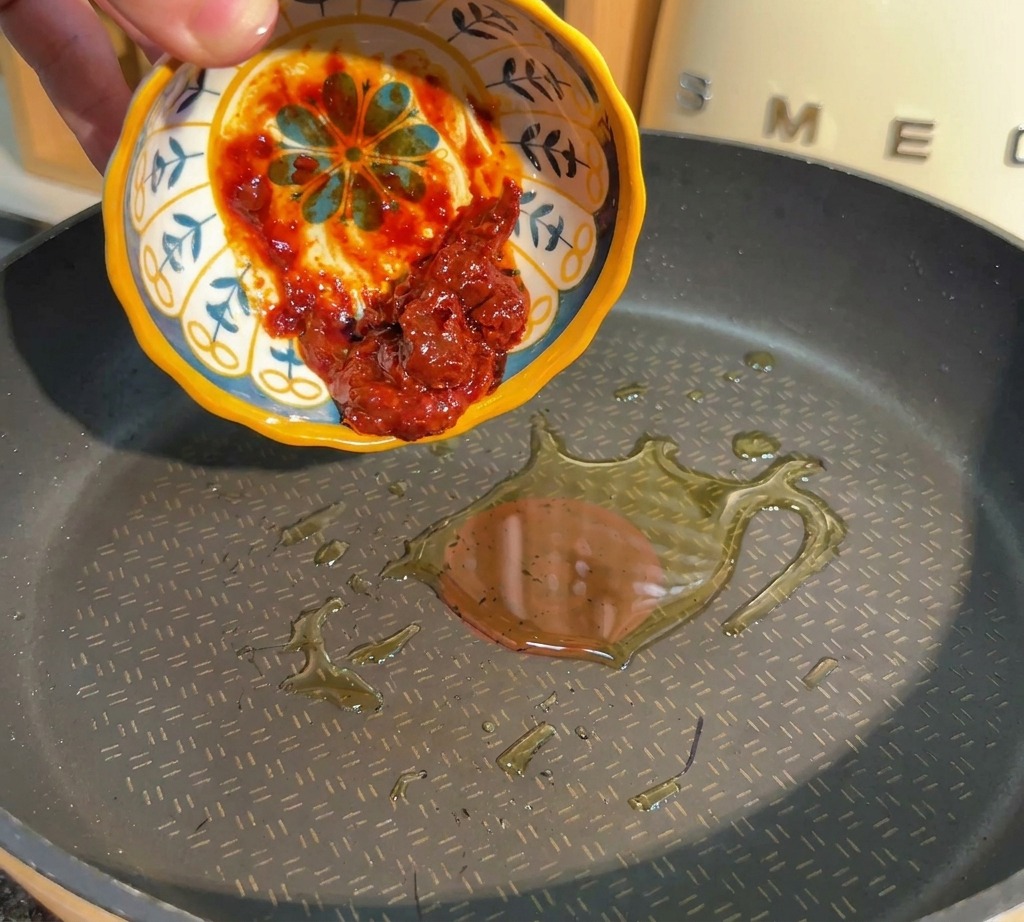
Add the spicy bean paste to the hot oil. Stir-fry constantly until the red oil is released and the paste becomes highly aromatic, forming the spicy foundation for your sauce.
Tip: Fry the paste until the oil turns bright red to ensure the spice is well-distributed and the raw taste is gone. - 3Add aromatics
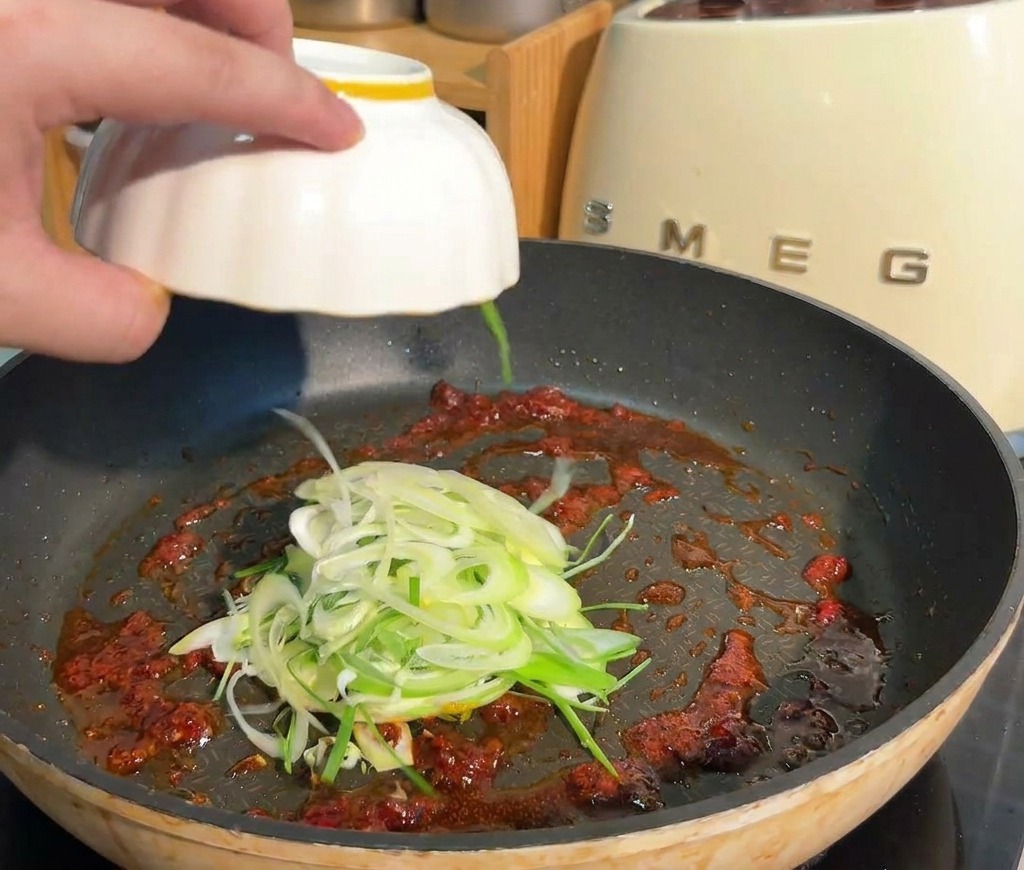
Incorporate the shredded green onions into the pan with the sizzling bean paste. Stir-fry briefly to allow the onions to soften and release their fragrance into the spicy oil mixture.
Tip: Save the dark green parts of the onion for garnishing at the very end to provide a fresh contrast. - 4Stir-fry the pork
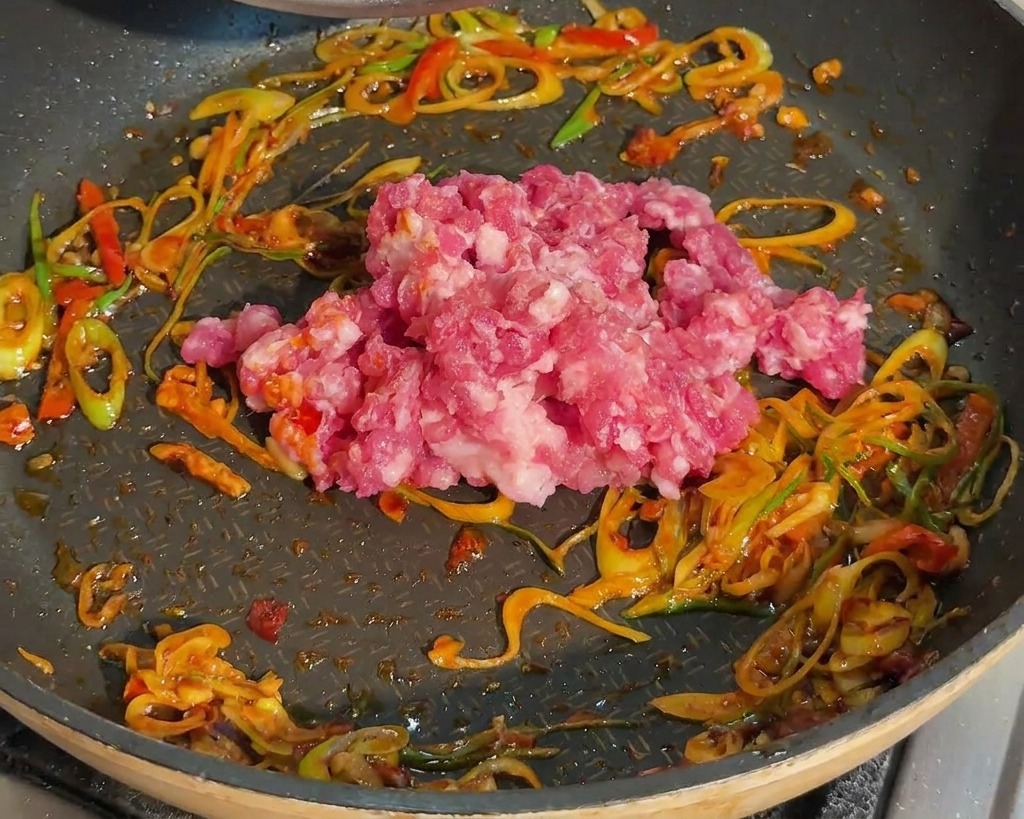
Add the raw minced pork to the pan. Use a spatula to break the meat apart, ensuring it is thoroughly mixed with the spicy bean paste and green onions for even cooking and maximum flavor absorption.
- 5Brown the minced meat
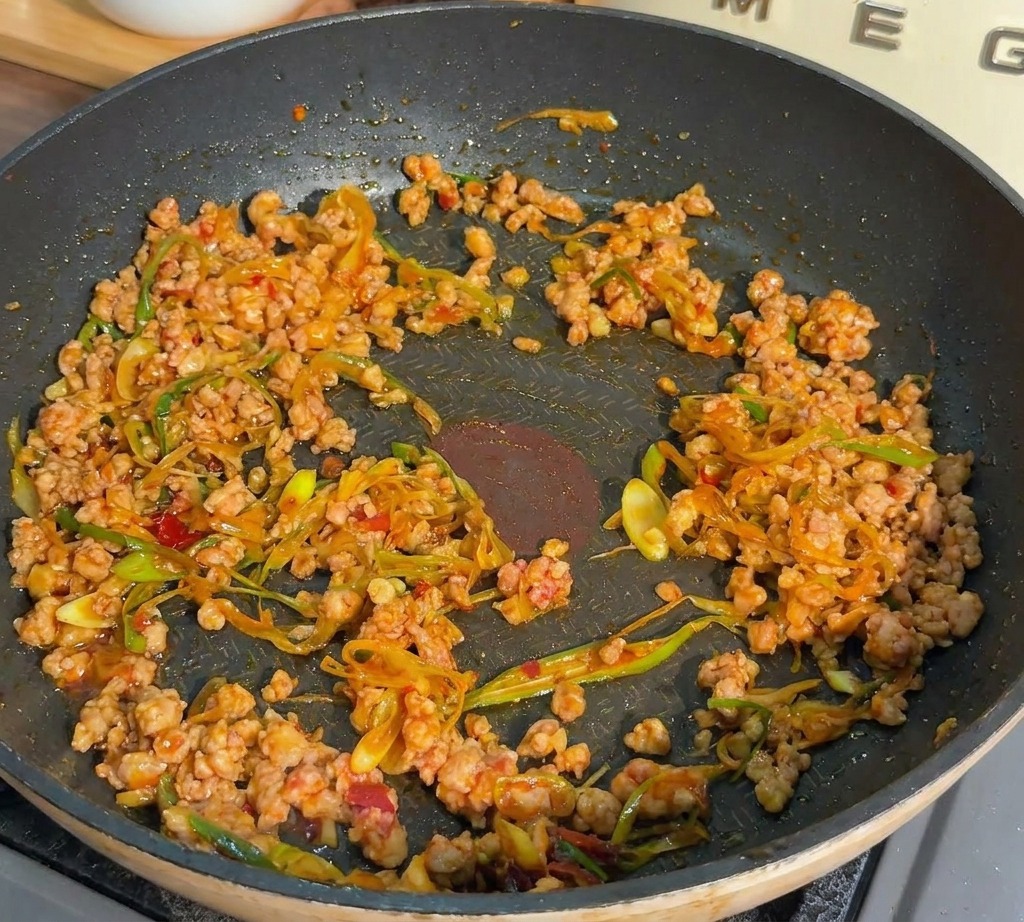
Stir-fry the minced pork over medium-high heat. Continue cooking until the meat is fully browned, crumbly, and well-coated in the spicy aromatics, ensuring no pink remains.
Tip: Make sure the pan is hot enough to properly brown the meat rather than just boiling it in its own juices. - 6Season with miso and pepper
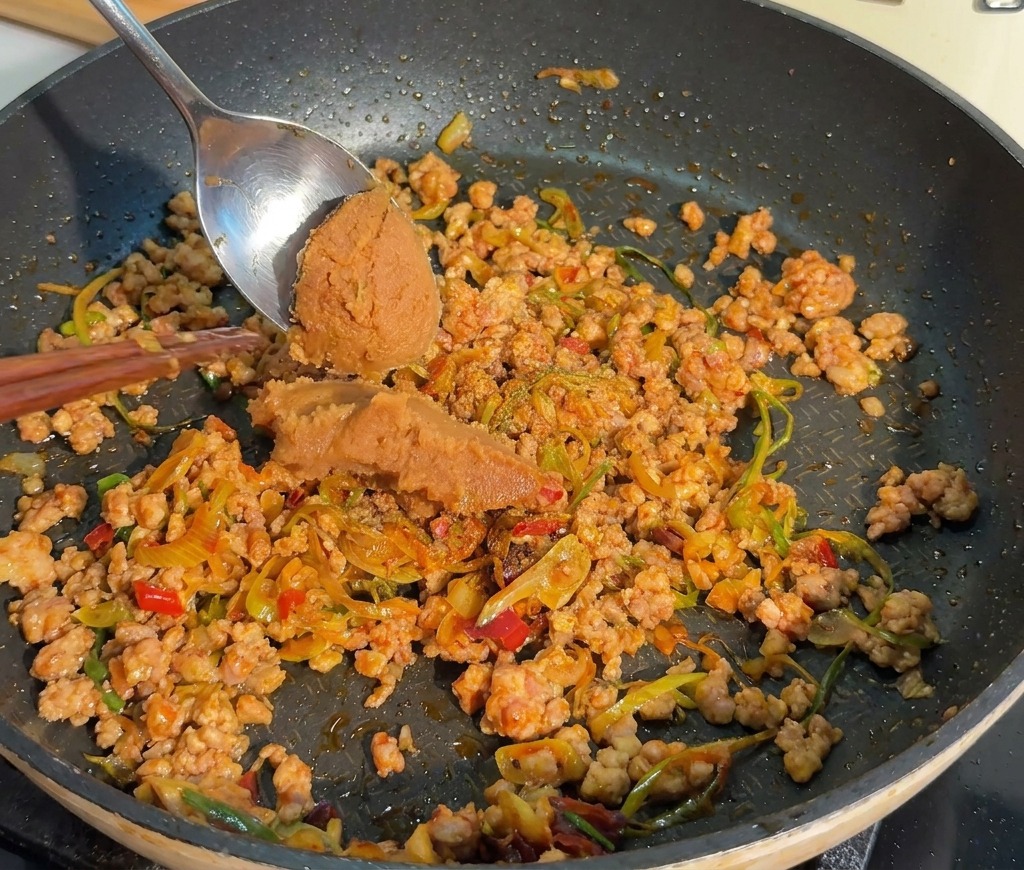
Add the red miso paste along with a dash of white pepper and the chili powder into the browned pork. Stir thoroughly until the miso dissolves and the spices coat the meat evenly to create a deep savory base.
Tip: Miso adds a rich saltiness so taste before adding extra salt to the dish - 7Add the soybean milk
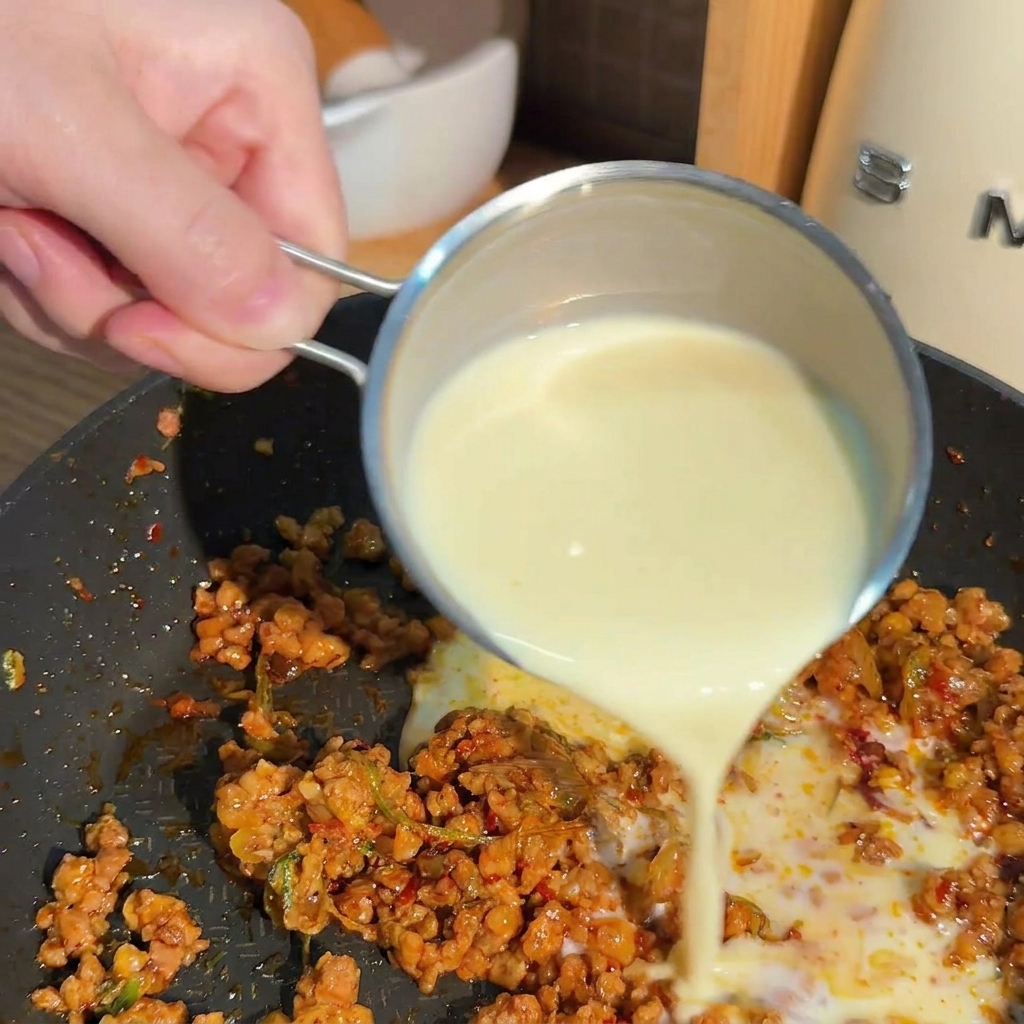
Pour the fresh, unsweetened soybean milk into the pan. This creates a nutty, velvety base that balances the saltiness of the miso and the heat of the bean paste.
Tip: Using fresh, unsweetened soybean milk is key; it adds a velvety texture similar to a long-simmered broth in just a few minutes. - 8Transfer the dipping sauce
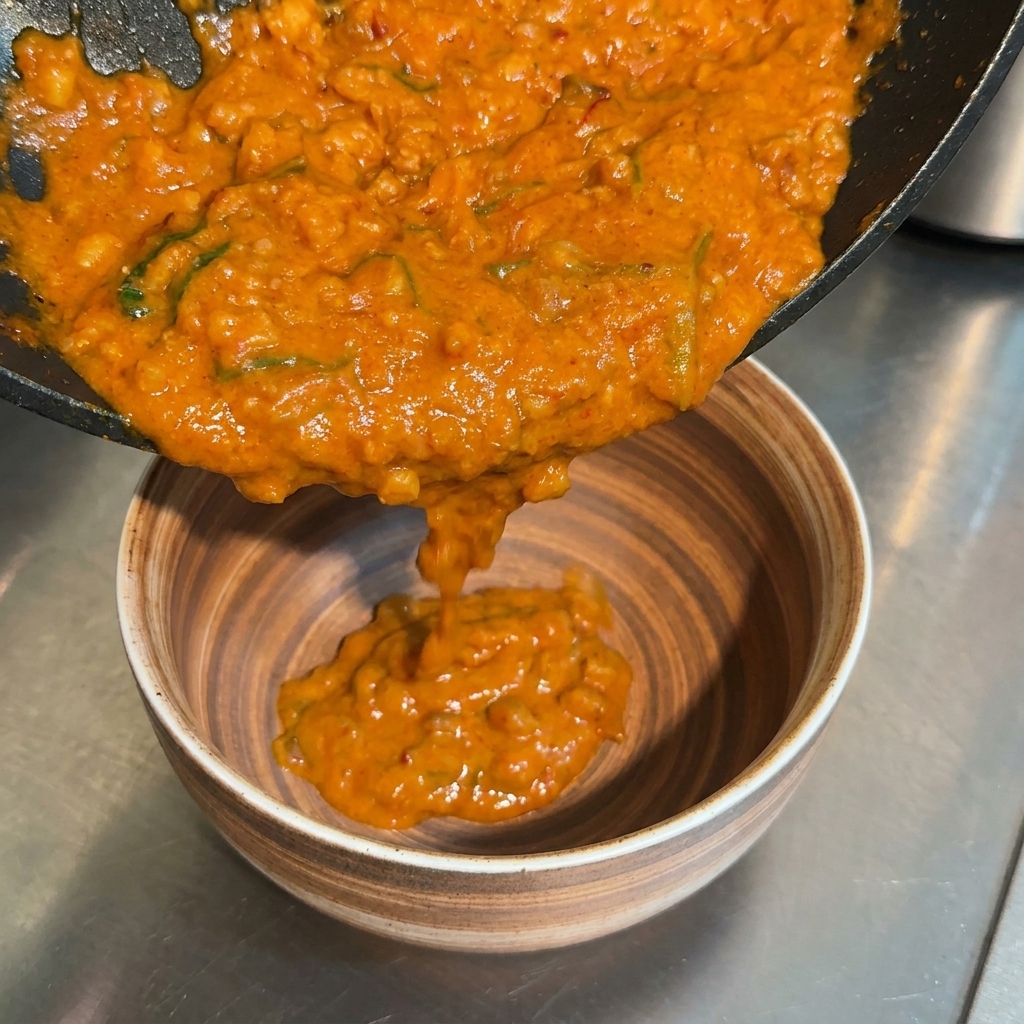
Once the sauce has simmered and thickened to a luscious consistency, carefully pour the orange miso dipping sauce from the pan into a serving bowl. This sauce is designed to be highly concentrated to effectively coat every strand of the ramen.
Tip: Ensure the sauce reduces slightly in the pan; a thicker sauce provides a much better dipping experience than a thin one. - 9Boil the ramen noodles
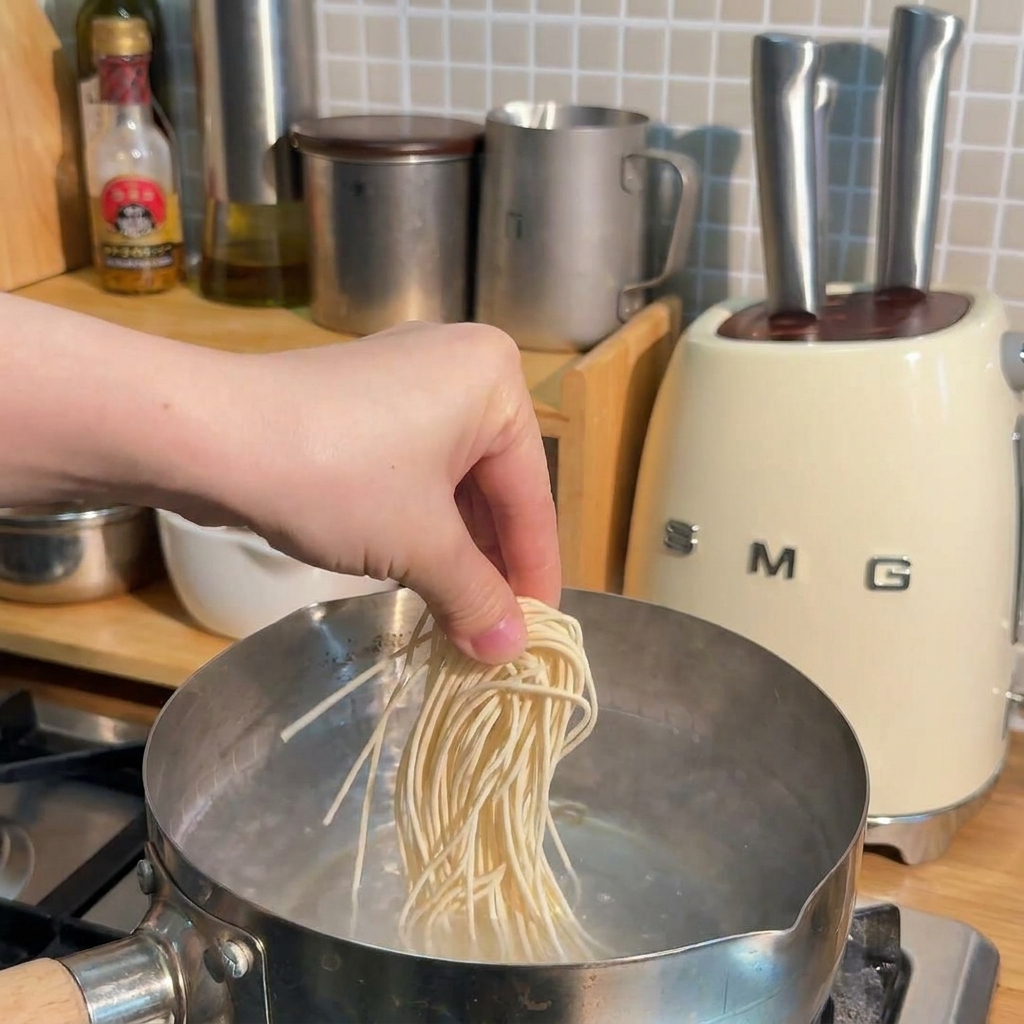
Drop the dry ramen noodles into a pot of boiling water. Cook for about five minutes until they achieve a springy and firm texture that can hold the thick dipping sauce without becoming mushy.
Tip: Stir the noodles occasionally as they cook to prevent them from sticking together in the boiling water - 10Rinse in cold water
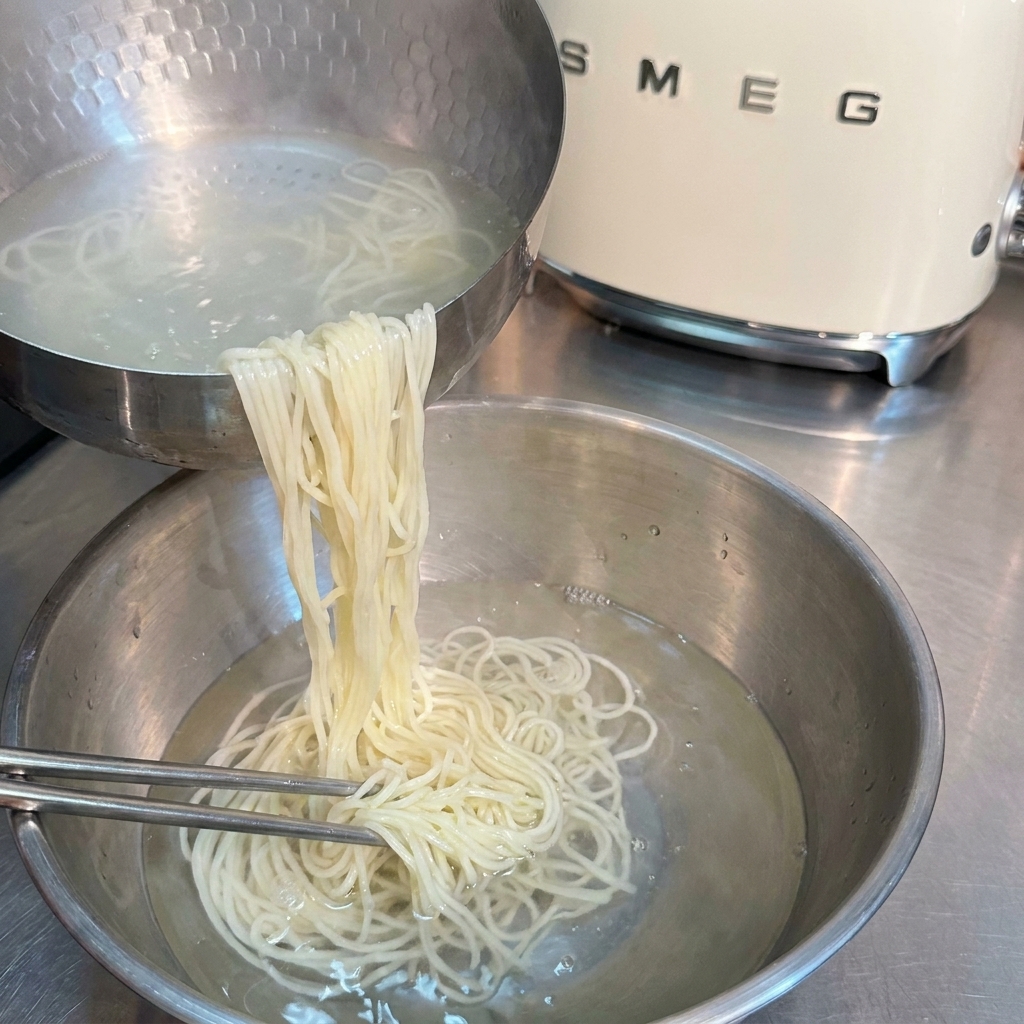
Immediately drain the cooked noodles and transfer them to a bowl of cold water. Use chopsticks to rinse and agitate them, which removes surface starch and stops the cooking process to ensure a chewy, non-sticky finish.
Tip: Rinsing with cold water is a crucial step for dipping noodles, as it creates a refreshing temperature contrast with the warm sauce. - 11Crush the peanuts and sesame seeds
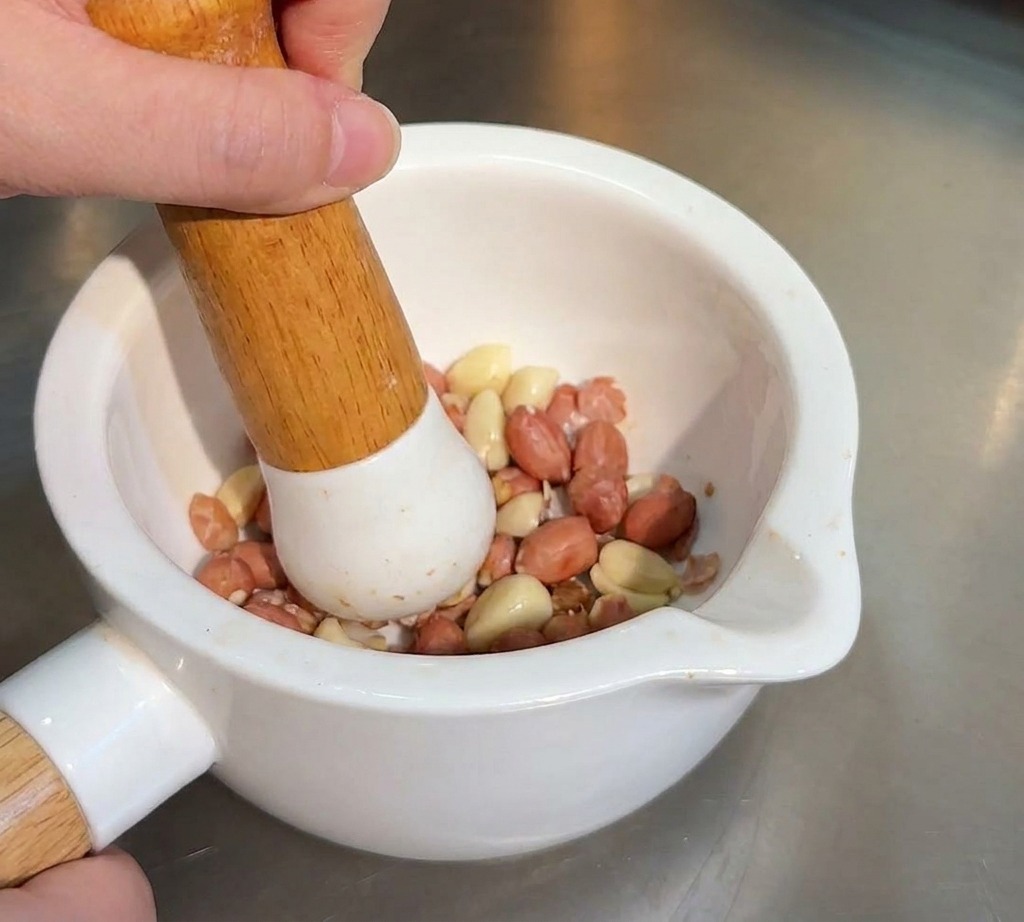
Place the roasted peanuts and sesame seeds into a ceramic mortar. Use a wooden pestle to firmly crush the ingredients until they reach a coarse, pebbly texture. These crushed nuts and seeds will provide a wonderful aromatic crunch and a layer of nutty depth to the finished dipping sauce.
Tip: Avoid over-grinding them into a fine powder; keeping some texture offers a much better mouthfeel in the final dish. - 12Peel the soft-boiled egg
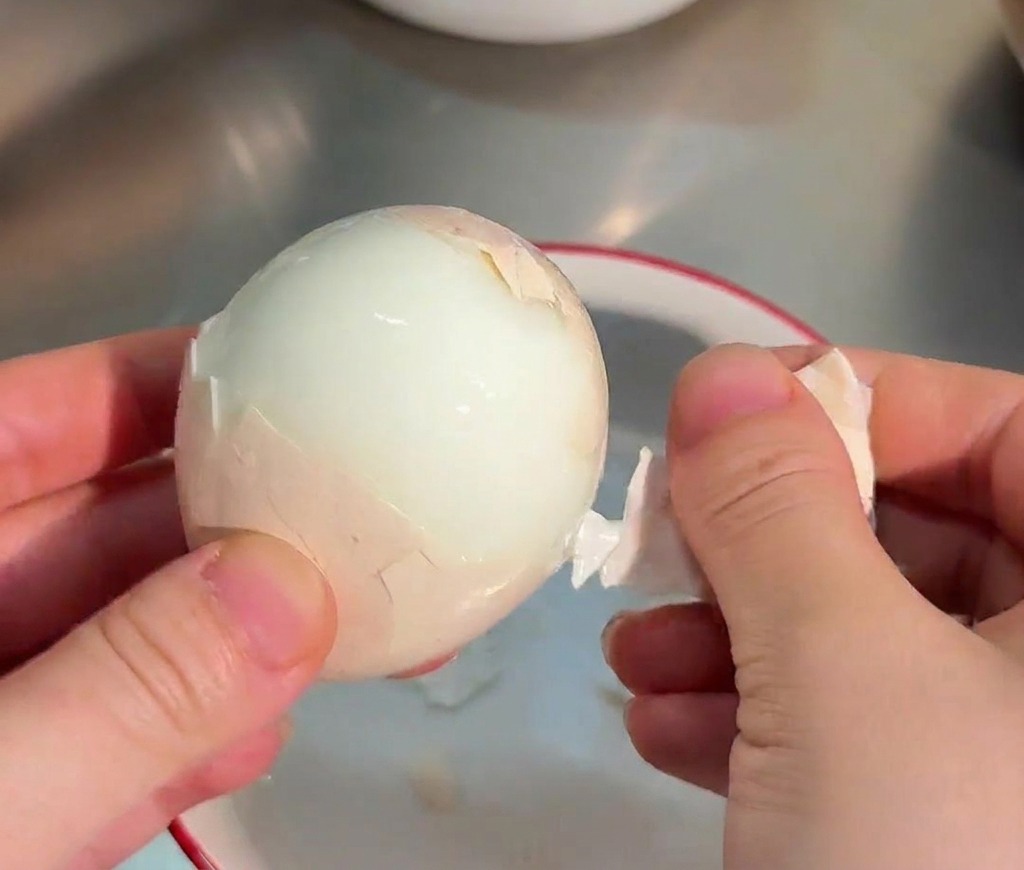
Carefully peel the shell away from the cooked soft-boiled egg. Gently tap the shell to crack it all over, then peel under cold running water or in a bowl of water to help the membrane separate cleanly from the delicate white. A perfect soft-boiled egg should feel slightly soft to the touch.
Tip: For the easiest peeling, use eggs that are a few days old rather than farm-fresh ones, as their shells tend to stick less. - 13Slice the eggs in half
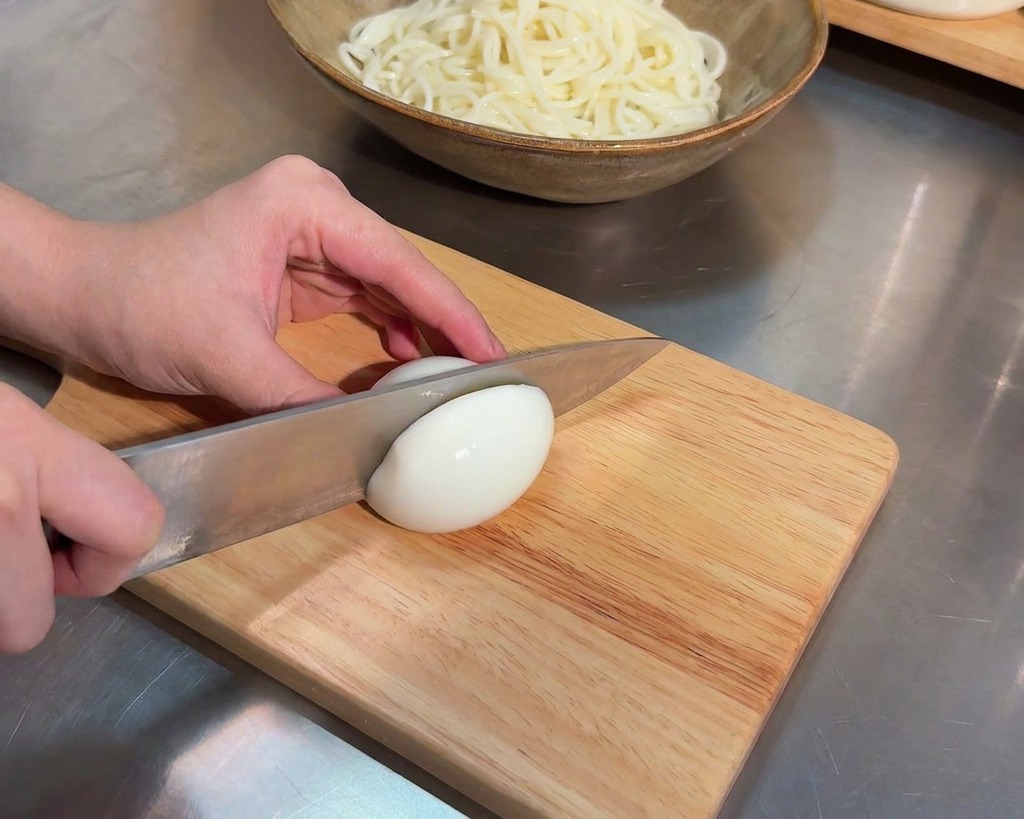
Place the peeled soft boiled eggs on a wooden cutting board and use a sharp knife to slice them gently in half. The centers should reveal beautiful golden jammy yolks that are liquid and rich. These halved eggs will act as the primary topping for your savory noodles.
Tip: If the yolks are very runny use a piece of clean fishing line or a dedicated egg slicer to get a perfectly clean cut without smearing - 14Garnish with green onion silk
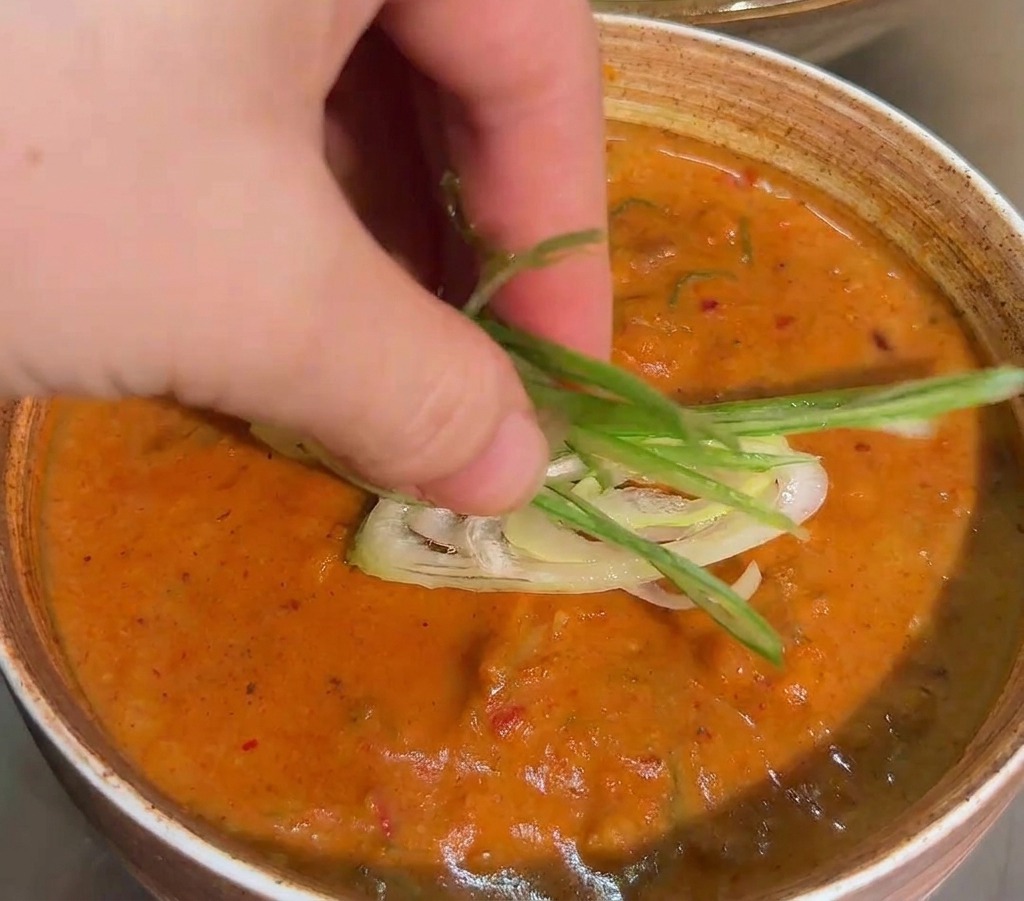
Take the finely sliced green onion silk and place a generous pinch in the center of the dipping sauce bowl. The fresh, sharp aroma of the onions provides a necessary bite that cuts through the rich, creamy texture of the miso and soy milk base.
Tip: If you want the green onion strips to curl elegantly, soak them in a bowl of ice water for about 5 to 10 minutes before using them as a garnish. - 15Add crushed peanuts and sesame
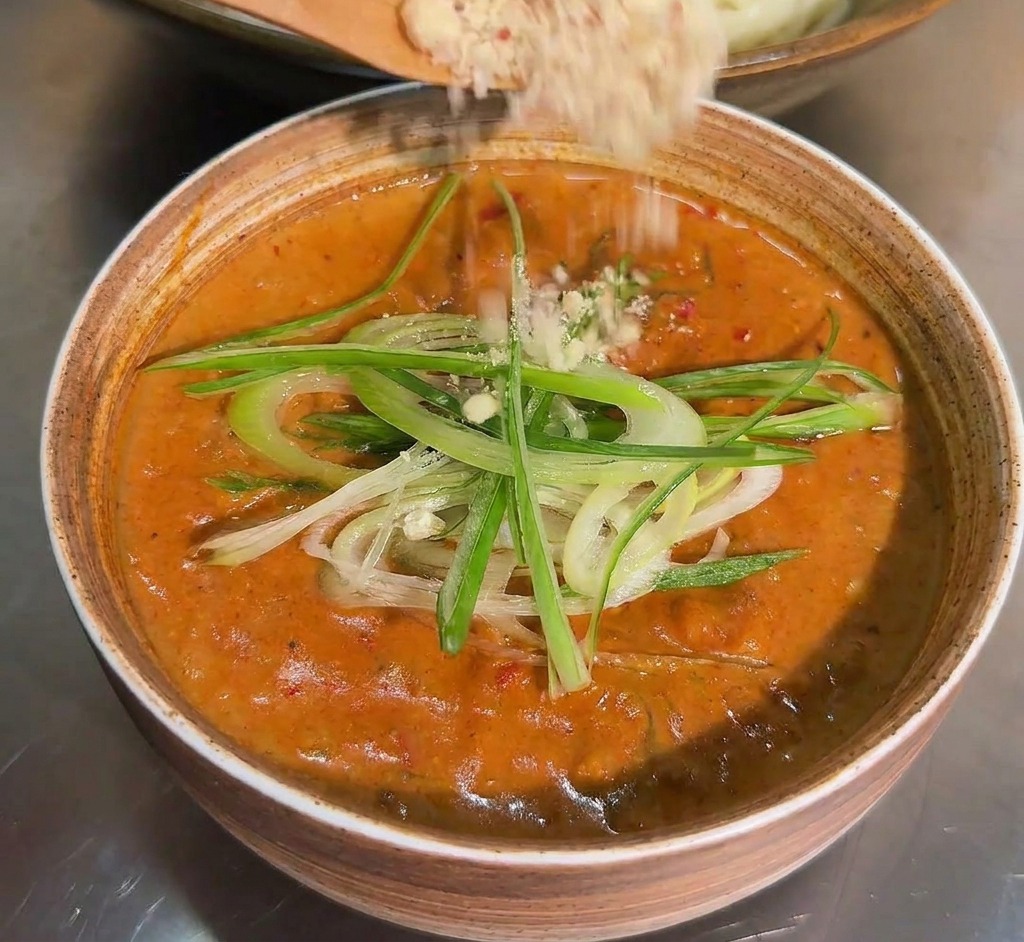
Use a wooden spoon to sprinkle a mixture of ground roasted peanuts and toasted sesame seeds over the green onion garnish. This final layer adds a deep nutty fragrance and a satisfying crunch that makes the dipping sauce truly addictive.
Tip: For the best flavor, toast the peanuts and sesame seeds in a dry pan until golden brown before grinding them into a coarse powder.