Pesto Spaghetti
Chicken
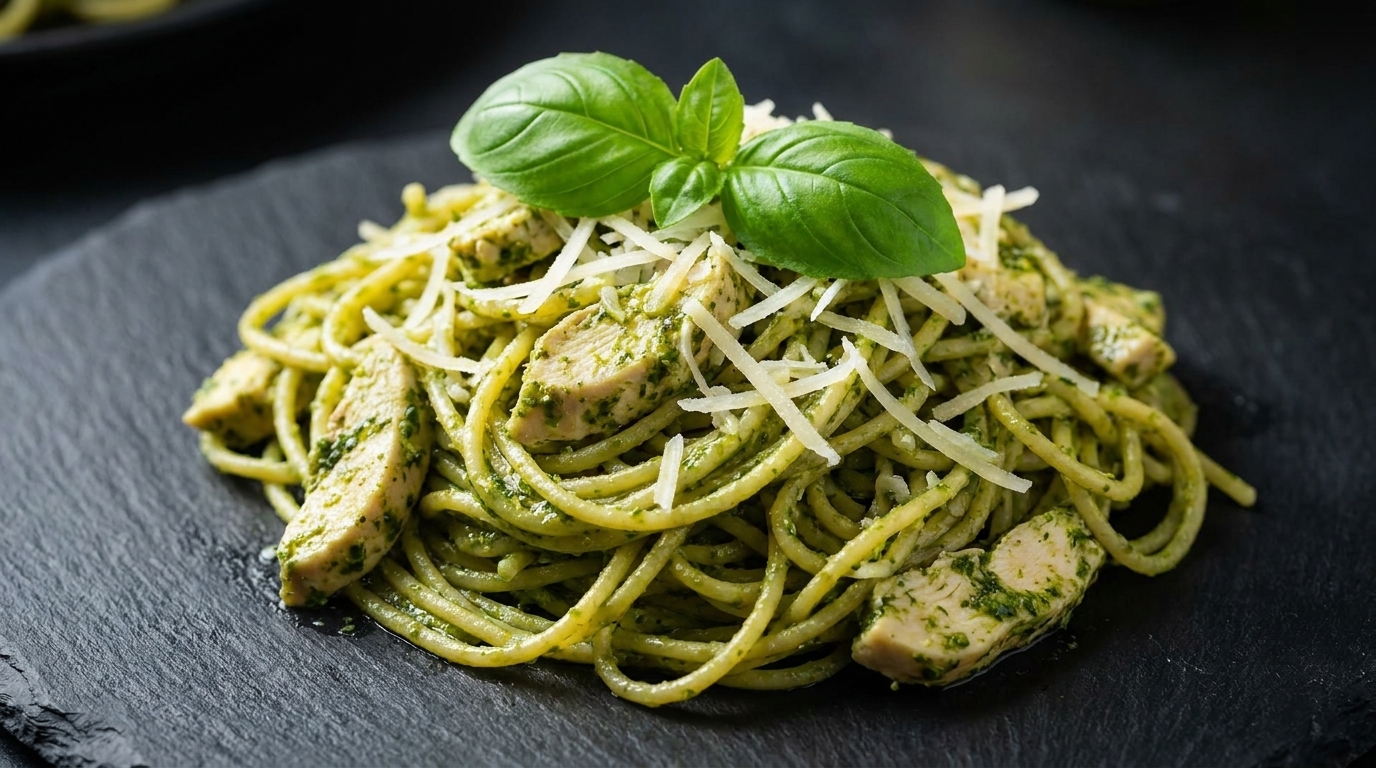
A vibrant, aromatic pasta dish featuring tender chicken strips and fresh homemade basil-parsley pesto, finished with arugula and freshly grated Parmesan.
This pesto spaghetti combines the bright, herbaceous punch of a classic homemade sauce with the satisfying substance of pan-seared chicken. By balancing the fresh, uncooked vibrancy of the pesto with warm pasta, you create a dish that is light, aromatic, and perfectly balanced. It is an ideal quick dinner that relies on quality ingredients and careful heat control to ensure the sauce stays silky rather than oily.
Ingredients
- 200 g spaghetti
- 250 g chicken breast
- 1 bunch fresh basil leaves
- 1/2 bunch fresh parsley
- 3 cloves garlic
- 50 g pine nuts
- 60 g Parmesan cheese
- 100 ml extra virgin olive oil
- 1 handful fresh arugula
- to taste salt and pepper
Instructions
- 1Combine pesto ingredients
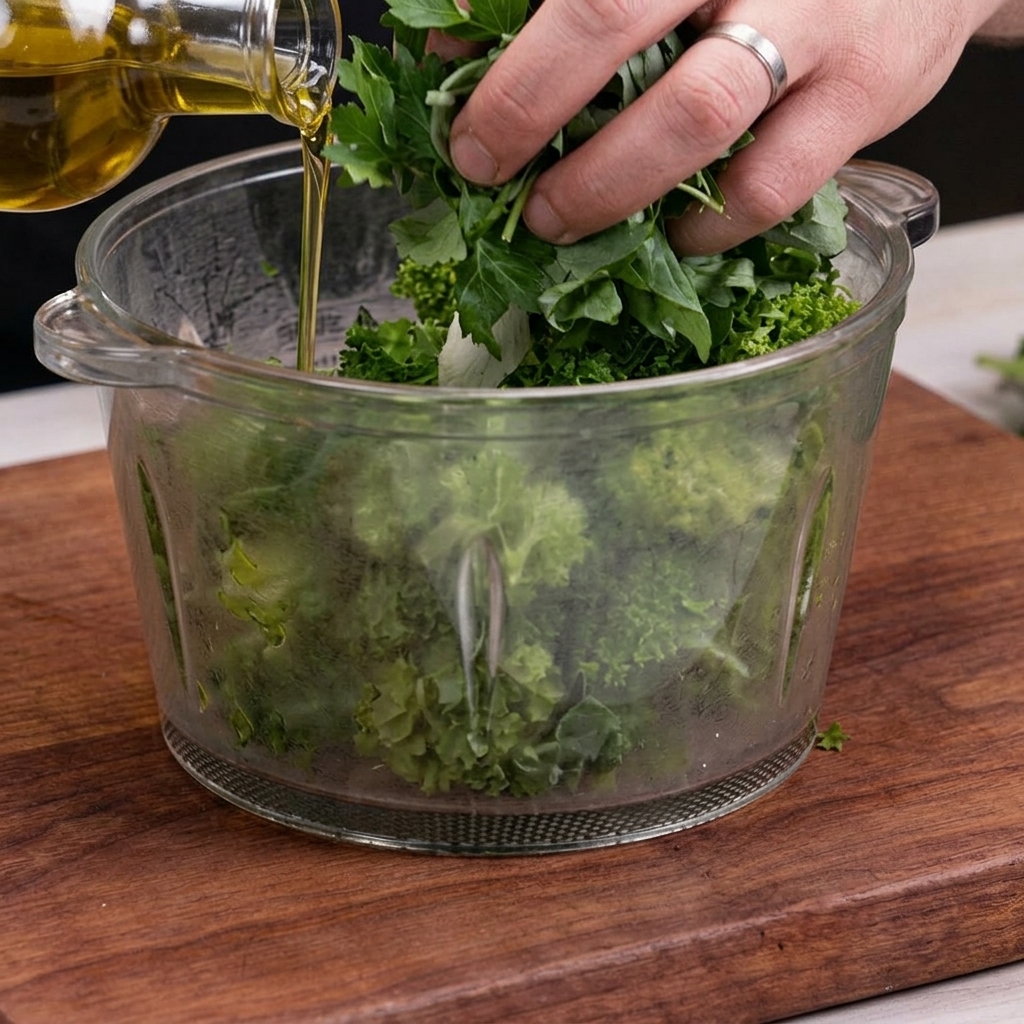
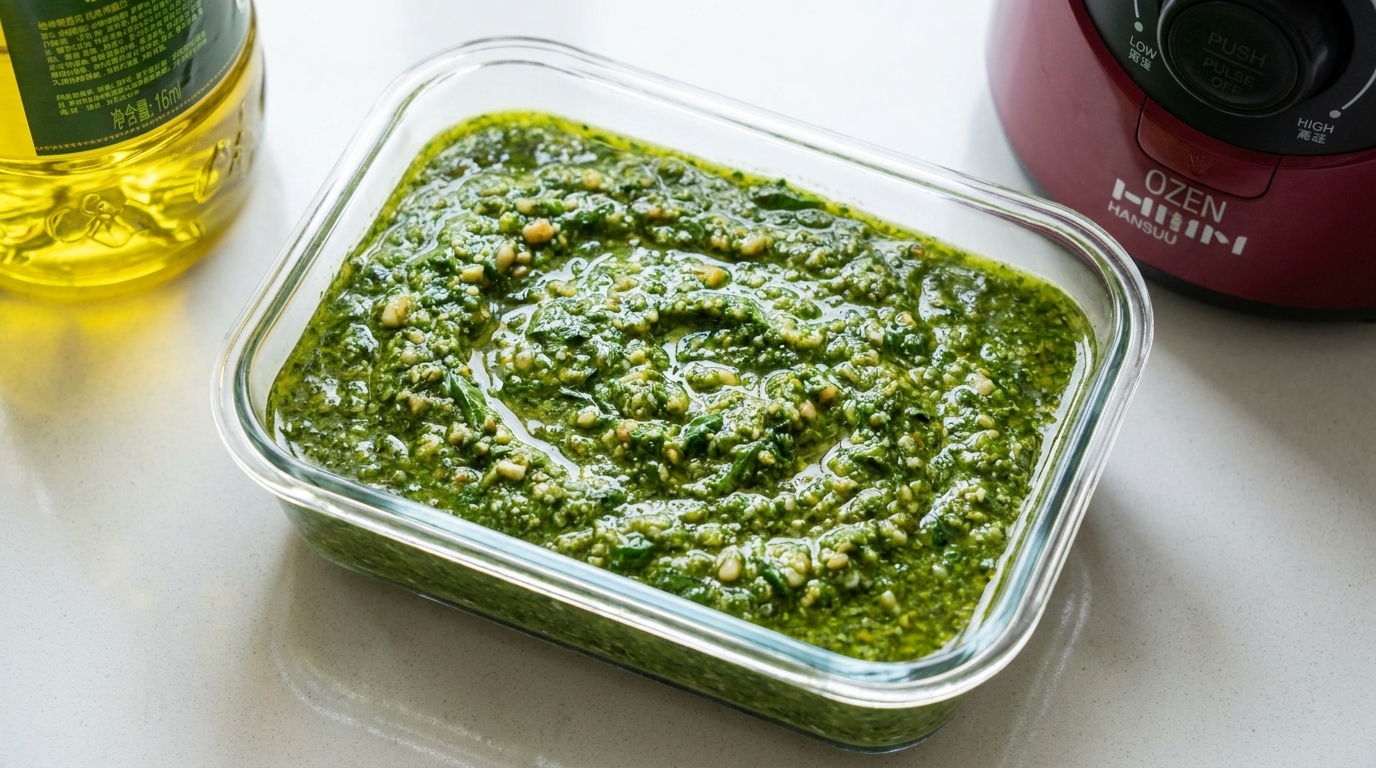
Add fresh basil, parsley, garlic, roasted pine nuts, and Parmesan cheese into a food processor. Drizzle in high-quality olive oil to help emulsify the mixture.
Tip: For the best flavor, make sure your pine nuts are lightly toasted before adding them to the processor. - 2Blend the pesto
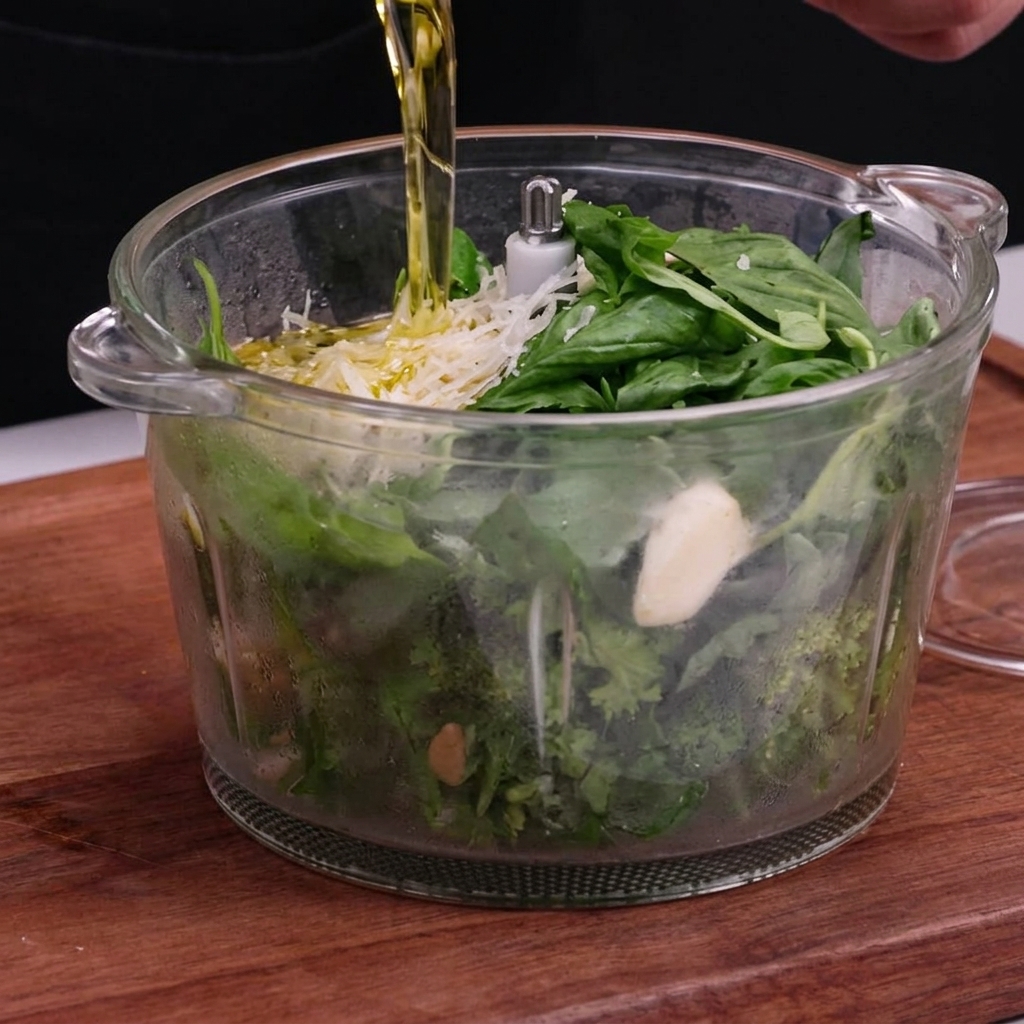
Pulse or blend the ingredients in the food processor until you reach your desired consistency. A slightly textured paste is traditional, but you can blend longer for a smoother sauce.
Tip: If you want a smoother pesto, continue blending and add a touch more olive oil as needed. - 3Slice the chicken
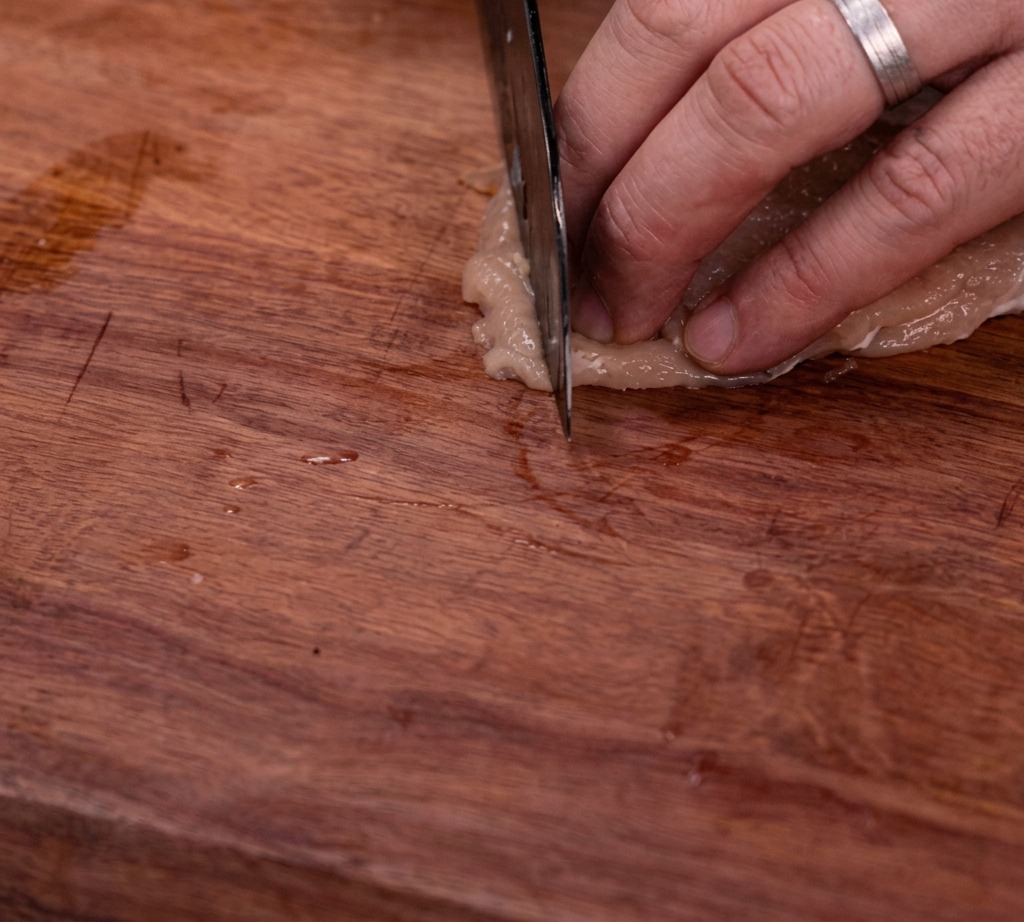
Take your raw chicken breast and slice it thinly, then cut the slices into strips against the grain. Slicing against the grain ensures the chicken remains tender after cooking.
Tip: Slicing chicken against the grain is the secret to tender, bite-sized strips. - 4Cook the chicken
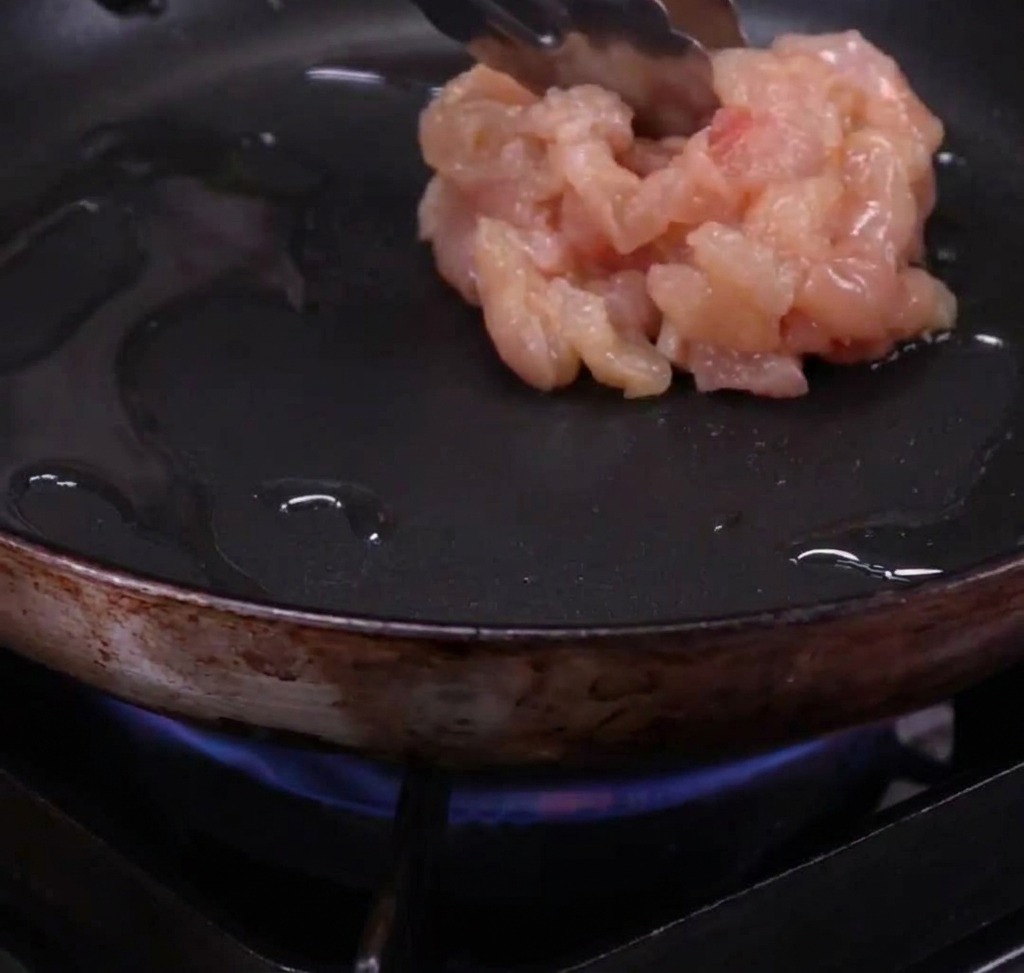
Heat a splash of olive oil in a pan and stir-fry the chicken strips until they are cooked through and have released their juices. Ensure the heat is medium-high to get a nice sear.
Tip: Toss the chicken strips in a little oil before frying to help prevent them from sticking to the pan. - 5Combine pasta and arugula
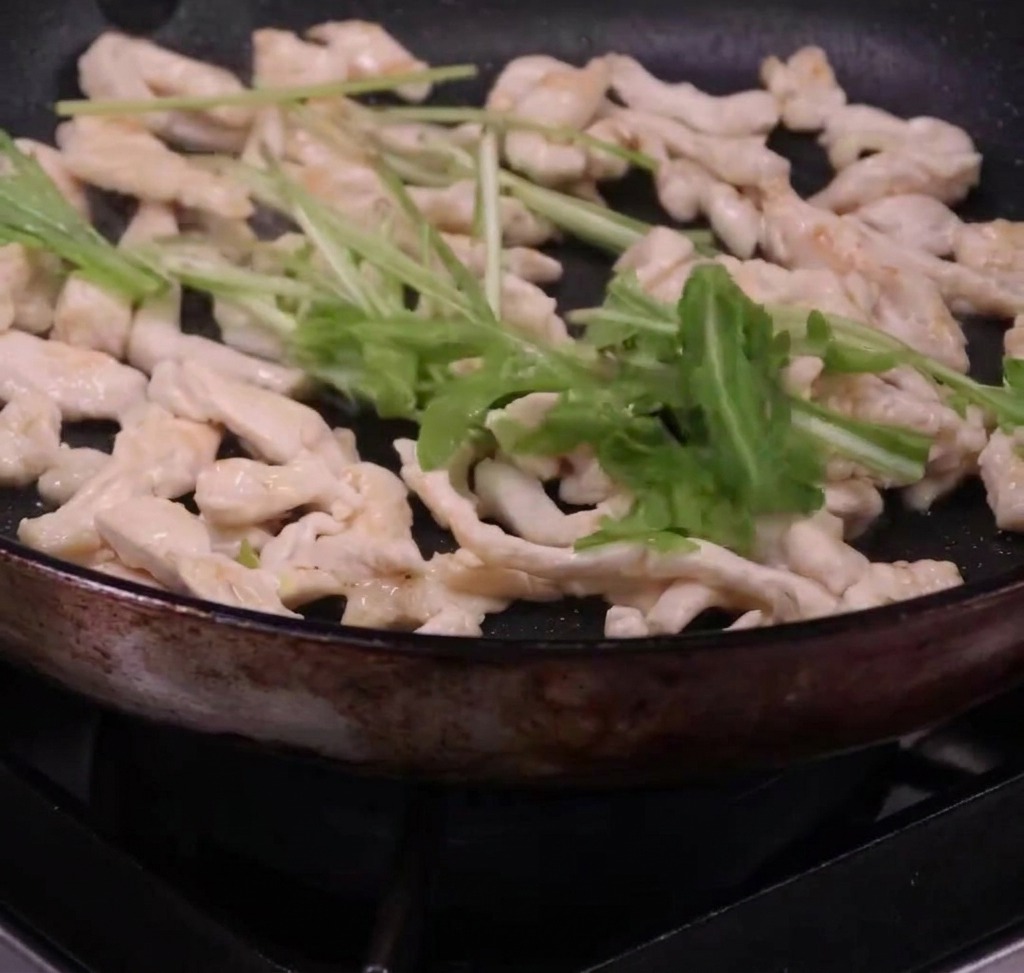
Add a handful of fresh arugula and your pre-cooked spaghetti to the pan with the cooked chicken. Toss gently to combine the ingredients.
Tip: The residual heat from the pasta and chicken is perfect for wilting the arugula without overcooking it. - 6Adjust sauce consistency
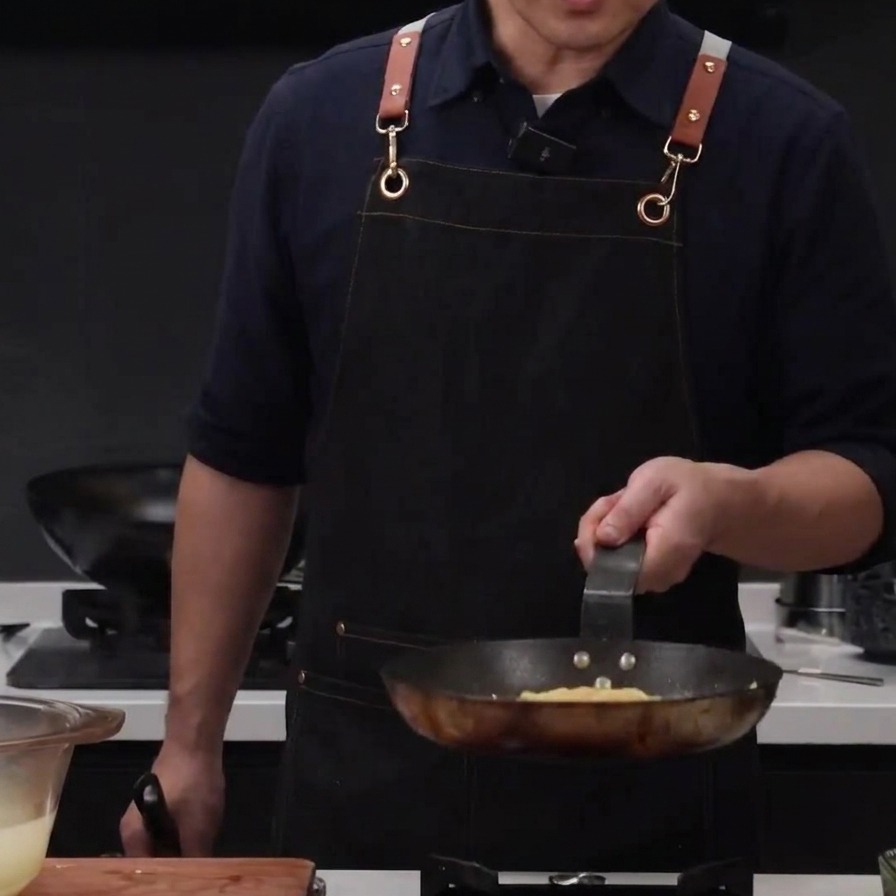
If the pasta appears too dry, pour a small amount of the starchy pasta water into the pan. This will help bind everything together and create a silky coating for the noodles.
Tip: Dont discard all your pasta water—its the secret to achieving the perfect sauce consistency. - 7Add the fresh pesto
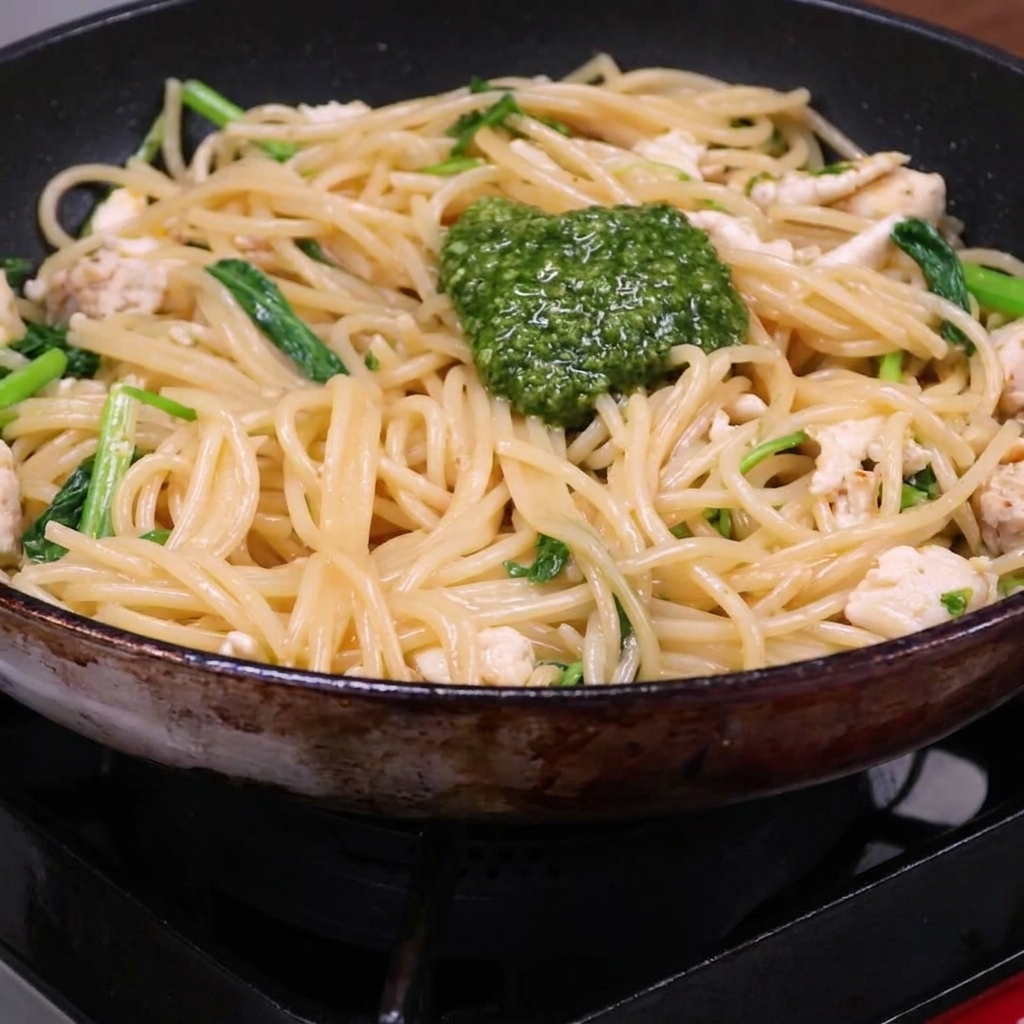
With the heat on low, add a generous spoonful of the freshly blended green pesto sauce directly onto the warm pasta and chicken mixture in the pan. Low heat is essential here to prevent the pesto from overheating, which can cause the oil to separate and ruin its fresh flavor.
Tip: If the pan is too hot, turn it off completely before adding the pesto, or even remove the pan from the heat source entirely to ensure the sauce stays vibrant and creamy. - 8Toss and combine
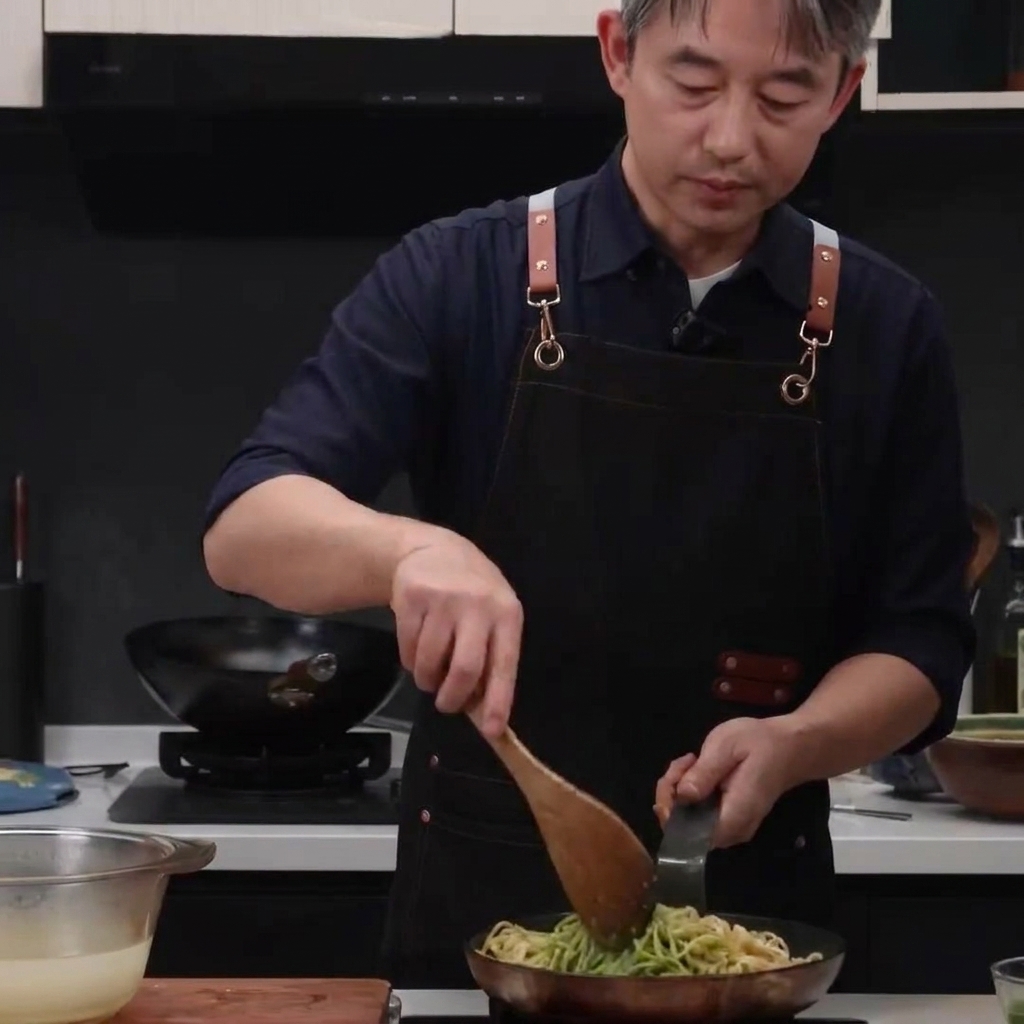
Using a wooden spatula, gently toss the spaghetti, chicken, and pesto sauce together until every strand is evenly coated. Ensure the heat remains low throughout this process to maintain the pestos texture and integrity.
Tip: If the noodles seem a little dry while tossing, add a small splash of the pasta cooking water to help emulsify the sauce and create a glossy, consistent finish.