Authentic Neapolitan Seafood Pizza (Marinara
Anchovies & Olives)
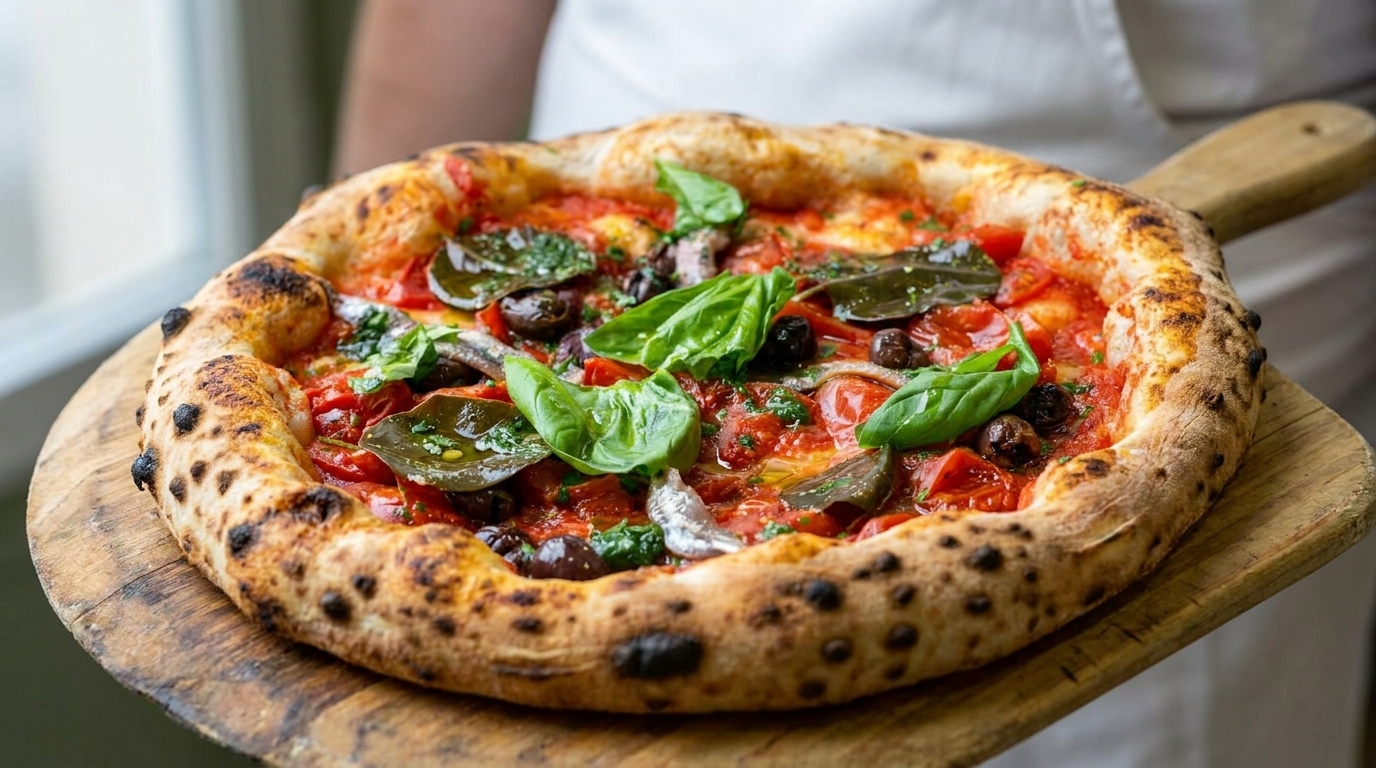
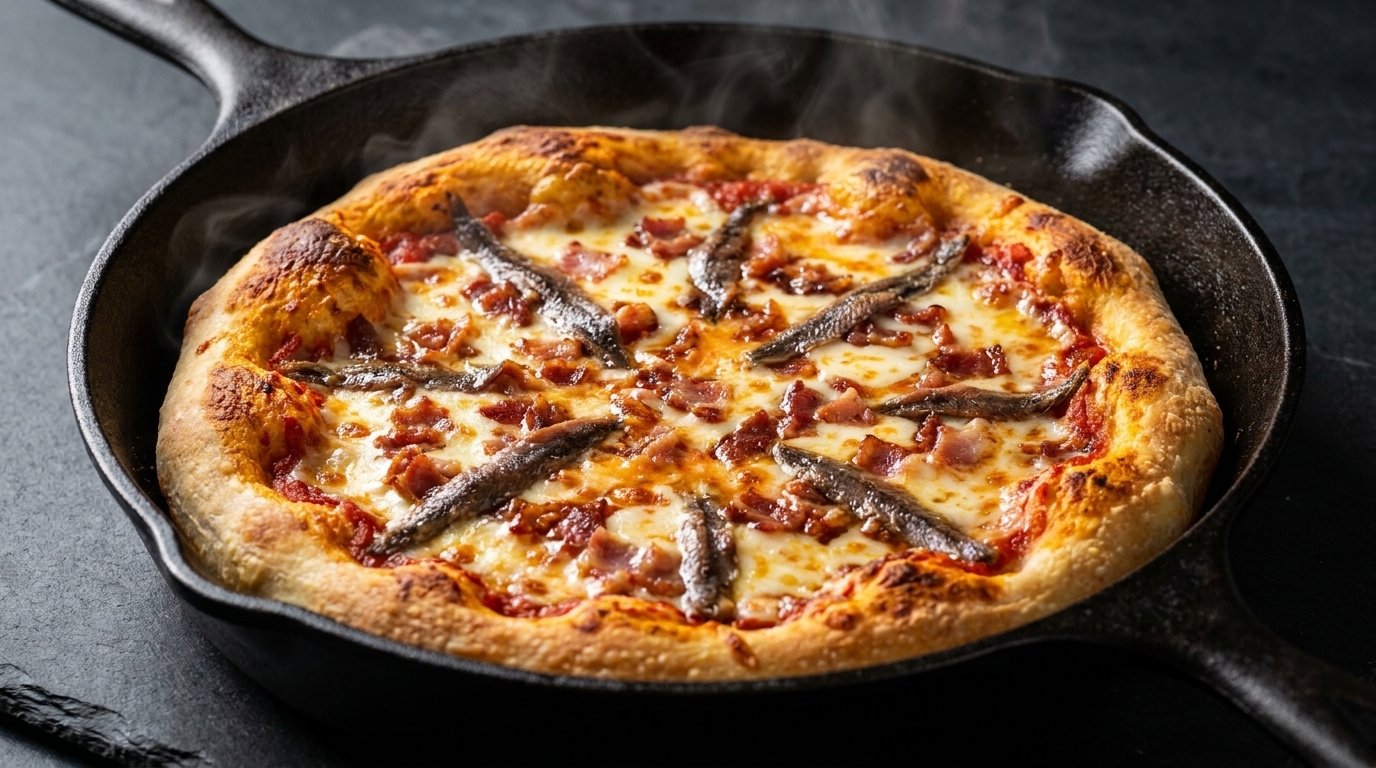
A true Neapolitan classic: bubbly, leopard-spotted crust topped with rich tomato sauce, briny 28-day cured anchovies, and aromatic garlic-infused olive oil.
Known as a variation of the traditional Marinara, this pizza highlights the bold coastal flavors of Naples. The addition of salt-cured anchovies and olives to the simple tomato-garlic base creates a profile often referred to as Pizza Napoli, prized for its intense umami and crisp airy crust.
Ingredients
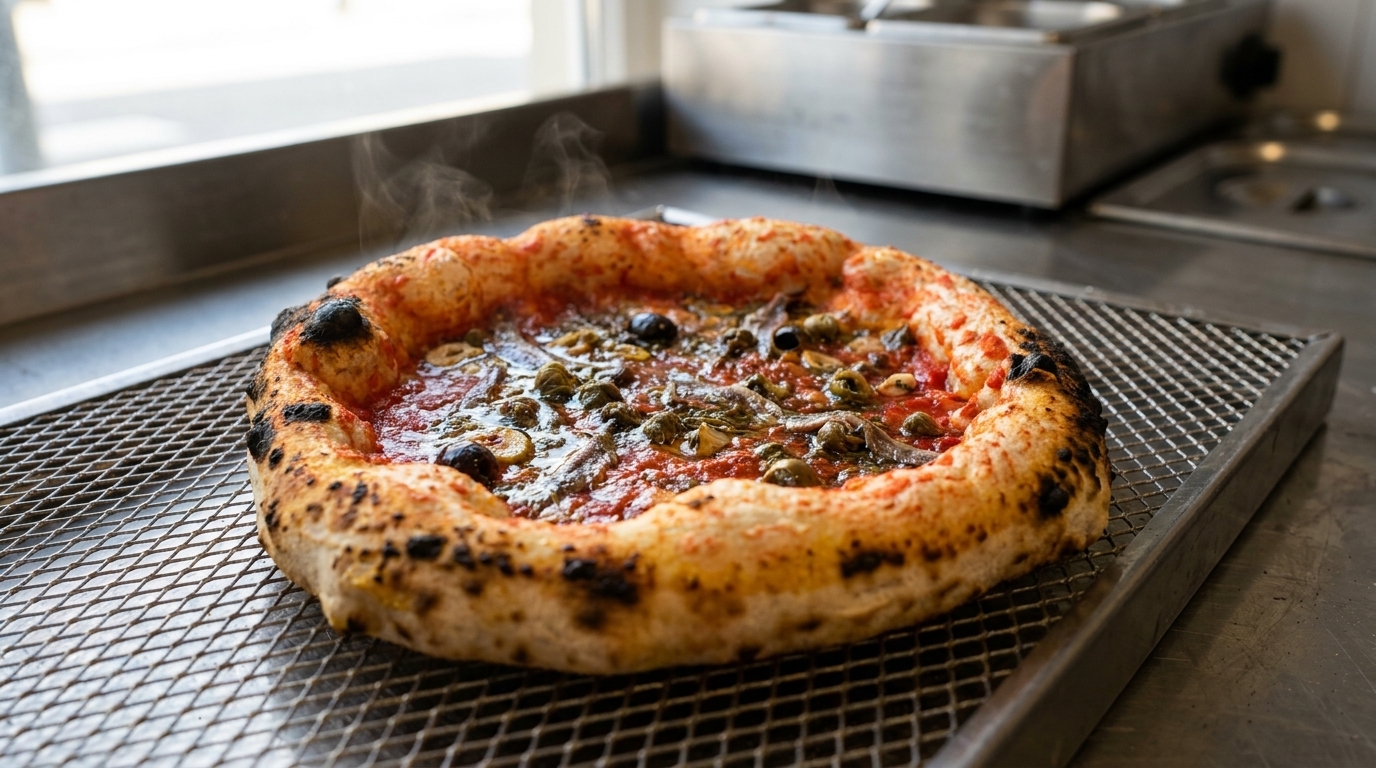
- 250 g Neapolitan pizza dough ball
- 80 g San Marzano tomato sauce
- 1 tbsp garlic-infused olive oil
- 1 tsp dried oregano
- 6 cured anchovy fillets
- 10 whole black olives
- 1 tsp capers
- to taste extra virgin olive oil
Instructions
- 1Retrieve the fermented dough
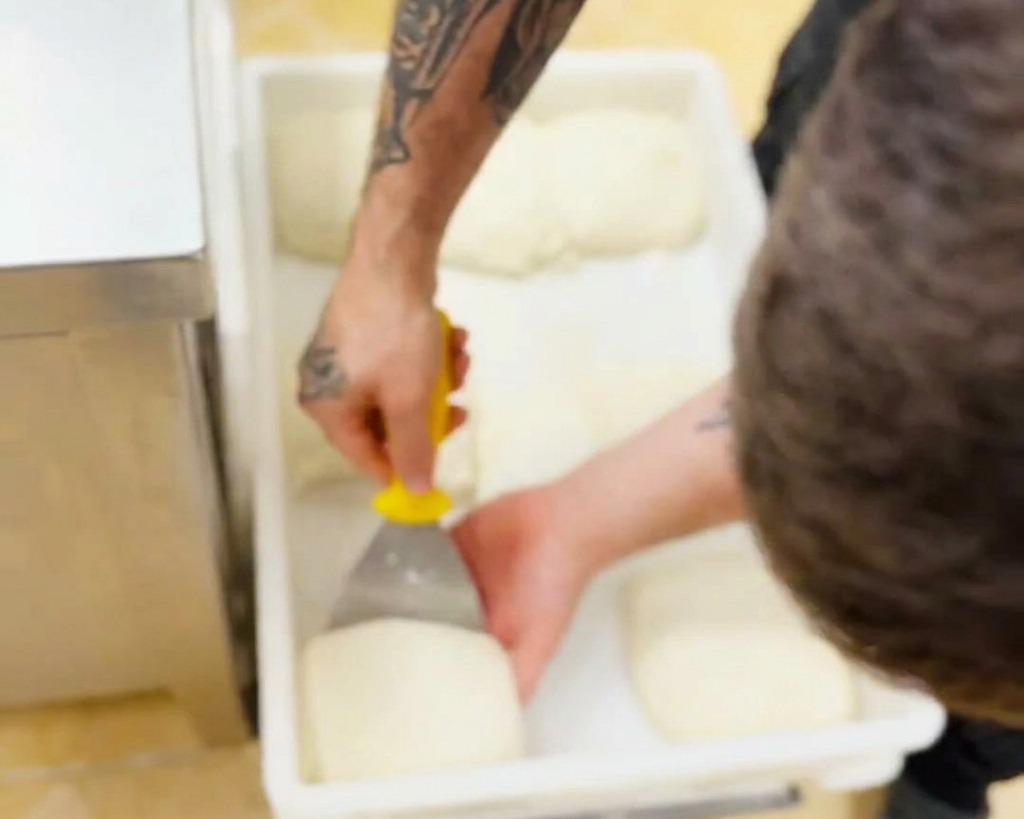
Use a bench scraper to gently lift a pre-fermented dough ball from the proofing tray. This ensures the dough maintains its structure and that the delicate air bubbles formed during the long fermentation process arent crushed before shaping.
Tip: If the dough feels sticky, lightly dust your hands and the scraper with flour to prevent tearing the surface. - 2Stretch and shape the base
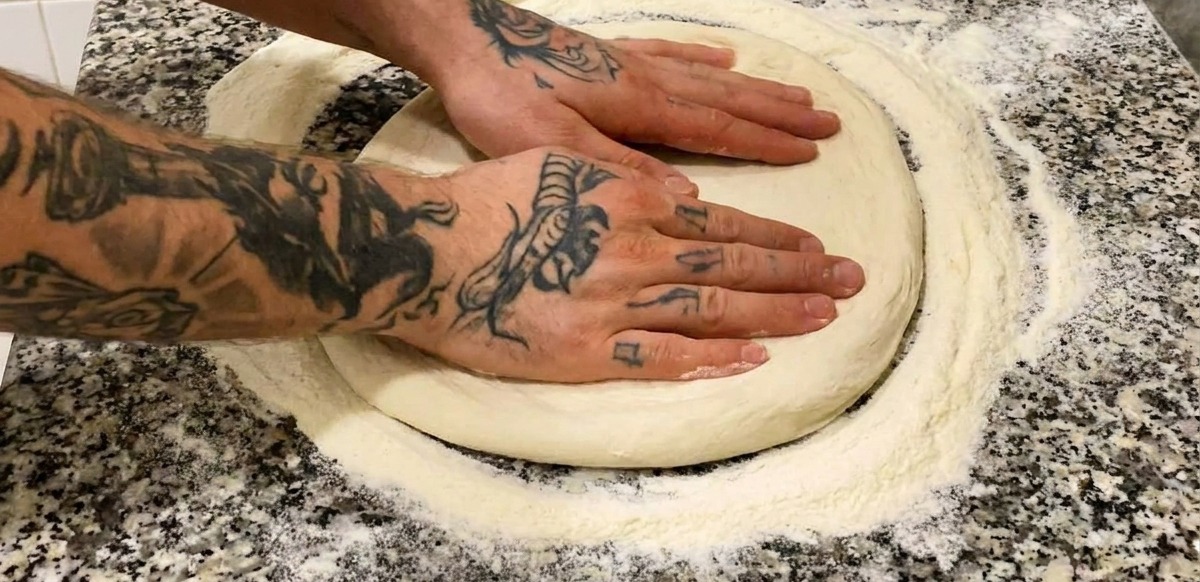
Place the dough ball onto a flour-dusted marble surface. Use your palms and fingers to press and stretch the dough outward in a rhythmic spinning motion until it forms a perfect circle. Leave a slightly thicker border to create the signature airy crust.
Tip: Avoid using a rolling pin; stretching by hand preserves the internal gas pockets that give Neapolitan pizza its characteristic elasticity. - 3Spread the tomato sauce
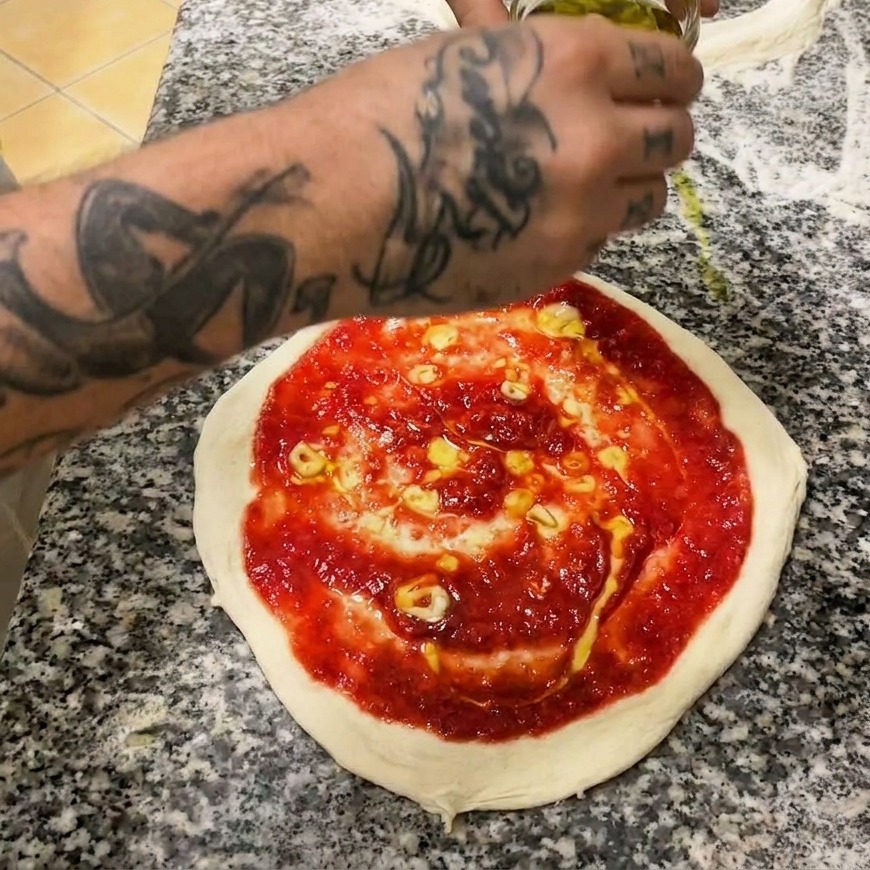
Apply a base of rich tomato sauce using a rhythmic double-spiral motion starting from the center. This ensures even distribution and prevents the dough from becoming soggy during the fast baking process.
Tip: Use a ladle to spread the sauce in one continuous motion for the most consistent results. - 4Season the base
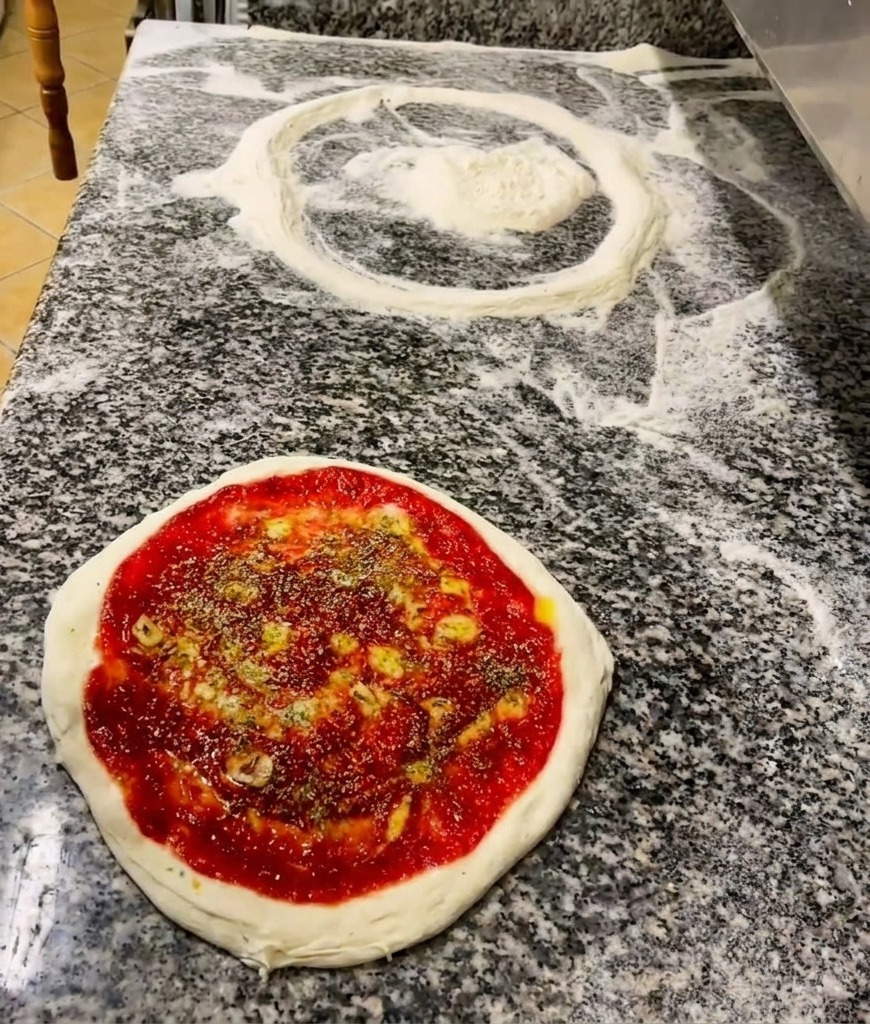
Drizzle high-quality garlic-infused olive oil over the tomato sauce and add a generous sprinkle of dried oregano. These aromatics provide the flavor foundation for the seafood toppings added next.
Tip: Pour the oil in a steady spiral to cover the entire surface without pooling in one spot. - 5Layer the cured anchovies
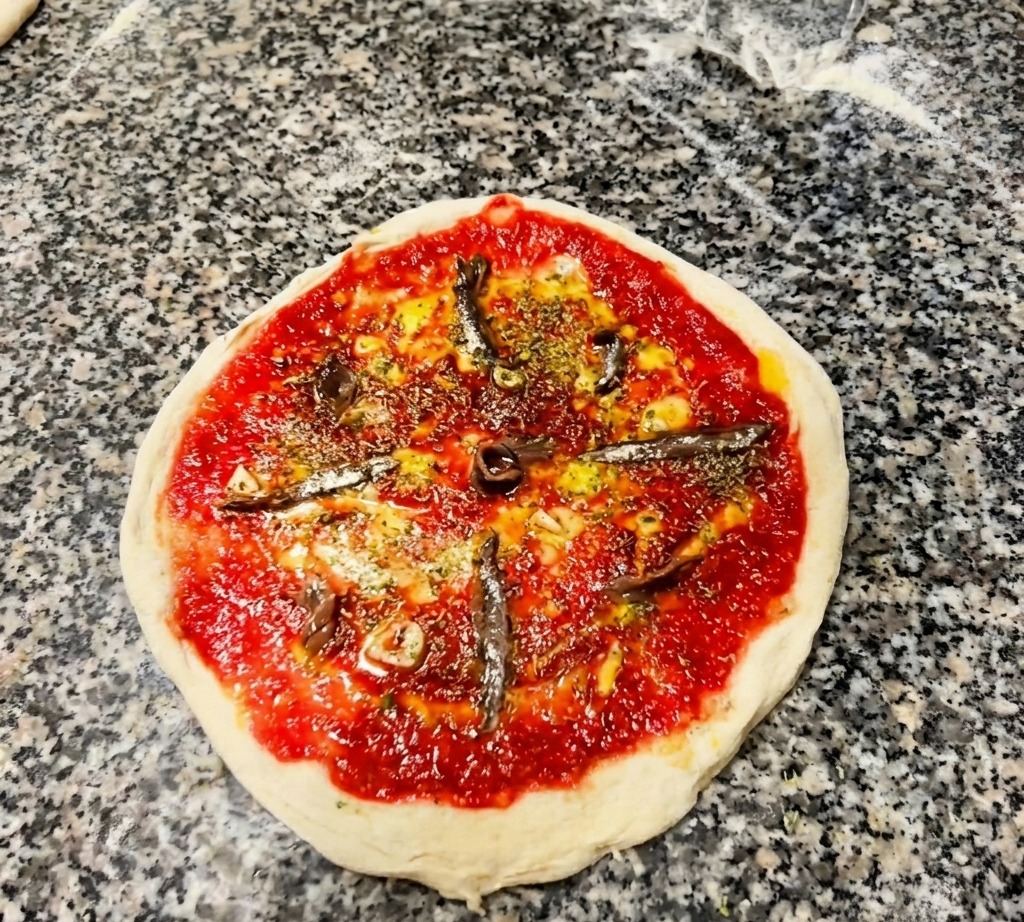
Arrange cured anchovy fillets on top of the sauced base in a radial pattern. These anchovies, typically cured for nearly a month, provide an intense umami punch and a salty contrast to the sweet tomato sauce.
Tip: Space the fillets evenly so that every slice of the finished pizza has a balanced amount of anchovy. - 6Add olives and capers
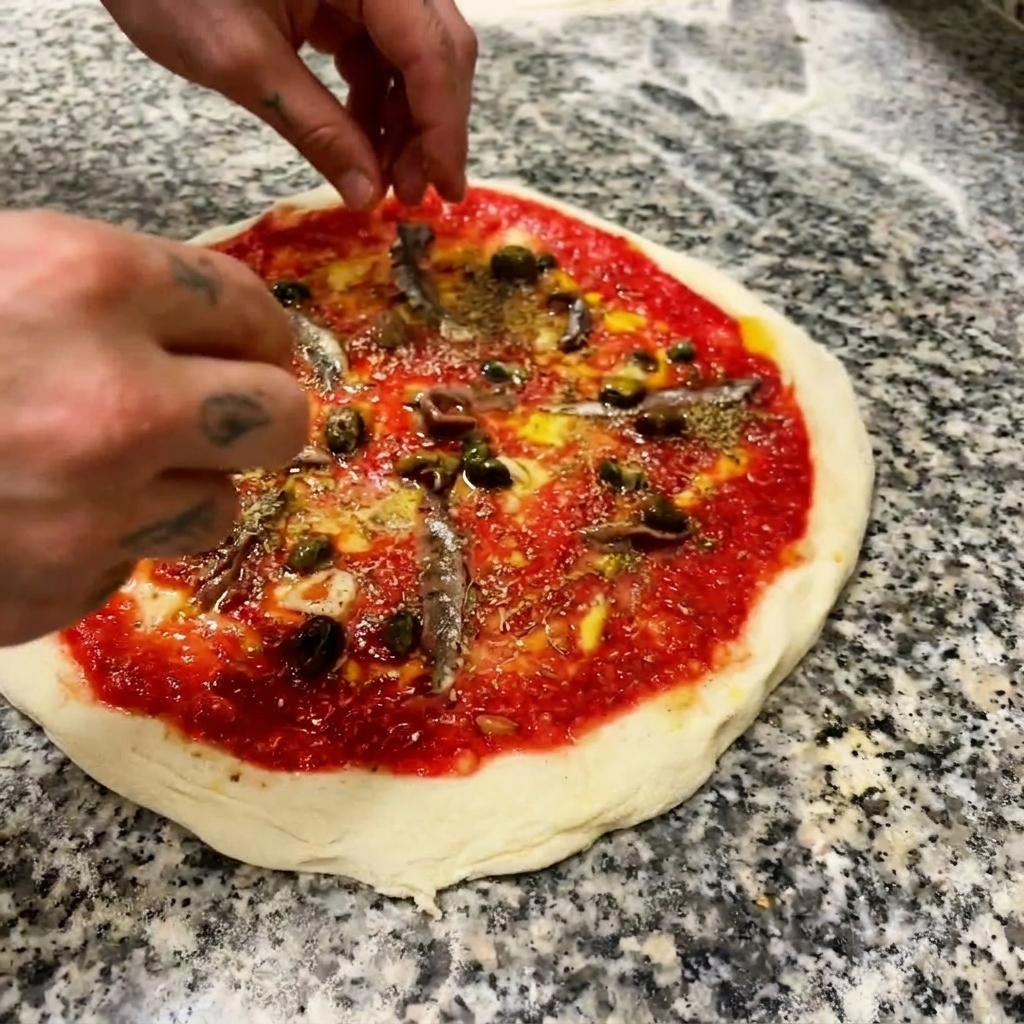
Complete the topping arrangement by hand-distributing whole olives and capers over the anchovies. These ingredients provide bursts of acidity and salt that balance the sweetness of the San Marzano tomatoes.
Tip: Keep the toppings relatively sparse; overloading the pizza can prevent the dough from baking through properly in the center. - 7Transfer to the pizza peel
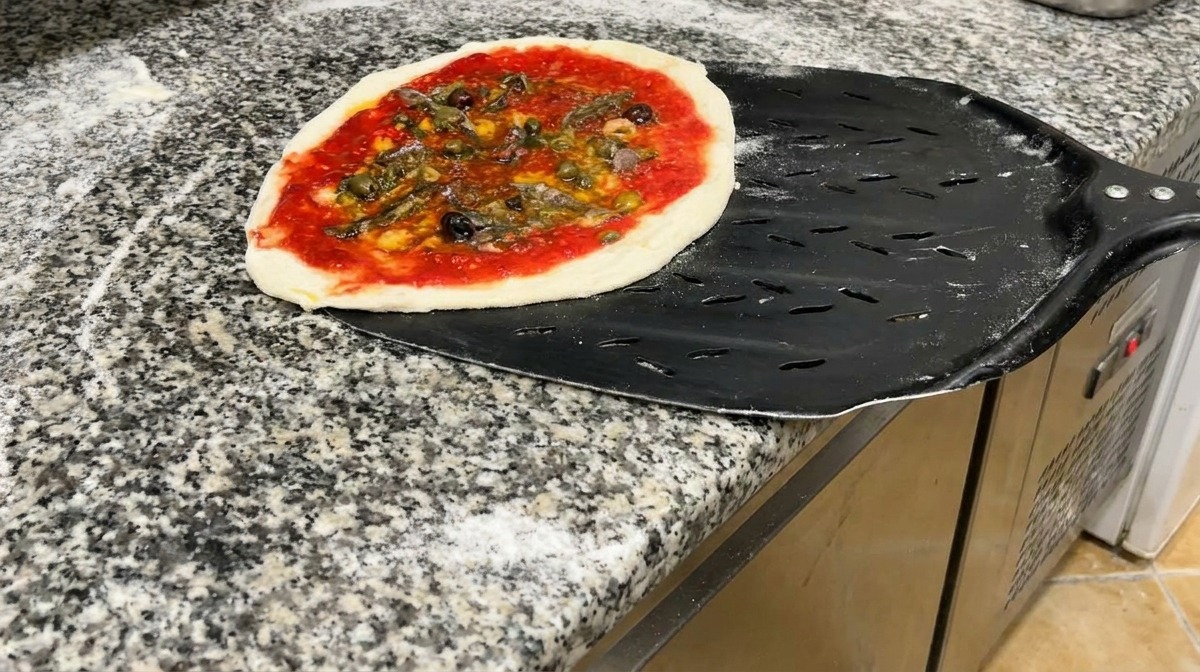
Carefully slide the fully topped pizza onto a perforated black metal pizza peel. The perforations allow excess flour to fall away from the bottom of the dough, which ensures a cleaner taste and prevents the crust from becoming bitter in the oven.
Tip: Move the pizza onto the peel just before baking to ensure the dough doesnt have time to stick to the surface. - 8Bake in the wood-fired oven
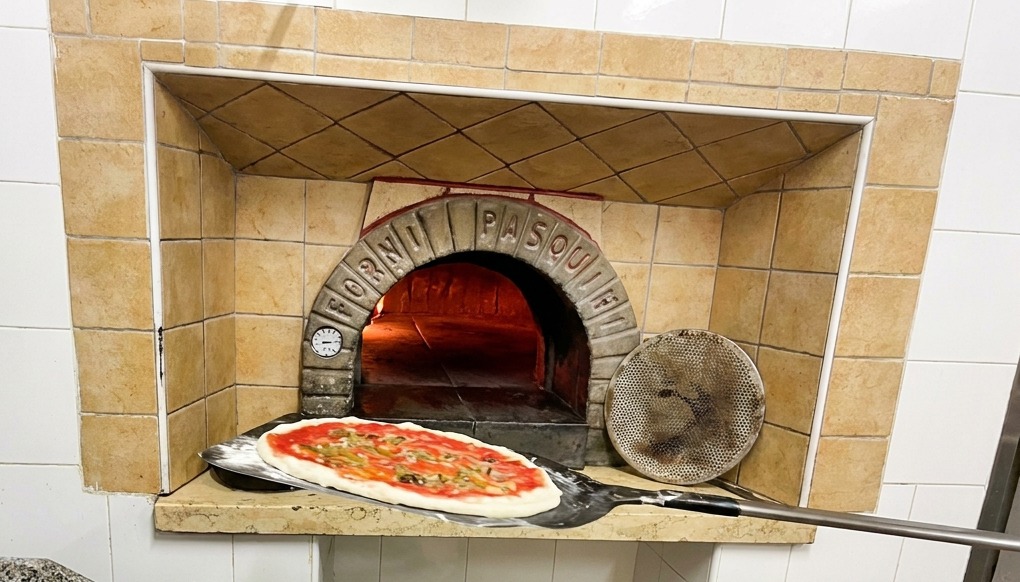
Use the peel to insert the pizza into the wood-fired oven, which should be roaring at a consistent 400 degrees Celsius. The intense heat will flash-cook the dough, creating the signature airy crust and melting the toppings in just a few minutes.
Tip: Position the pizza near the flame but keep it moving to ensure an even bake and prevent the edges from burning too deeply. - 9Remove and check the quality
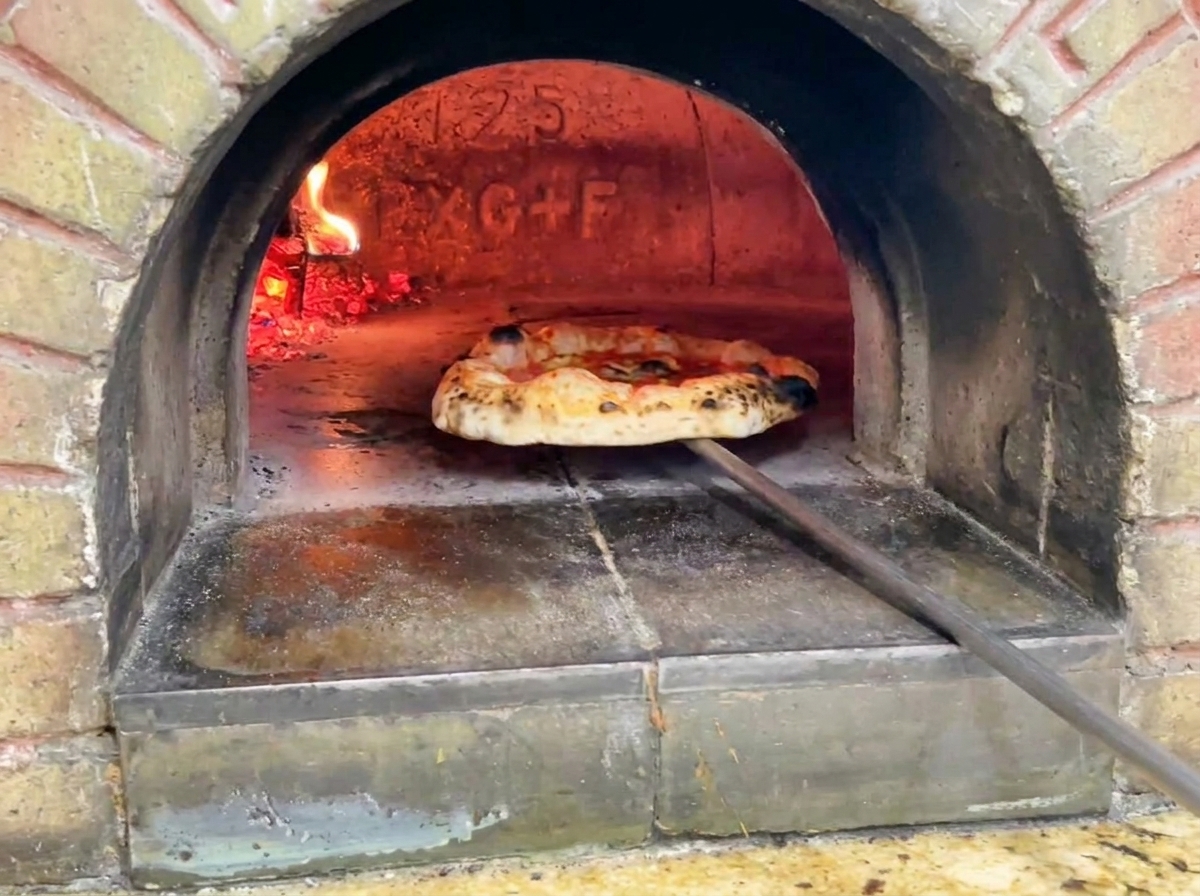
Once the crust has puffed up and developed characteristic charred leopard spots use the peel to remove the pizza from the oven. The final check involves pressing the crust with your finger to feel for the perfect balance of crispness and elasticity.
Tip: The presence of large airy pockets inside the crust is the ultimate sign that your fermentation and baking temperature were successful.