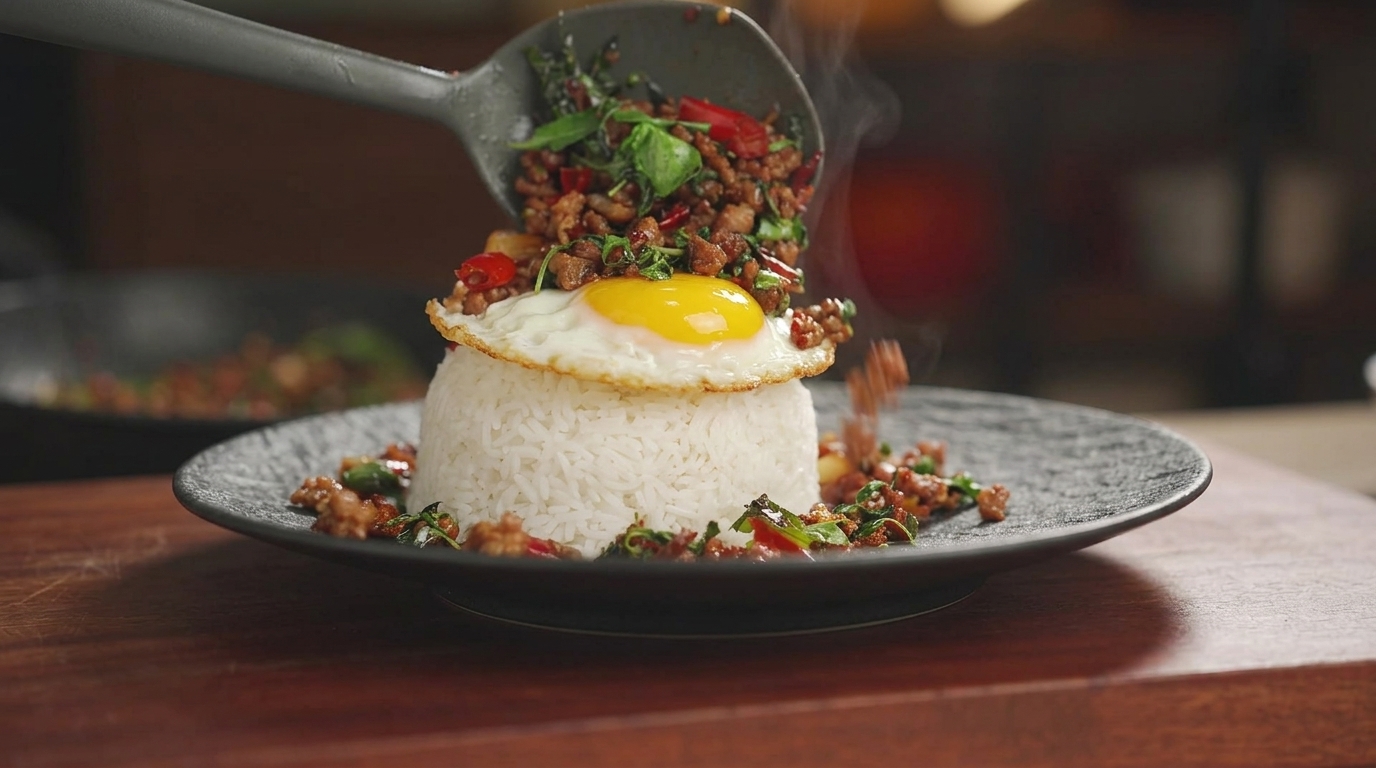
Traditional Nyonya Assam Pork (Babi Assam)
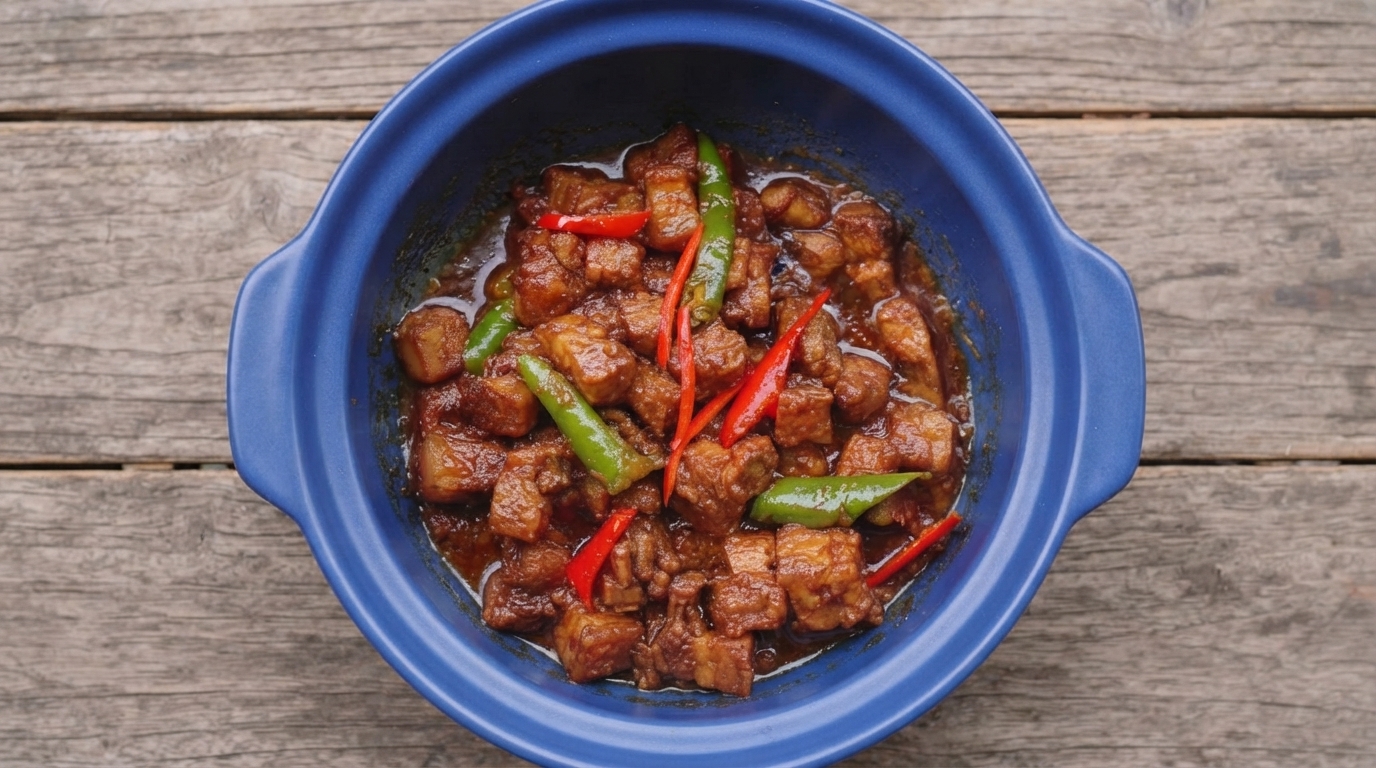
A vintage Nyonya classic featuring tender pork belly simmered in a tangy tamarind sauce, infused with aromatic belacan and soybean paste.
Nyonya Assam Pork, or Babi Assam, is a cherished heritage dish that captures the distinct flavors of Peranakan cuisine. In Malay, babi translates to pork, while assam refers to the signature sourness derived from tamarind. This dish balances tart, spicy, and savory notes through a traditional blend of dry-fried belacan, candlenut, and fermented soybean paste, slow-braised to perfection.
Ingredients
- 500 g pork belly
- 30 g belacan
- 4 shallots
- 3 candlenuts
- 2 tbsp soybean paste
- 50 ml tamarind juice
- 2 red and green chili peppers
- 3 slices ginger
- 2 stalks scallions
- 1 tbsp cooking wine
- 2 tbsp cooking oil
- 1 tsp sugar
- 1/2 tsp MSG
- 50 ml water
Instructions
- 1Slice and deseed the chilies
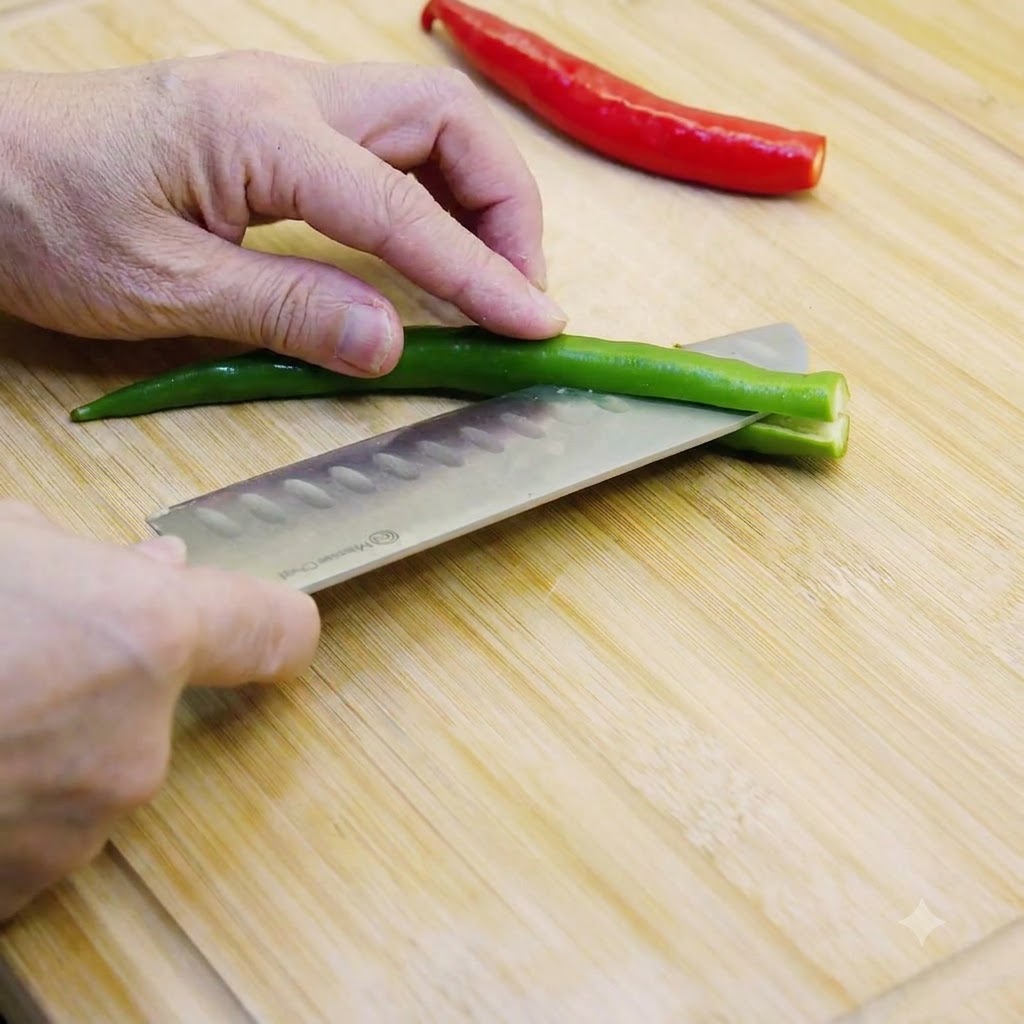
Take the green and red chili peppers and carefully slice and deseed them on a wooden cutting board using a knife.
Tip: Remove the seeds to control the level of spiciness in the dish. - 2Slice the dark soybean paste
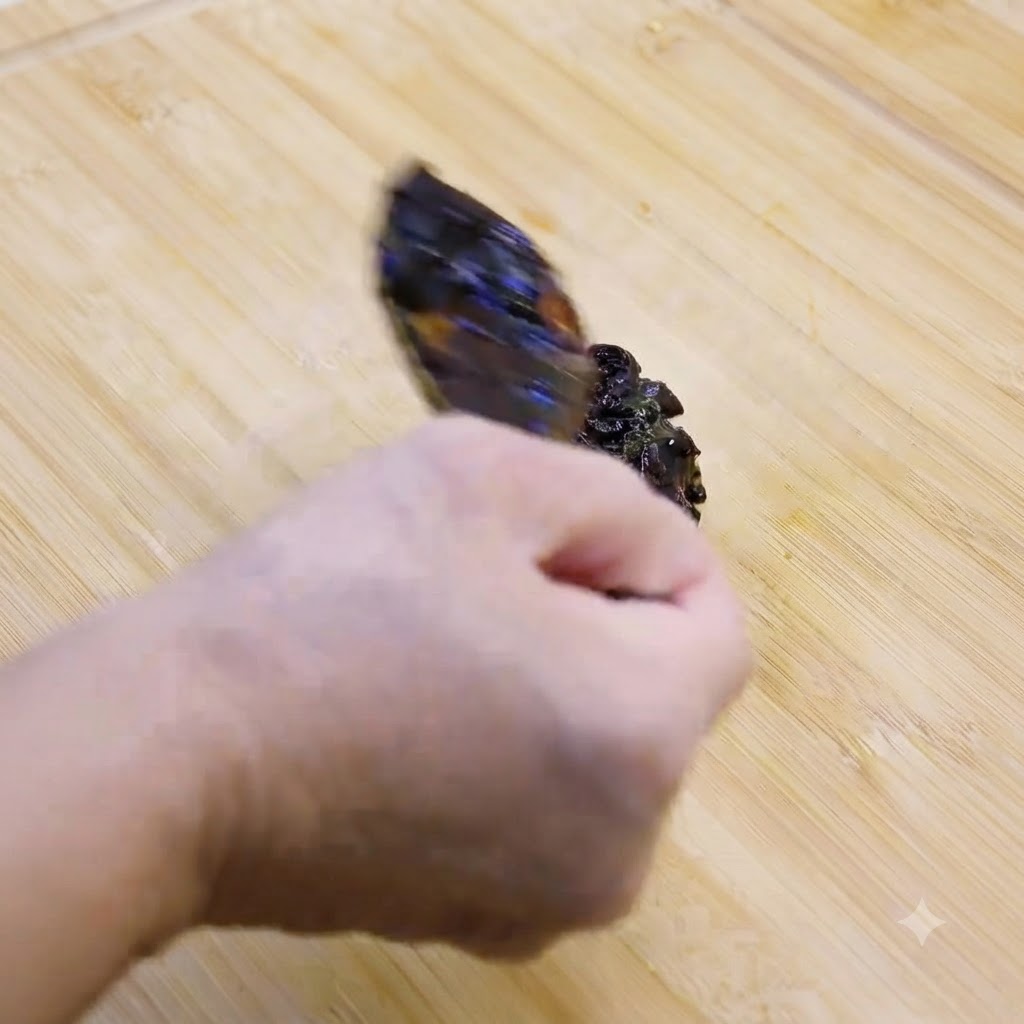
Place the dark soybean paste on a wooden cutting board and slice it into smaller portions using a knife.
Tip: Slicing the paste makes it easier to dissolve and mix evenly into the sauce later. - 3Prepare the boiling water with aromatics
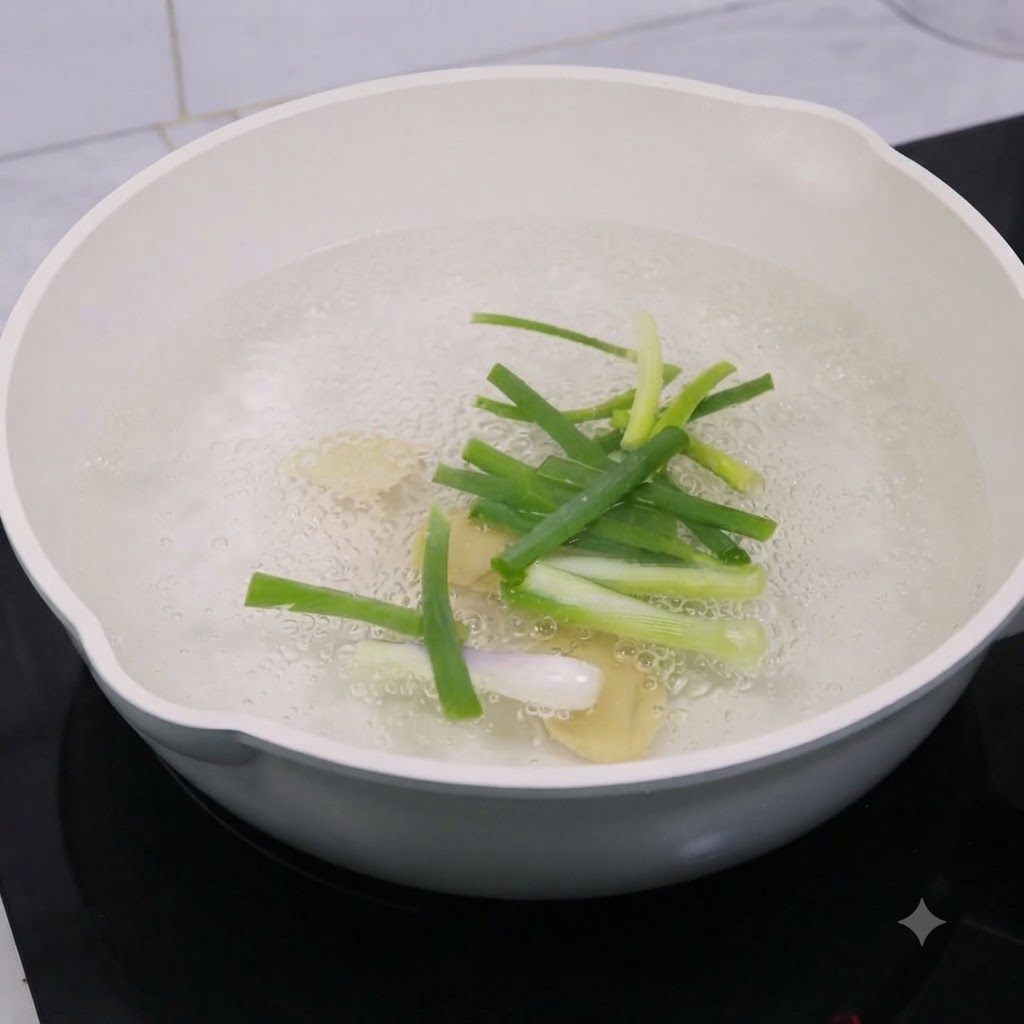
Add ginger slices and scallions into a pot of boiling water along with cooking wine to create an aromatic bath for blanching the pork.
Tip: Adding aromatics helps neutralize any gamey odors from the pork belly. - 4Blanch the pork belly
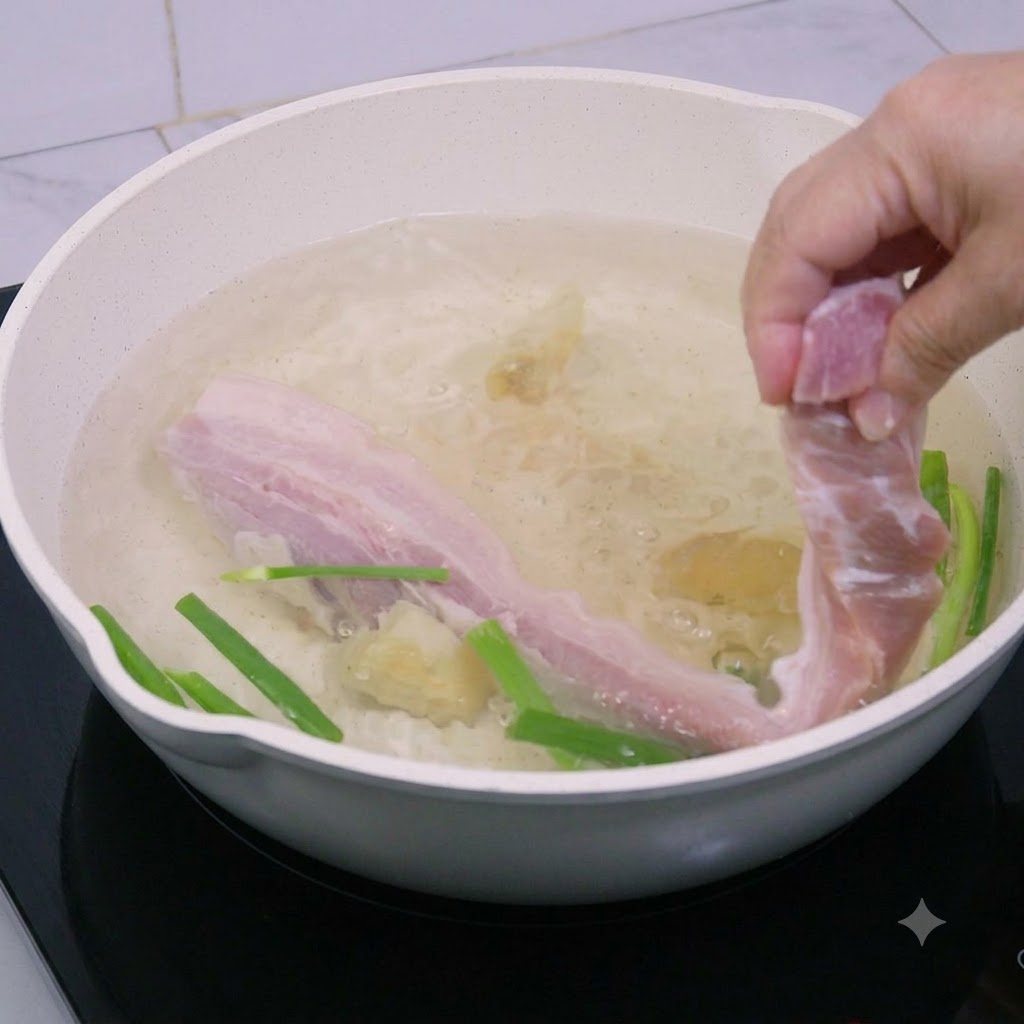
Place the pork belly strips into the pot of boiling water with the ginger and scallions to blanch them and remove impurities.
Tip: Ensure the water returns to a full boil after adding the meat. - 5Cut the blanched pork belly
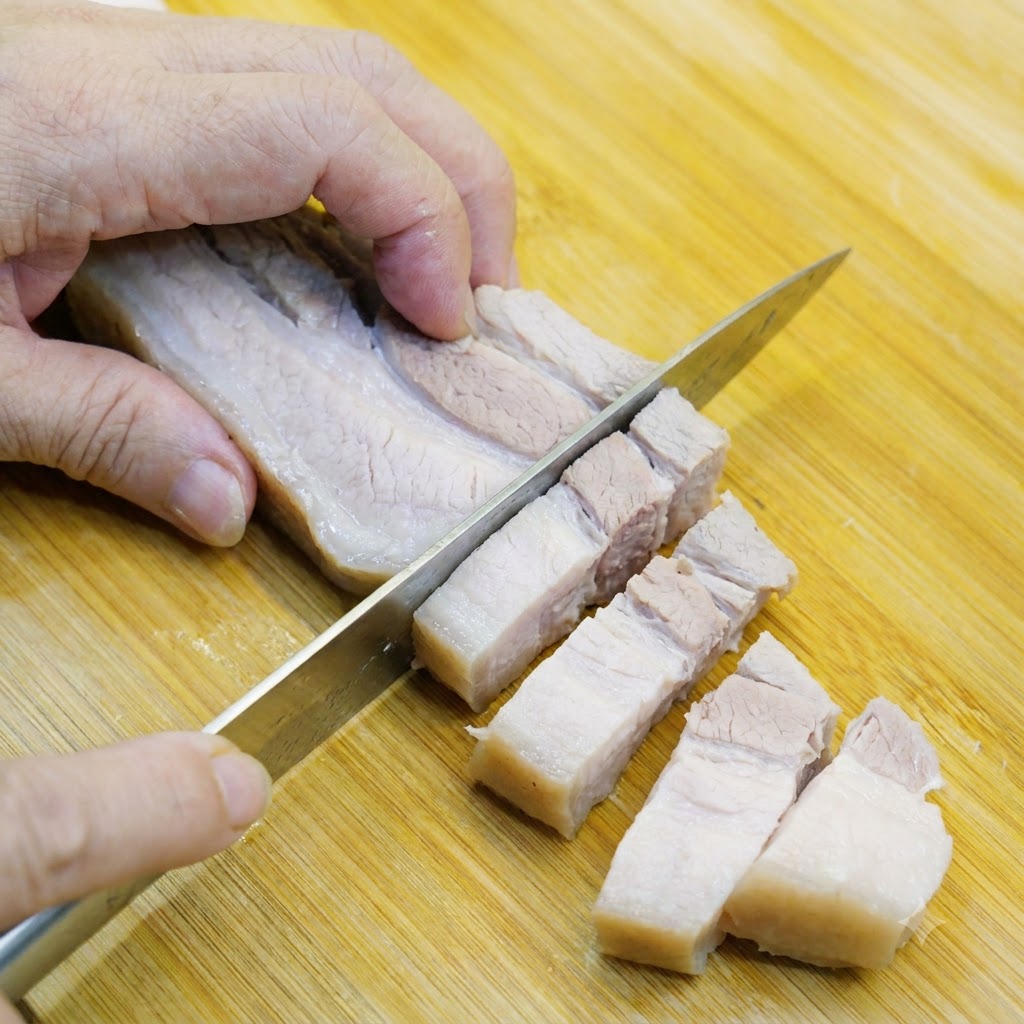
Remove the blanched pork belly from the water and cut it into neat, bite-sized pieces on a wooden cutting board.
Tip: Let the meat cool slightly before cutting for easier handling and cleaner slices. - 6Dry-fry the belacan
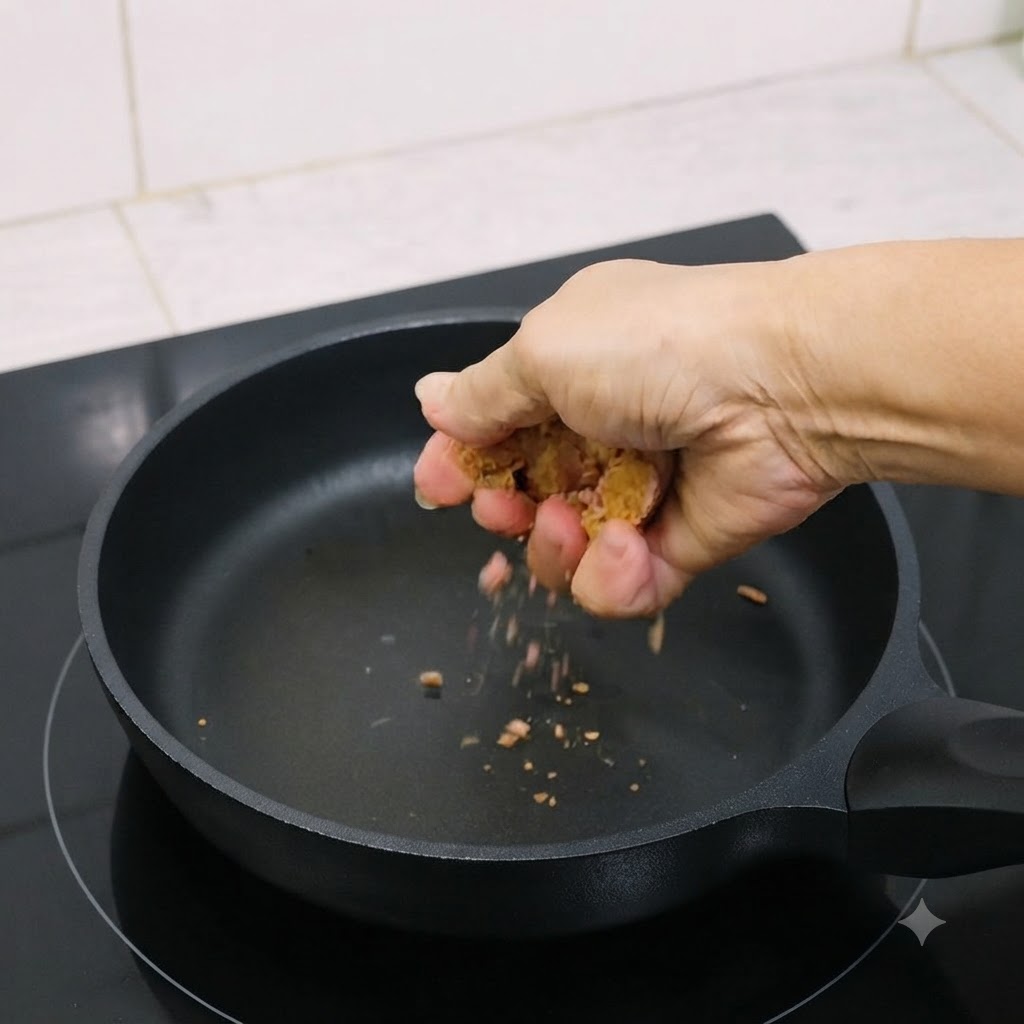
Crush the belacan blocks and add them directly into a dry pan, sautéing continuously over heat until they release a rich aroma.
Tip: Dry-frying belacan is essential to unlock its deep umami flavor profile. - 7Blend the aromatics and belacan
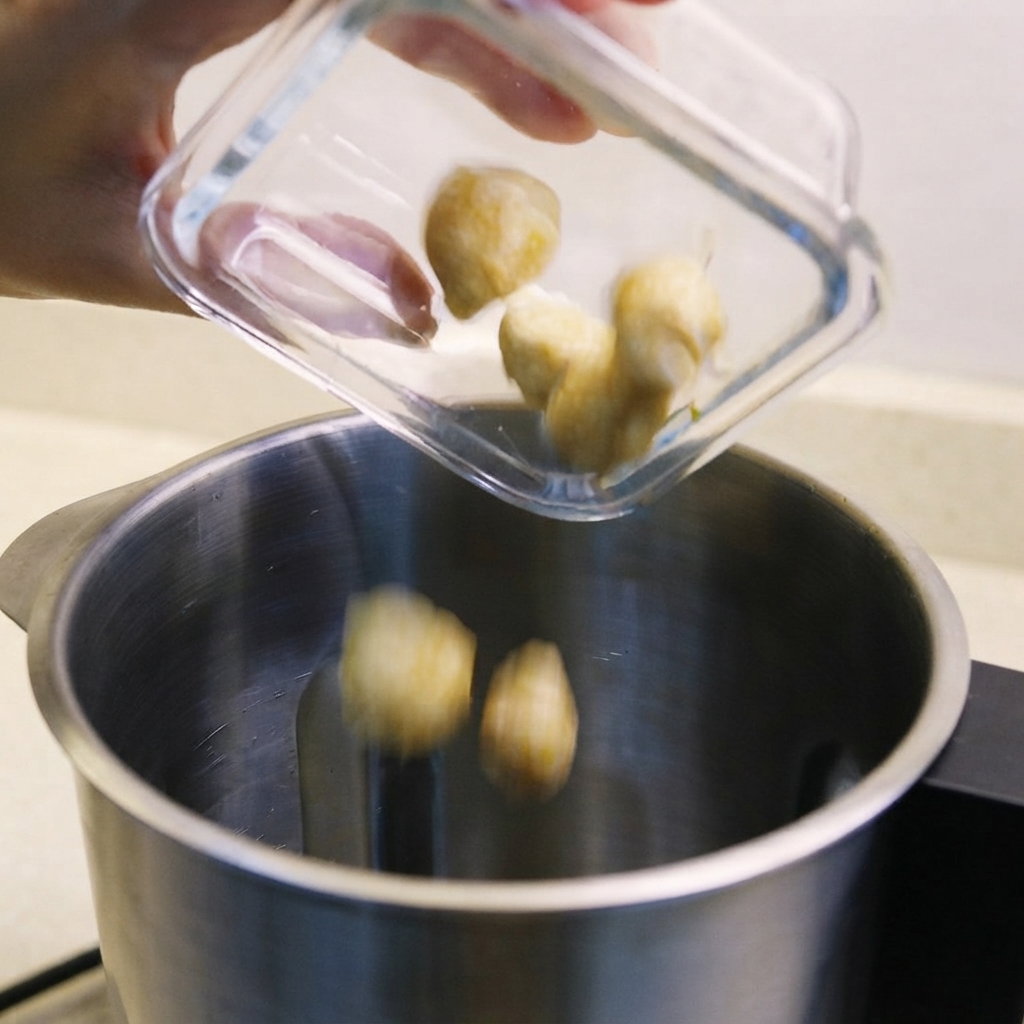
Add candlenuts, shallots, sautéed belacan, water, and cooking oil into a blender to prepare for smoothing into a paste.
Tip: Ensure all ingredients are well combined in the blender to achieve a smooth paste texture. - 8Sauté the belacan paste
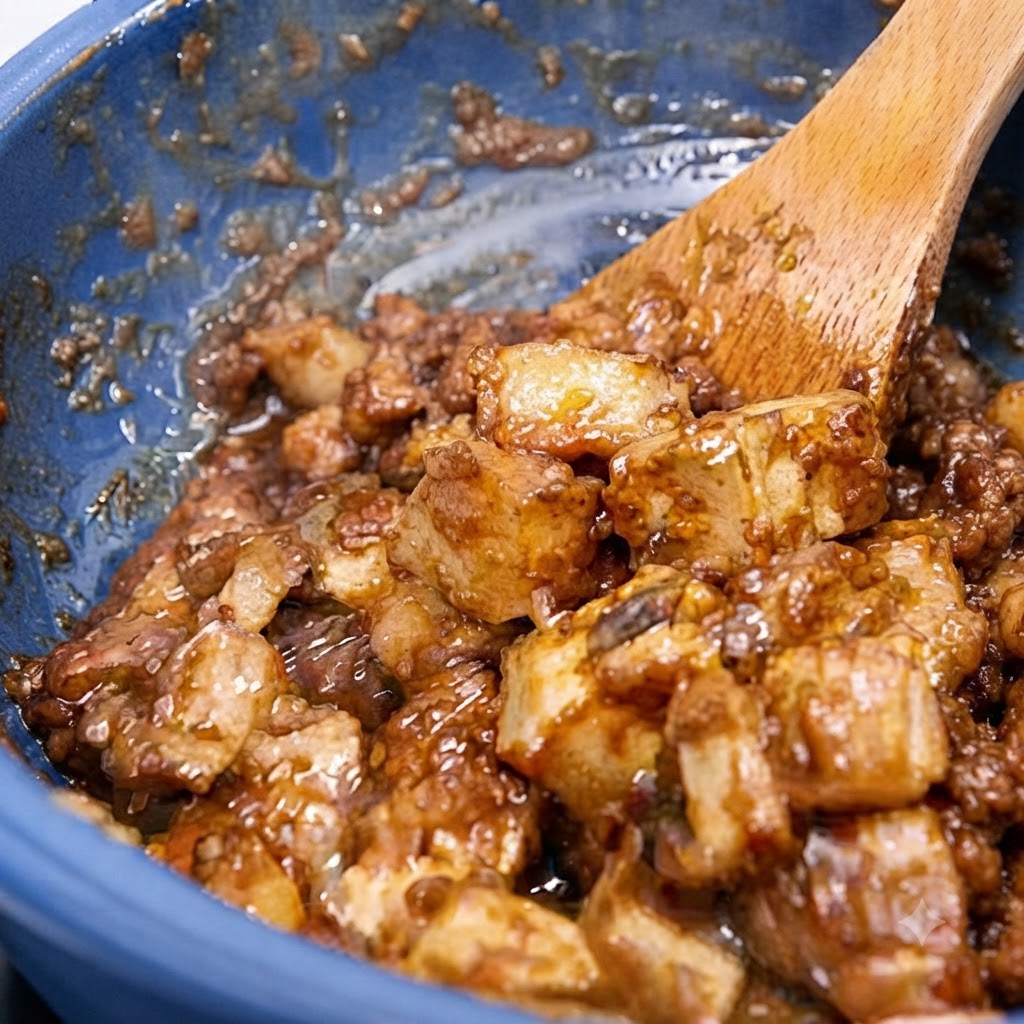
Pour cooking oil and the blended belacan paste into a blue pot on an induction cooktop and begin sautéing.
Tip: Sauté slowly until the oil separates and the color deepens to release maximum aroma. - 9Mix in the soybean paste
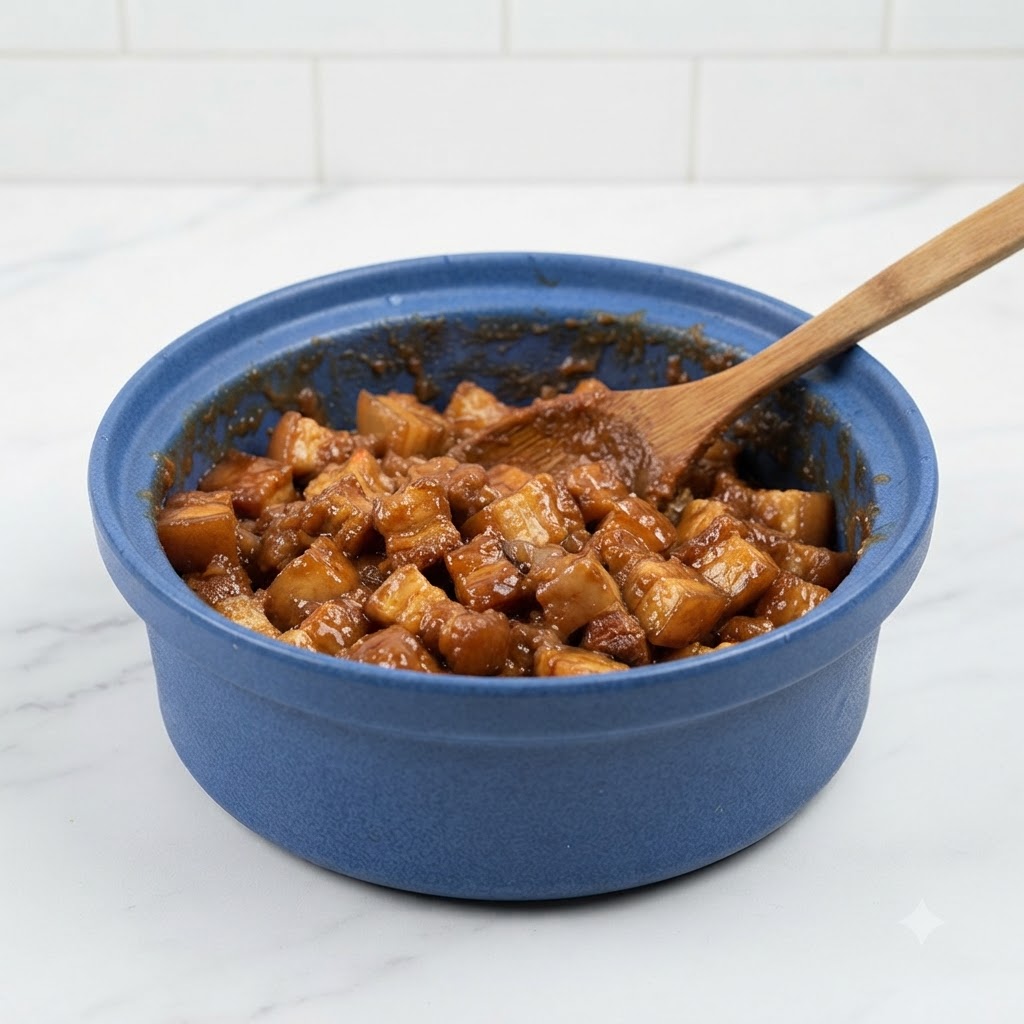
Add the soybean paste into the sautéed belacan paste in the pot and stir-fry them together until fragrant.
Tip: Stir continuously to prevent the paste from sticking to the bottom of the pot. - 10Add blanched pork belly
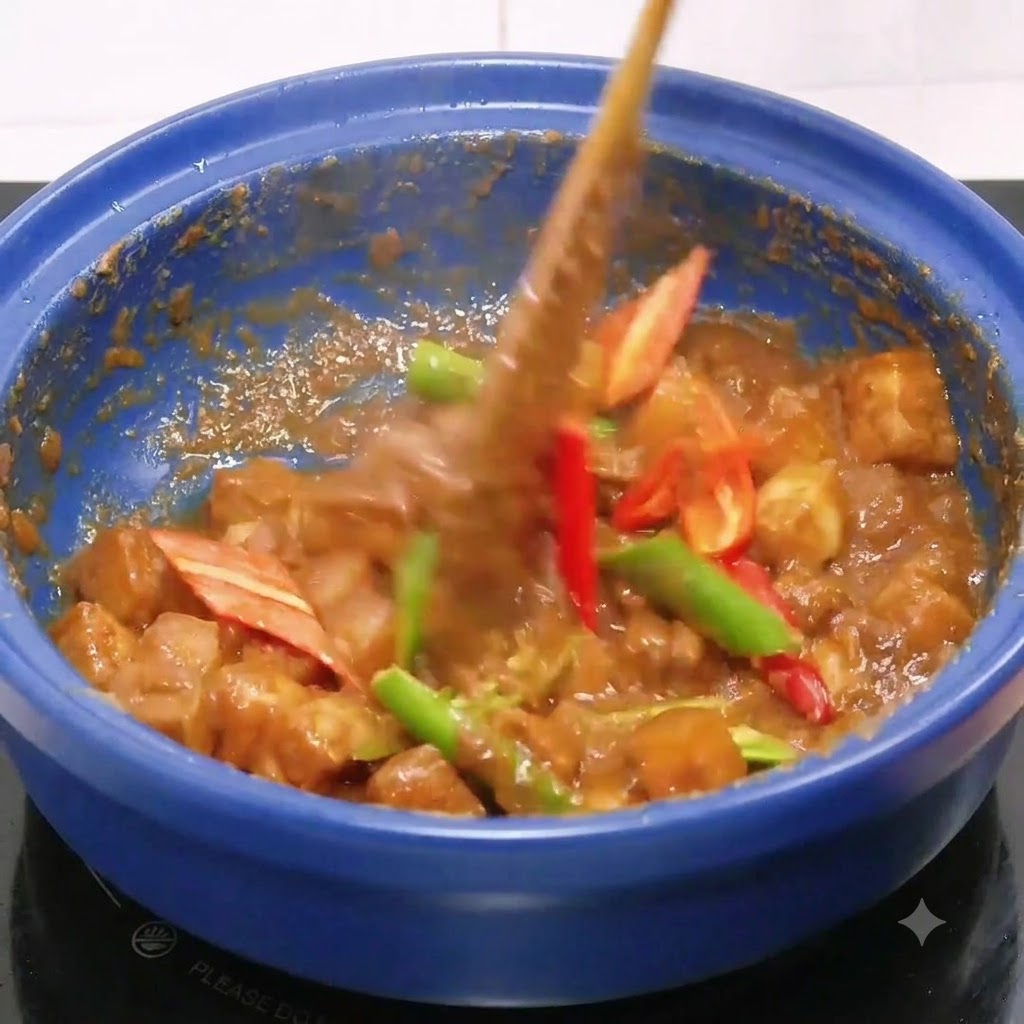
Add the blanched pork belly pieces into the pot with the flavor paste and stir vigorously to coat the meat.
Tip: Stir-frying the pork belly allows the meat to absorb the rich aromas and render out its excess fat. - 11Add Seasoning
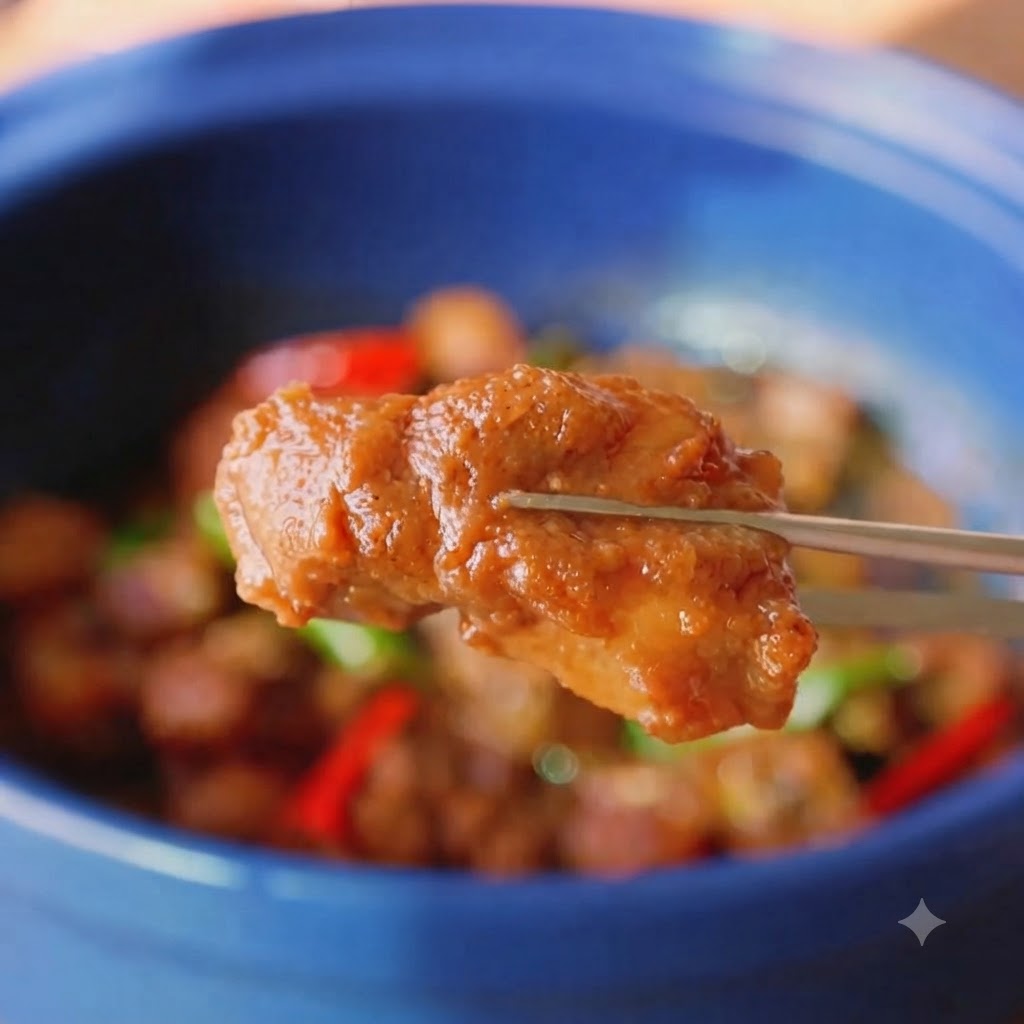
Add sugar and MSG for seasoning and continue stir-frying to let the pork belly absorb the flavors.
Tip: Adjust the sugar according to your personal preference for sweetness to balance the sour tamarind.