Fruit-Marinated Korean Grilled Pork Belly (Dwaeji-bulgogi)
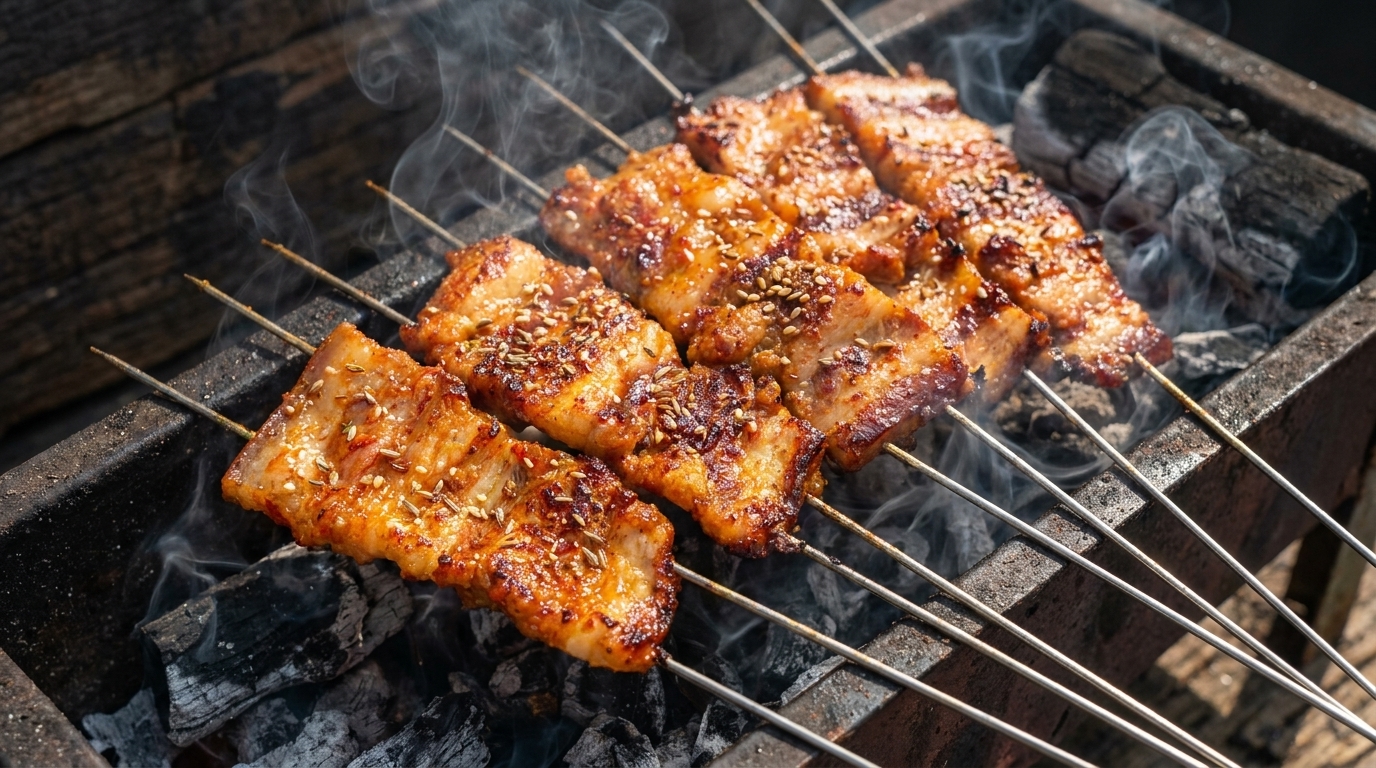
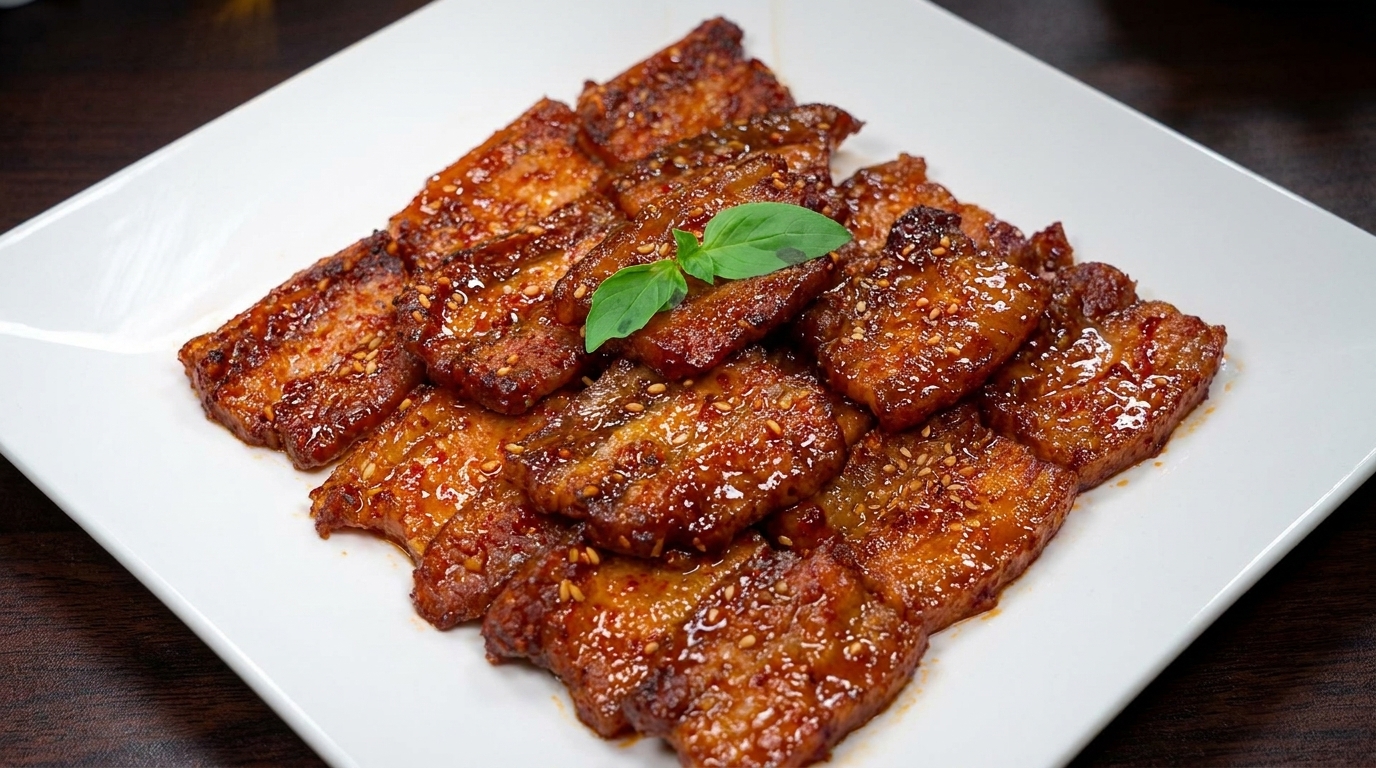
Tender pork belly slices infused with the natural sweetness of blended pear and apple, grilled to a smoky finish using a traditional Korean family marinade.
This recipe draws on the traditional Korean technique of using fruit enzymes, specifically from Korean pears and apples, to naturally tenderize pork. The combination of fruit sugars and soy sauce creates a glaze that caramelizes beautifully over a hot grill. It is a staple of Korean home cooking, prized for its perfect balance of savory depth and natural sweetness.
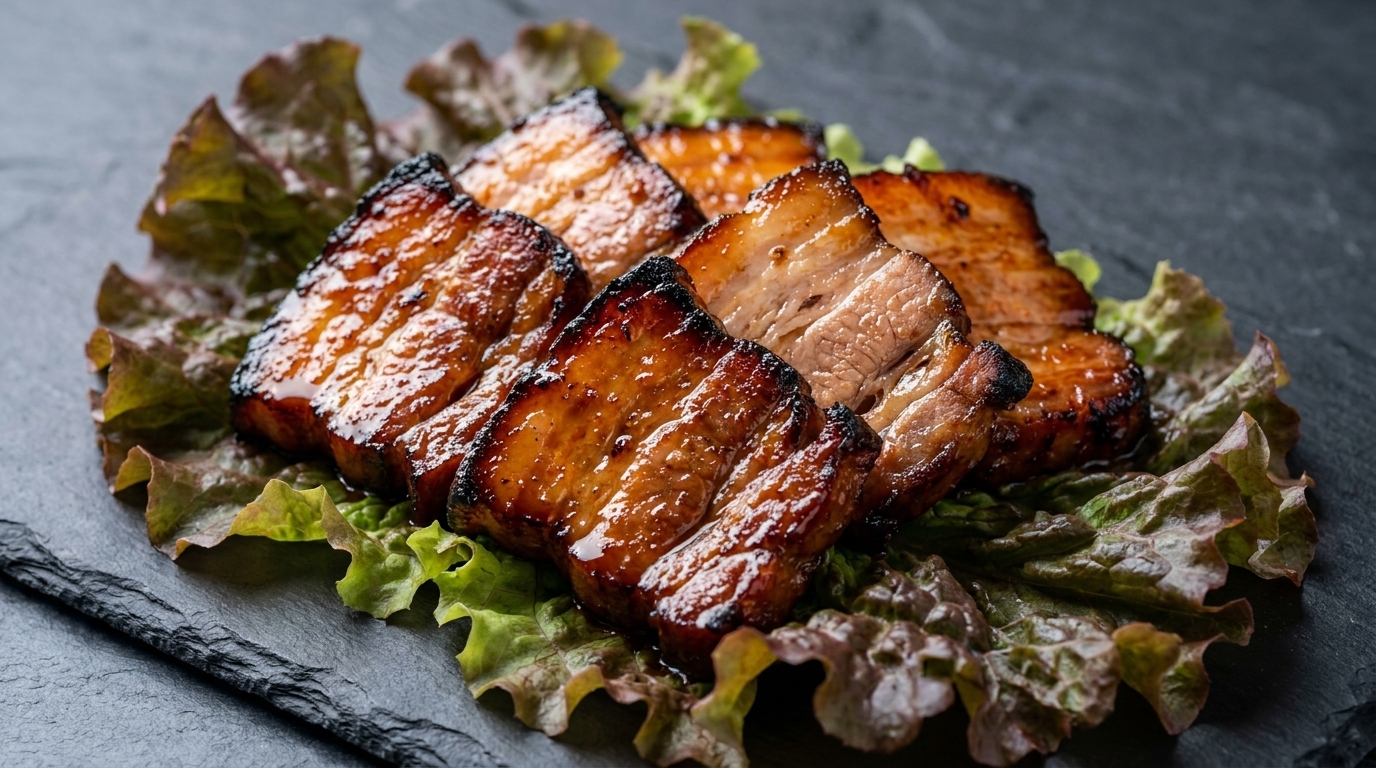
Ingredients
- 1 kg pork belly, thick-sliced
- 2 whole apples
- 2 whole yellow pears
- 0.5 whole white onion
- 200 ml soy sauce
- 3 tbsp rice wine
- 4 tbsp mirin
- 2 tbsp sugar
- 3 tbsp toasted sesame oil
- to taste ginger, sliced
- 2 stalks green onions
- to taste black pepper
- optional red-leaf lettuce for serving
Instructions
- 1Prepare fruit for blending
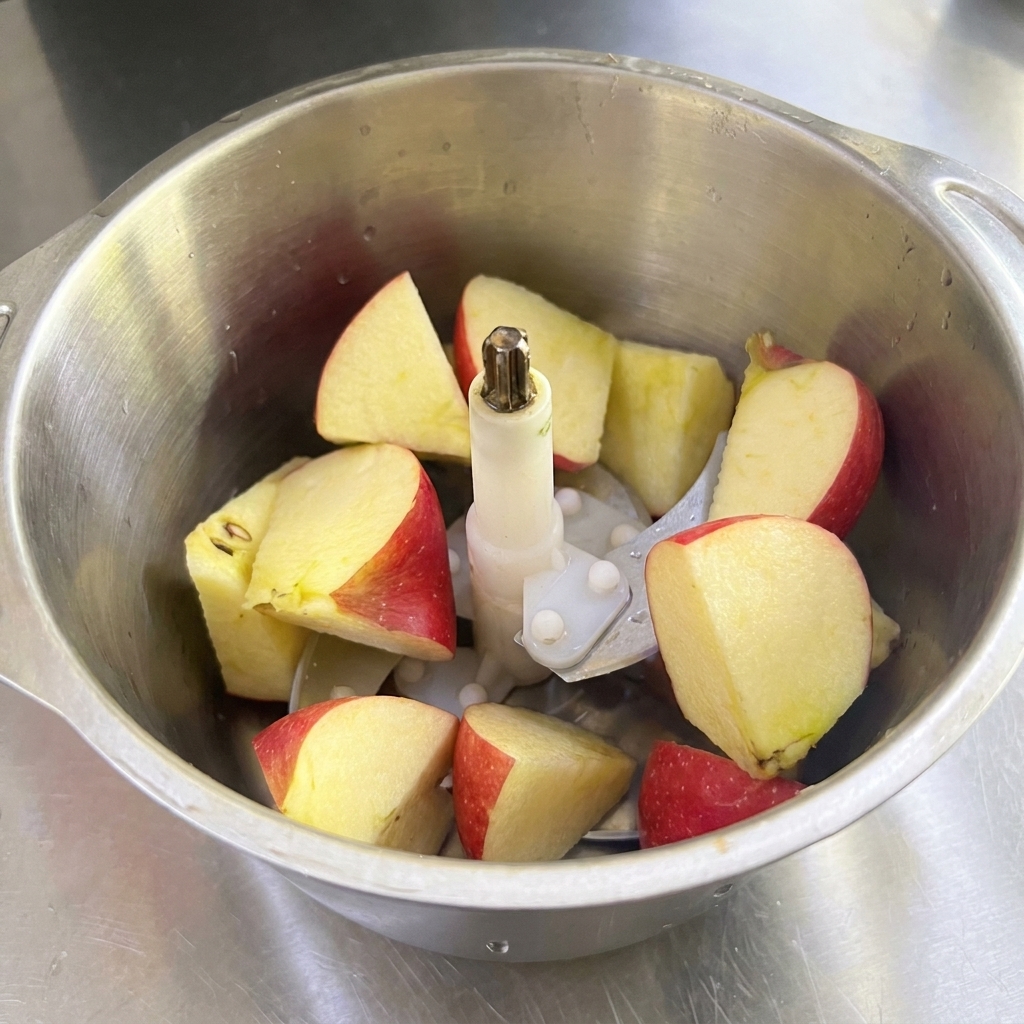
Place roughly chopped red apples, yellow pears, and half an onion into a blender jar. These natural ingredients provide the enzyme-rich sweetness needed to tenderize the meat and create a complex flavor profile for the marinade.
Tip: Keep the skins on the apples and pears for extra flavor; they will be strained out later during the juicing process. - 2Extract the fruit juice
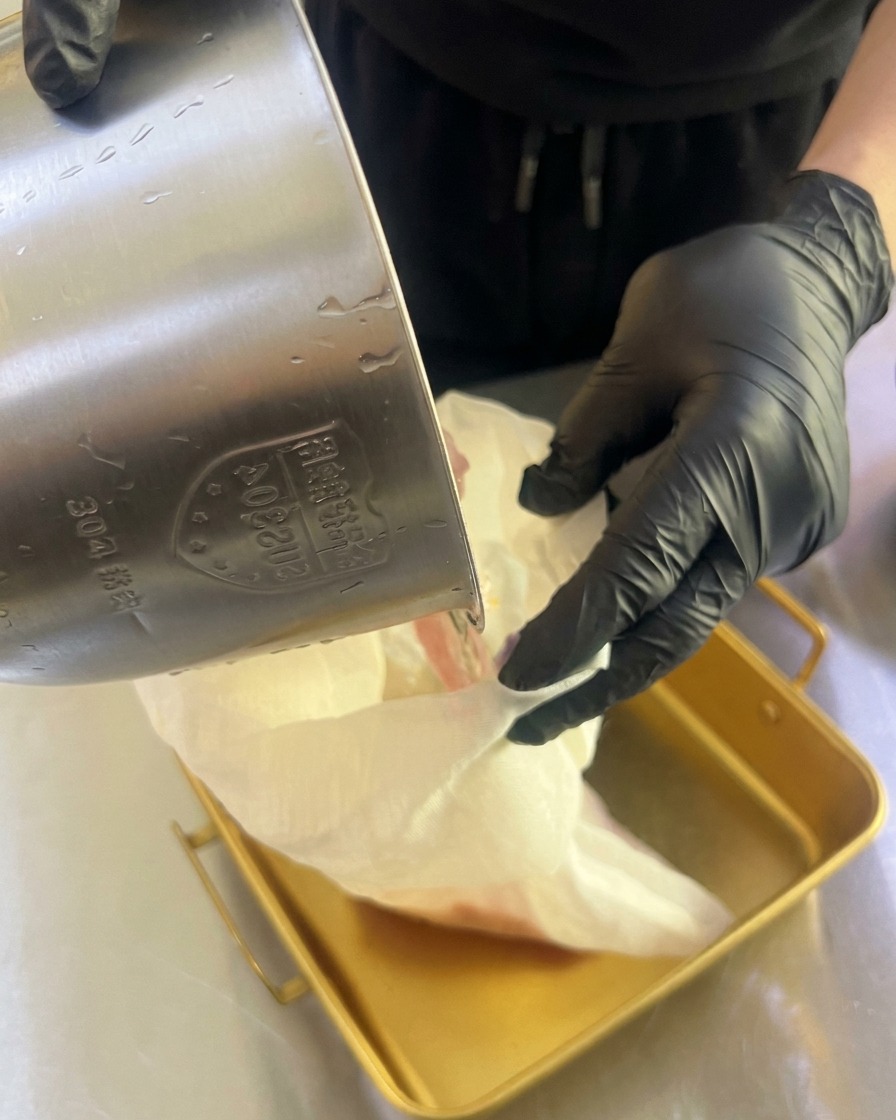
Transfer the blended fruit mixture into a muslin or cheesecloth bag. Firmly squeeze the bag over a tray to extract as much pure juice as possible, ensuring you discard the fibrous pulp to keep the marinade smooth and prevent it from burning during cooking.
Tip: Dont rush this step—squeezing firmly ensures you get all the enzymes and natural sugars that make this recipe special. - 3Add the soy sauce
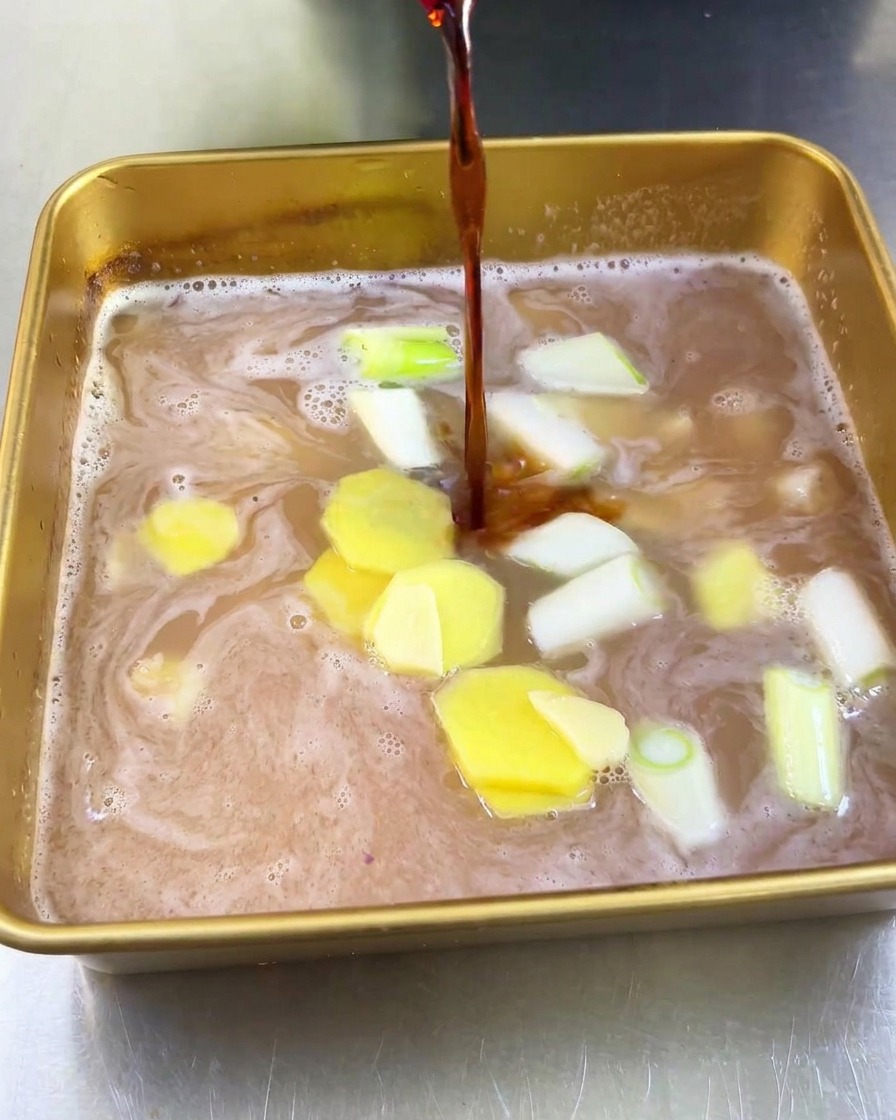
Pour 200 milliliters of soy sauce into the tray with the strained fruit juice, sliced ginger, and green onions. The soy sauce provides the essential salty base and deep color for the Korean marinade.
Tip: Use a standard light or all-purpose soy sauce for the best balance of saltiness and flavor depth. - 4Incorporate rice wine
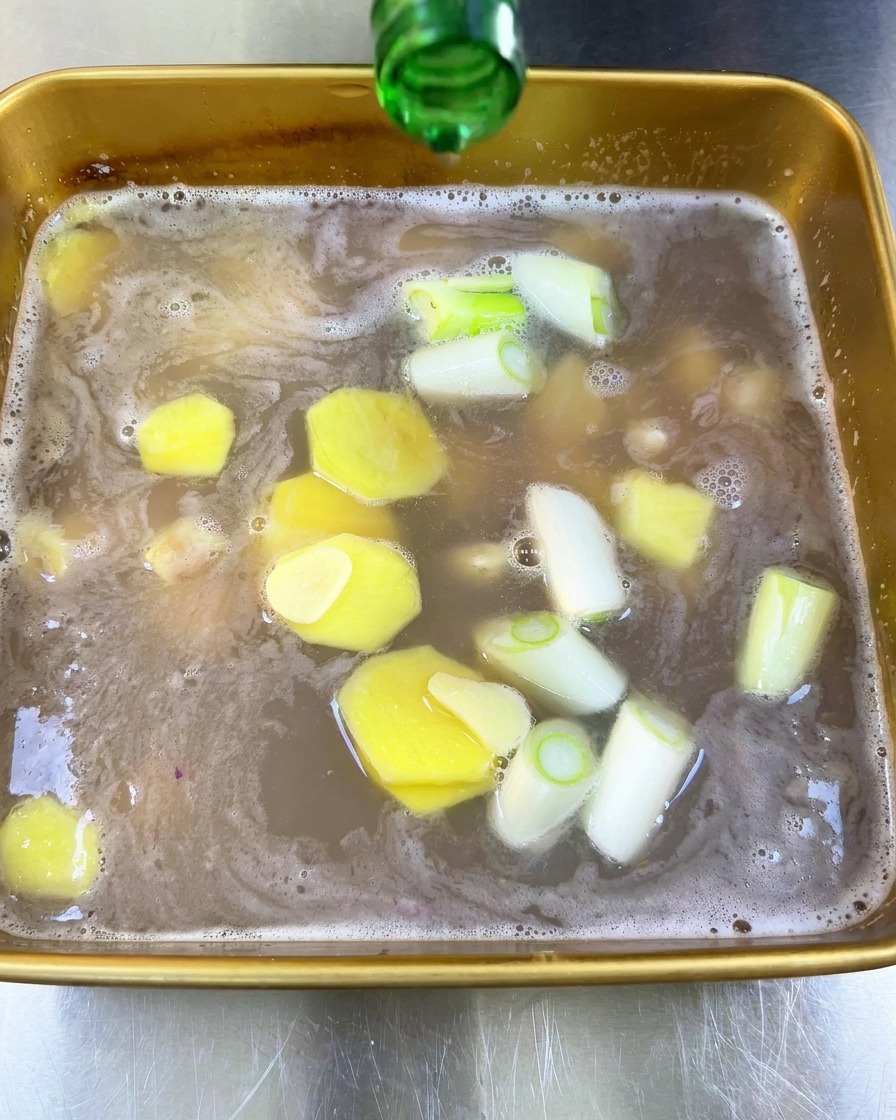
Add three spoonfuls of clear rice wine from a green bottle into the marinade. This helps to tenderize the pork belly and neutralizes any strong meaty odors, ensuring a clean taste.
Tip: If you dont have rice wine, a dry sherry can work as a substitute in most Korean marinades. - 5Add the toasted sesame oil
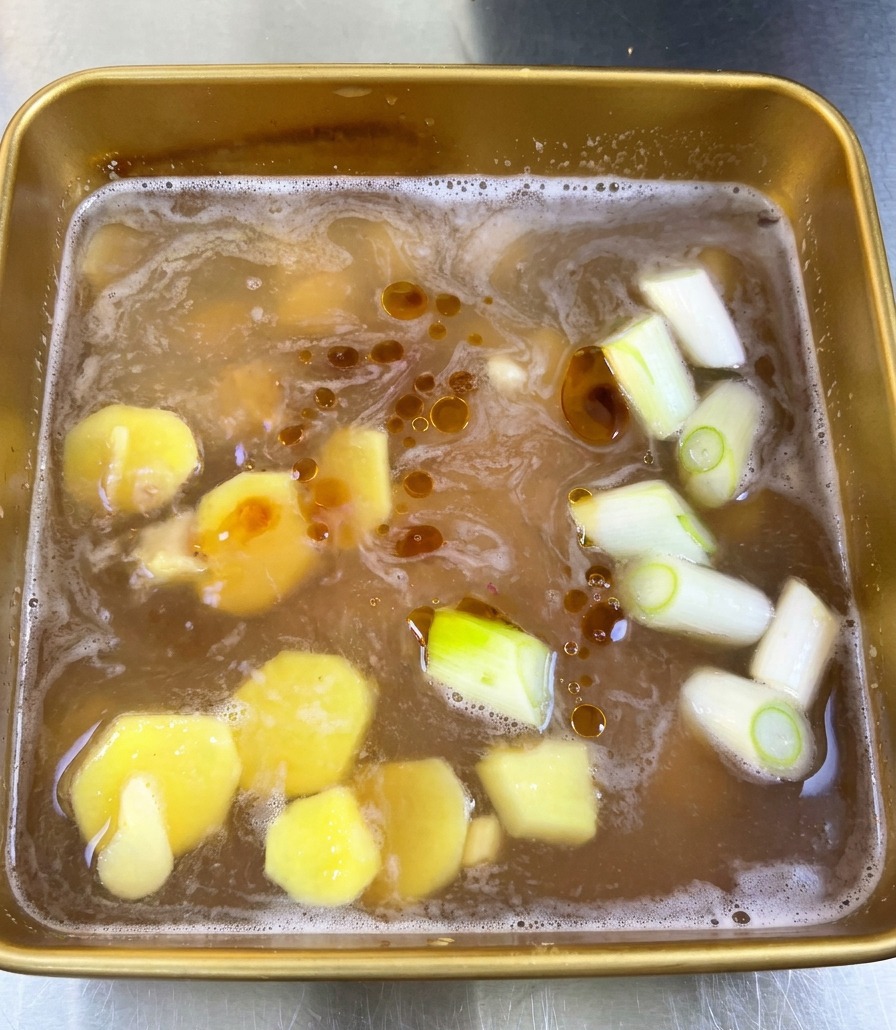
Drizzle the toasted sesame oil into the prepared marinade base of soy sauce, fruit juices, and aromatics. The oil will form distinct golden droplets on the surface, adding a rich, nutty fragrance and a layer of fat that helps the marinade cling to the meat. Ensure the sliced ginger and green onions are well-distributed in the liquid.
Tip: For the best flavor, use high-quality toasted sesame oil rather than light sesame oil, as the toasted variety provides the signature smoky depth of Korean BBQ. - 6Add black pepper
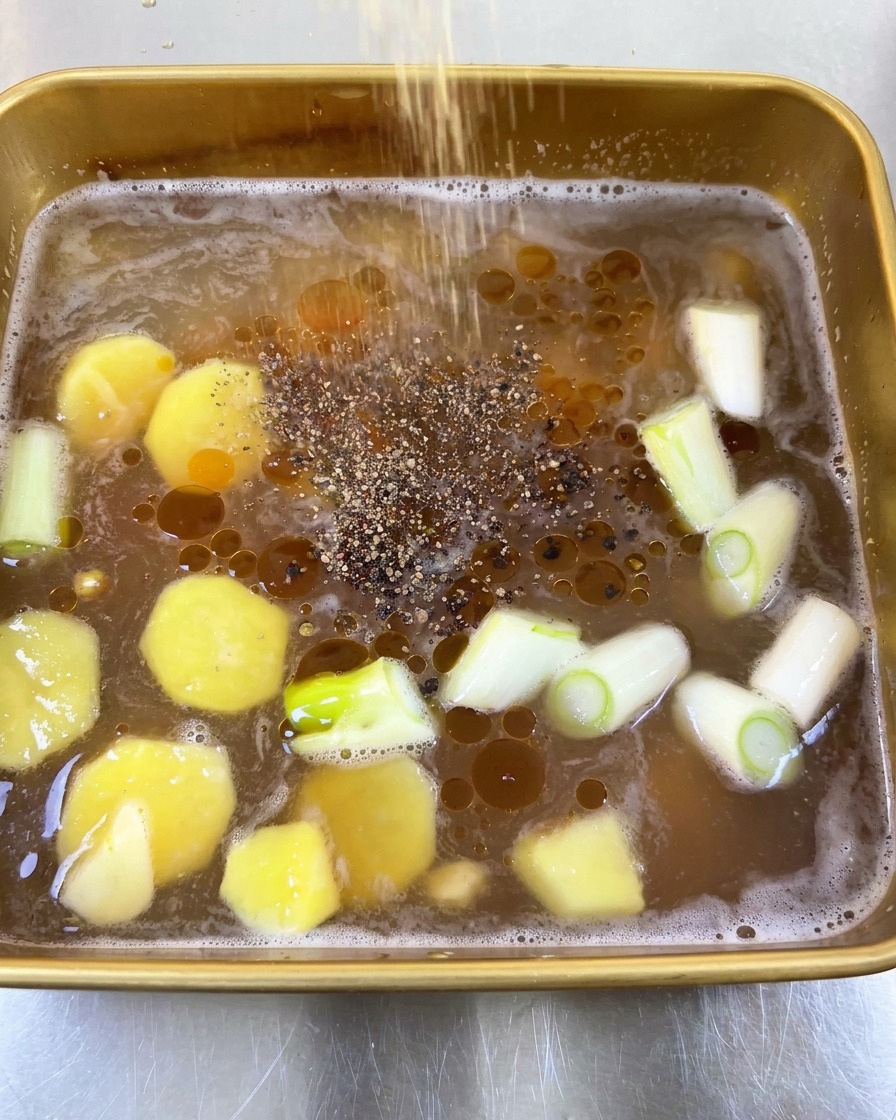
Finish the marinade base by sprinkling in ground black pepper. This adds a subtle, earthy heat that balances the sweetness of the fruit and the richness of the pork belly.
Tip: Freshly cracked black pepper will provide a much more vibrant aroma than pre-ground varieties. - 7Mix the marinade
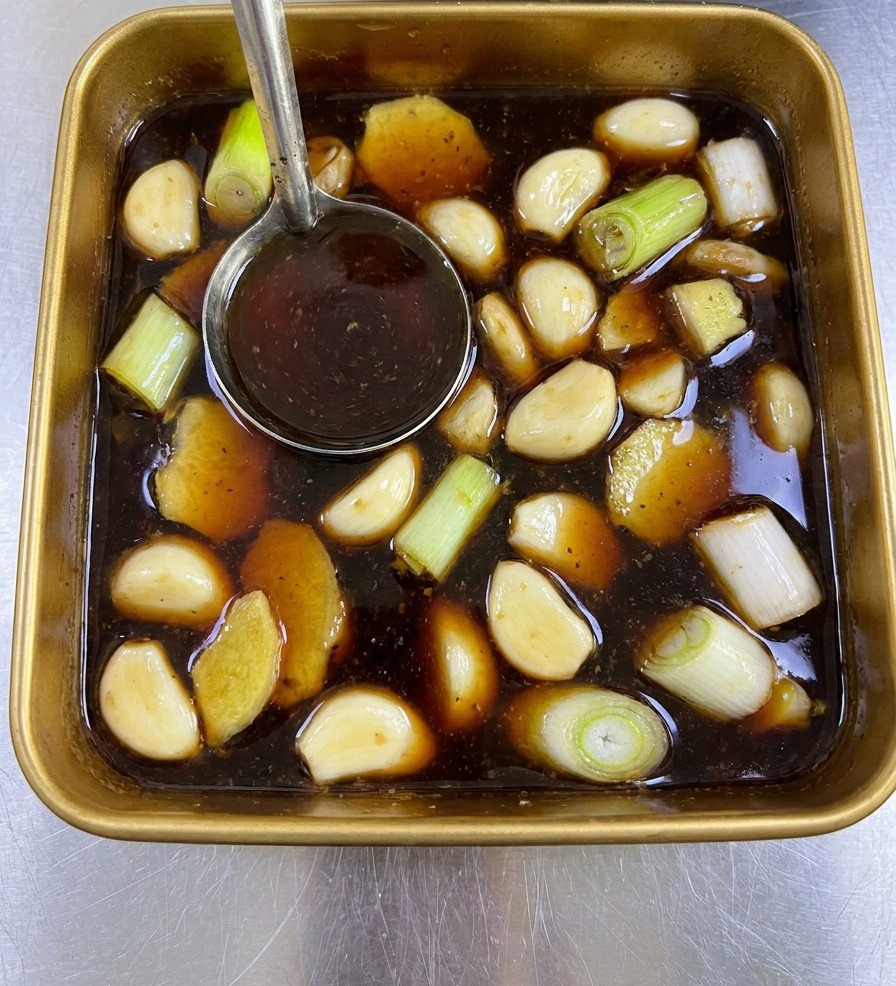
Use a metal spoon or ladle to stir the fruit juices, soy sauce, rice wine, ginger, and green onions together. Ensure all the seasonings are well combined before adding the meat.
Tip: Stir thoroughly to make sure the sugar and any added spices are fully dissolved into the liquid. - 8Marinate the pork belly
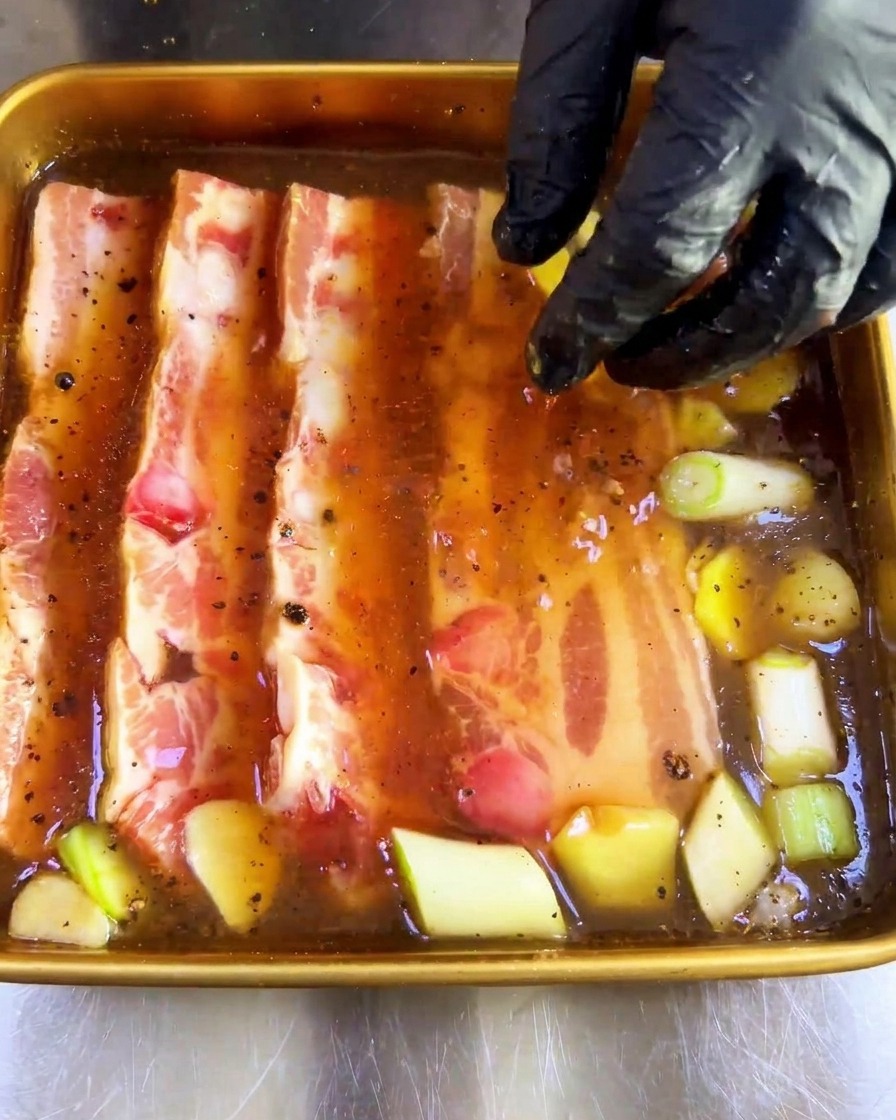
Place thick slices of raw pork belly directly into the tray. Submerge them fully in the liquid so every inch of the meat can absorb the flavors of the fruit juice and seasonings. Let it sit for at least three hours in the refrigerator.
Tip: For the best results, you can marinate the meat overnight to allow the fruit enzymes to deeply tenderize the pork. - 9Grill the marinated pork
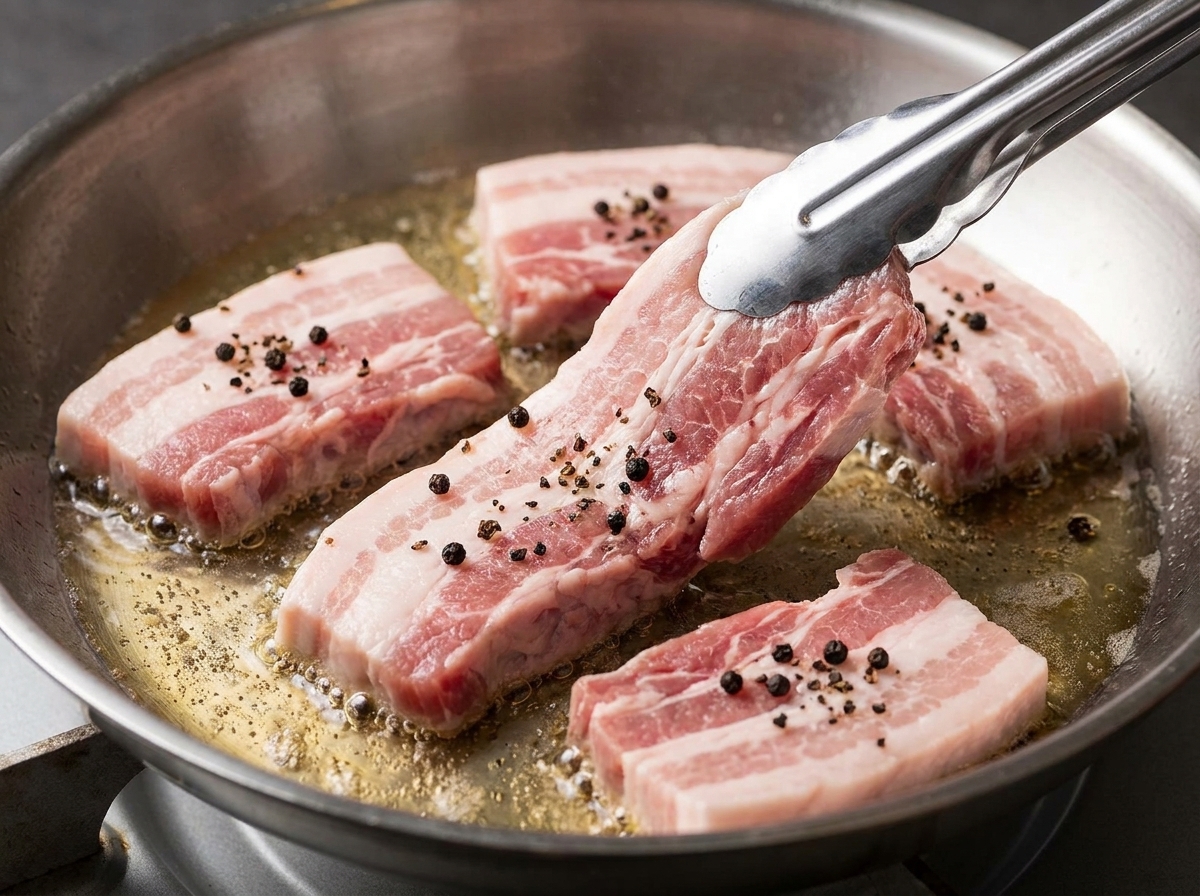
Heat a flat grill pan or skillet and lay the marinated pork belly slices across the surface. Cook the meat until it is thoroughly browned on the outside and remains juicy on the inside, allowing the fat to render out.
Tip: Avoid overcrowding the pan; grill in batches if necessary to ensure the meat sears rather than steams. - 10Flip and slice the pork
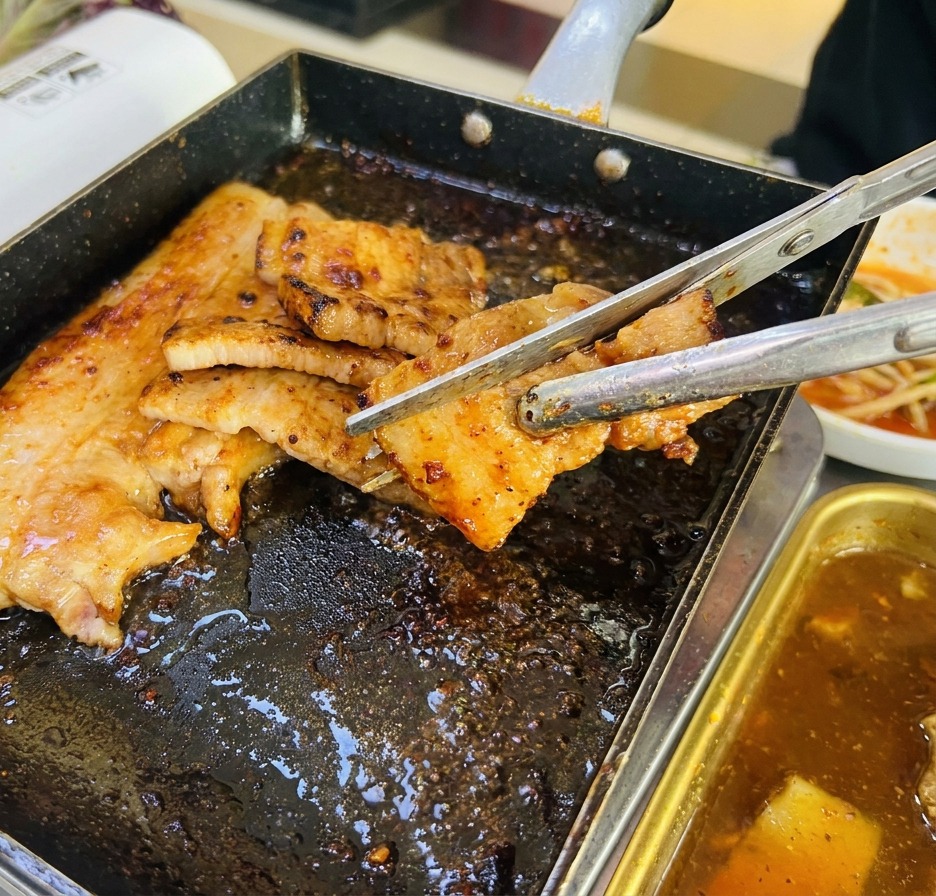
Once the pork is seared on one side, use tongs to flip the slices. Use kitchen shears to cut the meat into bite-sized pieces directly on the grill, allowing the heat to quickly caramelize the newly exposed edges for maximum flavor.
Tip: Avoid moving the meat too much at first; let it develop a dark, caramelized crust before flipping to get that authentic smoky flavor.