Tea-Infused Braised Pork Belly
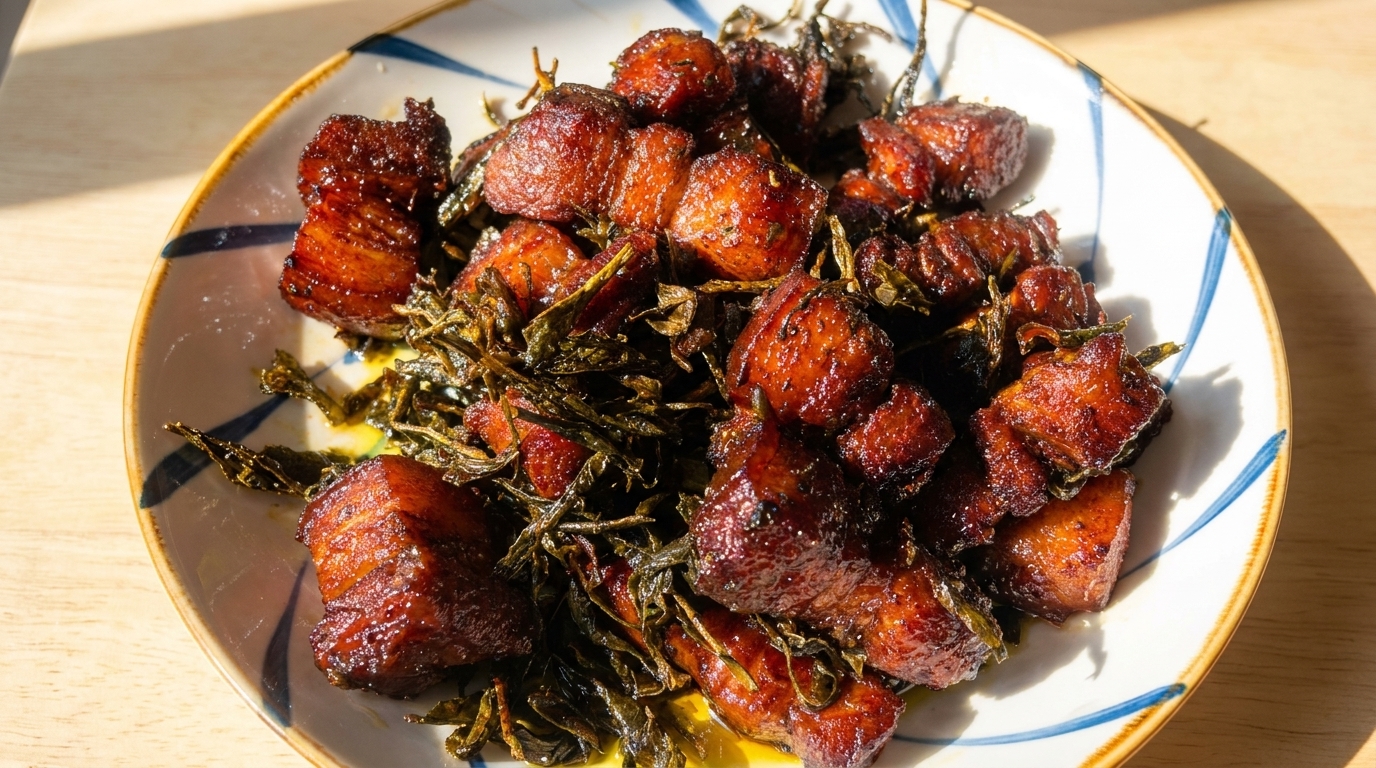
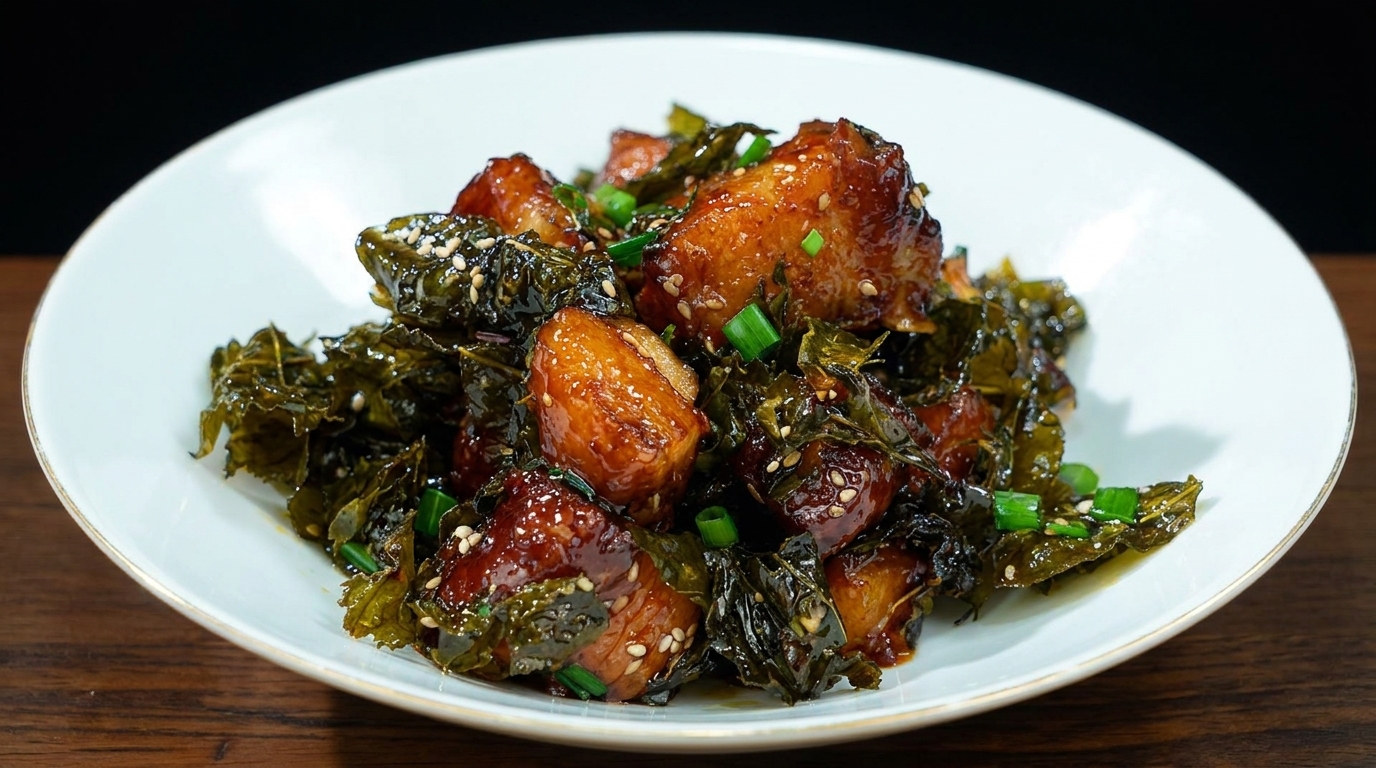
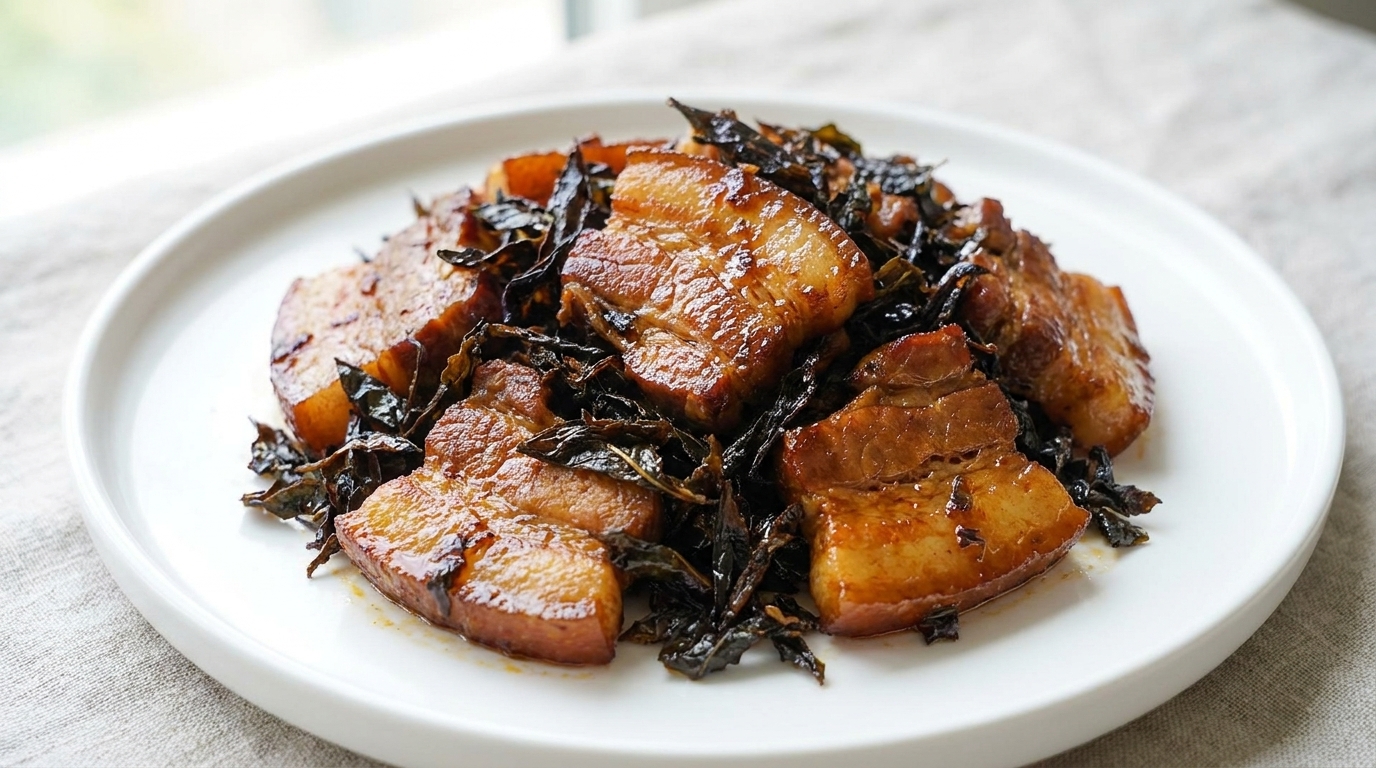
Elevate your pork belly with the delicate aroma of Tieguanyin tea. This unique recipe combines tender braised meat with crispy, fragrant tea leaves for a sophisticated twist on a classic dish.
Tea-infused dishes are a hidden gem in Chinese culinary traditions, where the tannins and floral notes of tea serve to cut through the richness of fatty cuts like pork belly. Using Tieguanyin, a renowned oolong tea, imparts a subtle, complex earthiness that balances the savory glaze. This dish transforms simple ingredients into an elegant centerpiece, perfect for those looking to explore the intersection of tea culture and comfort food.
Ingredients
- 500 g pork belly
- 2 bags Tieguanyin tea
- 30 g tapioca starch
- 1 egg yolk
- 2 tbsp light soy sauce
- 1 tbsp sugar
- 2 slices ginger
- 2 stalks green onions
- 1 tsp salt
- 500 ml cooking oil
Instructions
- 1Steep the tea leaves
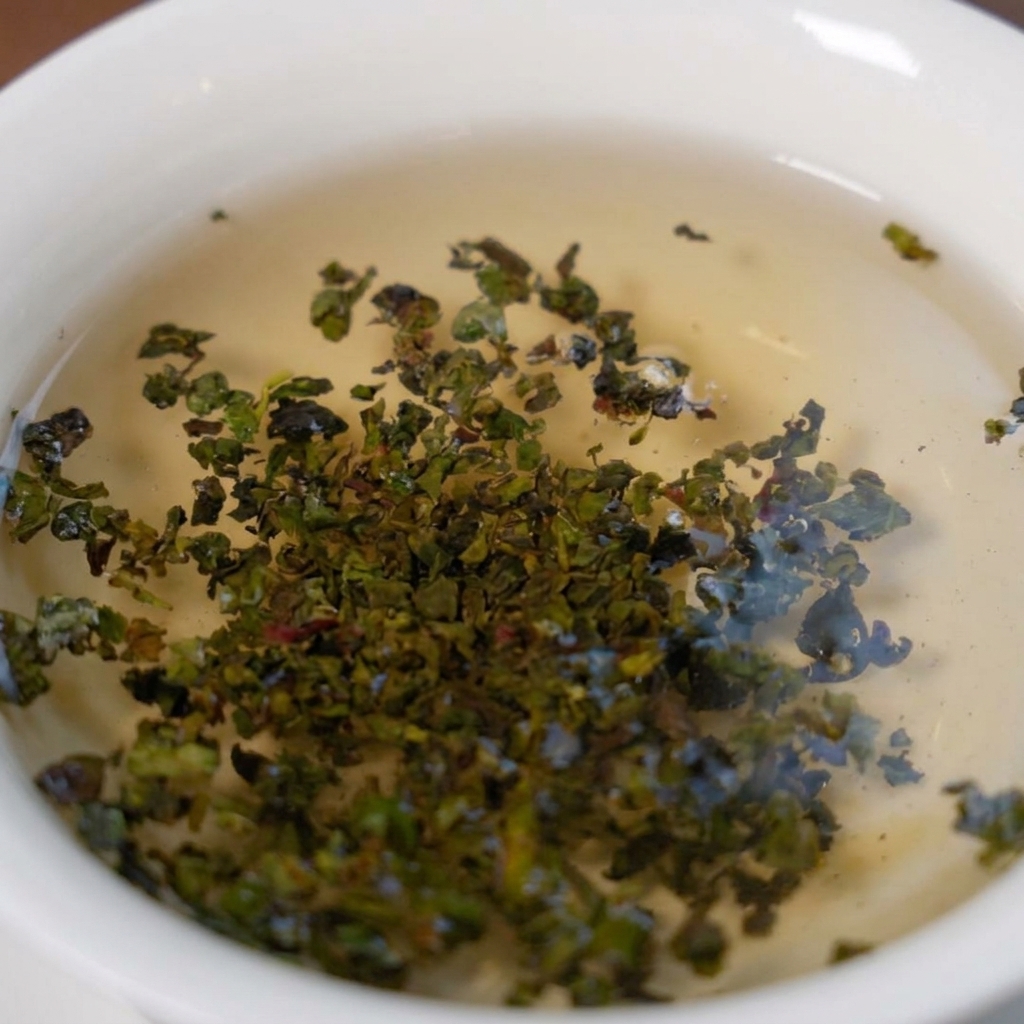
Place the Tieguanyin tea bags or loose leaves into a bowl of boiling water and let them steep for about 15 minutes. Once ready, strain the liquid, ensuring you reserve both the flavorful tea water and the hydrated tea leaves for later steps.
Tip: Using boiling water ensures the tea leaves fully release their natural oils, fragrance, and color into the water. - 2Simmer the pork belly
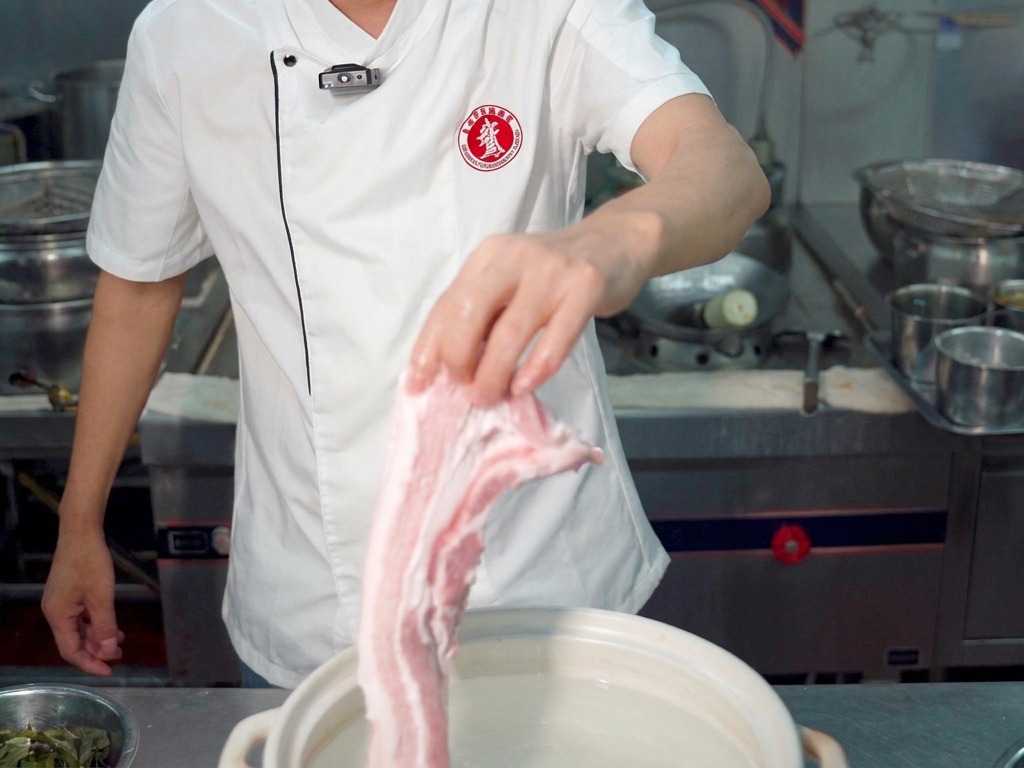
Place the whole slab of raw pork belly into a pot. Add ginger, green onions, salt, the reserved tea water, and a few of the soaked tea leaves. Let the pork simmer in this aromatic broth for about 15 minutes until completely cooked through.
Tip: Simmering the pork in tea water infuses the meat with a subtle floral aroma while simultaneously neutralizing any unwanted odors. - 3Crisp the tea leaves
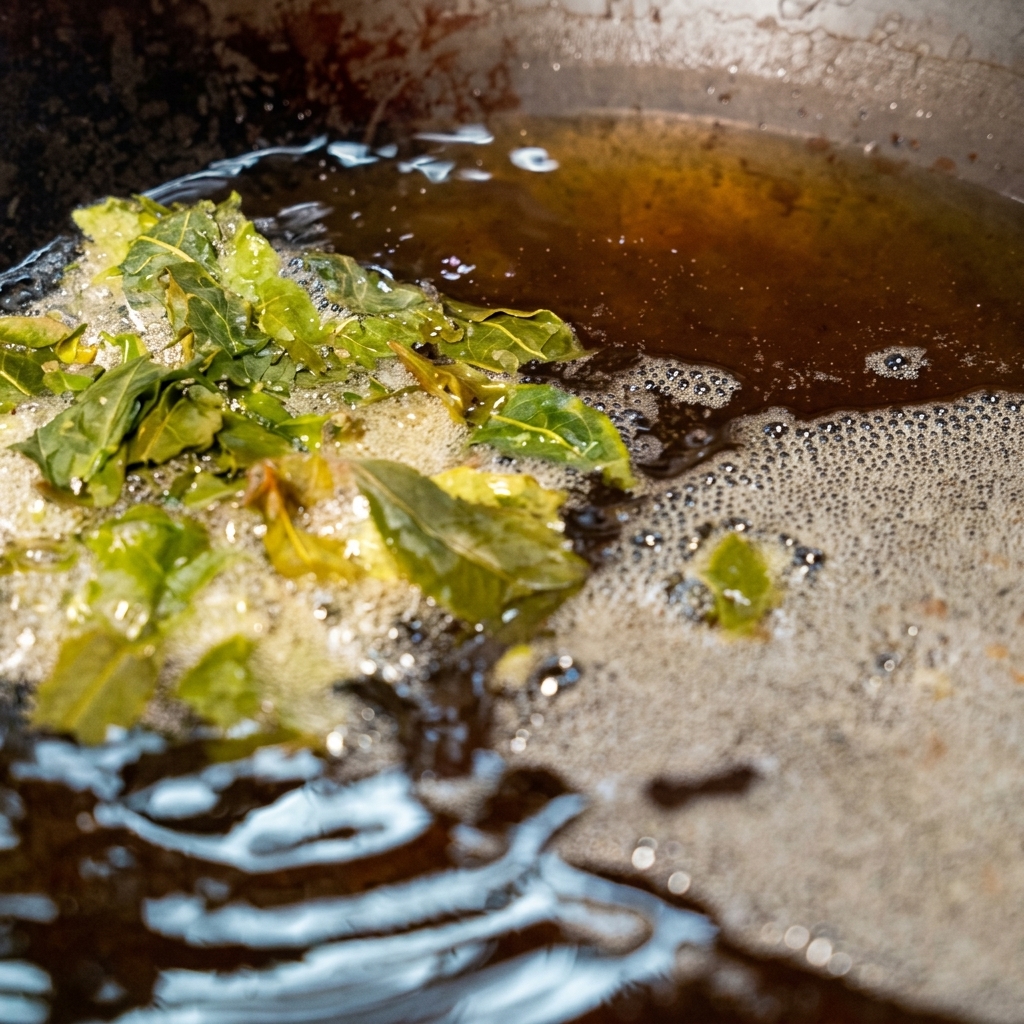
While the pork is simmering, heat oil in a wok. Add some of the reserved soaked tea leaves and fry them until they become completely crispy. Remove the fried leaves from the oil with a slotted spoon and set them aside for the final garnish.
Tip: Watch the tea leaves closely as they fry; they can quickly burn and turn bitter once all their moisture evaporates in the hot oil. - 4Slice the cooked pork
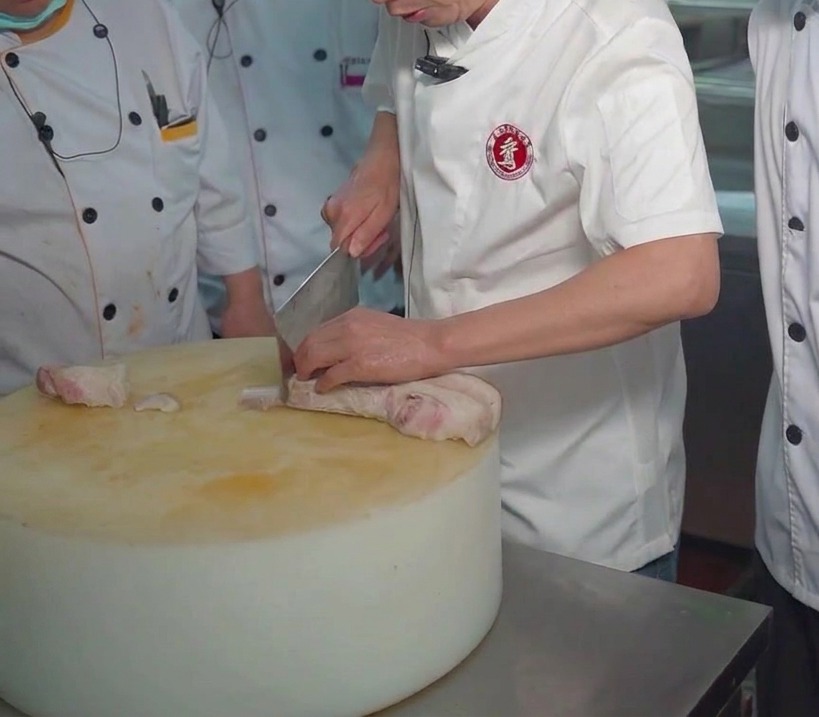
Once the pork belly has simmered for 15 minutes, remove it from the pot and let it cool slightly. Transfer it to a cutting board and slice it evenly into smaller, bite-sized pieces for frying.
Tip: Letting the pork cool for a few minutes before slicing helps it retain its shape and keeps the juices locked inside. - 5Coat the pork slices
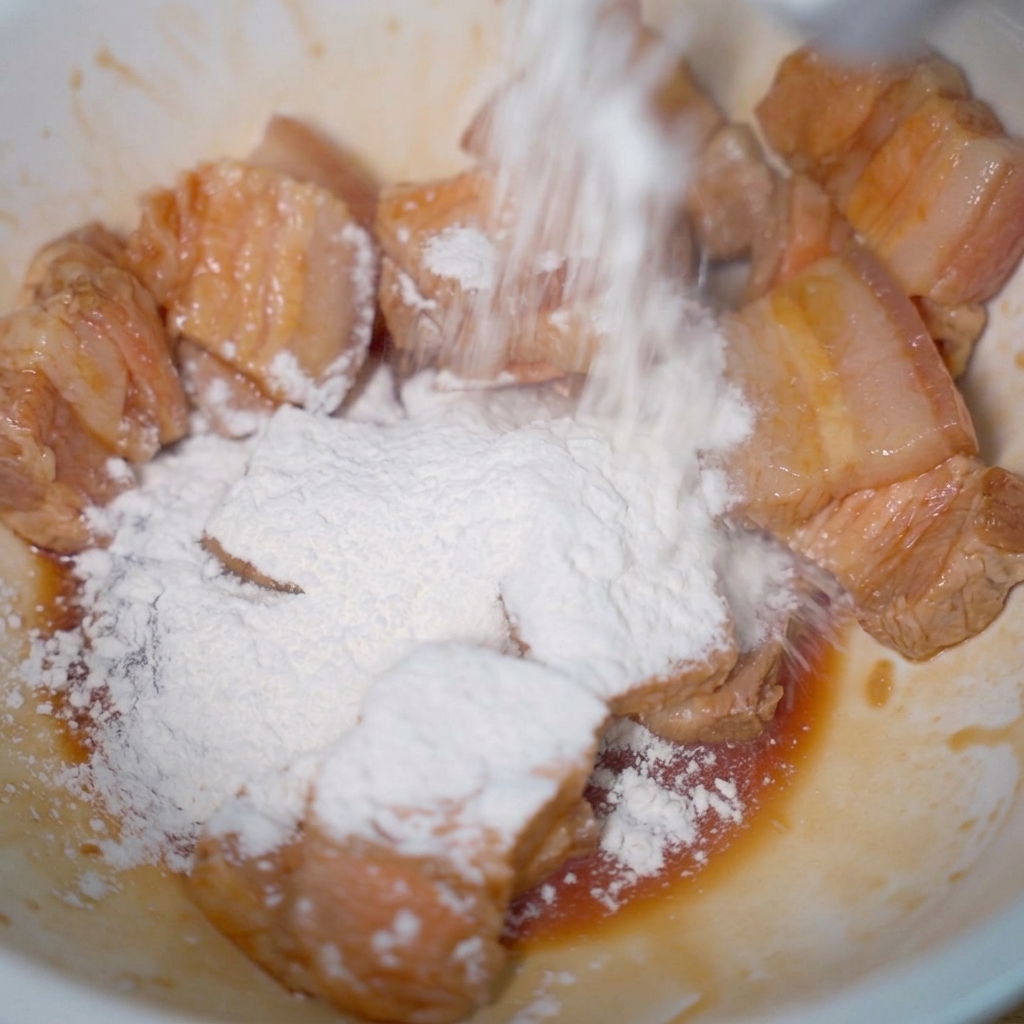
Place the sliced pork belly into a mixing bowl. Add an egg yolk, a splash of light soy sauce, and a generous coating of tapioca starch. Toss the pork pieces thoroughly until each slice is evenly coated.
Tip: The tapioca starch and egg yolk create a protective batter that will yield a perfectly crispy exterior when deep-fried. - 6Deep-fry the pork
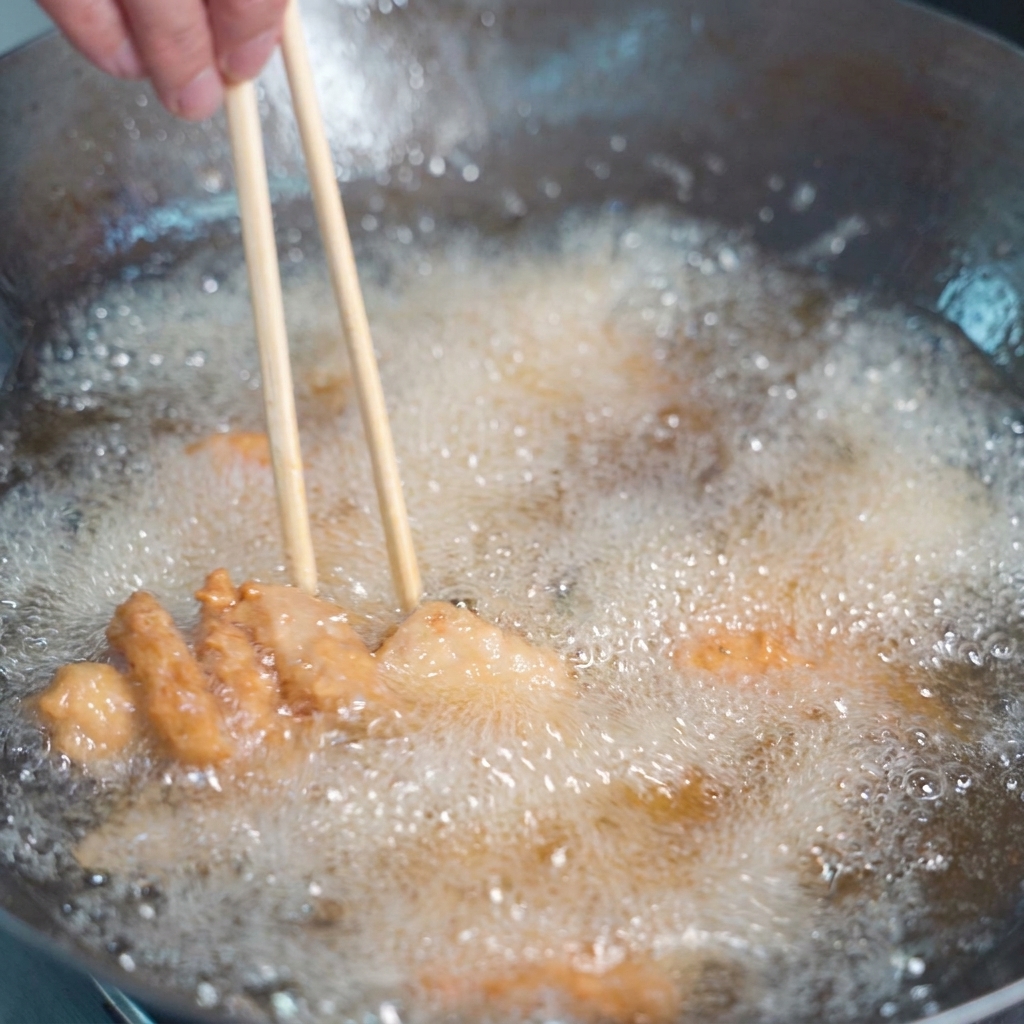
Heat a fresh batch of oil in a wok. Carefully drop the coated pork belly pieces into the hot oil. Deep-fry them, stirring occasionally with chopsticks to prevent sticking, until they turn completely golden brown and crispy on the outside.
Tip: Fry the pork in small batches if necessary to maintain the oil temperature and ensure an even, crispy crust.