Tieguanyin Tea-Infused Braised Pork Belly
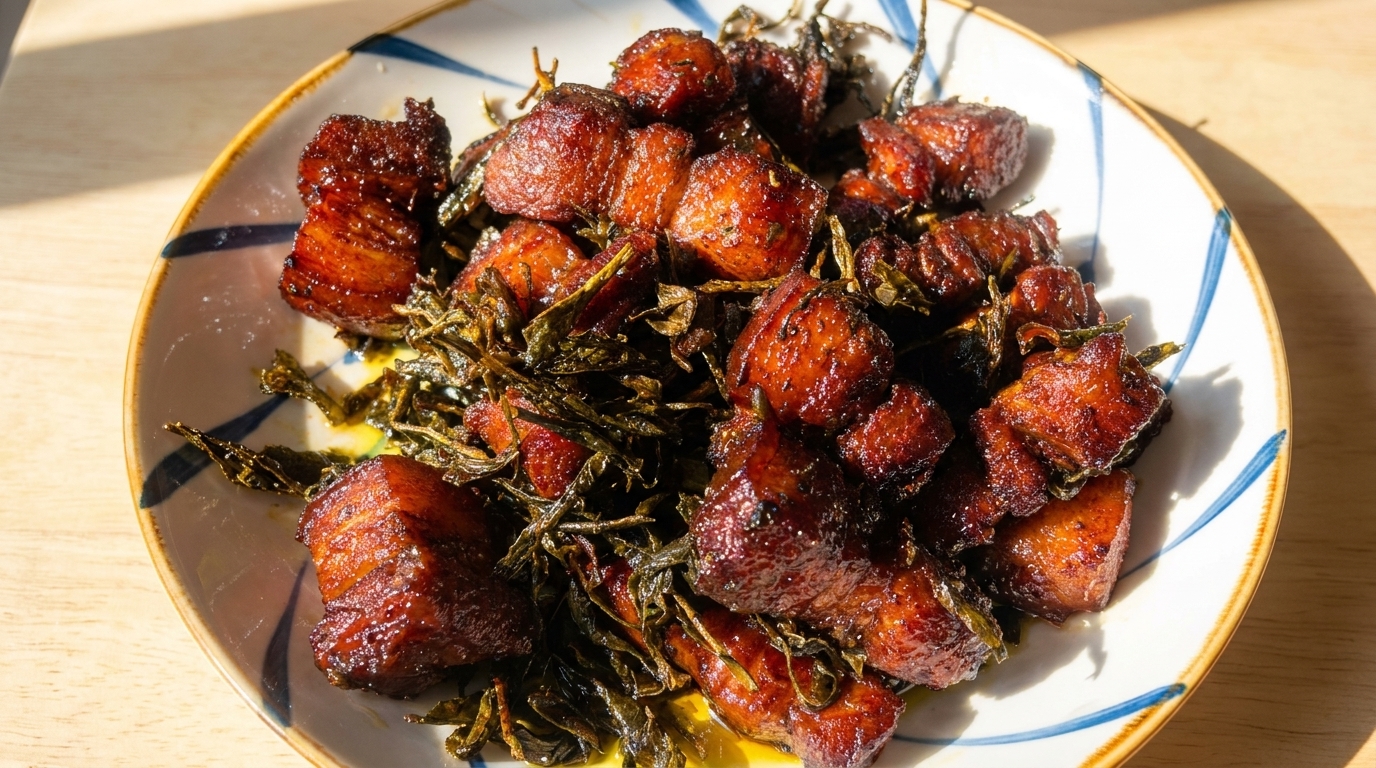
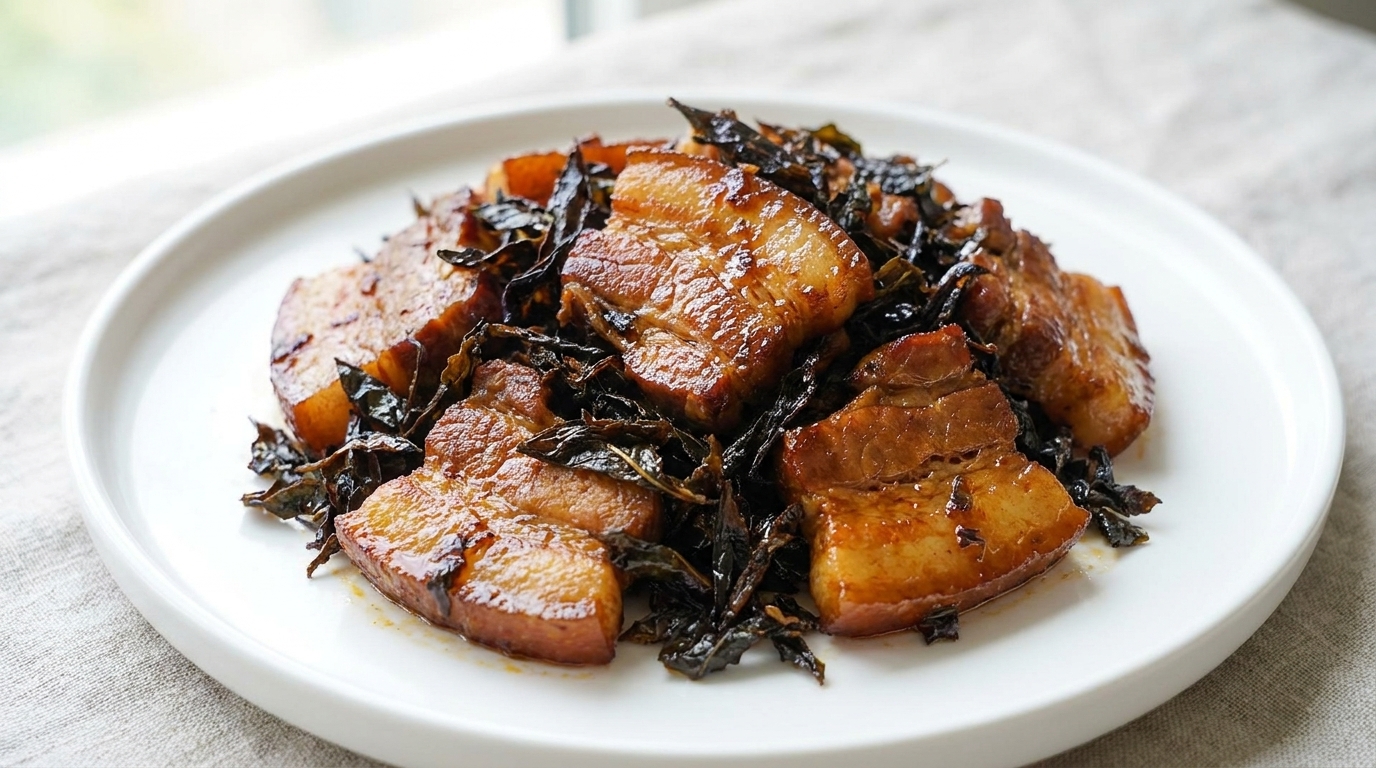
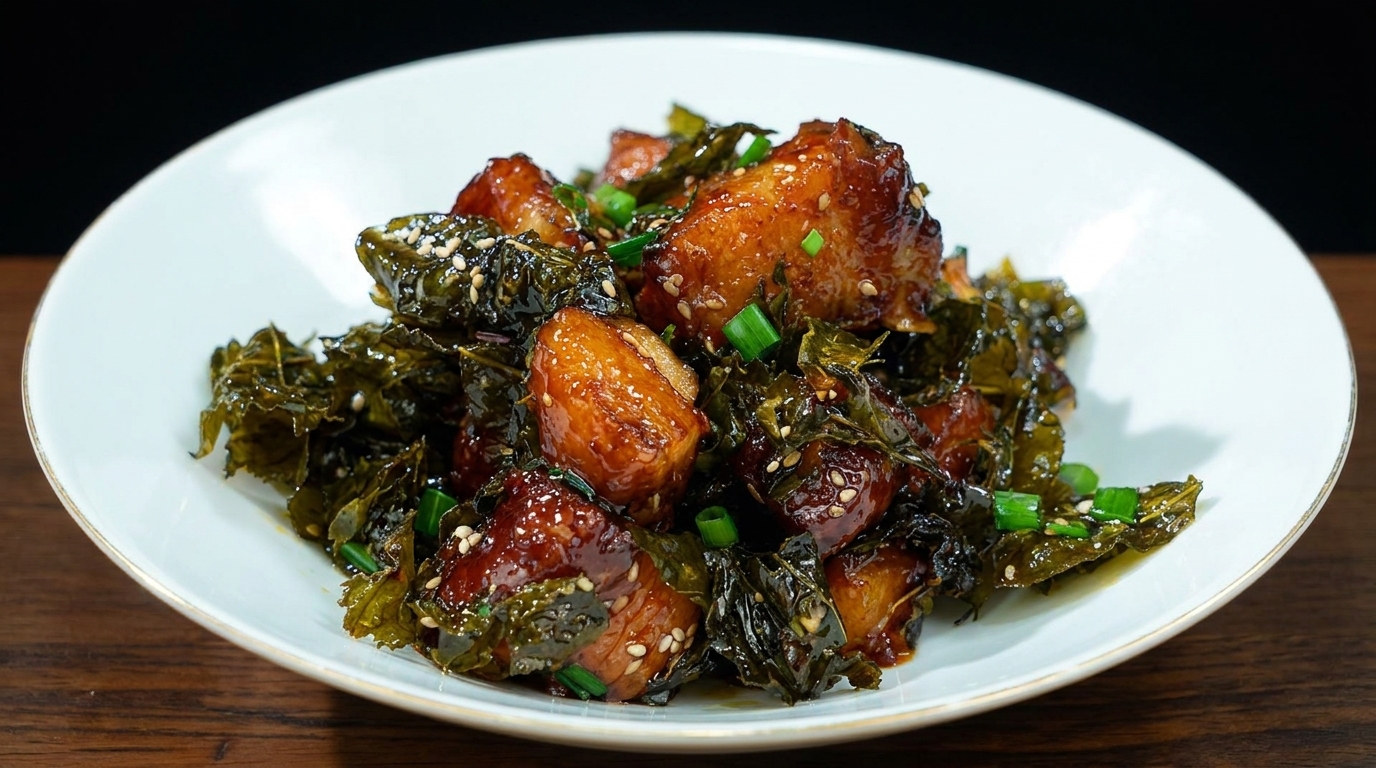
Elevate classic braised pork belly with the floral, earthy notes of Tieguanyin tea. Succulent pork cubes and crispy fried tea leaves are coated in a glossy, savory glaze for a perfect textural contrast.
Integrating tea into savory dishes is a time-honored culinary technique that cuts through the richness of fatty meats while imparting a delicate aroma. In this recipe, premium Tieguanyin oolong tea leaves are steeped and then lightly fried until crisp, acting as both a fragrant flavor base and a delightful textural garnish for the tender pork belly.
Ingredients
- 500 g pork belly (three distinct layers)
- 15 g Tieguanyin oolong tea leaves
- 2 sprigs green onion (divided)
- 3 slices ginger
- 2 tbsp cooking wine
- 2 tbsp light soy sauce
- 1 tbsp cornstarch slurry
- 1 tbsp cooking oil
- to garnish toasted white sesame seeds
Instructions
- 1Cut the pork belly
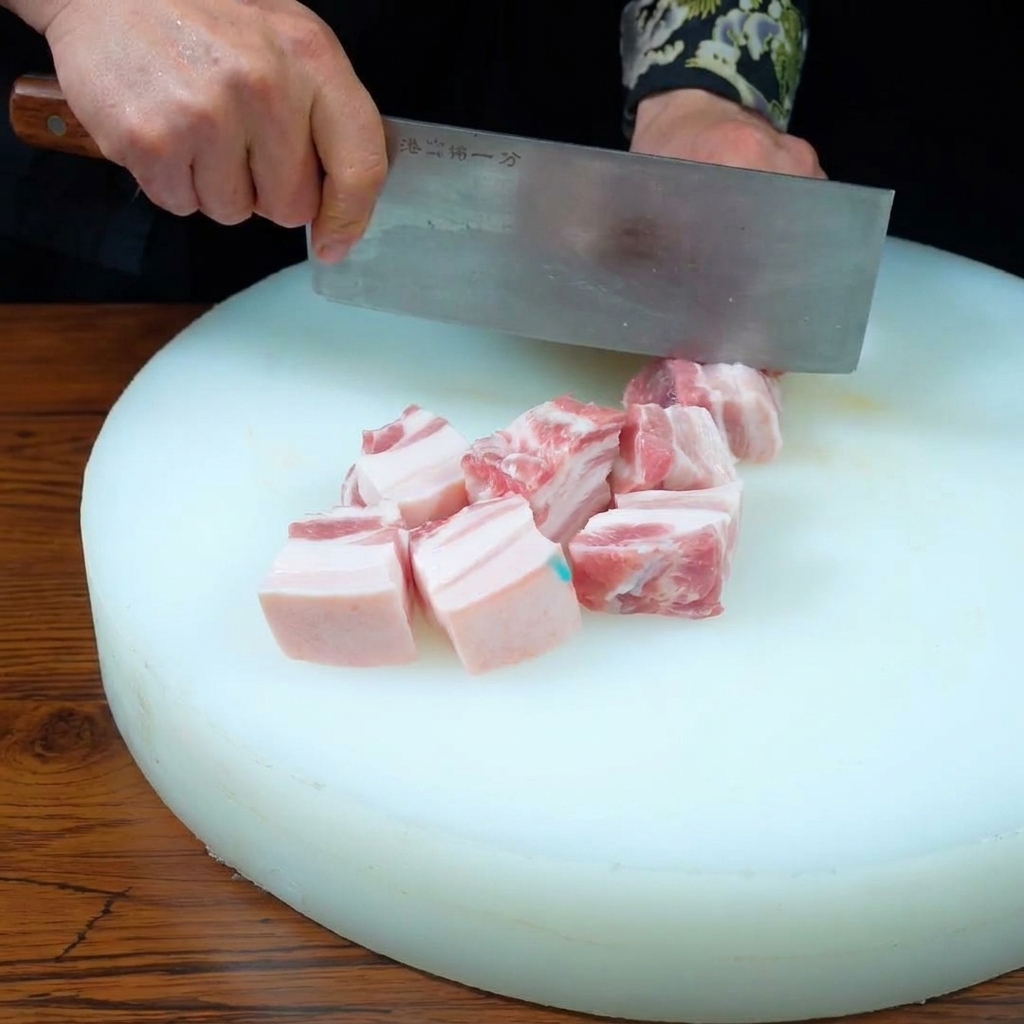
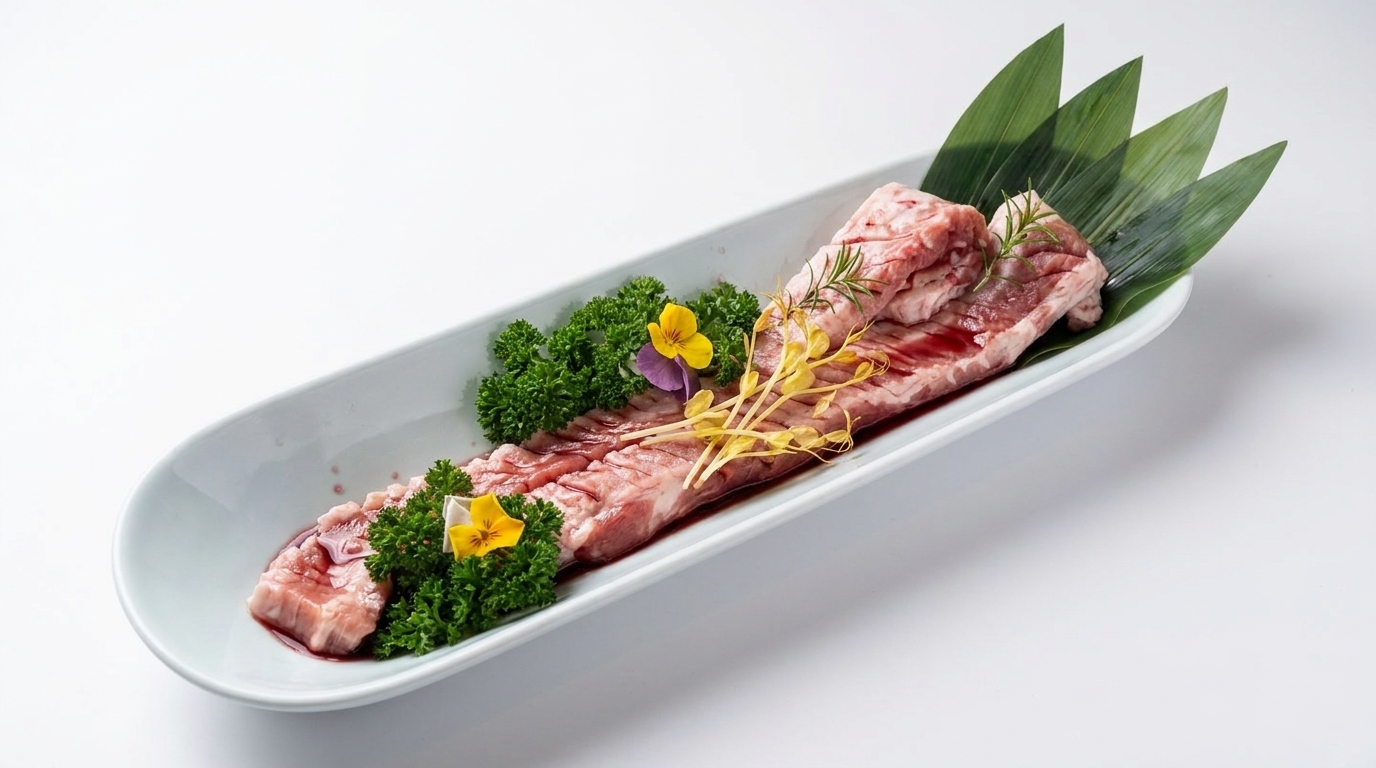
Take a piece of pork belly with three distinct layers of fat and meat. Place it on a clean cutting board and use a sharp knife to cut it into uniform, bite-sized cubes. Cutting them evenly ensures they cook at the same rate and absorb flavors properly.
Tip: For easier cutting, you can partially freeze the pork belly for about 30 minutes before slicing. - 2Parboil the pork
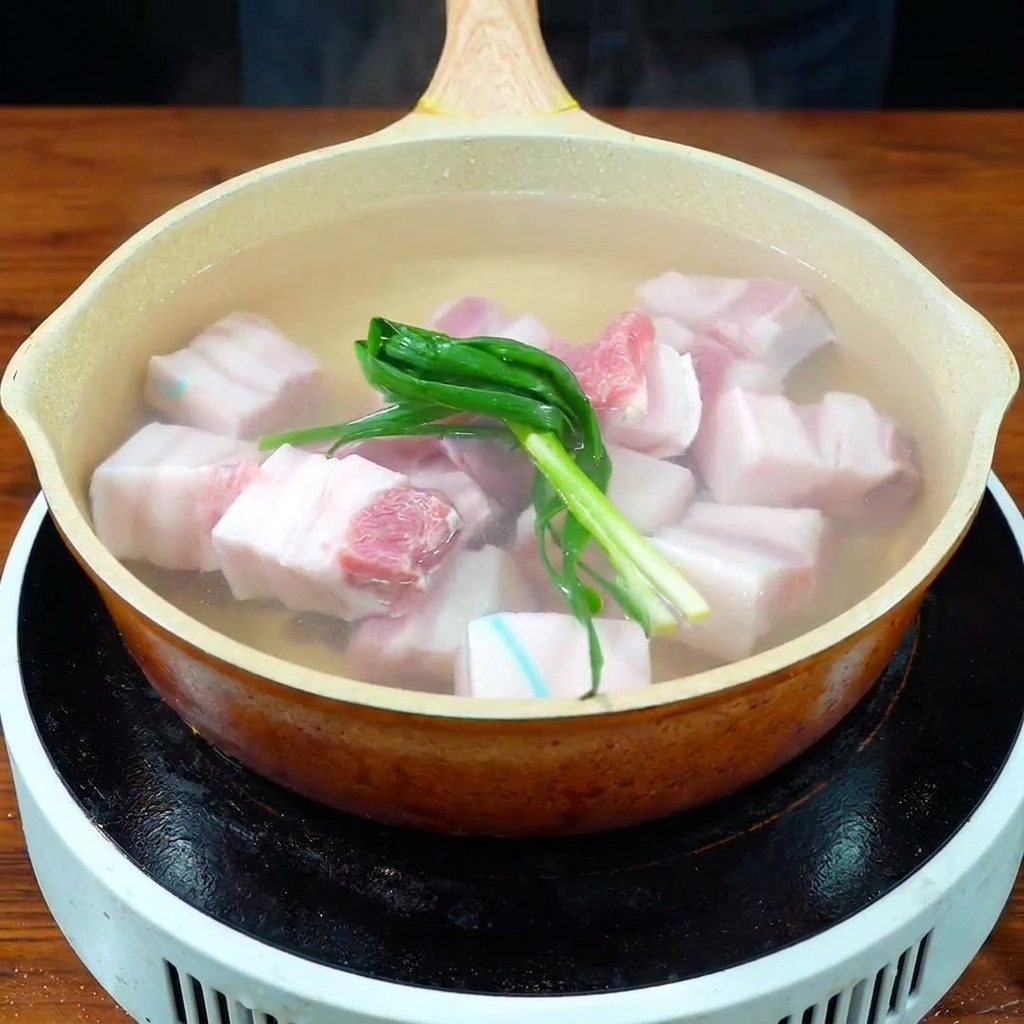
Place the pork belly cubes into a pan filled with cold water. Add a knot of green onions, a few slices of ginger, cooking wine, and light soy sauce. Bring the water to a boil and braise over high heat for about 20 minutes until the meat is tender enough to easily pierce with chopsticks, then remove from the pot.
Tip: Starting with cold water helps slowly draw out impurities and excess blood from the pork, resulting in a cleaner flavor. - 3Steep the tea leaves
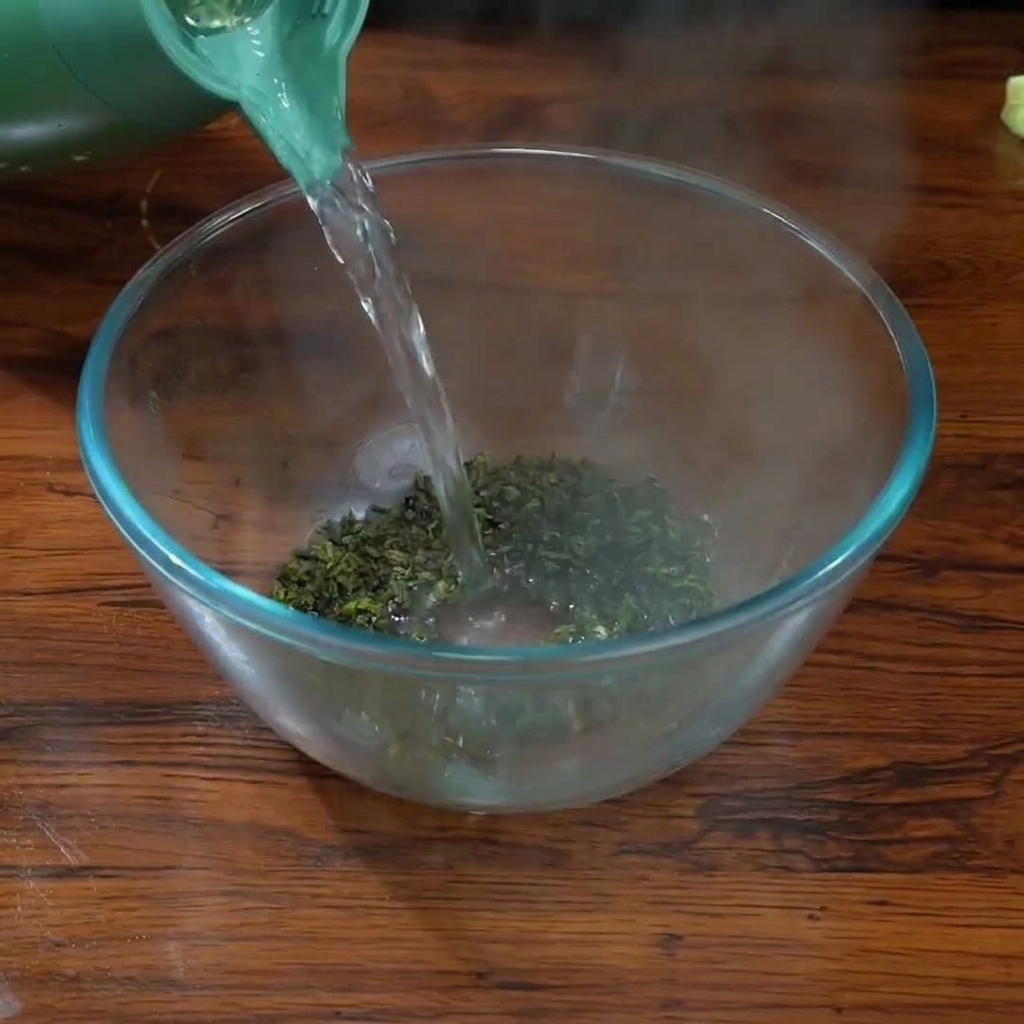
Place the Tieguanyin tea leaves into a glass bowl. Pour boiling water over the leaves to steep them and release their aromatic flavor. Let them sit briefly, then carefully drain the excess water so the leaves are ready for frying.
Tip: Make sure to drain the tea leaves well to prevent oil splattering when you fry them later. - 4Fry the tea leaves
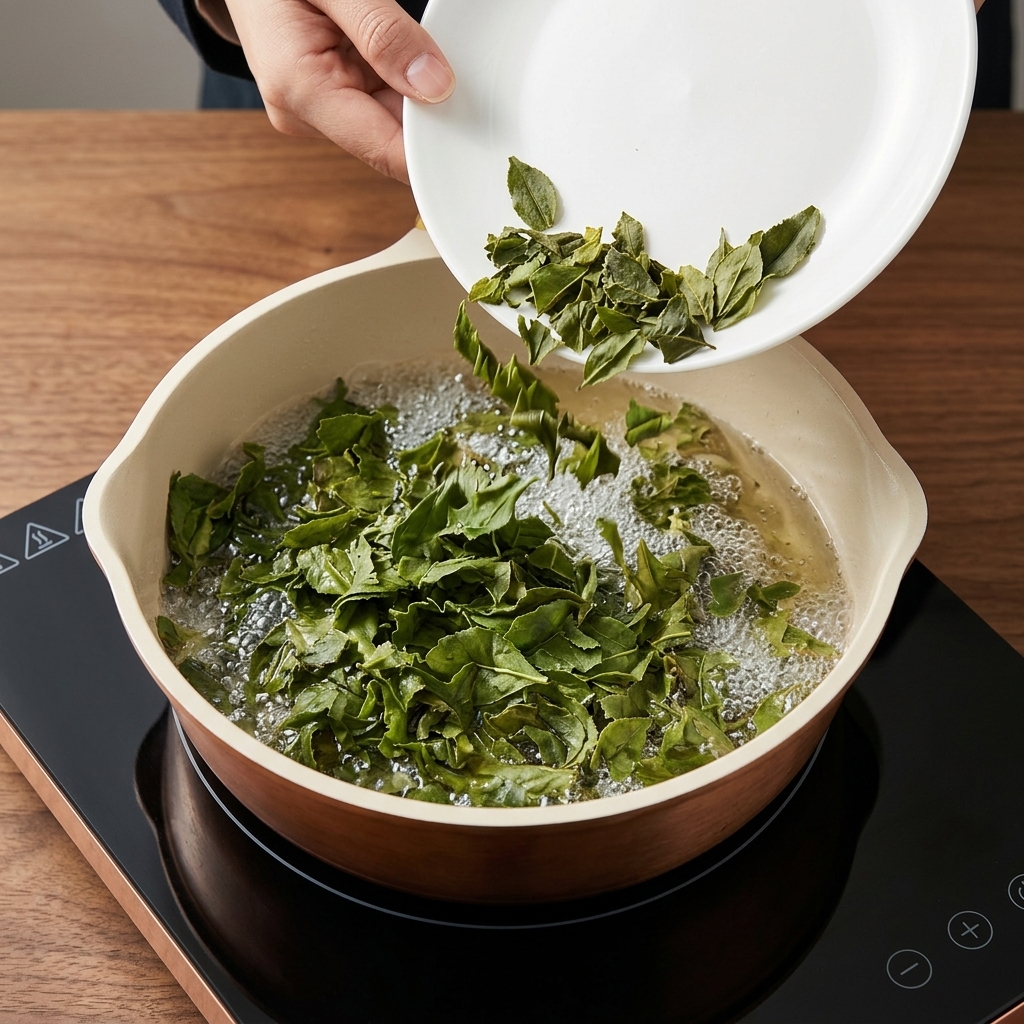
Heat oil in a pan until it reaches about 70% heat. Carefully add the soaked and drained tea leaves into the hot oil. Fry them until they become crisp and intensely fragrant, then remove them from the pan and set aside.
Tip: Watch the tea leaves closely as they fry, as they can quickly burn and become bitter if left in the oil too long. - 5Fry the pork belly
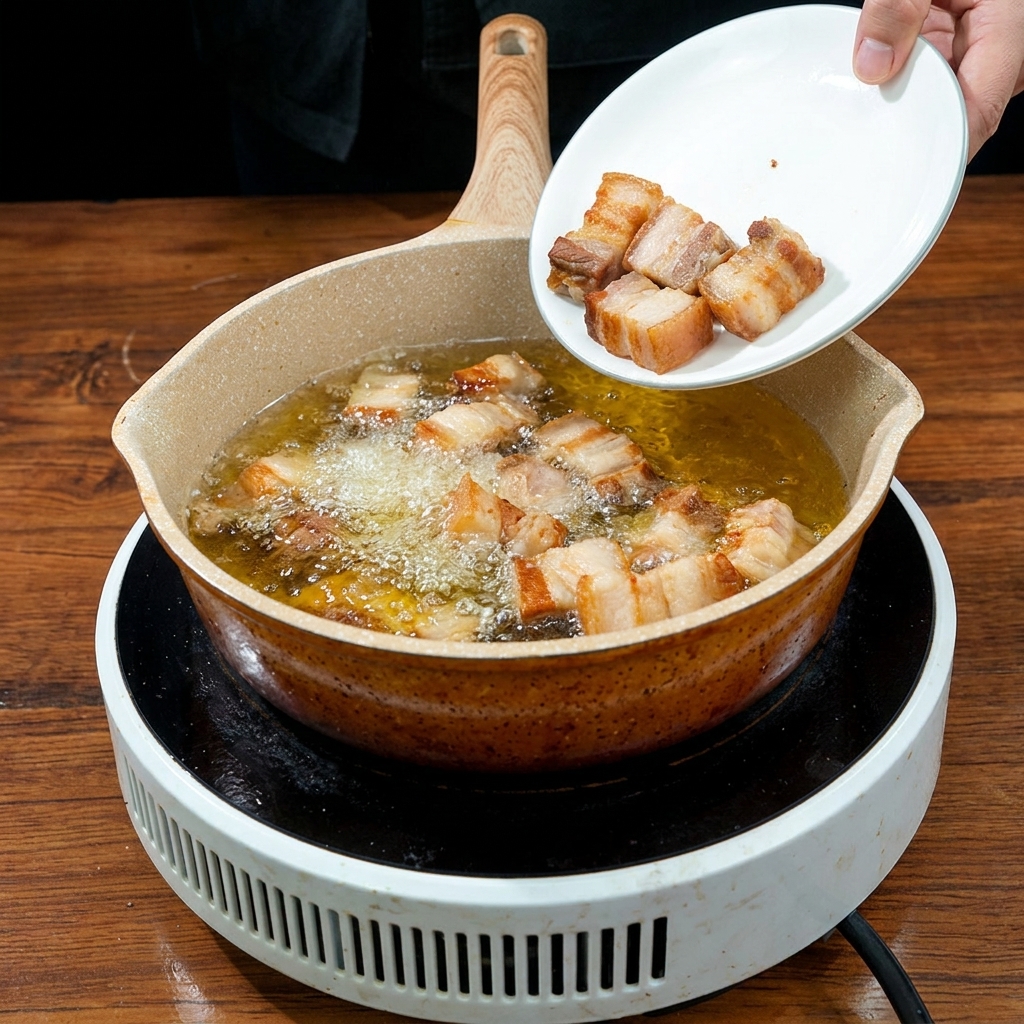
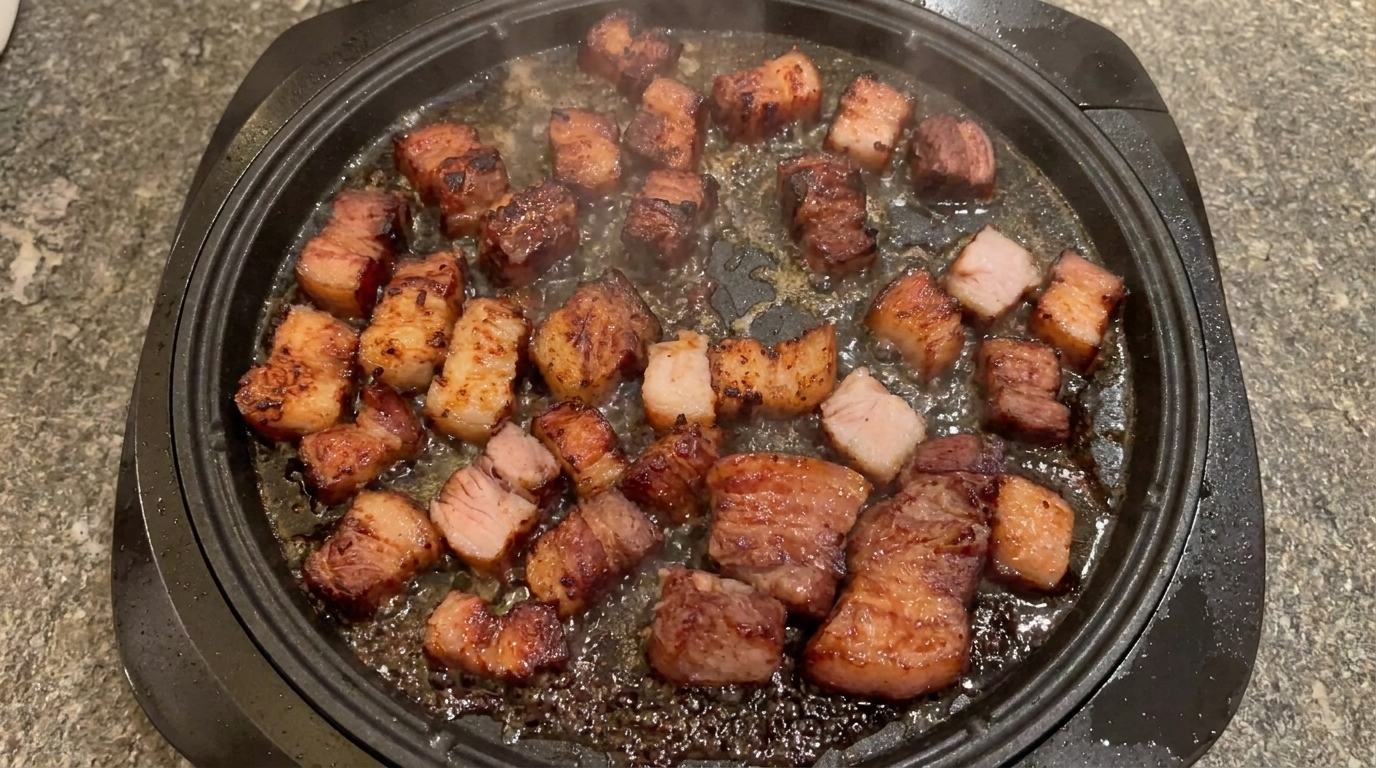
Using the same pan with the hot, tea-infused oil, add the parboiled pork belly cubes. Fry them briefly until they develop a nice color and slight crust. Once fried, drain the excess oil from the pan to keep the dish from being greasy.
Tip: Frying the pork in the same oil allows the meat to absorb the lingering floral notes of the Tieguanyin tea. - 6Season the pork
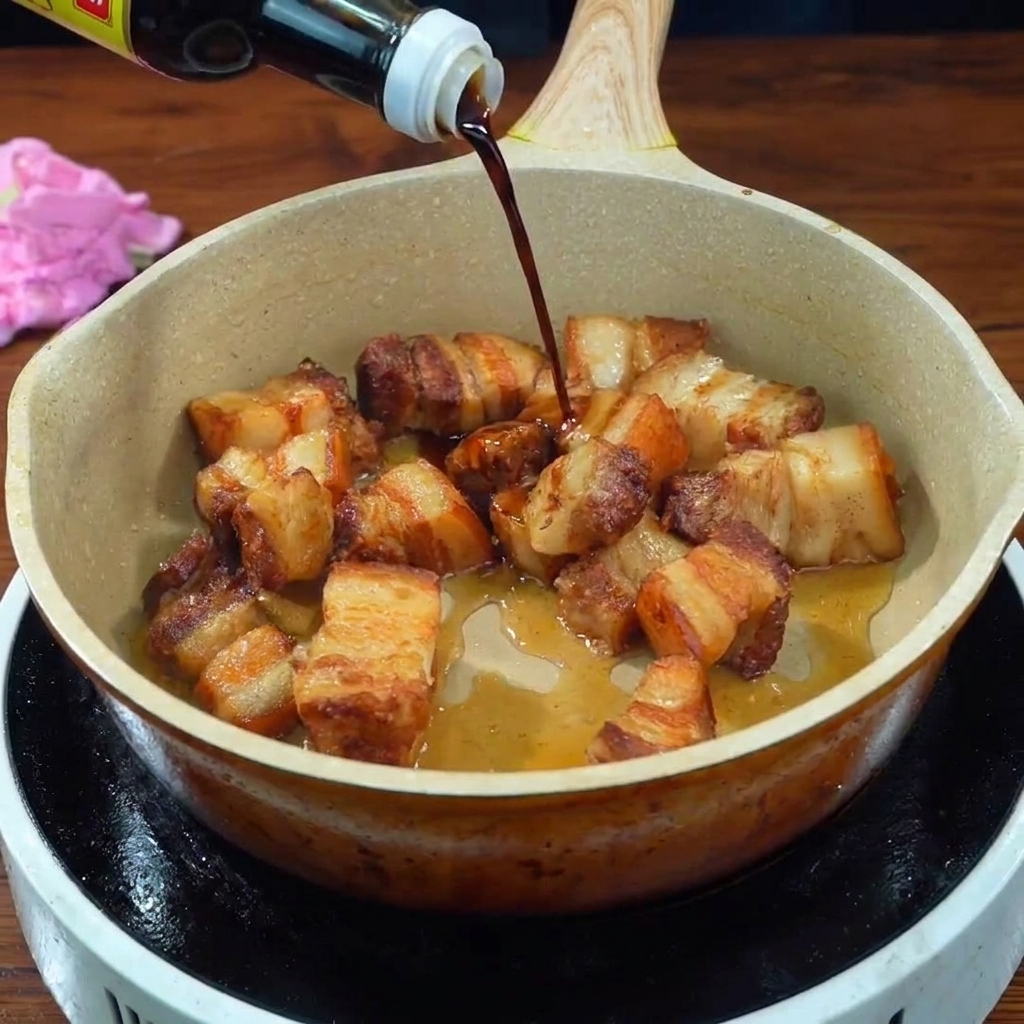
With the excess oil drained, return the pan to the heat. Add cooking wine and light soy sauce directly to the fried pork belly cubes. Stir-fry the meat to ensure it is evenly coated and absorbs the savory seasonings.
Tip: Pouring the cooking wine along the hot edges of the pan helps it evaporate quickly, maximizing the aromatic effect. - 7Thicken and finish the dish
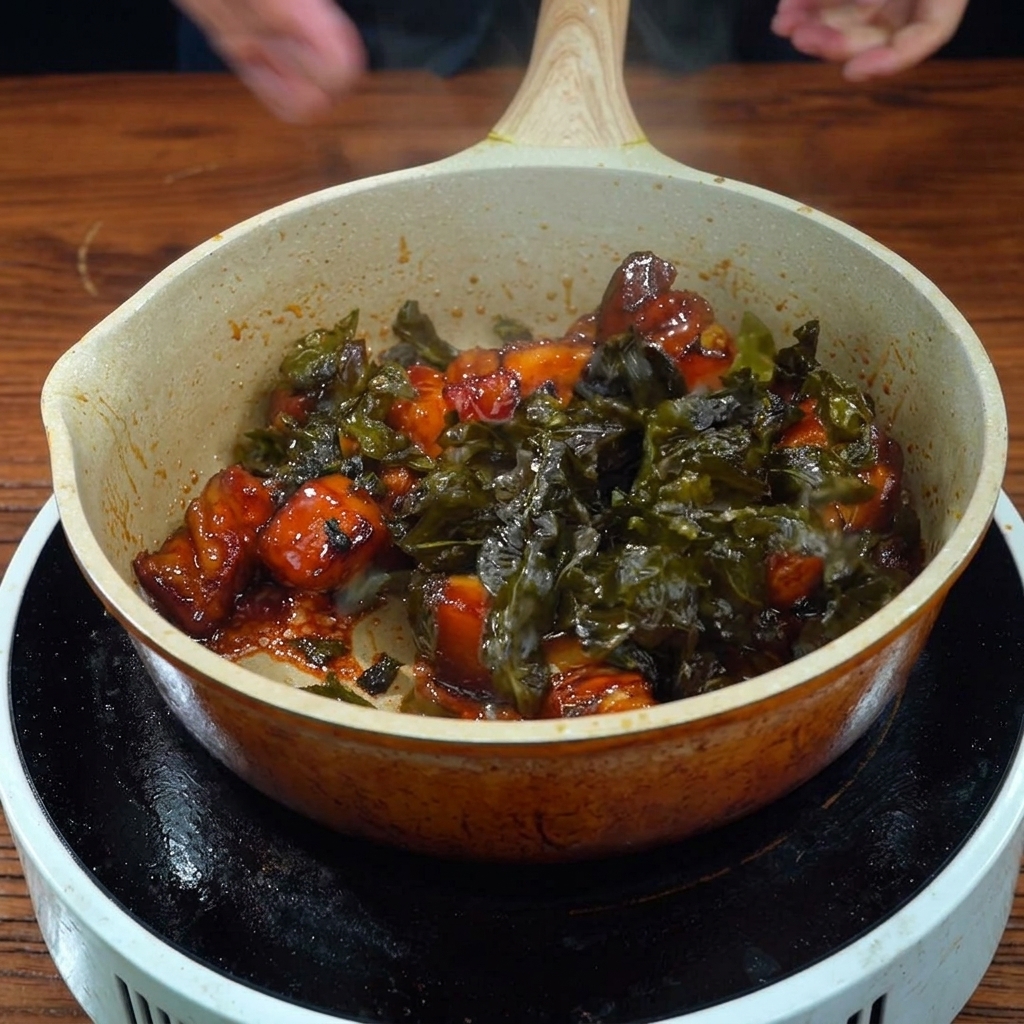
Add the cornstarch slurry to the pan with the braised pork belly to thicken the sauce, then toss in the previously fried Tieguanyin tea leaves. Stir-fry everything together briefly to ensure the pork is evenly coated with the savory, aromatic glaze.
Tip: Be careful not to over-fry the tea leaves at this stage, as they should remain crisp and fragrant to provide a nice texture contrast against the tender pork.