Traditional Korean Pork
Rice Soup (Dwaeji-gukbap)
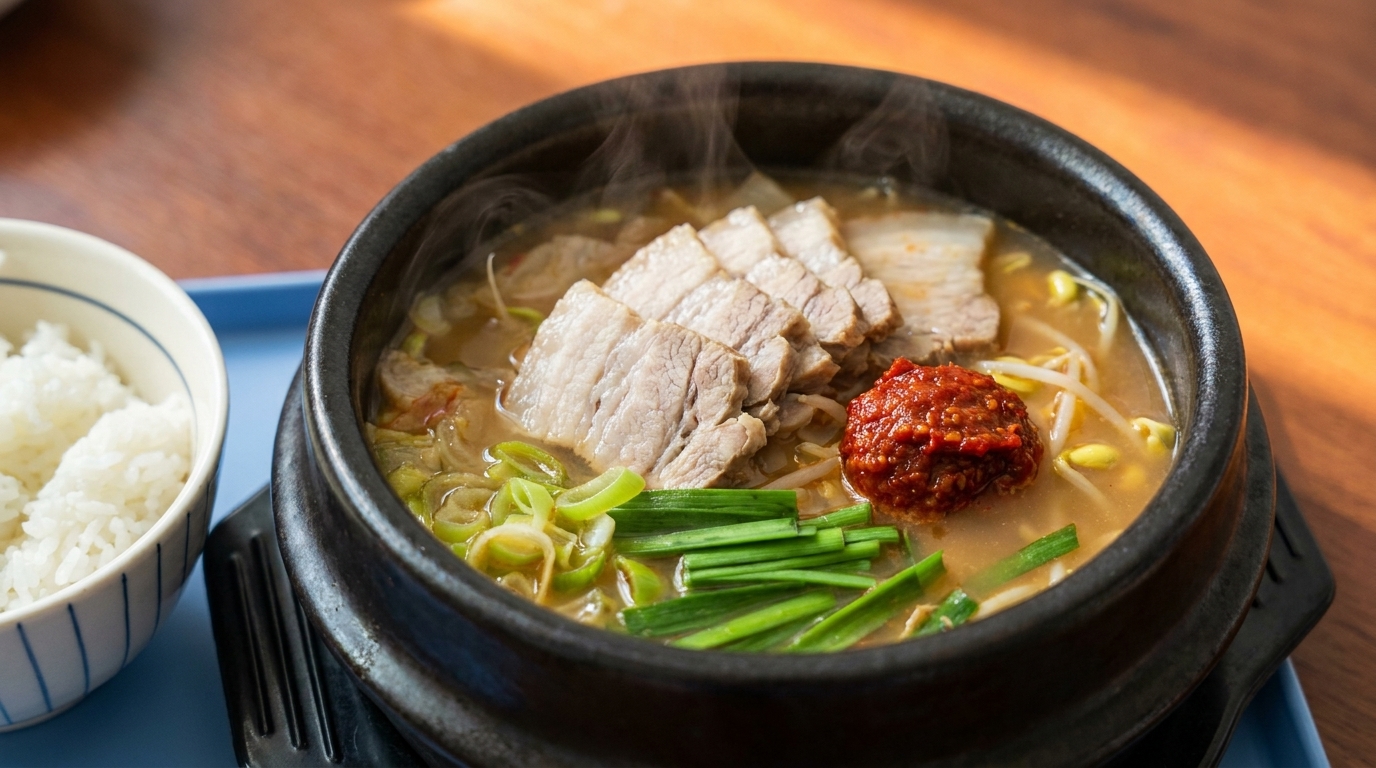
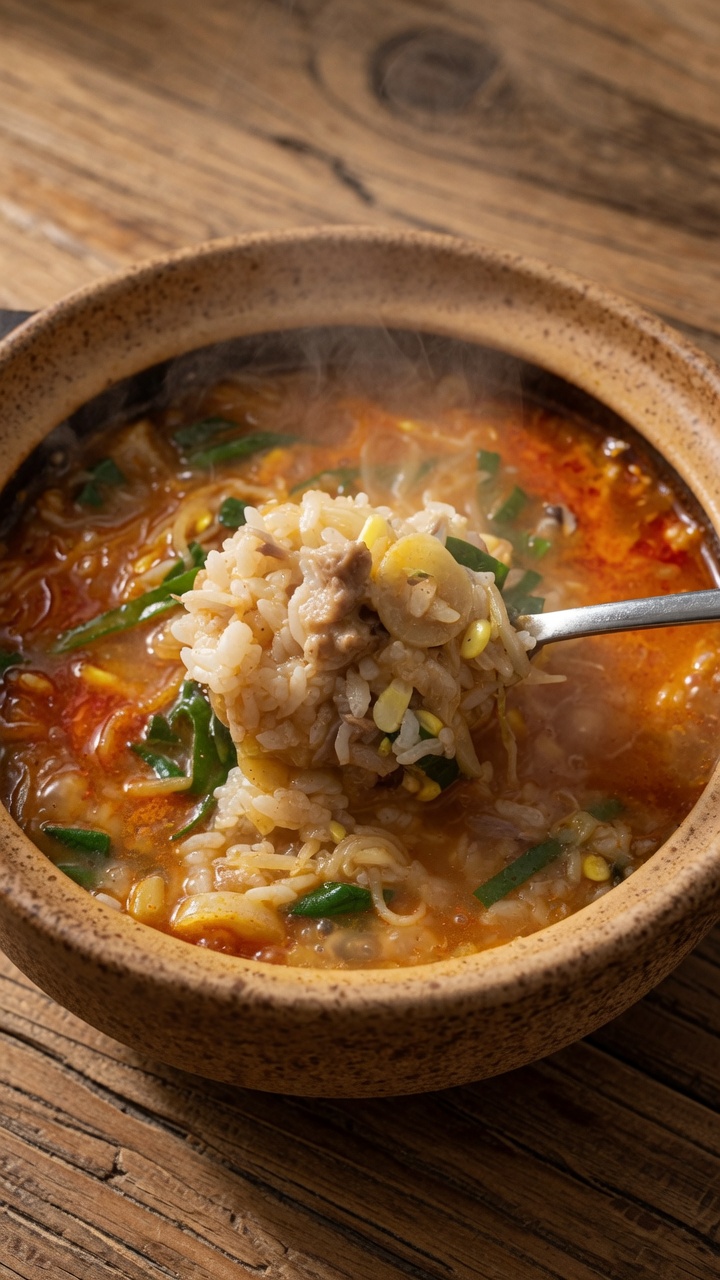
A nourishing Korean comfort dish, Dwaeji-gukbap features tender pork and bean sprouts in a rich, milky bone broth, served with a vibrant, spicy chive garnish.
Dwaeji-gukbap is a beloved soul food from the Gyeongsang province of Korea, traditionally served as a hearty, restorative meal. The hallmark of a great version is a broth that has been simmered long enough to develop a creamy, milky consistency, which beautifully balances the tender pork and the crunch of fresh bean sprouts. This recipe brings the authentic, layered flavors of this classic soup into your home kitchen.
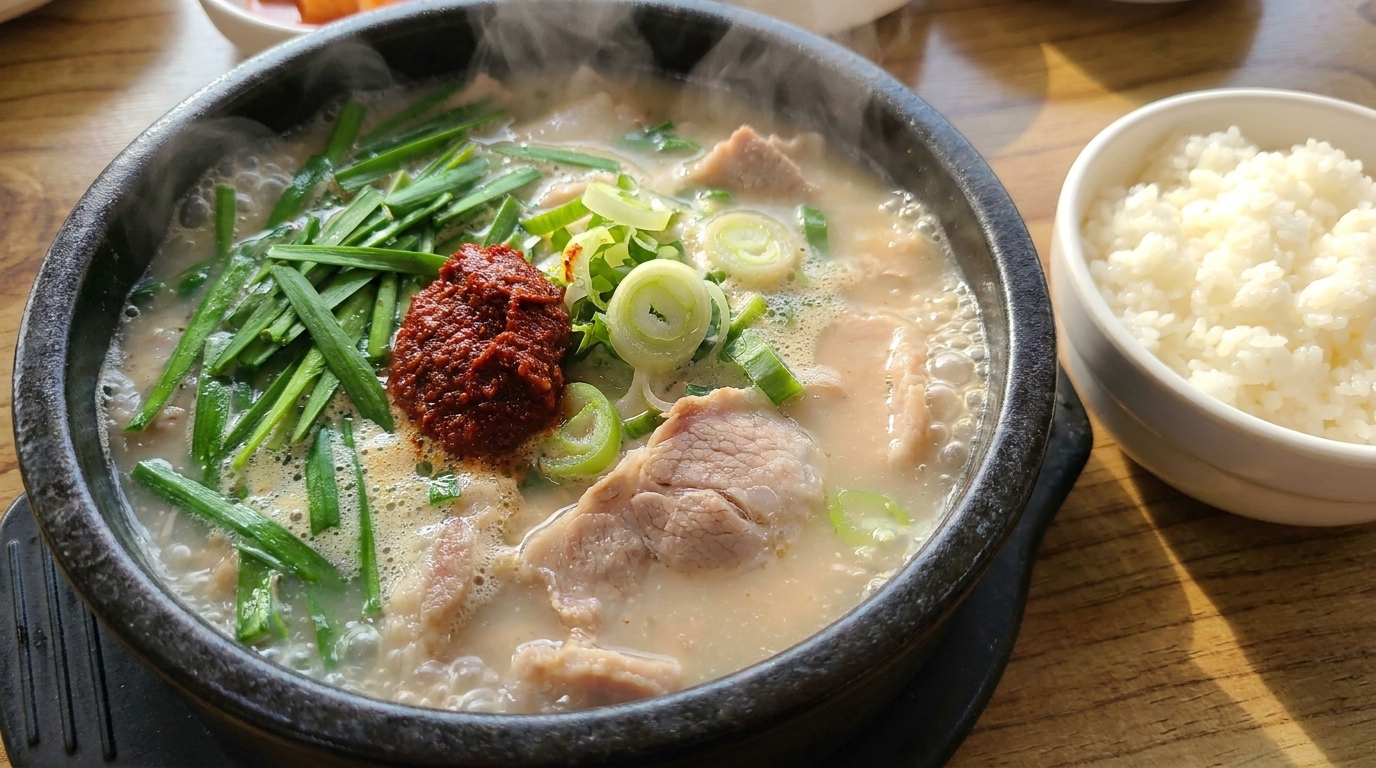
Ingredients
- 500 g pork belly
- 500 g pork shoulder bone
- 0.5 head onion
- 1 head garlic
- 30 g ginger
- 3 stalks green onion
- 3 pcs bay leaves
- 1 tsp peppercorns
- 1 tsp white peppercorns
- 100 ml rice wine
- 100 g fresh chives
- 200 g bean sprouts
- 1 tbsp Korean chili paste
- 2 tbsp chili powder
- 1 tbsp fish sauce
- 1 tbsp light soy sauce
- 1 tsp sesame oil
- 1 tsp sugar
- 1 tsp sesame seeds
- to taste salt
Instructions
- 1Prepare the meat
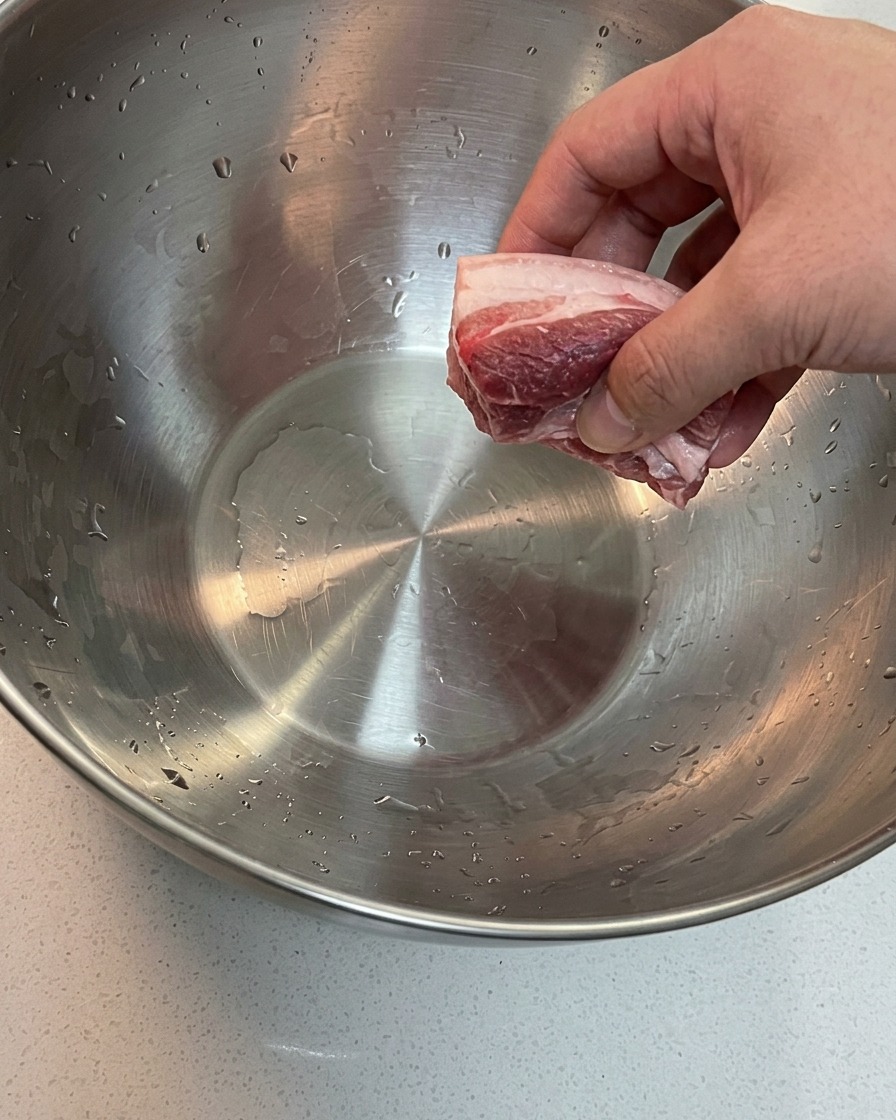
Place the pork belly and pork shoulder bone into a large bowl. Soak them in cold water for three hours to draw out impurities. This initial soak is essential for a clean, fragrant broth.
Tip: If you prefer not to blanch the meat, extending the soaking time helps ensure the broth stays clear and clean. - 2Transfer to the pot
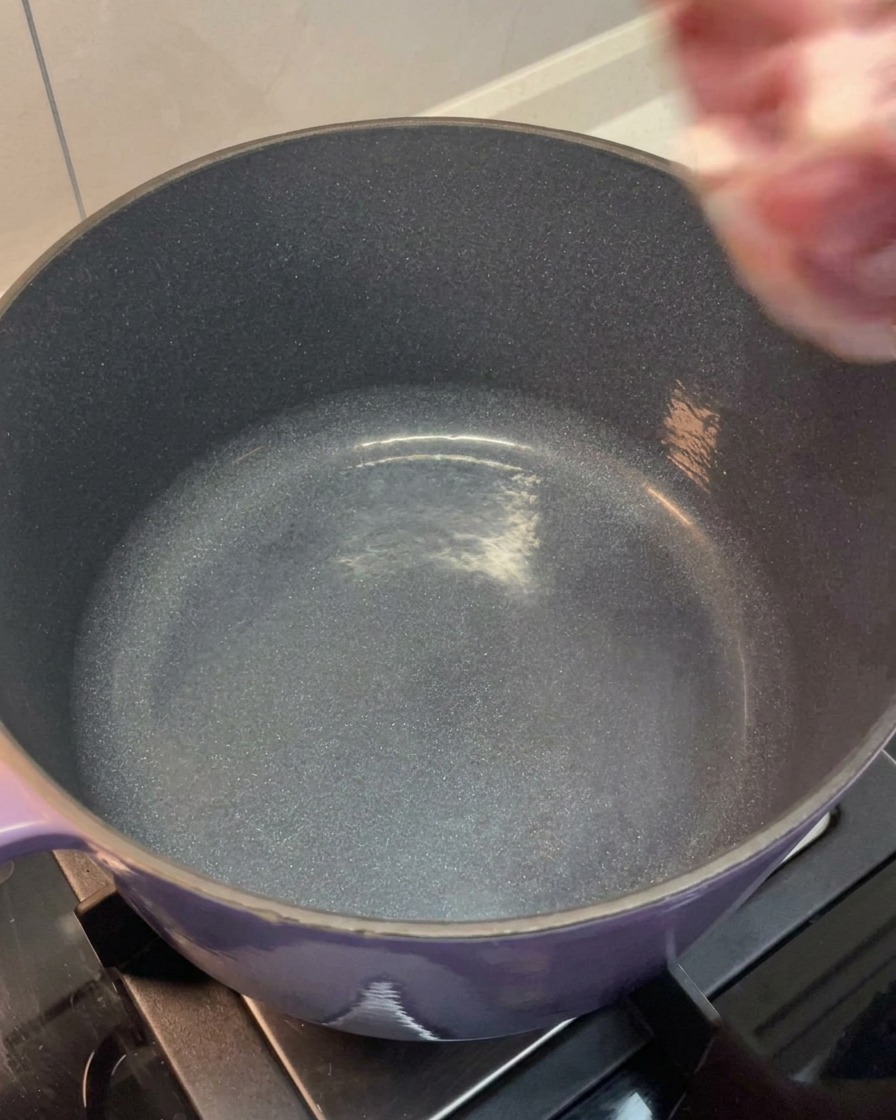
After soaking and rinsing the pork thoroughly, place the meat and bones into a large cooking pot. Ensure you use a pot large enough to hold the meat and plenty of cold water for the long simmer.
Tip: Make sure the meat is well-rinsed after its long soak to remove any residual surface impurities before adding to the pot. - 3Add aromatics and seasonings
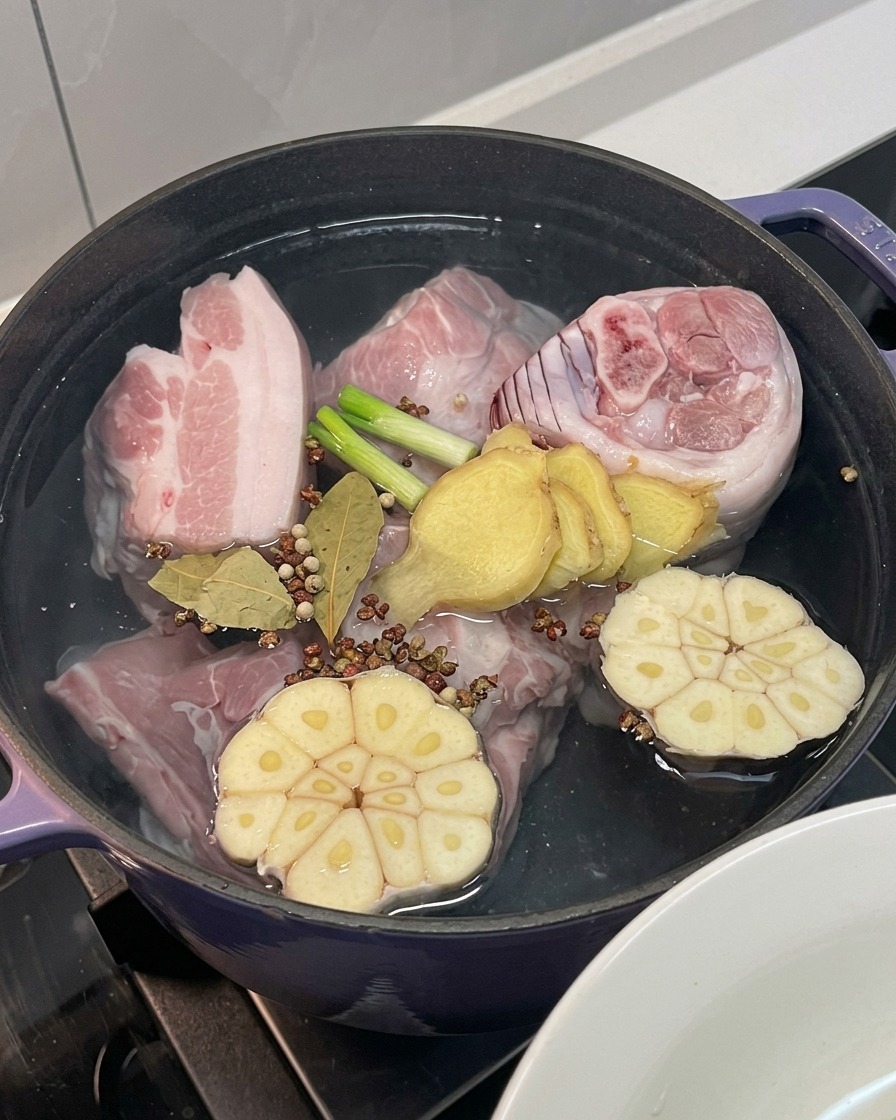
Add half an onion, a head of garlic, ginger slices, and green onion stalks to the pot. Incorporate bay leaves, peppercorns, white peppercorns, and half a small bowl of rice wine to build the flavor base.
Tip: Adding the aromatics at the beginning allows their flavors to infuse deeply into the pork and broth during the long simmer. - 4Skim the broth
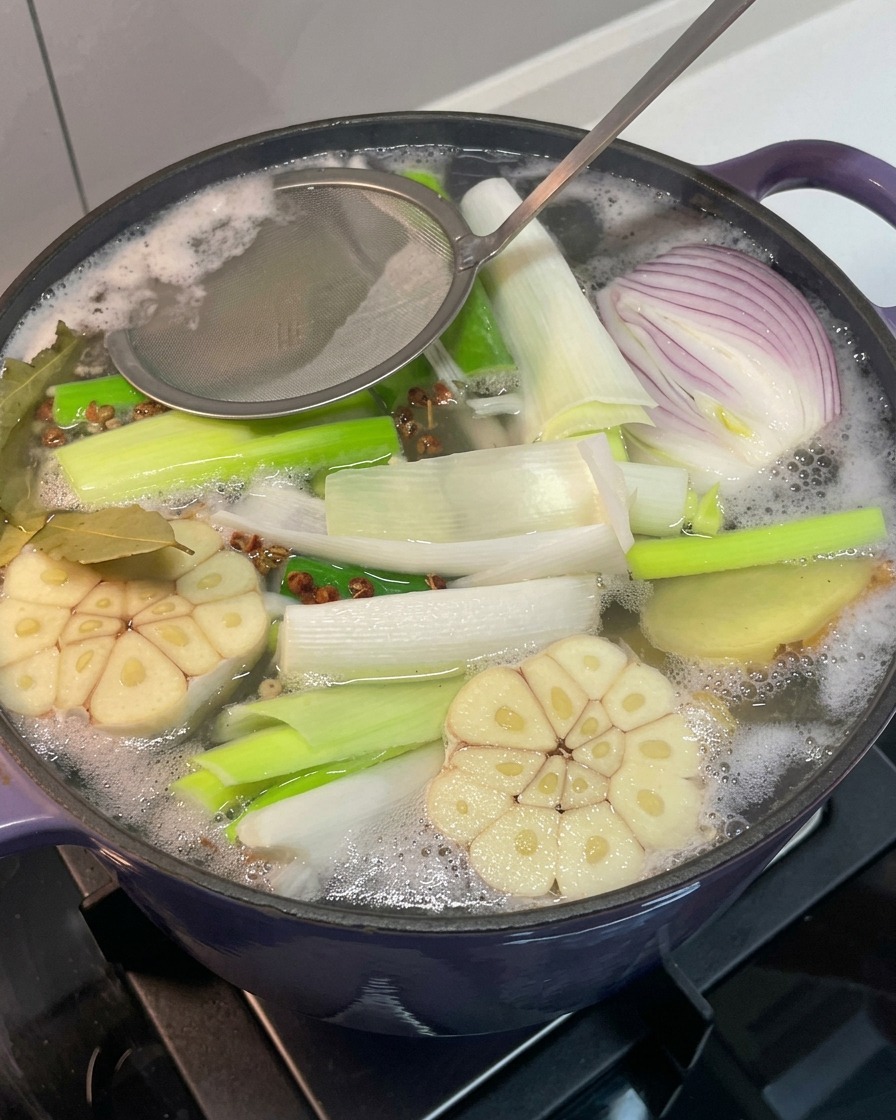
Bring the pot to a boil over high heat. Carefully skim off the foam that rises to the surface for five to six minutes. This step is crucial for achieving a clear and pure-tasting broth.
Tip: Continue skimming until the broth surface appears clear and no more foam is forming. - 5Remove aromatics
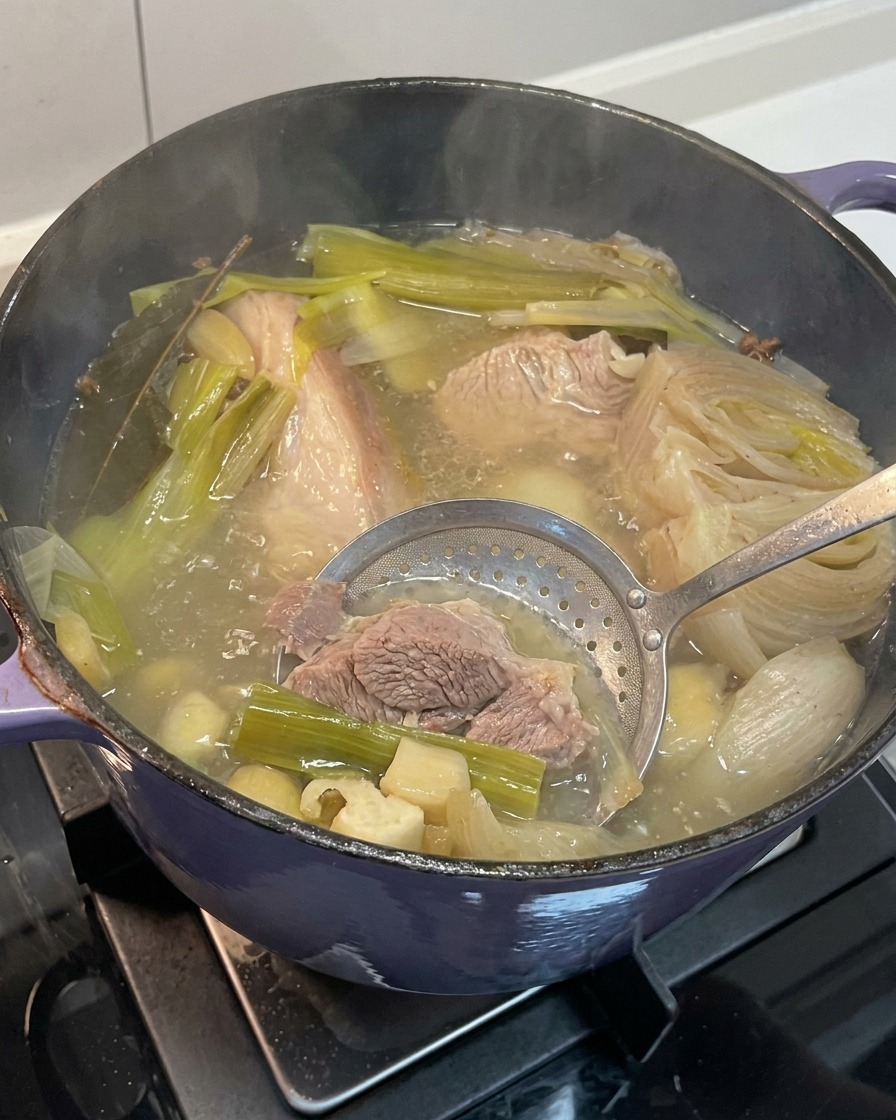
After simmering for two hours, the meat and bones should be tender. Use a strainer to remove the cooked aromatics such as the onion, garlic, ginger, and green onions from the broth.
Tip: Removing these at this stage prevents them from disintegrating into the broth and ensures a clean, smooth texture for your soup base. - 6Prepare the chives
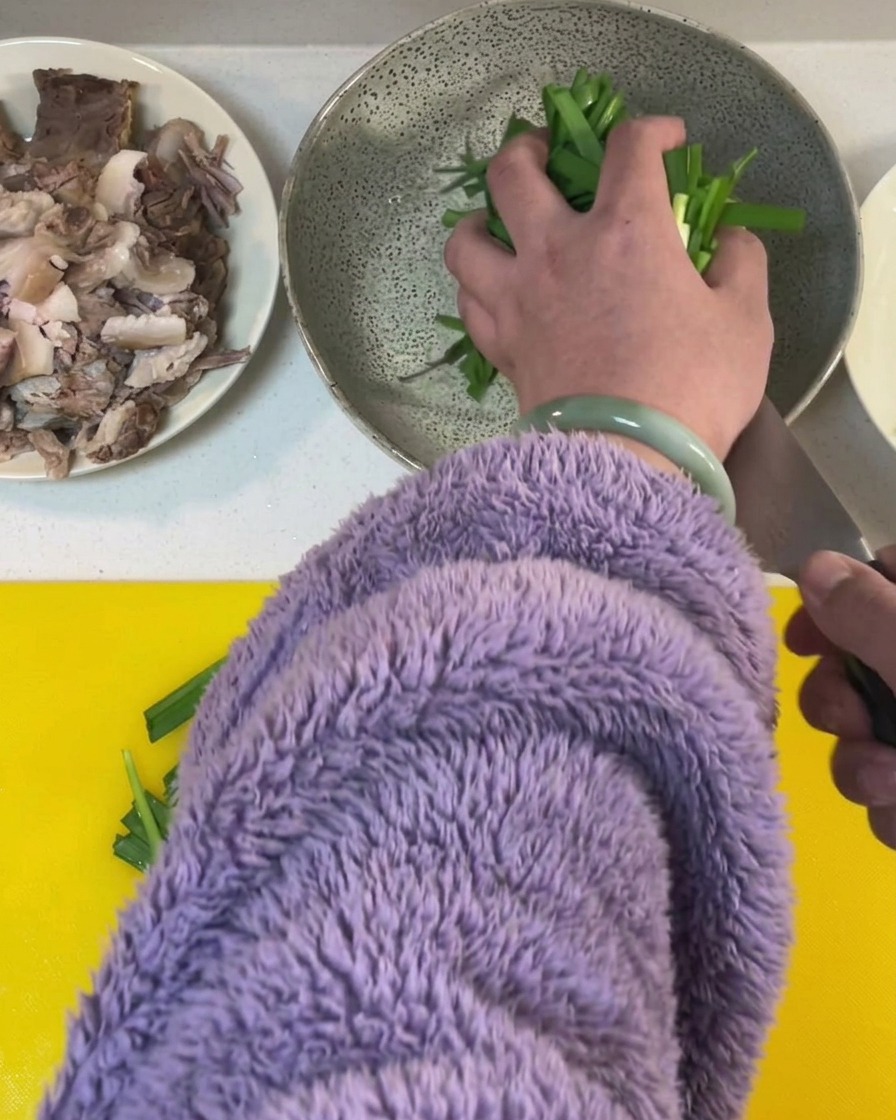
On a cutting board, carefully chop the fresh chives into even segments. These will be marinated later with garlic and seasonings to serve as a flavorful garnish for the final dish.
Tip: Keep your chive segments uniform in size to ensure they cook and marinate evenly. - 7Prepare the garlic
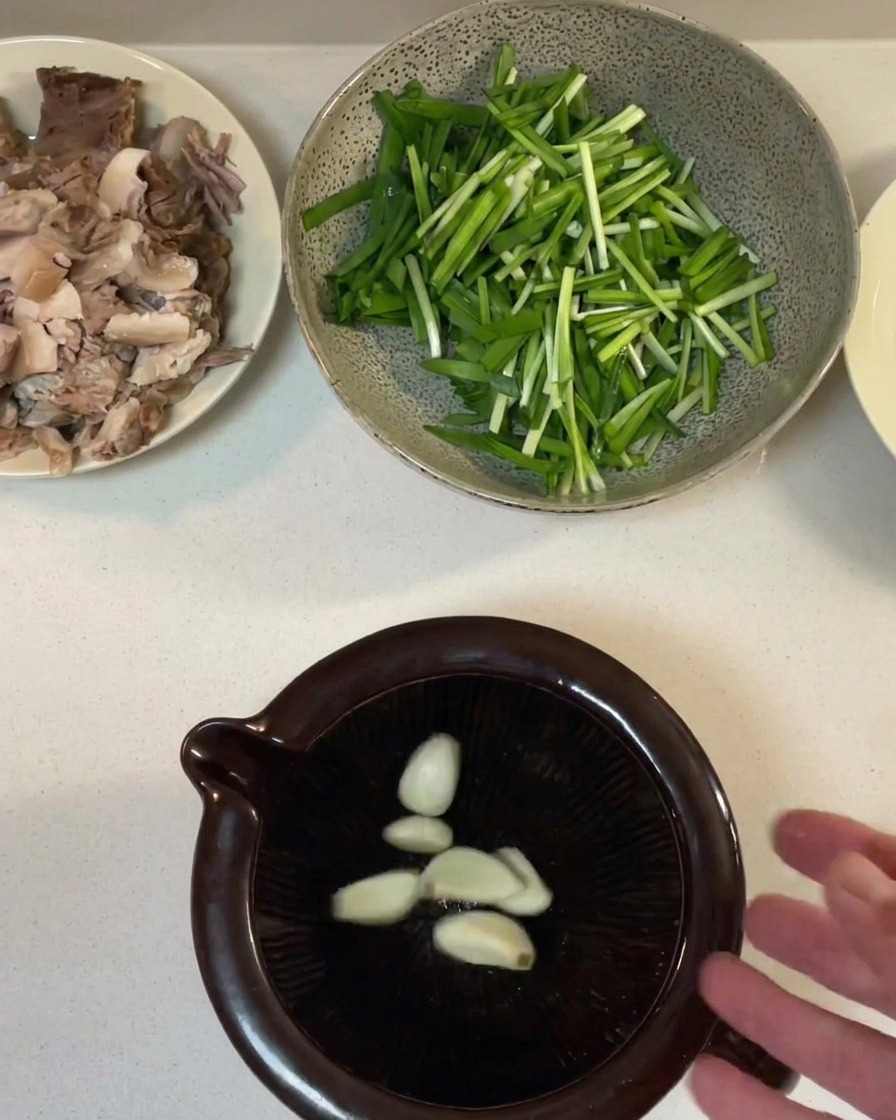
Place fresh garlic cloves into a mortar and use a pestle to crush them into a fine paste. This method releases the essential oils and flavor compounds of the garlic more effectively than chopping.
Tip: Add a pinch of salt to the mortar; it acts as an abrasive to help grind the garlic into a smooth paste faster. - 8Season the chives
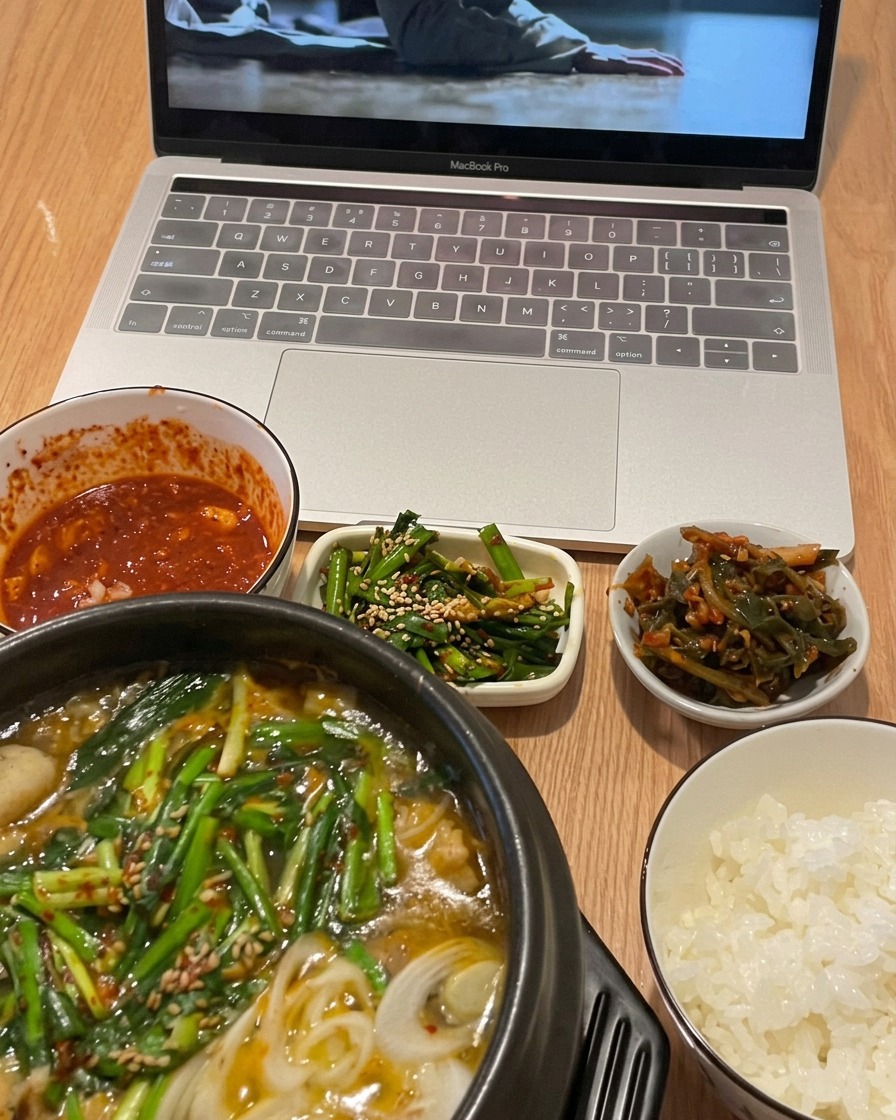
In a mixing bowl, combine the chopped chives with the prepared garlic paste. Add chili powder, fish sauce, light soy sauce, and a drizzle of sesame oil, then toss until the chives are evenly coated with the seasonings.
Tip: After mixing, let the chives marinate for about 20 minutes to allow the flavors to fully penetrate the greens. - 9Layer the bean sprouts
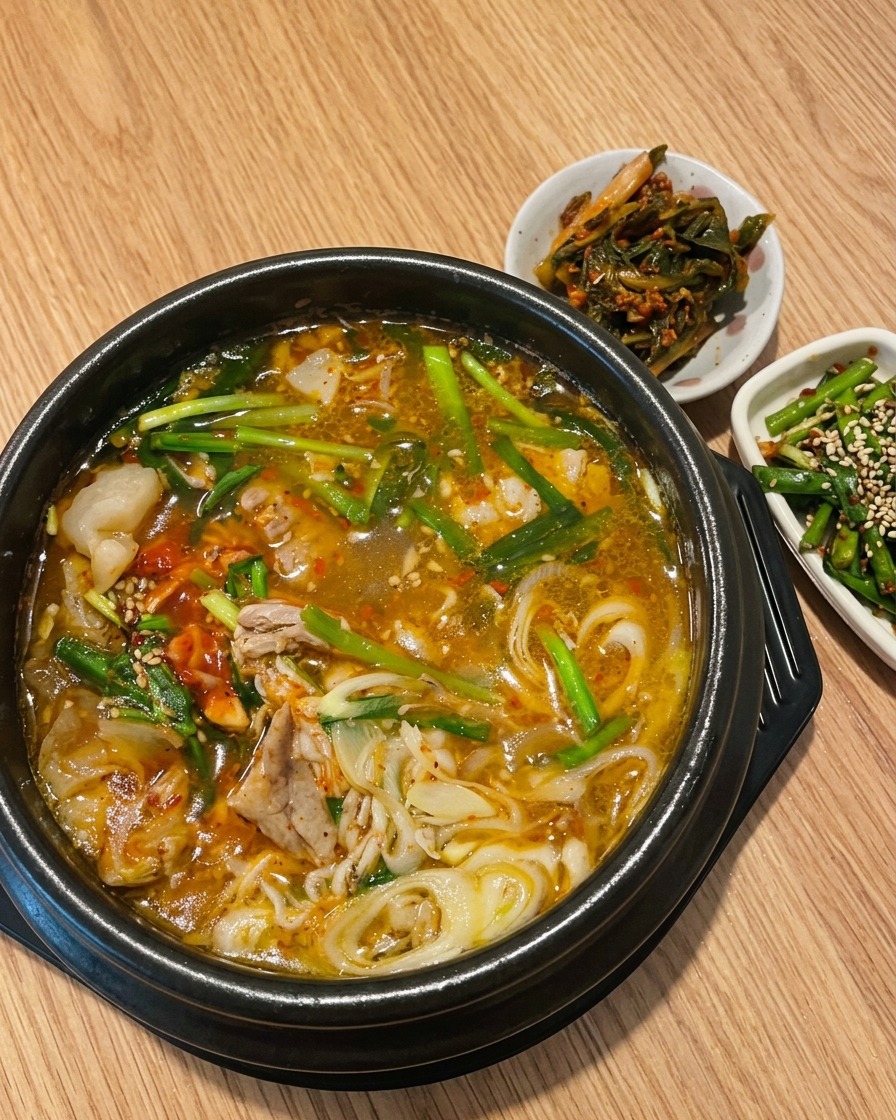
Arrange a layer of fresh, raw bean sprouts at the bottom of a hot stone pot. This serves as a crisp foundation for the soup and will cook gently in the residual heat.
Tip: Ensure the sprouts are washed and drained well before placing them in the pot to avoid diluting the flavor of the broth.