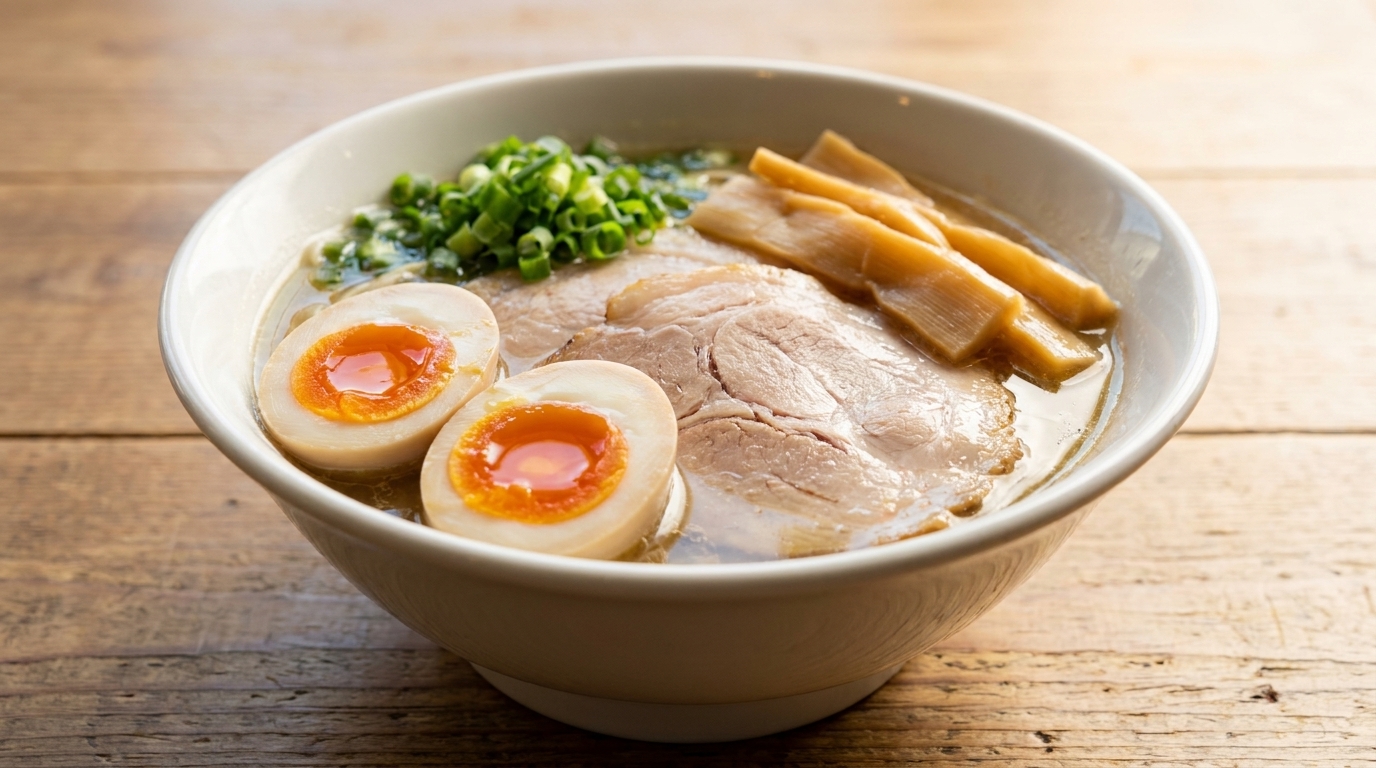
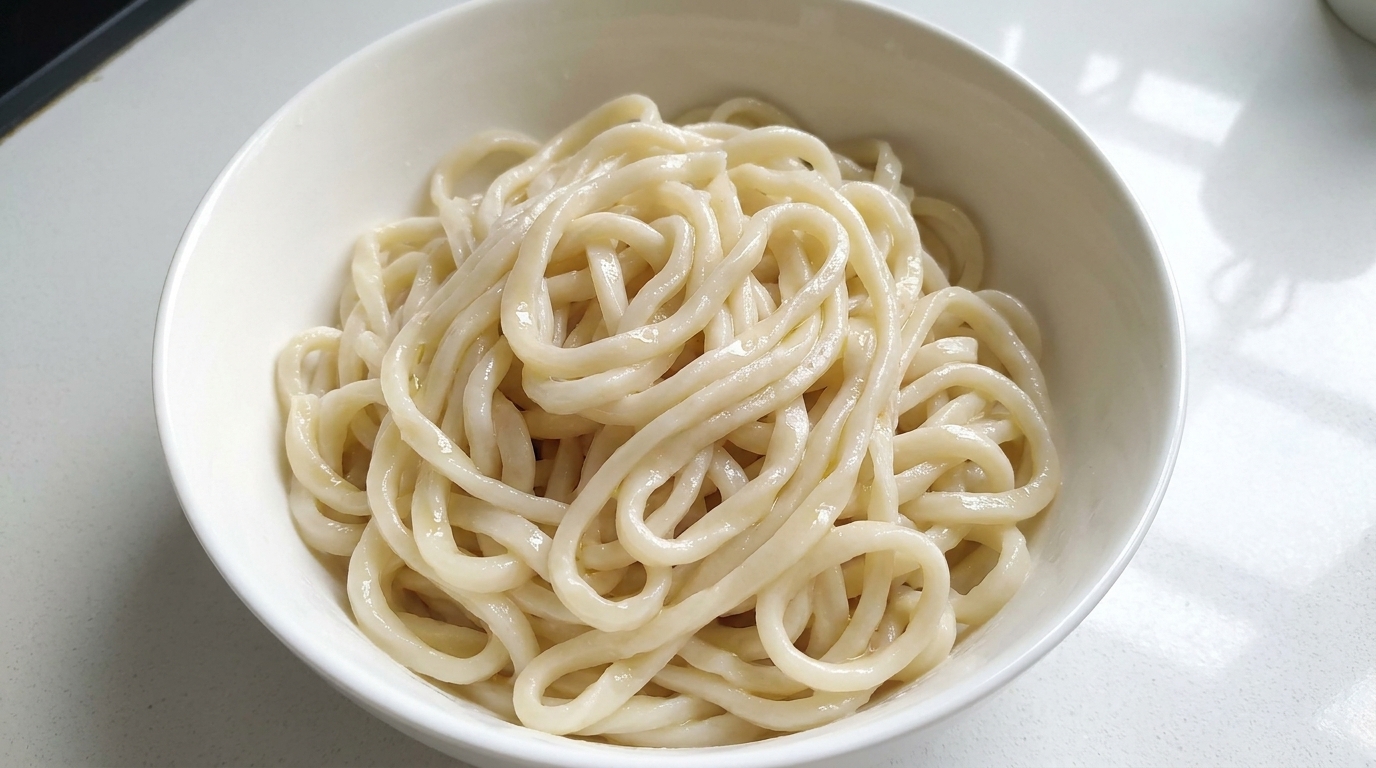
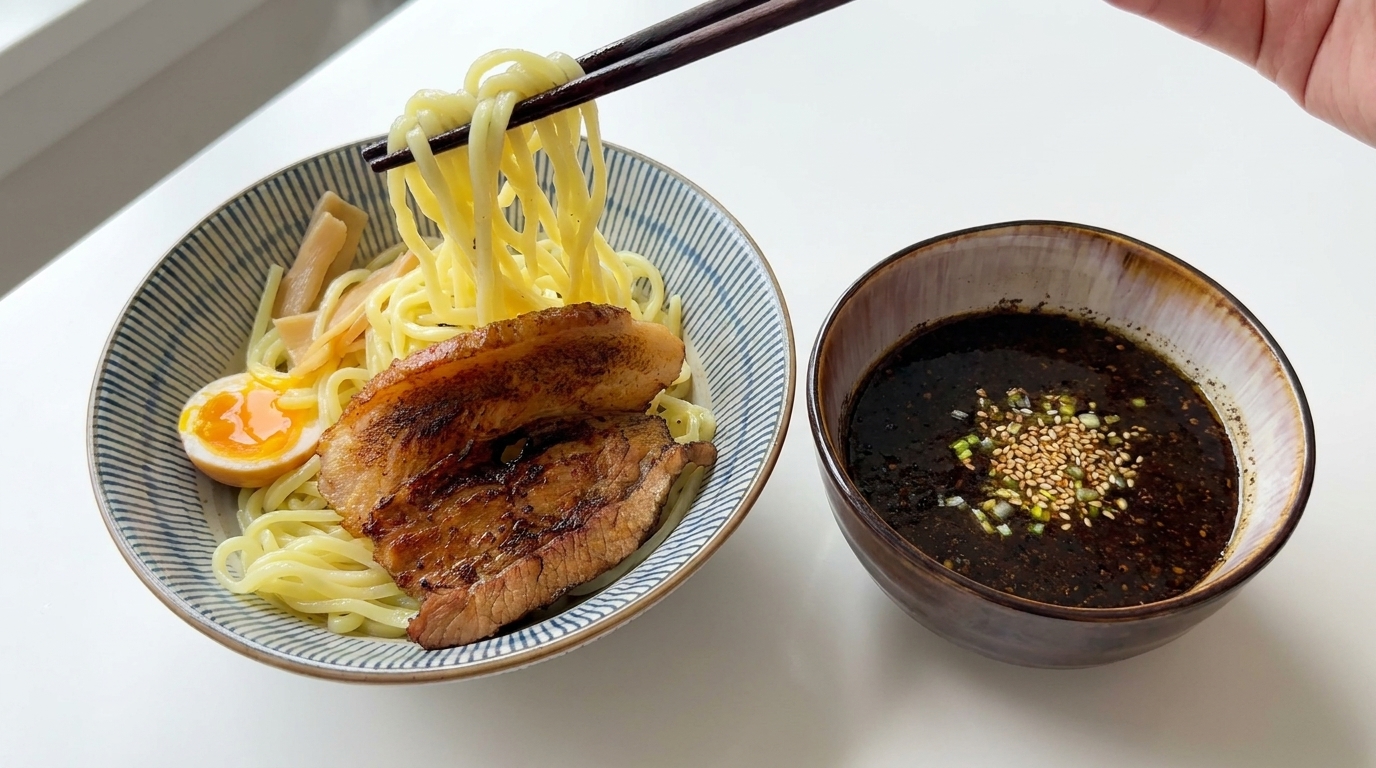
Classic Soy Sauce Soup Noodles
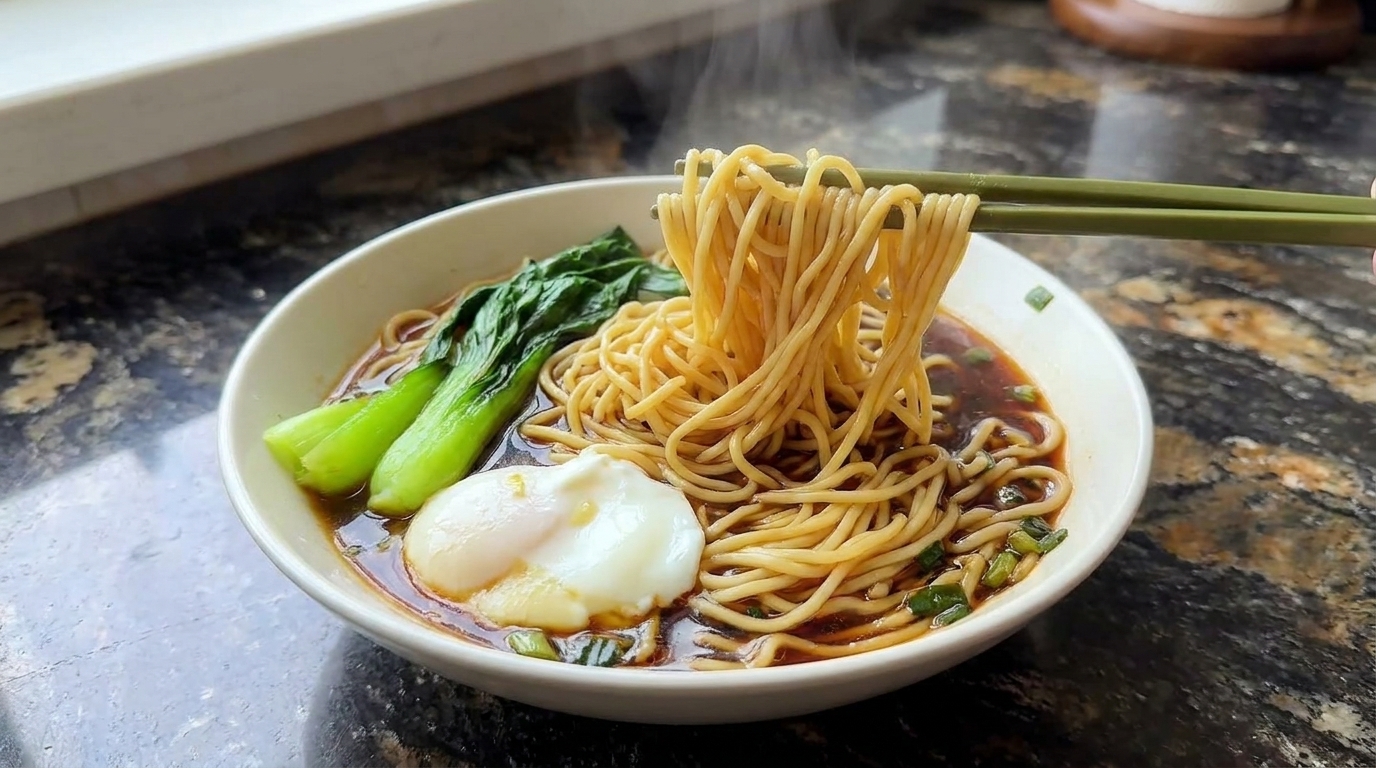
A comforting, budget-friendly late-night meal featuring perfectly poached eggs and bok choy in a rich, savory soy-based broth.
Cooking at home is a simple way to save money without sacrificing flavor. This classic soy sauce soup noodle dish is an ideal late-night meal that comes together quickly, balancing the savory depth of soy sauce with the freshness of blanched greens and a tender poached egg.
Ingredients
- 1 egg
- 1 bundle noodles
- 1 small bunch bok choy
- 1 tbsp light soy sauce
- 1 tsp dark soy sauce
- 1 tsp sesame oil
- 1 pinch dried shrimp
- 1 stalk scallion
- to taste salt
Instructions
- 1Crack the egg
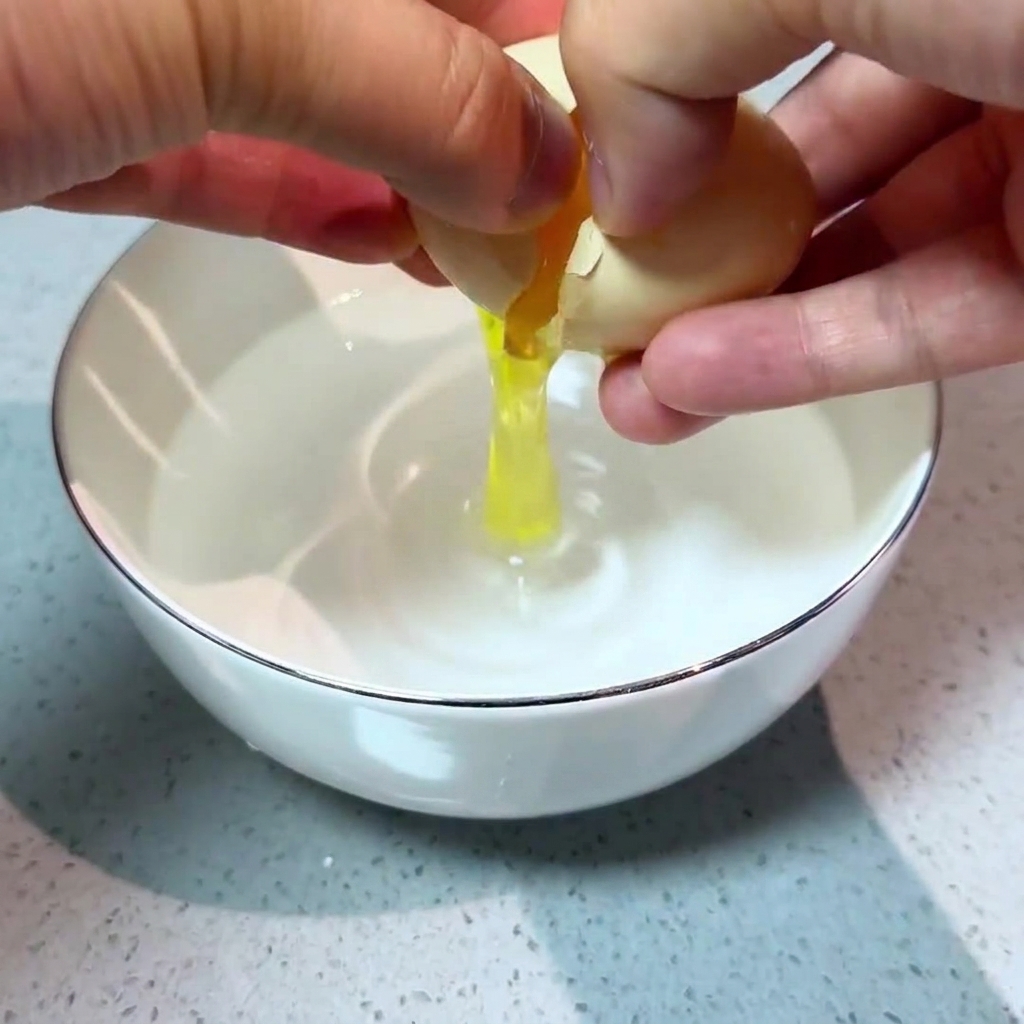
Begin by gently cracking a raw egg directly into a small bowl filled with clear, room-temperature water. This simple trick helps the egg hold its shape and prevents it from sticking or breaking apart when transferred to the pot later.
Tip: Cracking the egg into water instead of directly into the boiling pot acts as a cushion, ensuring a perfectly round poached egg. - 2Add egg to boiling water
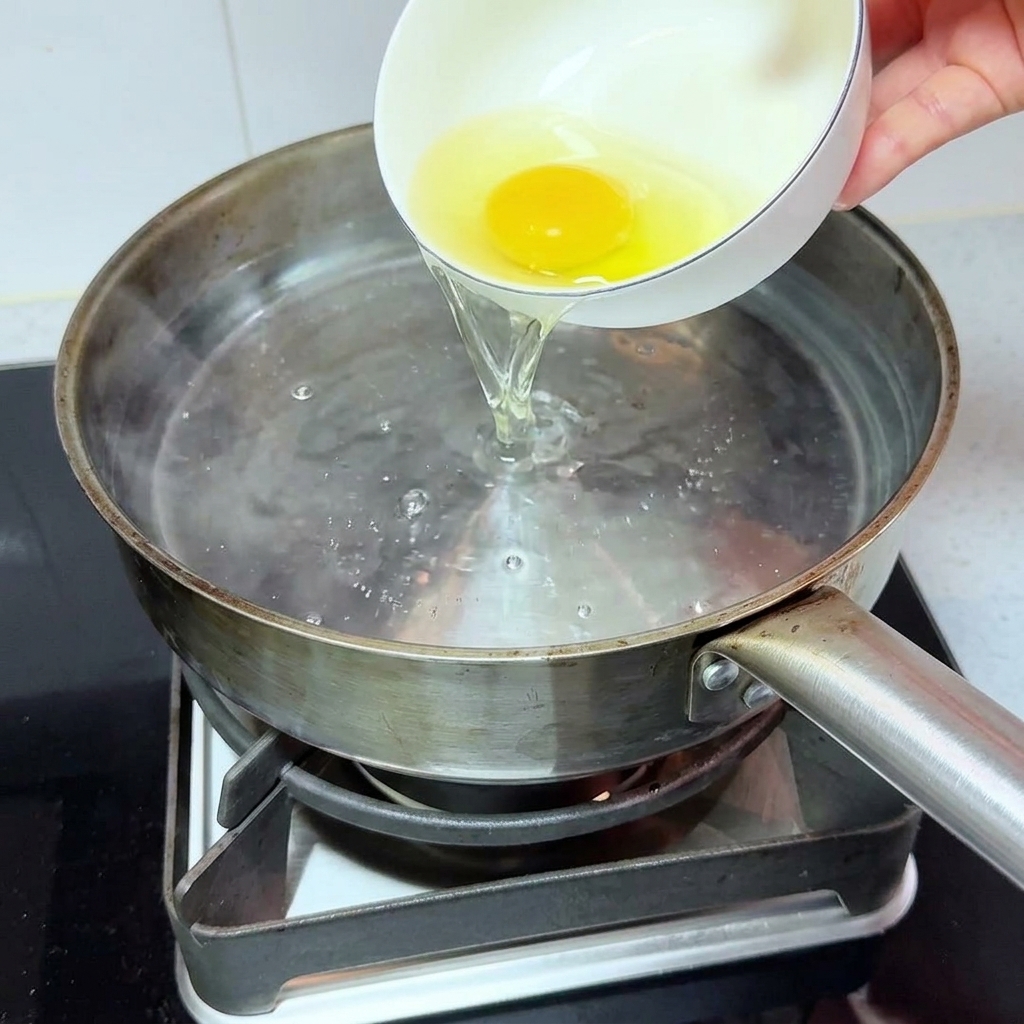
Bring a pot of clear water to a boil. Carefully pour the egg along with its cushioning water from the small bowl directly into the boiling pot. Immediately cover the pot with a lid and let it simmer undisturbed for three minutes.
Tip: Pouring the egg along with the small amount of water helps it slide in gently without the yolk breaking upon impact. - 3Remove the poached egg
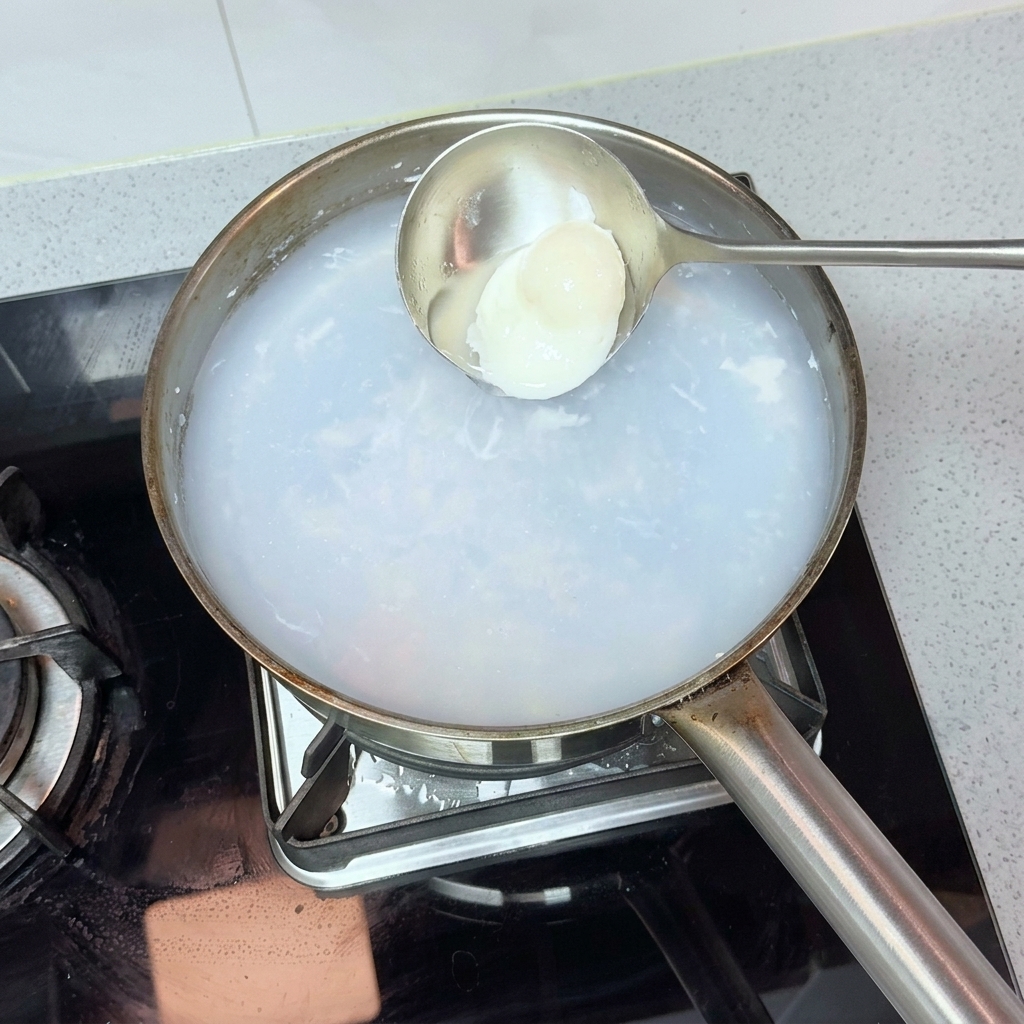
After the initial three minutes of simmering, remove the lid, turn the heat down to medium, and cook for another two minutes until the egg whites are fully set. Use a metal ladle to carefully scoop the poached egg out of the hot water and set it aside.
Tip: Cooking for an additional two minutes on medium heat ensures the egg white is completely firm, making it sturdy and less likely to break when transferred to your noodle bowl. - 4Prepare the bowl aromatics
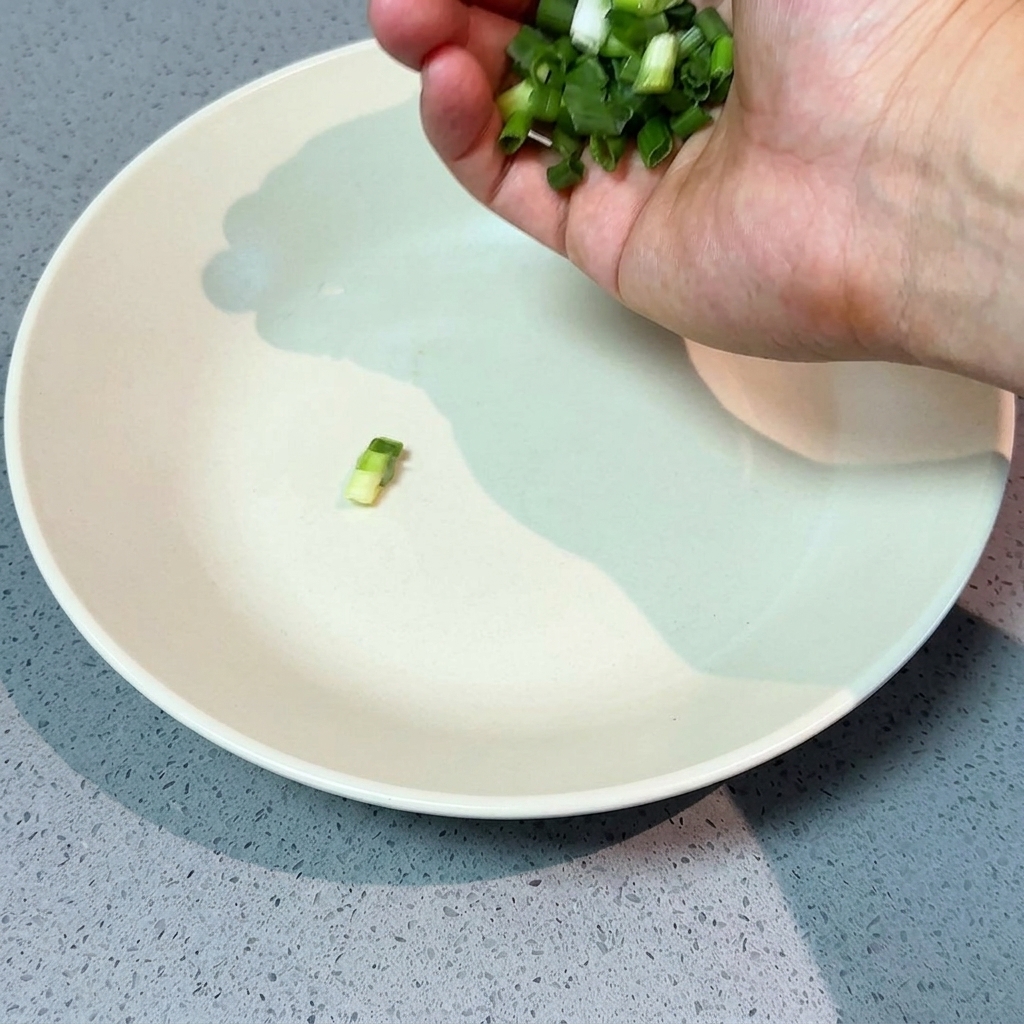
While you prepare to boil the noodles, start building the soup base directly in your serving bowl. Drop a handful of freshly chopped green onions and a pinch of dried shrimp into the bottom of a large, empty white bowl.
Tip: Placing the aromatics at the bottom of the bowl allows their flavors and aromas to be instantly released the moment hot water or broth is poured over them. - 5Add light soy sauce
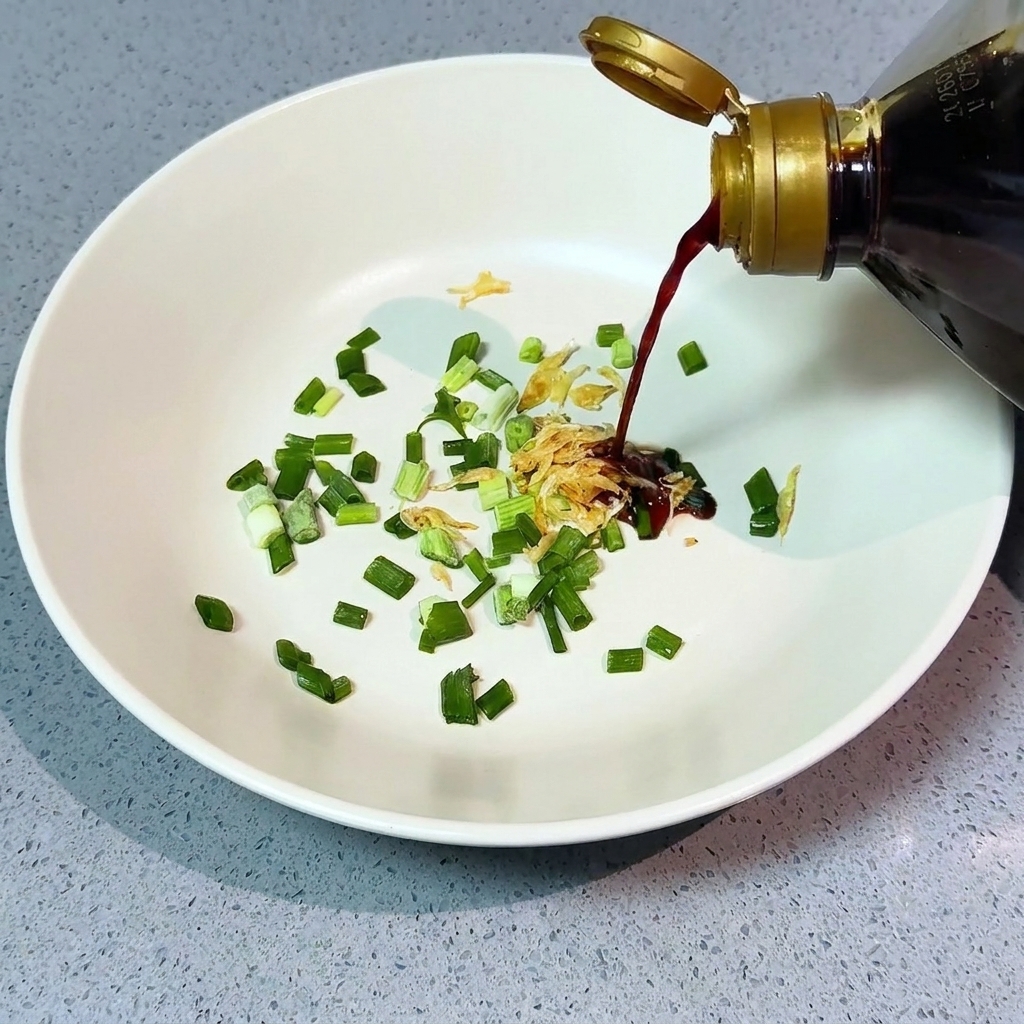
Pour a generous splash of light soy sauce directly over the chopped green onions and dried shrimp in your serving bowl. This will provide the primary salty, savory seasoning for your quick soup base.
Tip: Light soy sauce adds essential umami and saltiness without darkening the broth excessively, keeping the soups flavor balanced. - 6Add dark soy sauce
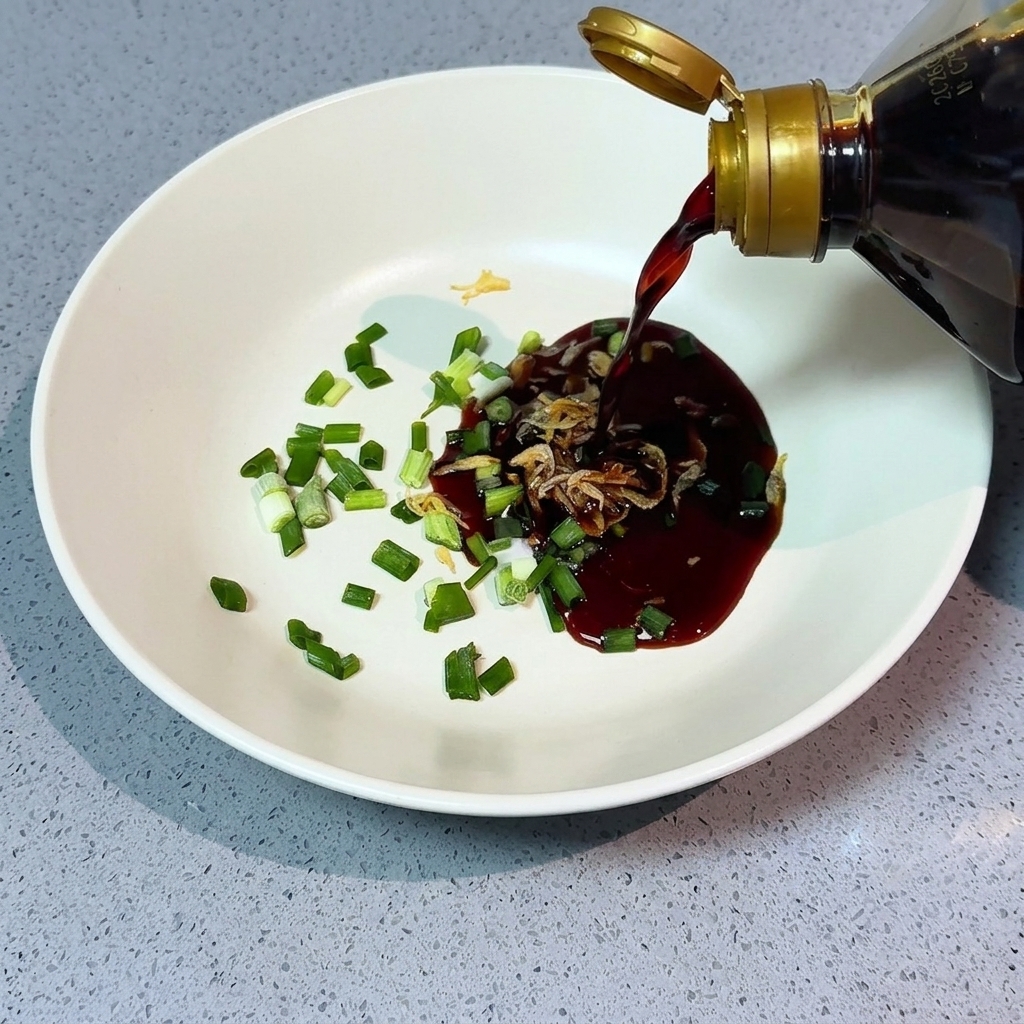
Follow up by pouring a small dash of dark soy sauce into the bowl with the other seasonings. The dark soy sauce is crucial for deepening the color of the broth and adding a subtle, caramelized sweetness to the late-night meal.
Tip: Use dark soy sauce sparingly—its main purpose in this soup base is to give the broth a rich, appetizing color rather than overpowering saltiness. - 7Season the bowl
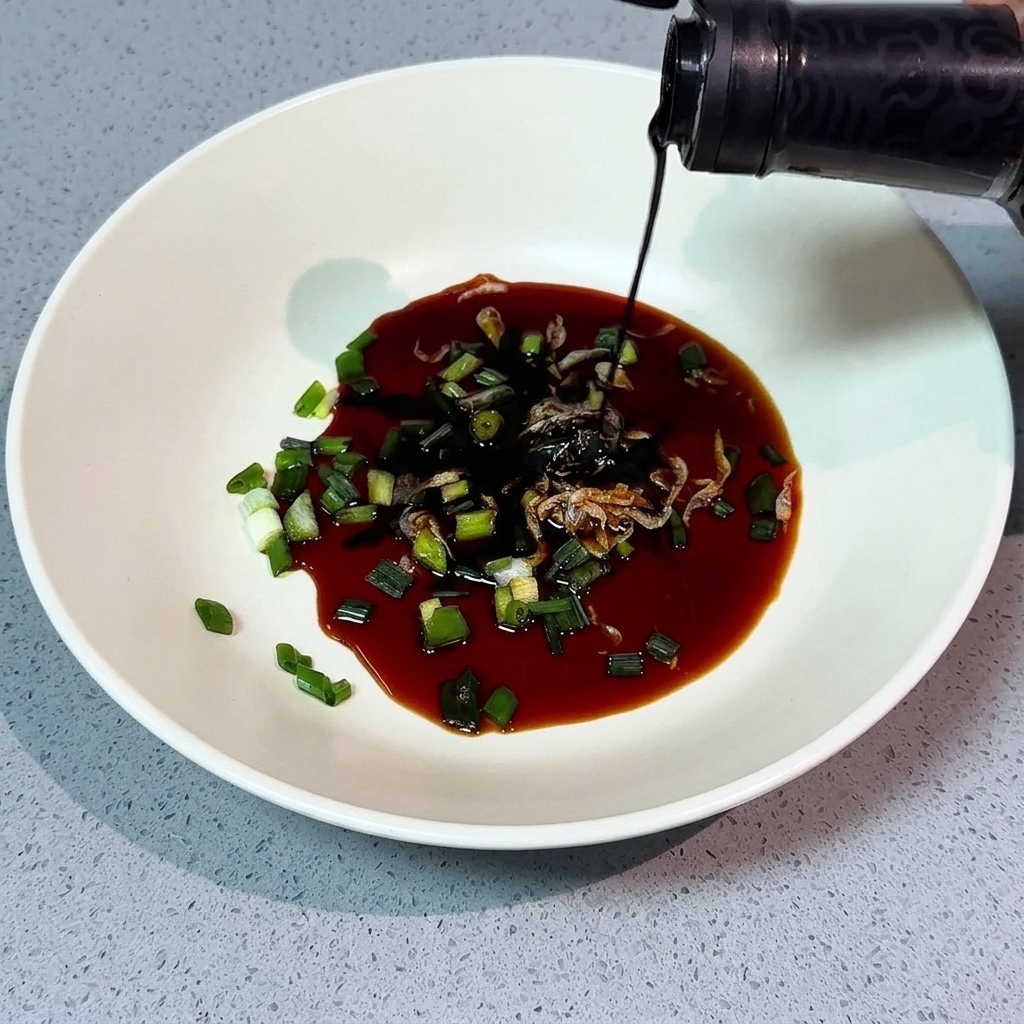
Add a small spoonful of salt to your prepared bowl to build the base flavor for the soy sauce noodle soup.
Tip: Adjust the amount of salt based on your personal taste preference. - 8Add sesame oil
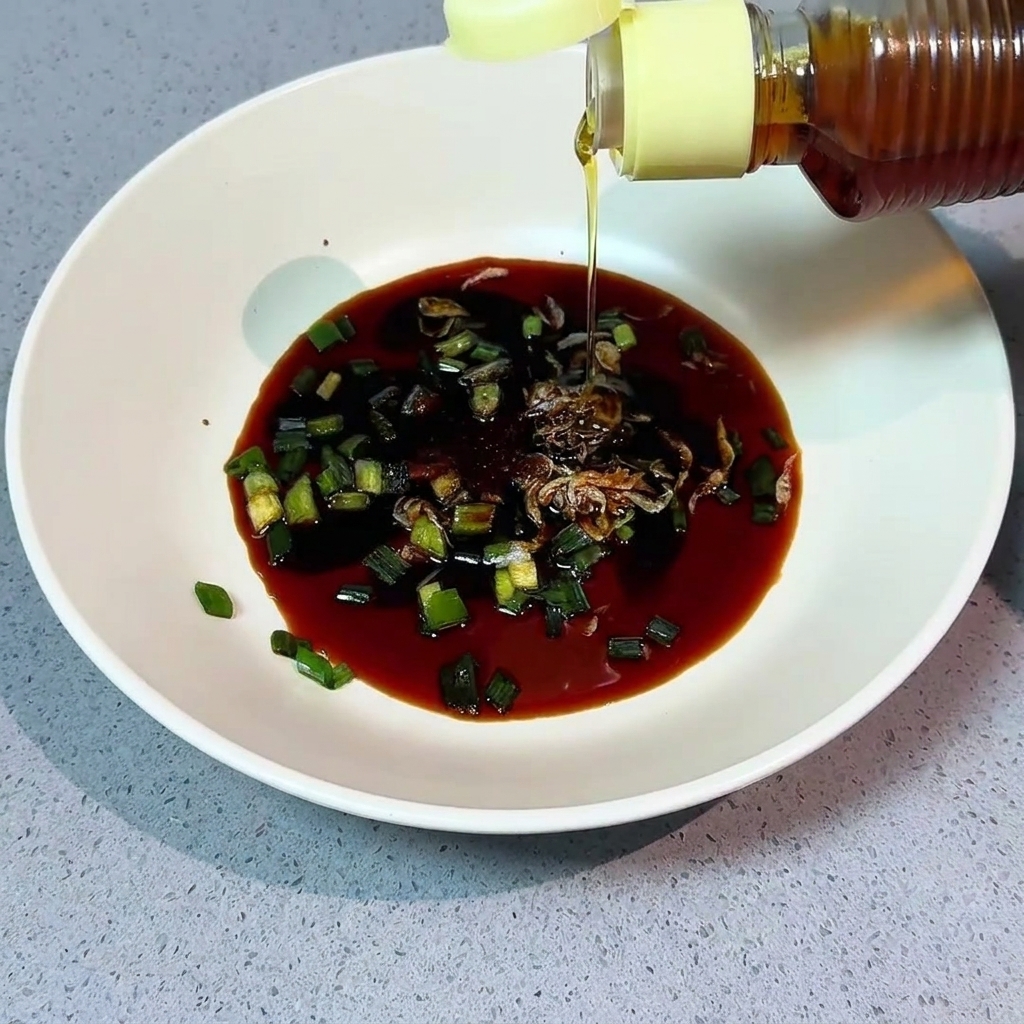
Drizzle a small amount of sesame oil into the bowl to enhance the fragrance of the soup base.
Tip: A little goes a long way, so add it sparingly for the best aroma. - 9Create the soup base
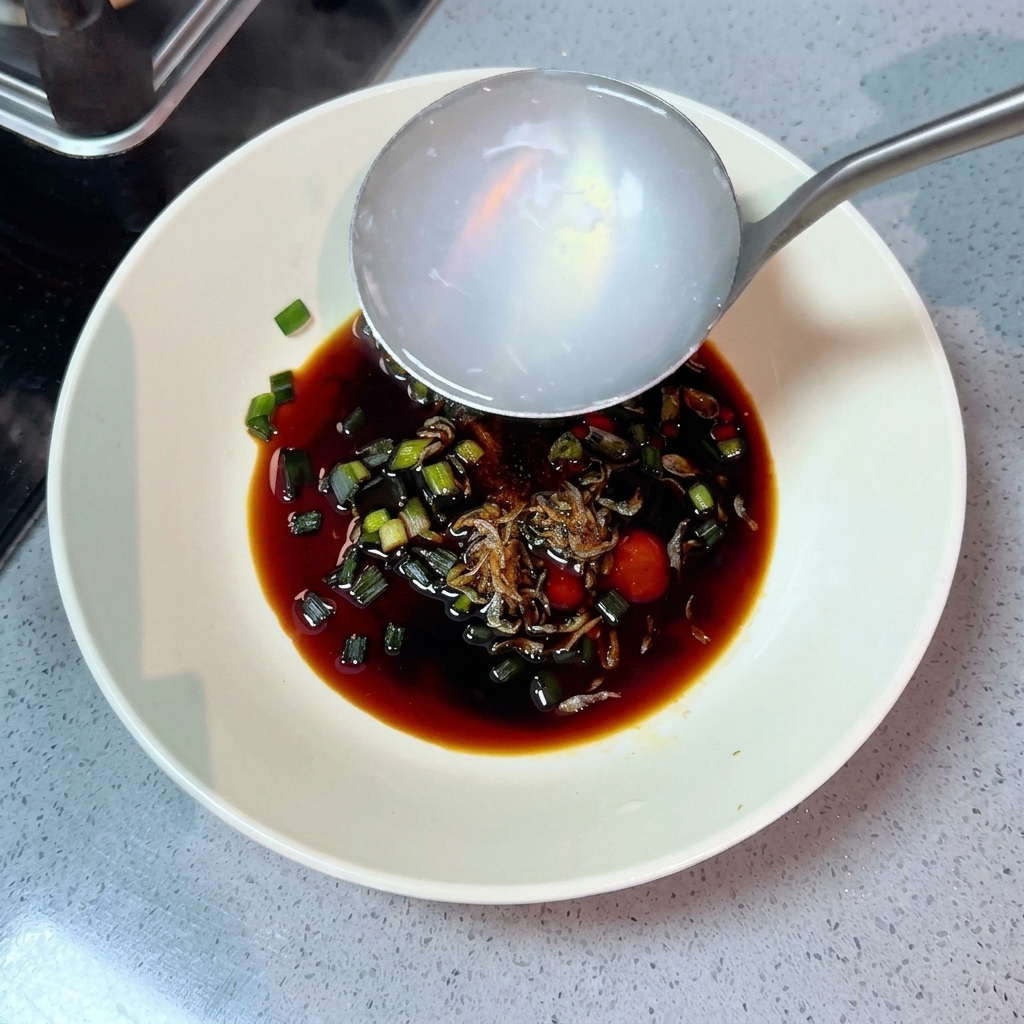
Carefully pour a ladle of boiling water from the pot into the seasoning bowl to create a fragrant and hot soup base.
Tip: Pouring the hot water directly onto the seasonings helps release their aromas effectively. - 10Cook the noodles
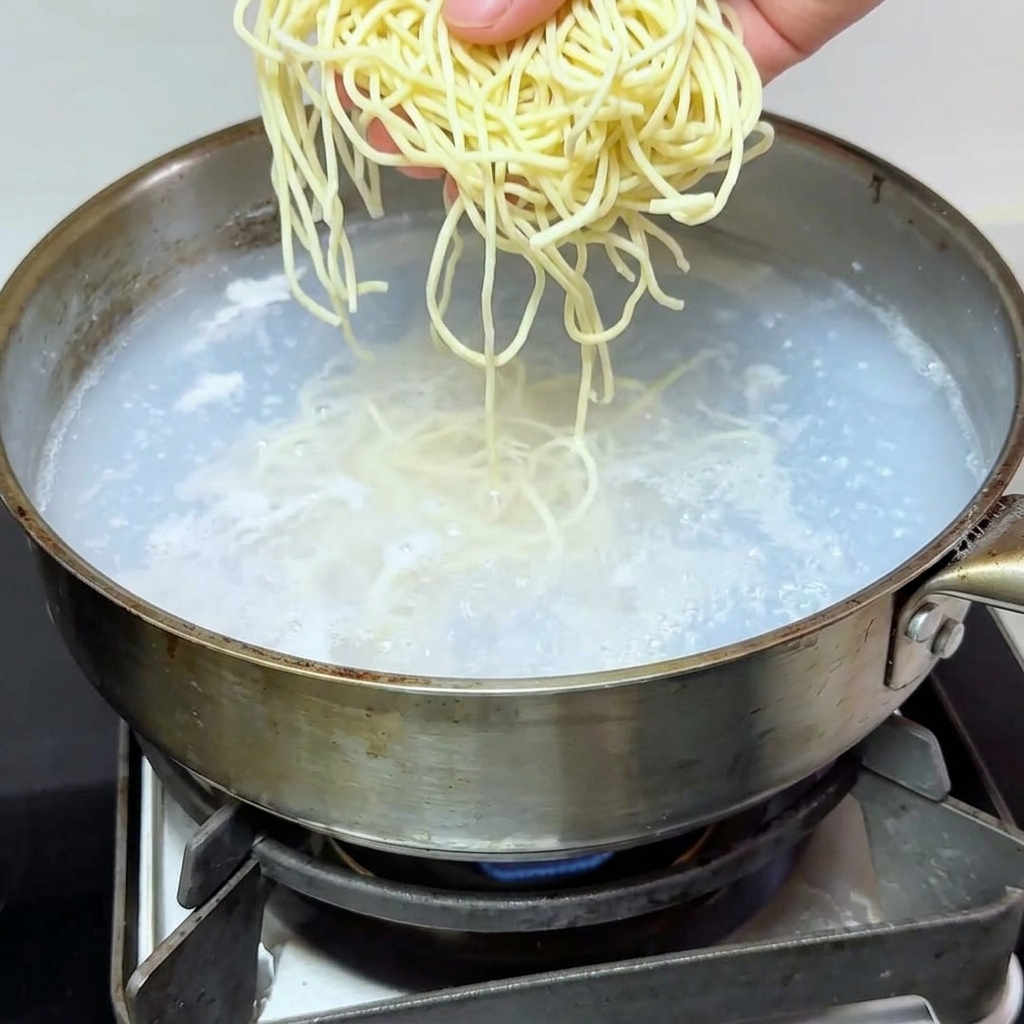
Gently place the noodles into the pot of boiling water. Ensure they are fully submerged to cook evenly.
Tip: Keep the water at a steady boil to ensure the noodles reach the desired texture. - 11Assemble the noodles
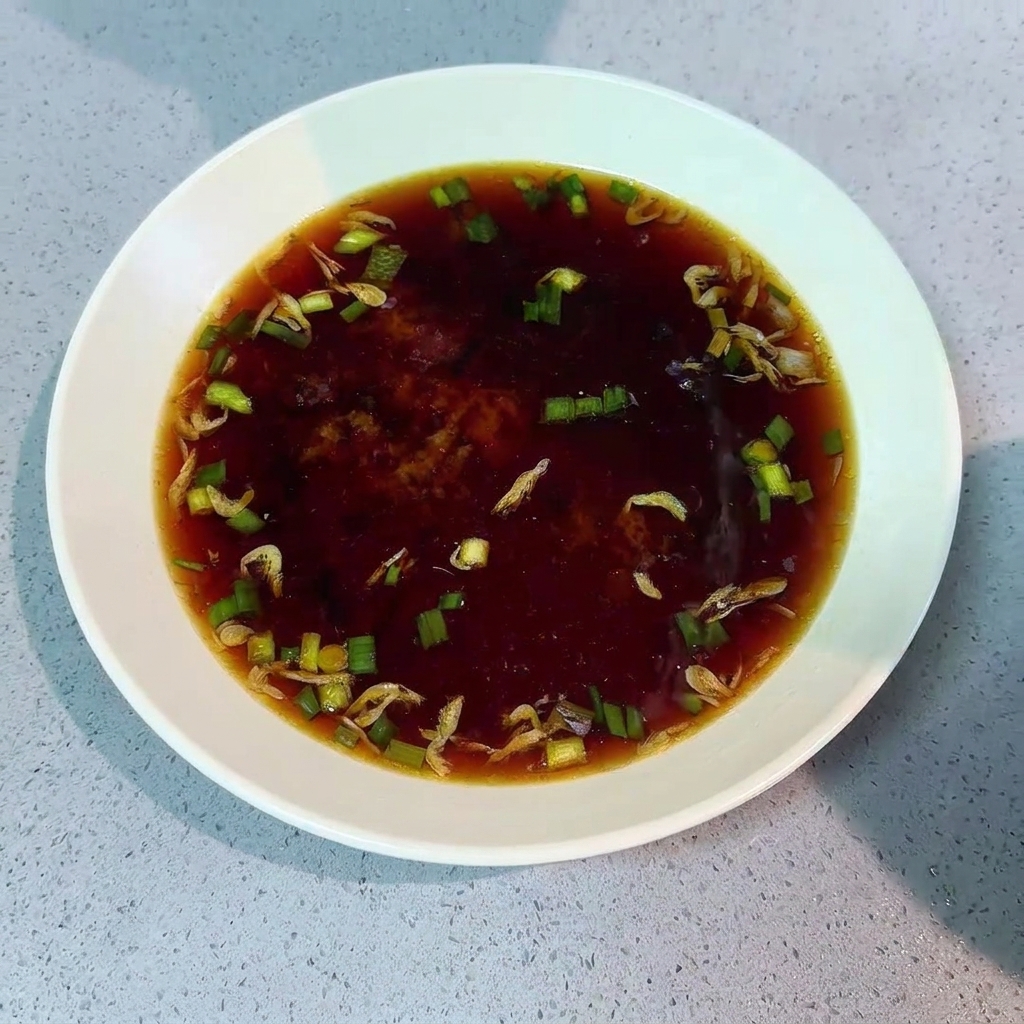
Once cooked, scoop the noodles out of the pot and transfer them directly into the prepared bowl of soup base.
Tip: Ensure the noodles are well-coated with the soup base after transferring. - 12Cook the bok choy
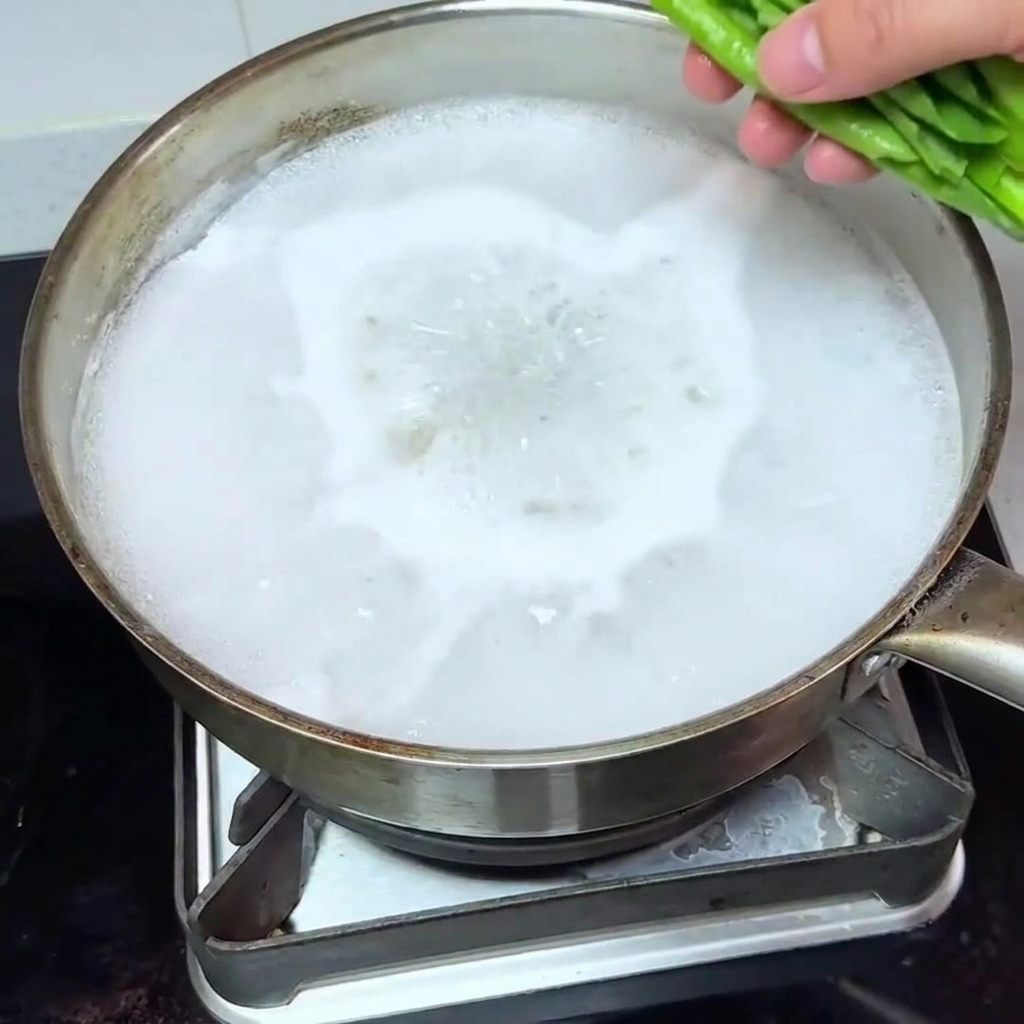
Add fresh bok choy into the boiling water with the noodles. Cook until tender but still crisp.
Tip: Do not overcook the greens; they should remain bright green and slightly crunchy.