Authentic American Burger Buns
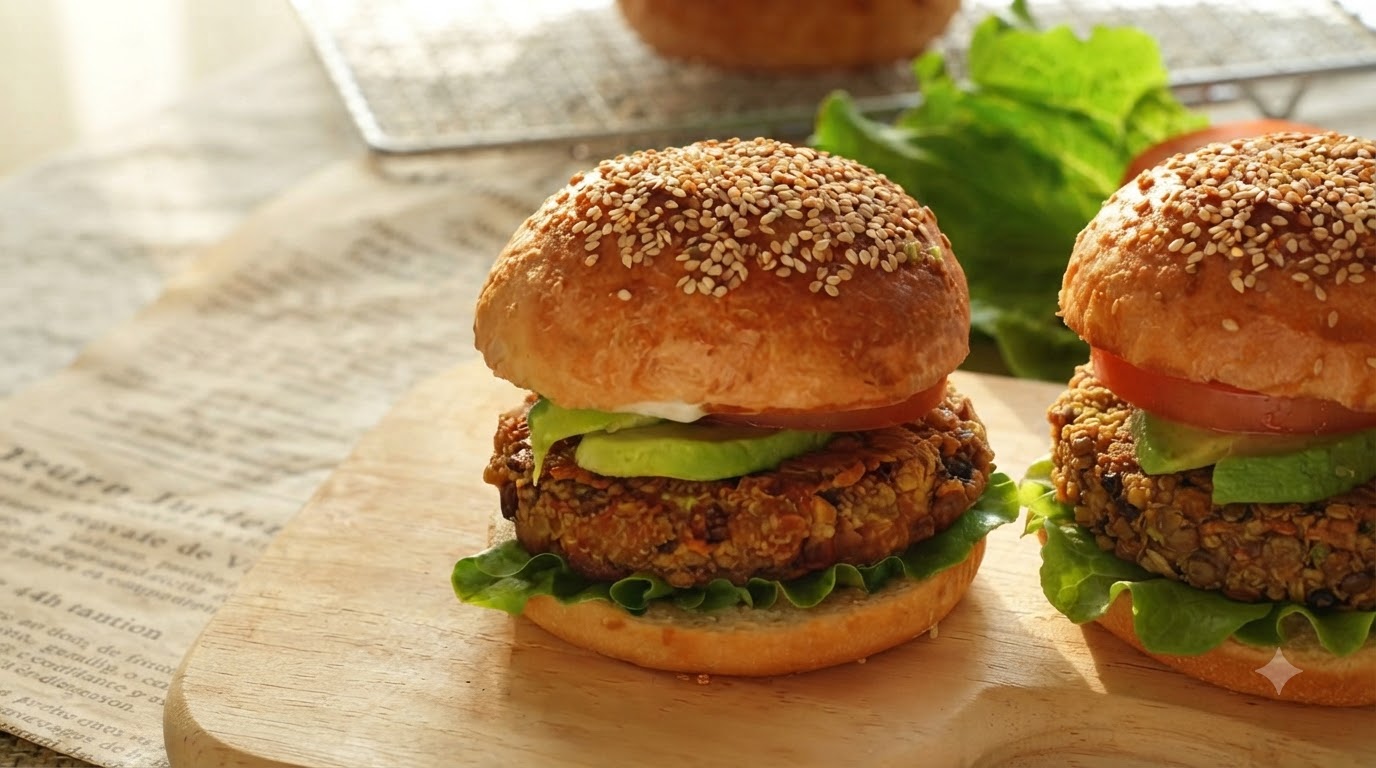
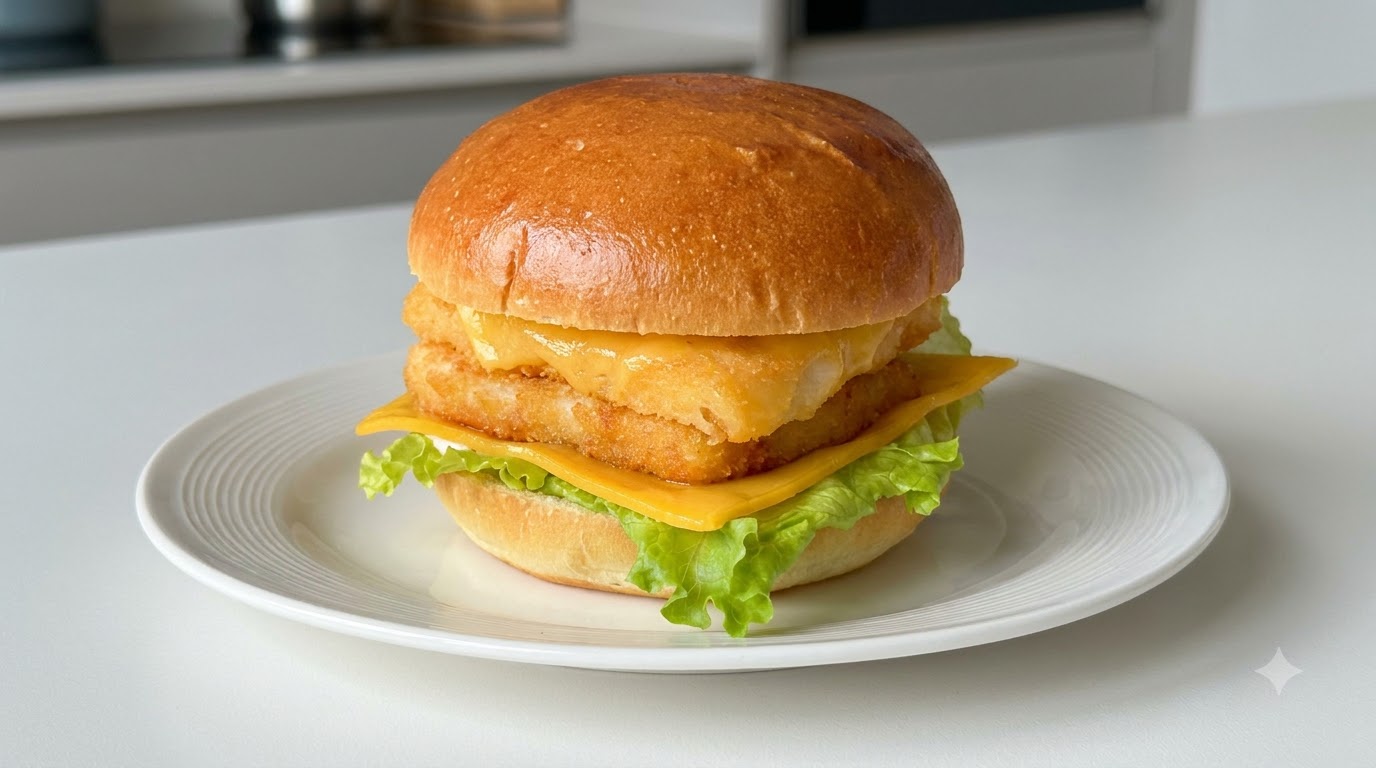
Create authentic American burger buns at home with a natural leather-like glossy crust, soft elastic crumb, and plenty of support for your favorite fillings.
These homemade American burger buns feature a cold-soaked dough method that shortens kneading time and improves temperature control. With a delicate inner texture and a rich, golden egg wash finish, they hold up to juicy fillings without getting soggy.
Ingredients
- 500 g bread flour
- 6 g instant yeast
- 30 g sugar
- 6 g salt
- 40 g softened butter
- 280 ml water
- 1 whole egg
- 30 g water for egg wash
- 3 g sugar for egg wash
- to taste crispy fish fillets
- to taste cheddar cheese
- to taste lettuce
Instructions
- 1Dissolve the Yeast Completely
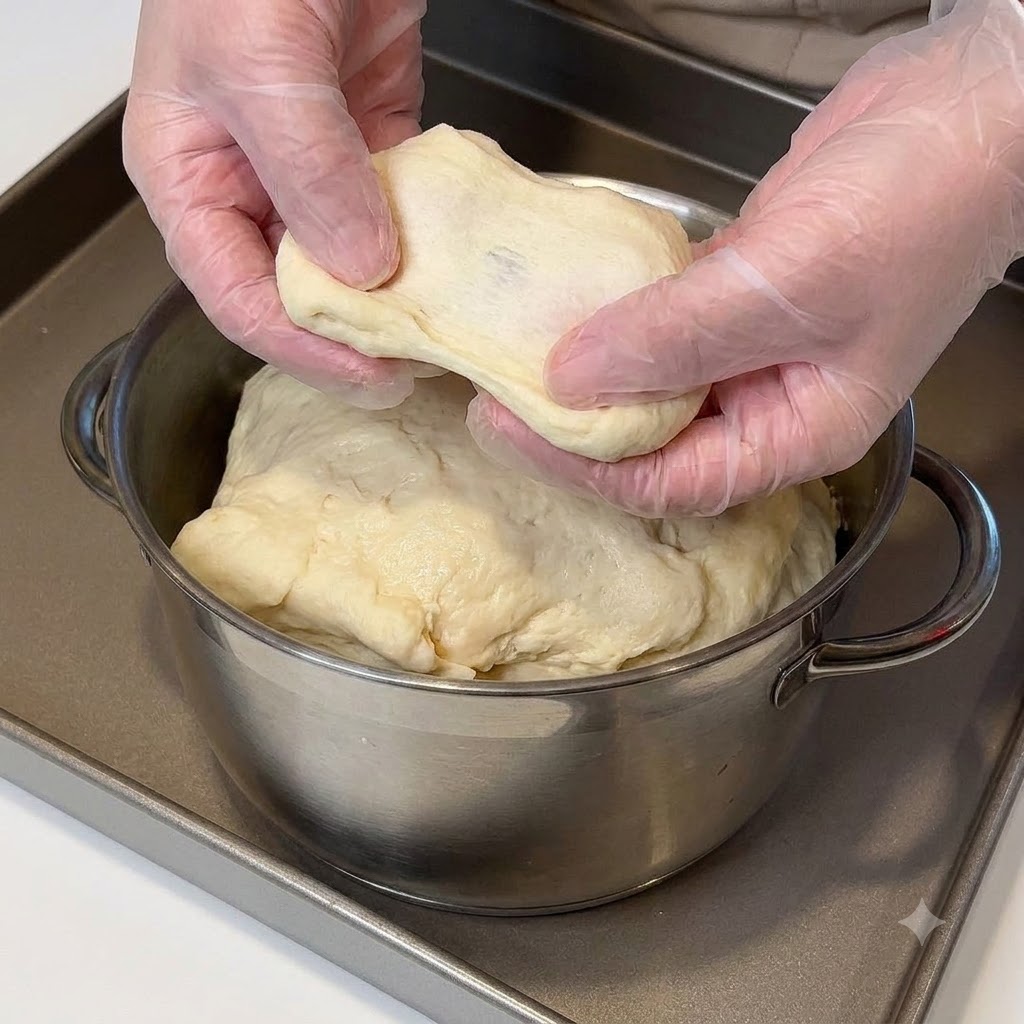
Take a small amount of lukewarm water to dissolve the yeast completely before combining it with the rest of the ingredients.
Tip: Ensure the water is lukewarm and not hot, as hot water can kill the yeast. - 2Mix the Dough
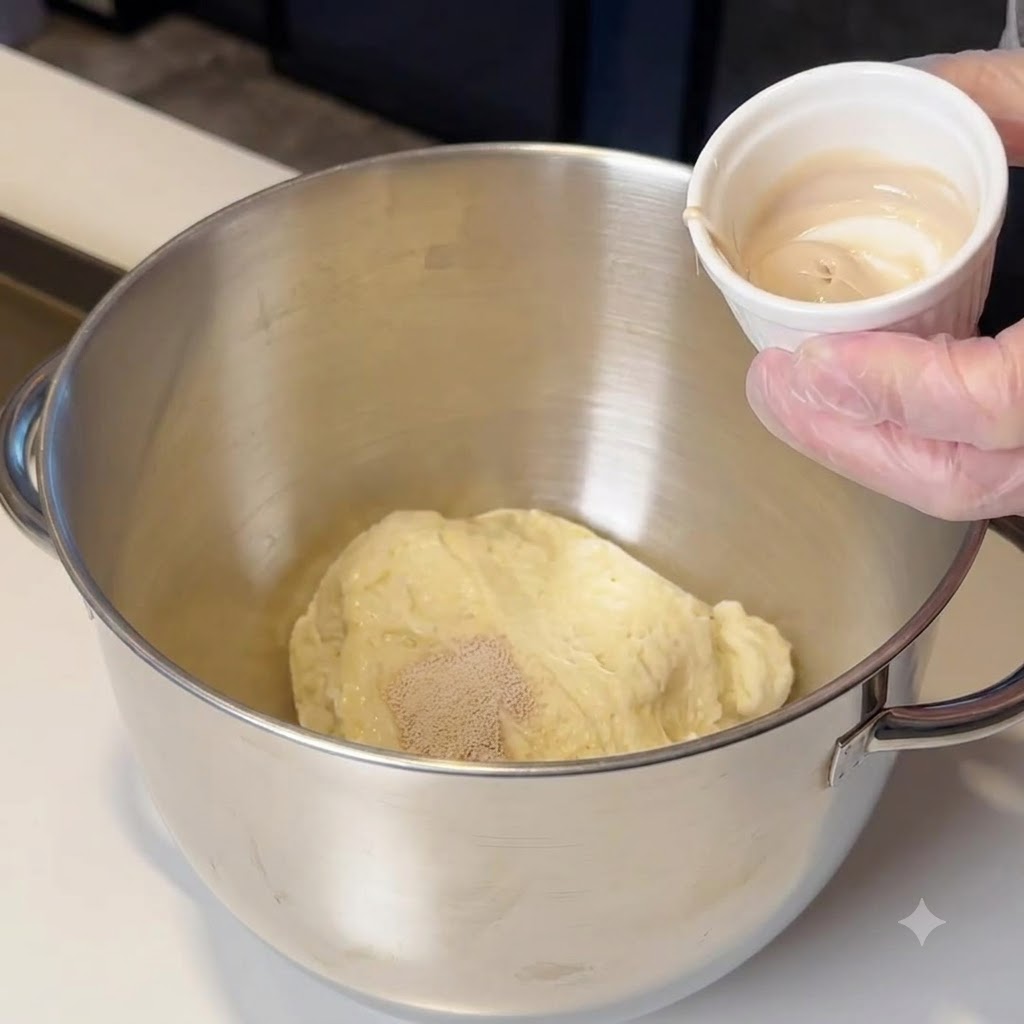
Combine the cold-soaked dough with the dissolved yeast mixture and additional water in a stand mixer bucket. Mix on low speed first until incorporated, then increase to medium-high speed.
Tip: Cold-soaking helps control dough temperature and shortens kneading time. - 3Mix and Develop a Thick Film
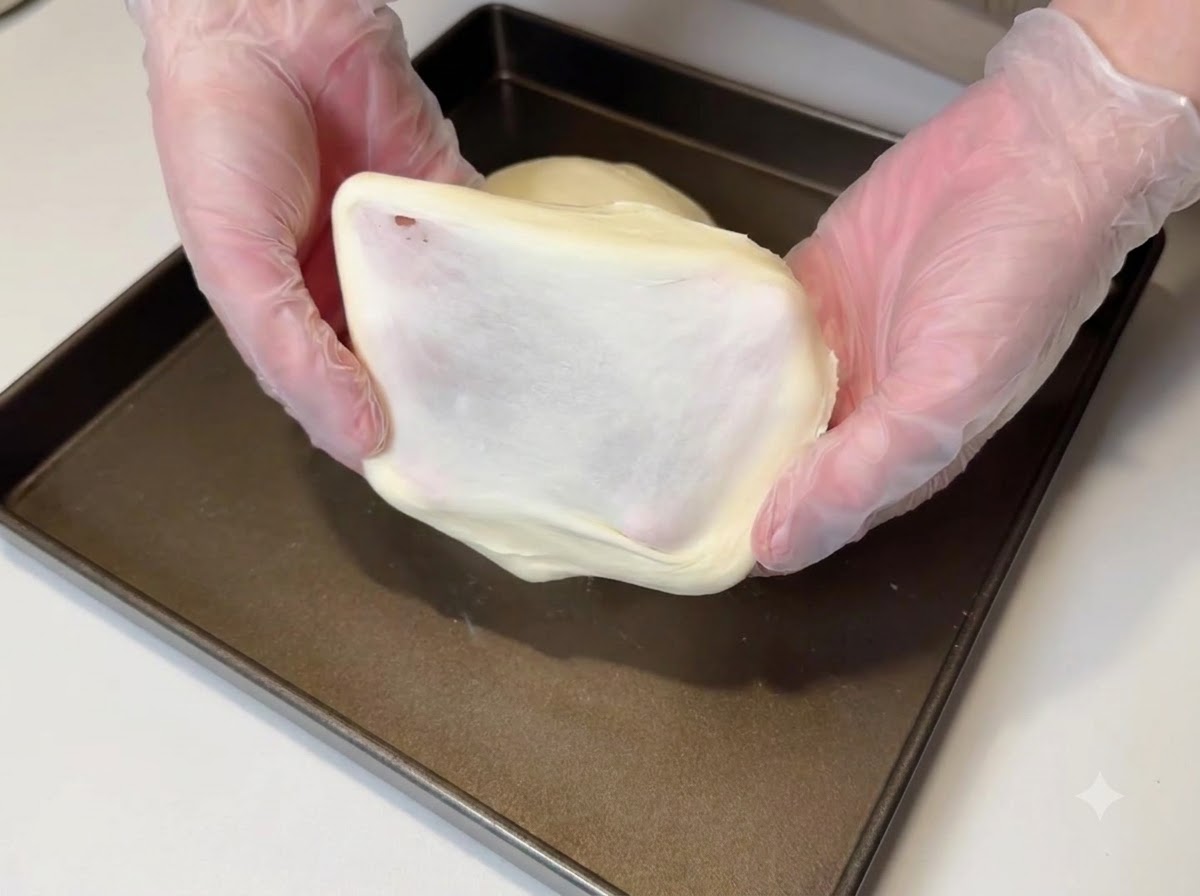
Combine the cold-soaked dough with the dissolved yeast mixture and additional water in a stand mixer bucket. Mix on low speed first until incorporated, then increase to medium-high speed until you can pull the dough into a thick film.
Tip: Check the elasticity carefully by gently stretching a piece of the dough. - 4Incorporate Butter and Salt
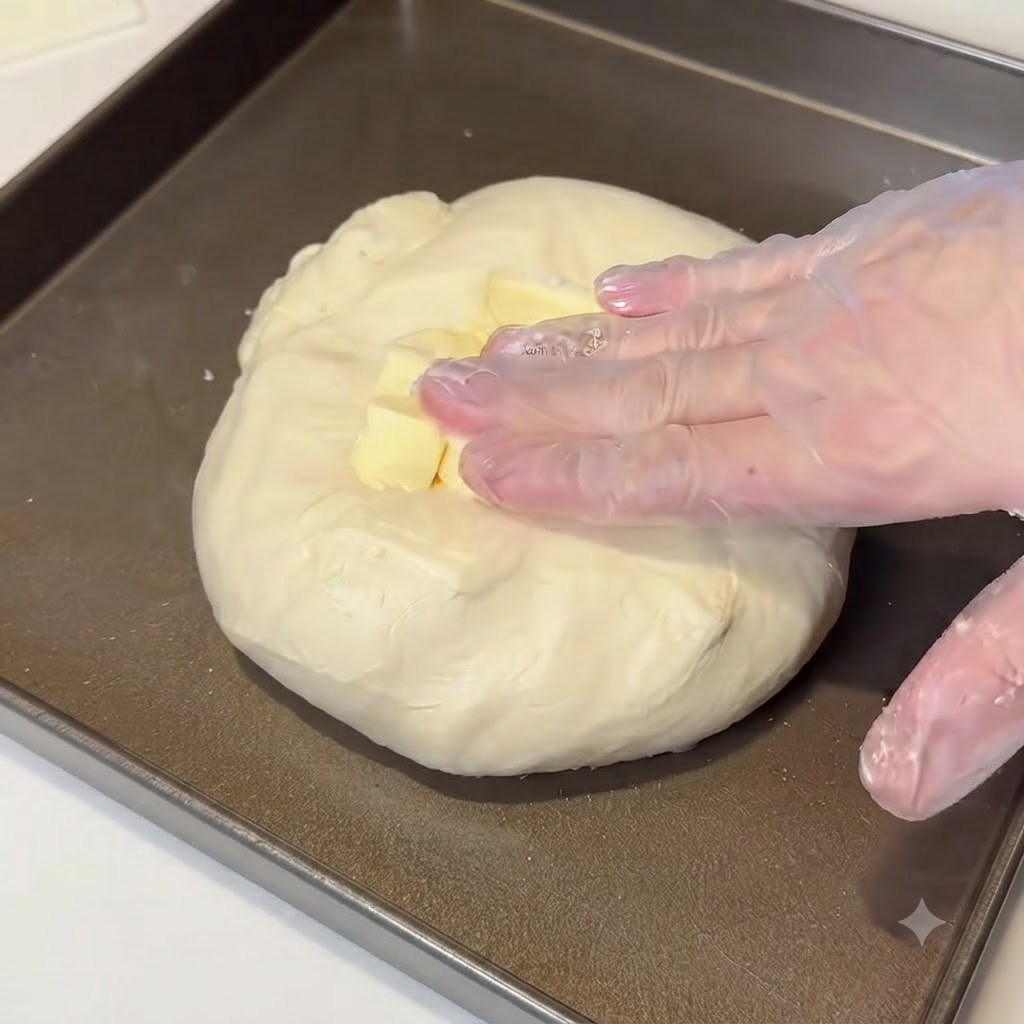
Add softened butter and salt to the dough. Mix on low speed until the butter is fully incorporated into the dough, then switch to high speed to beat until a thin, translucent windowpane film forms.
Tip: Add the butter only after the initial gluten structure has formed for a better texture. - 5Divide, Round, and Relax
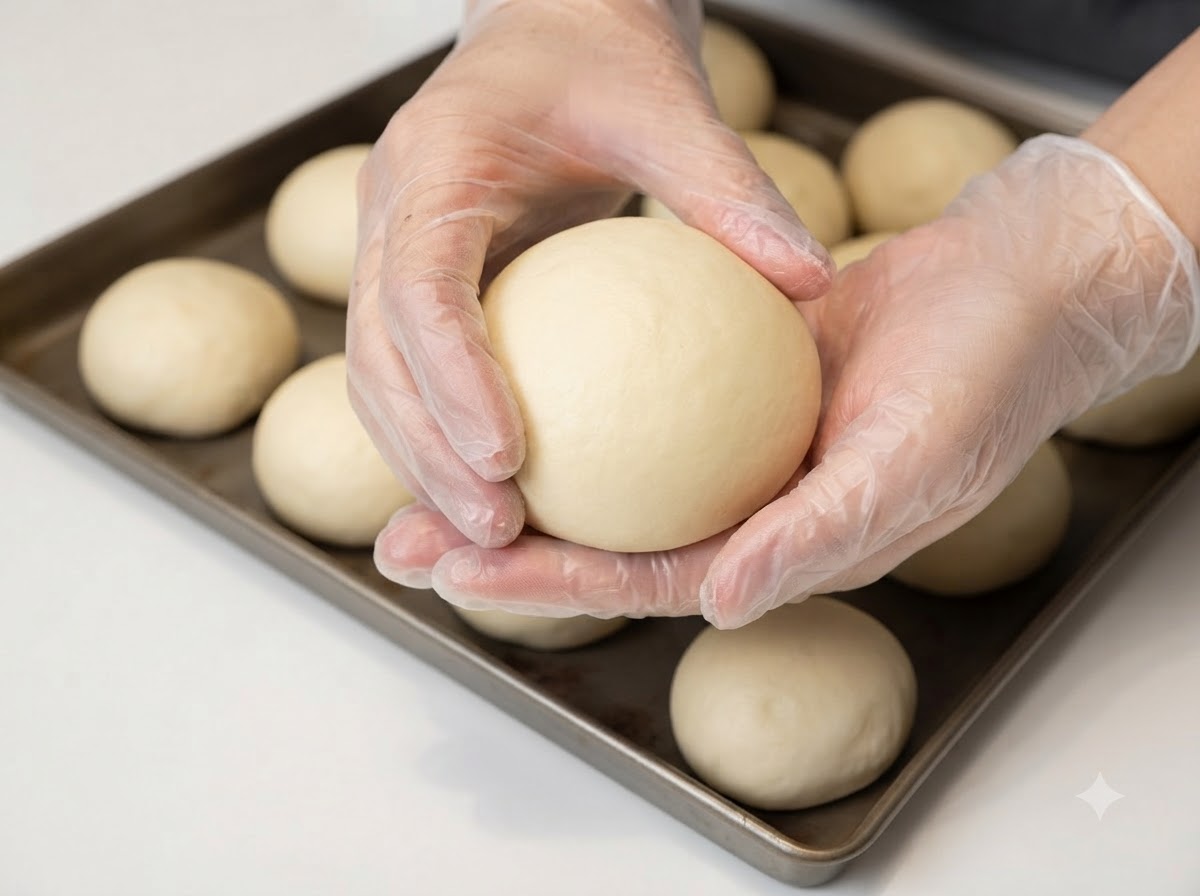
After fermenting the dough at 27 degrees for 1 hour until doubled in size, divide it into 85-gram portions. Round each portion and let them relax for 15 minutes.
Tip: Make sure to flatten and pat out large bubbles during shaping to ensure a delicate inner texture. - 6Flatten and Degas Thoroughly
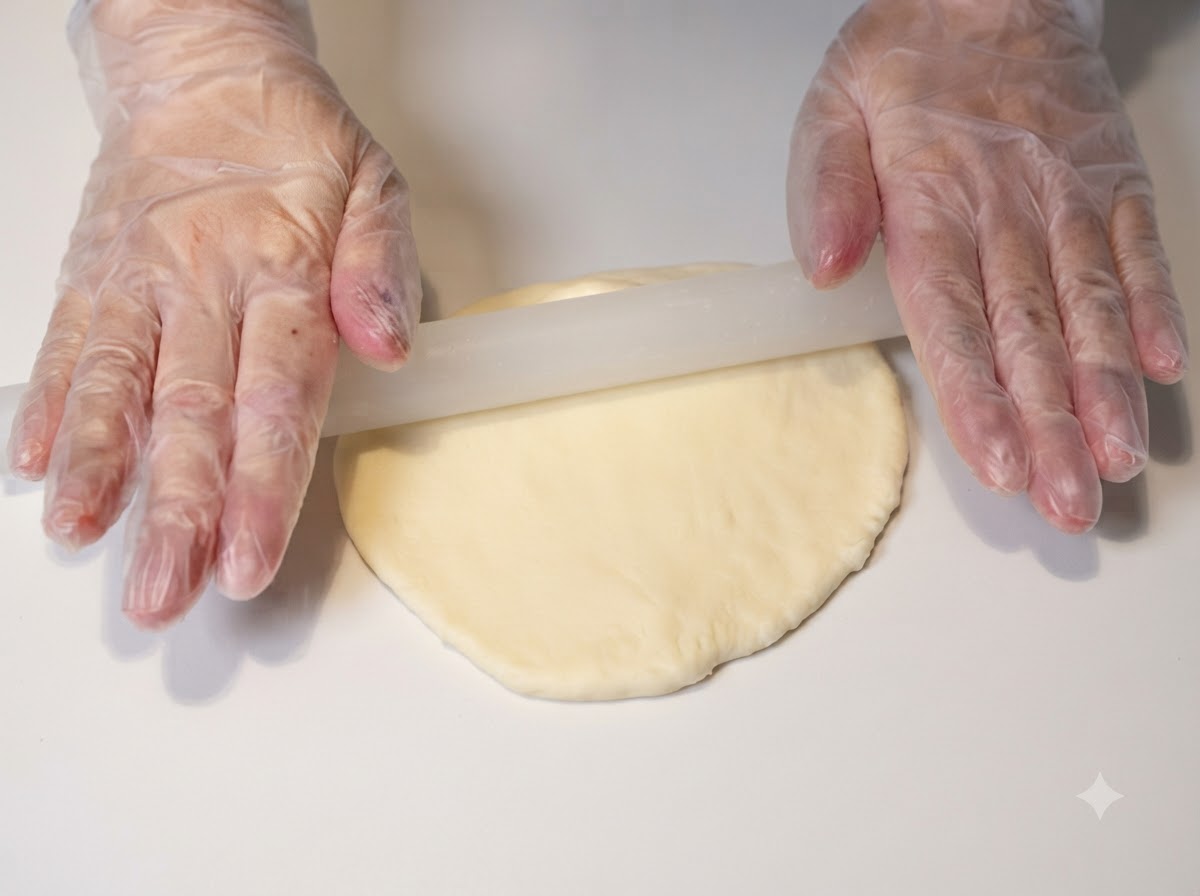
Take each divided dough piece with the smooth side facing up, gently flatten it, and use a rolling pin to pat out large bubbles. This crucial step ensures a delicate inner texture for the finished burger buns.
Tip: Make sure to thoroughly press out large air bubbles to prevent uneven pockets in the baked bread. - 7Shape and Seal Tight Buns
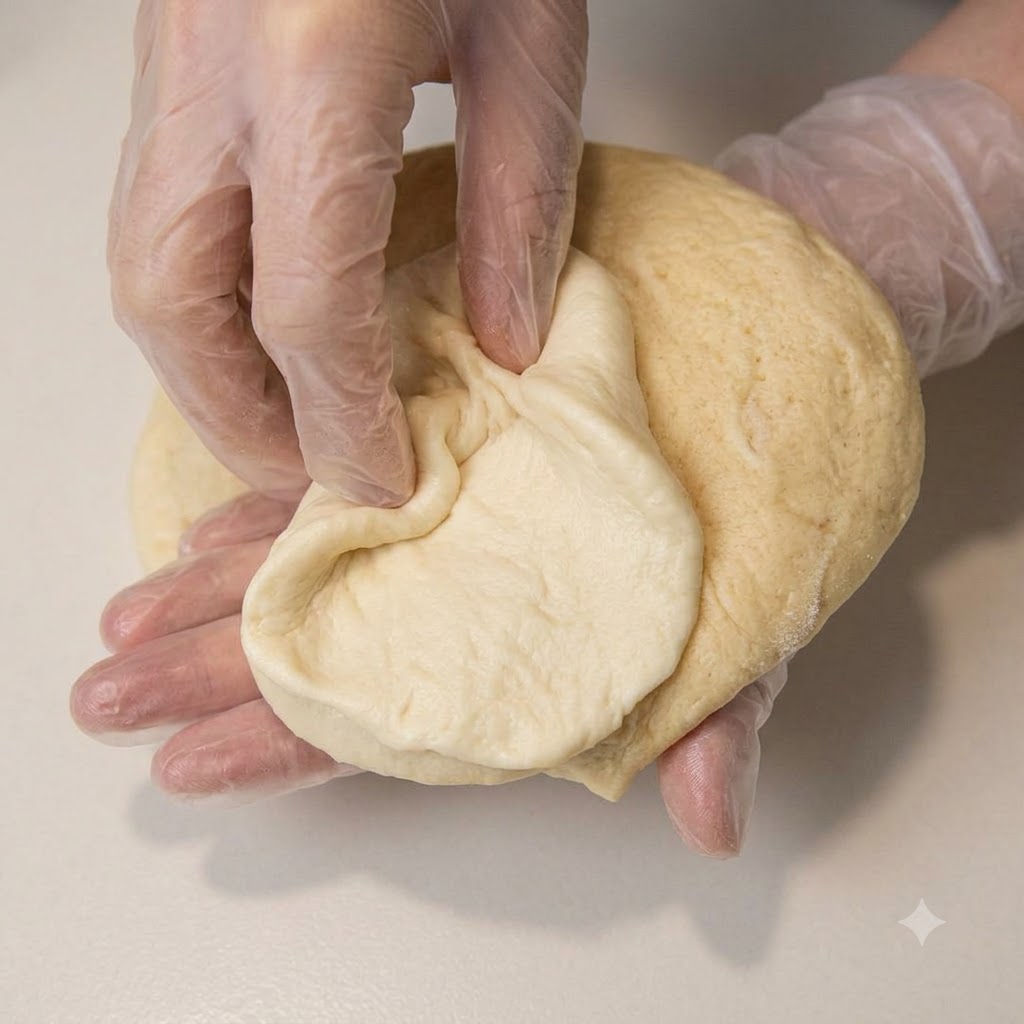
Flip the flattened dough over and close it like a bun, ensuring there are no gaps in the middle. Round it again and firmly pinch the bottom closure to create a tight, smooth raw bun with optimal structural support.
Tip: Pinch the bottom closure tightly so the bun maintains its structure and support during proofing and baking.