10-Minute Classic Bacon Carbonara
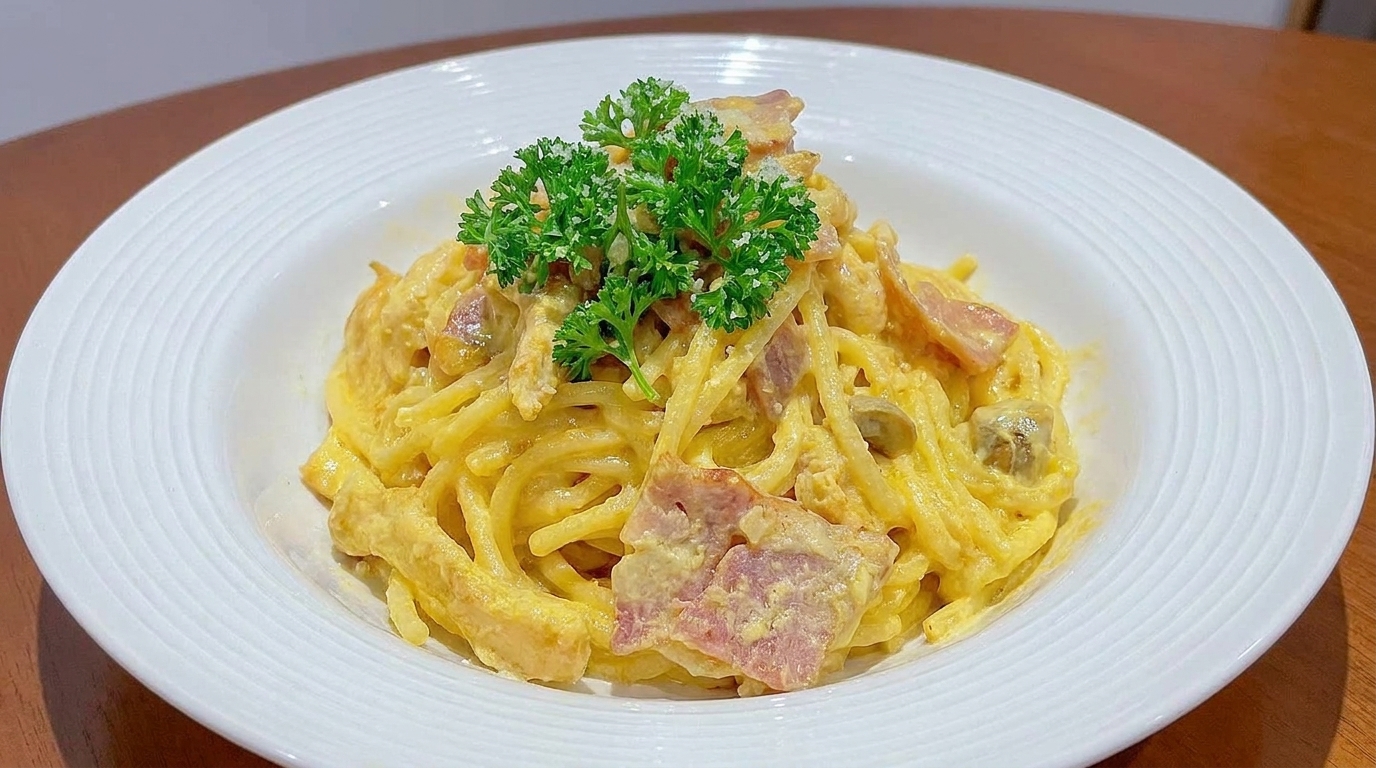
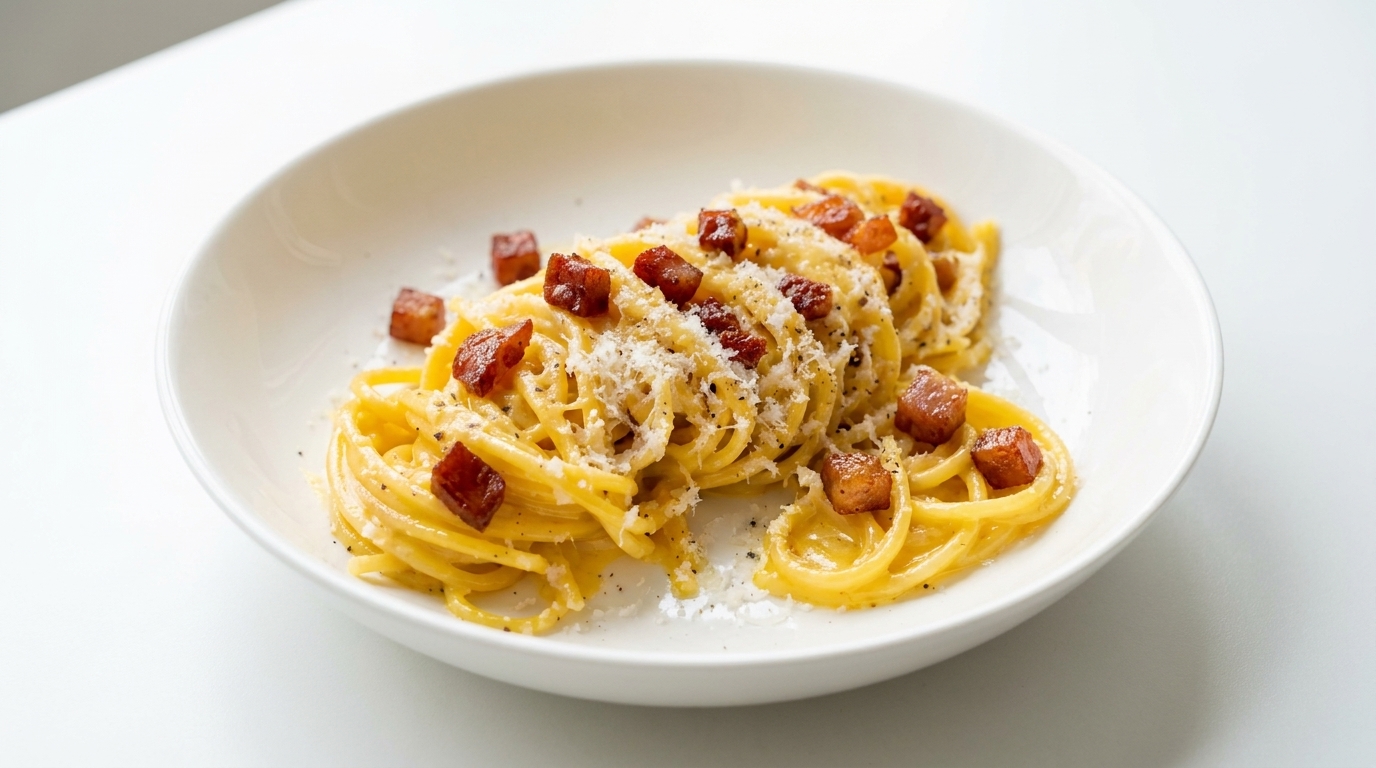
Create this 10-minute pasta dish for an effortless yet luxurious meal. A rich sauce made from egg yolks, parmesan, and pasta water coats every strand of al dente spaghetti.
This dish is a masterclass in culinary alchemy, turning a few humble ingredients into a creamy sauce without heavy cream. This version uses cured bacon for a savory crunch, balanced by egg yolks and sharp parmesan cheese. The secret to its glossy finish lies in tempering the eggs and stirring off the heat to create a flawless emulsion.
Ingredients
- 4 large egg yolks
- 1 cup freshly grated parmesan cheese, plus extra for garnish
- 1 tsp freshly cracked black pepper
- 150 g cured bacon or guanciale, cubed
- 400 g spaghetti or bucatini
- to taste salt (for pasta water)
Instructions
- 1Prepare the egg base
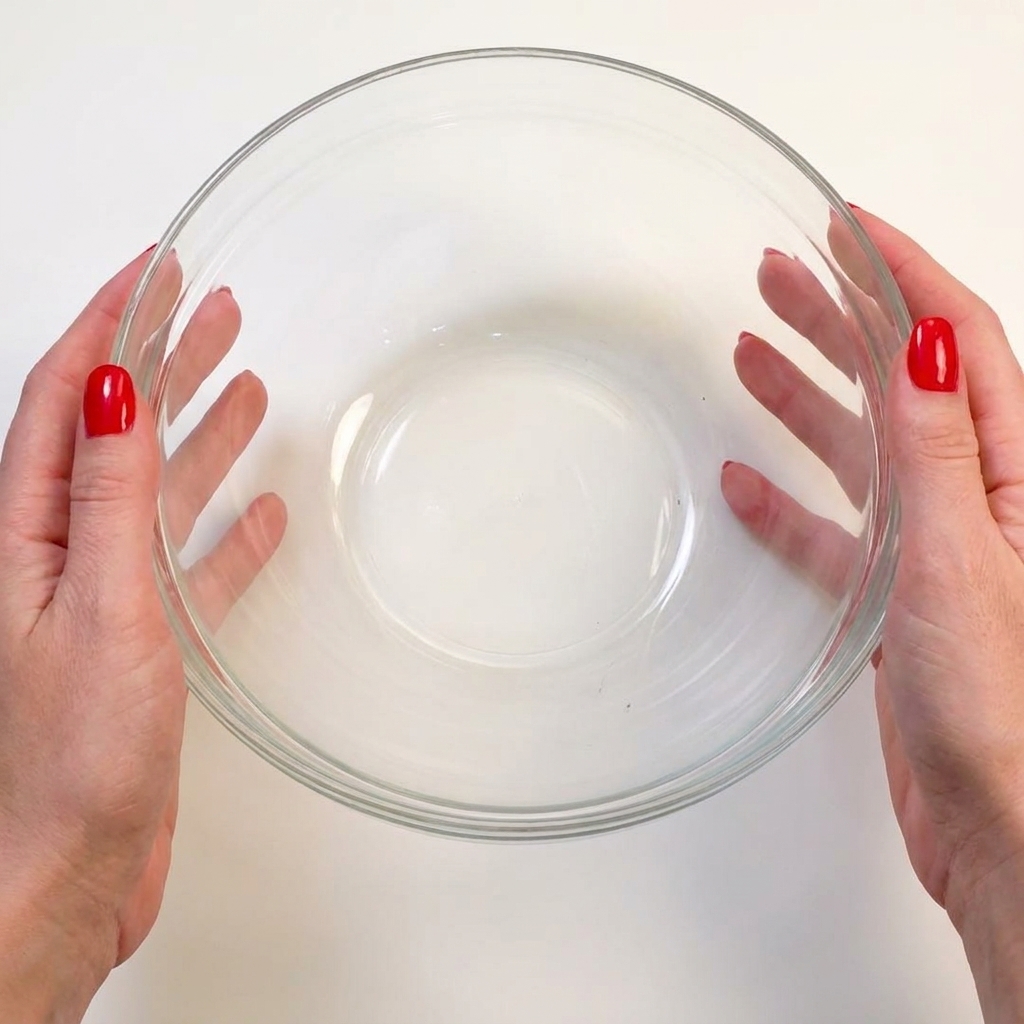
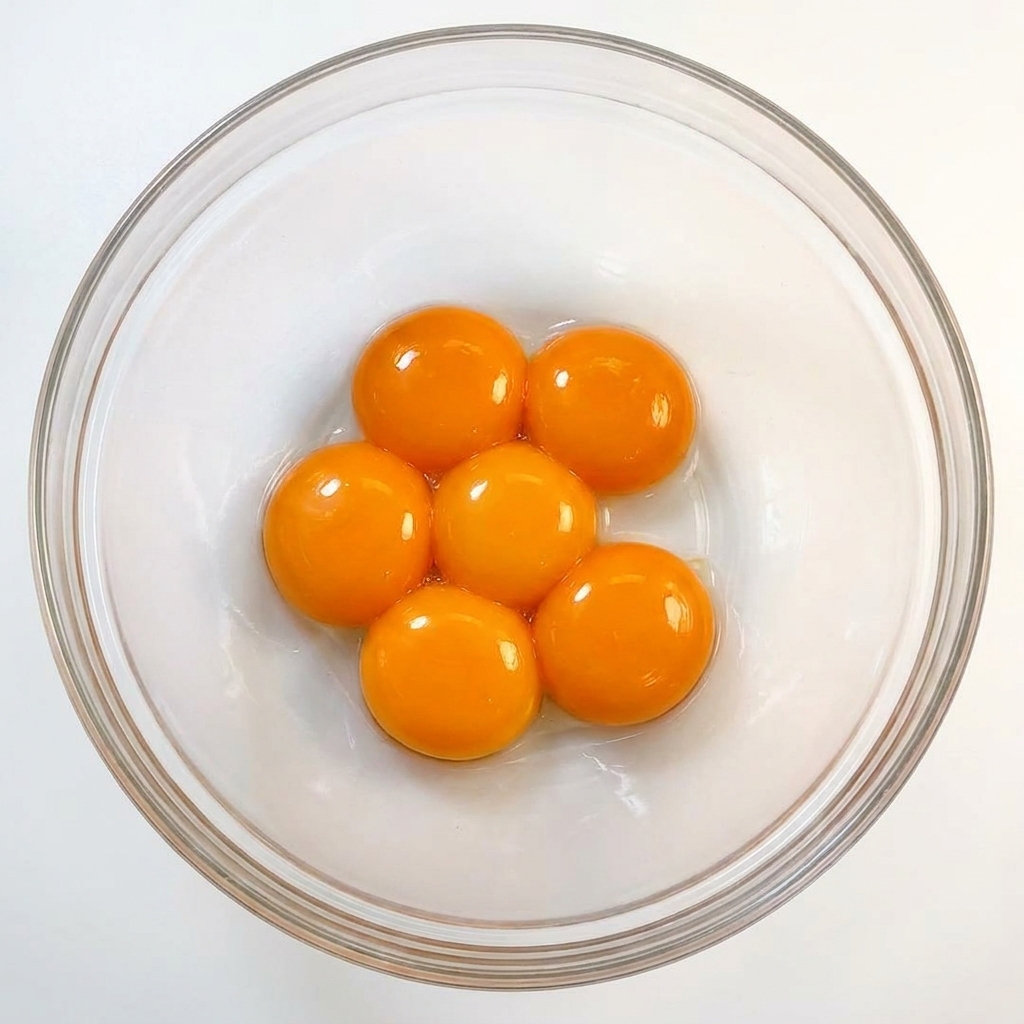
Add four fresh egg yolks into a clean, dry glass mixing bowl. These yolks will form the rich, creamy foundation of your carbonara sauce.
Tip: Ensure the egg yolks are separated cleanly from the whites for the best texture. - 2Add cheese and seasoning
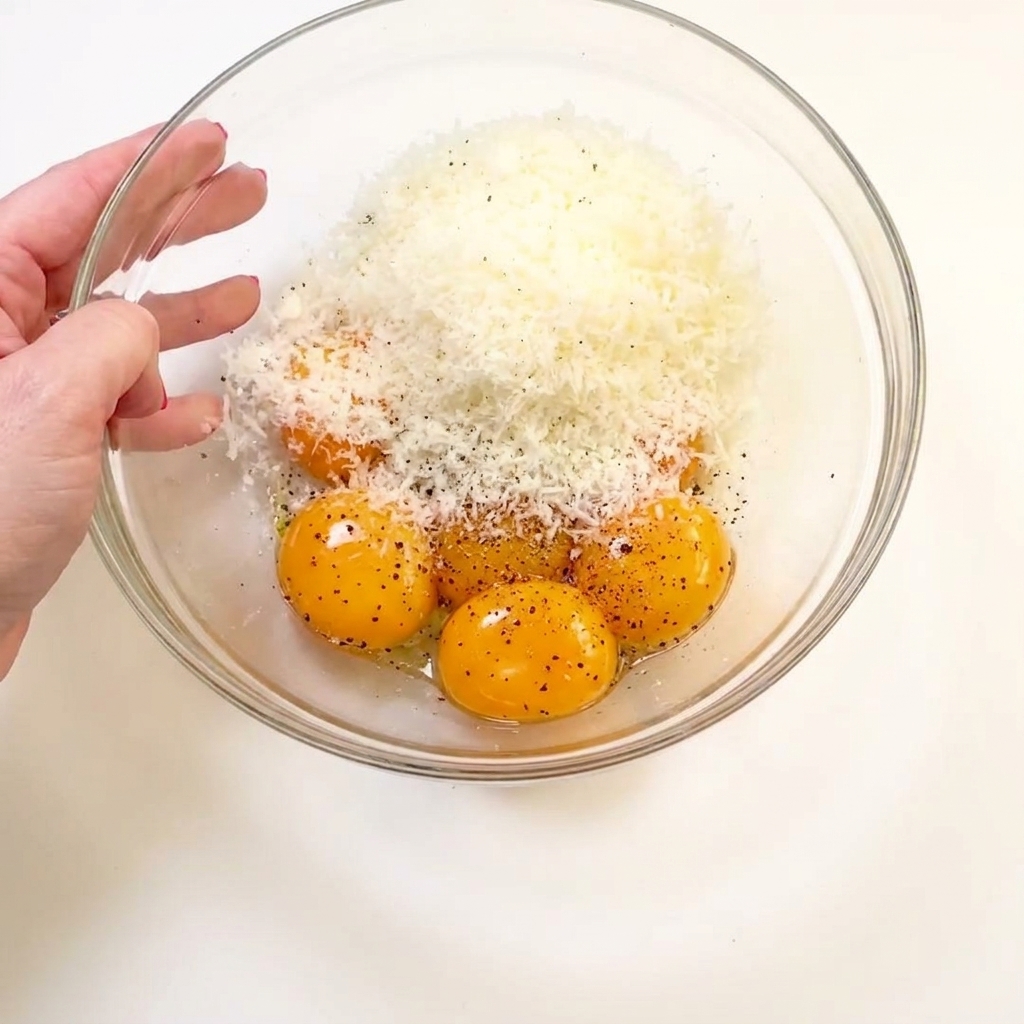
Add a generous amount of freshly grated parmesan cheese and a liberal crack of black pepper directly into the bowl with the egg yolks. The cheese adds the necessary saltiness and structure to the sauce.
Tip: Freshly grated parmesan melts much smoother than pre-shredded varieties. - 3Whisk the mixture
Use a whisk to thoroughly beat the egg yolks, parmesan cheese, and black pepper together. Continue whisking until the ingredients are fully combined into a thick, smooth, and uniform yellow paste.
Tip: Whisking well ensures there are no lumps of cheese, resulting in a perfectly creamy emulsion later. - 4Cut the bacon
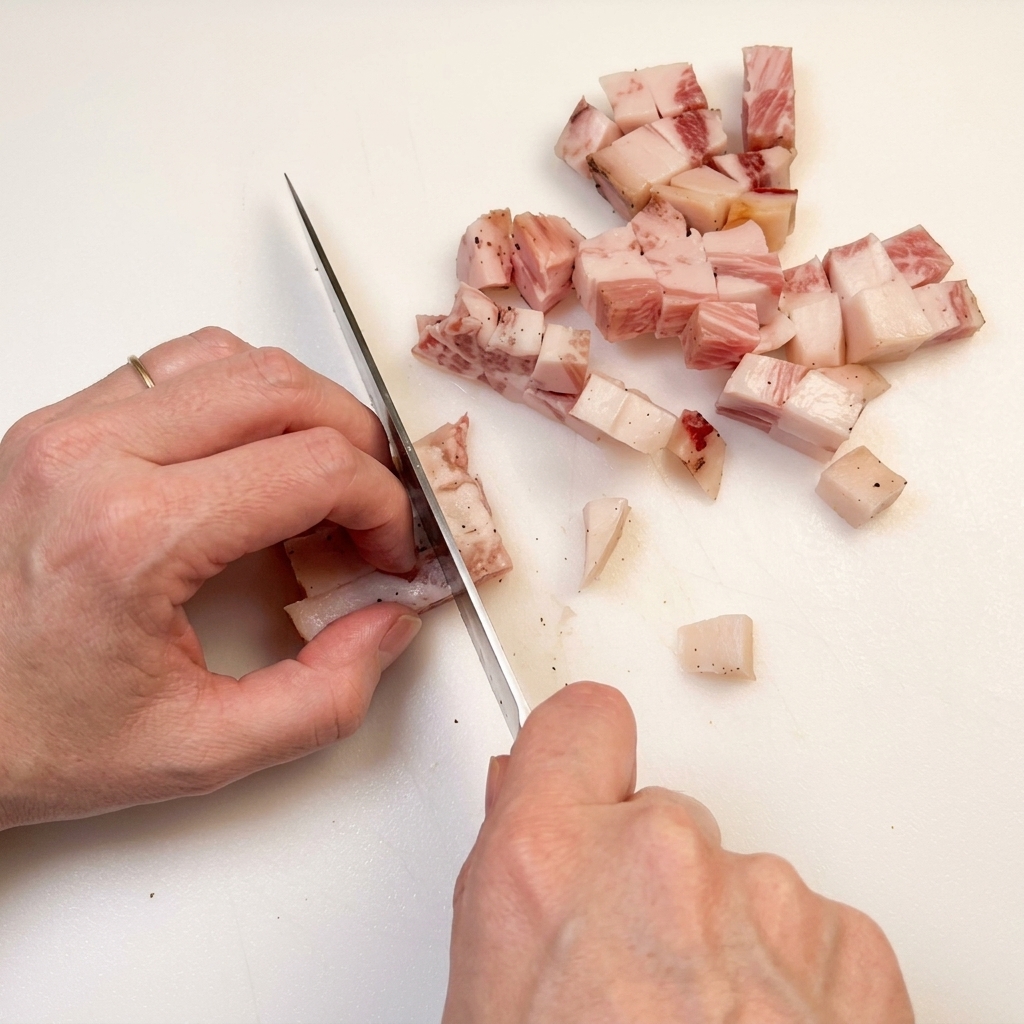
Place your piece of cured bacon or guanciale on a clean cutting board. Cut it into small, uniform cubes, ensuring each piece is roughly the same size so they cook evenly.
Tip: Uniform cubes provide a consistent crunch in every bite. - 5Cook the spaghetti
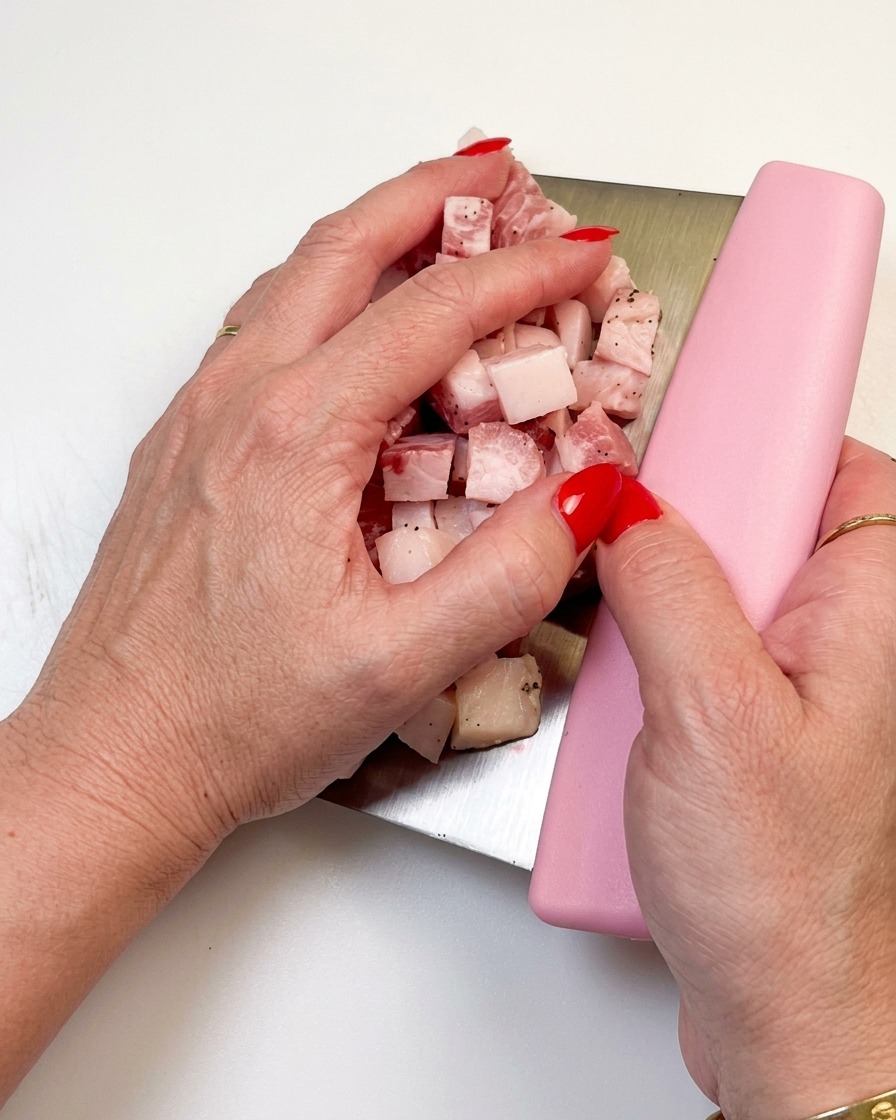
Bring a large pot of salted water to a rolling boil. Add your spaghetti to the water and cook until it is al dente, usually a few minutes less than the package instructions.
Tip: Reserve a small cup of the starchy pasta water before draining; its essential for emulsifying your sauce. - 6Add bacon to the pan
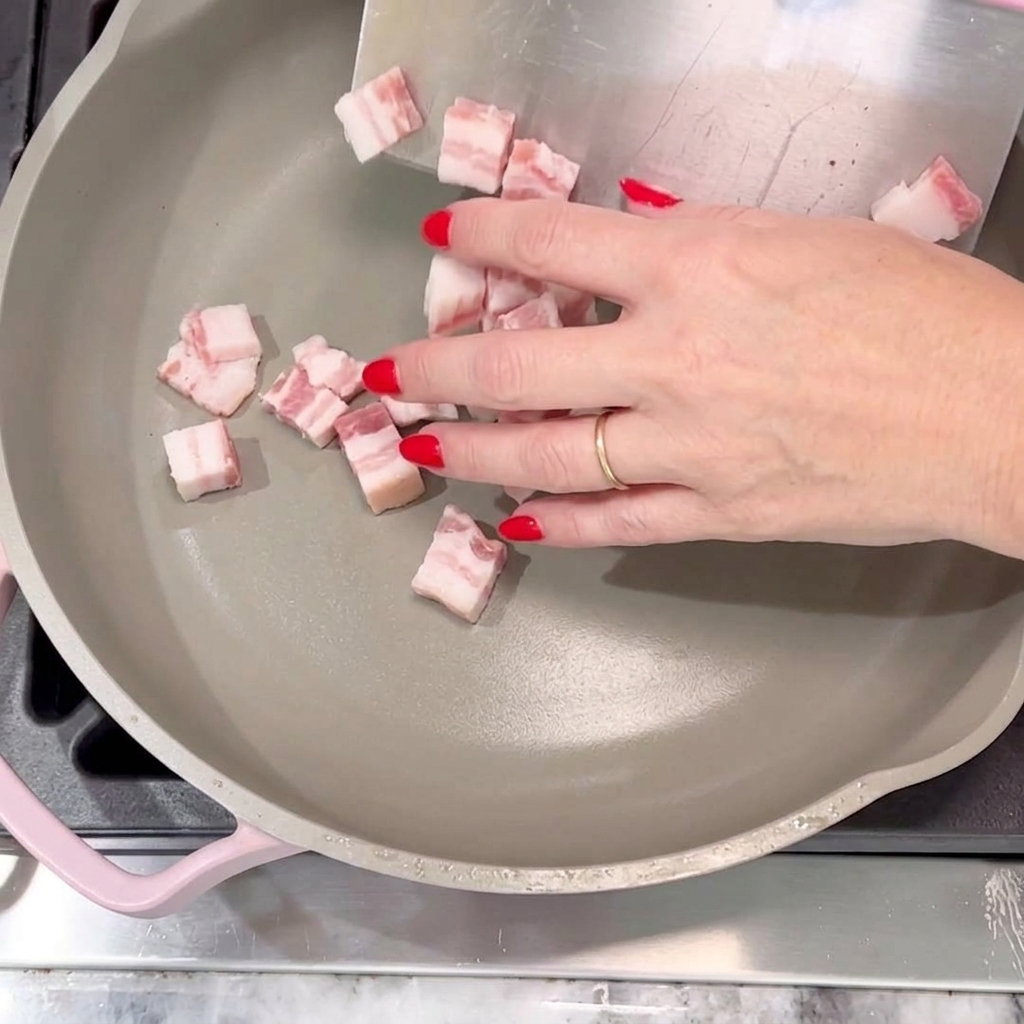
Place the cubed bacon into a large skillet over medium heat to begin cooking. Spread the pieces out into an even layer to ensure consistent contact with the pan.
Tip: Dont rush the frying process; medium heat allows the fat to render properly for the best flavor. - 7Fry until golden
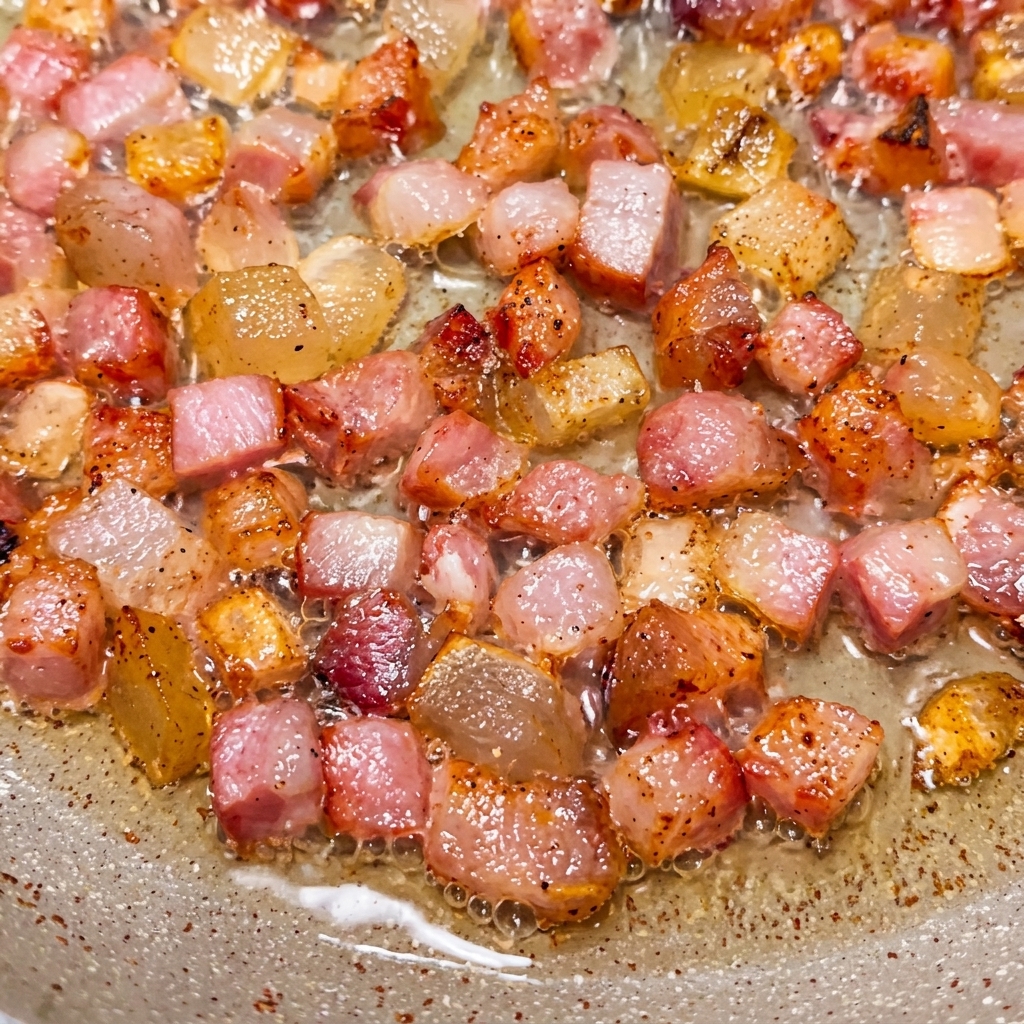
Fry the bacon pieces, stirring occasionally, until they turn a deep golden brown and become perfectly crispy, releasing their flavorful fat into the pan.
Tip: Keep the heat at medium so the fat renders slowly without burning the meat. - 8Strain the bacon
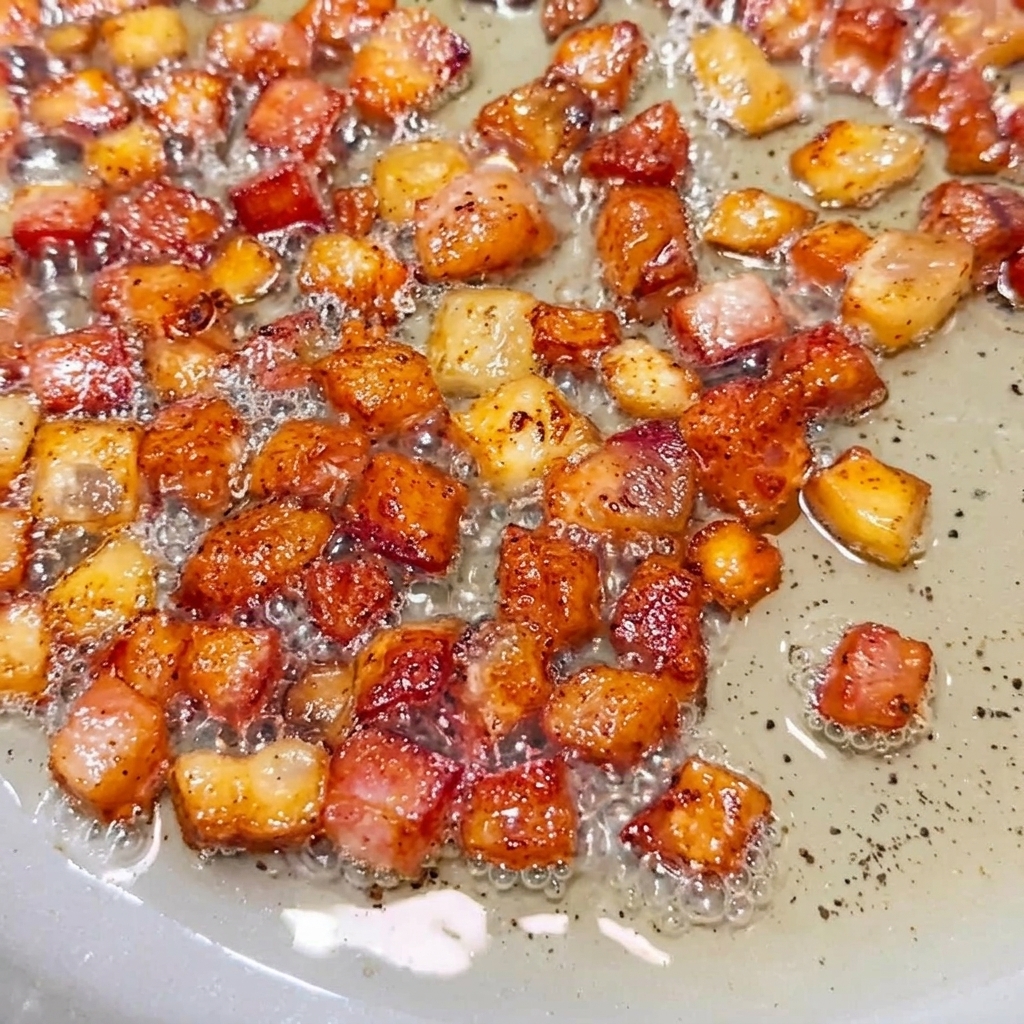
Use a mesh sieve to strain the crispy bacon bits from the rendered fat. Set the bacon aside for later, but make sure to keep the flavorful fat for the pasta.
Tip: The reserved fat is liquid gold for flavor, so be sure not to discard it. - 9Temper the egg mixture
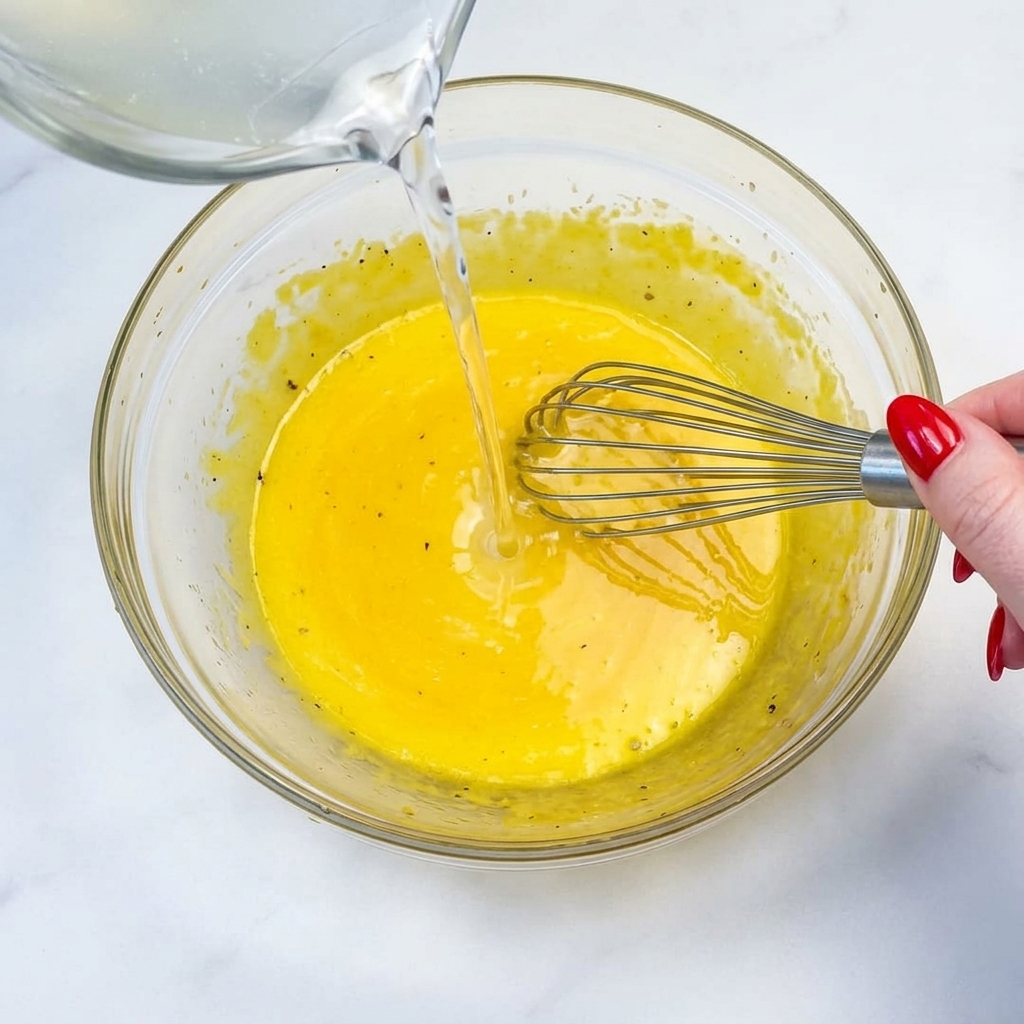
While whisking the egg and cheese mixture constantly, slowly pour in a small amount of hot pasta water. This process, called tempering, prevents the eggs from scrambling when they meet the hot pasta.
Tip: Whisk vigorously and add the water slowly to ensure a smooth, emulsified sauce base. - 10Combine bacon and pasta
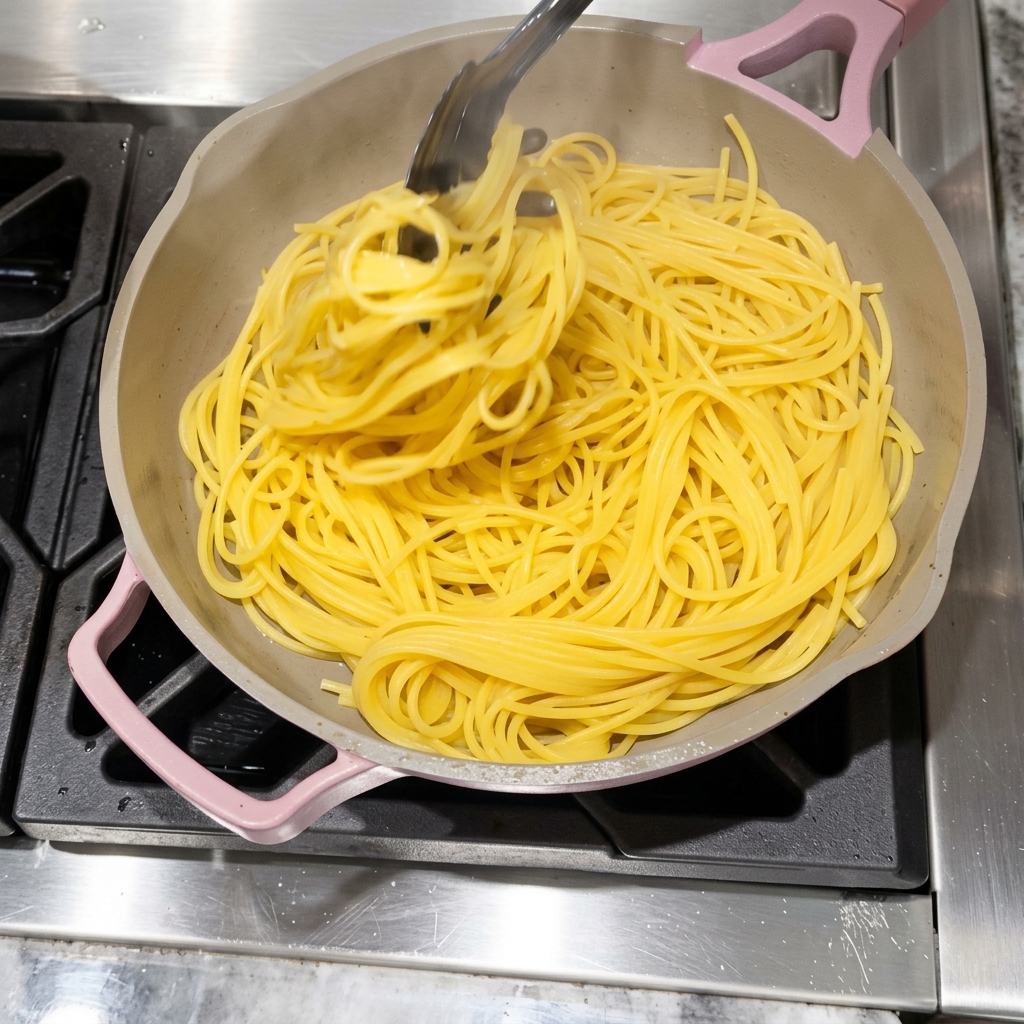
Add the reserved bacon fat back into the frying pan, then add your cooked spaghetti and the crispy bacon bits. Toss everything together over medium heat to coat the noodles in the flavorful fat.
Tip: Toss thoroughly so every strand of spaghetti is coated in the bacon-infused fat. - 11Add the sauce
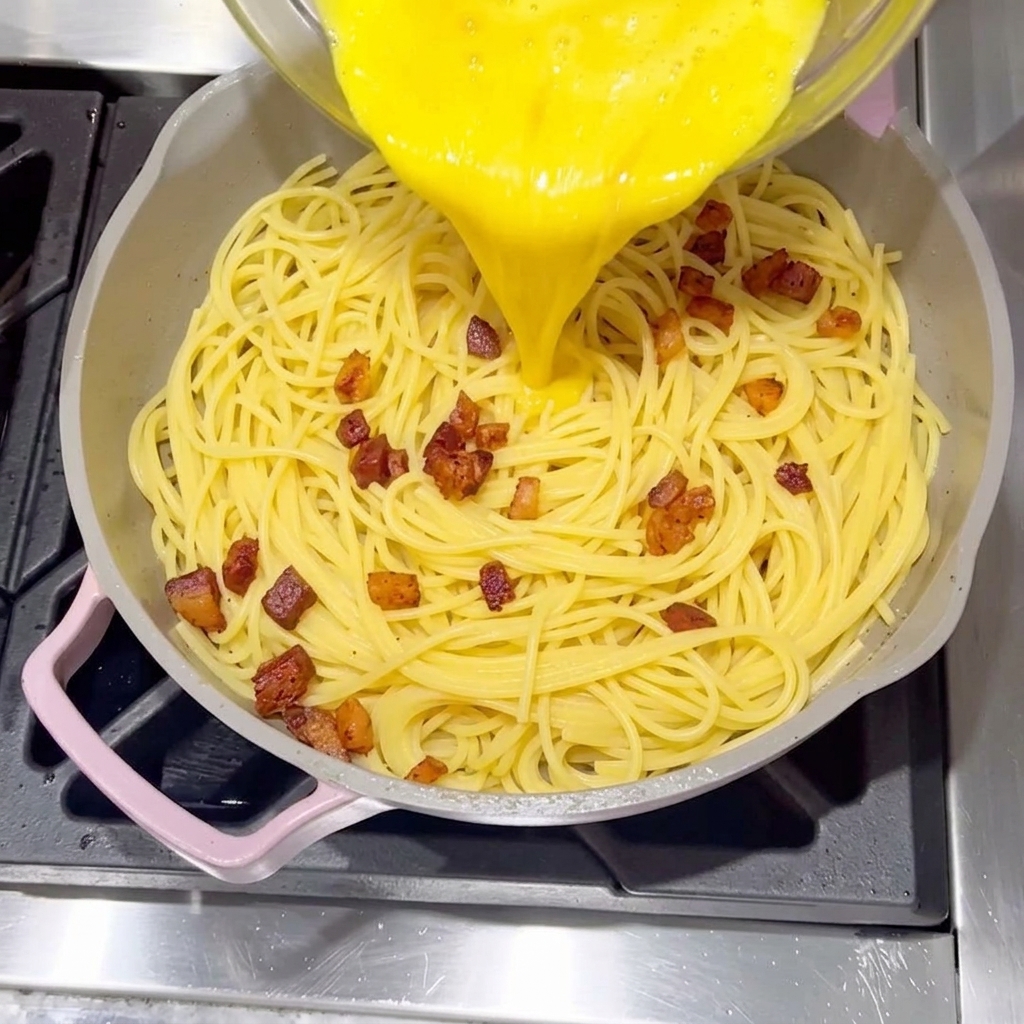
Remove the pan from high heat, then pour the tempered egg and cheese sauce over the spaghetti and bacon mixture. The residual heat is sufficient to cook the eggs into a creamy sauce without scrambling them.
Tip: Off-heat application is key to achieving that perfect, silky carbonara texture. - 12Emulsify the sauce
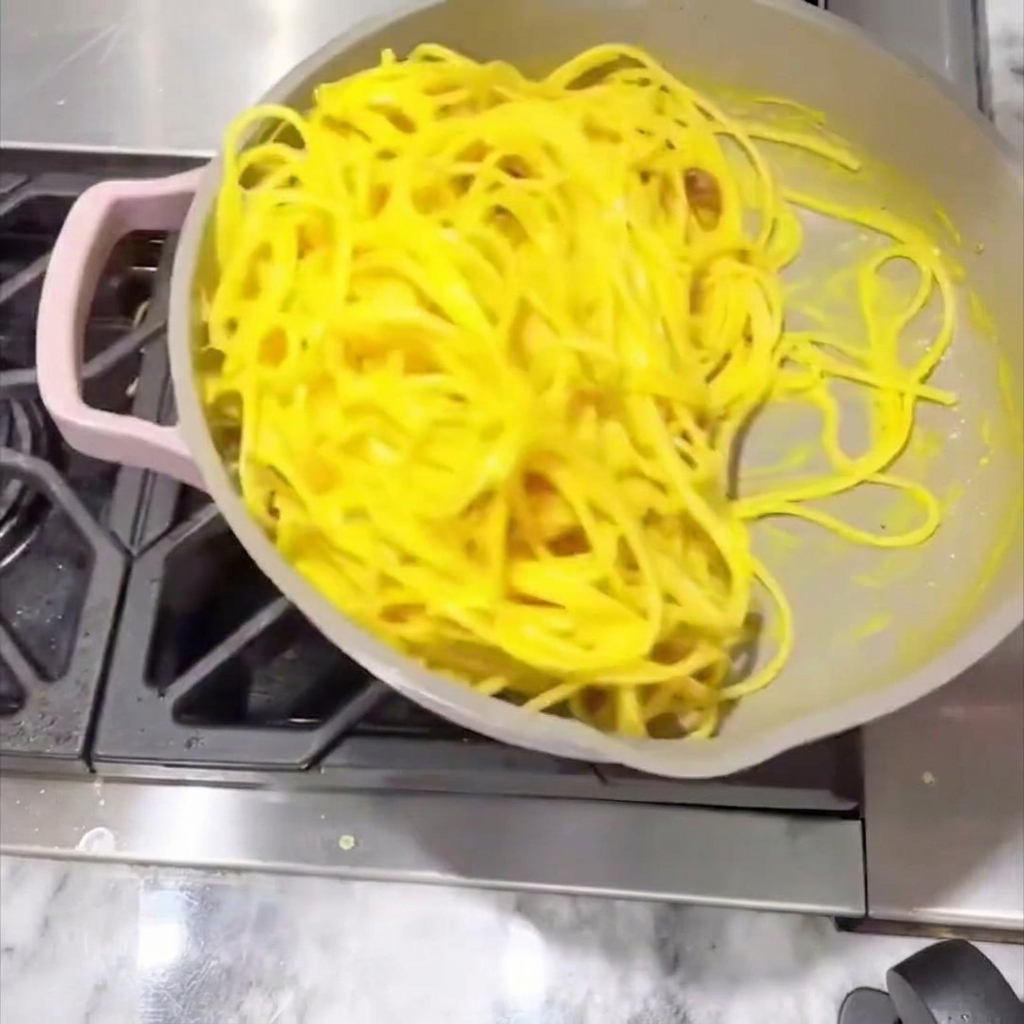
Stir the spaghetti and sauce quickly over very low heat to create a creamy, emulsified sauce that perfectly coats every strand. Continue until the sauce reaches your desired consistency.
Tip: Watch carefully—strive for a glossy, creamy finish that clings to the pasta.