Classic Roman Carbonara (Pasta alla Carbonara)
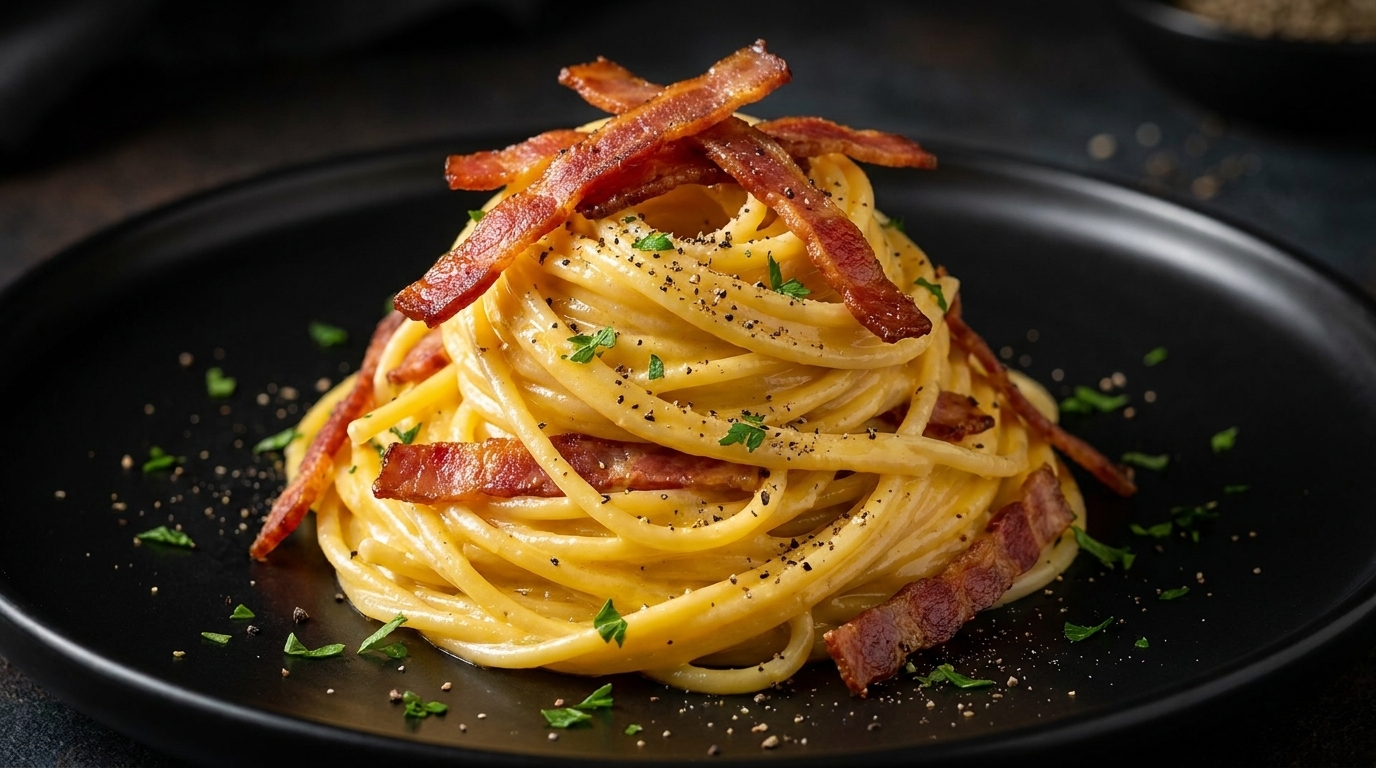
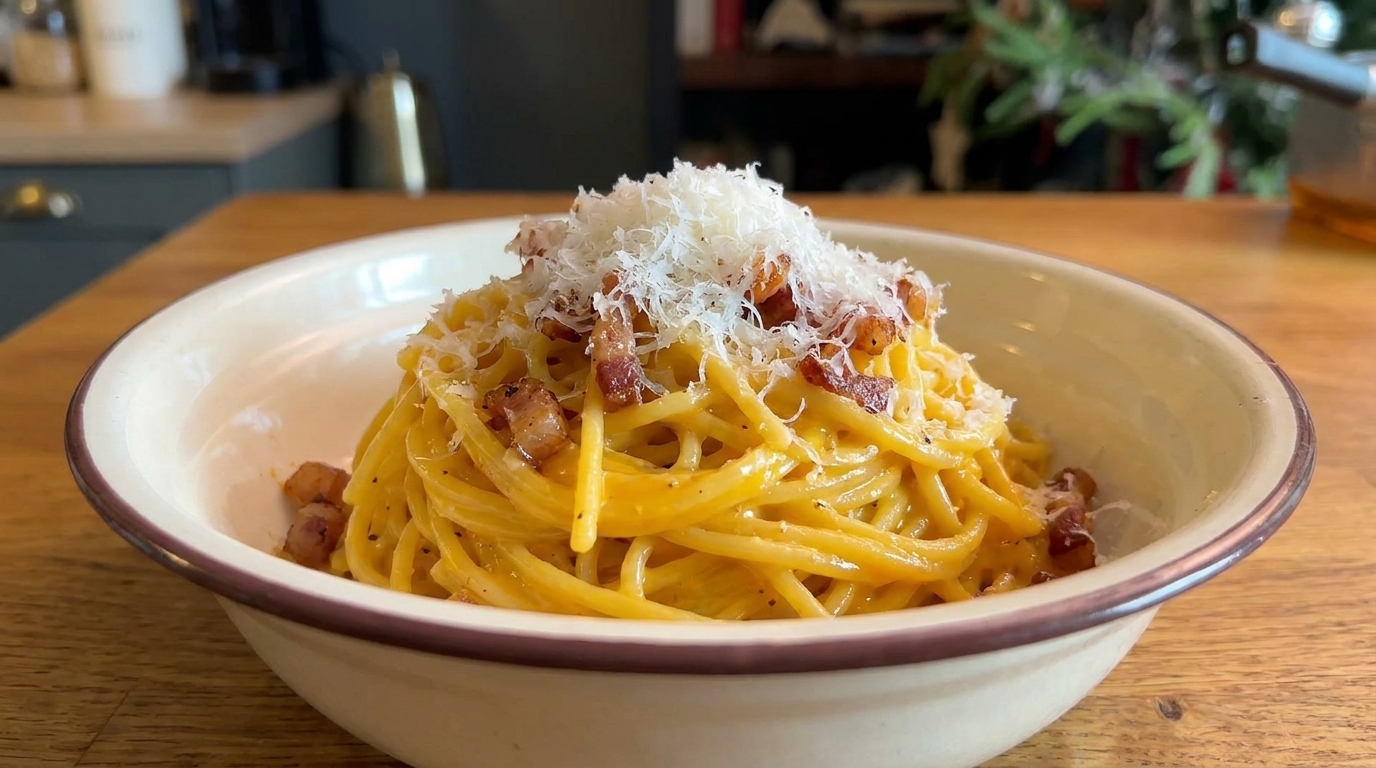
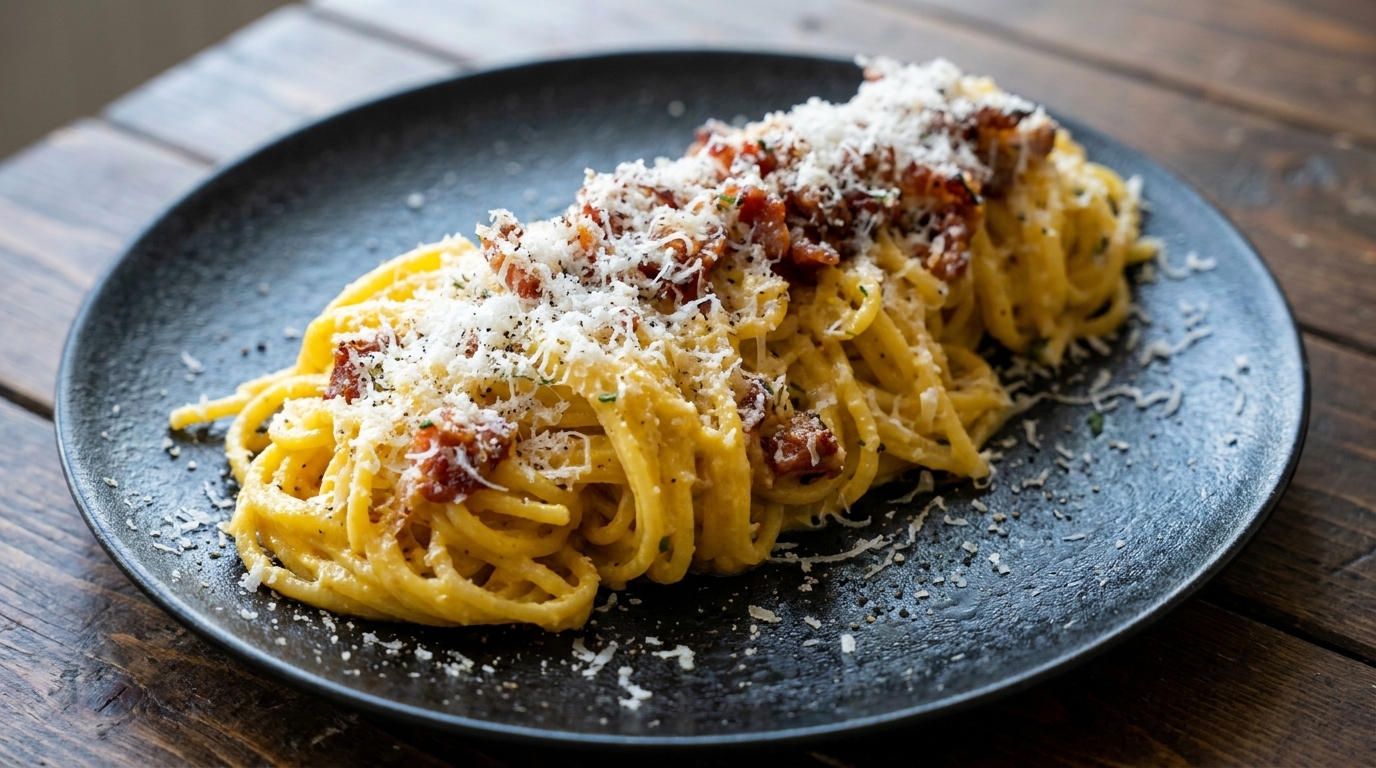
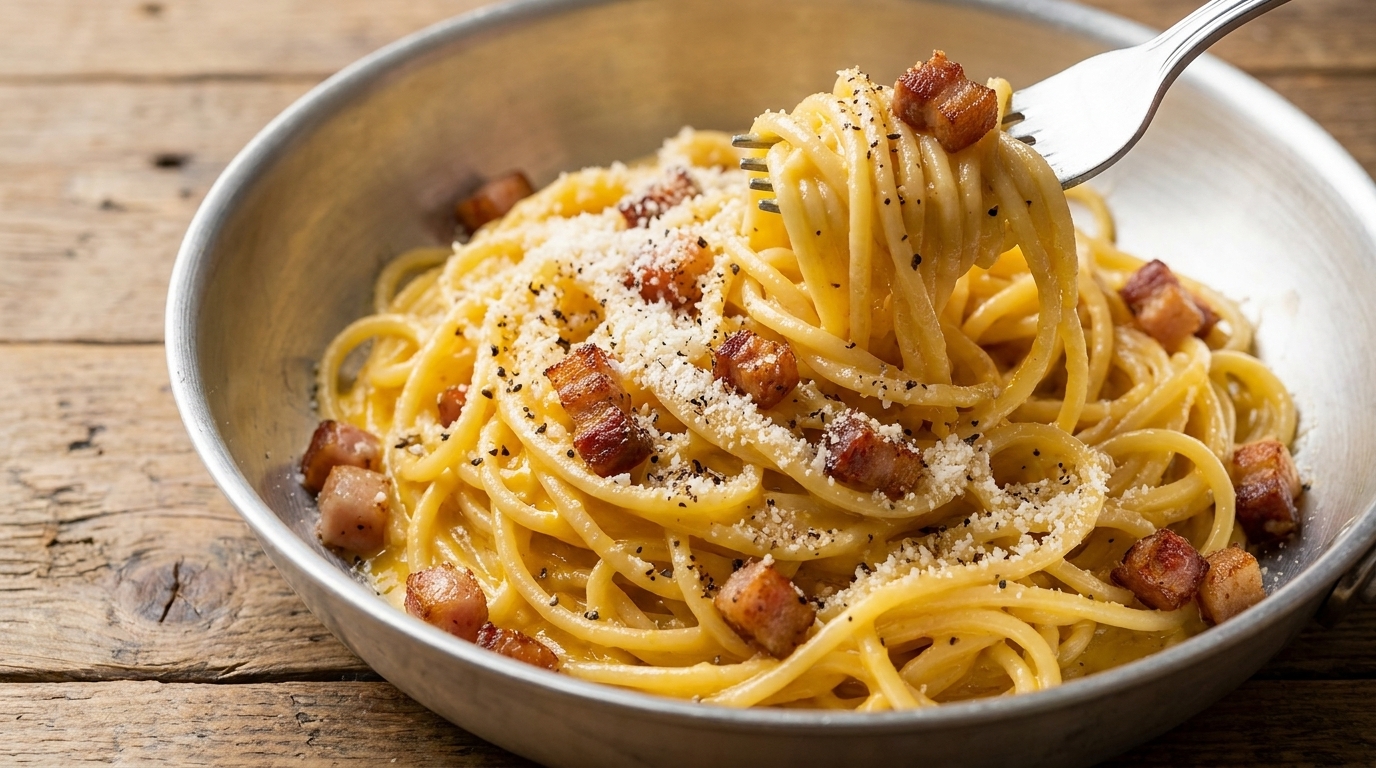
The soul of Rome in a bowl. Sharp Pecorino, creamy yolks, and crispy guanciale create a rich, velvety sauce without using a single drop of cream.
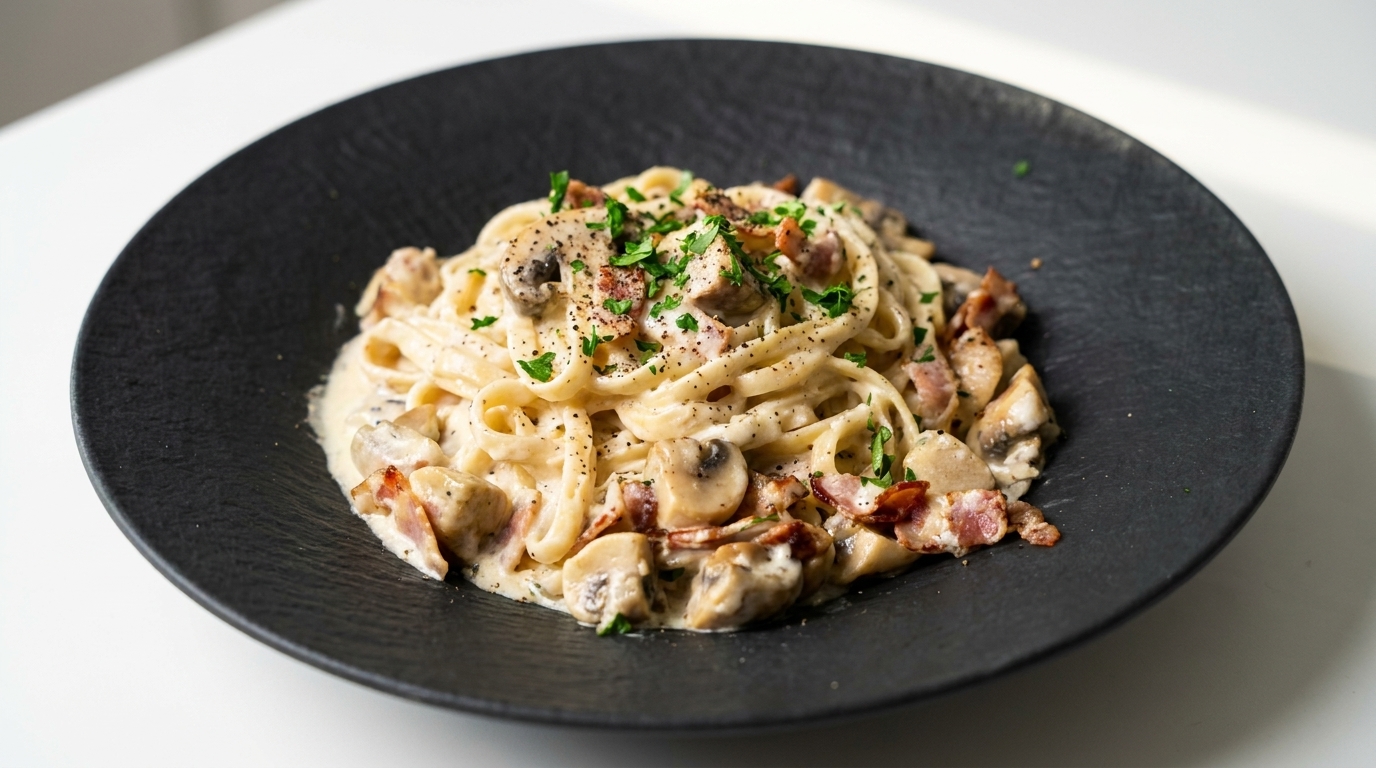
Carbonara is the pinnacle of Roman cucina povera—the art of creating incredible depth from humble ingredients. This authentic version relies on the herbal fat of guanciale and the sharp tang of Pecorino Romano to create a glossy, golden emulsion. Unlike international variations, a true Roman carbonara never uses cream, finding its signature silkiness through the precise tempering of egg yolks with starchy pasta water.
Ingredients
- 200 g guanciale (cured pork cheek)
- 400 g spaghetti
- 4 large egg yolks
- 75 g Pecorino Romano cheese
- 1 tsp freshly cracked black pepper
- 1 pinch salt
Instructions
- 1Identify the key ingredients
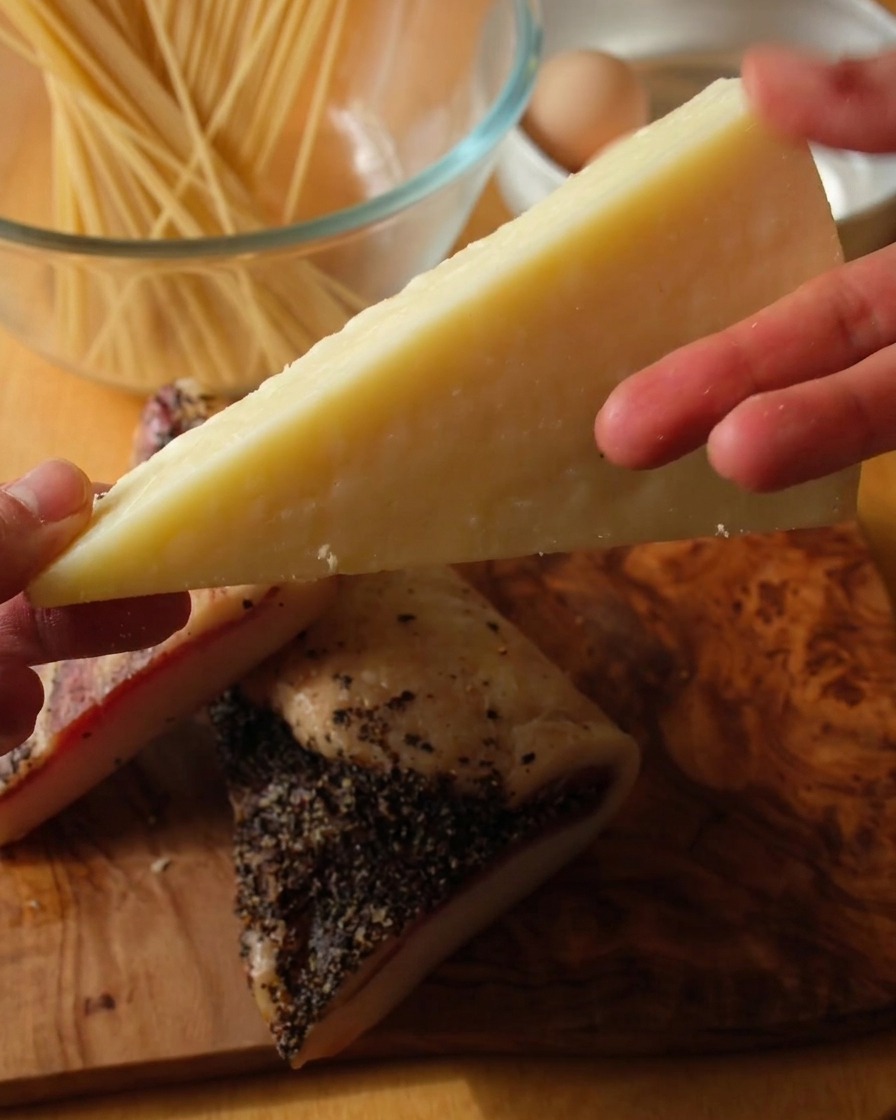
Authentic Roman Carbonara relies on four pillars: Pecorino Romano cheese, guanciale (cured pork cheek), egg yolks, and black pepper. Unlike common supermarket bacon, guanciale offers a deep, herbal fat profile that is essential for the signature richness of the dish.
Tip: If you cannot find guanciale, pancetta is the closest substitute, but avoid smoked bacon as it will alter the traditional flavor profile. - 2Prep the guanciale
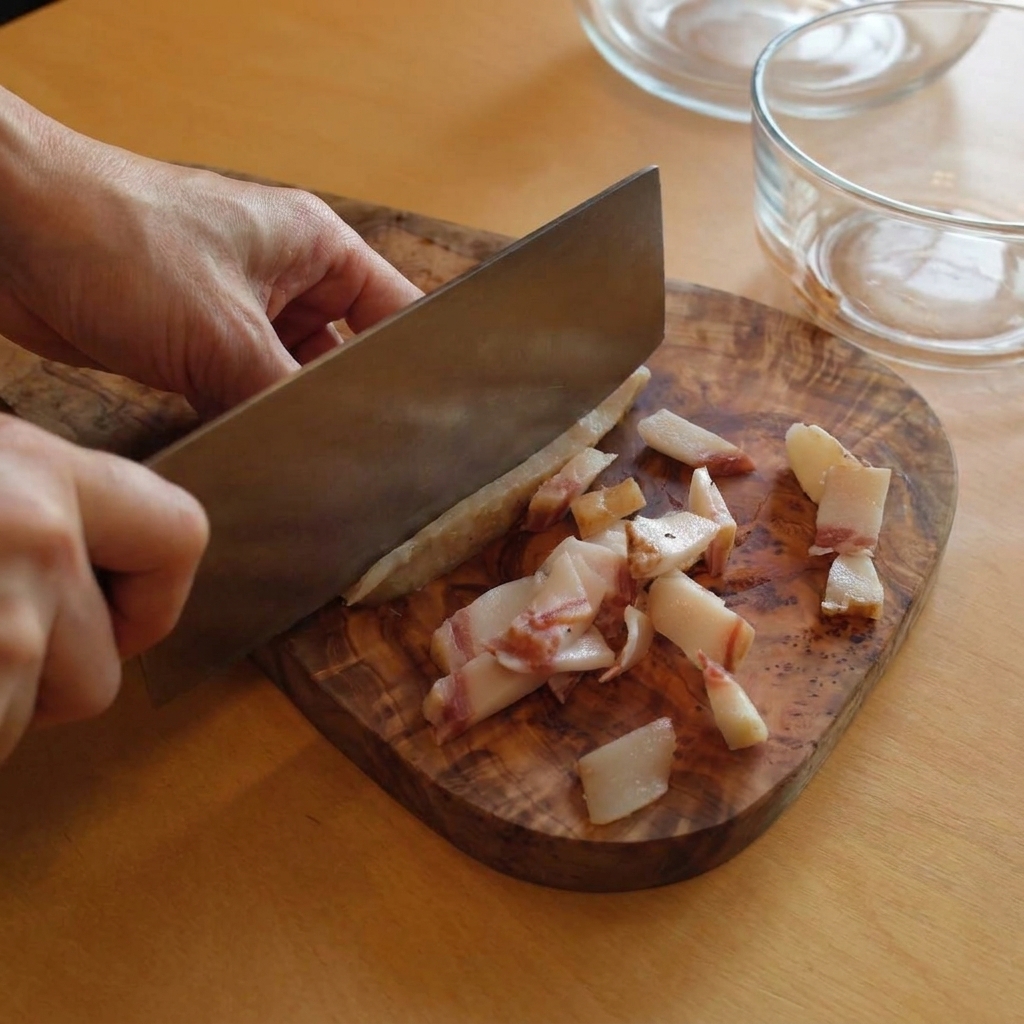
Clean the pork cheek by removing the tough outer skin. Carefully slice the meat into uniform bite-sized strips or small cubes. Consistent sizing ensures that the fat renders evenly when we move to the pan.
Tip: Do not discard the skin immediately; you can store it in the freezer and add it to soups or stews later for extra depth of flavor. - 3Render the fat
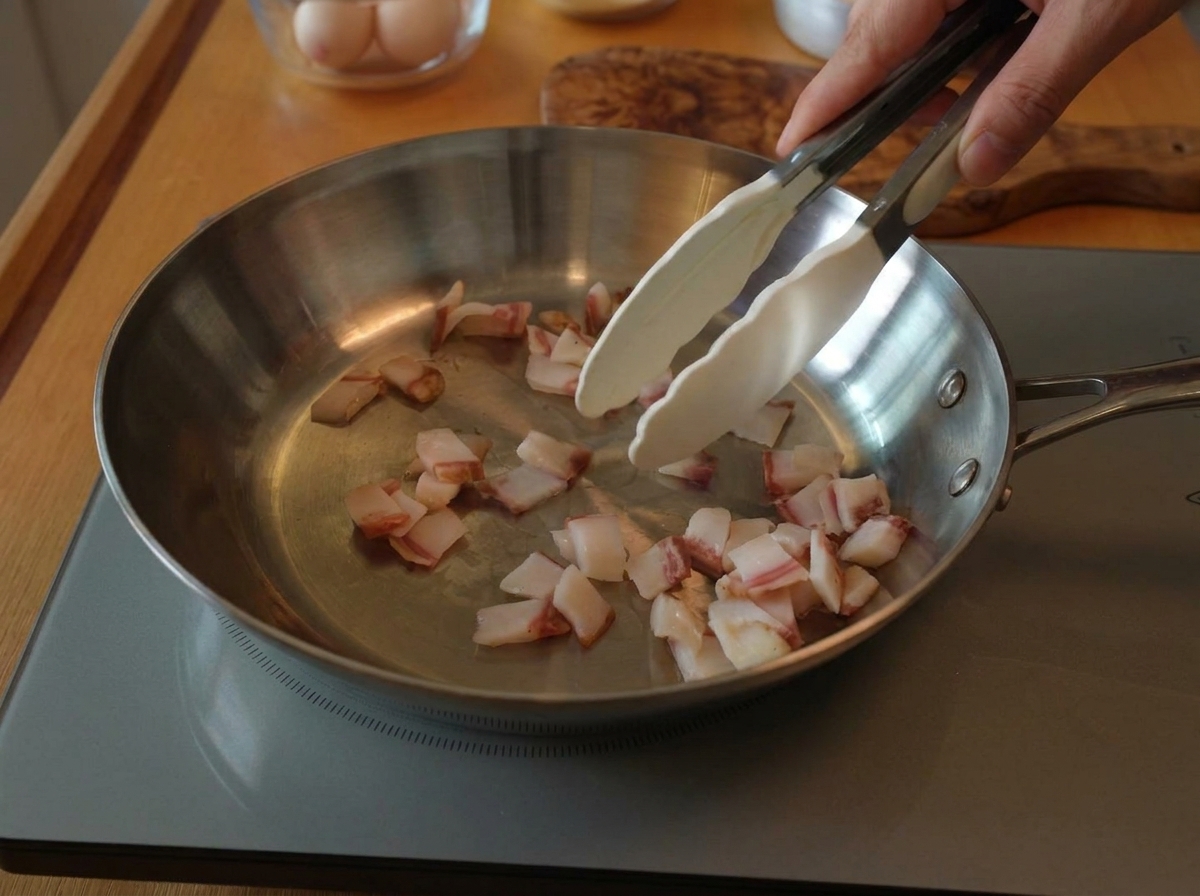
Place the guanciale strips into a cold stainless steel pan and turn the heat to medium. Starting with a cold pan allows the fat to melt slowly, resulting in perfectly crispy meat without burning the exterior.
Tip: There is no need to add oil or butter to the pan; the guanciale provides more than enough high-quality fat for the entire recipe. - 4Collect the rendered fat and guanciale
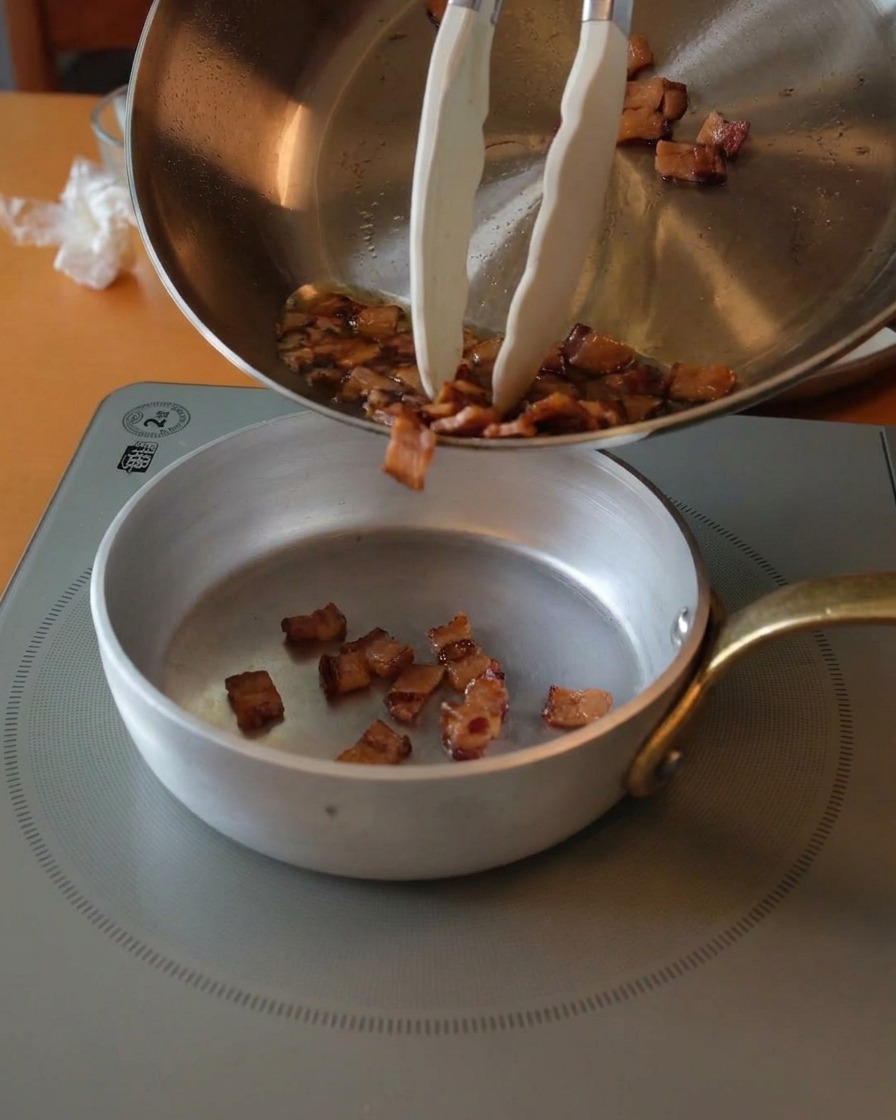
Once the guanciale has turned golden brown and crispy, remove the meat pieces along with the rendered lard from the pan and transfer them into a small bowl. Reserve a small amount of the fat in the pan for the final assembly to ensure the herbal aroma of the pork carries through the dish.
Tip: Do not discard the rendered fat! That lard is liquid gold and provides the essential fatty base for the signature flavor of the carbonara. - 5Boil the spaghetti
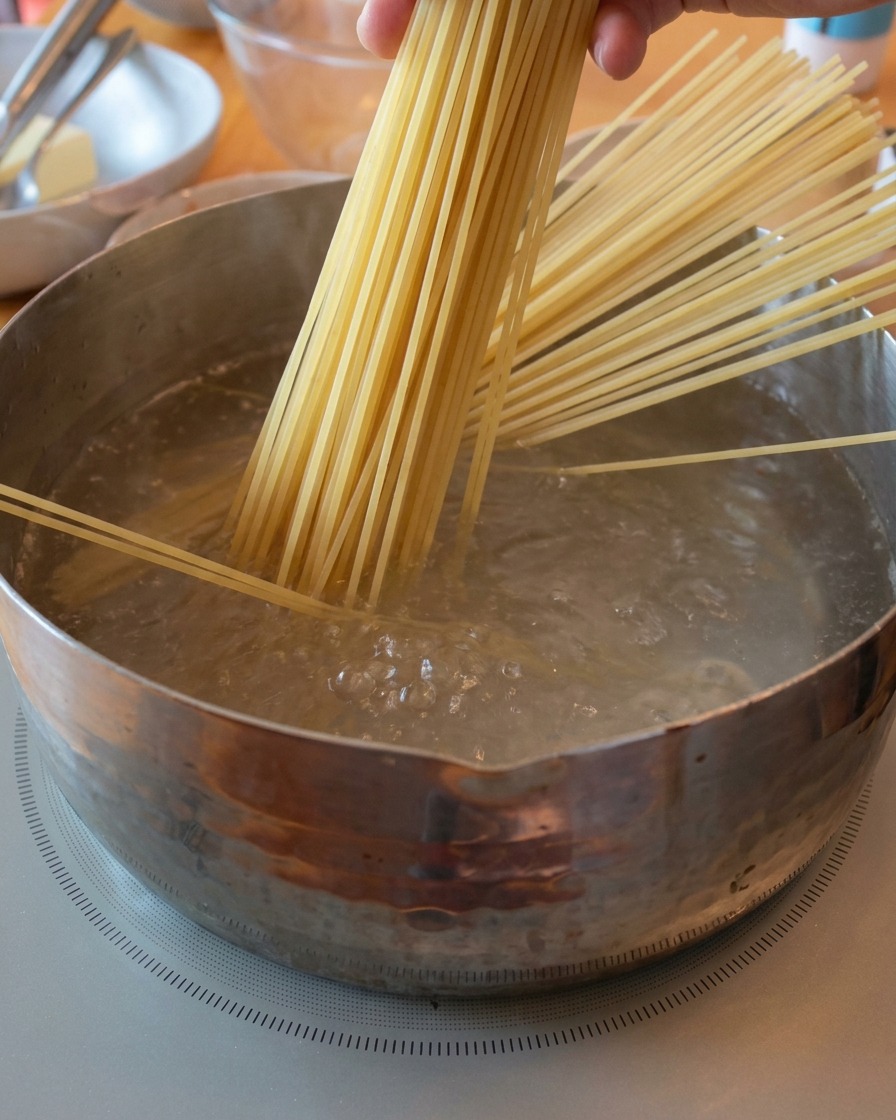
Add the bundle of dry spaghetti to a pot of boiling water. Since the cheese and guanciale are both naturally quite salty, you only need to add a small pinch of salt to the pasta water. Cook until the noodles are al dente.
Tip: Keep a cup of the starchy pasta water before draining; you will need it later to help emulsify the egg and cheese into a creamy sauce. - 6Prepare the egg and cheese sauce base
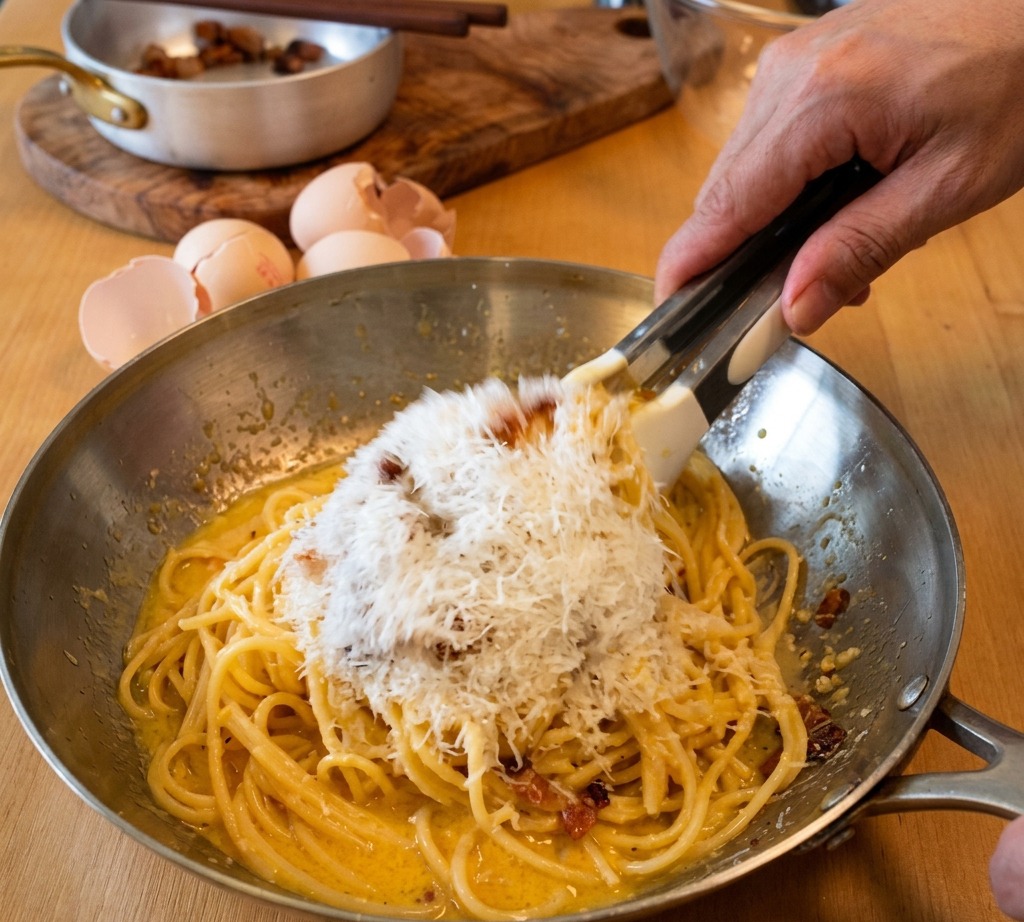
While the pasta boils, separate the egg yolks into a glass bowl. Whisk them together with the finely grated Pecorino Romano and cracked black pepper until they form a thick, pale yellow paste. This mixture will eventually be tempered with starchy pasta water to create the famous creamy coating.
Tip: Use the freshest eggs possible, as the yolks are the primary thickener and flavor carrier for the entire dish.