Authentic Roman Spaghetti Carbonara
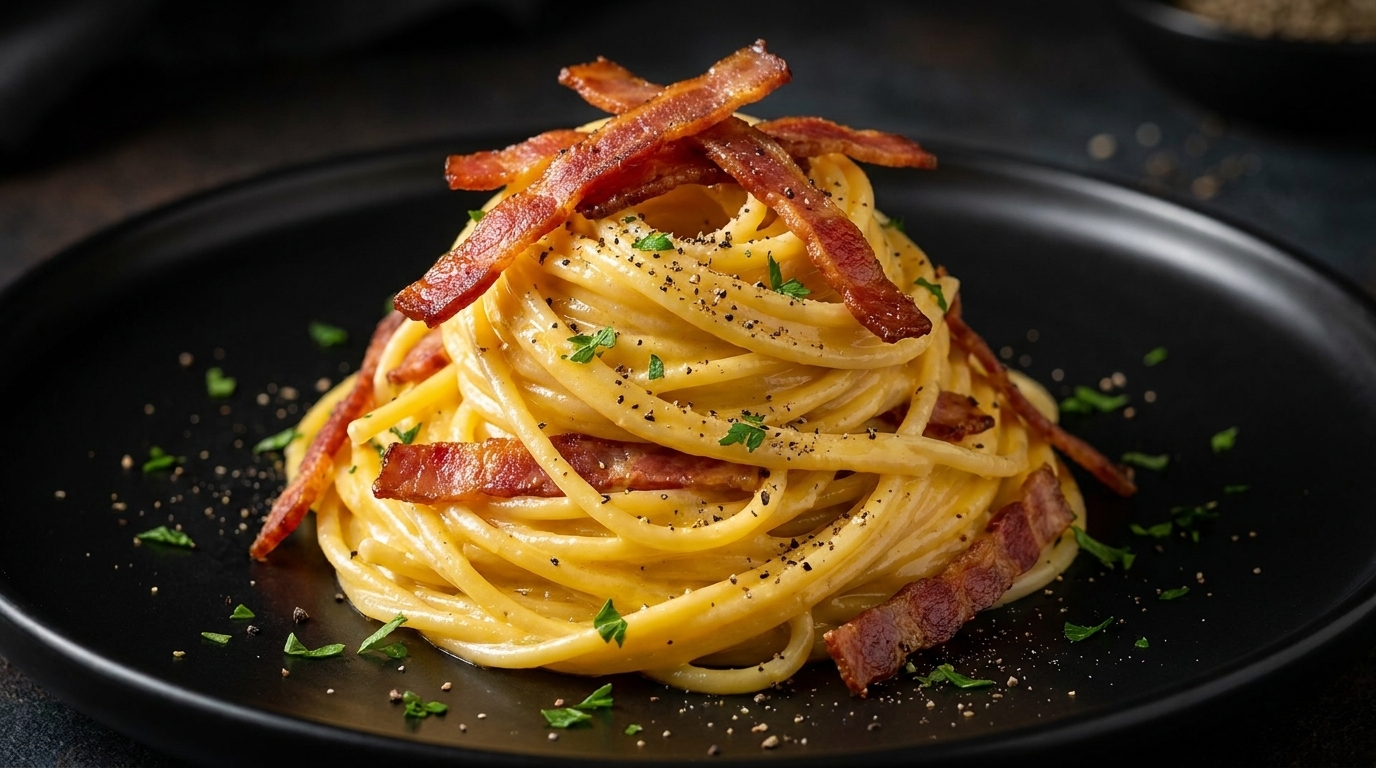
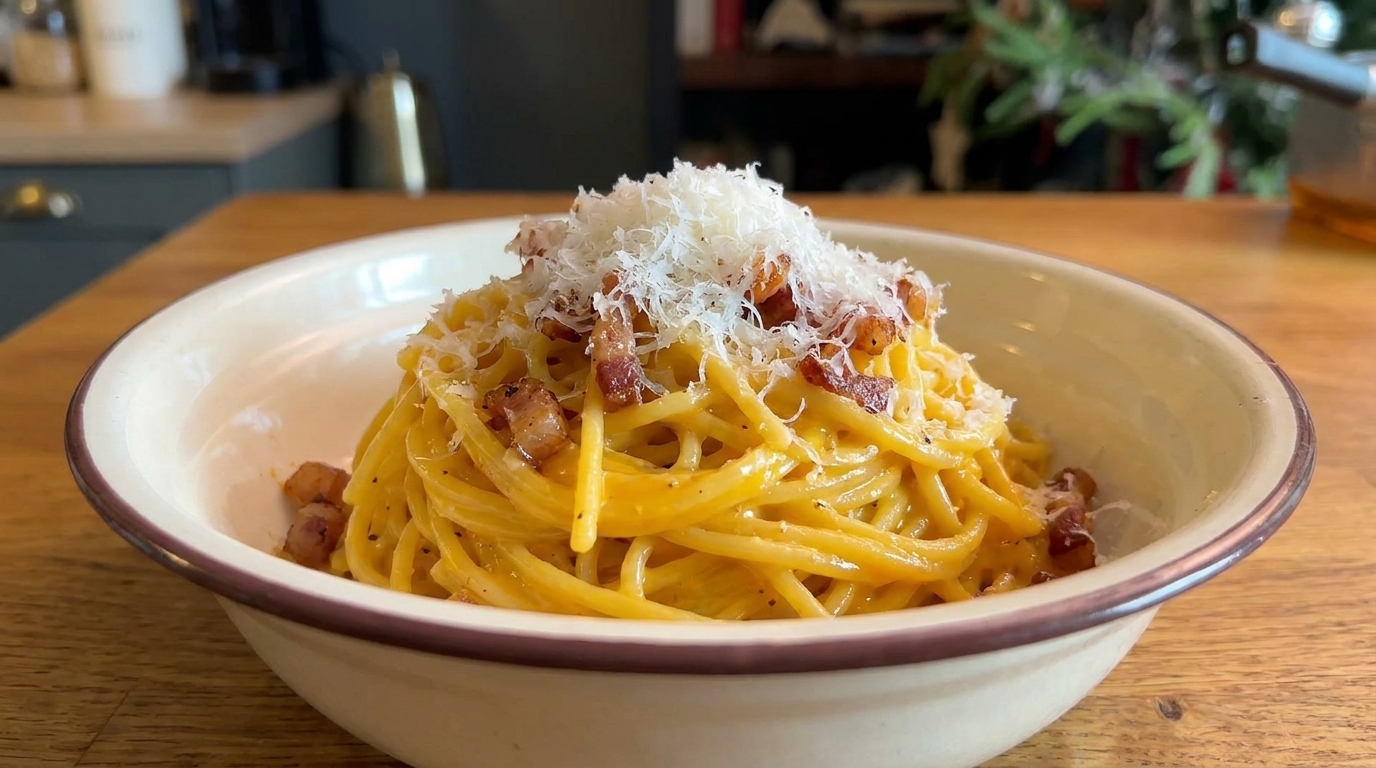
The definitive Roman classic: a silky emulsion of egg yolks, Pecorino Romano, and toasted black pepper, brought to life with the rich fat of crispy guanciale.
Carbonara is one of the Four Pastas of Rome and arguably the most misunderstood. Authentic Carbonara relies entirely on the technique of tempering eggs with pasta water and pork fat to create creaminess—never dairy cream. This version honors the tradition of using guanciale and a precise blend of Pecorino and Parmesan for a perfectly balanced finish.
Ingredients
- 400 g spaghetti
- 150 g guanciale (cured pork jowl)
- 4 large egg yolks
- 30 g Parmesan cheese, finely grated
- 20 g Pecorino Romano cheese, finely grated
- to taste freshly cracked black pepper
- to taste sea salt
- optional extra Pecorino for garnish
Instructions
- 1Prep the guanciale
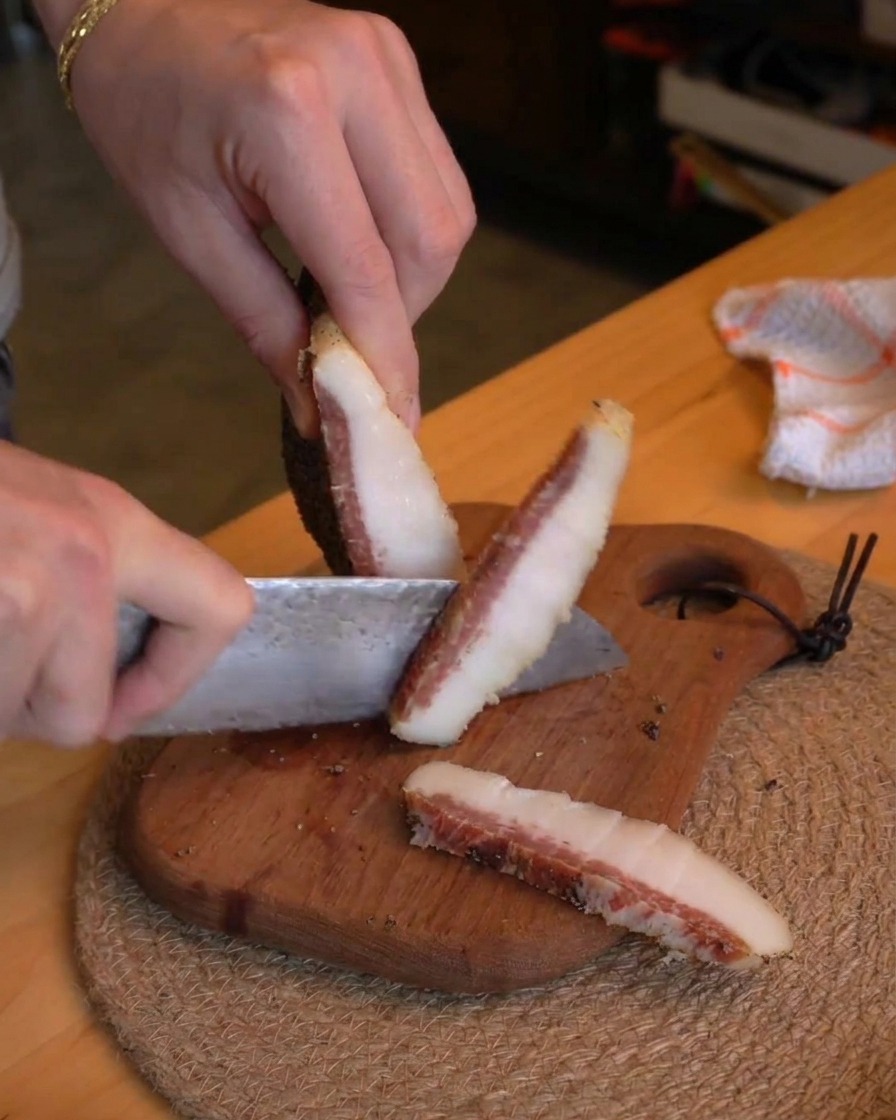
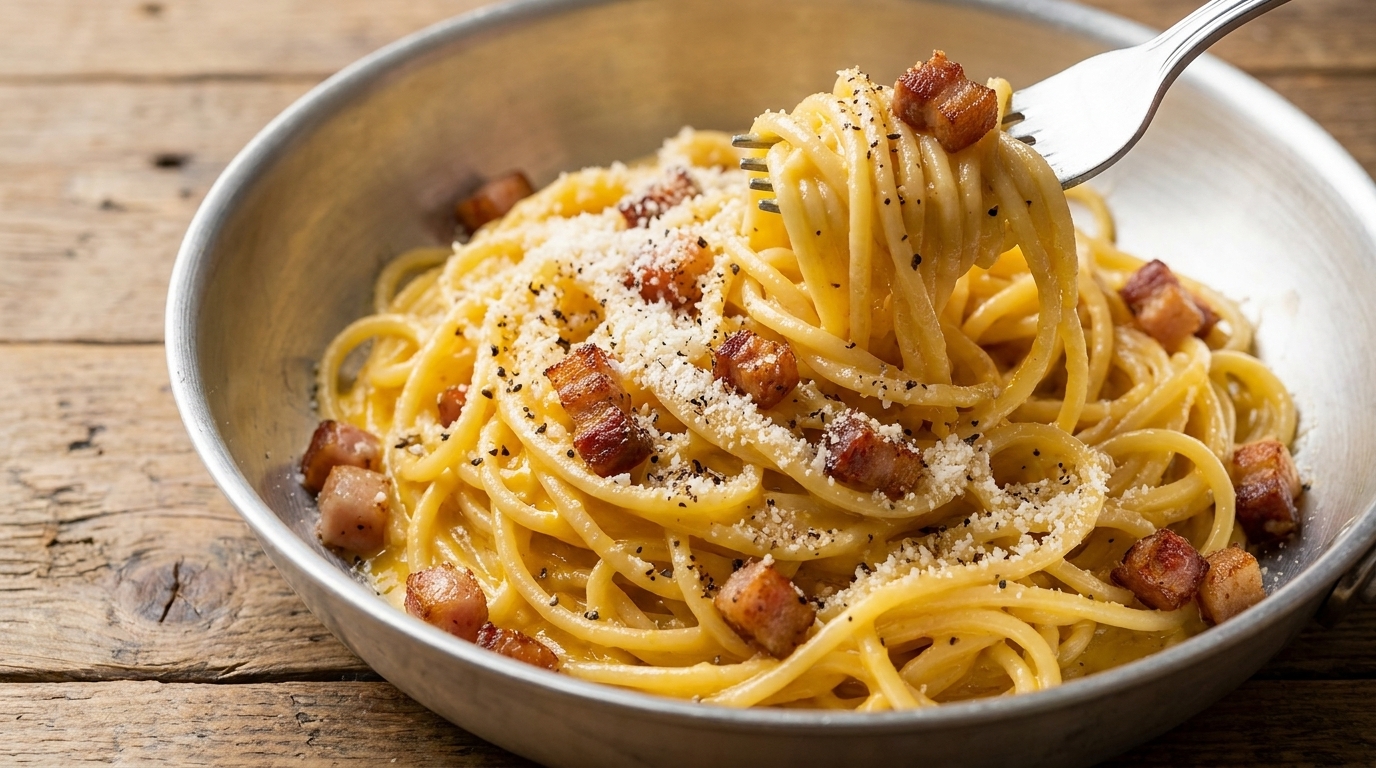
Begin by slicing thick strips of guanciale, or cured pork jowl, into uniform small cubes or batons. This traditional Italian ingredient is essential for an authentic Carbonara, providing the rich, salty fat base that flavors the entire dish.
Tip: Keep the pieces a bit chunky; they will shrink as the fat renders out, leaving you with crispy, flavorful bites. - 2Separate the yolks
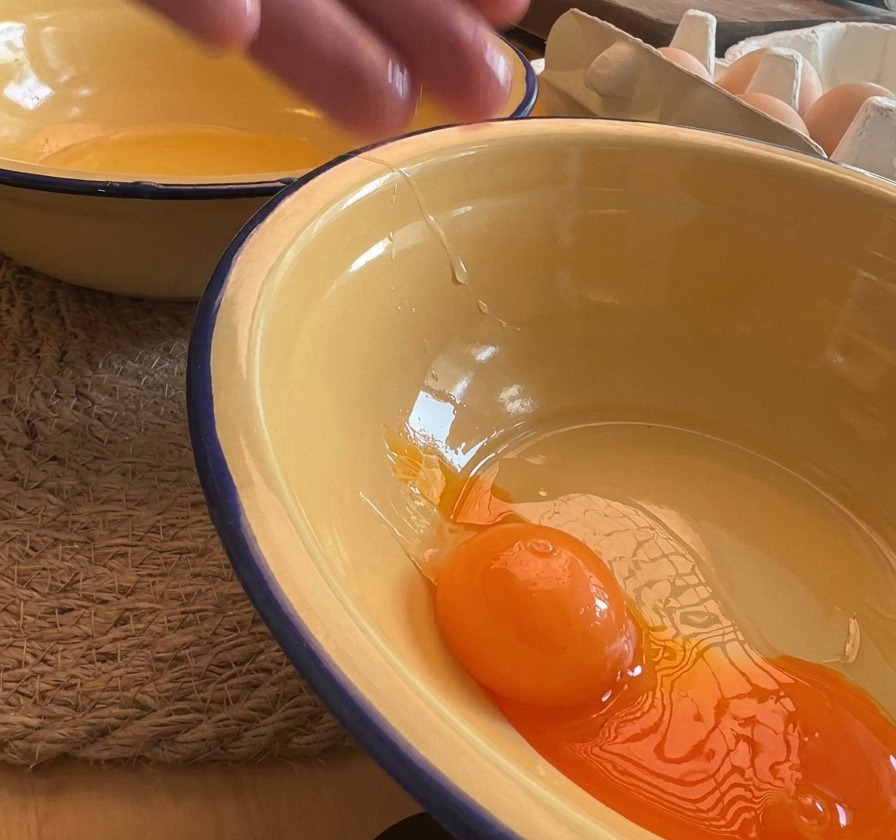
Carefully separate the egg yolks from the whites, placing the yolks into a large mixing bowl. For a rich and creamy Carbonara sauce, use at least one egg yolk per person. The yolks provide the velvety texture without the need for any cream.
Tip: Save the egg whites for another recipe like an omelet or meringue to avoid food waste. - 3Render the fat
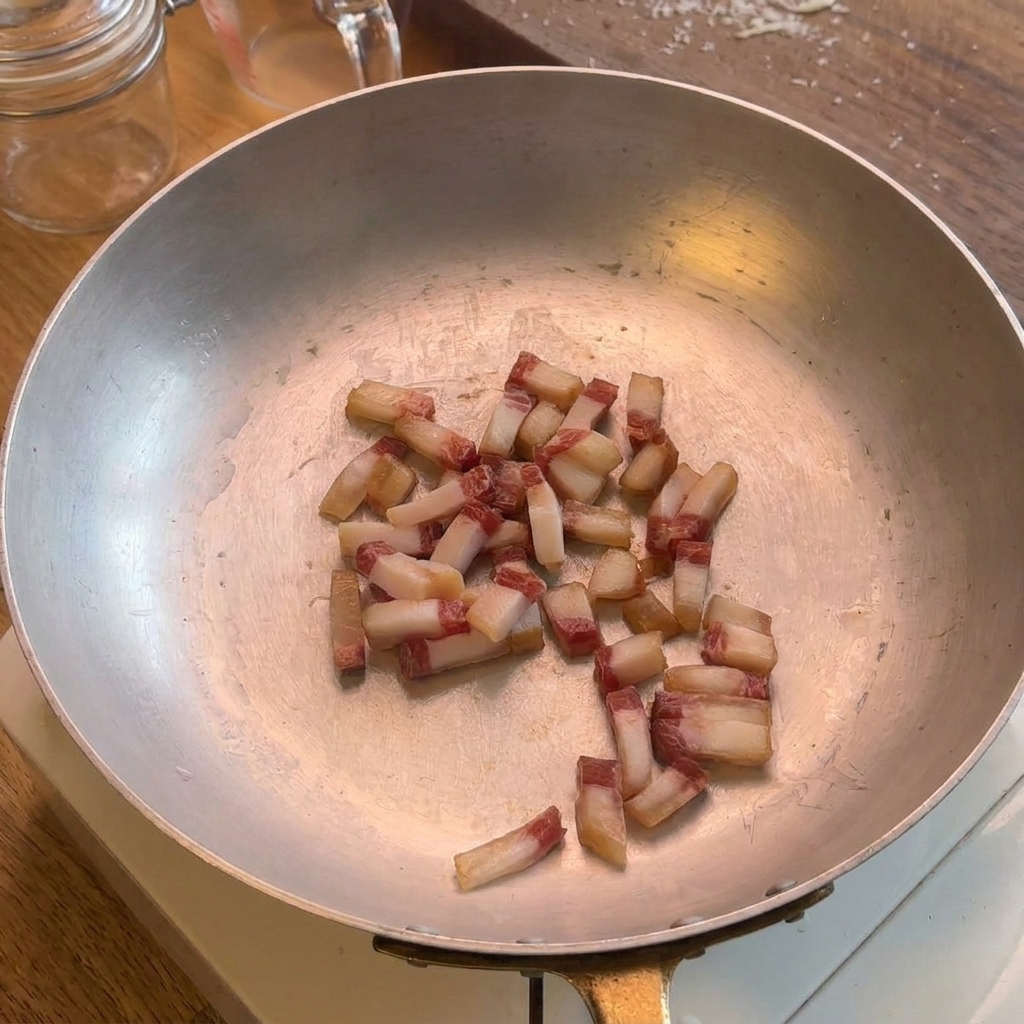
Place the guanciale cubes into a cold pan and turn the heat to medium-low. Do not add any extra oil or butter; the pork will slowly release its own fat. Cook until the pieces are translucent and have developed a pinkish-golden, crispy exterior.
Tip: Starting with a cold pan helps render the fat more efficiently without burning the outside of the meat too quickly. - 4Boil the pasta
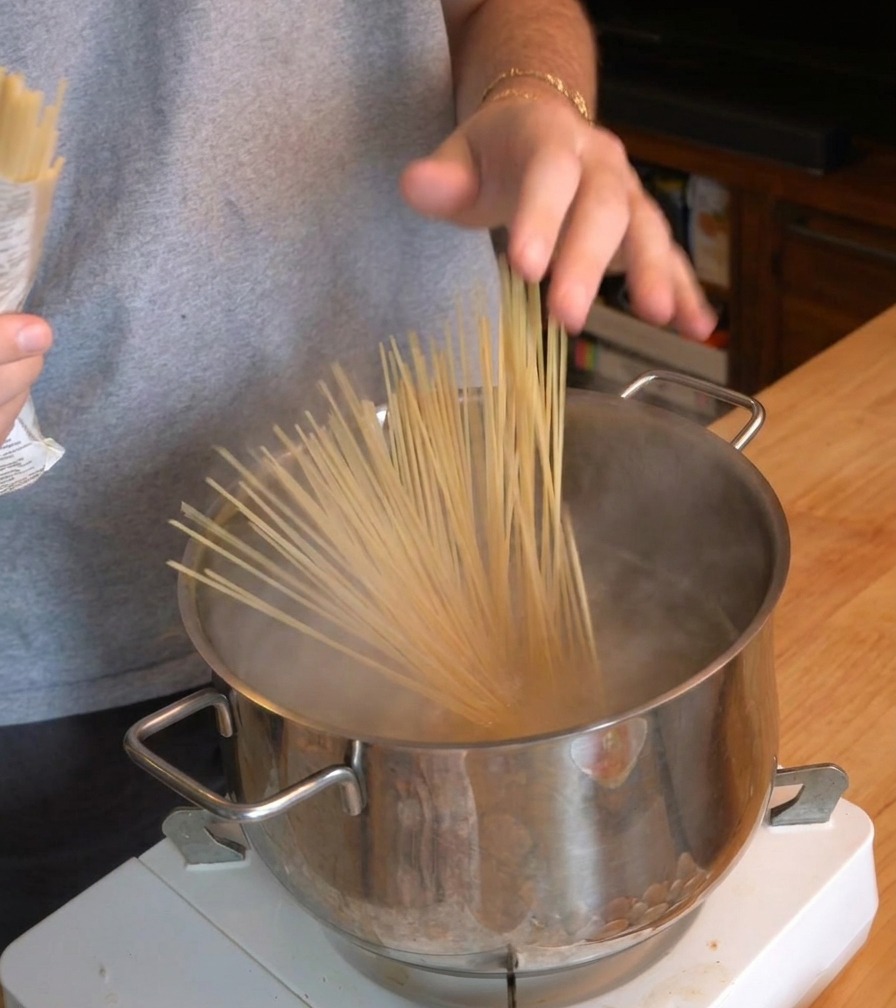
Add the dry spaghetti to a large pot of boiling water. Ensure the water is salted, but be conservative since the cheese and guanciale are already quite salty. Cook the pasta until it is al dente, as it will finish cooking briefly in the sauce later.
Tip: Use a tall pot so the spaghetti can be fully submerged quickly without needing to break the strands. - 5Combine eggs and cheese
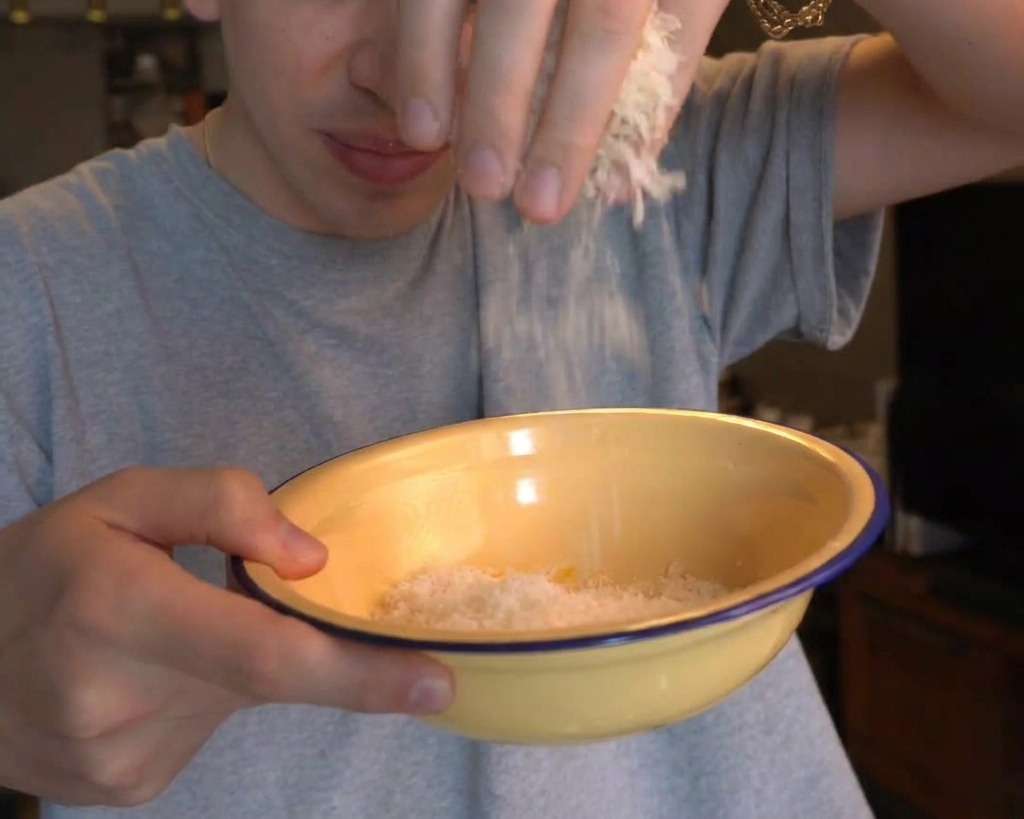
Add a generous amount of finely grated Pecorino and Parmesan cheese to the egg yolks. Mix them together thoroughly until you form a thick, pale yellow paste. This mixture is the foundation of your creamy Carbonara sauce.
Tip: Using a mix of Pecorino for sharpness and Parmesan for nuttiness creates the most balanced flavor profile. - 6Whisk in pasta water
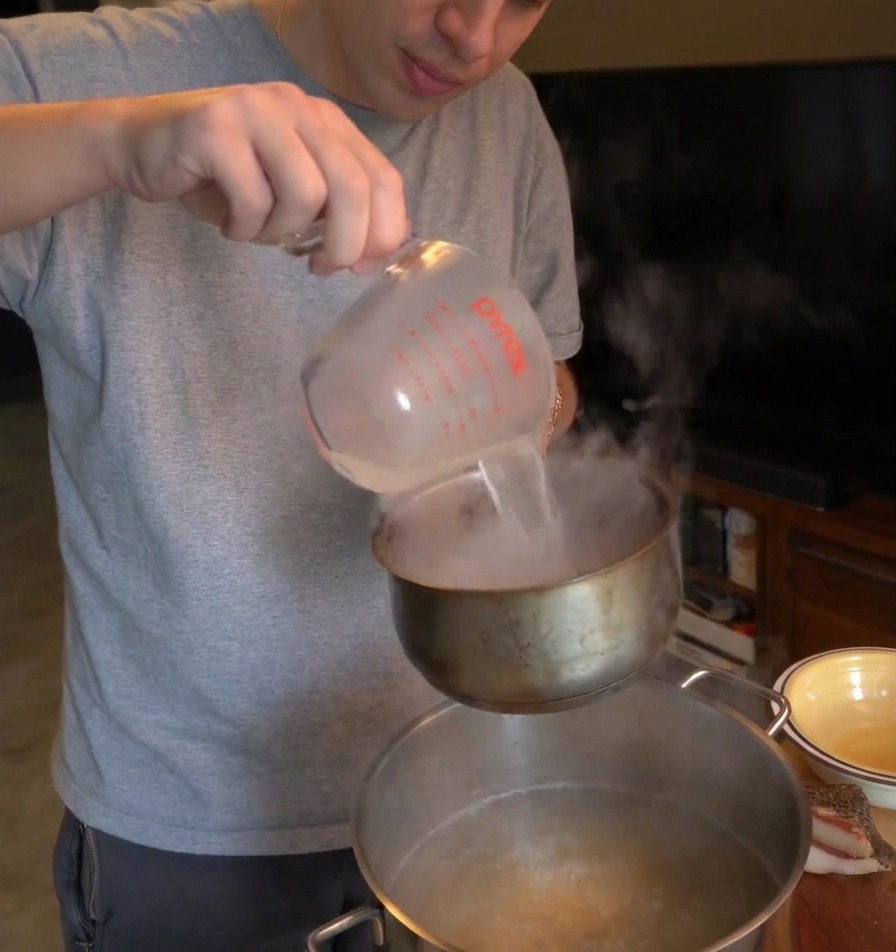
Ladle a small amount of the starchy, hot pasta water into your egg and cheese mixture. Whisk vigorously as you pour to temper the eggs, creating a smooth liquid. This uses the residual heat to prepare the yolks for the pasta without scrambling them.
Tip: Be careful not to use water that is too hot or add it too fast, or you might end up with scrambled eggs instead of a sauce. - 7Incorporate the pork fat
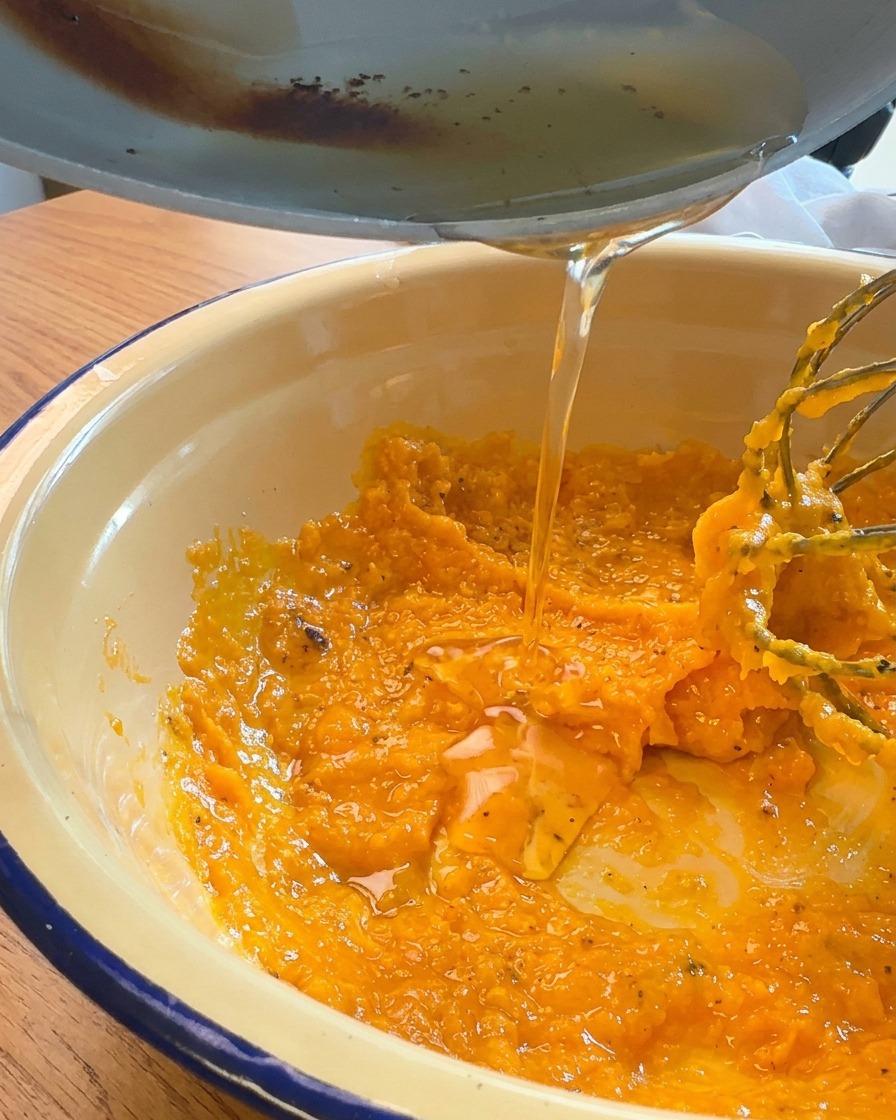
Slowly pour the rendered liquid fat from the fried guanciale into the bowl containing your egg yolks and cheese mixture. Whisk constantly as you pour to emulsify the fat into the sauce, creating a rich, savory base that carries the deep flavor of the pork throughout the entire dish.
Tip: Make sure the fat is warm but not scorching hot, as you want to melt the cheese and create an emulsion without prematurely scrambling the egg yolks. - 8Thicken the custard
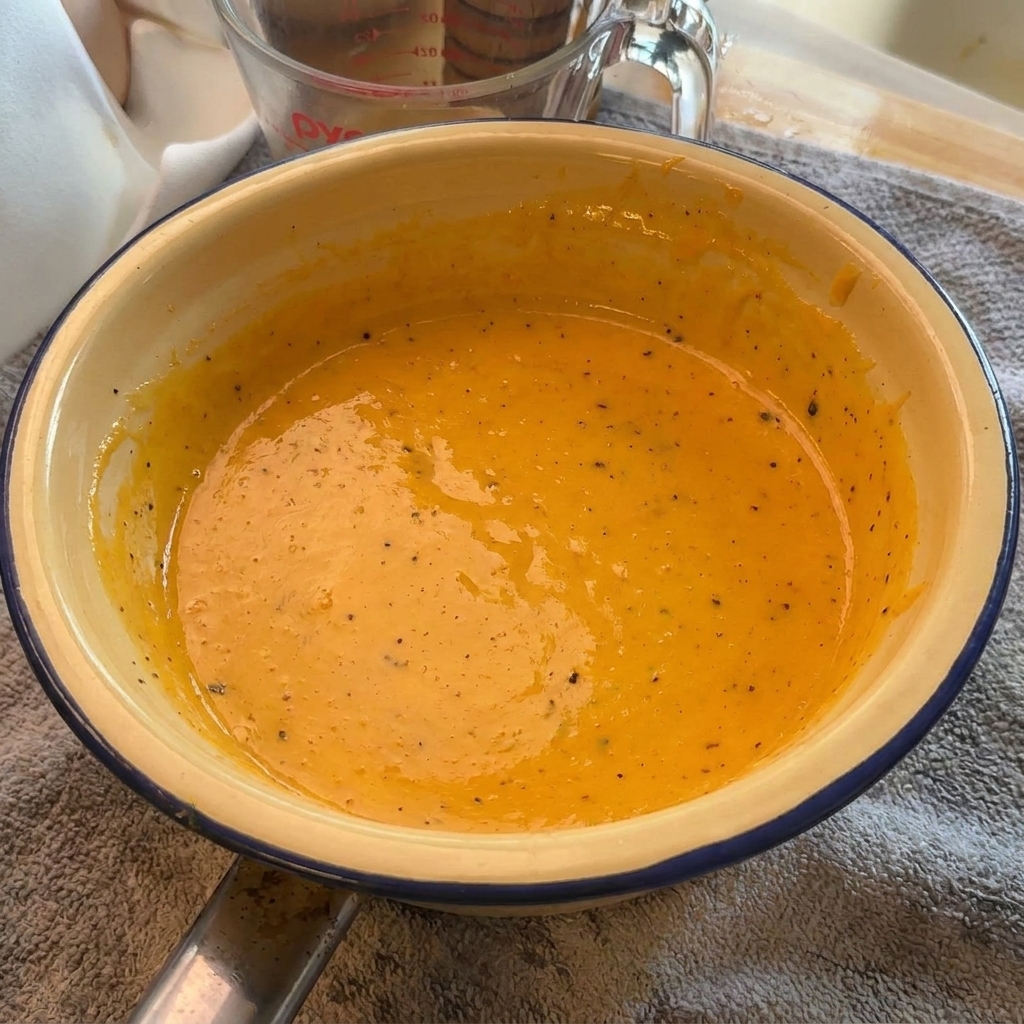
Place the bowl over the steam of the pasta water pot and continue whisking. The gentle heat will melt the cheese completely and thicken the egg yolks into a glossy, velvety custard. This gentle method ensures a perfectly smooth sauce every time.
Tip: If the sauce looks too thick or begins to clump, add a small splash of starchy pasta water to loosen it back to a silky consistency. - 9Toss the pasta and sauce
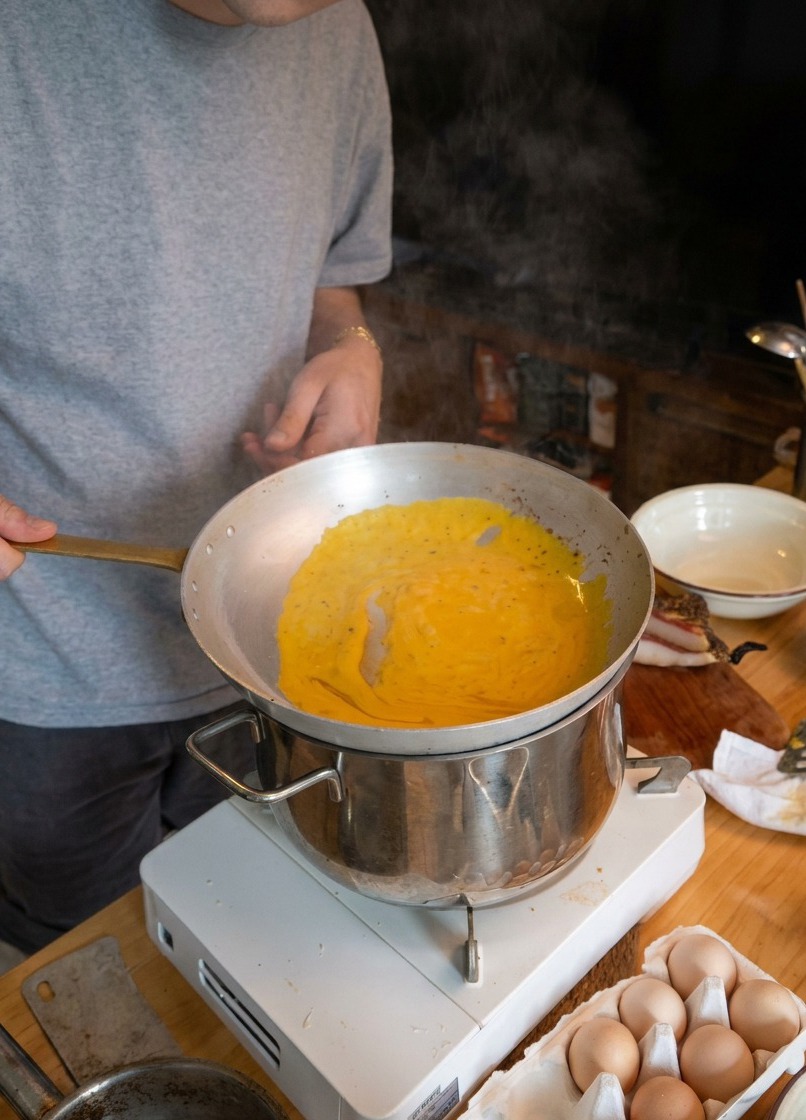
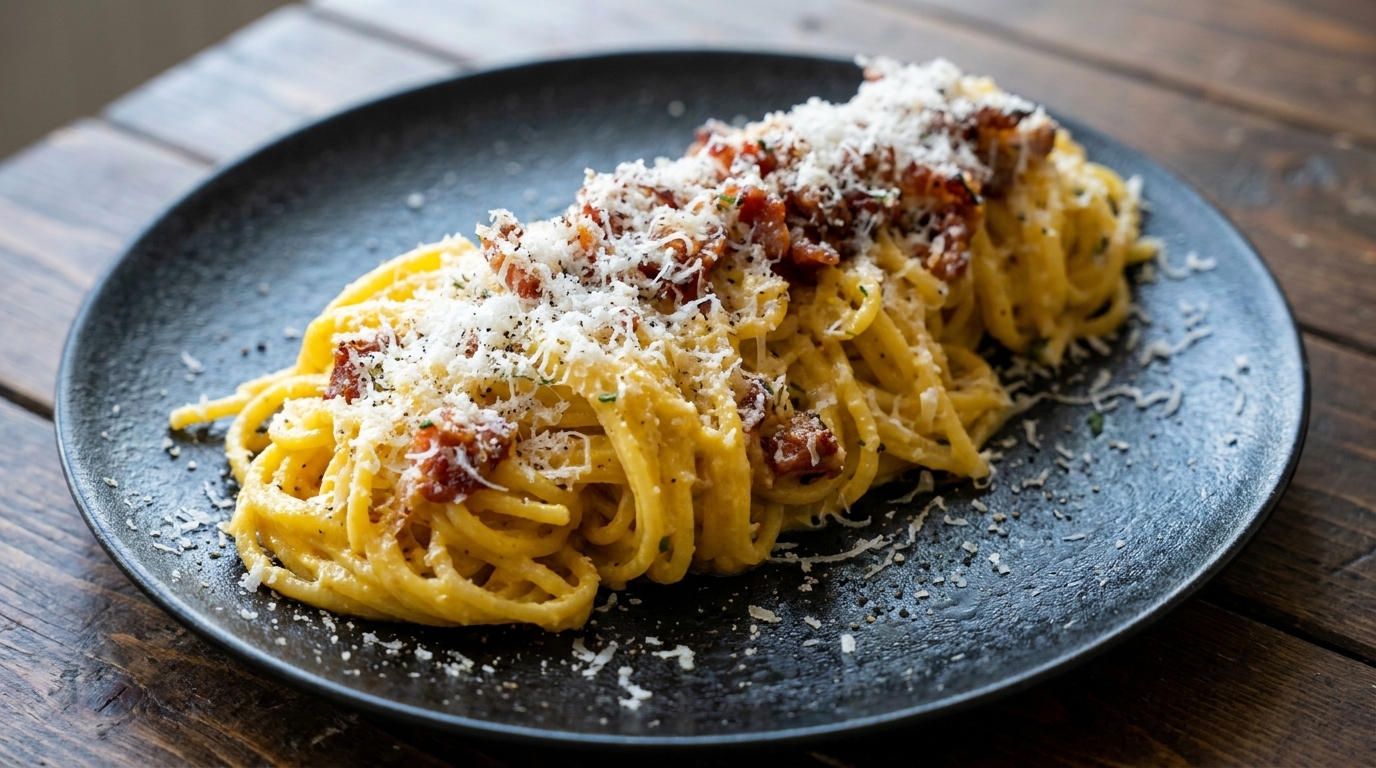
Transfer the al dente spaghetti directly into the pan or bowl with the sauce. Use the residual heat from the pasta and the steam from the pot below to toss everything together. The movement helps the starch and fat bind, coating every strand of pasta in a thick, luxurious layer of Carbonara sauce.
Tip: Work quickly and keep the pasta moving; the goal is to achieve a creamy coating through agitation and gentle heat, not direct flame.