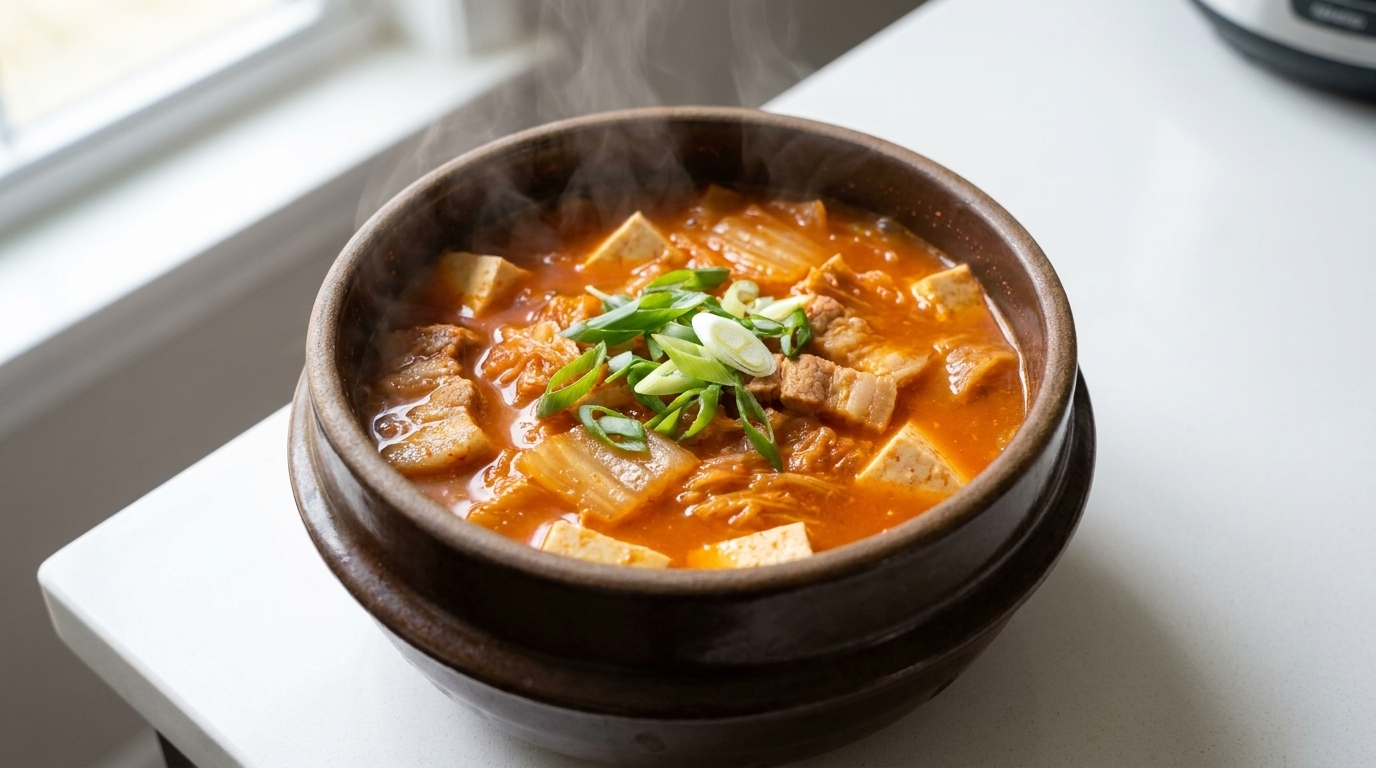
Korean Kimchi Beef Tofu Soup (Kimchi-jjigae)
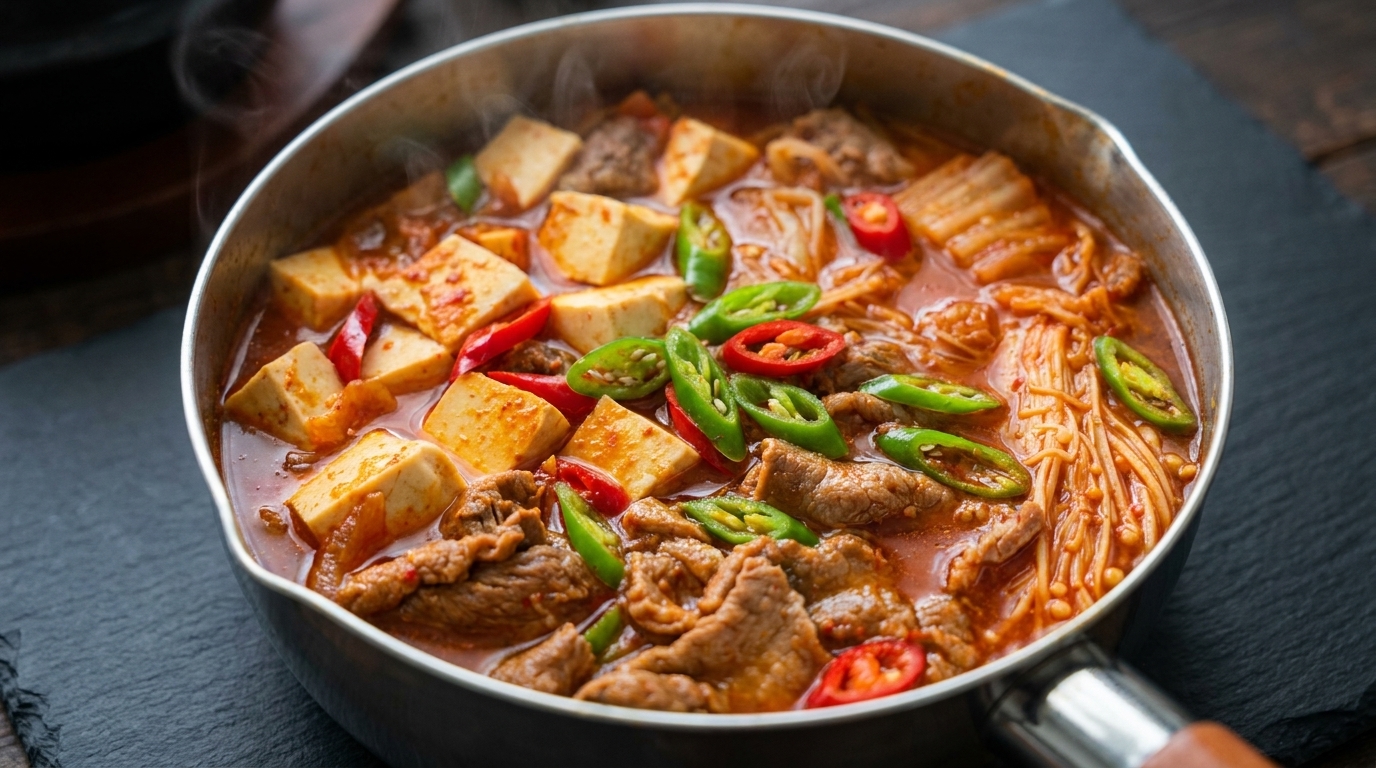
A soul-warming Korean classic featuring silky tofu, tender marinated beef, and aged kimchi in a robust, spicy broth enriched with gochujang.
Kimchi-jjigae is a cornerstone of Korean home cooking, traditionally prepared with well-fermented kimchi to provide its signature tangy depth. This version adds marinated beef and enoki mushrooms for a more luxurious texture and savory richness that balances the heat.
Ingredients
- 200 g beef flank or brisket, thinly sliced
- 1 pack soft or medium-firm tofu, cubed
- 1 cup fermented kimchi, chopped
- 12 red onion, sliced
- 100 g enoki mushrooms
- 50 g bean sprouts
- 2 tbsp Korean chili paste (gochujang)
- 1 tbsp chili powder (gochugaru)
- 2 tbsp soy sauce
- 1 tbsp oyster sauce
- 1 tsp sugar
- 1 tsp cornstarch
- to taste black pepper
- 2 fresh chilies (green and red), sliced
Instructions
- 1Marinate the beef
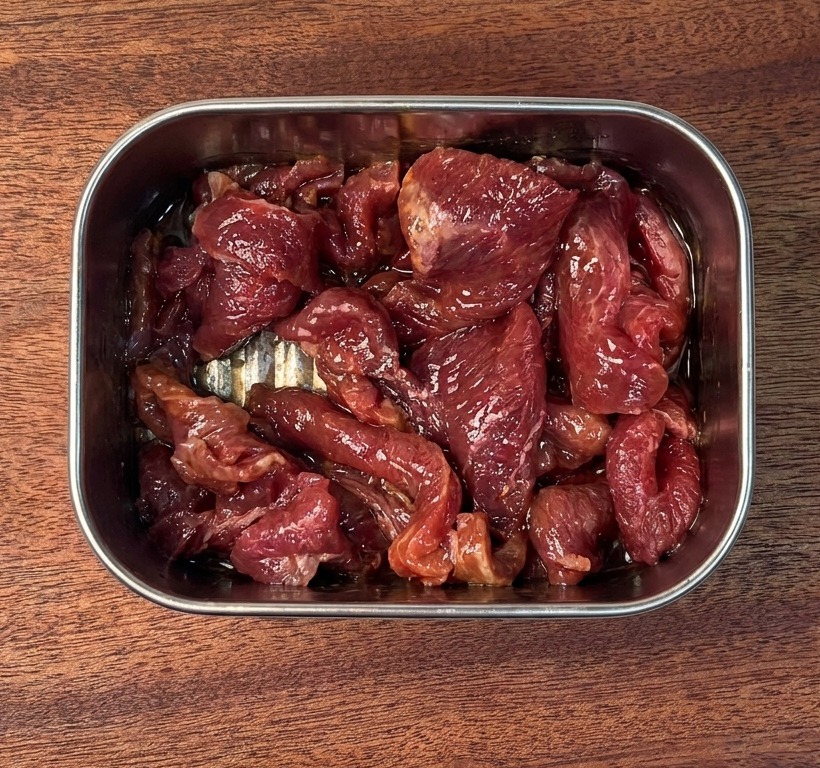
Prepare the beef by slicing it thinly and placing it in a metal container. Add soy sauce, oyster sauce, pepper powder, starch, and cooking oil to the meat. Mix everything thoroughly to ensure each slice is evenly coated and let it sit for at least ten minutes to allow the flavors to penetrate and the starch to tenderize the meat.
Tip: The addition of cooking oil and starch helps seal in the juices and results in a much smoother, more tender texture once cooked. - 2Prepare the sauce base
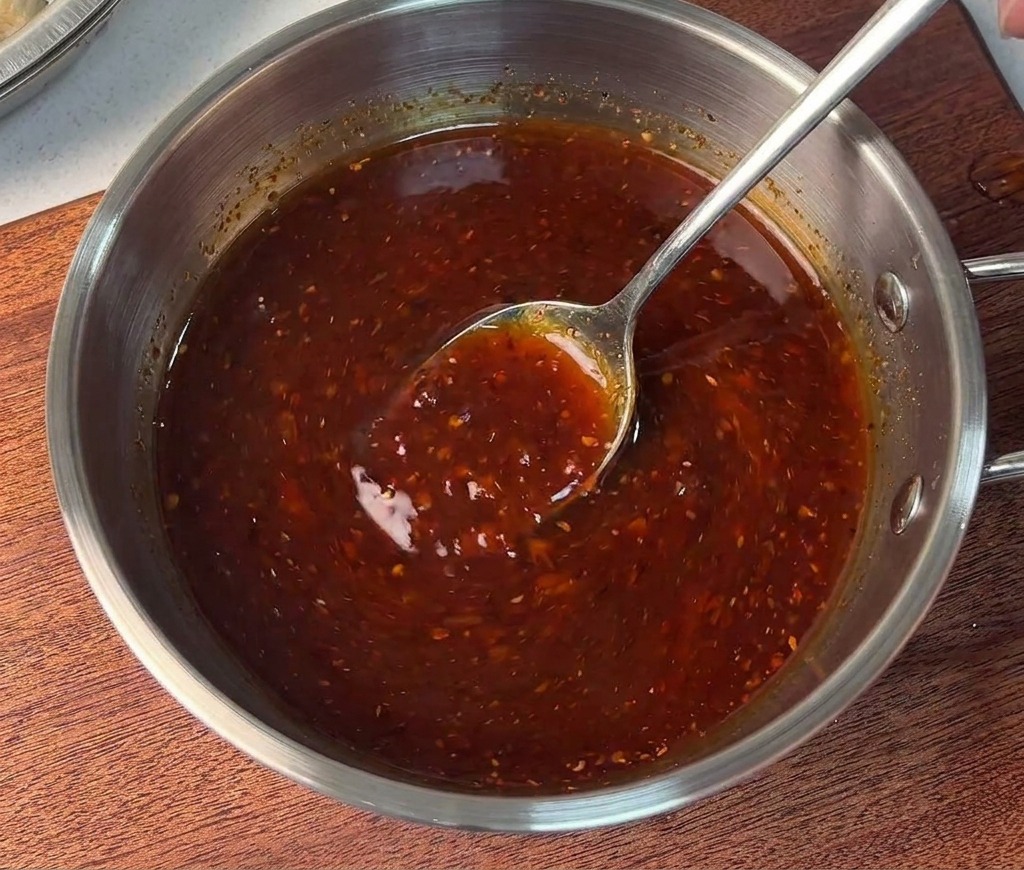
In a separate small metal bowl, create the flavoring for your soup. Combine soy sauce, sugar, chili powder, and a generous portion of Korean chili paste. Add half a bowl of water to the dry and paste ingredients and stir with a spoon until you have a smooth, uniform red sauce.
Tip: If you prefer a thicker, richer broth, you can increase the ratio of Korean chili paste while slightly reducing the added water. - 3Sauté the aromatics
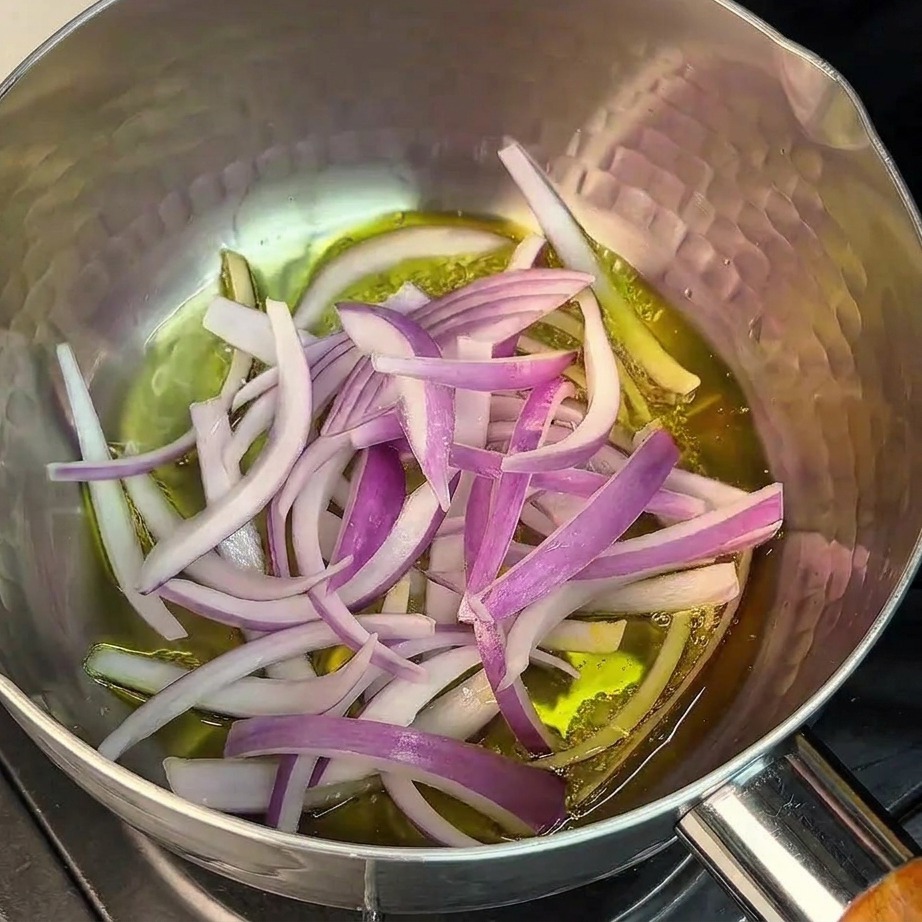
Heat a pot with a bit of cooking oil over medium heat. Add the sliced red onions to the pot and sauté them until they become fragrant and start to turn translucent. This step builds the aromatic foundation for the spicy soup.
Tip: Do not rush this step; sautéing the onions until they are soft releases their natural sugars to balance the spice of the kimchi. - 4Stir-fry the kimchi
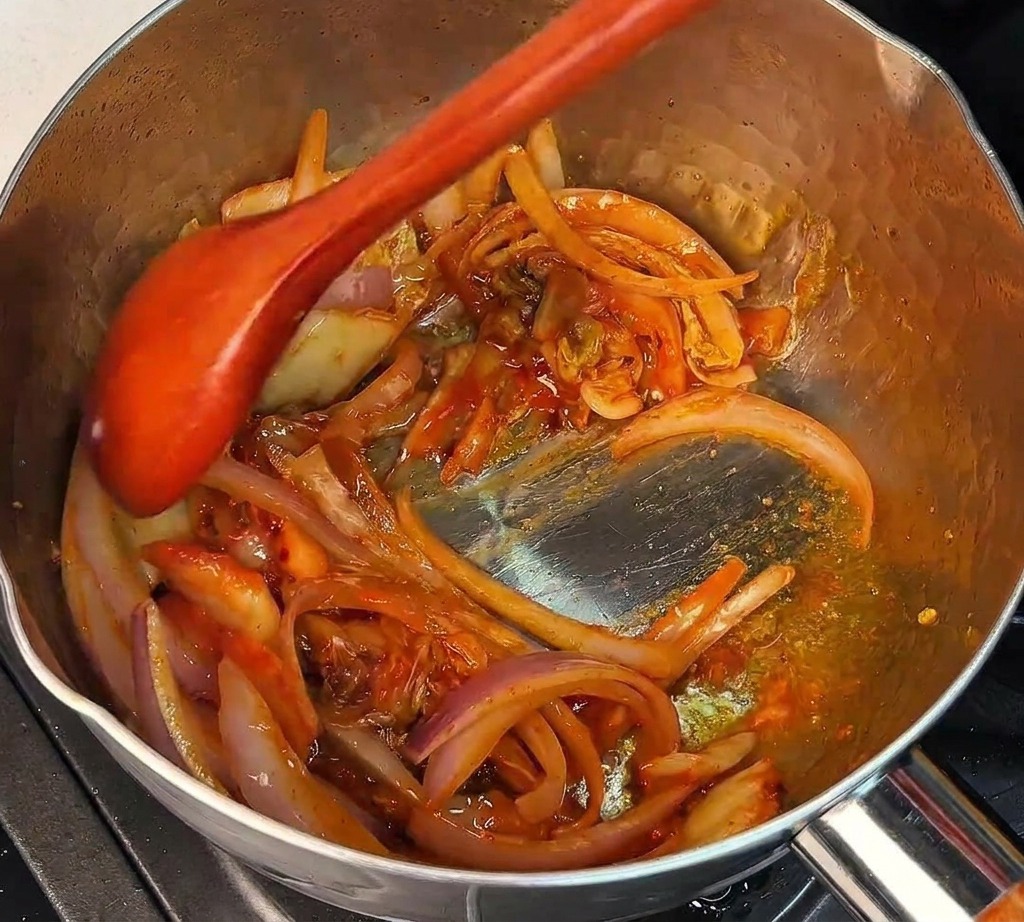
Add the fermented kimchi to the pot with the sautéed onions. Stir-fry them together for a few minutes to allow the kimchi juices to release and its flavors to intensify under the heat. This process develops the sour and savory profile of the dish.
Tip: Using well-aged, sour kimchi is the secret to a truly authentic and flavorful Korean stew. - 5Add the sauce base
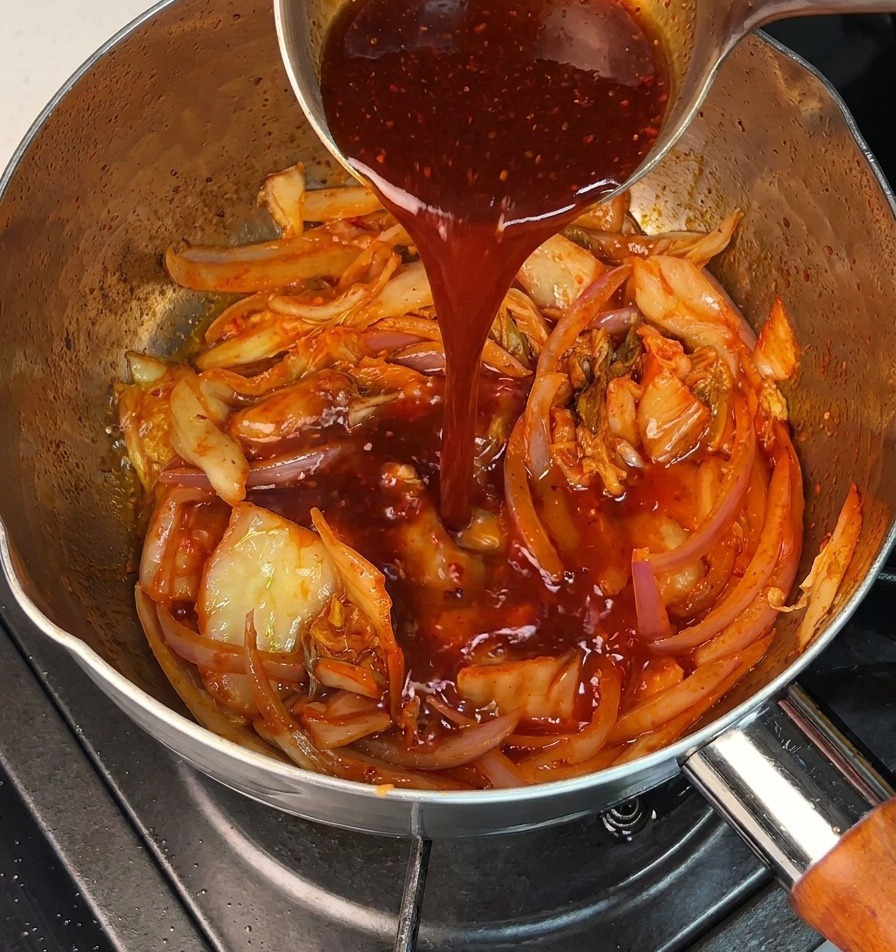
Pour the red chili sauce you prepared earlier into the pot over the stir-fried kimchi and onions. Ensure all the seasonings are incorporated into the mixture to create the concentrated base for your soup.
Tip: Pour the sauce directly into the center of the pot to ensure it makes contact with the hot surface, briefly frying the paste for extra depth. - 6Create the soup base
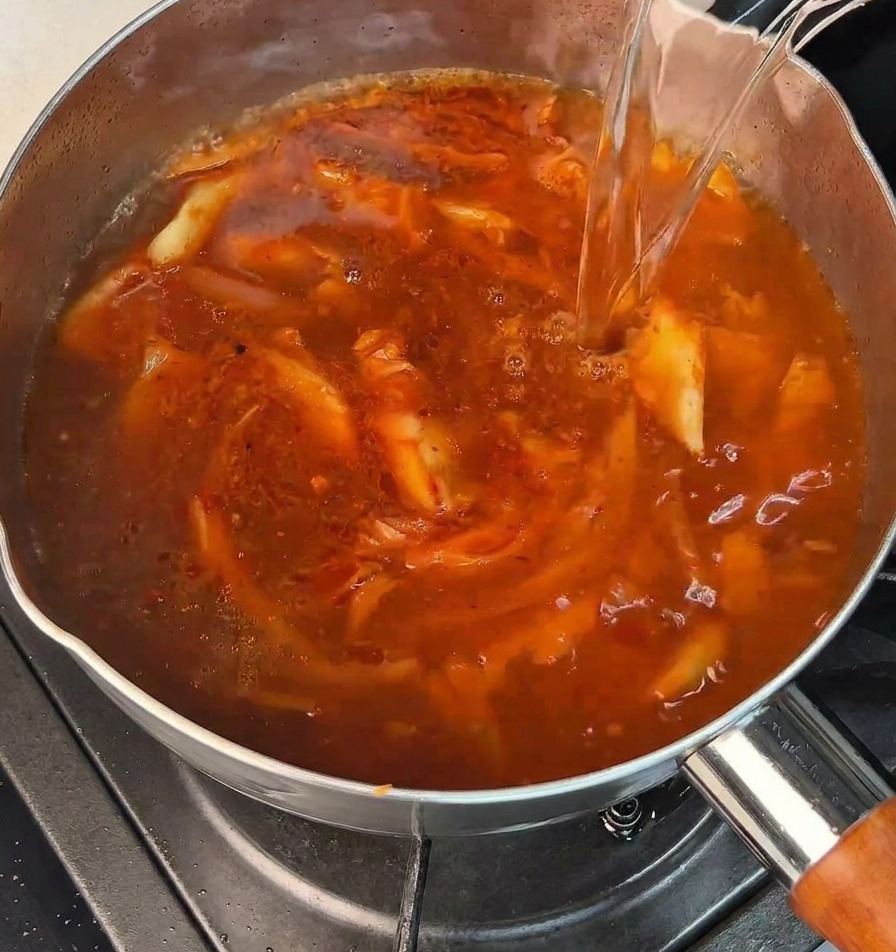
Carefully pour hot boiling water into the pot to dilute the concentrated mixture and create the soup broth. Using boiling water ensures the temperature remains high and the flavors emulsify quickly.
Tip: Adjust the amount of water depending on how intense or mild you want the final broth to be. - 7Add the enoki mushrooms
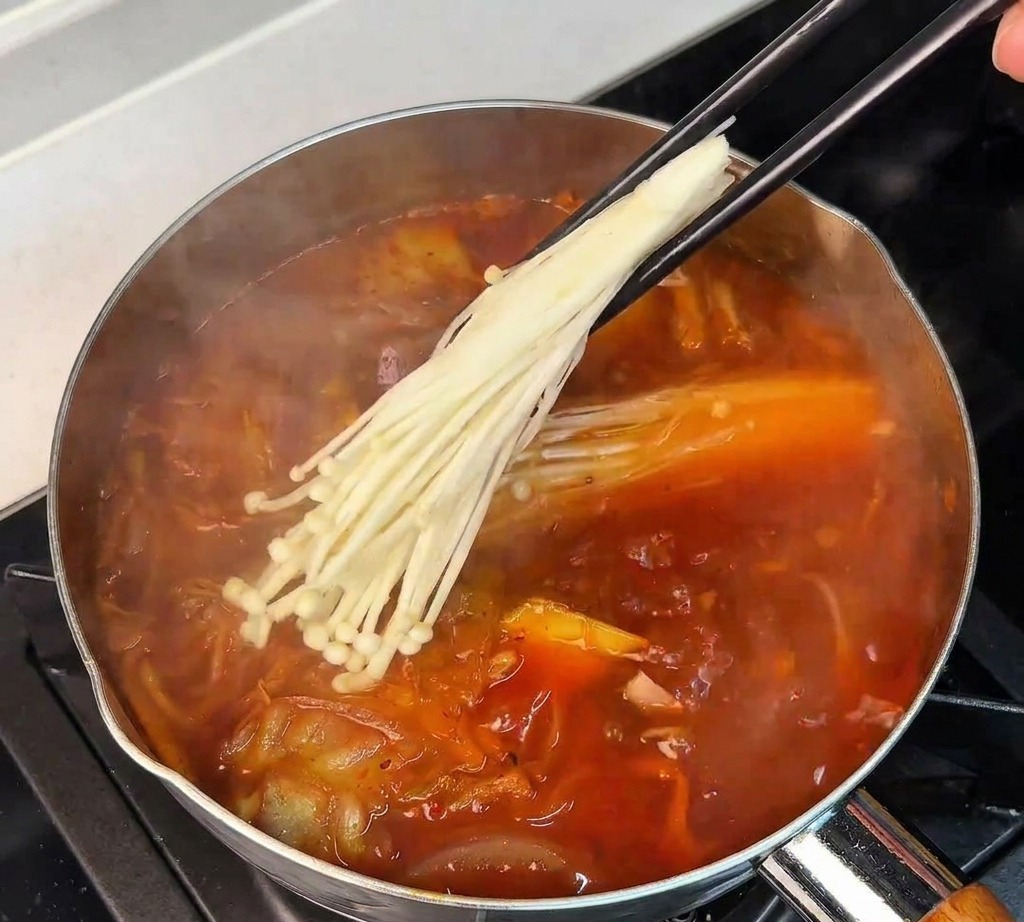
Take a fresh bundle of enoki mushrooms and place them into the bubbling red soup base. These mushrooms will quickly soften and absorb the savory, spicy flavors of the kimchi broth, adding a delicate texture to the dish.
Tip: Before adding, ensure you have trimmed off the bottom woody section of the enoki mushrooms and separated the strands slightly. - 8Incorporate fresh bean sprouts
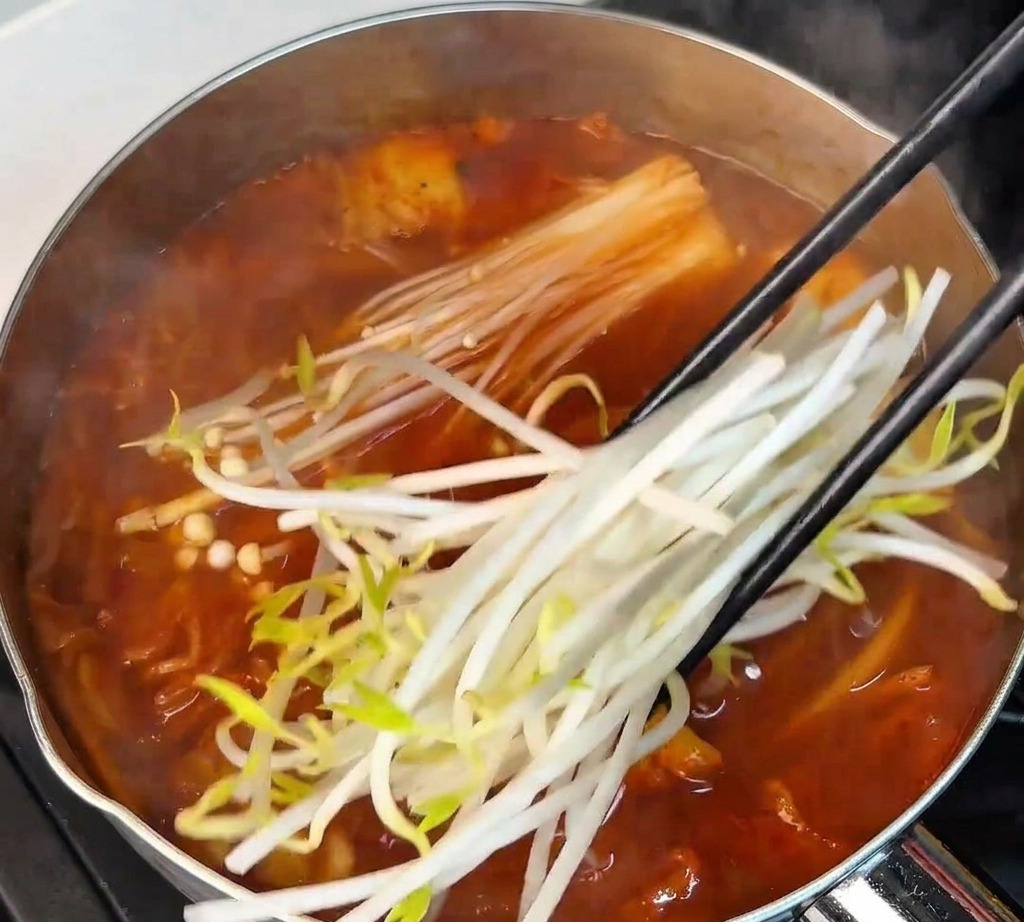
Next, add a generous amount of fresh bean sprouts to the pot. The sprouts provide a refreshing crunch that perfectly balances the rich beef and the intensity of the Korean chili paste.
Tip: Bean sprouts cook very quickly; add them toward the end of the vegetable sequence to keep them from becoming too soggy. - 9Add the tofu cubes
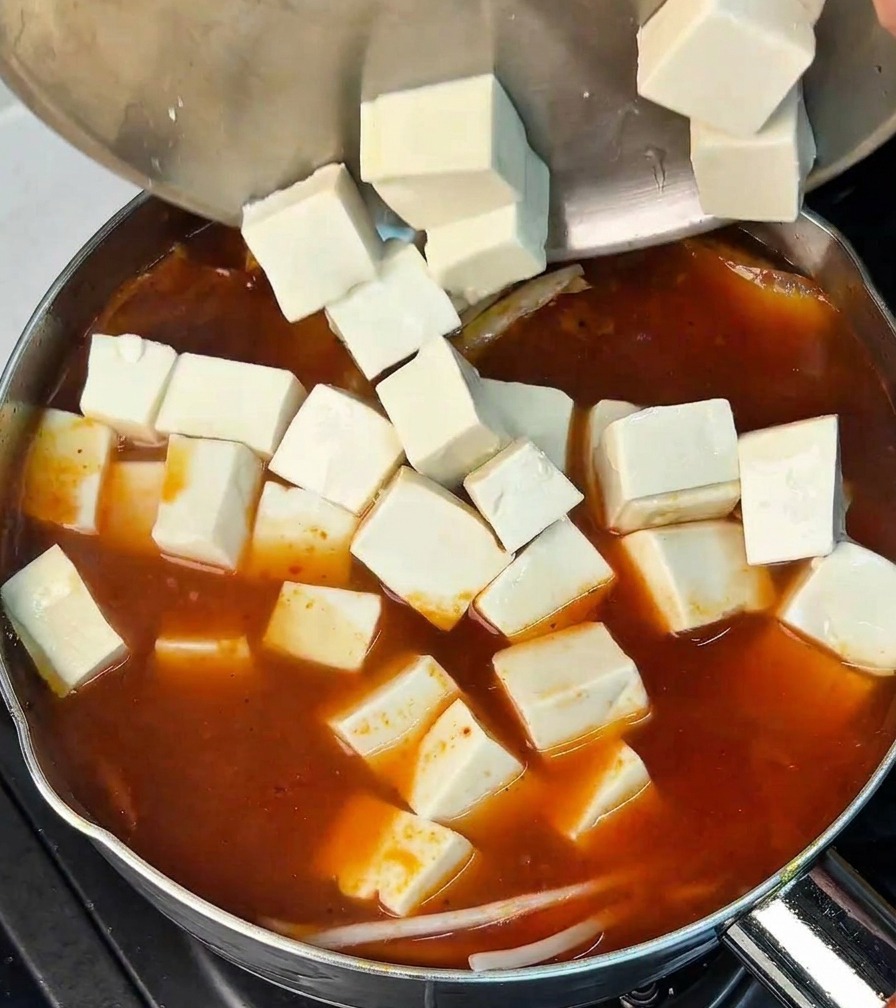
Carefully pour the cubes of white tofu into the simmering broth. As the tofu heats through, it becomes incredibly tender and smooth, soaking up the sour and spicy notes of the soup.
Tip: Use soft or medium-firm tofu for this recipe to achieve that classic, silky mouthfeel characteristic of Korean stews. - 10Cook the marinated beef
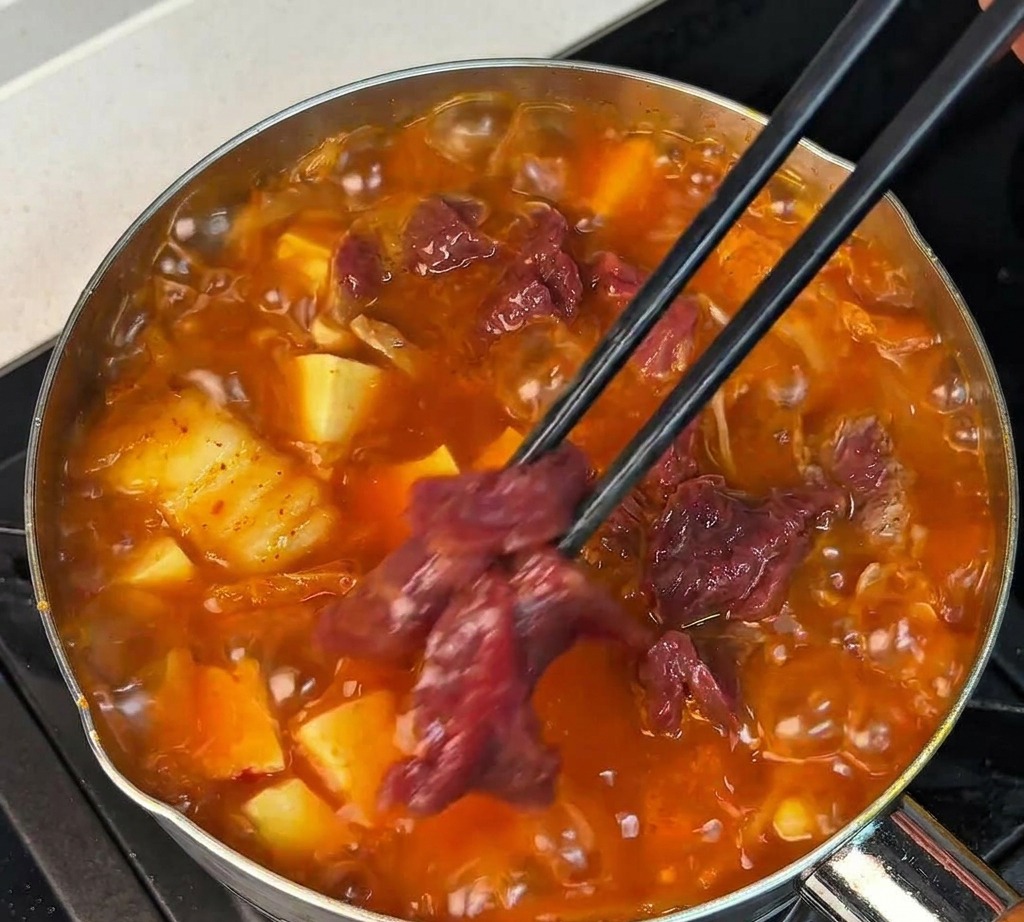
Once the tofu begins to float, use chopsticks to gently add the marinated raw beef slices into the boiling soup. Stir them slightly so they cook evenly; they only need a short time to become tender and flavorful.
Tip: Ensure the soup is at a rolling boil when adding the beef so the starch in the marinade sets quickly, keeping the meat juicy.