Traditional Shanxi Dumpling Soup
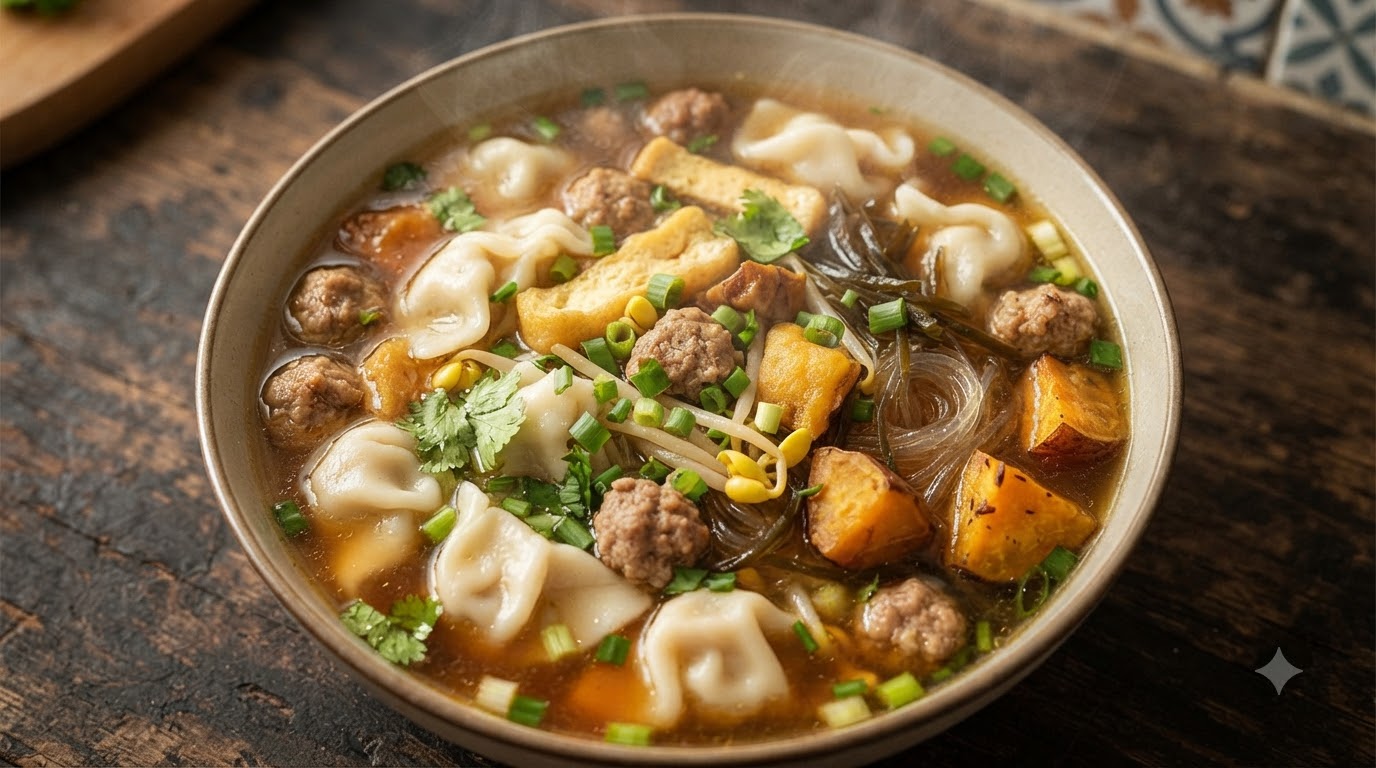
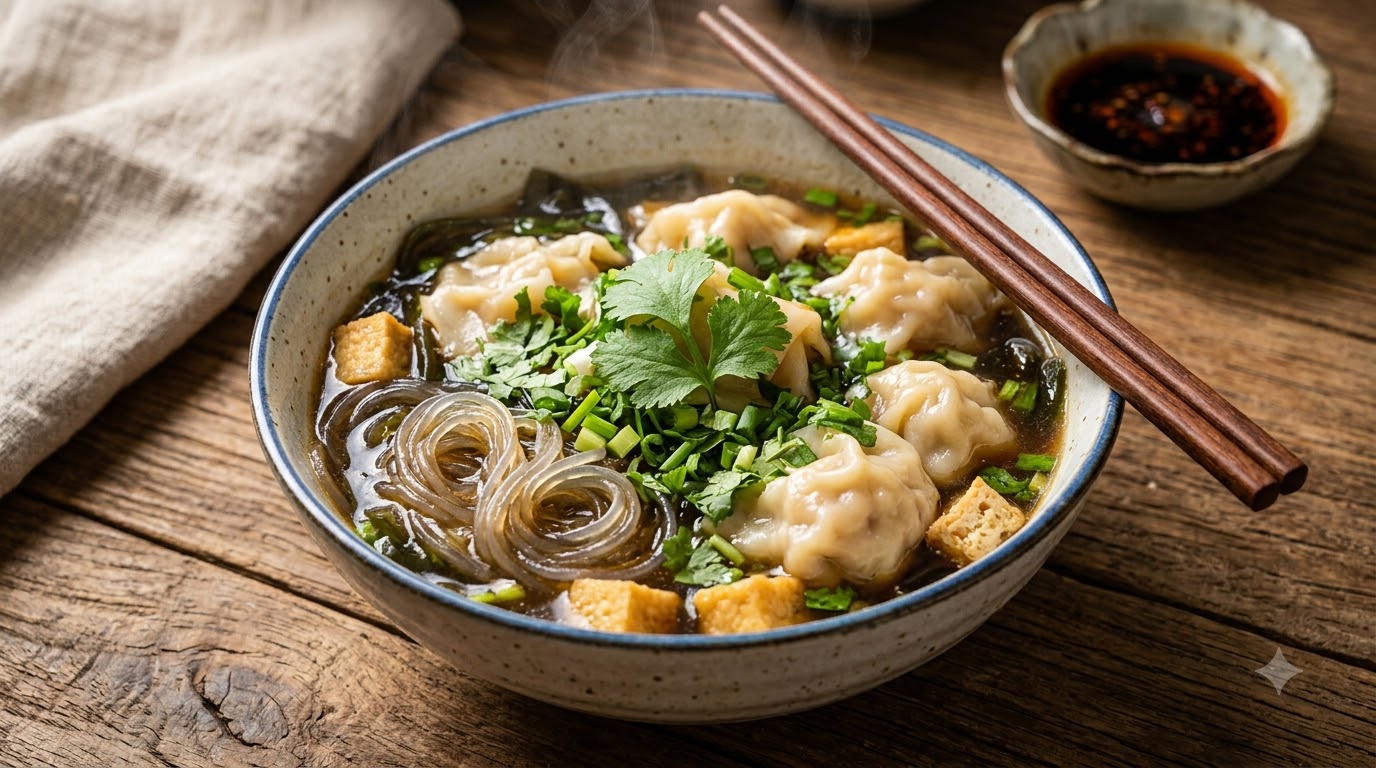
A comforting Shanxi tradition featuring leftover dumplings simmered in an aromatic broth with glass noodles, fried tofu strips, kelp, and soybean sprouts.
Shanxi dumpling soup is a hearty and resourceful homestyle dish that transforms leftover dumplings into a complete, deeply comforting meal. Combining chewy handmade wrappers with a savory broth infused with scallions, ginger, and earthy soybean sprouts, it layers in textures from glass noodles, fried tofu, and crisp greens. This unique noodle-and-dumpling pairing is a beloved regional staple rarely found outside of Shanxi kitchens.
Ingredients
- 12 pieces dumplings
- 50 g glass noodles
- 100 g firm tofu
- 30 g compressed kelp
- 80 g soybean sprouts
- 2 stalks scallions
- 3 slices ginger
- 2 tbsp seasoning sauce
- to taste salt
- to taste cooking oil
- 1 bunch fresh greens
- 1 small bunch cilantro
Instructions
- 1Soak the kelp
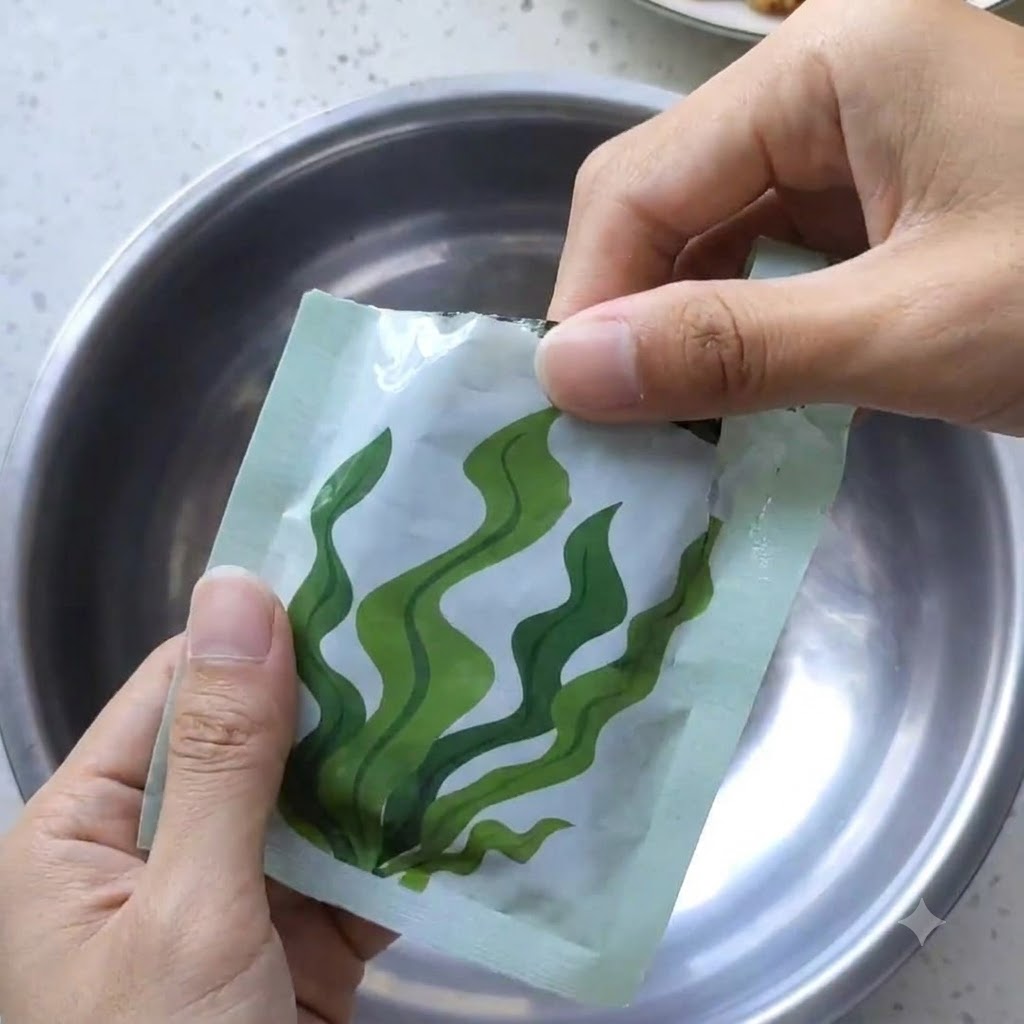
Take compressed kelp out of its packaging and place it into a metal bowl filled with cold water to rehydrate it.
Tip: Use cold water to rehydrate dried kelp properly without turning it mushy. - 2Fry the tofu
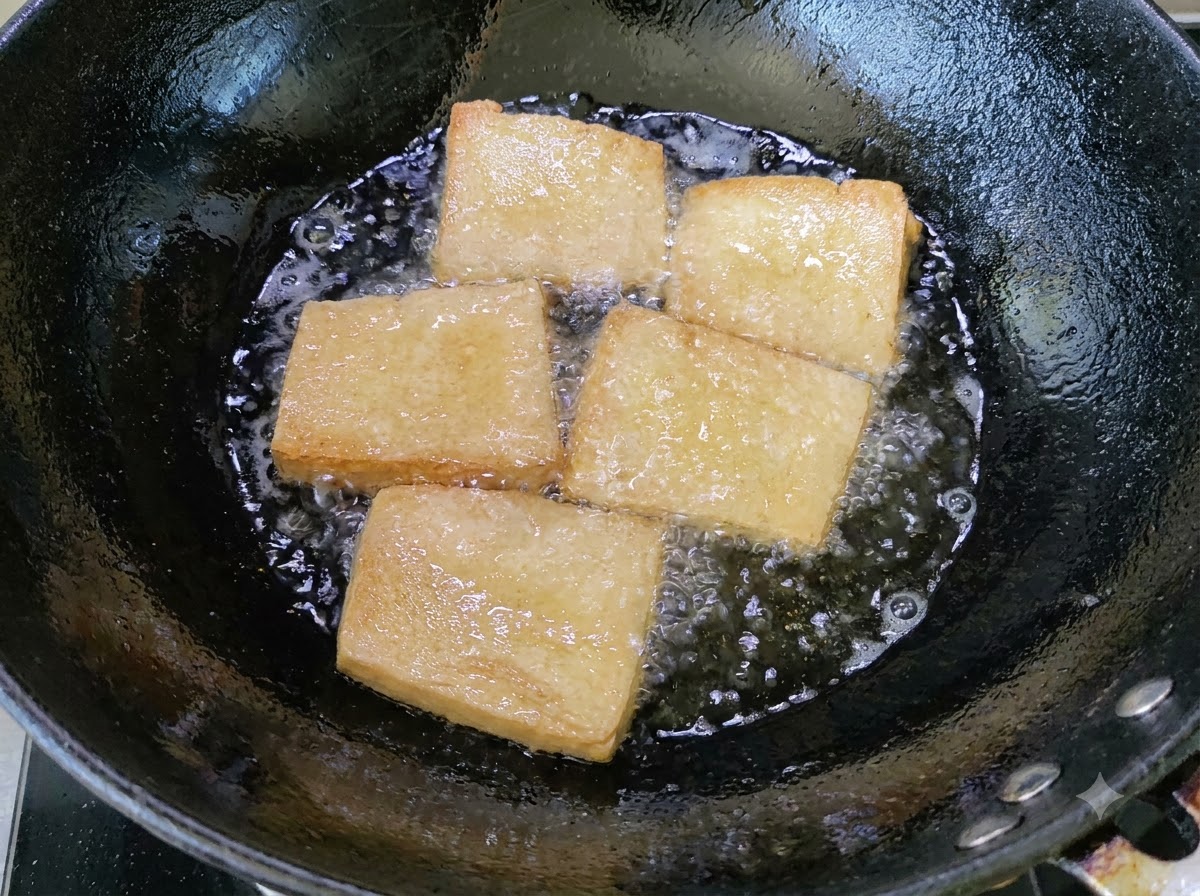
Place tofu pieces into a wok filled with hot oil and fry until golden brown on both sides. Once fried, remove and cut them into strips.
Tip: Ensure the oil is adequately hot before adding the tofu to achieve a crispy exterior. - 3Slice the fried tofu
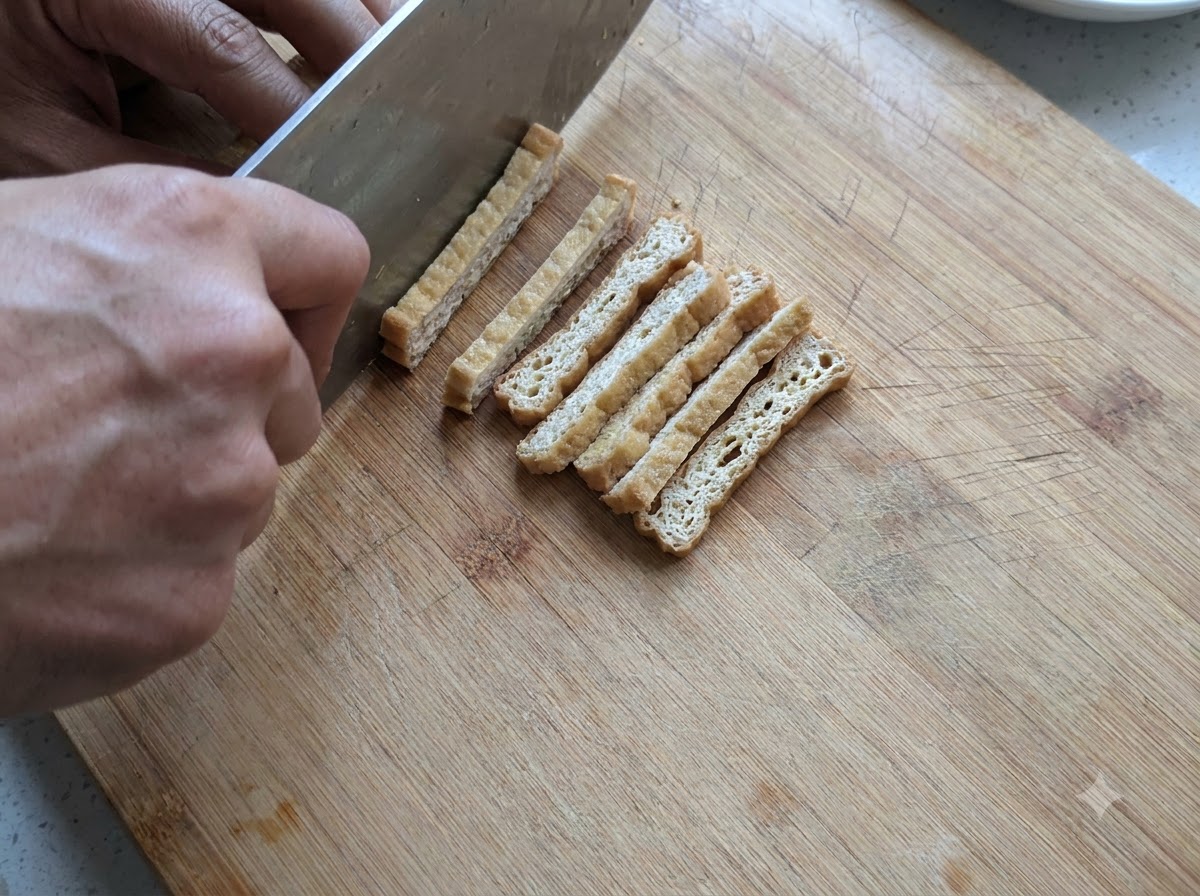
Place the fried tofu on a wooden cutting board and use a kitchen knife to slice it into neat, uniform strips.
Tip: Keep the slices uniform in thickness so they cook and absorb flavors evenly in the soup. - 4Divide the dough
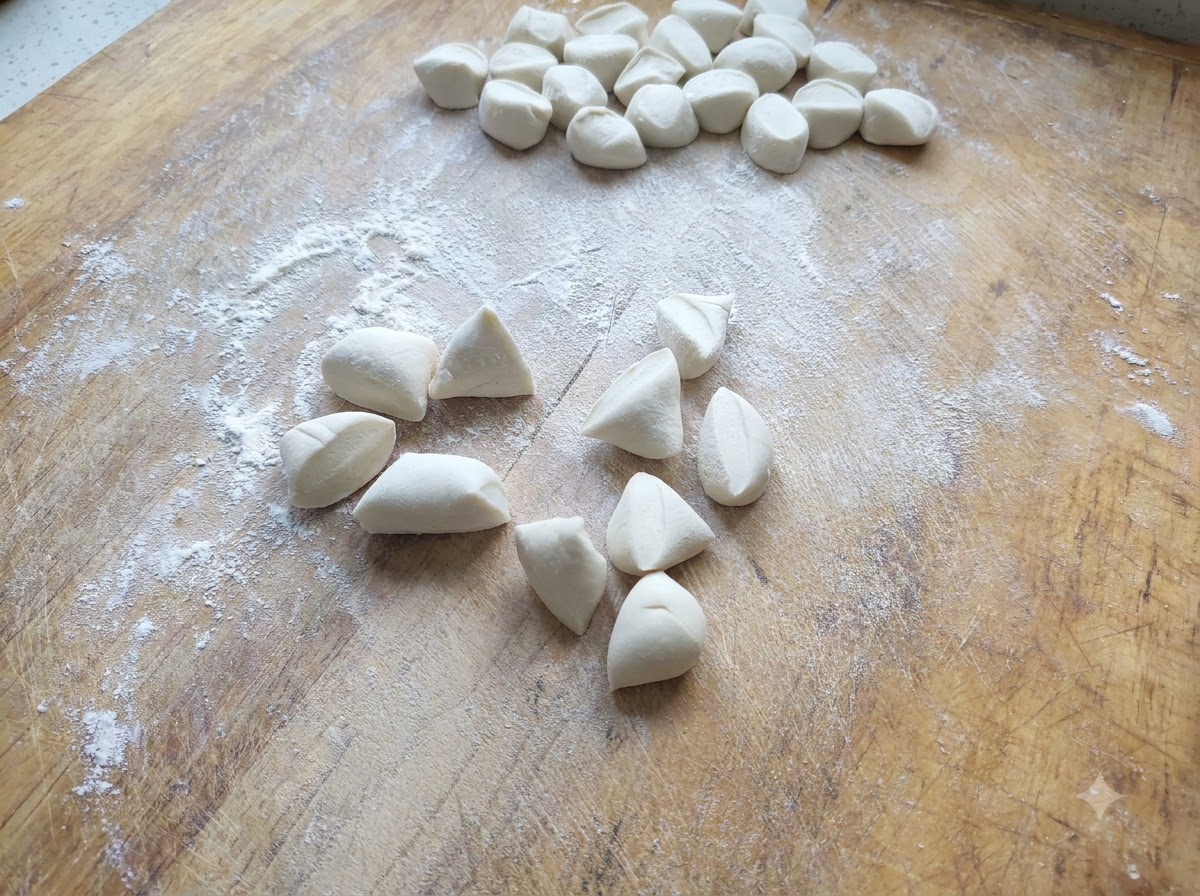
After the dough has rested, roll it into a long strip on a floured surface and cut it into small, evenly sized dough pieces.
Tip: Dust the board lightly with flour to prevent the dough pieces from sticking. - 5Roll the dumpling wrappers
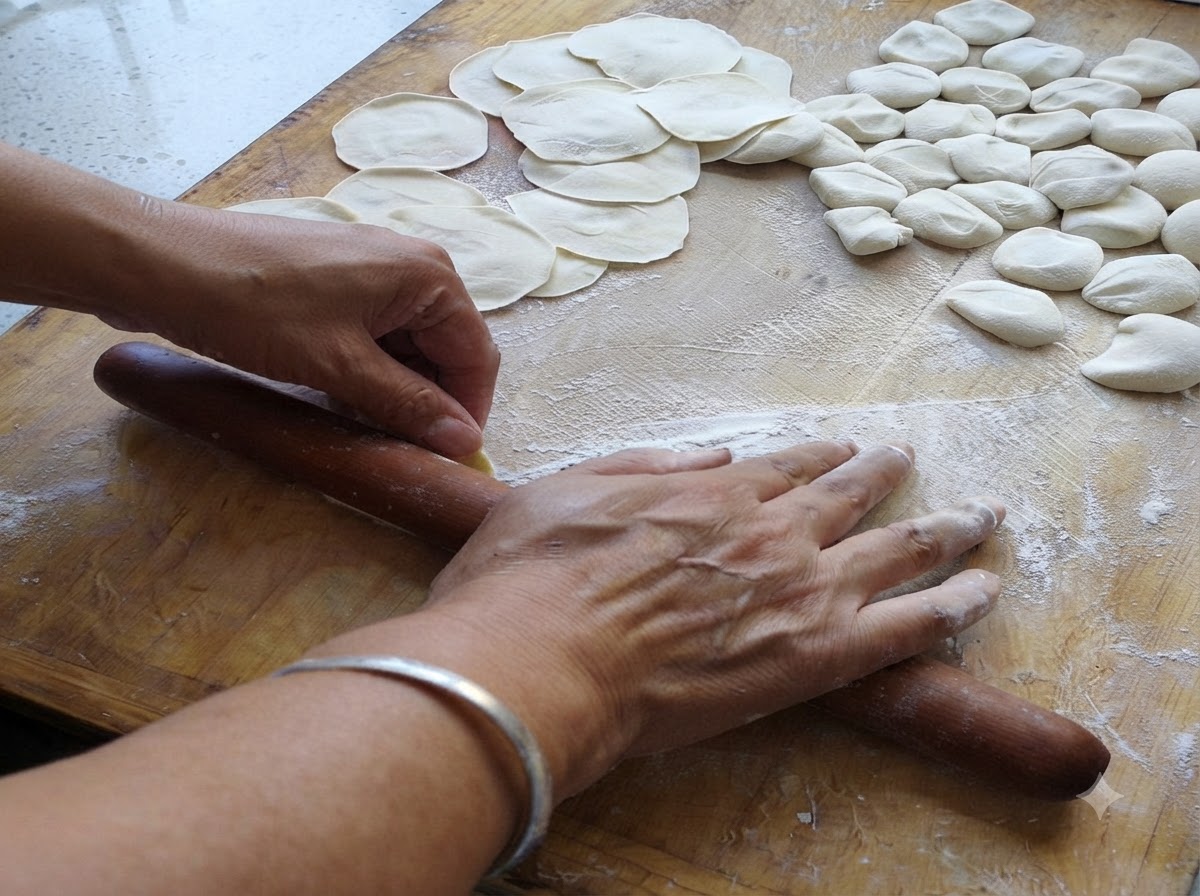
Flatten the small dough pieces with your palm and use a rolling pin to roll them into round wrappers that feature thin edges and thick centers.
Tip: Thin edges make the wrappers easy to seal, while the thick center holds the filling securely without tearing. - 6Boil aromatics in water
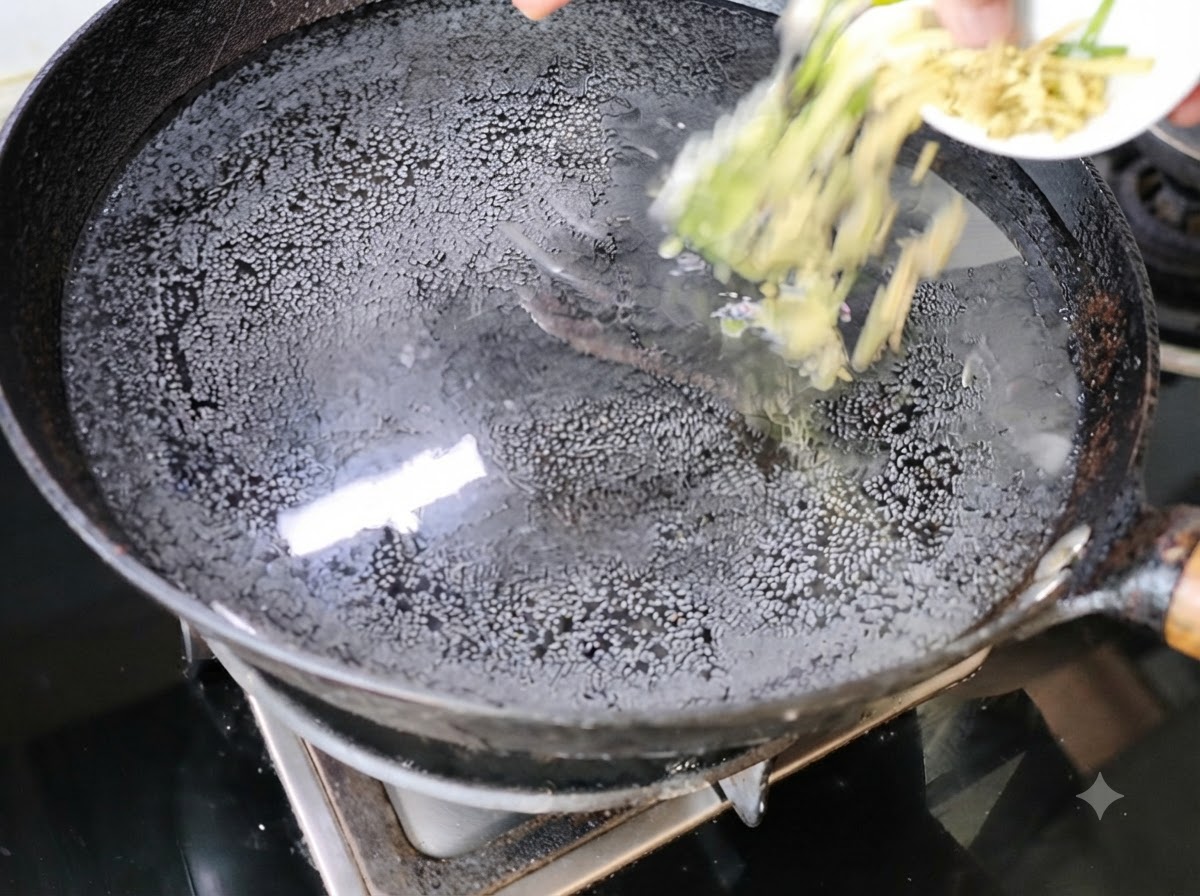
Put scallions and ginger into cold water in a wok and bring to a boil to build the aromatic base for the soup.
Tip: Starting the scallions and ginger in cold water allows their flavors to infuse more thoroughly as the temperature rises. - 7Add soybean sprouts and salt
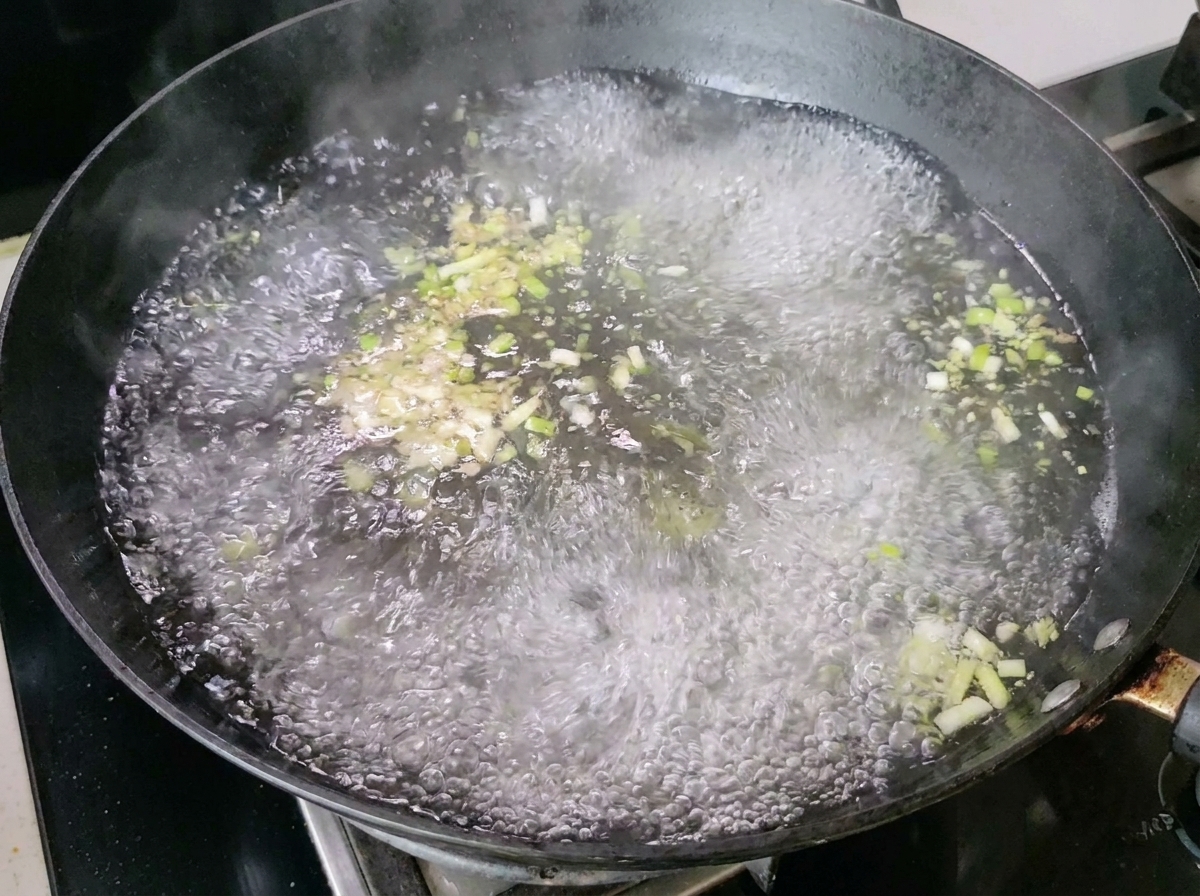
Add soybean sprouts and salt into the boiling water. Boil for two or three minutes to remove the bean smell.
Tip: Boiling the sprouts for a few minutes eliminates the raw bean odor before adding the rest of the ingredients. - 8Add soybean sprouts to the broth
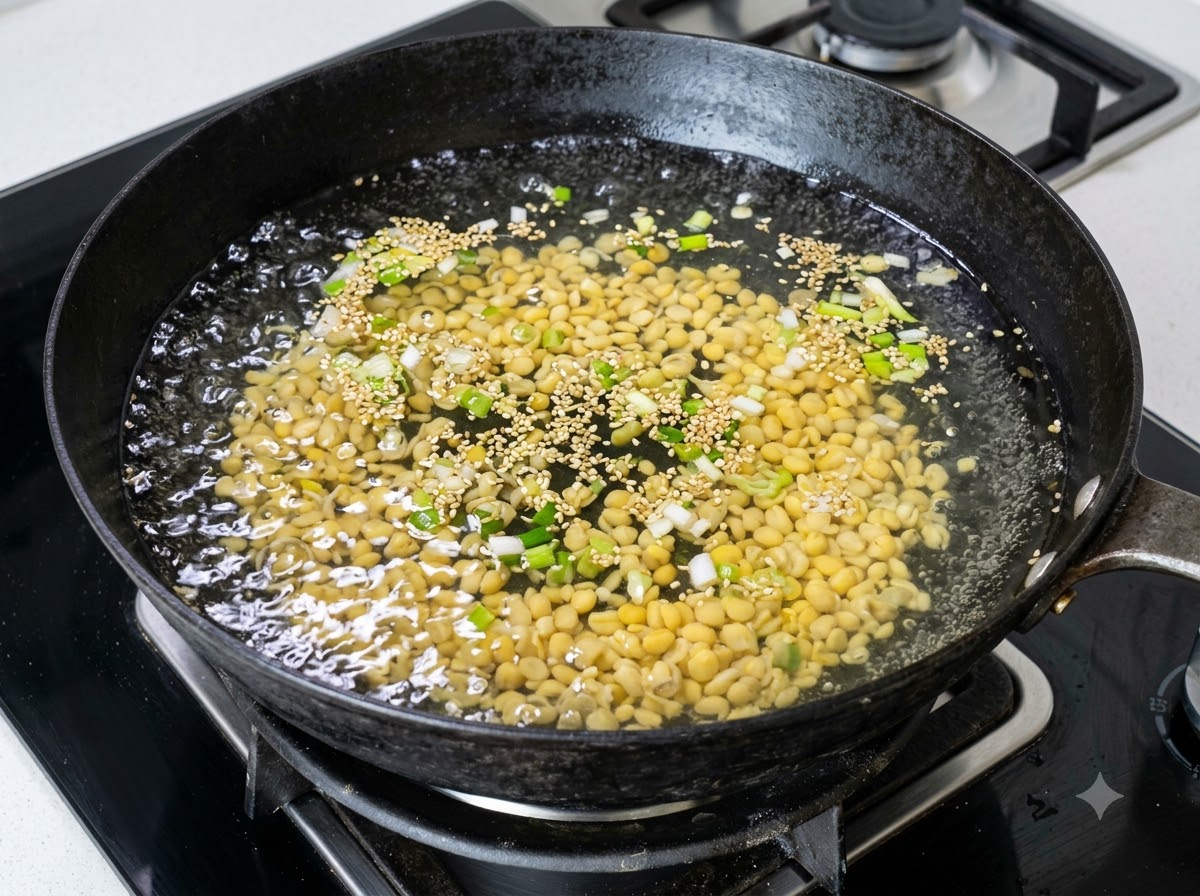
Soybean sprouts are scattered into the boiling seasoned water to cook and release their earthy flavor.
Tip: Ensure the water is at a rolling boil before dropping in the sprouts. - 9Add noodles, tofu, and kelp
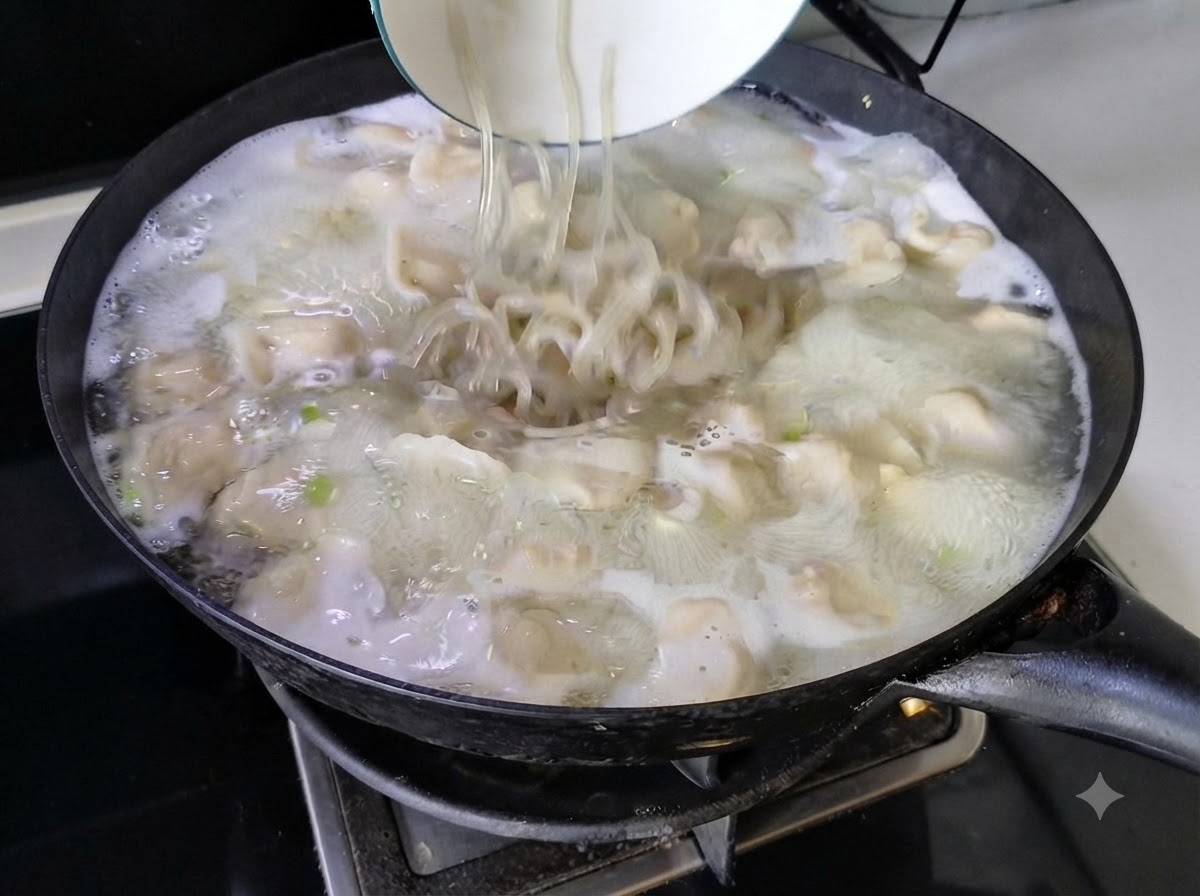
Once the water boils again after adding dumplings, incorporate noodles, fried tofu strips, kelp strips, and any other desired ingredients.
Tip: Add ingredients in stages so everything cooks evenly without overcrowding the pot. - 10Add Seasoning Sauce
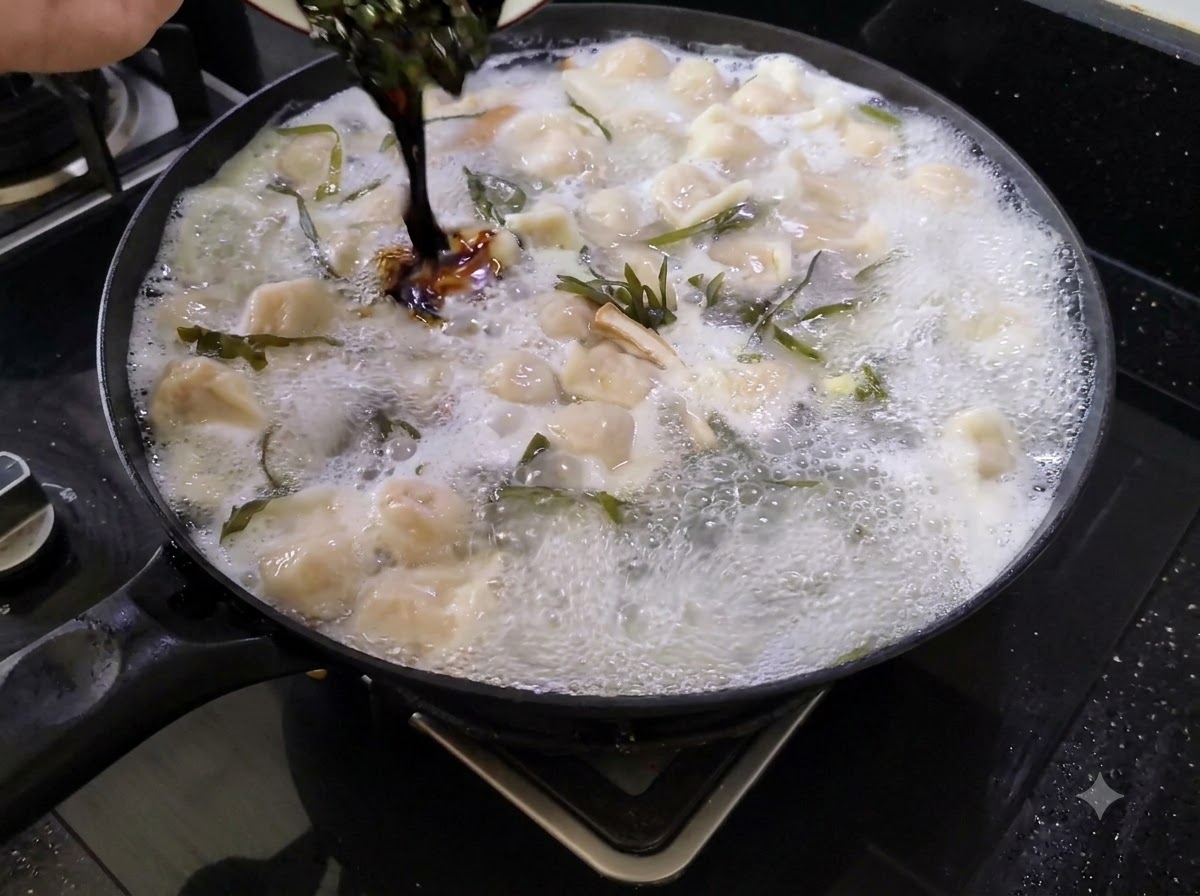
Pour the prepared seasoning sauce directly into the boiling pot of soup containing the dumplings, noodles, tofu, and kelp strips.
Tip: Add the seasoning sauce evenly across the bubbling broth to distribute the flavors thoroughly. - 11Garnish with greens and cilantro
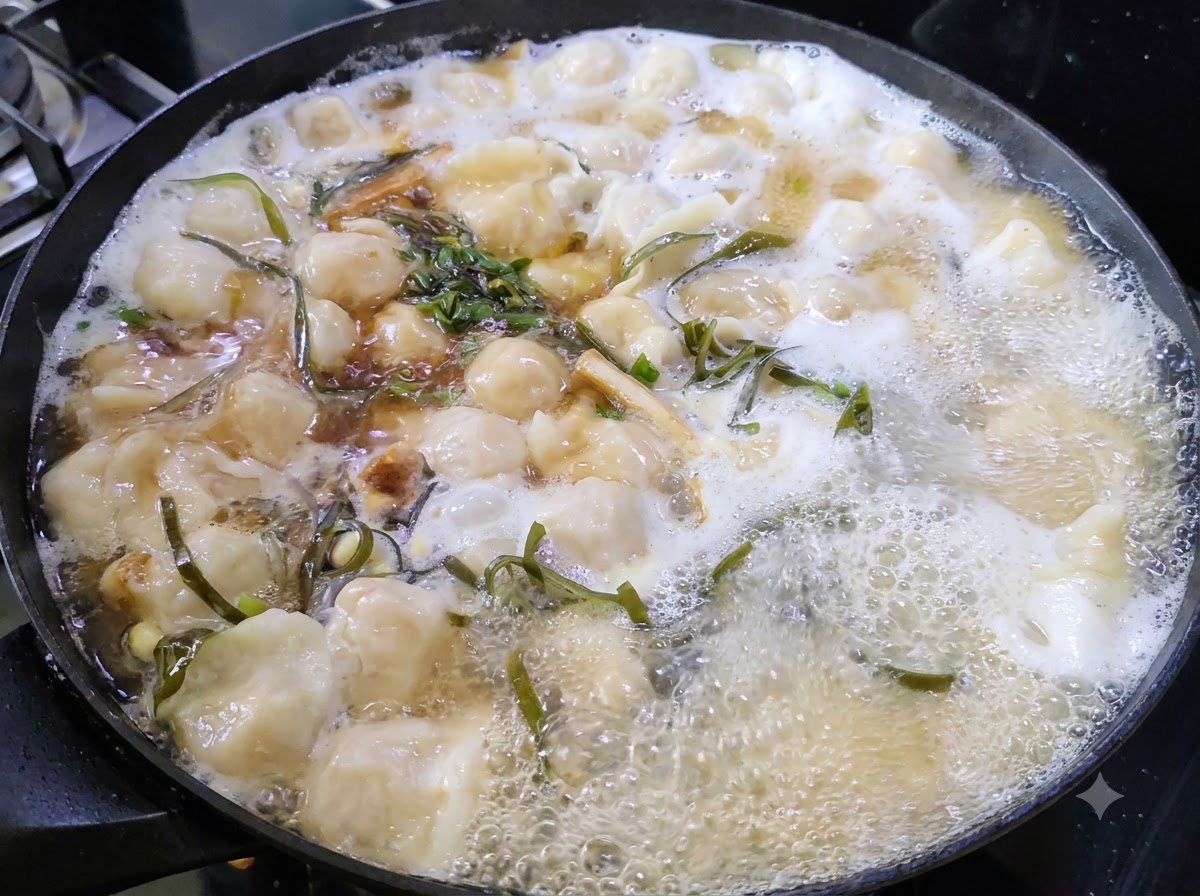
Add chopped fresh greens and cilantro into the finished soup right before removing it from the heat. Stir briefly to release their fresh aroma into the hot broth.
Tip: Add the cilantro at the very last moment to preserve its vibrant color and fresh scent.