Japanese Black Garlic Mixed Noodles (Mazesoba)
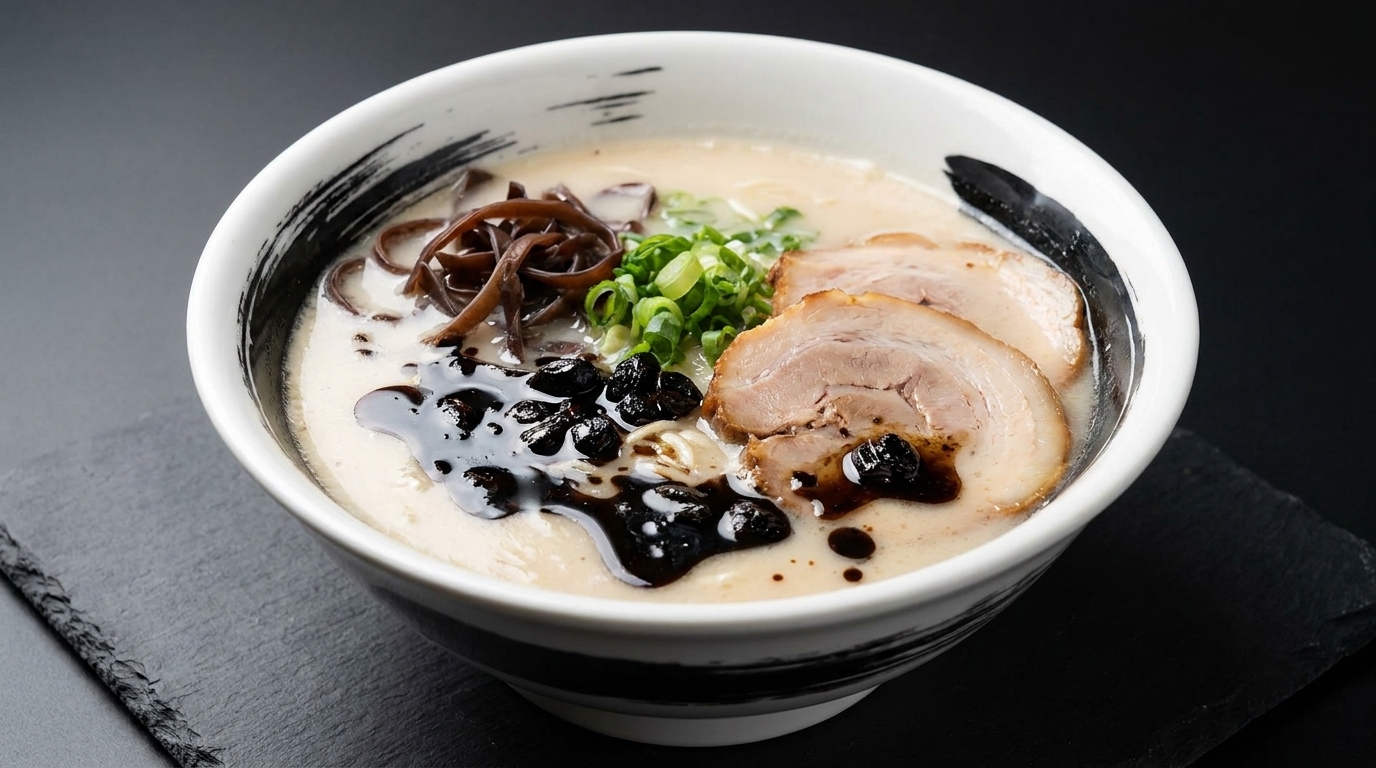
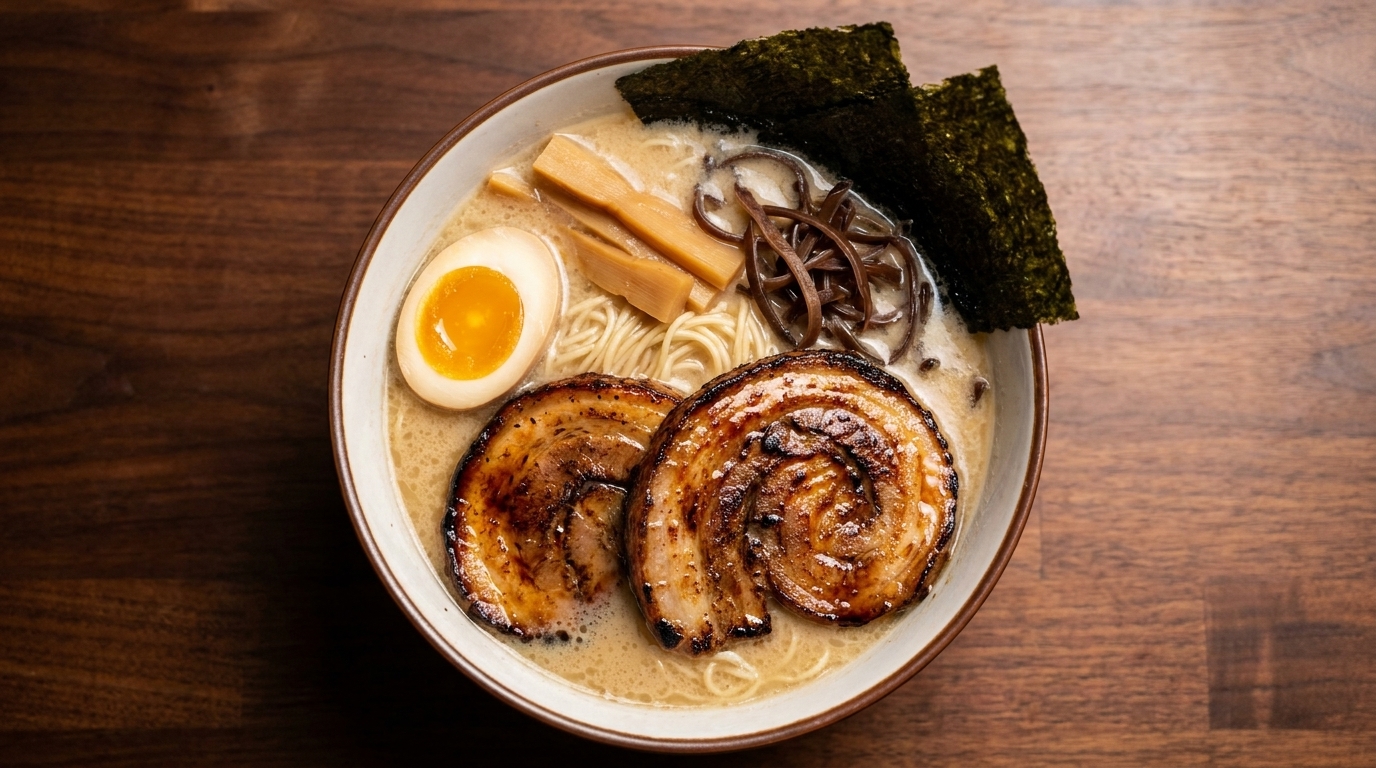
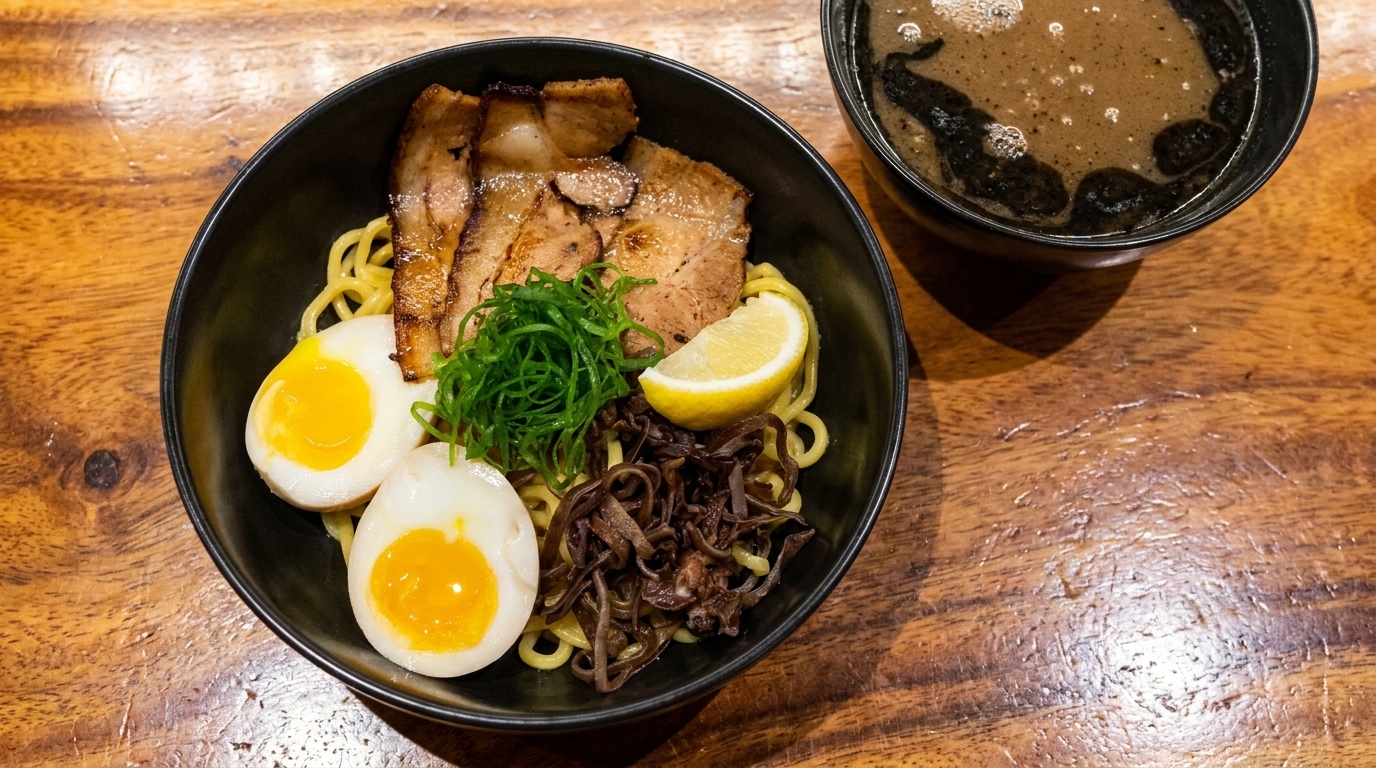
Experience rich, smoky Japanese Black Garlic Mixed Noodles (Mazesoba) featuring tender chashu, a jammy soft-boiled egg, and earthy wood ear mushrooms – a flavor-packed, interactive bowl of comfort.
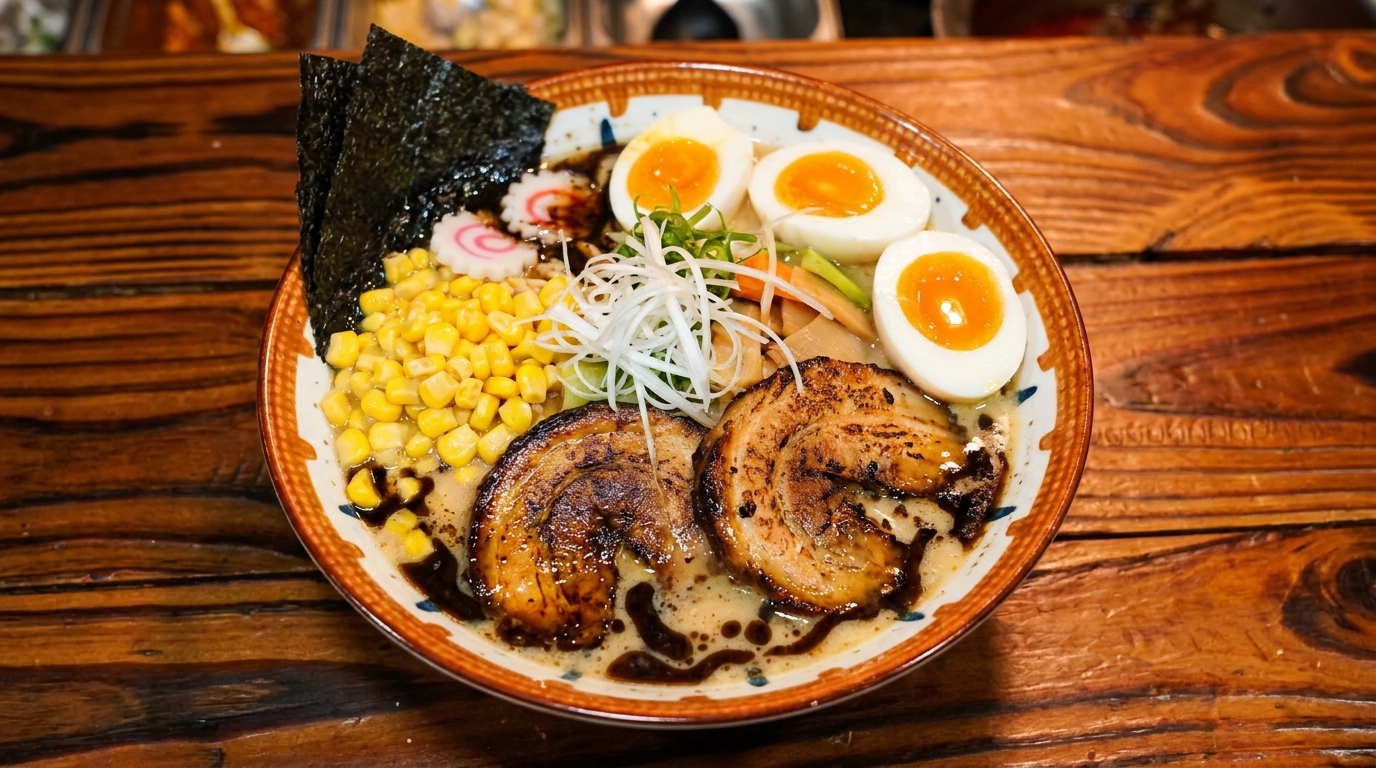
For a decadent Japanese noodle experience, Japanese Black Garlic Mixed Noodles offer a unique and customizable bowl of pure comfort. While often served dry, this variation, sometimes termed Mazesoba, is accompanied by a concentrated dipping soup infused with the deep, earthy, and smoky aroma of black garlic oil, or mayu, which permeates every component. Topped with delicate chashu pork, a velvety soft-boiled egg, and a mix of textural garnishes, this dish is a true sensory delight for noodle lovers.
Ingredients
- 150 g fresh ramen noodles
- 200 ml pre-simmered pork bone broth
- 1 tsp clear sesame oil
- 2 tbsp Japanese soy sauce
- 1 tbsp black garlic oil (mayu)
- 1 tbsp cornstarch (for slurry)
- 1 tbsp water (for slurry)
- 1 ajitama egg (or jammy soft-boiled egg)
- 2-3 slices chashu pork
- 2 tbsp wood ear mushrooms (strips)
- 1 stalk green onion (shredded)
- 1 lemon wedge
Instructions
- 1Prepare the broth base
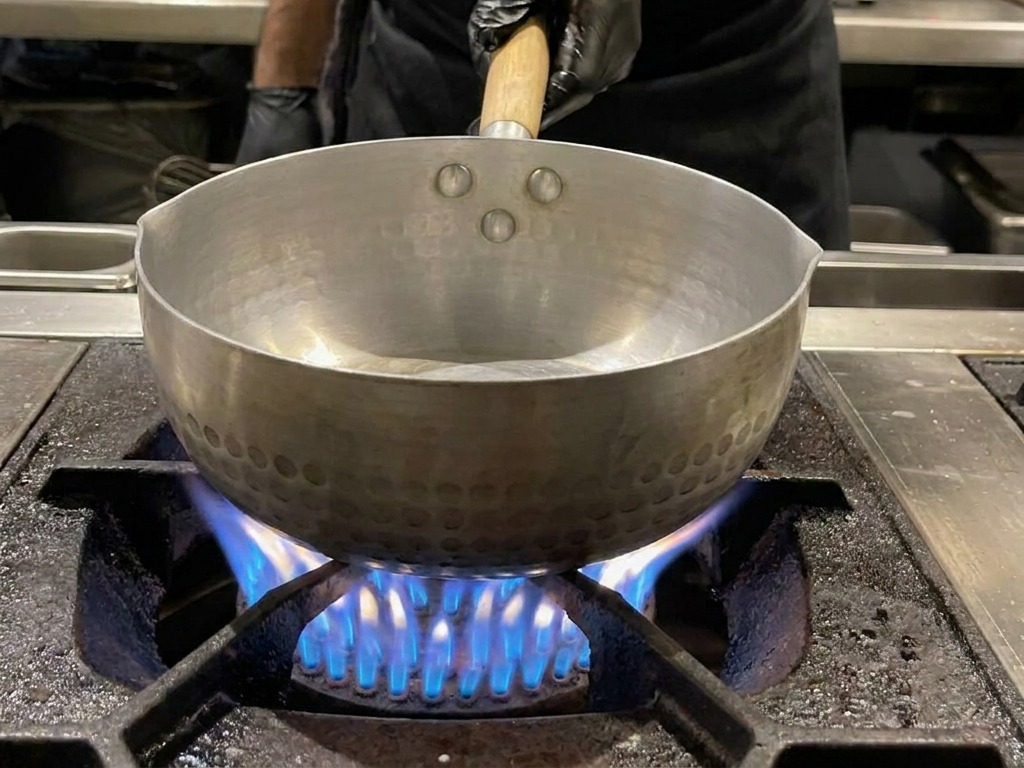
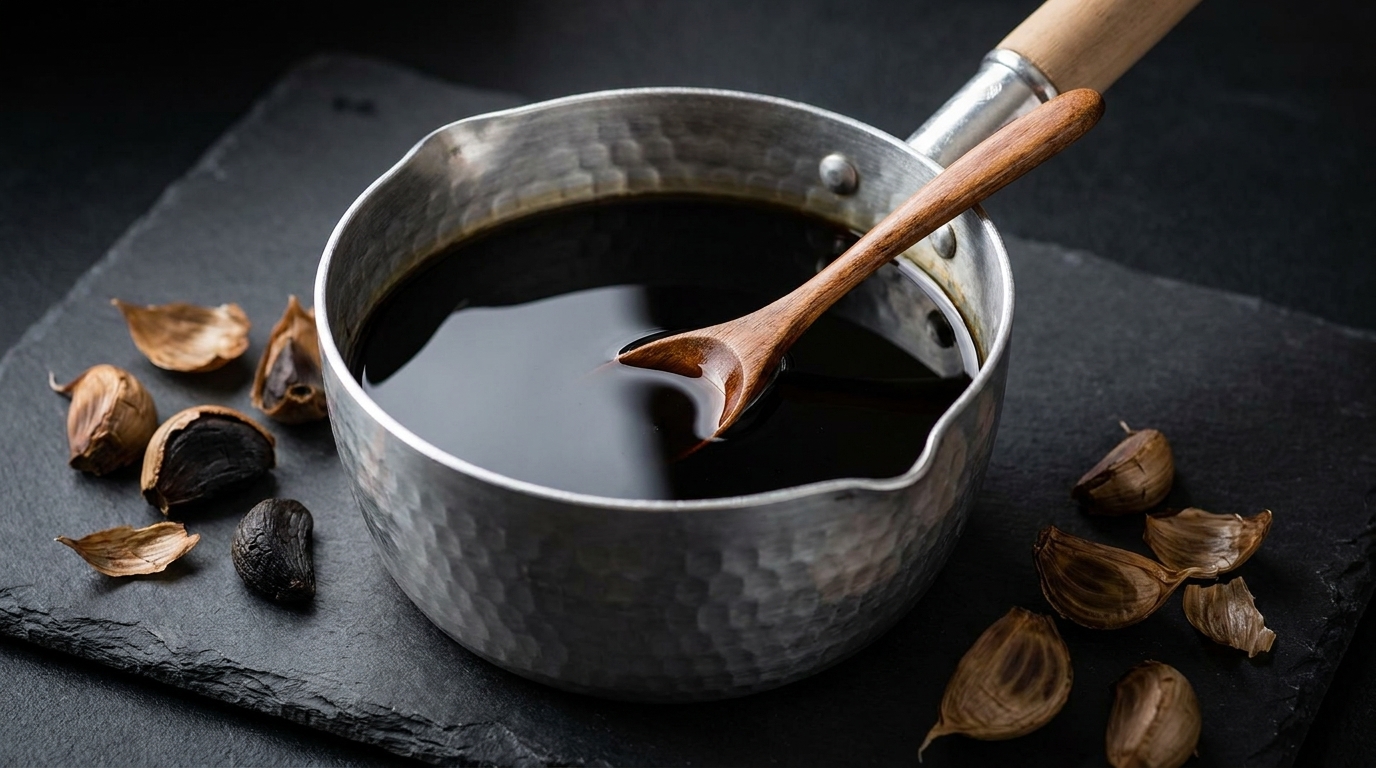
Begin by pouring freshly simmered pork bone broth into a small pot set over a gas burner. This rich, milky broth serves as the savory foundation for the black garlic sauce and provides essential depth to the final dish.
Tip: For the best flavor, use broth that has been simmered for several hours to extract maximum collagen and umami from the bones. - 2Incorporate sesame oil
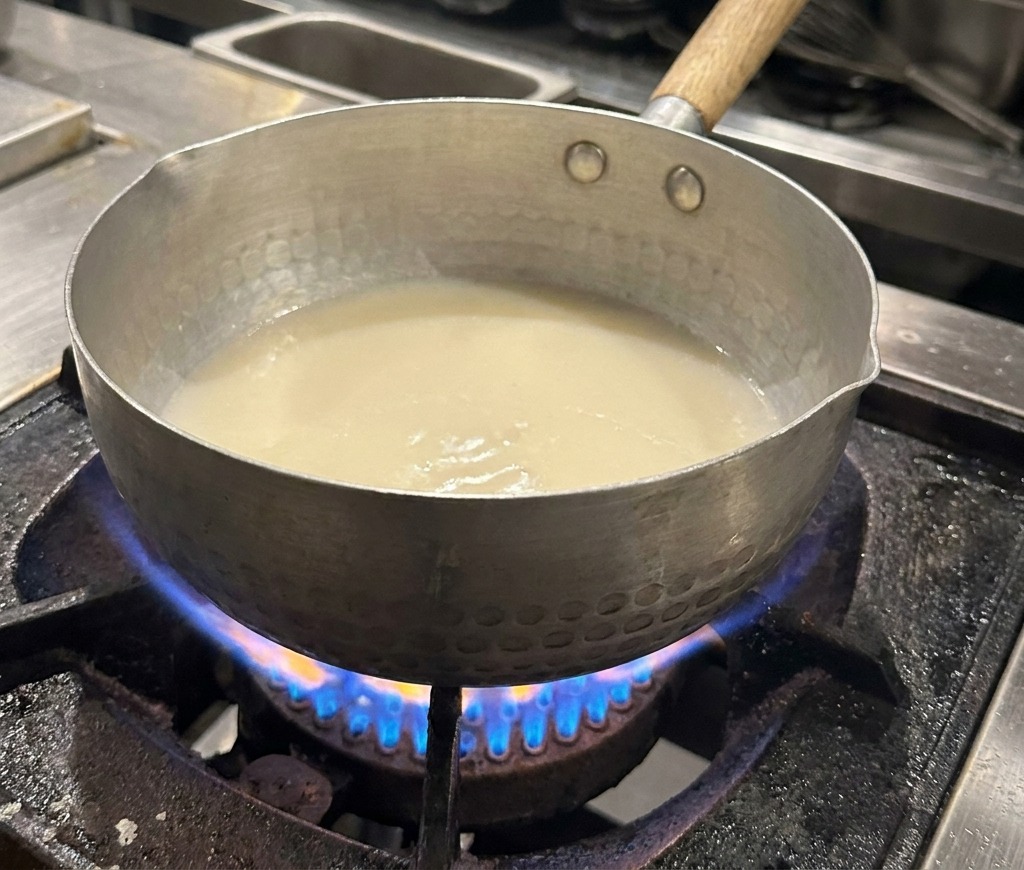
Carefully add clear sesame oil to the broth base simmering in the pot. The oil introduces a delicate nutty aroma and a smooth mouthfeel that complements the richness of the pork broth.
Tip: Add the oil while the broth is warming to help it begin emulsifying with the liquid. - 3Thicken the sauce
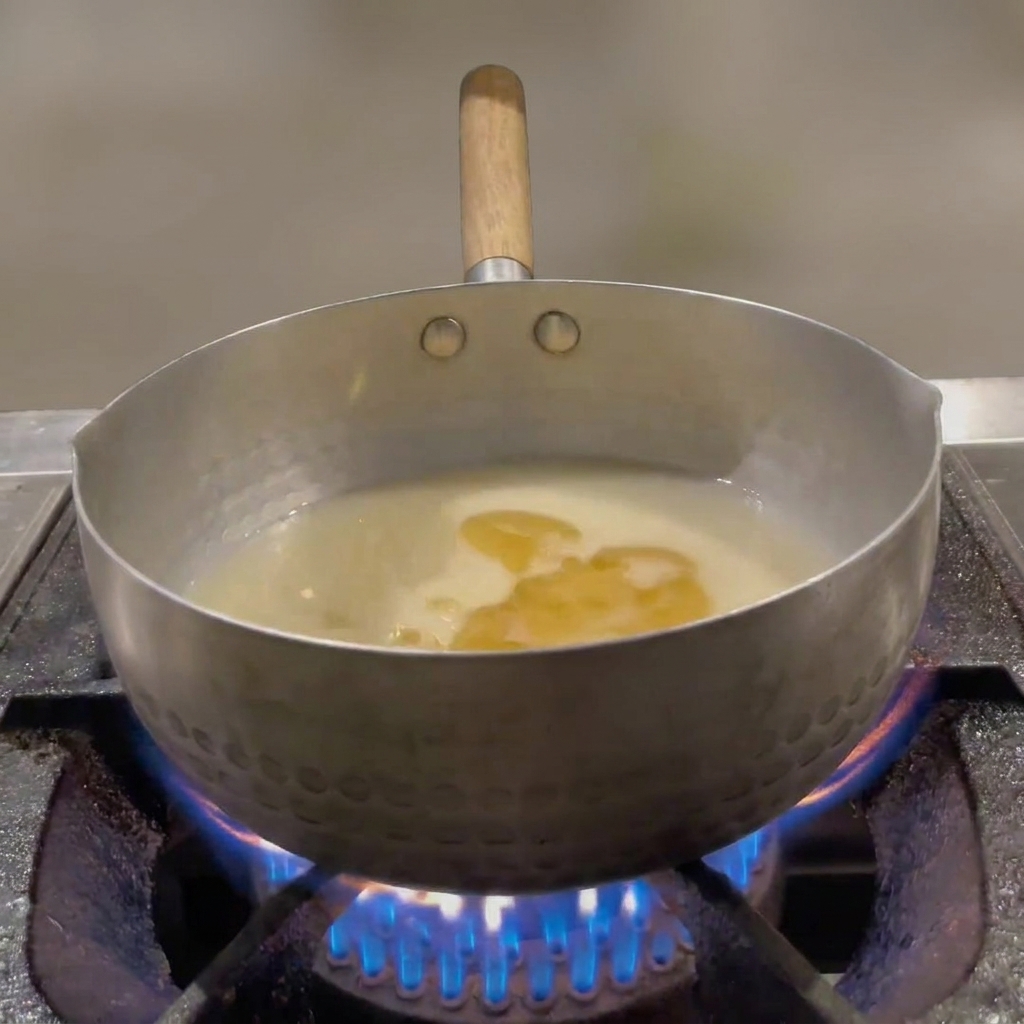
Pour a prepared white starch slurry into the simmering sauce mixture. Stir constantly as you pour to ensure the starch distributes evenly, which will transform the thin broth into a thick, glossy sauce that clings perfectly to the noodles.
Tip: Always whisk your slurry right before pouring, as starch tends to settle at the bottom of the container quickly. - 4Season with soy sauce
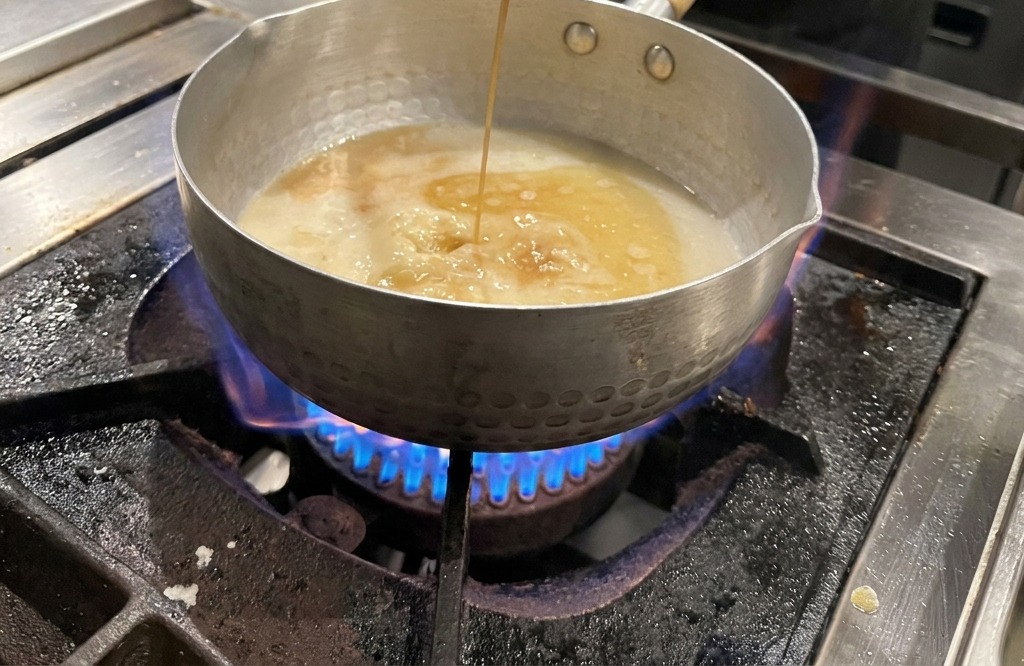
Pour two ladles of soy sauce into the simmering liquid. This adds essential salinity and a deep umami flavor while beginning to darken the color of the dipping broth.
Tip: Use a high-quality Japanese soy sauce for a more refined and balanced flavor profile. - 5Add black garlic oil
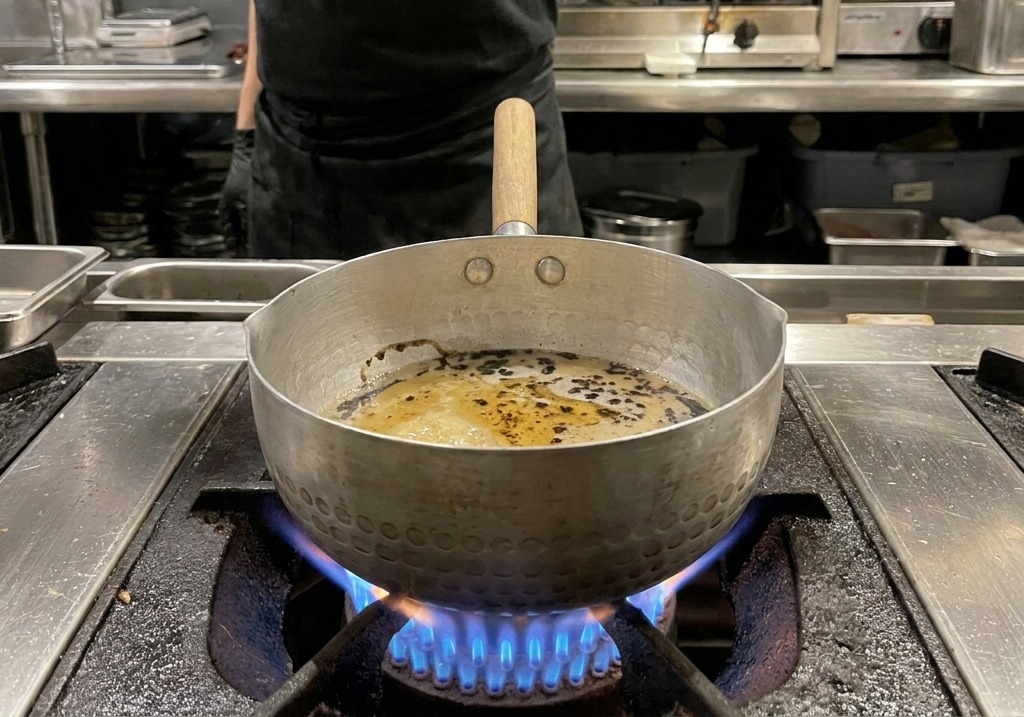
Squeeze a generous circle of dark black garlic oil (mayu) into the pot. This signature ingredient provides the intense smoky, roasted garlic aroma and visually defines this dish.
Tip: Do not overcook the sauce after adding the garlic oil to preserve its complex, aromatic volatile compounds. - 6Whisk until smooth
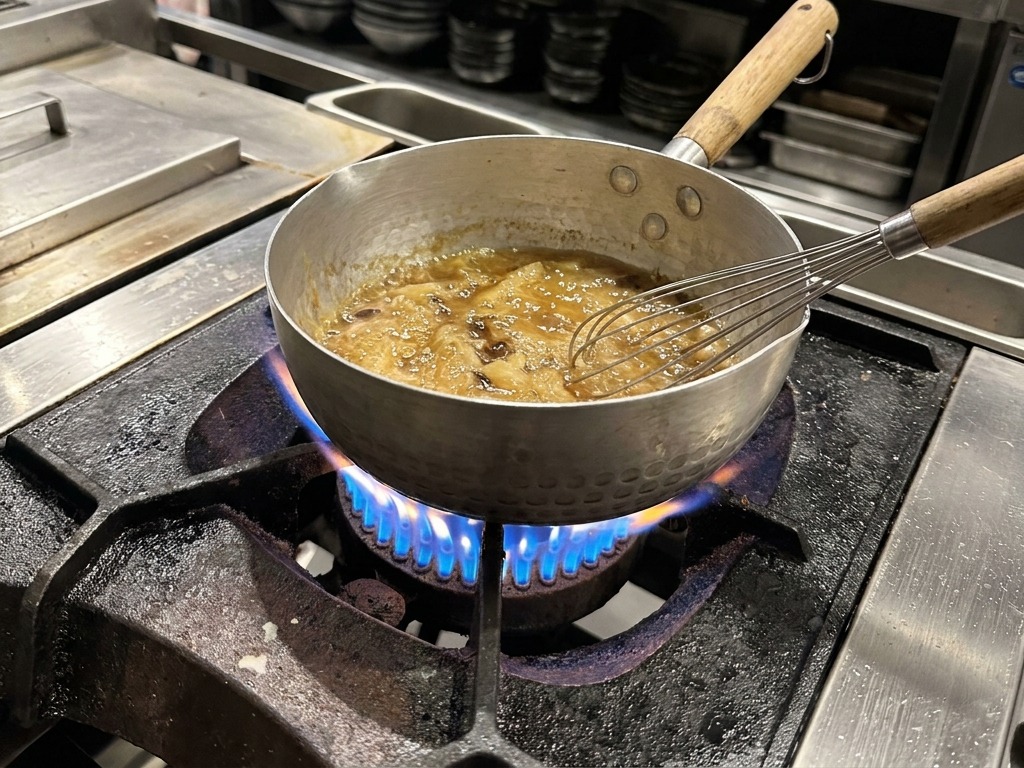
Whisk the black garlic sauce vigorously over the flame until it becomes completely smooth and achieves a thick, uniform consistency. Proper whisking ensures the starch and oils are fully emulsified, creating a luxurious texture.
Tip: Use a steady, circular motion with the whisk to prevent any lumps from forming as the sauce thickens. - 7Boil the fresh noodles
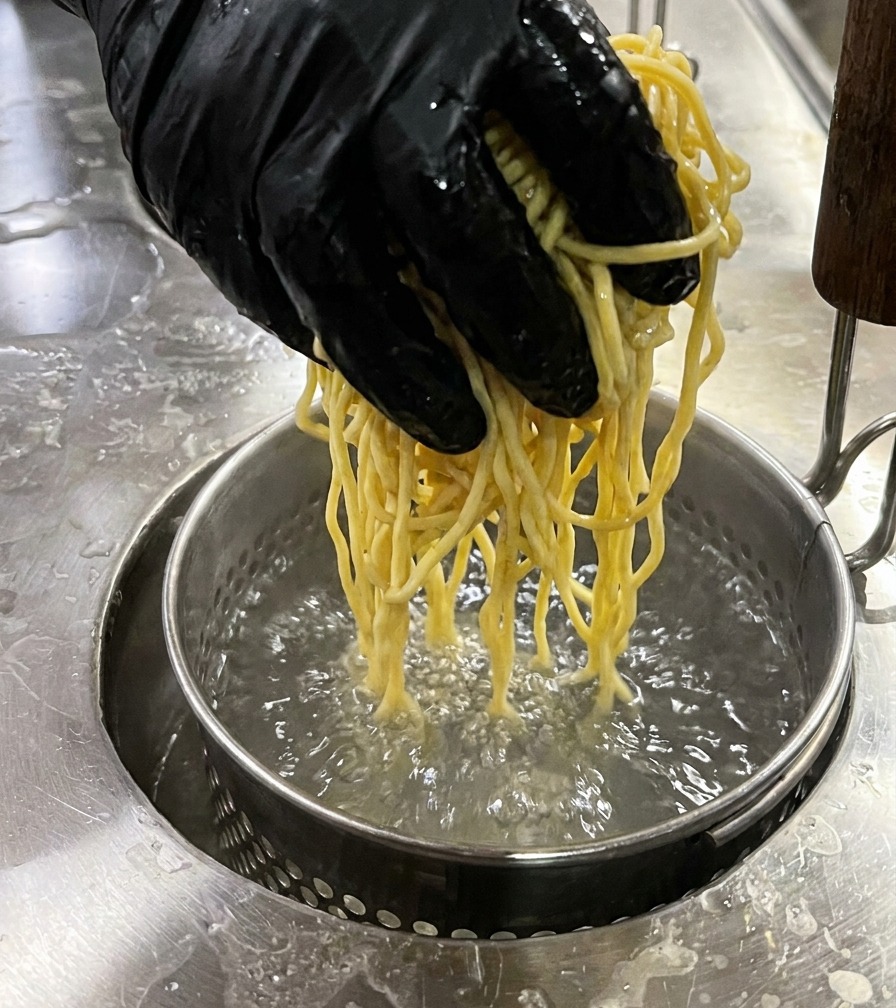
Carefully lower the strainer basket containing the fresh noodles into the vat of boiling water. Using a strainer basket allows for easy removal and prevents the noodles from becoming overcooked by ensuring they all start and stop cooking at the same time.
Tip: Make sure the water is at a full rolling boil before adding the noodles to ensure the best texture and prevent sticking. - 8Stir for even cooking
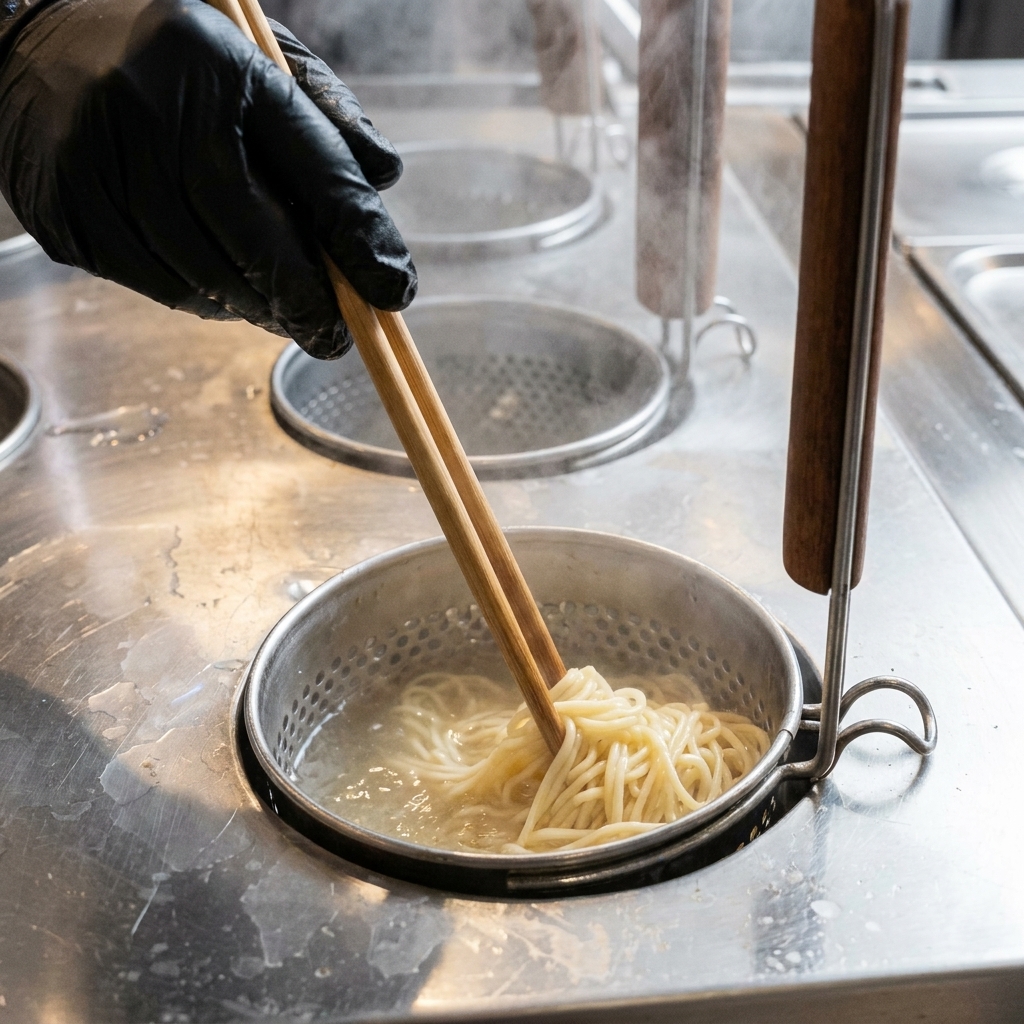
Use long wooden chopsticks to gently stir the noodles as they boil. This prevents the strands from clumping together and ensures that heat is distributed evenly, resulting in a consistent texture throughout the entire batch.
Tip: Stirring also helps release excess surface starch, which keeps the broth clearer when the noodles are eventually served. - 9Add the Soft-Boiled Onsen Egg
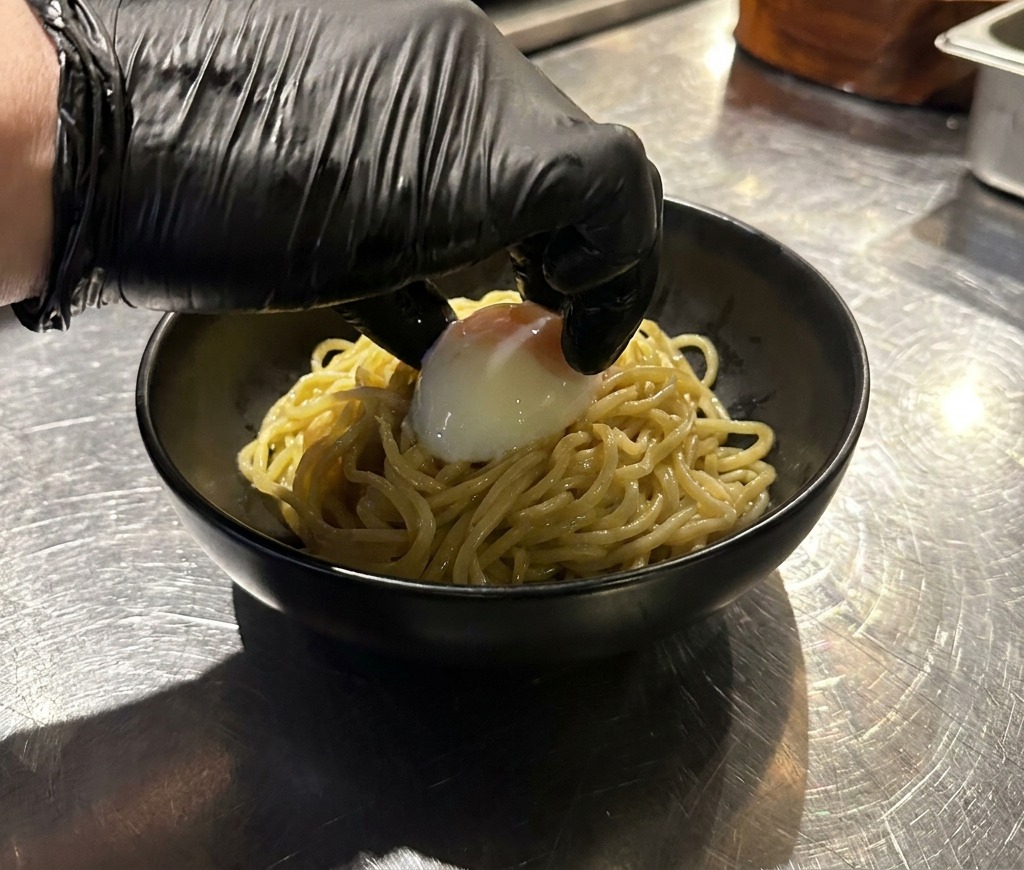
Carefully place a soft-boiled onsen egg onto the center of the noodles. The delicate, custard-like white and runny yolk will add a luxurious creaminess to the dish as you mix it in.
Tip: If the egg is very soft, use a large spoon to support it while transferring to ensure the yolk doesnt break prematurely. - 10Arrange the chashu pork
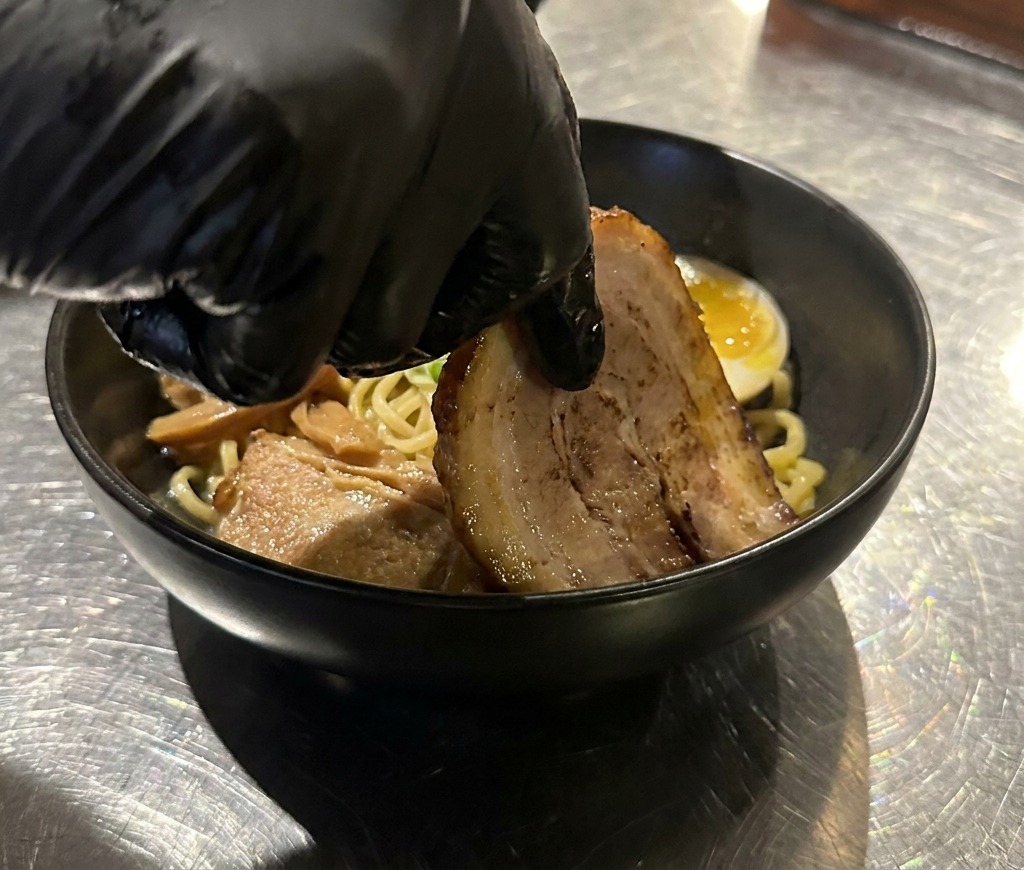
Add the seared chashu pork slices to the bowl, placing them neatly against the side. These savory, melt-in-your-mouth slices are essential for the traditional Japanese mixed noodle experience.
Tip: For the best flavor, ensure the pork has a nice sear on the outside to provide a smoky contrast to the rich broth. - 11Add the vegetable garnishes
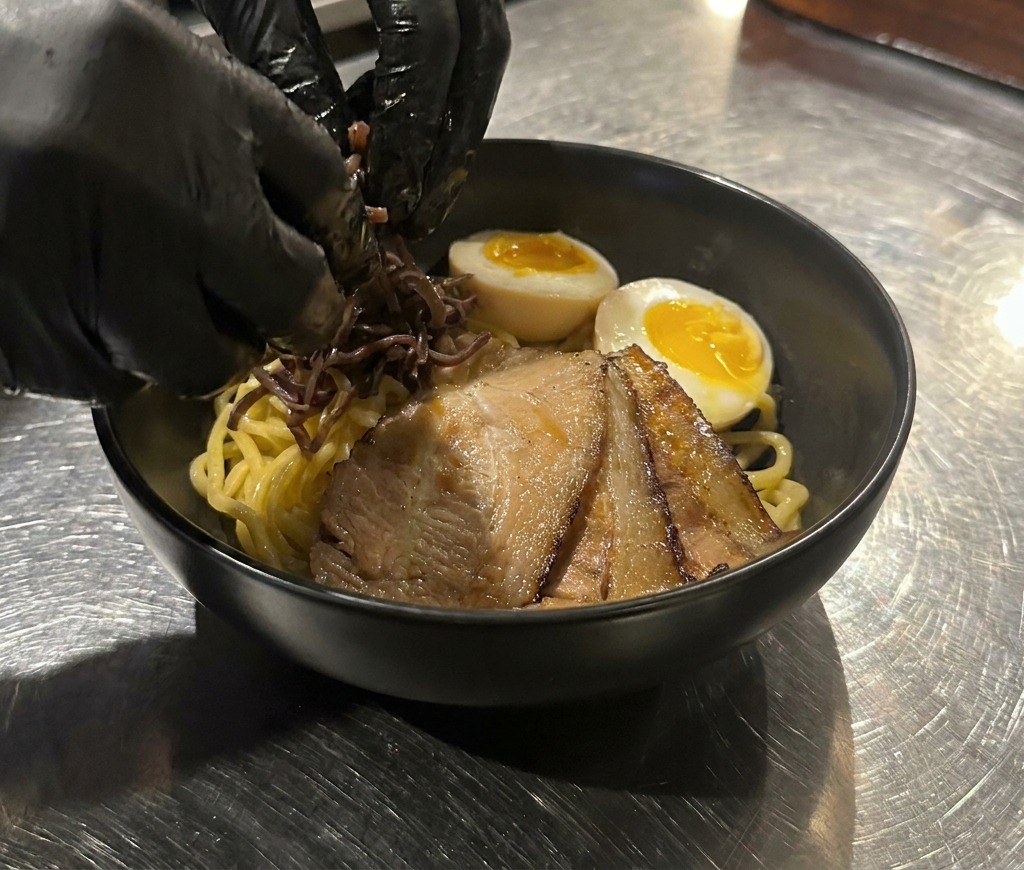
Top the assembled noodle bowl with a portion of wood ear mushroom strips and shredded green onions. These garnishes add essential texture and a fresh, aromatic contrast to the rich, savory flavors of the chashu and the black garlic broth.
Tip: Thinly slice the mushrooms and onions to ensure they integrate well with the noodles in every bite. - 12Garnish with a Lemon Wedge
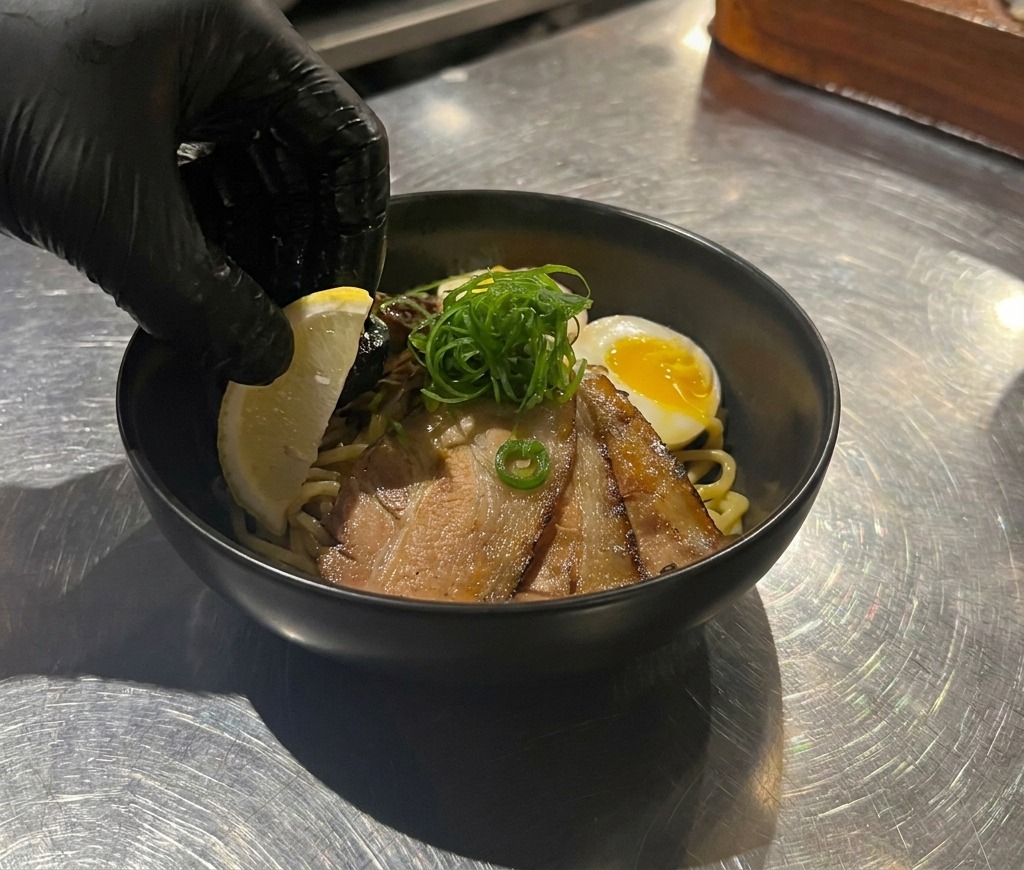
Finish by placing a fresh lemon wedge on the side of the noodle bowl. A bright squeeze of lemon juice provides acidity that balances the heavy, savory notes of the rich pork broth and black garlic oil, enhancing the overall experience.
Tip: Place the lemon on the edge so the diner can choose exactly how much juice to add to their liking. - 13Pour the dipping broth
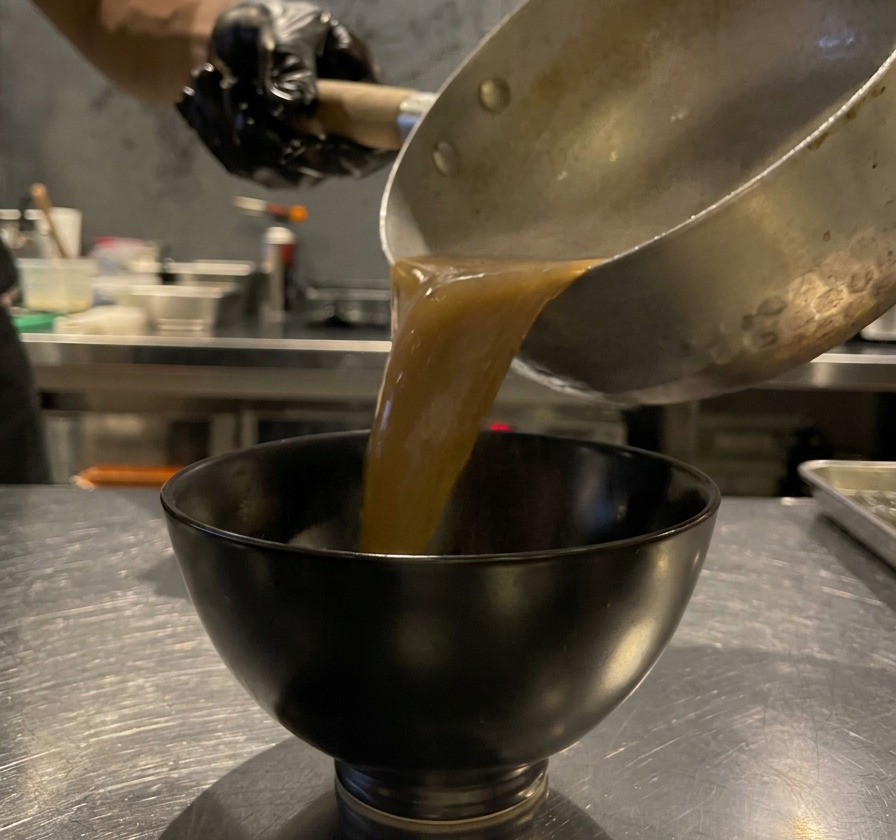
Pour the thick, concentrated black garlic broth from the pot into a small side bowl. This rich liquid serves as the dipping sauce for the noodles, packed with deep umami flavors.
Tip: Serve the broth immediately while it is steaming hot to ensure it coats the noodles perfectly. - 14Drizzle with black garlic oil
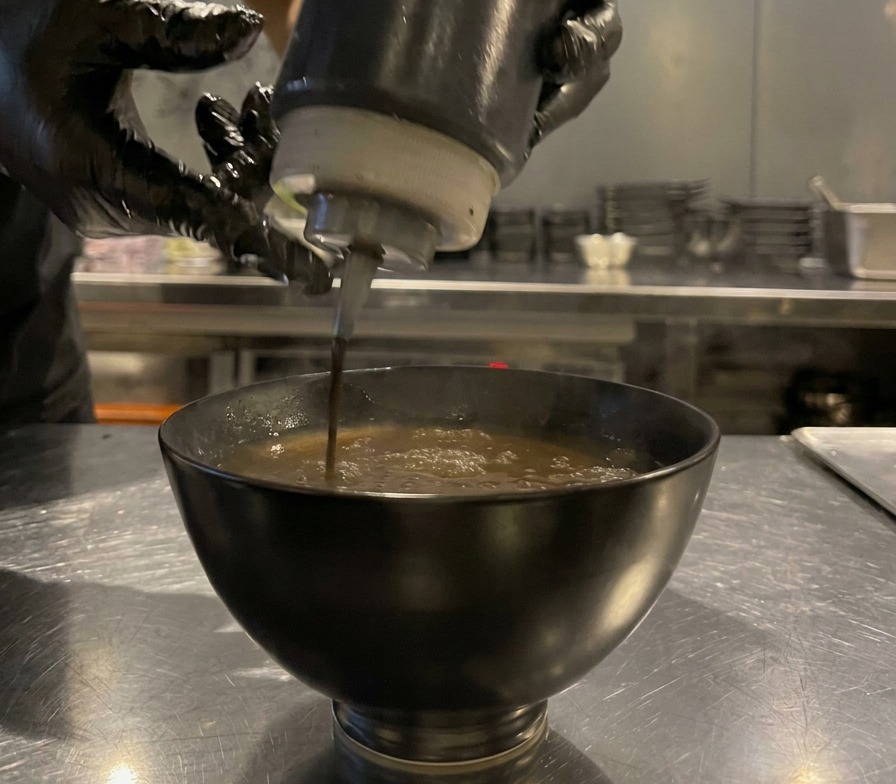
Add a final drizzle of black garlic oil (mayu) into the dipping bowl. This concentrated oil intensifies the roasted garlic aroma and creates a beautiful dark swirl on the surface.
Tip: A little goes a long way; start with a light drizzle to avoid overpowering the other broth flavors.