Japanese Curry Tsukemen (Kyoto-Style Dipping Noodles)
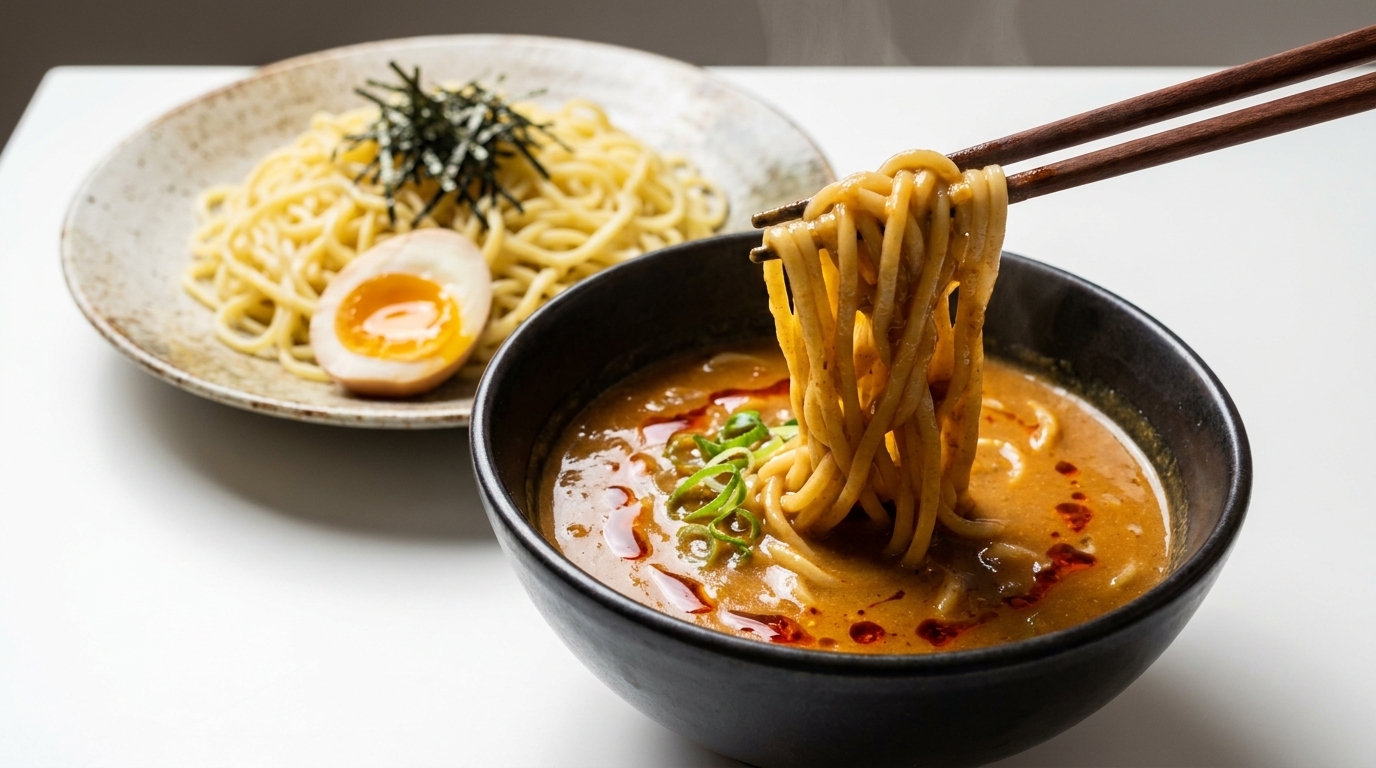
A rich, creamy Japanese curry dipping sauce paired with chewy ramen noodles, inspired by the comforting flavor profile of a hidden gem in Kyoto.
Tsukemen is a unique ramen experience where noodles and broth are served separately, but this version takes it a step further with a thick curry base. By incorporating shrimp paste and creamy milk, the dipping sauce achieves a velvety texture and deep umami that standard curry lacks. It is a hearty, modern twist on a Japanese classic that is as satisfying as it is flavorful.
Ingredients
- 2 tbsp sesame oil
- 1 tbsp shrimp paste
- 2 tbsp minced garlic
- 100 g ground pork
- 250 ml milk
- 2 blocks Japanese curry roux
- 1 small bowl starchy water
- 2 tbsp soy sauce
- 1 pack Japanese ramen noodles
- handful shredded dried seaweed
- 1 onsen egg
- to taste sliced green onions
Instructions
- 1Heat the sesame oil
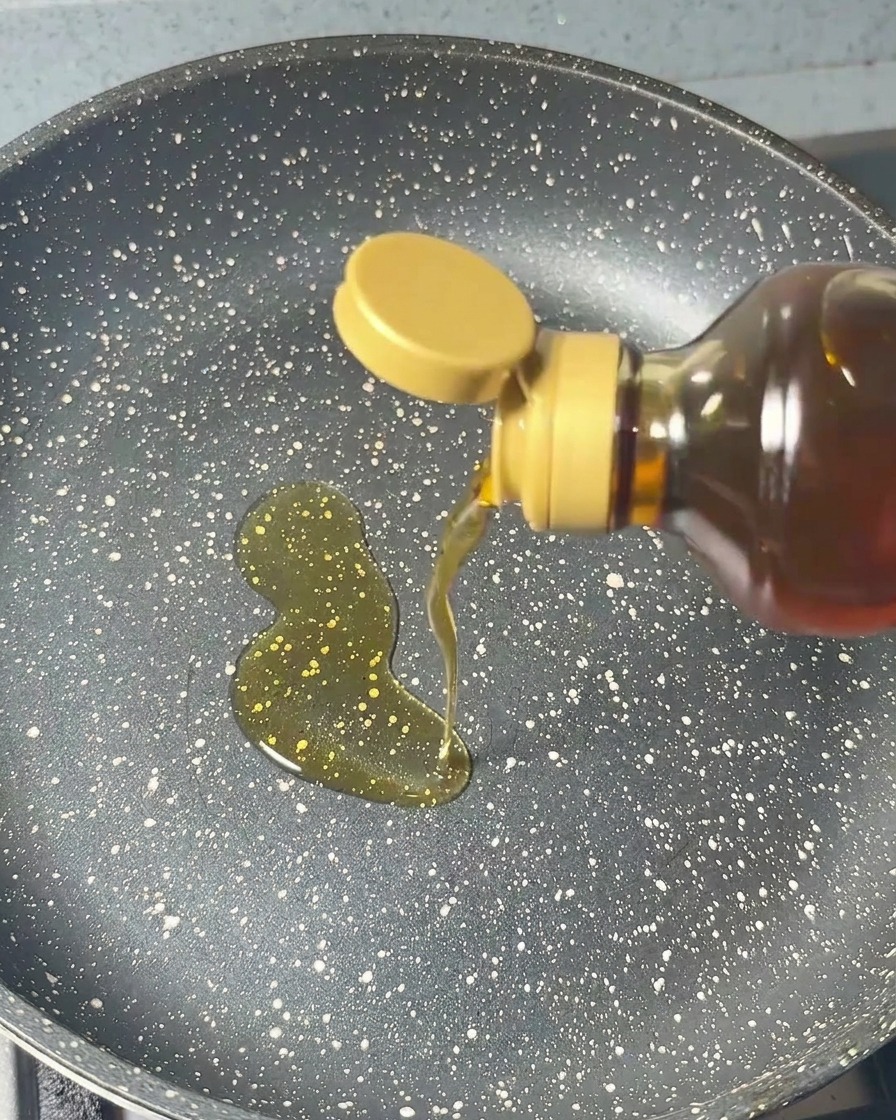
Start by adding two circles of sesame oil to a speckled dark frying pan. The sesame oil provides a rich, nutty base that is essential for achieving the authentic flavor of Japanese curry dipping noodles.
Tip: Use a medium heat to warm the oil gently, preventing it from smoking while ensuring its ready for the aromatics. - 2Incorporate shrimp paste
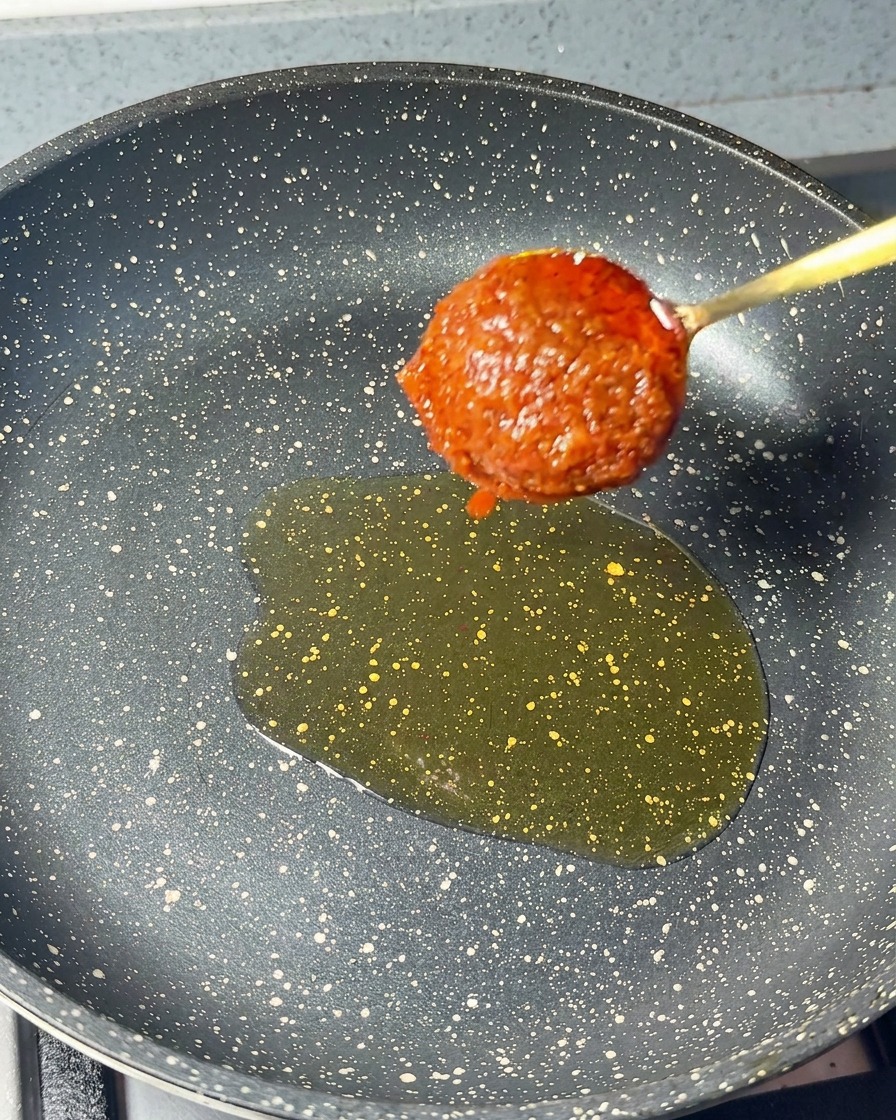
Add one spoonful of red shrimp paste into the warmed oil. This fermented ingredient adds a deep, savory umami layer to the sauce, mimicking the complex flavors found in Kyoto-style noodle shops.
Tip: Gently break apart the paste with your spoon as it hits the oil to help it dissolve and distribute evenly. - 3Sauté the garlic
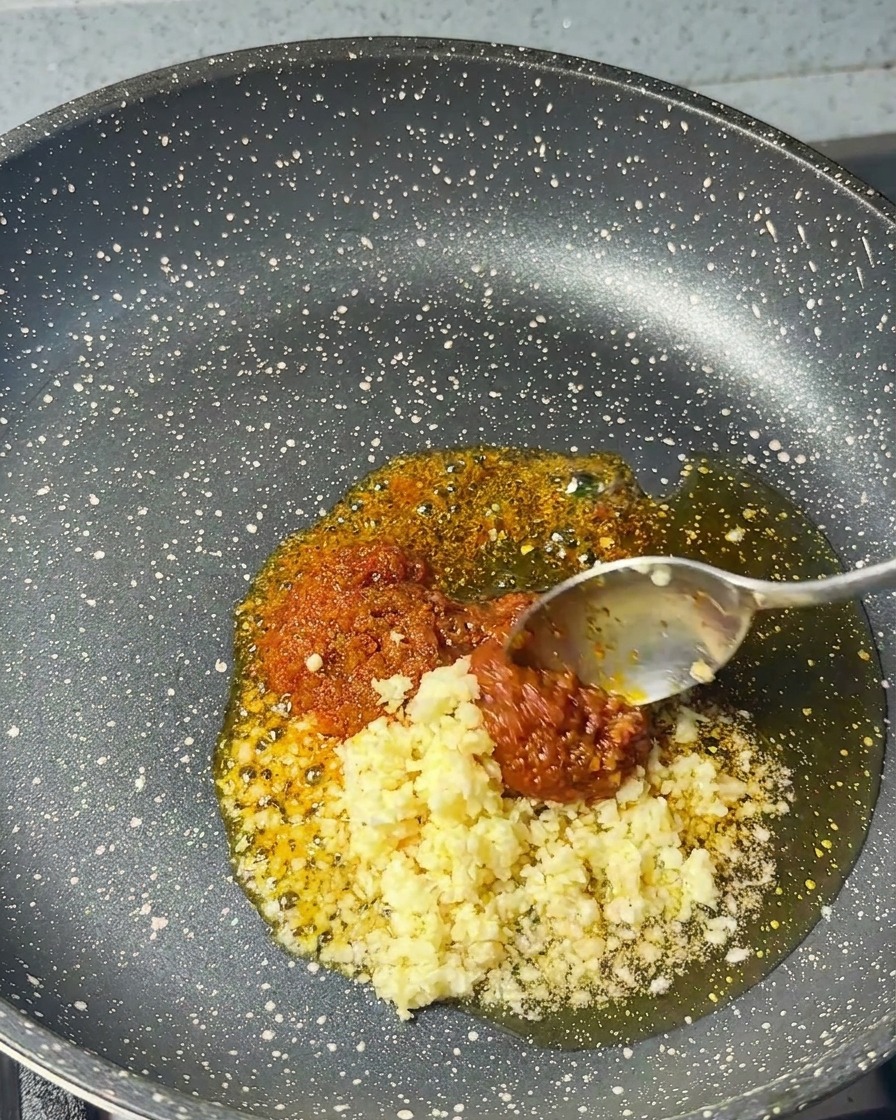
Add two spoonfuls of minced garlic to the pan containing the shrimp paste and oil. Sauté the mixture together until the garlic becomes highly fragrant and begins to soften.
Tip: Stir continuously to prevent the garlic from browning too quickly or sticking to the pan. - 4Sauté the ground pork
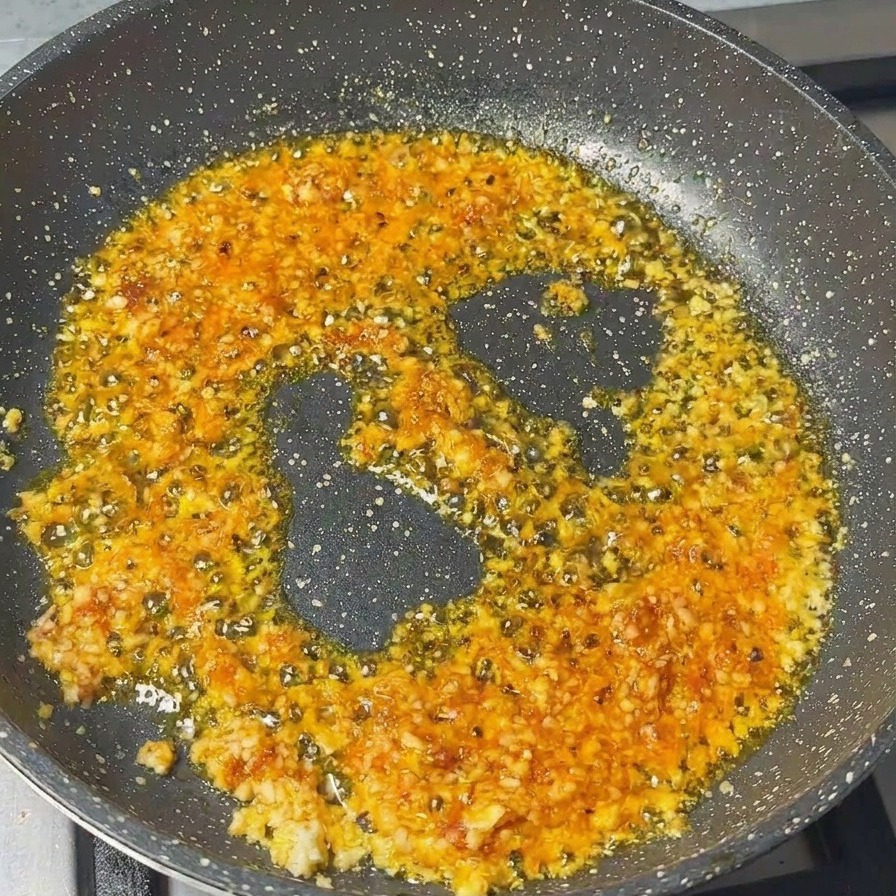
Add 100 grams of ground pork to the pan containing the sautéed garlic and shrimp paste. Use a spatula to break up the meat, stirring consistently into the aromatic base until it begins to lose its pink color.
Tip: Make sure to break the pork into small, even crumbles so it integrates perfectly with the shrimp paste and garlic flavors. - 5Brown the ground pork
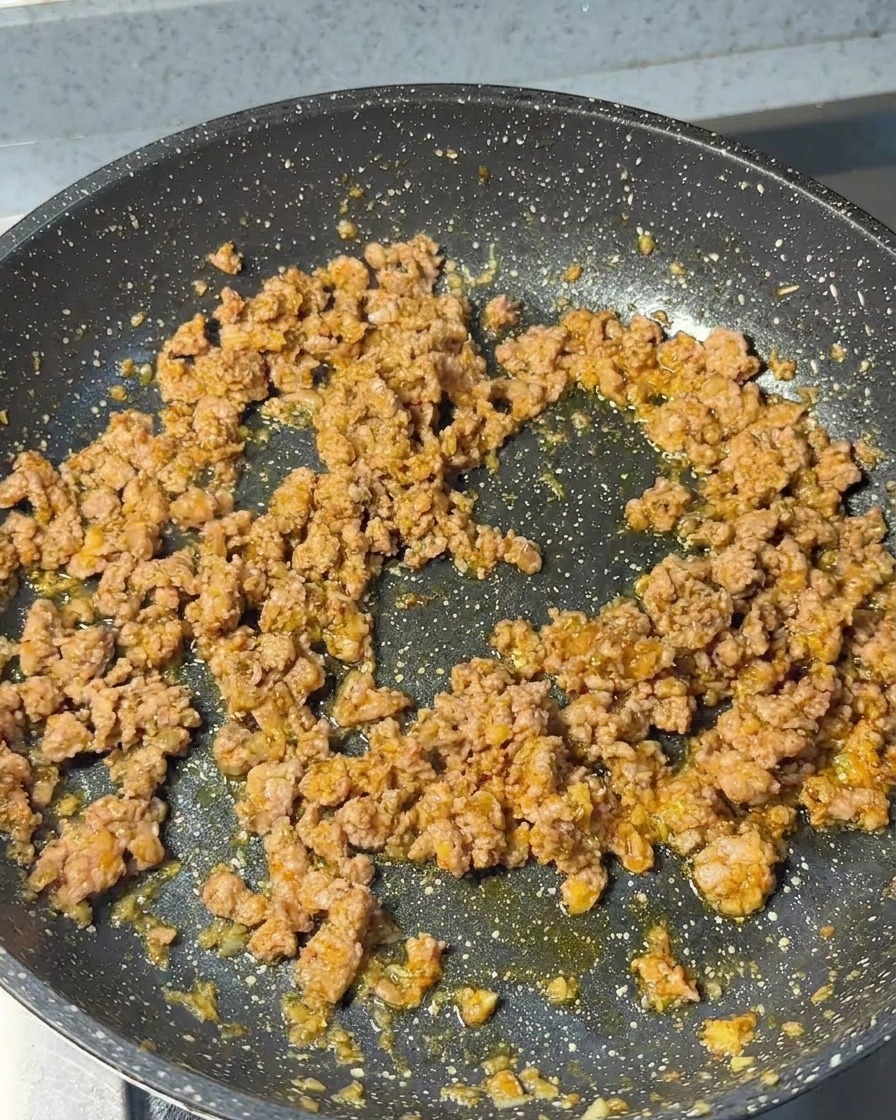
Continue to stir-fry the pork over medium-high heat until it is fully browned and cooked through. Ensure the meat is well-seasoned by the garlic and shrimp paste before moving to the liquid base.
Tip: Ensure the pork is evenly mixed with the garlic and shrimp paste so every morsel of meat is well-seasoned. - 6Add the milk base
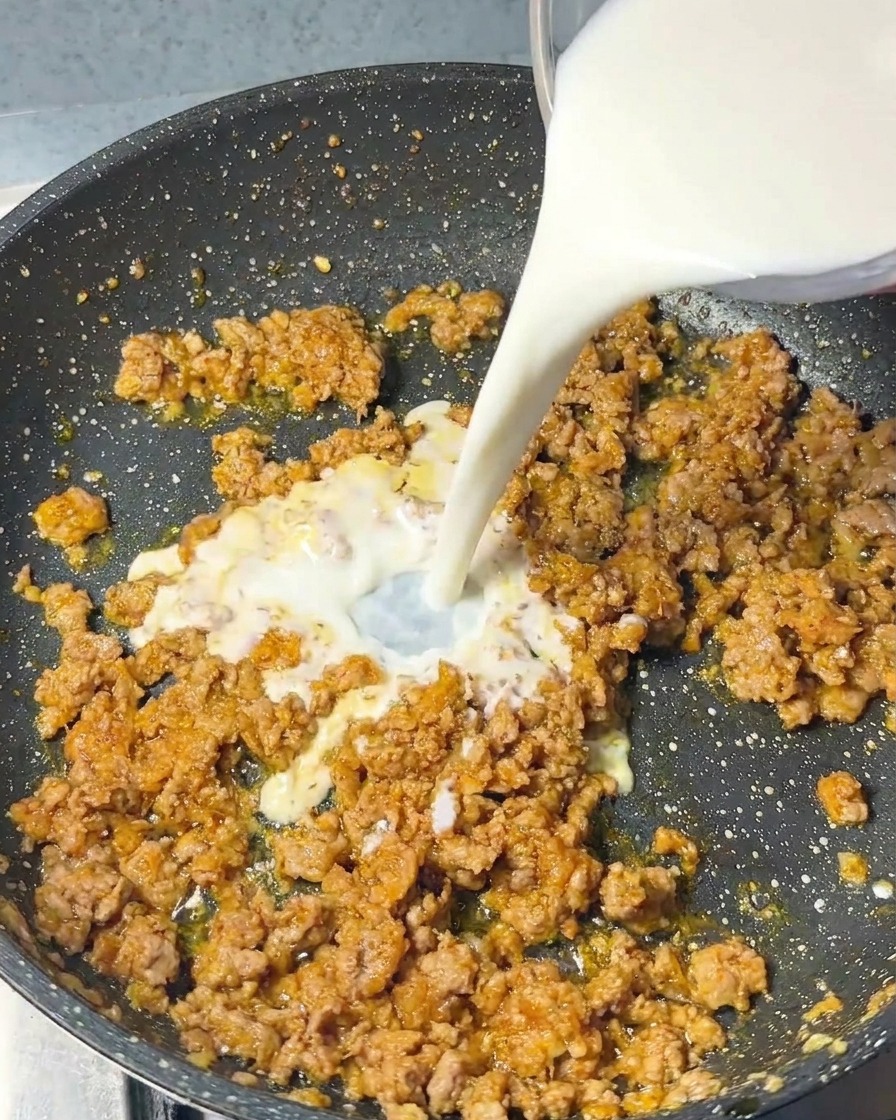
Pour 250ml of fresh milk into the pan with the cooked pork and seasonings. The milk acts as a creamy liquid base that mellows the intensity of the spices and creates a smooth sauce texture.
Tip: Pour the milk in slowly while stirring to ensure it incorporates smoothly with the rendered fats in the pan. - 7Dissolve the curry roux
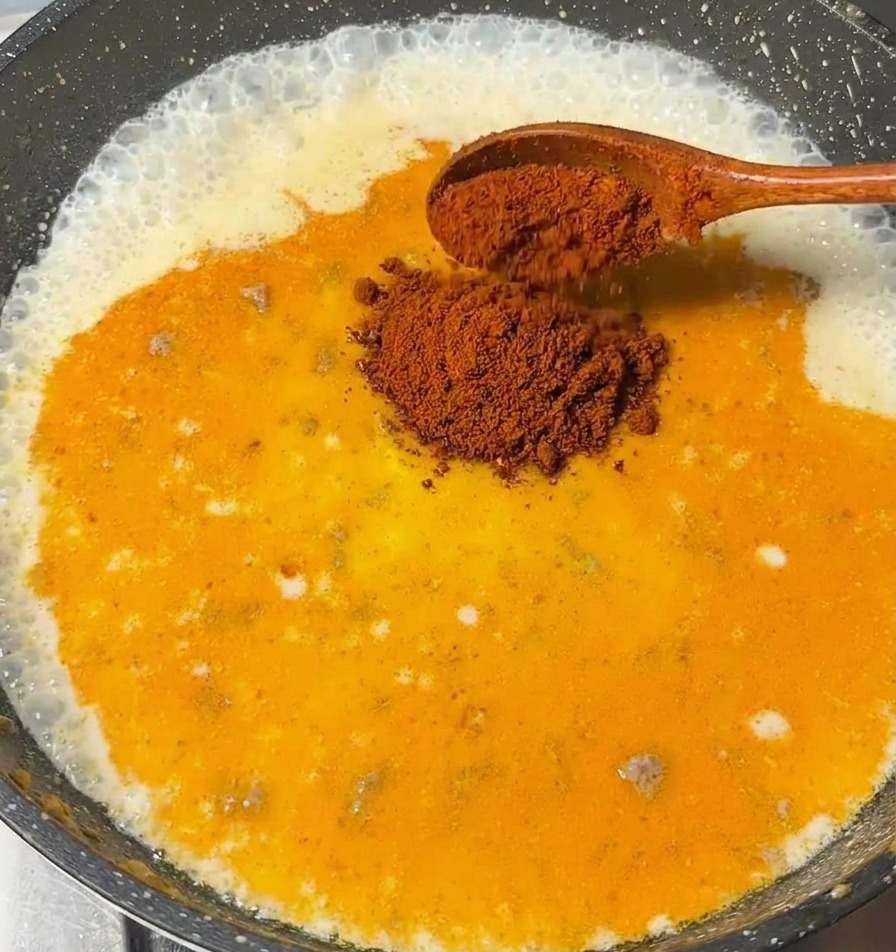
Add two blocks of Japanese curry roux to the simmering milk and pork mixture. Stir continuously until the roux is fully dissolved and the sauce begins to take on a rich, golden color and uniform consistency.
Tip: If youre using solid roux blocks, cutting them into smaller pieces before adding them will help them melt much faster and more evenly. - 8Thicken with starch
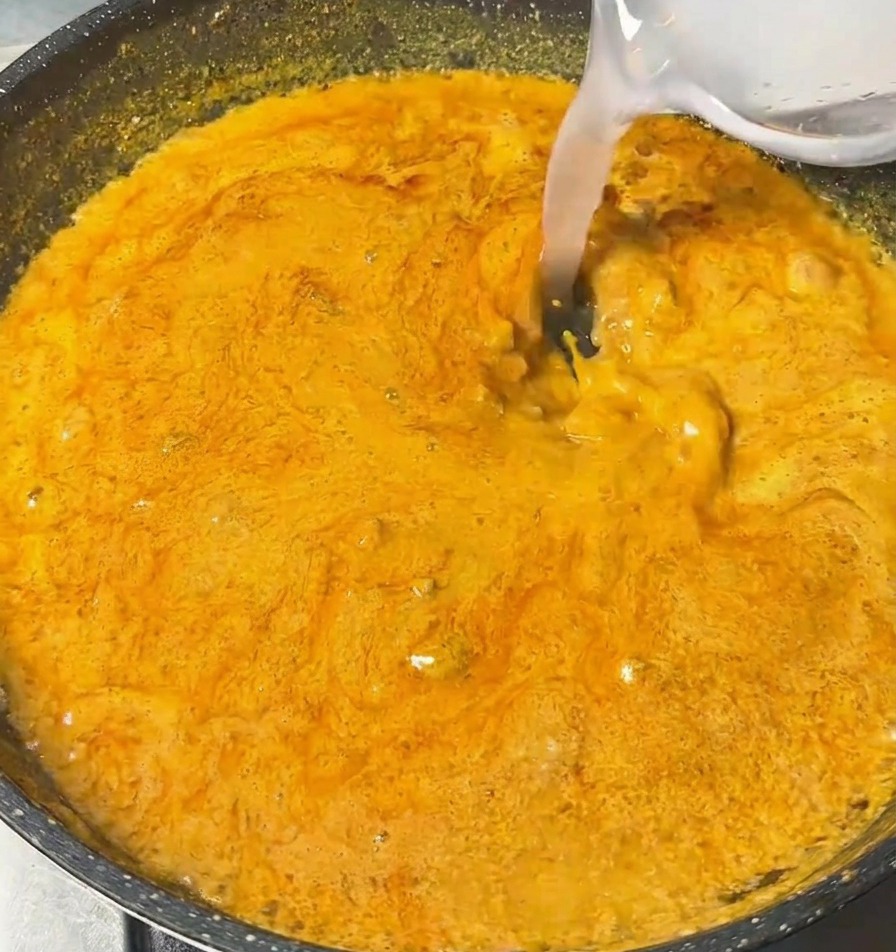
Slowly pour in the starchy water while stirring the bubbling sauce. This binds the ingredients together and creates the thick, glossy consistency required to cling effectively to the ramen noodles.
Tip: Mix your starch with cold water before adding it to the hot pan to prevent clumps from forming in your sauce. - 9Season with soy sauce
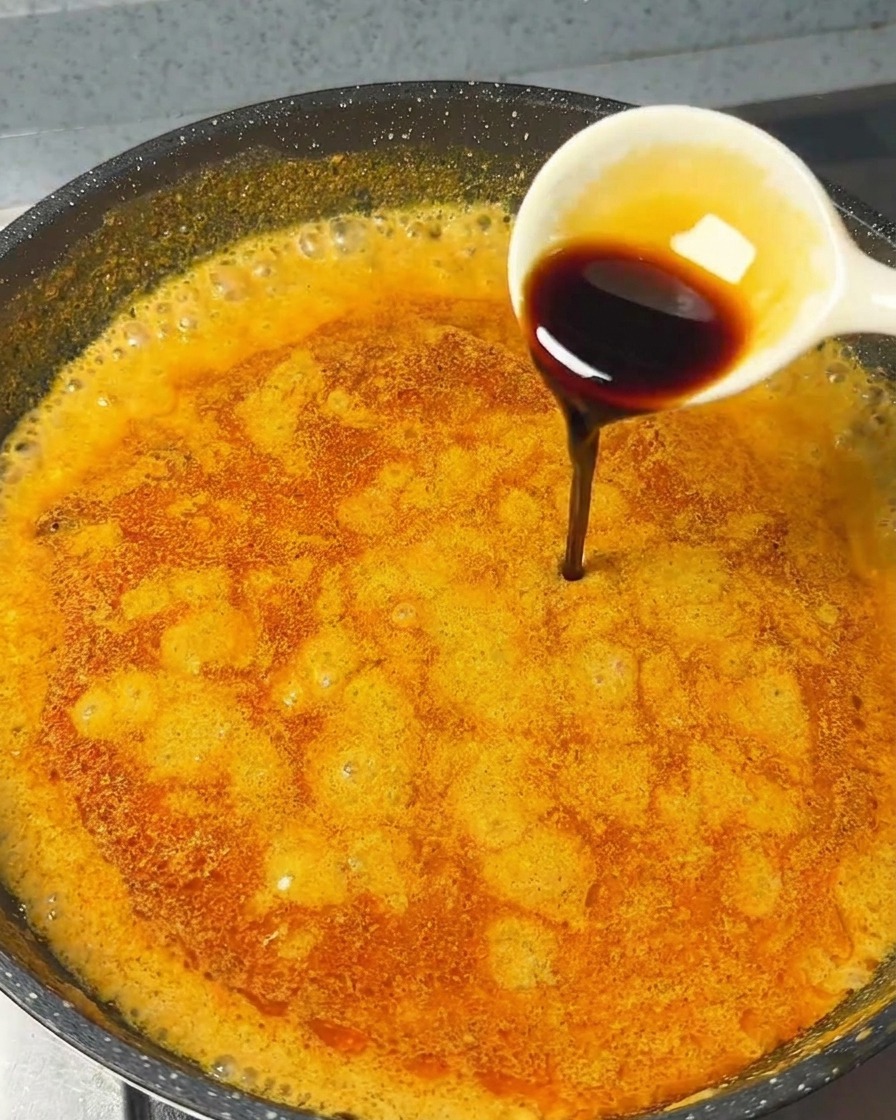
Finish the seasoning by adding two spoonfuls of soy sauce. Stir the mixture until it reaches a uniform, savory depth, balancing the richness of the creamy milk and curry roux.
Tip: If the sauce is too thick after seasoning, you can add a small splash of water to reach your desired dipping consistency. - 10Boil the ramen noodles
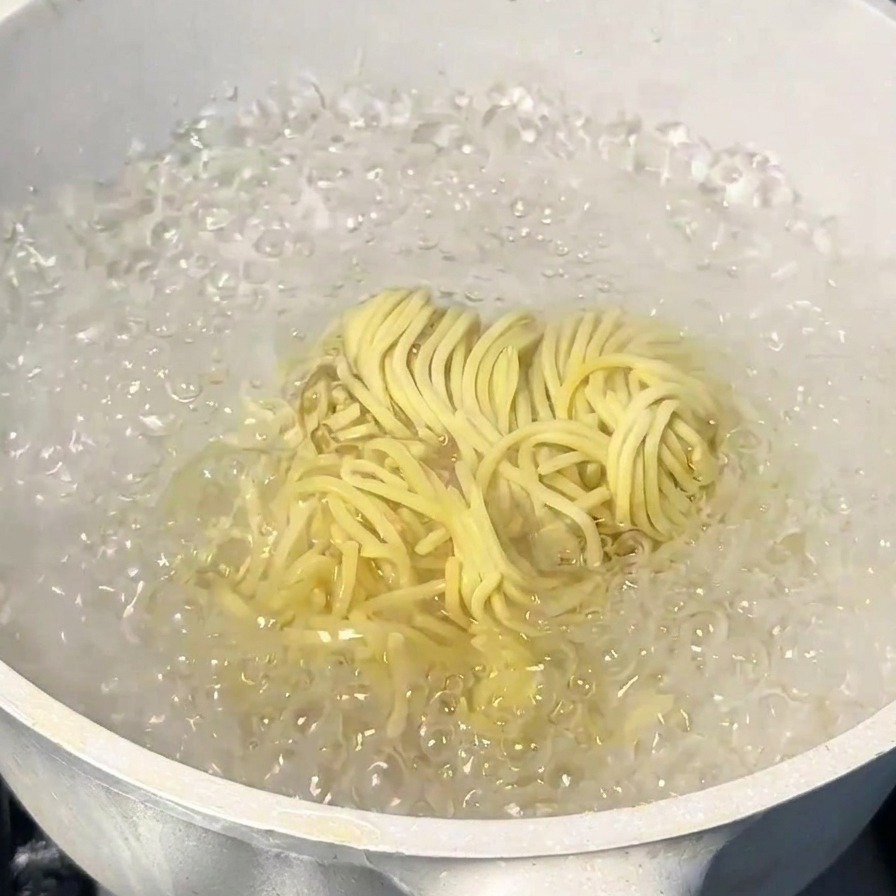
Bring a pot of water to a vigorous boil and drop in the Japanese-style ramen noodles. Cook them according to the package instructions until they reach an al dente texture. Stir occasionally to ensure the noodles do not clump together while boiling.
Tip: Do not overcook the ramen; keep it slightly firm as it will continue to soften slightly when dipped into the warm curry sauce. - 11Plate the noodles
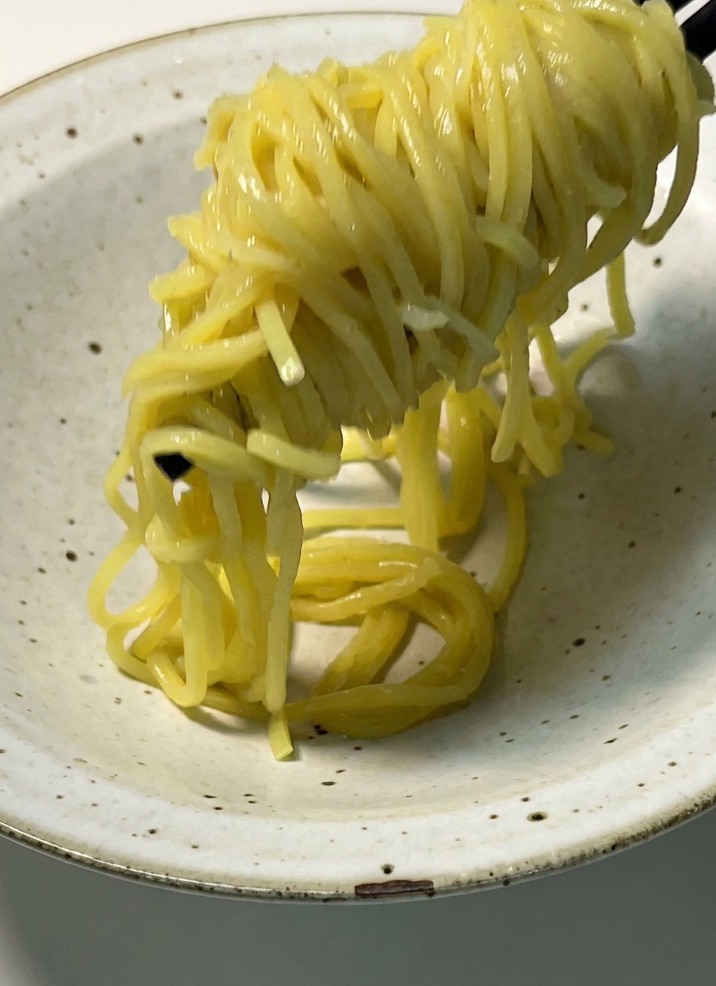
After draining the noodles thoroughly, use chopsticks to transfer them into a clean serving bowl. Arrange the noodles neatly to create a base for the garnishes. Ensure the noodles are well-drained to prevent the dipping sauce from becoming watered down later.
Tip: Shaking the noodles well in a strainer before plating helps remove excess starch and water for a better texture. - 12Garnish the ramen noodles
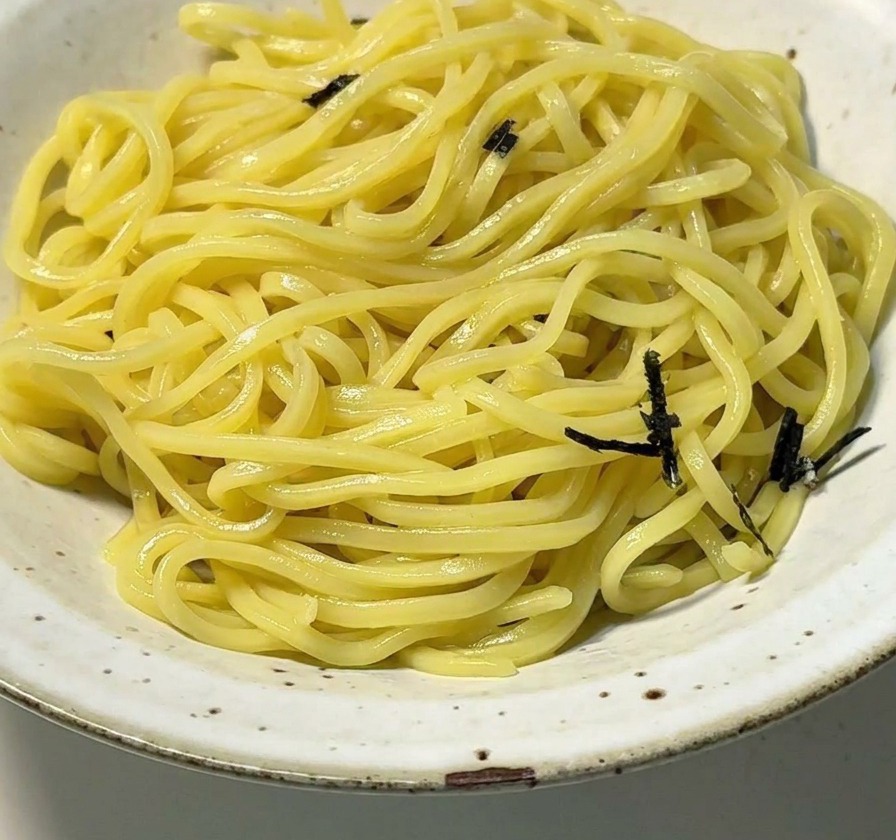
Take the bowl of cooked Japanese-style ramen noodles and top them with a handful of shredded dried seaweed. The seaweed adds a subtle umami flavor and a classic Japanese aesthetic to the dish.
Tip: Ensure the noodles are well-drained before garnishing to keep the seaweed from becoming too soggy too quickly. - 13Add the soft-boiled egg
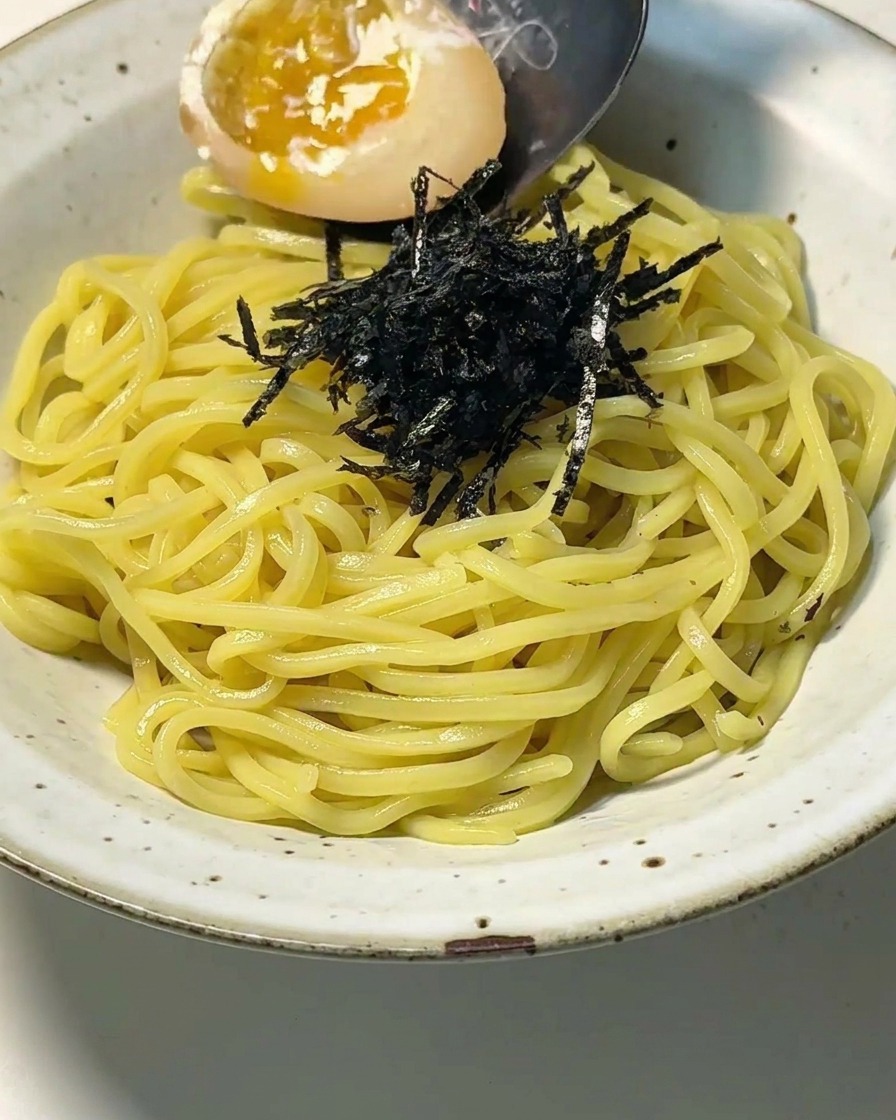
Garnish the bowl of noodles by carefully placing a halved soft-boiled egg on top. The rich, runny yolk provides a creamy contrast to the savory curry dipping sauce and the texture of the shredded seaweed.
Tip: For the most authentic experience, use an onsen egg or a soy-marinated ramen egg (ajitsuke tamago) to add an extra layer of umami to the dish. - 14Finish the curry dipping sauce
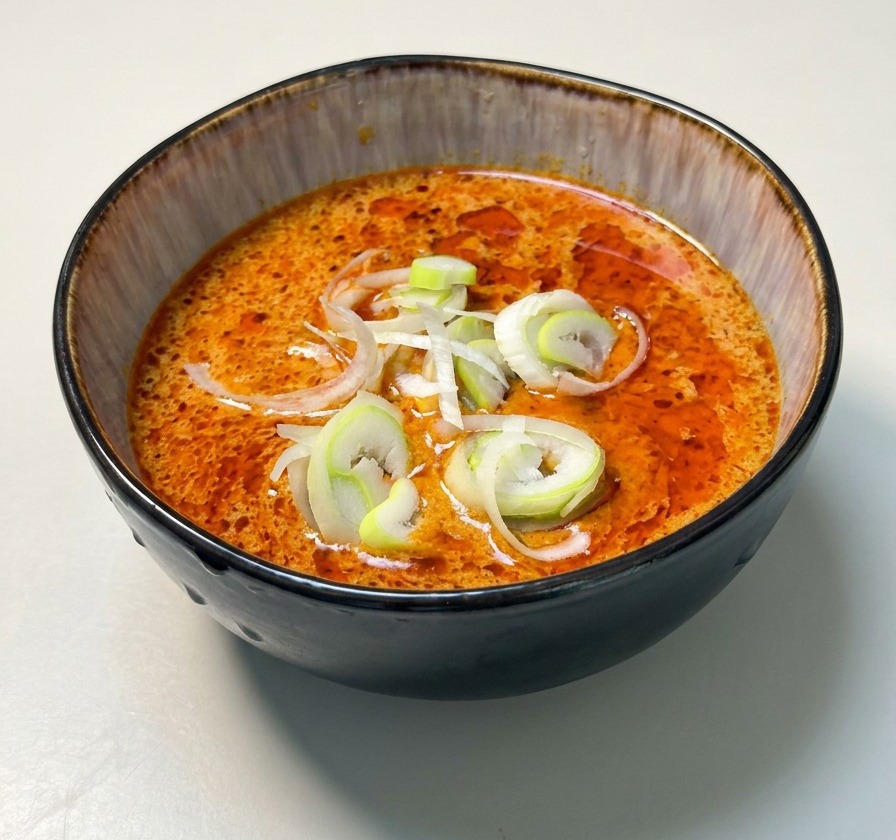
Transfer the thickened curry sauce into a serving bowl and add a handful of fresh, sliced green onions. These provide a bright, sharp contrast to the rich and creamy curry base.
Tip: Add the green onions just before serving to maintain their crunch and vibrant color.