Authentic Japanese Zaru Soba (Cold Buckwheat Noodles)
A refreshing summer staple of chilled buckwheat noodles served with a savory, sugar-free dipping sauce infused with kombu, bonito, and a hint of chili.
Zaru Soba is the definitive cooling meal of the Japanese summer. This version features a homemade dashi-based dipping sauce (mentsuyu) that relies on the natural umami of kelp and smoked bonito flakes rather than added sugar, making it an authentic and healthy choice for hot days.
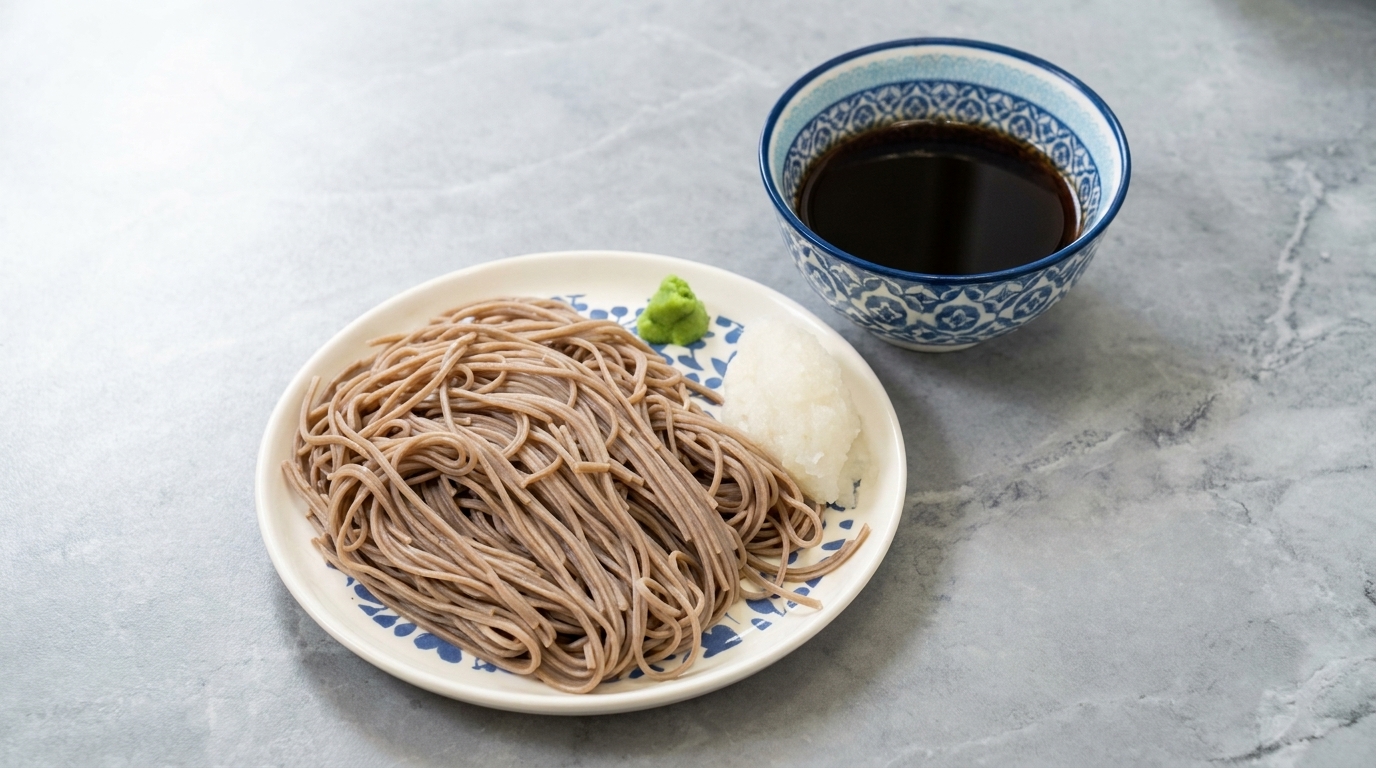
Ingredients
- 200 ml Japanese soy sauce
- 200 ml mirin or Japanese cooking sake
- 2 pieces dried kelp (kombu)
- 1 handful dried bonito flakes (katsuobushi)
- 2 green chili peppers
- 200 g dried buckwheat noodles (soba)
- 100 g white radish (daikon)
- to taste wasabi paste
Instructions
- 1Measure the soy sauce
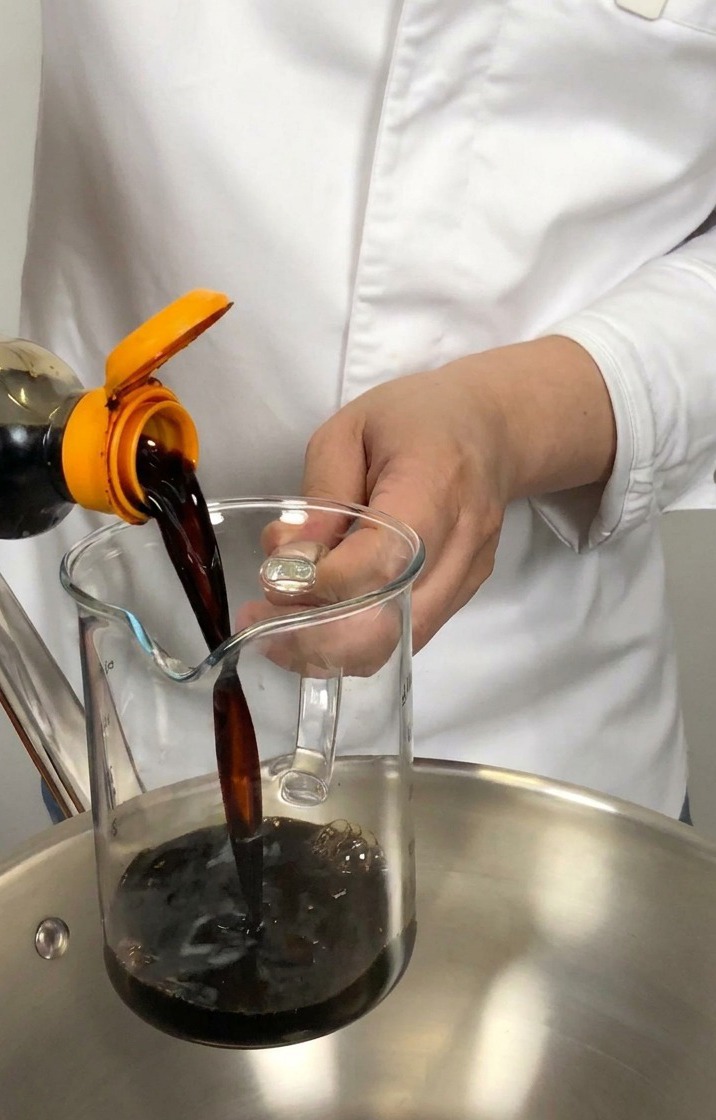
Begin by measuring 200ml of dark Japanese-style soy sauce. Pour it into a measuring cup before adding it to your cooking pan. This salty, savory base is the foundation of the dipping sauce and provides the deep umami flavor essential for authentic buckwheat noodles.
Tip: Using a Japanese-style soy sauce is recommended for the most authentic flavor profile, as it typically has a more balanced saltiness and sweetness compared to other varieties. - 2Combine with cooking wine
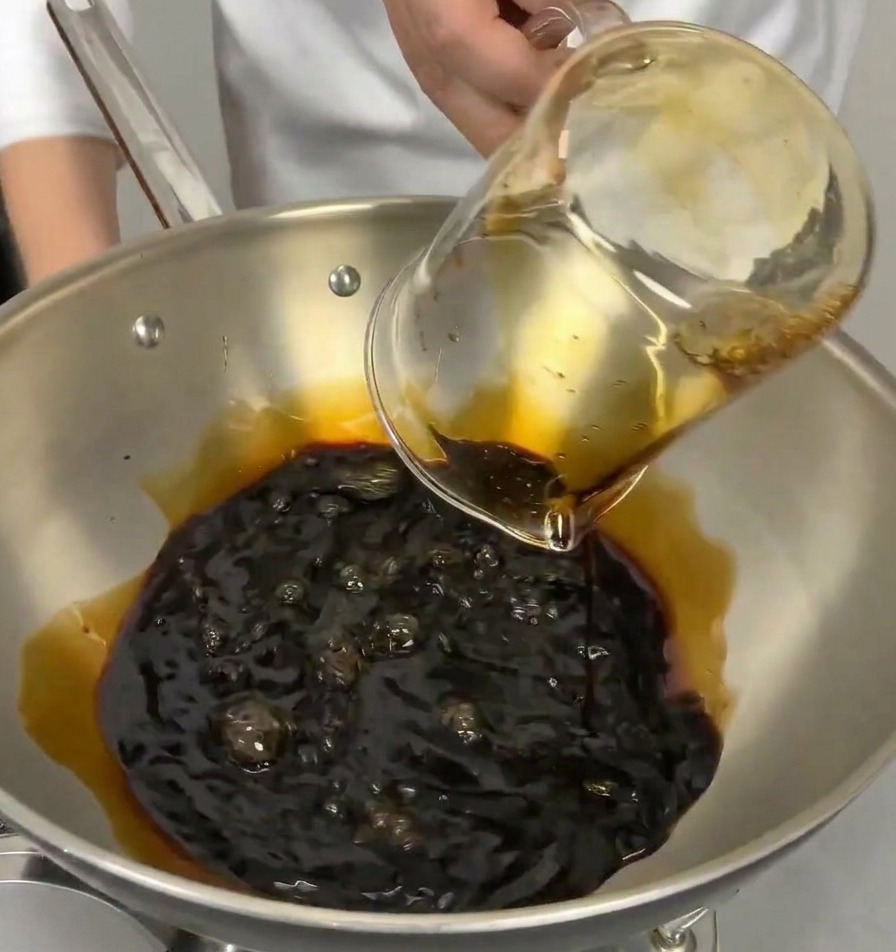
Add 200ml of Japanese cooking wine, such as mirin or sake, into the pan along with the soy sauce. The cooking wine adds a subtle sweetness and complexity to the mixture, helping to round out the saltiness of the soy base.
Tip: If you are using mirin, it will add more sweetness; if using sake, the flavor will be more dry and boozy. Choose based on your personal preference. - 3Boil to evaporate alcohol
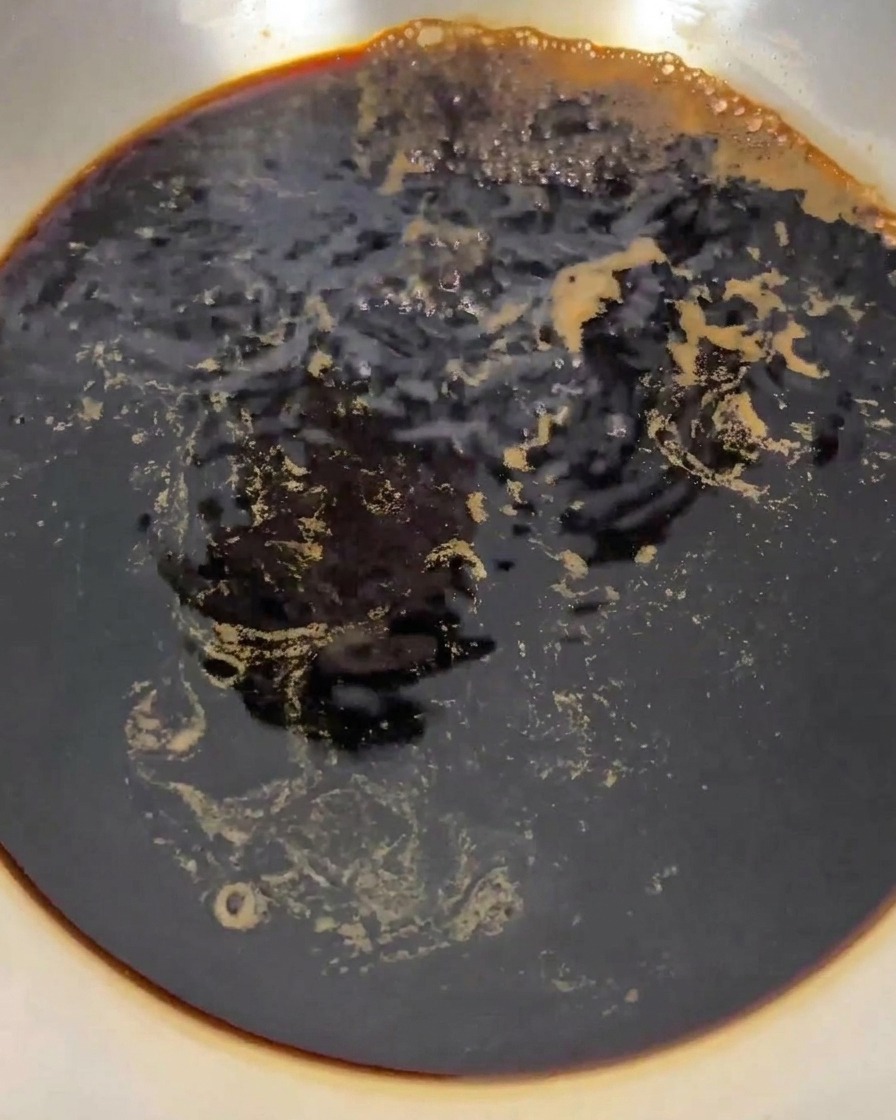
Turn on the heat and bring the soy sauce and cooking wine mixture to a boil. Allow it to bubble for a short time to ensure the alcohol content from the wine evaporates, leaving behind only the rich flavor without the harsh alcoholic bite.
Tip: Keep a close eye on the pan as it reaches a boil; the sugars in the mixture can cause it to foam up and boil over if the heat is too high. - 4Infuse with dried kelp
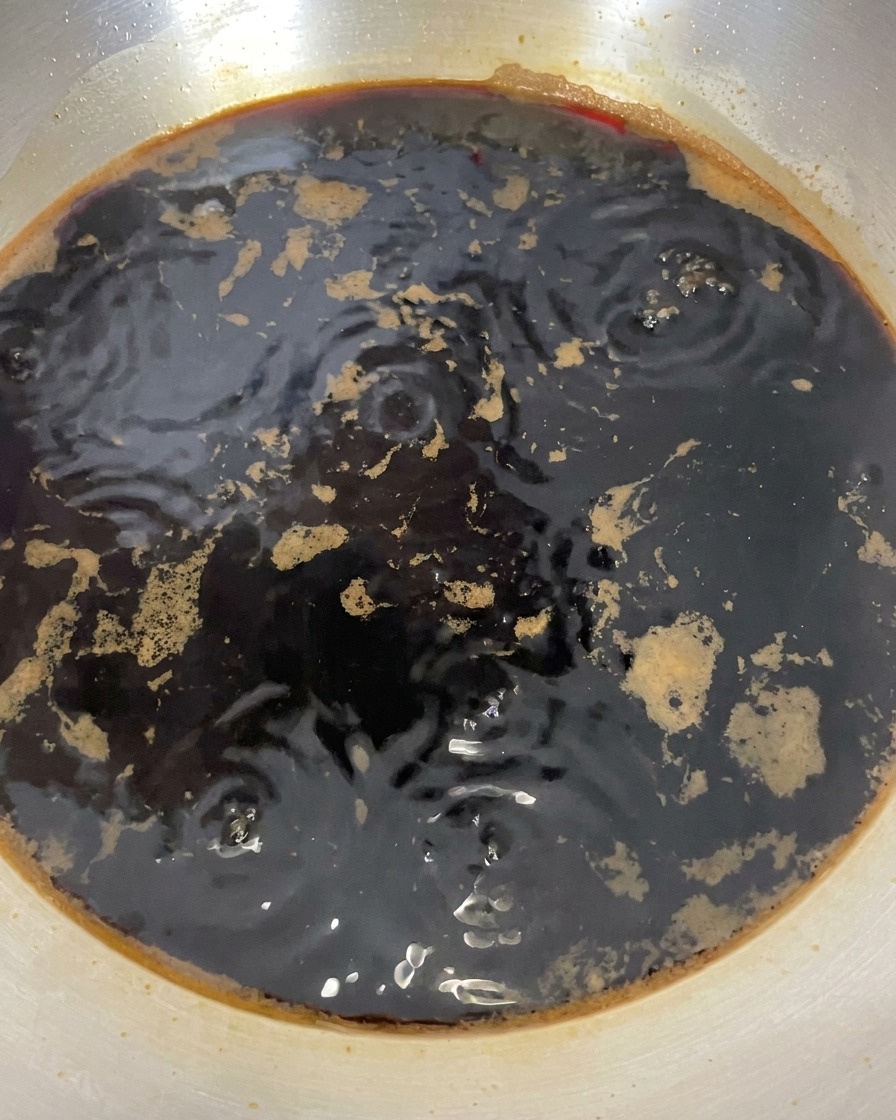
Once the alcohol has evaporated, turn off the heat. Add two square pieces of dried kelp, also known as kombu, into the hot liquid. The residual heat will gently extract the natural glutamates from the kelp, adding a savory depth to the sauce.
Tip: Do not boil the kelp, as it can release a bitter flavor and slimy texture. Adding it after turning off the heat is the traditional way to get a clean infusion. - 5Add bonito flakes
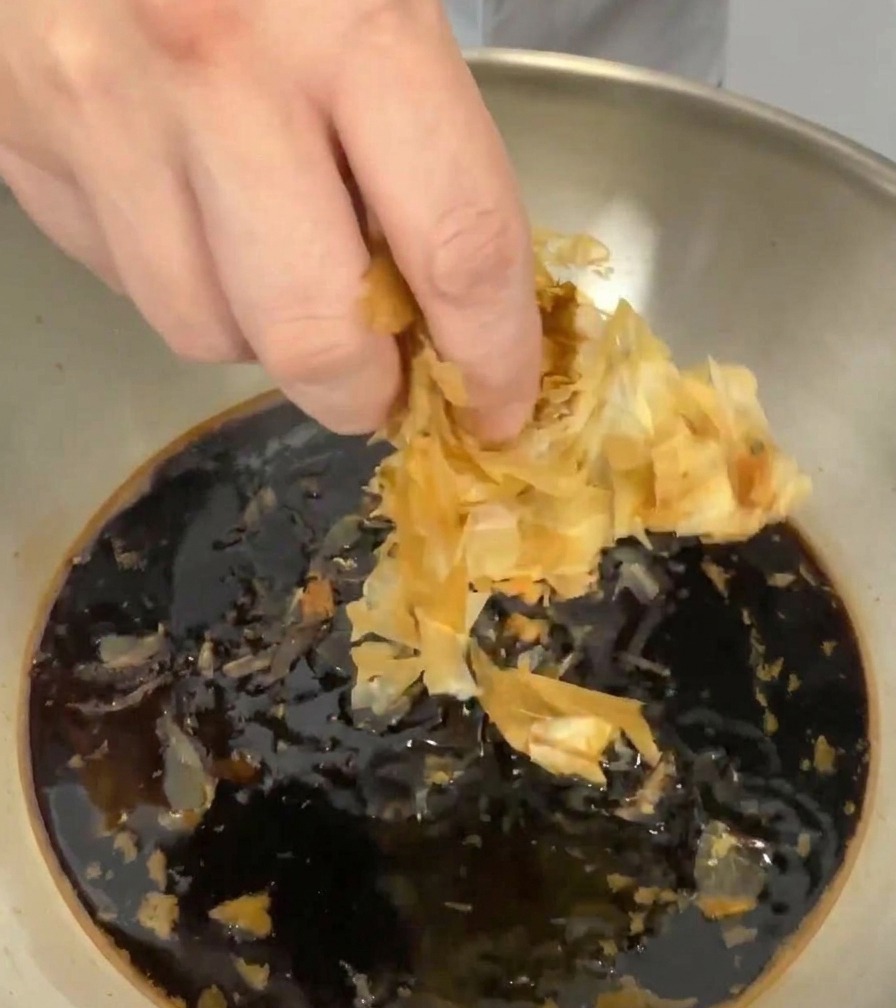
Add a generous handful of dried bonito flakes (katsuobushi) to the pan. These smoked and fermented fish flakes provide the signature smoky aroma and intense savory flavor that defines high-quality Japanese dipping sauces.
Tip: Make sure the liquid is still hot when adding the flakes to ensure maximum flavor extraction during the steeping process. - 6Add a spicy kick
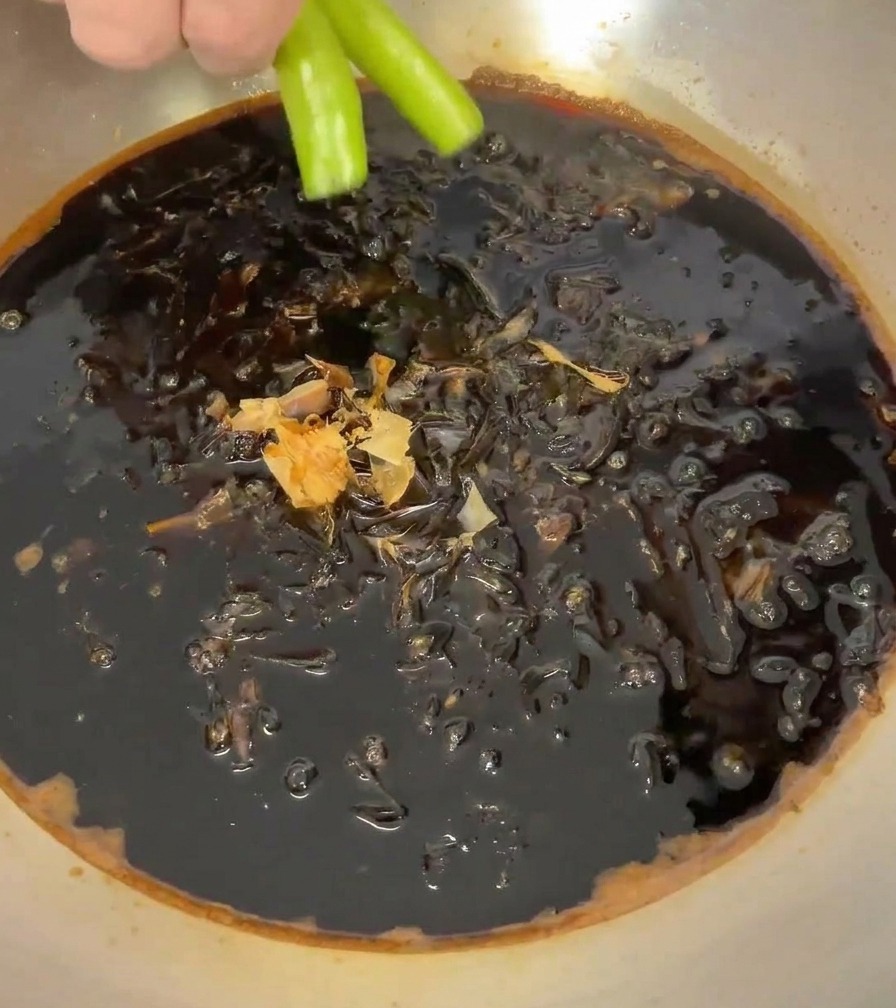
If you enjoy a bit of heat, add two whole green chili peppers into the infusion. This optional step adds a subtle spicy undertone that complements the savory and salty notes of the buckwheat noodle sauce.
Tip: Leaving the chilies whole provides a mild heat. If you want it significantly spicier, you can slice the peppers before adding them to the liquid. - 7Strain the dipping sauce
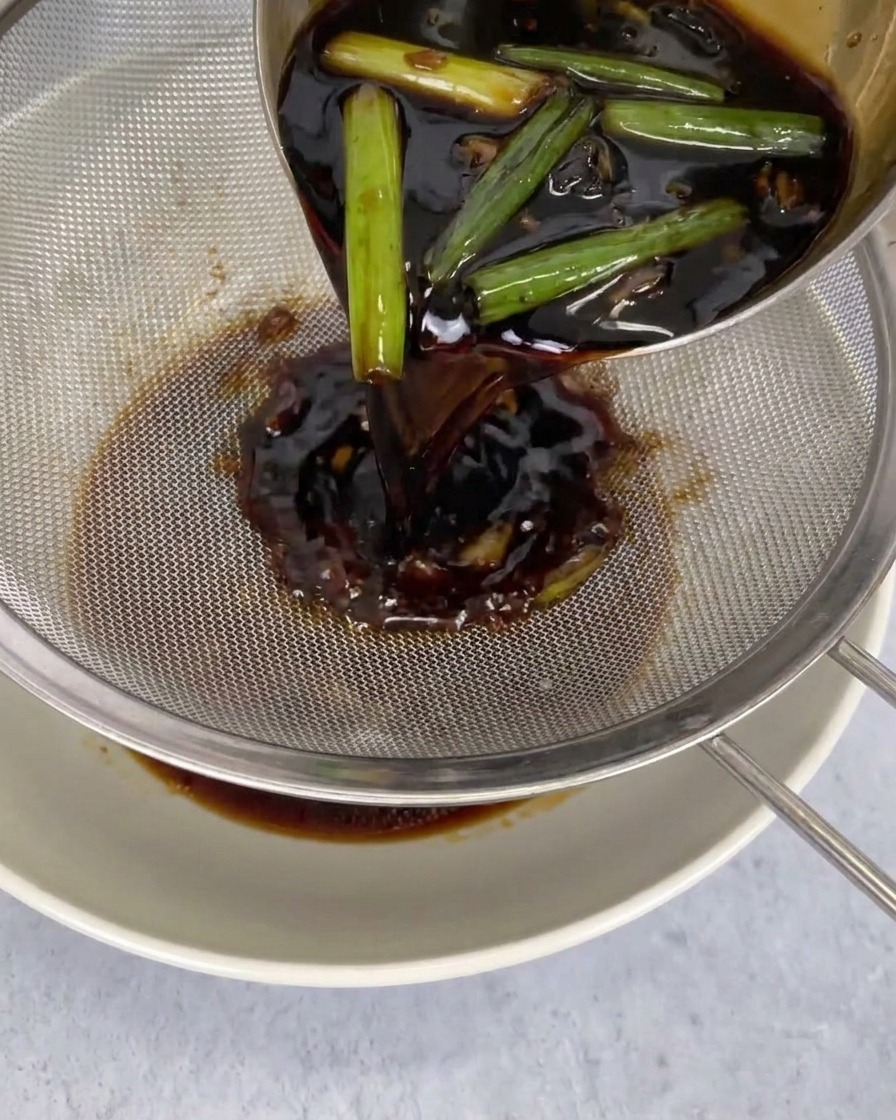
After allowing the mixture to steep for 15 minutes, pour the infused sauce through a fine-mesh sieve into a clean bowl. This step removes the solid ingredients—the kelp, bonito flakes, and chili peppers—resulting in a smooth, clear dipping sauce concentrated with flavor.
Tip: Press the solids against the sieve with the back of your ladle to extract every last bit of the savory liquid. - 8Boil the buckwheat noodles
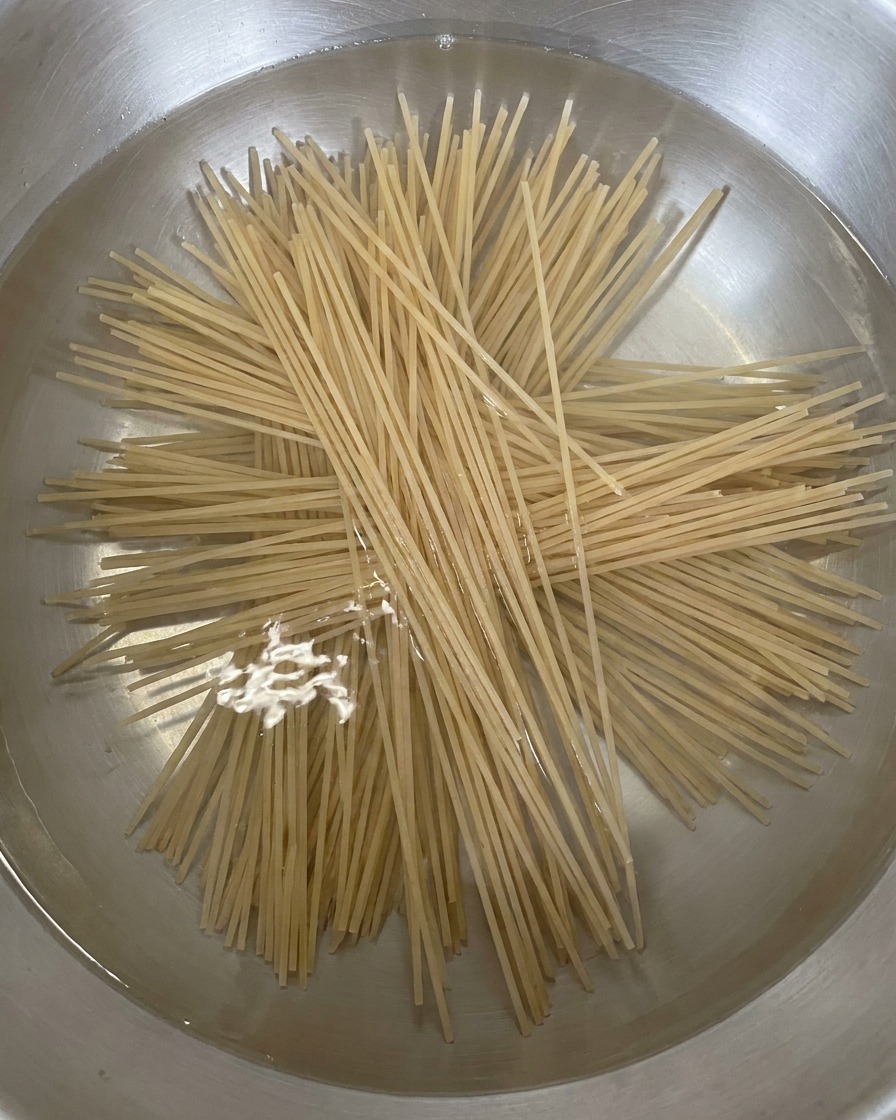
Bring a large pot of water to a rolling boil and add the dry buckwheat noodles. Fanning them out as they enter the pot helps prevent the strands from sticking together. Cook the noodles according to the package directions until they reach a tender but firm texture.
Tip: Buckwheat noodles cook quickly and can become mushy if left too long; keep a close eye on the timer. - 9Drain and cool the noodles
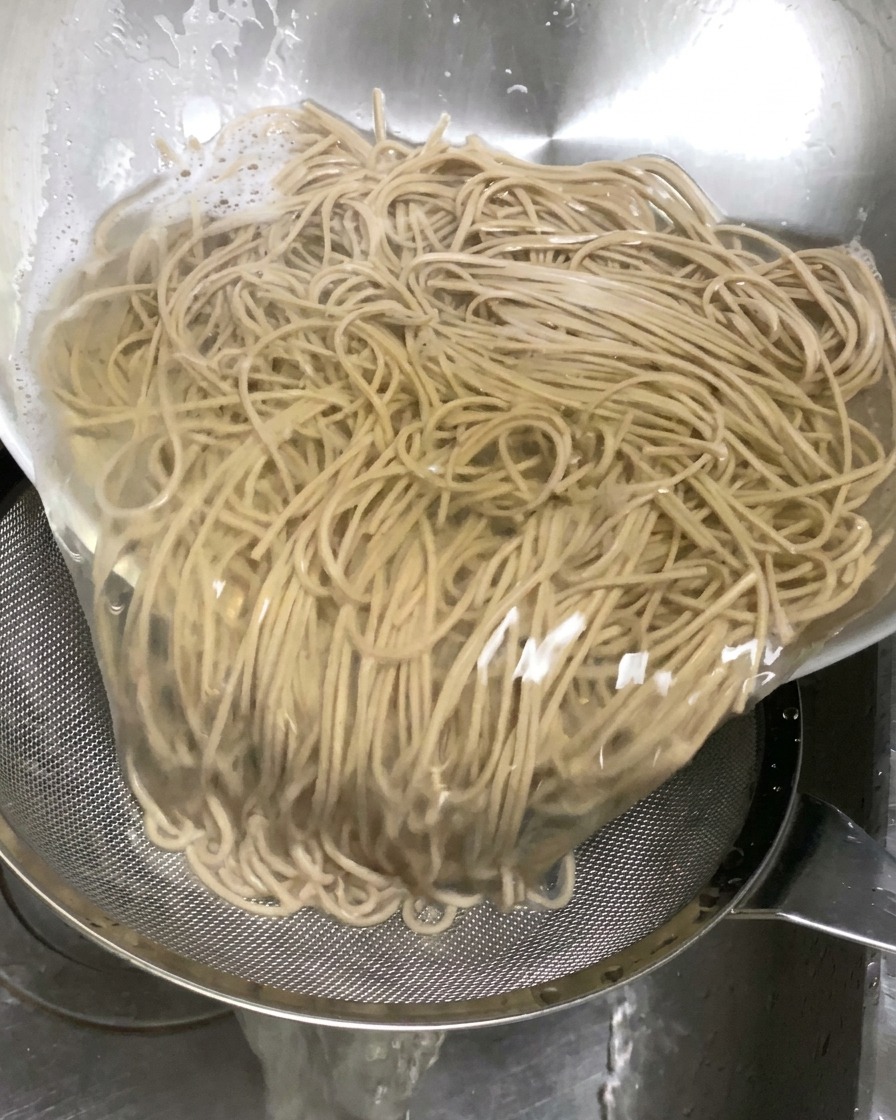
Once cooked, drain the noodles into a strainer to remove the hot cooking water. Immediately rinse the buckwheat noodles under cold running water. This essential step stops the cooking process and washes away excess starch for a better texture.
Tip: For the best result, use very cold water or even an ice bath to ensure the noodles are thoroughly chilled before serving. - 10Prepare the wasabi garnish
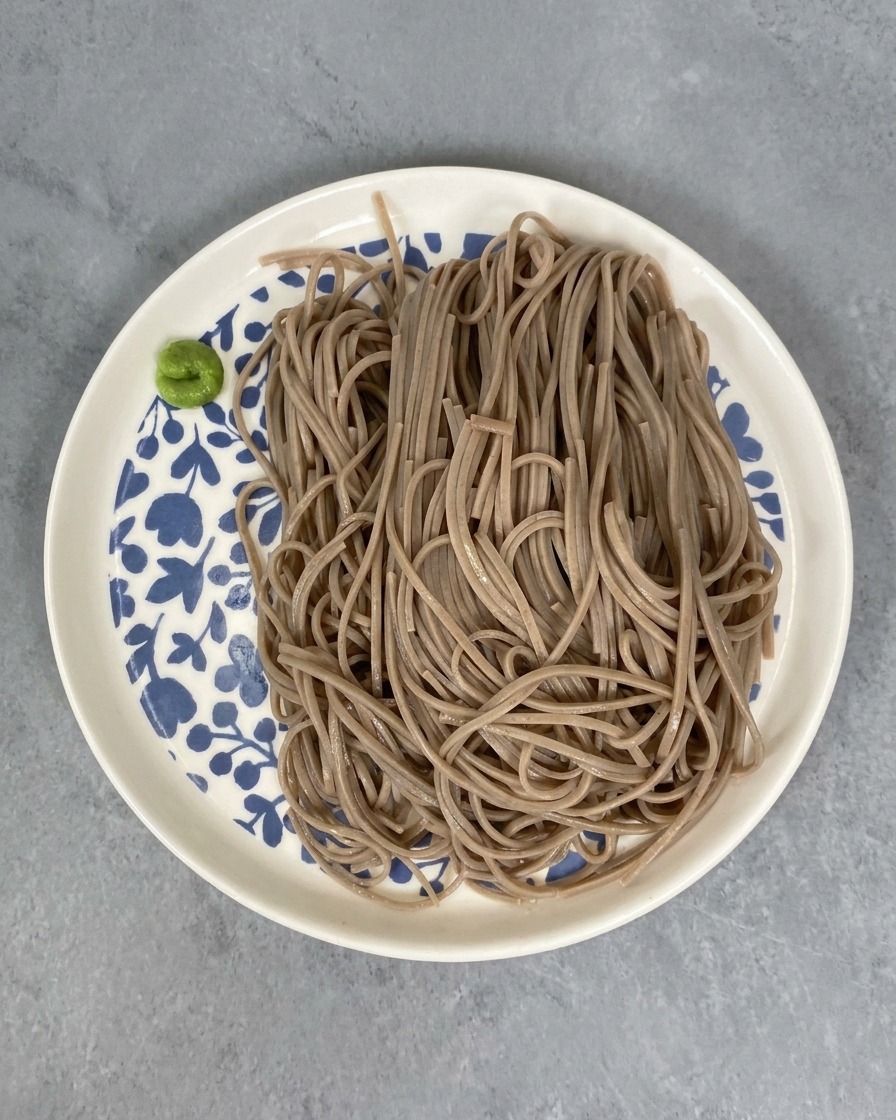
Place a portion of the chilled buckwheat noodles onto a serving plate. Squeeze a small dollop or line of green wasabi paste onto the edge of the plate. The wasabi will provide a sharp, pungent contrast to the savory dipping sauce when mixed in.
Tip: If you are sensitive to heat, start with a small amount of wasabi and add more to your dipping sauce as needed. - 11Grate the daikon radish
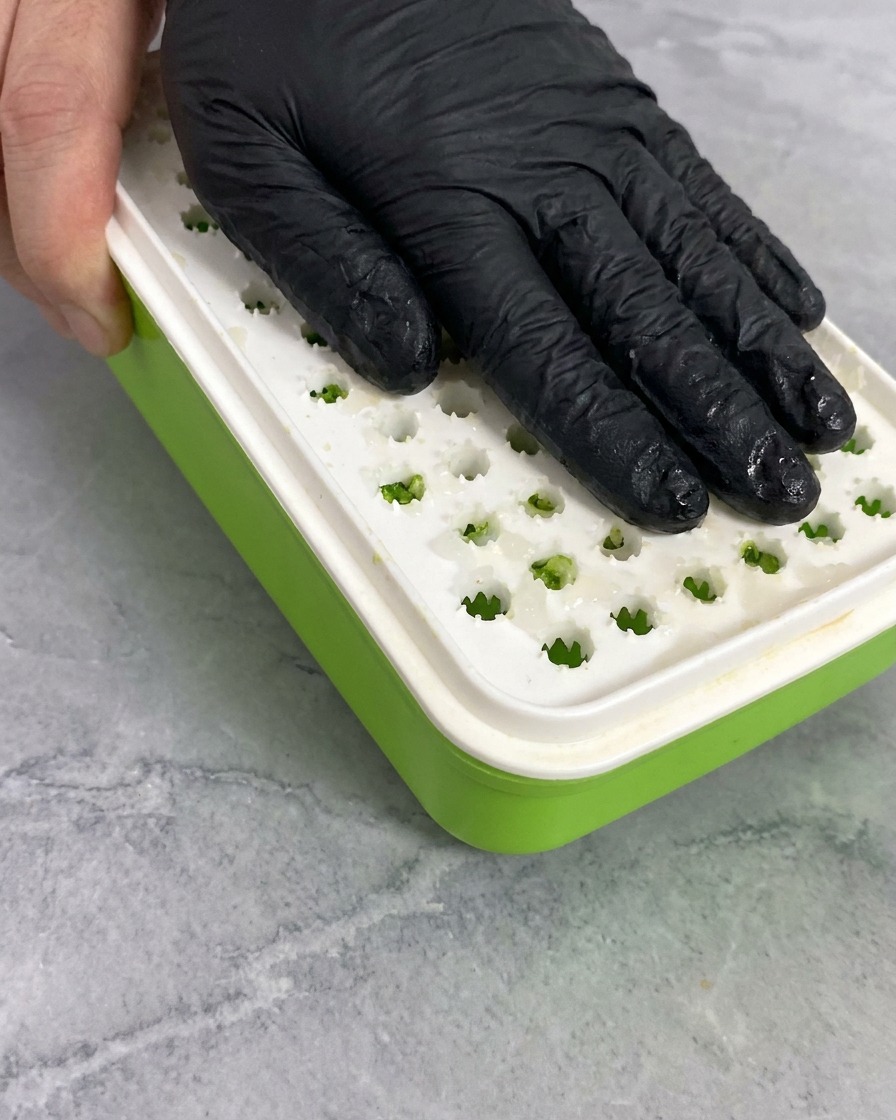
Using a manual grater, prepare a generous amount of fresh white radish, also known as daikon. The grated radish adds a refreshing, slightly spicy crunch that is a traditional and essential accompaniment for chilled soba noodles.
Tip: Use a fine grater to achieve a snowy, light texture that blends perfectly into the dipping liquid. - 12Remove excess radish juice
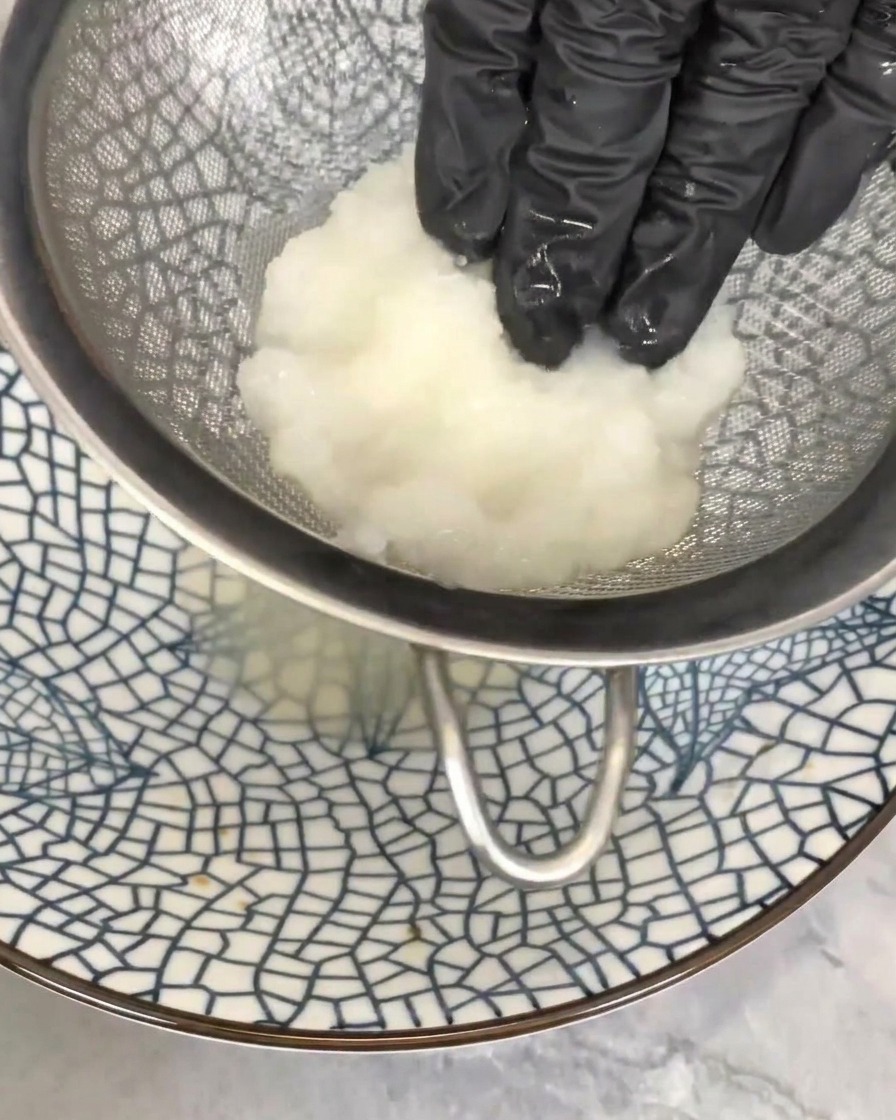
Place the freshly grated radish into a small sieve and press down gently with your hand to remove any excess water. Squeezing out the moisture helps the radish maintain its shape and prevents it from diluting the dipping sauce too much.
Tip: Do not squeeze the radish completely dry because leaving a little moisture keeps it juicy and flavorful. - 13Add the radish and wasabi
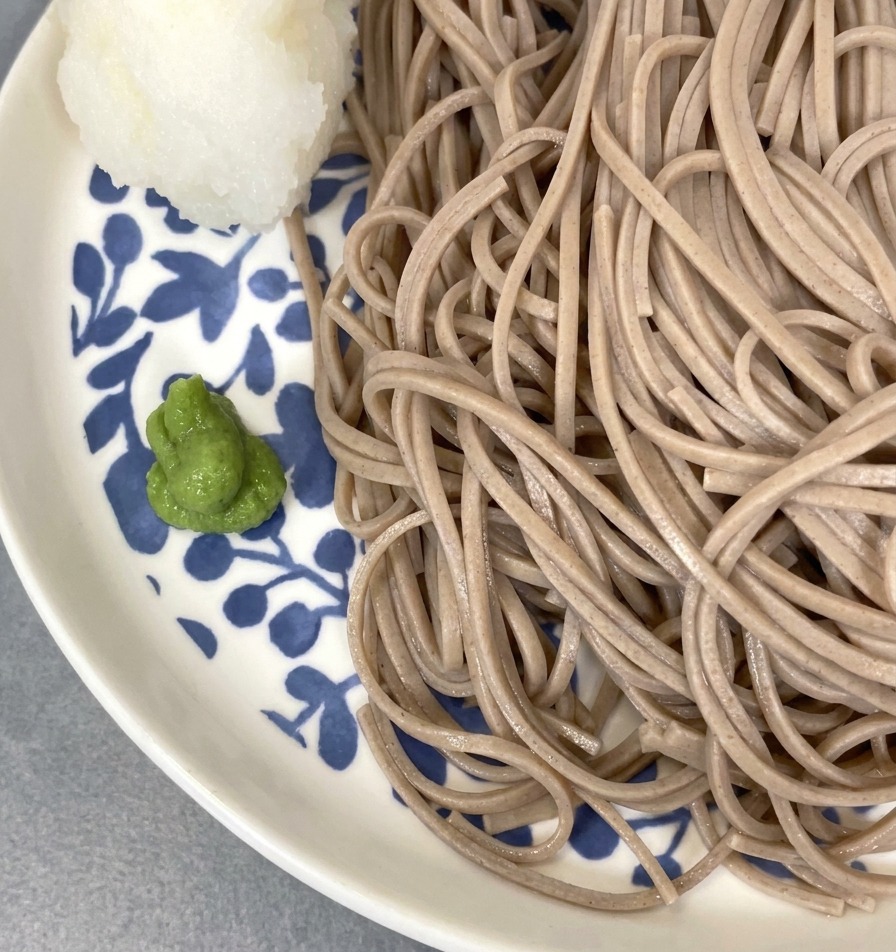
Place the molded ball of grated radish and a dollop of wasabi on the side of the plate with the buckwheat noodles. These traditional accompaniments are mixed into the dipping sauce to provide a refreshing and sharp flavor contrast to the savory broth.
Tip: Make sure to squeeze the excess water out of the grated radish before molding it to ensure it holds its shape on the plate and does not make the noodles soggy. - 14Mix the dipping sauce
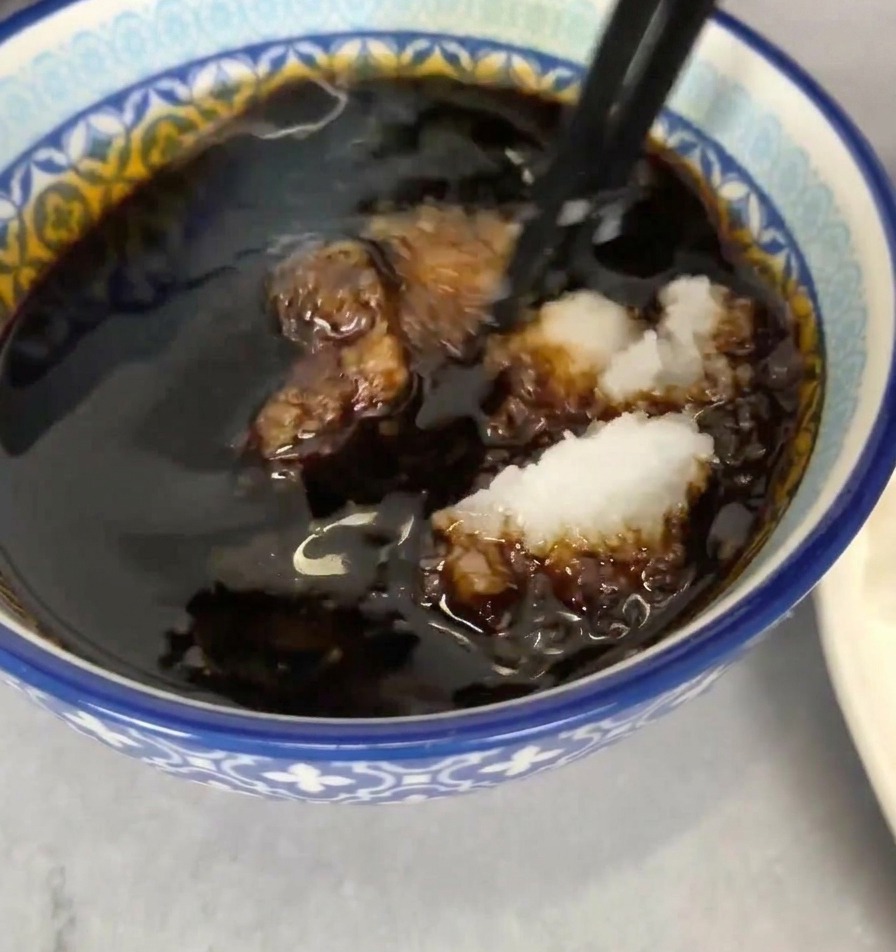
Add the prepared grated radish and wasabi to the bowl of chilled dipping sauce. Use your chopsticks to stir the mixture thoroughly, ensuring the radish is well-incorporated into the dark liquid. This final step creates the signature refreshing and zesty flavor profile required for the cold noodles.
Tip: Add the radish and wasabi gradually and taste as you go to find your preferred level of spice and texture.