Japanese Seafood
Pork Bone Dipping Noodles (Tsukemen)
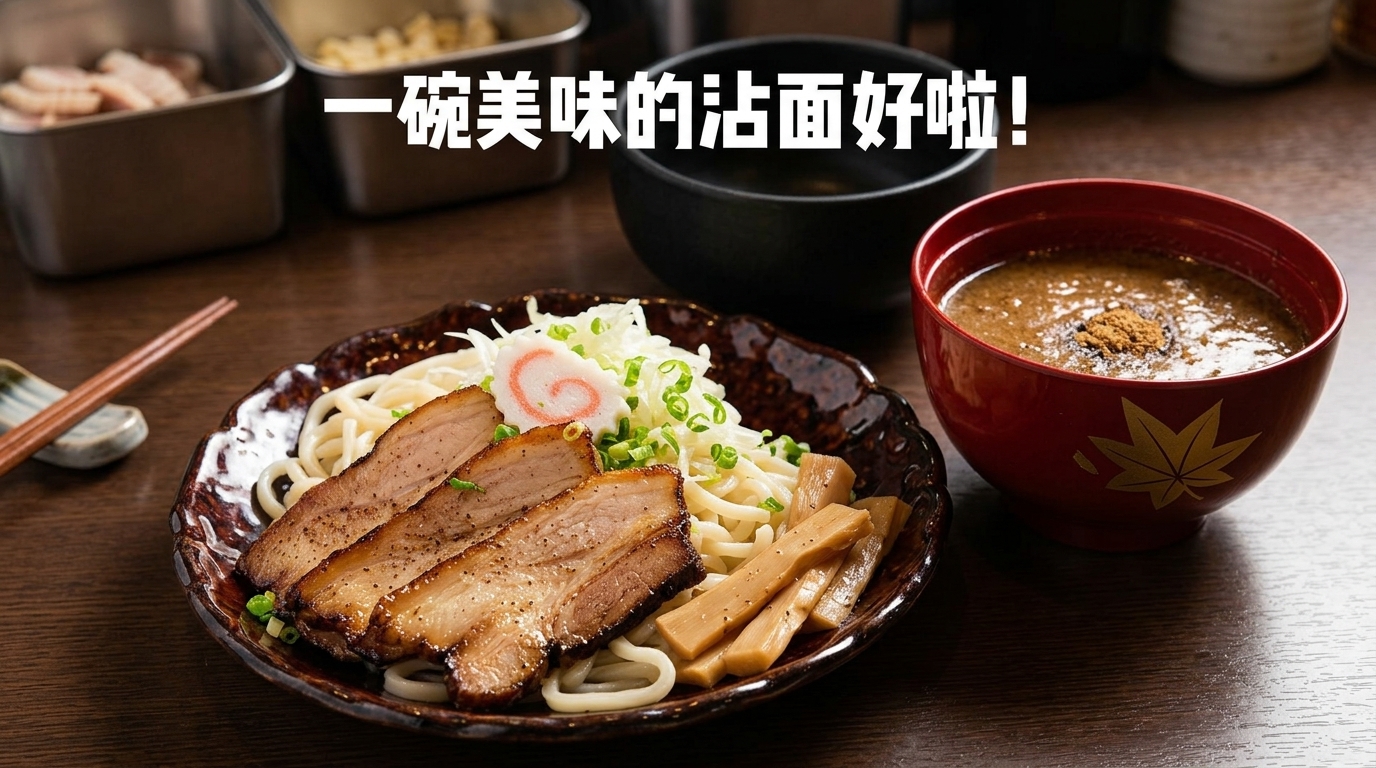
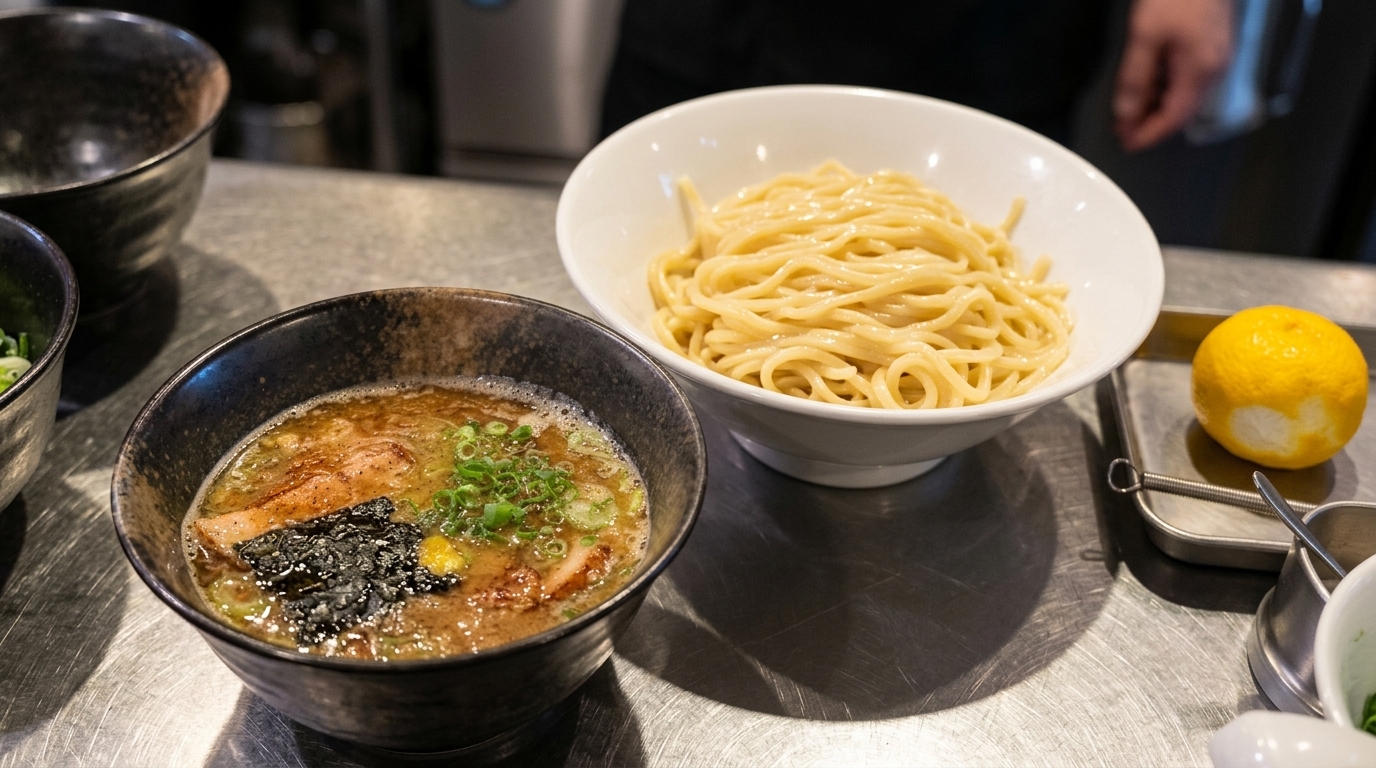
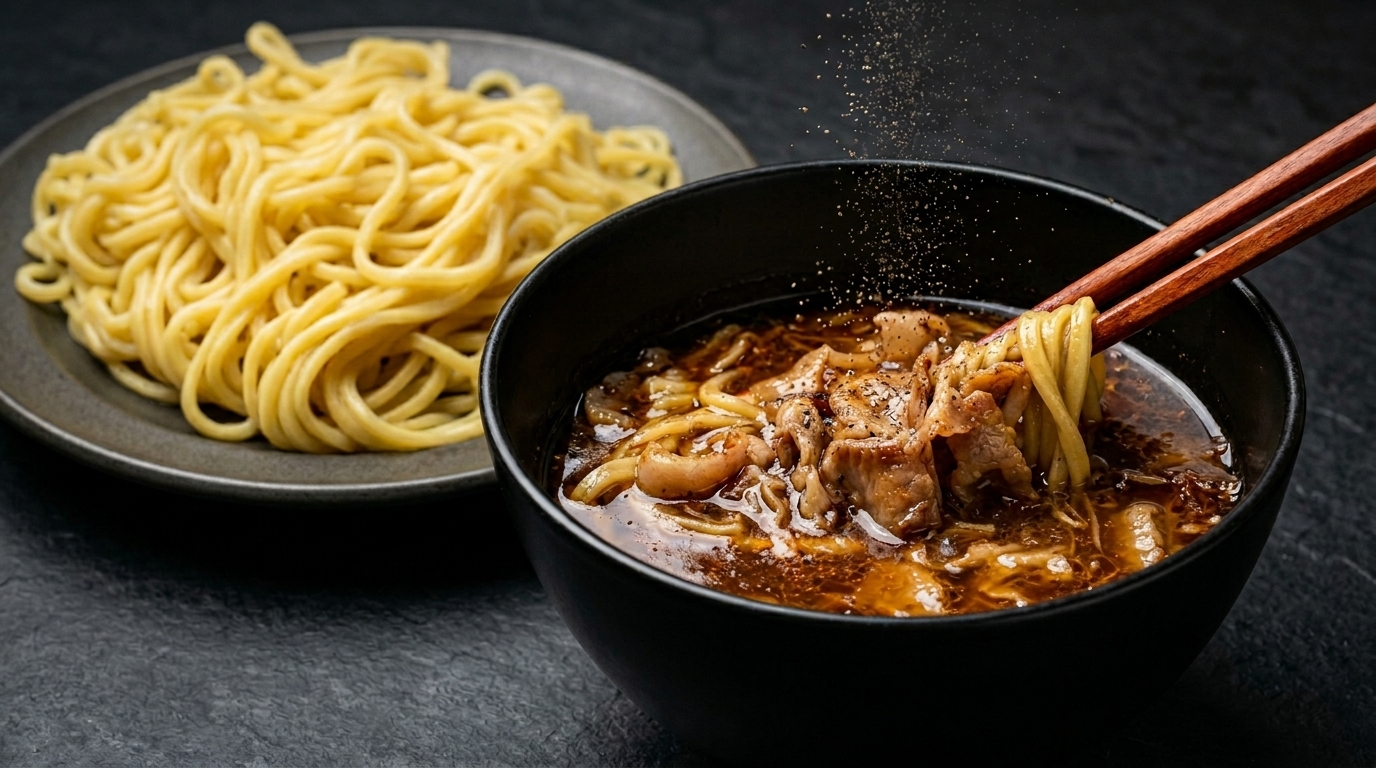
Master the art of Tsukemen with this rich, seafood-infused pork bone dipping broth, served alongside thick, springy ramen noodles for a perfect umami-packed bite.
Tsukemen, or dipping ramen, was invented in Tokyo as a way to enjoy noodles with a more concentrated, intensely flavored broth. Unlike traditional ramen where the noodles sit in soup, these noodles are dipped into a rich, thickened gravy made from pork belly and seafood powders. It offers a unique textural experience, allowing you to control the flavor intensity of every mouthful.
Ingredients
- 100 g pork belly
- 1 serving Chinese ramen noodles
- 200 ml water
- 1 stalk green onion
- 1 piece shiitake mushroom
- 1 clove garlic
- 1 tbsp fish powder
- 1 tbsp noodle soup base
- 1 tbsp soy sauce
- 0.5 tbsp oyster sauce
- 1 tsp potato starch
- 1 tbsp vegetable oil
- 0.5 tbsp sugar
- 1 tsp water (for caramel)
- 4 shakes MSG
- pinch salt
- to taste shichimi chili powder
- to taste black pepper
Instructions
- 1Mince the green onion
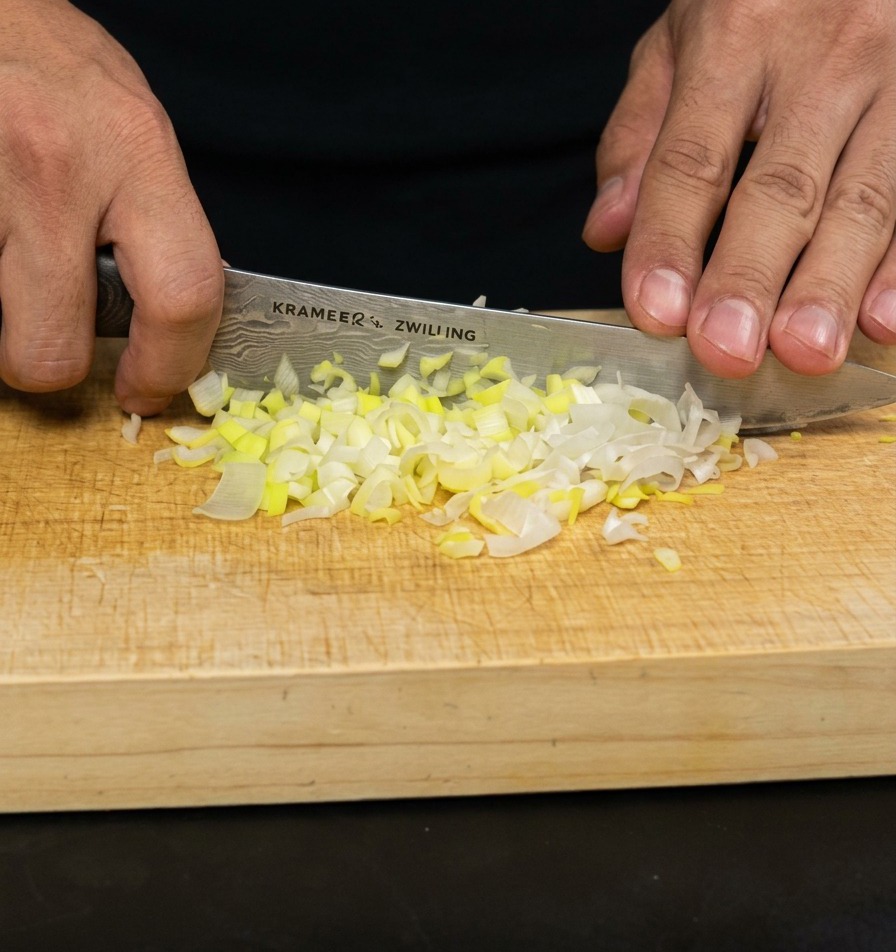
Finely mince half a stalk of green onion on a wooden cutting board. These aromatics will provide a fresh, sharp flavor base for the dipping sauce and are added to the pan early to release their fragrance.
Tip: Use a sharp knife and a rocking motion to achieve a fine, even mince without bruising the green onion stalks. - 2Chop the shiitake mushroom
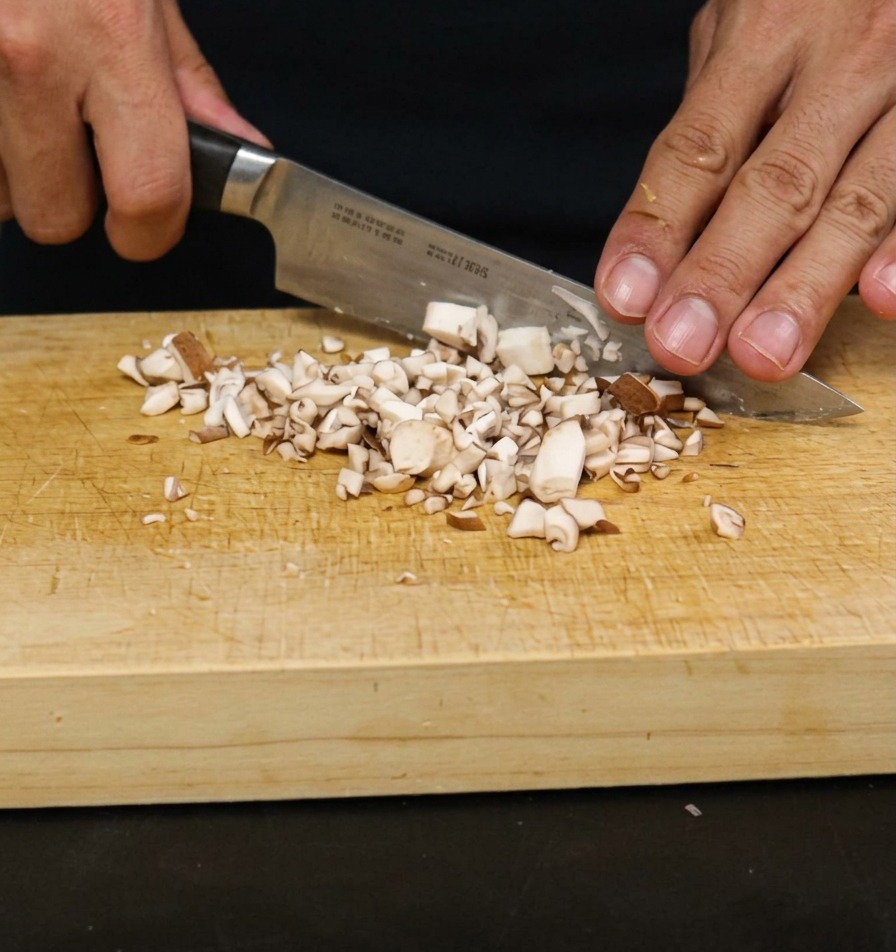
Take one shiitake mushroom and chop it into small, uniform pieces. The shiitake adds a deep, earthy umami profile that complements the savory seafood and pork components of the ramen dipping sauce.
Tip: If using fresh shiitake, wipe the cap with a damp paper towel instead of washing it to prevent the mushroom from absorbing excess water. - 3Mince the garlic
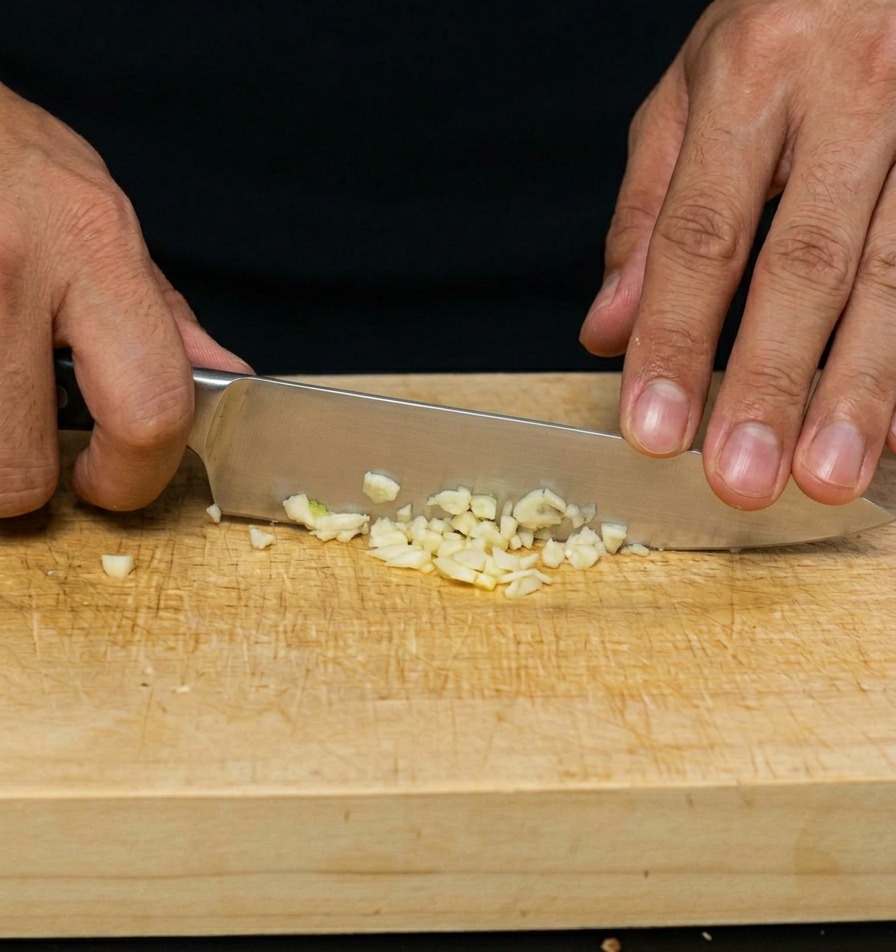
Mince one clove of garlic finely. Garlic is a key aromatic that adds pungency and depth to the savory soup base as it sautés along with the mushrooms and green onions.
Tip: To make peeling easier, smash the garlic clove with the flat side of your knife blade before mincing. - 4Slice the pork belly
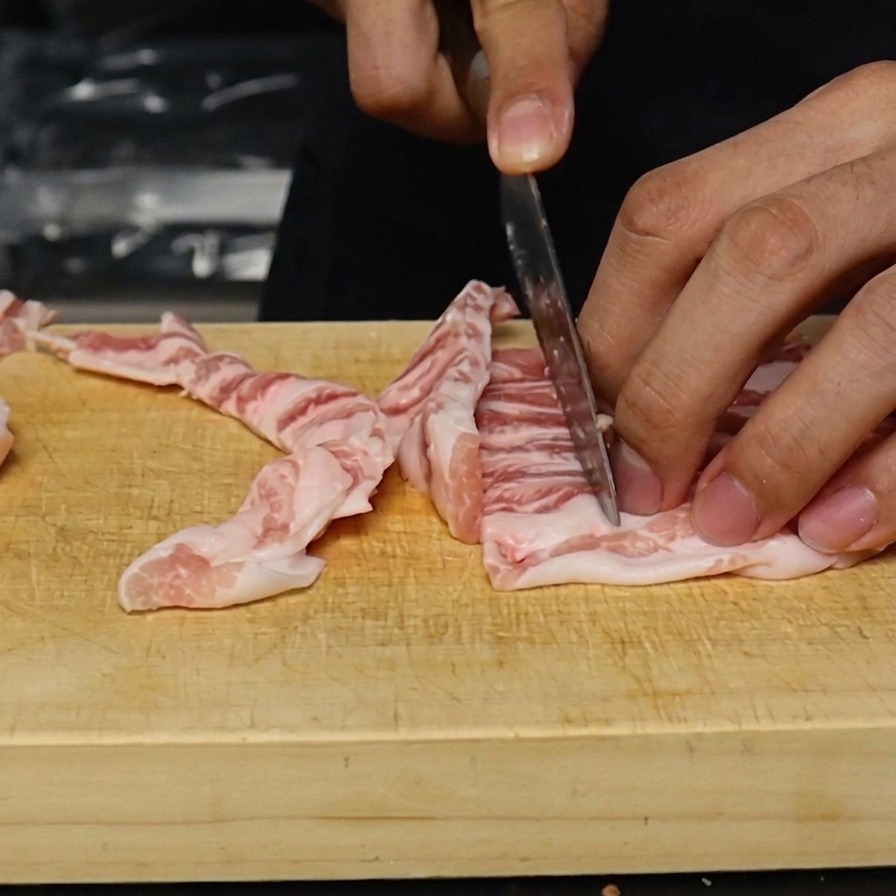
Slice one hundred grams of raw pork belly into strips approximately one centimeter wide. The rendered fat from the pork belly will enrich the dipping sauce, providing a silky texture and savory flavor.
Tip: For cleaner cuts, place the pork belly in the freezer for 15-20 minutes to firm it up before slicing. - 5Combine the sauce base
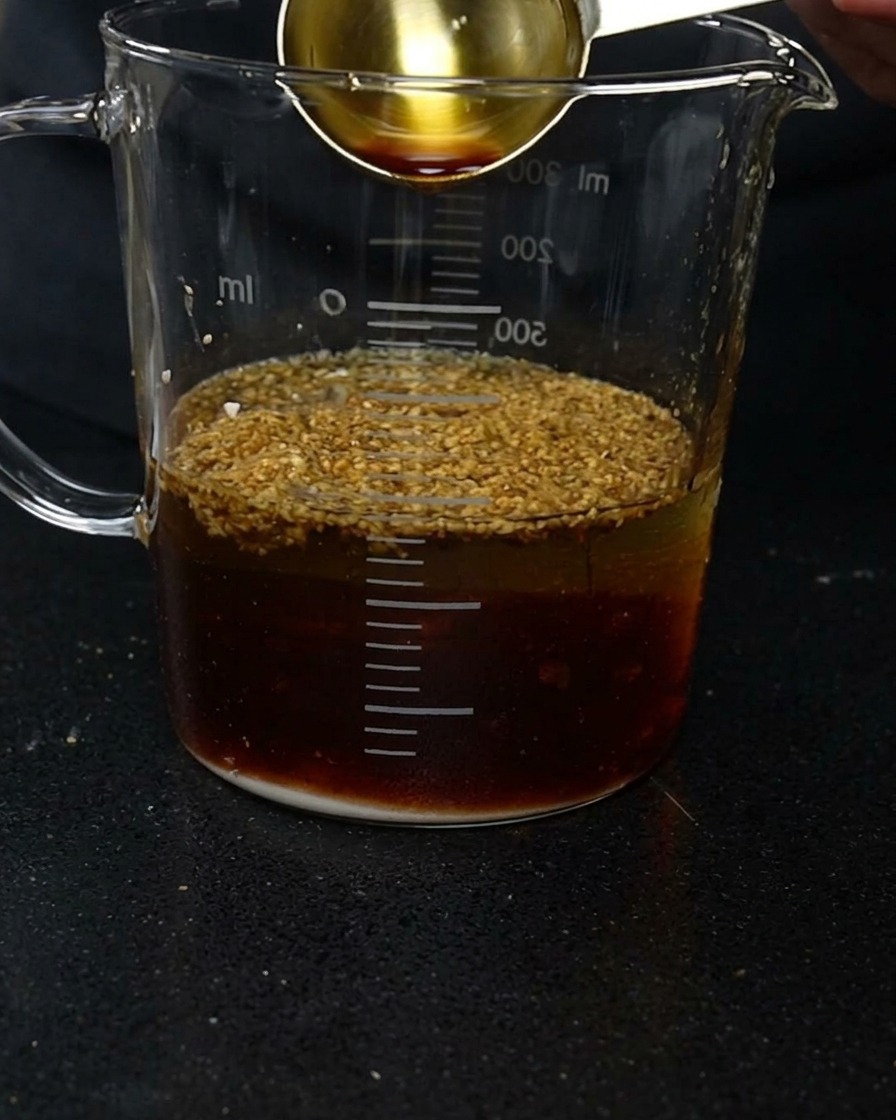
Add one tablespoon of soy sauce to the glass measuring cup containing the water, potato starch, fish powder, and noodle soup base. Stir the mixture well to ensure all the powders and the starch are fully dissolved before they are added to the heat.
Tip: Mixing potato starch into cold liquid first is essential to prevent it from clumping when it hits the hot frying pan later. - 6Heat the cooking oil
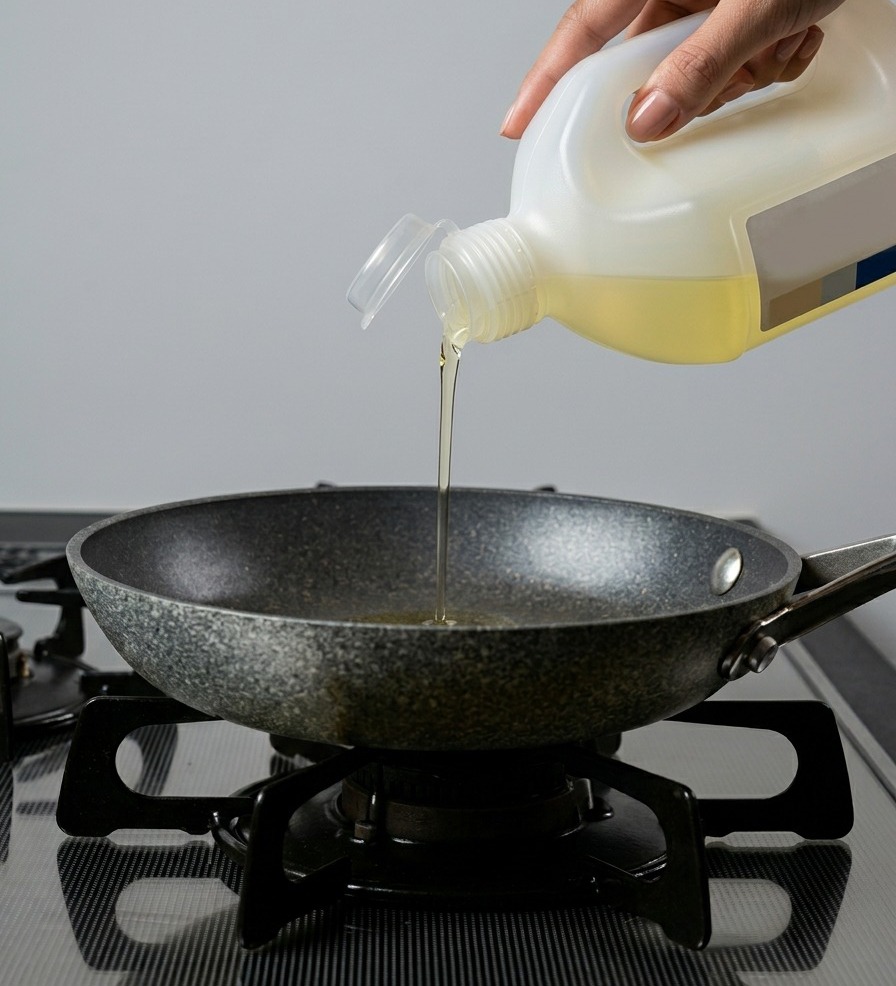
Place a non-stick frying pan over medium heat and pour in one tablespoon of vegetable oil. Tilt the pan slightly to ensure the oil coats the bottom evenly, providing a slick surface for the pork and aromatics.
Tip: Wait until the oil shimmers slightly before adding your ingredients to ensure they start sautéing immediately rather than soaking up the oil. - 7Add the pork and aromatics
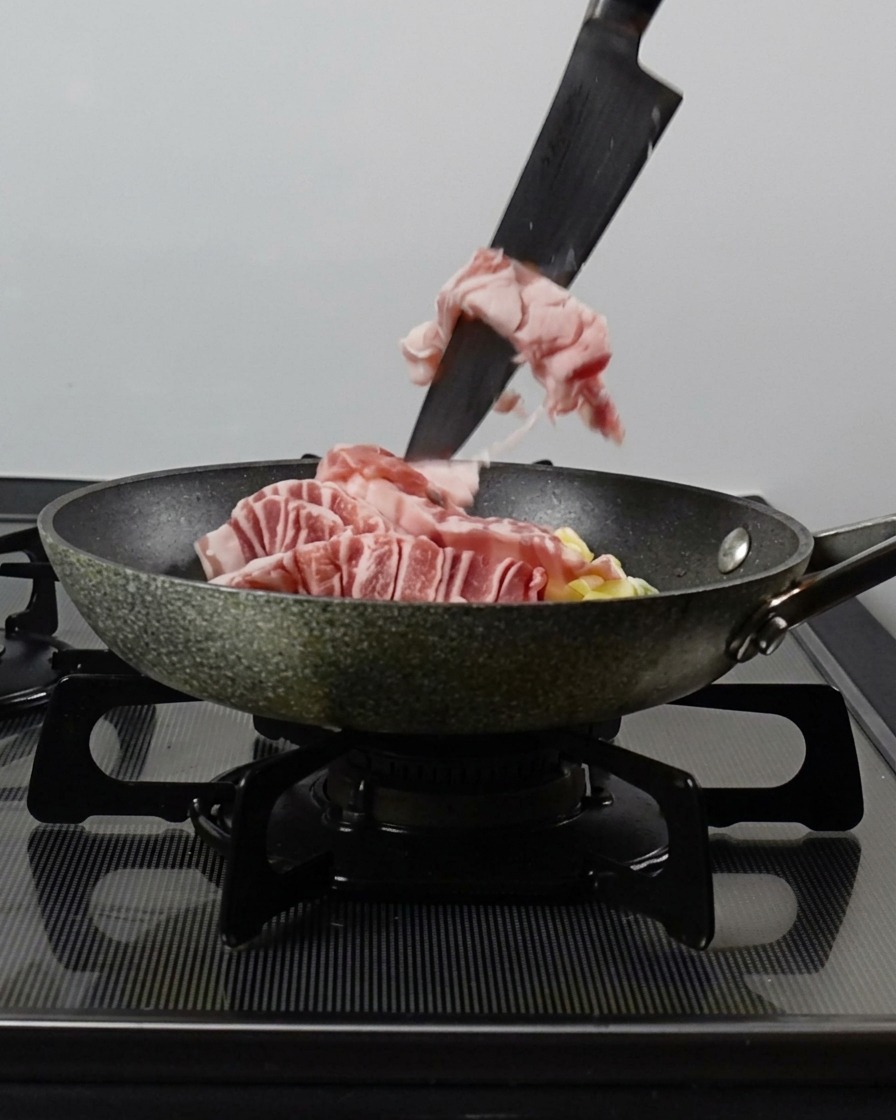
Carefully add the sliced pork belly strips, minced garlic, green onions, and shiitake mushrooms into the hot pan. Use a knife or spatula to slide the ingredients in, ensuring they are spread out for even cooking.
Tip: Adding the aromatics and the meat at the same time allows the pork to absorb the flavors of the garlic and onion as it renders its fat. - 8Sauté until browned
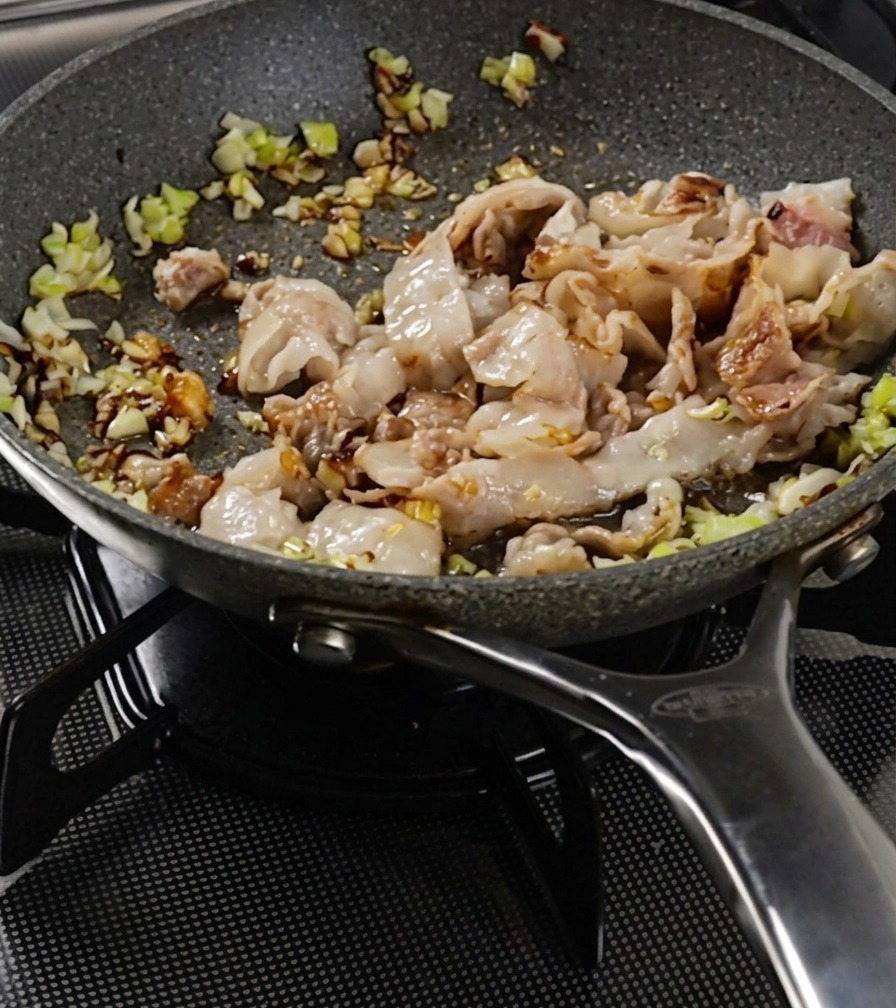
Stir-fry the pork belly and vegetables with chopsticks over medium-high heat. Continue cooking until the meat is fully browned and the green onions and garlic are fragrant and softened.
Tip: If the pork belly is very lean, you may need a tiny bit more oil, but usually, the fat from the pork provides enough moisture for frying. - 9Caramelize the sugar
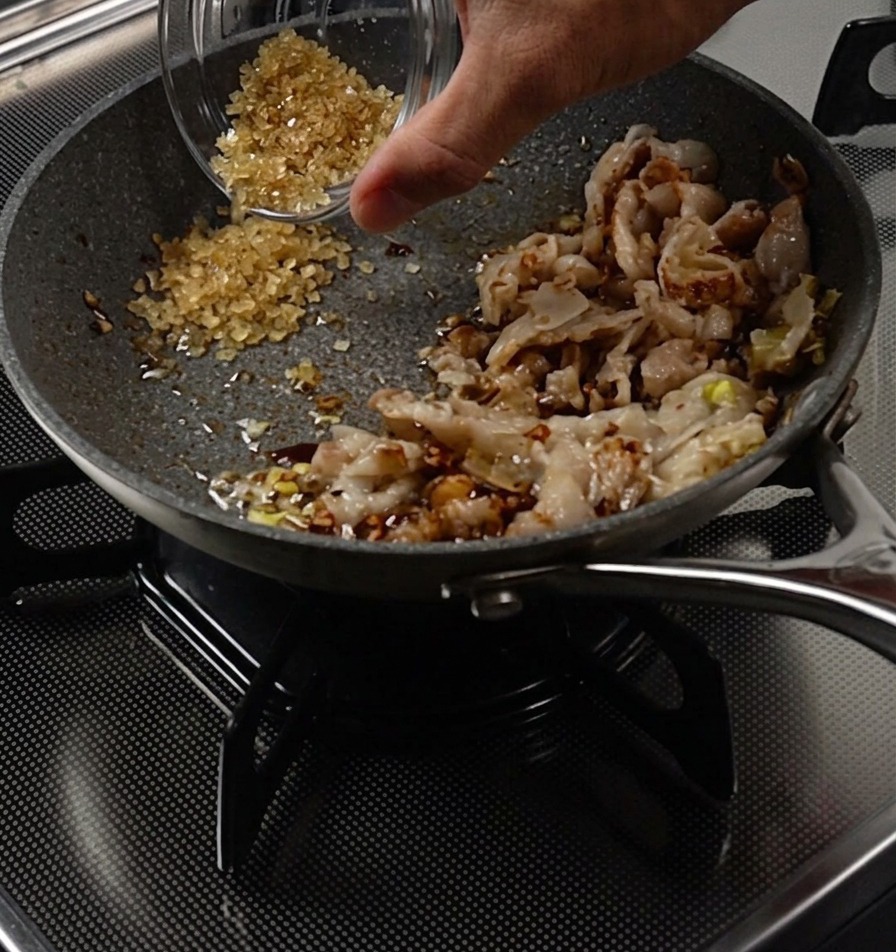
Push the sautéed pork and vegetables to one side of the pan to create an empty space. Add half a tablespoon of sugar and a teaspoon of water to that space, allowing the sugar to melt and turn a golden brown caramel.
Tip: Creating a quick caramel in the pan adds a deep, smoky sweetness that balances the saltiness of the fish powder and soy sauce. - 10Deglaze with the sauce
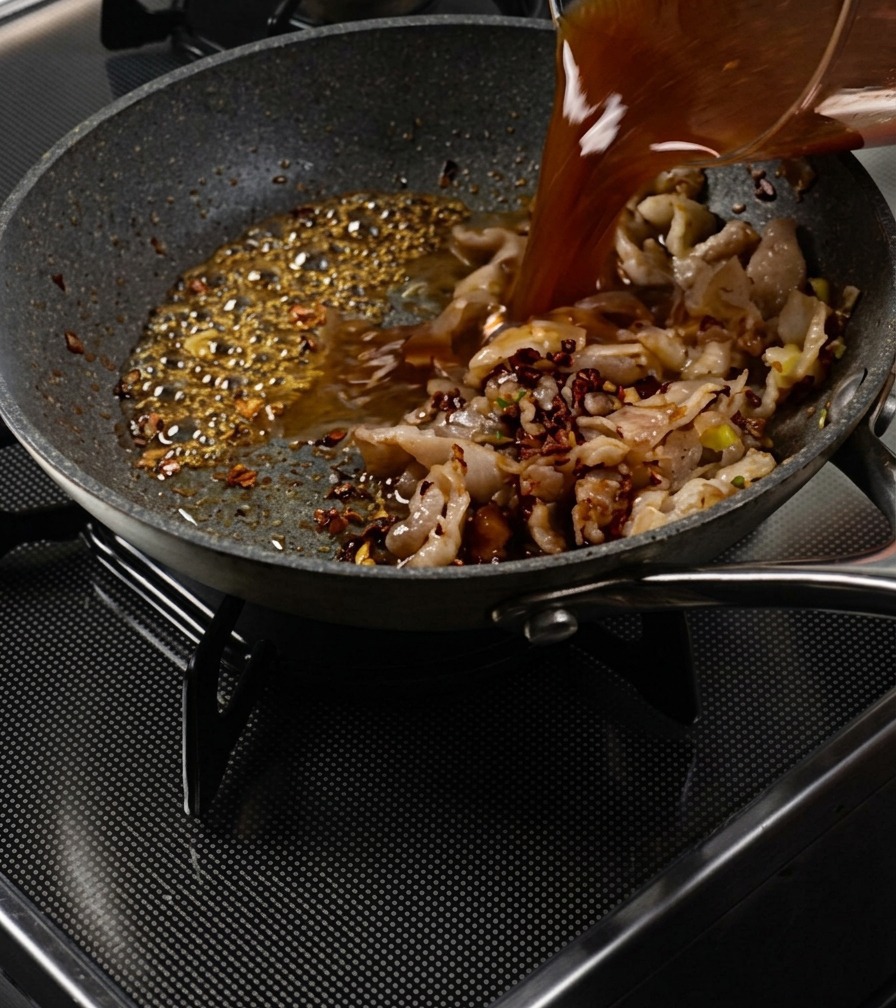
Once the sugar has caramelized, pour the prepared sauce mixture into the pan. Stir all the ingredients together immediately to incorporate the caramel and sautéed pork into the liquid base.
Tip: The starch in the mixture will begin to thicken the sauce as it heats, so keep stirring to maintain a smooth consistency. - 11Boil the thick ramen noodles
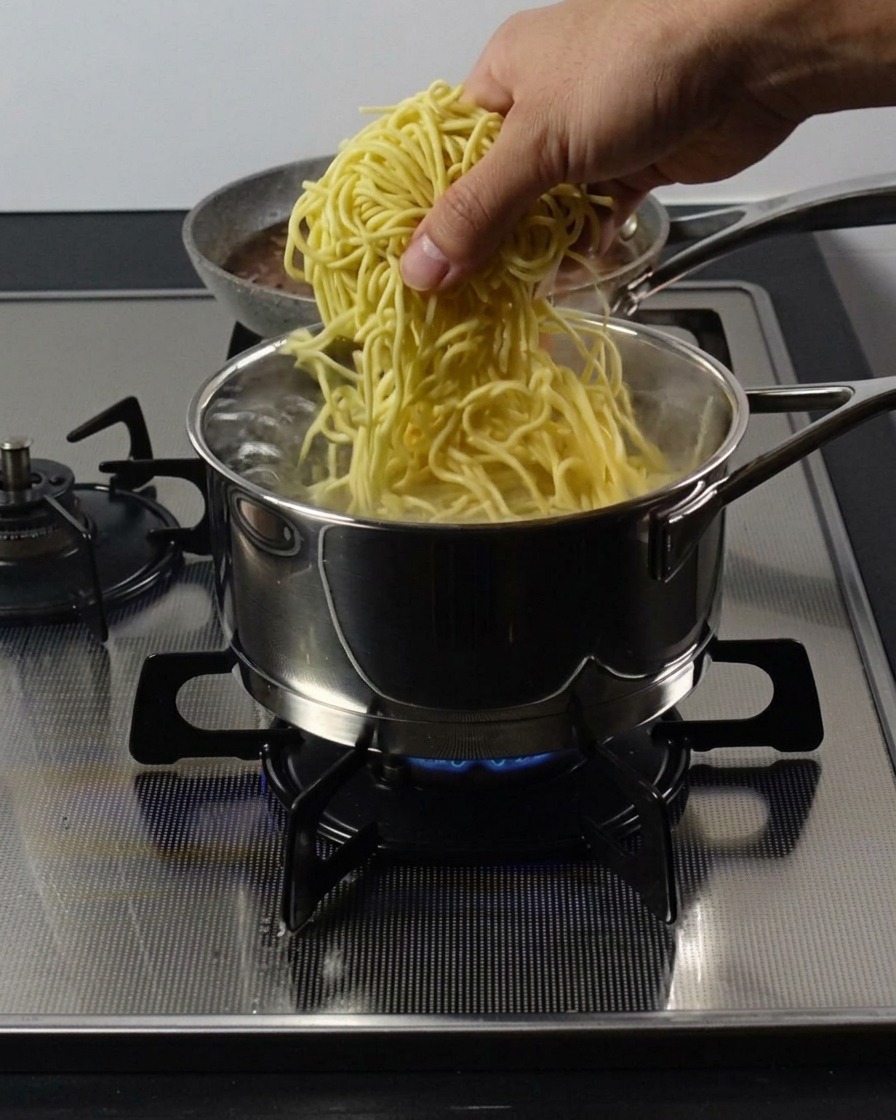
Bring a pot of water to a rolling boil and add one serving of thick Chinese ramen noodles. Cook the noodles according to the package instructions until they are chewy and firm. Maintaining a steady boil ensures the starch is properly cooked off the surface.
Tip: Stir the noodles occasionally as they cook to prevent them from sticking together in the pot. - 12Drain and plate the noodles
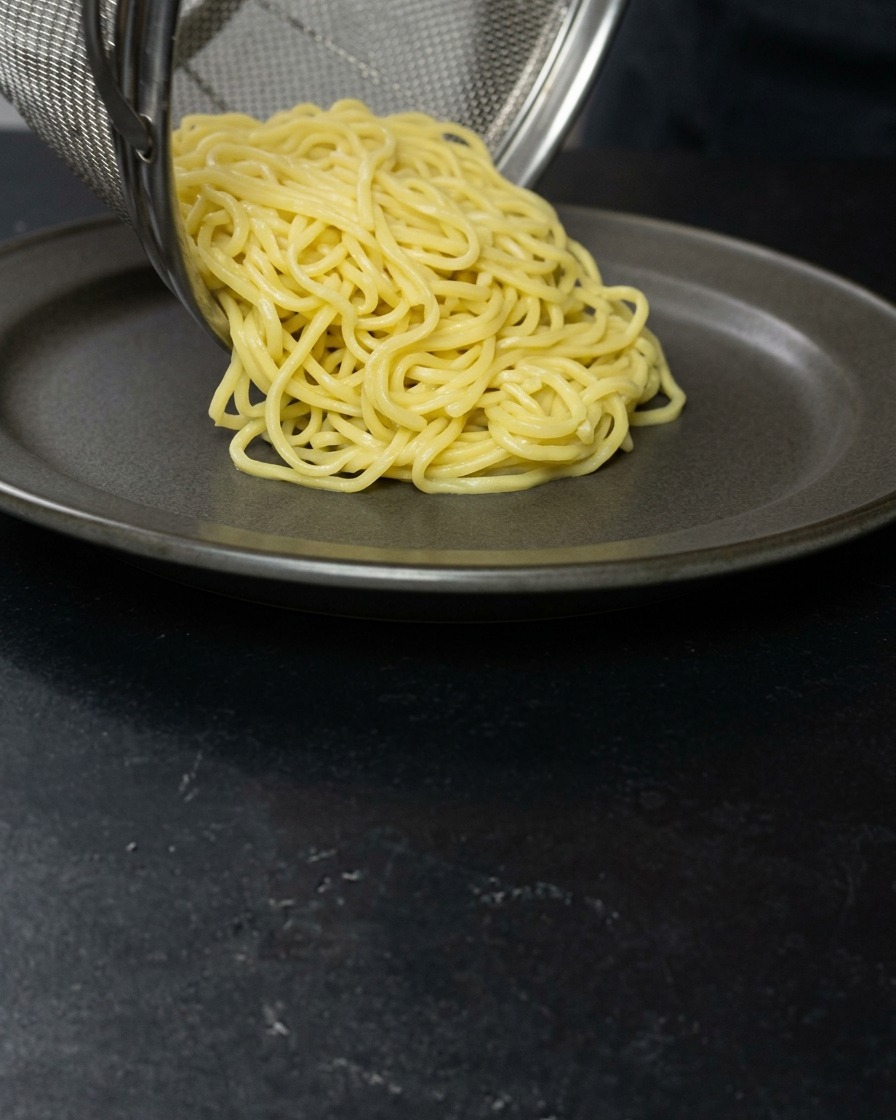
Once the noodles are cooked, carefully drain them using a mesh sieve or strainer to remove all excess water. Transfer the hot noodles onto a clean serving plate, arranging them neatly for presentation.
Tip: If you prefer colder noodles for dipping, rinse them briefly under cold running water after draining to stop the cooking process and create a firmer bite. - 13Serve the concentrated dipping broth
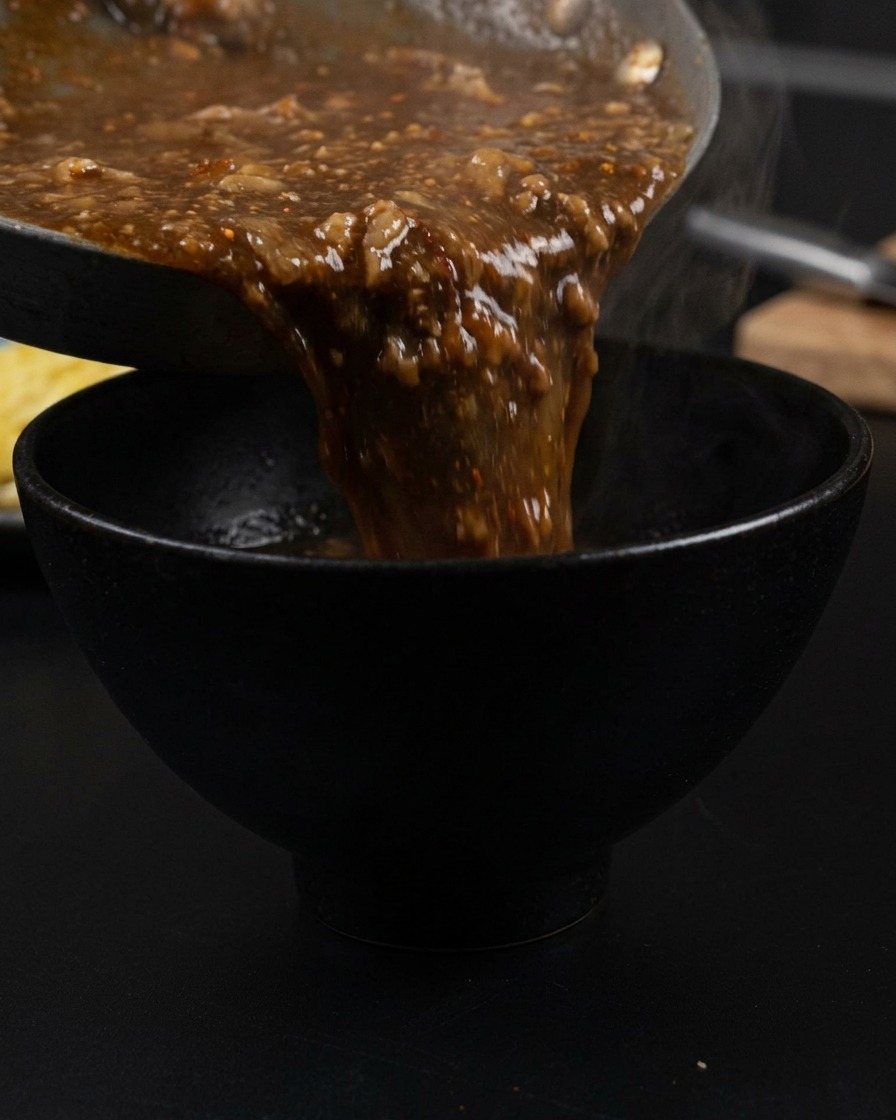
Pour the hot, thickened seafood and pork bone broth from the pan into a dedicated dipping bowl. The consistency should be glossy and rich. Garnish with a sprinkle of shichimi chili powder and freshly ground black pepper before serving alongside the noodles.
Tip: Pour carefully to ensure the bits of pork belly and mushrooms are evenly distributed into the serving bowl.