Authentic Gyokai Tsukemen (Rich Fish-Based Dipping Ramen)
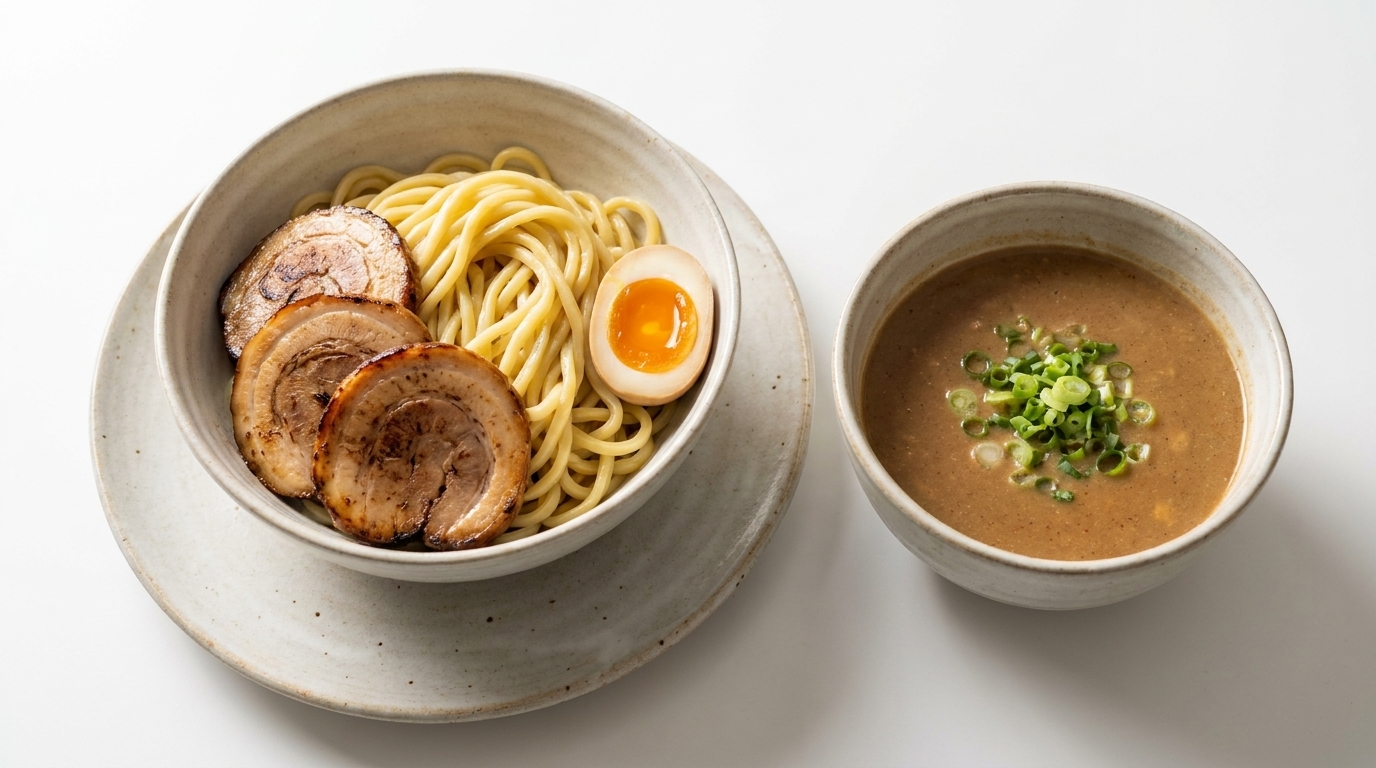
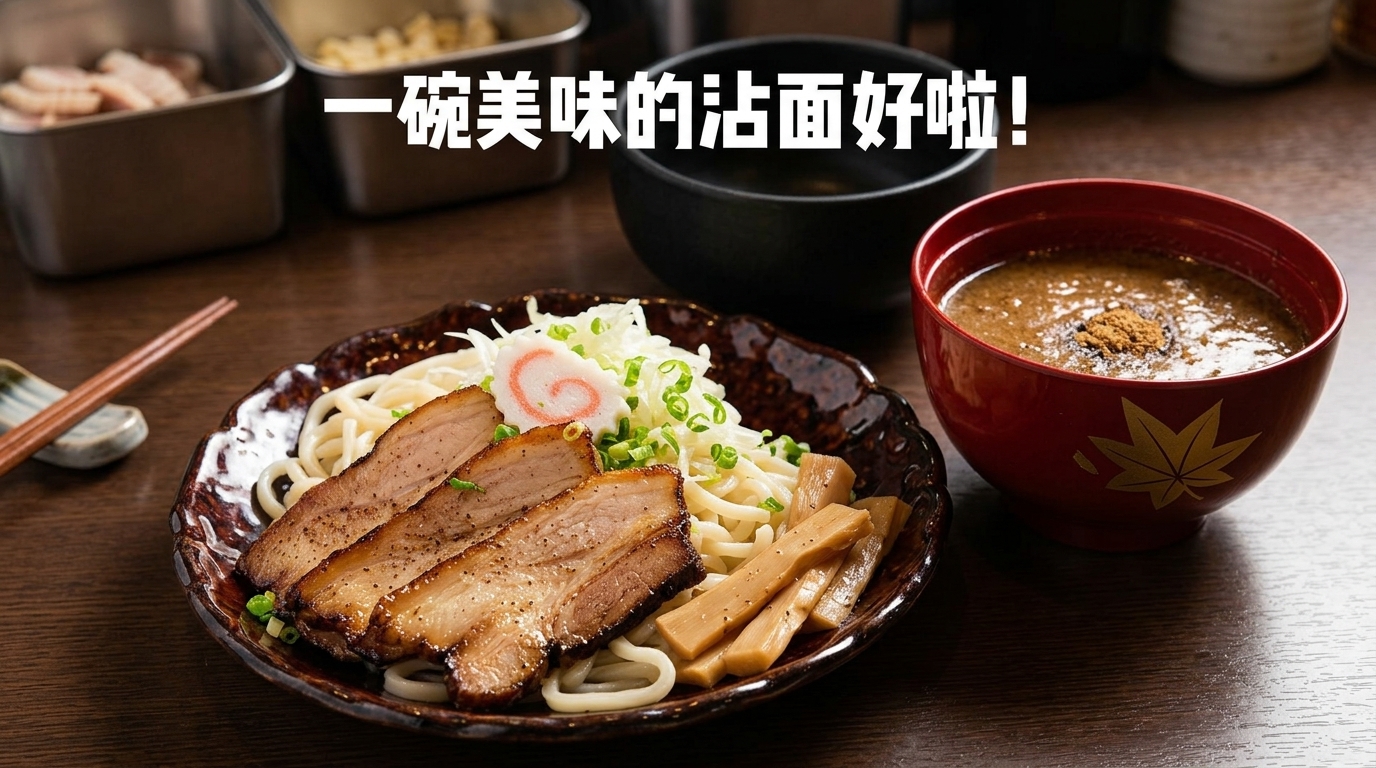
Experience the ultimate umami with this Gyokai Tsukemen. Chewy, cold noodles are served alongside an intensely rich, long-simmered fish and pork dipping broth.
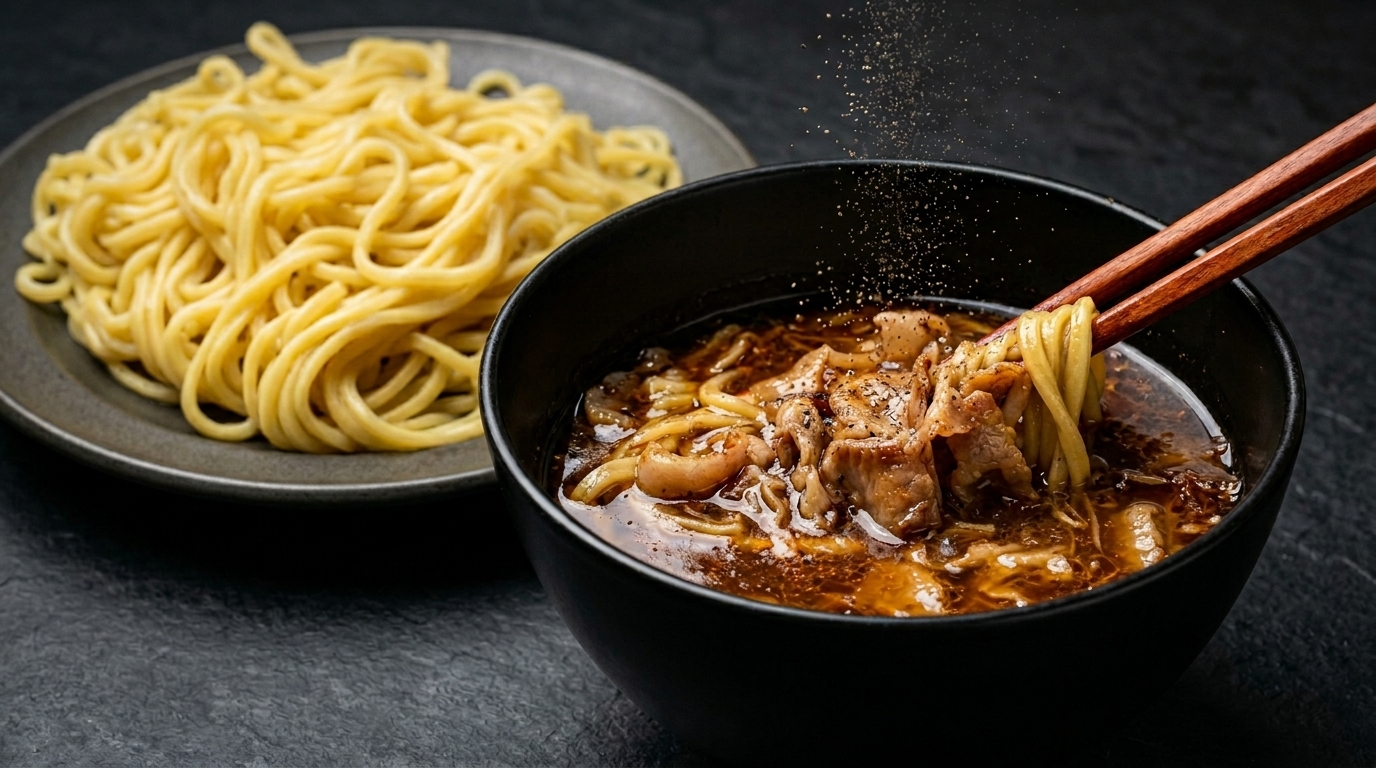
Tsukemen, or dipping ramen, flips the traditional noodle script by serving the noodles and broth separately. The Gyokai style specifically features a deeply concentrated, intensely savory broth made by blending rich pork bone soup with a complex fish stock. Because the thick noodles are rinsed in cold water after boiling, they retain a firm, springy texture that perfectly catches the velvety, hot dipping broth. It is an interactive and satisfying bowl that has become a cornerstone of modern Japanese ramen culture.
Ingredients
- 1 serving thick ramen noodles
- 1 cup concentrated fish and pork broth (gyokai soup base)
- 3 thick slices braised pork belly (chashu)
- 1 slice narutomaki (fish cake)
- 1 tbsp chopped scallions
- to taste bamboo shoots (menma)
Instructions
- 1Boil the noodles
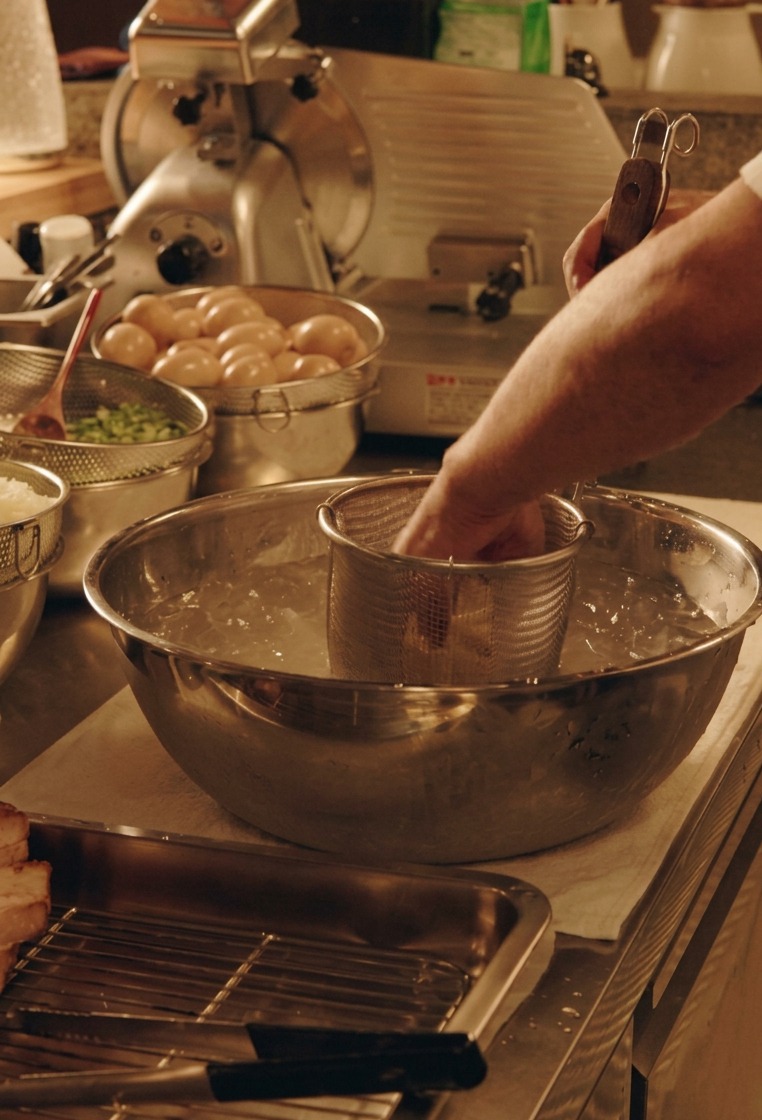
Cook the thick ramen noodles in a large vat of boiling water. Use a wooden chopstick to stir them gently, ensuring they cook evenly and do not stick together. Maintaining a rolling boil is key to achieving the perfect noodle texture.
Tip: Dont walk away! Thick noodles need constant movement in the first minute of boiling to prevent clumping. - 2Prepare the dipping broth
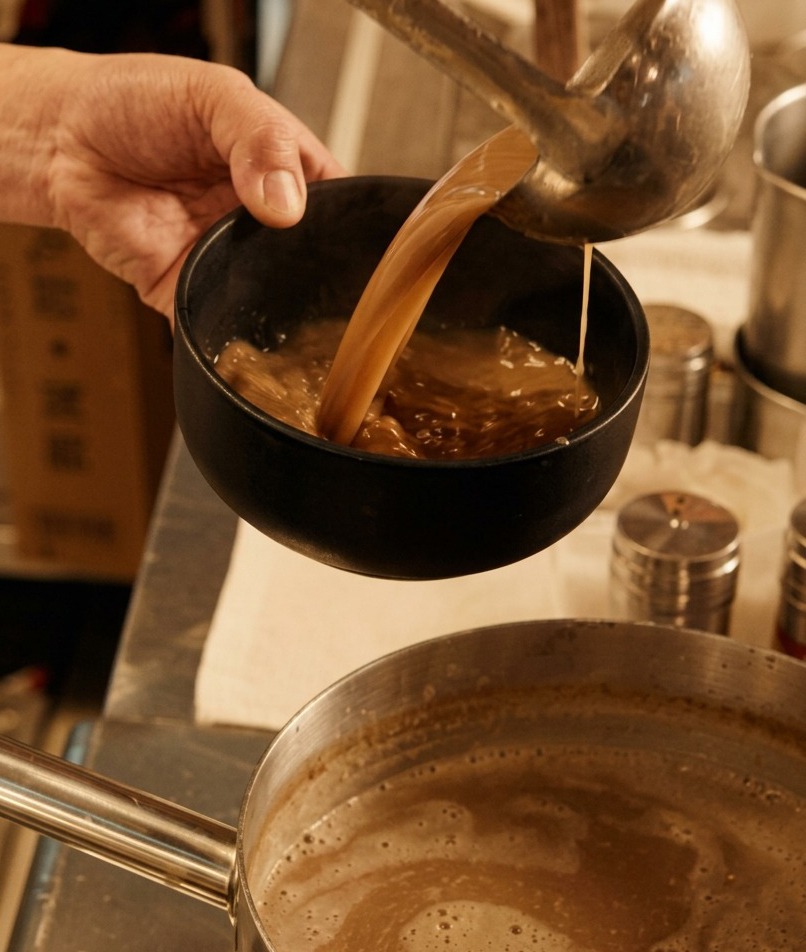
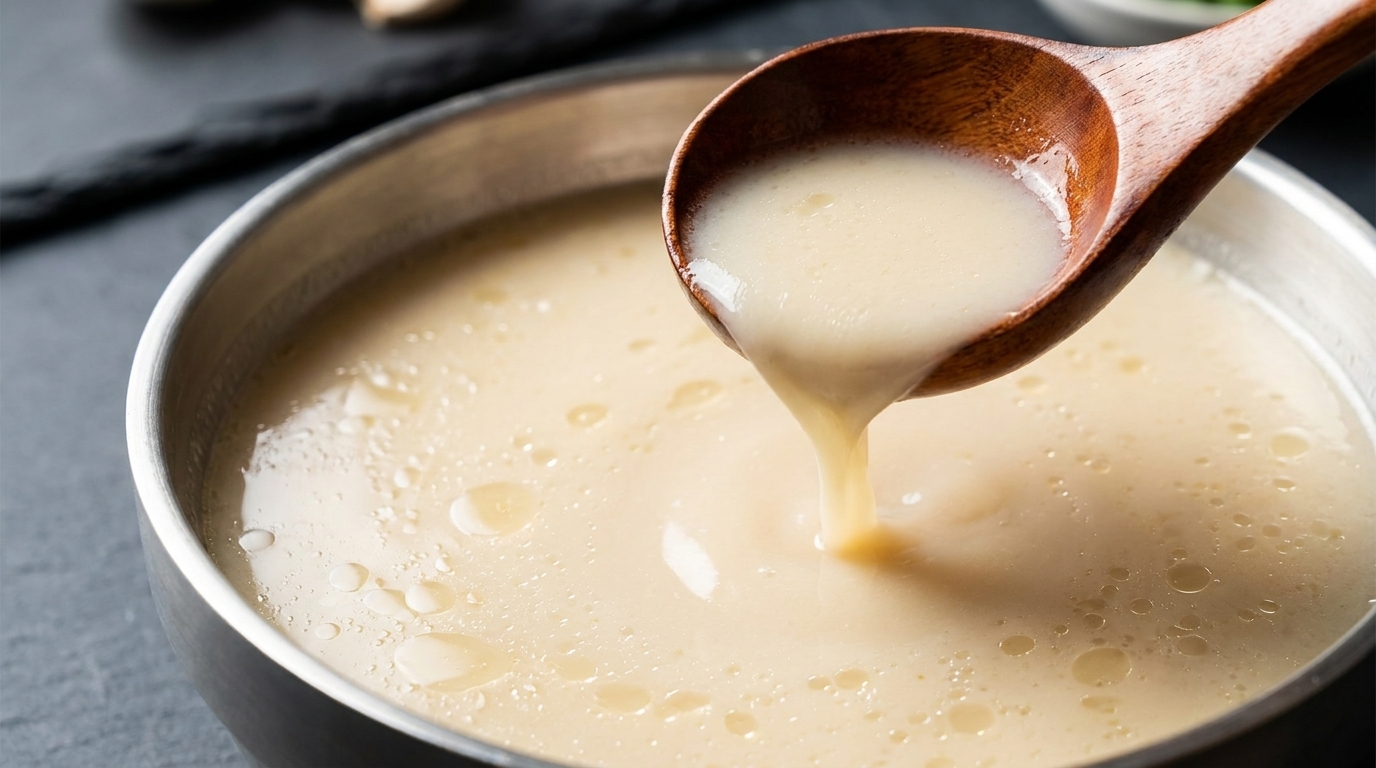
Ladle the hot, concentrated soup base into a small serving bowl. This rich, creamy broth has been simmered for days to develop a deep, savory flavor profile and a velvety texture that perfectly coats the ramen noodles.
Tip: Pour the broth just before serving to ensure it remains at the ideal dipping temperature for the cold noodles. - 3Slice the pork chashu
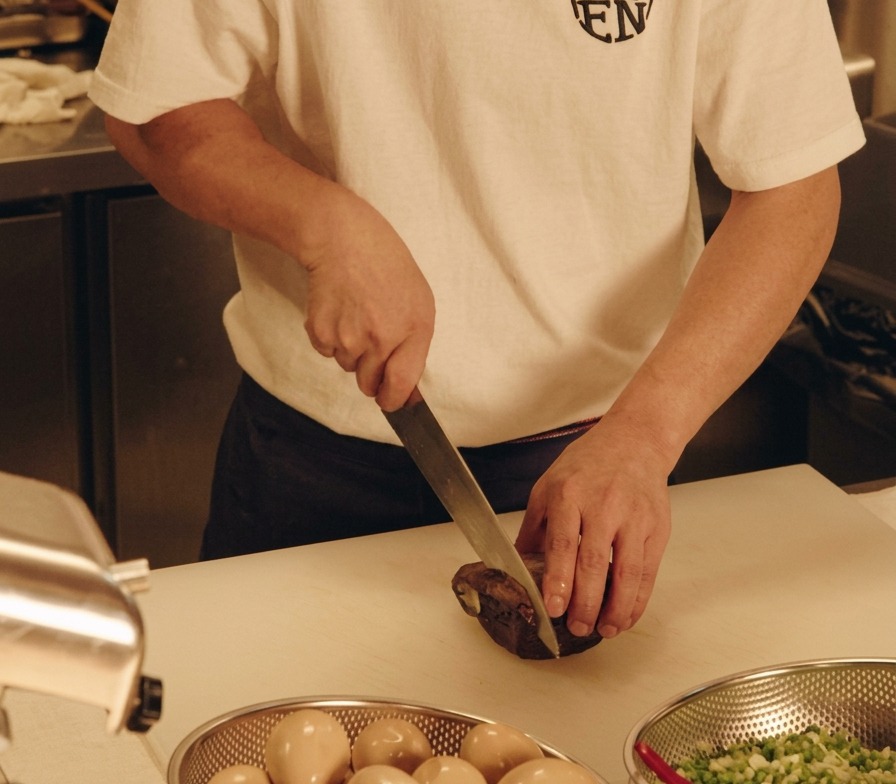
Using a sharp chefs knife, slice the braised pork belly into thick, uniform pieces. Steady the meat on a clean cutting board to ensure clean cuts, which helps the pork maintain its structure and present beautifully on top of the noodles.
Tip: Chilling the braised pork before slicing makes it much easier to achieve clean, professional-looking slices without the meat falling apart. - 4Sear the pork chashu
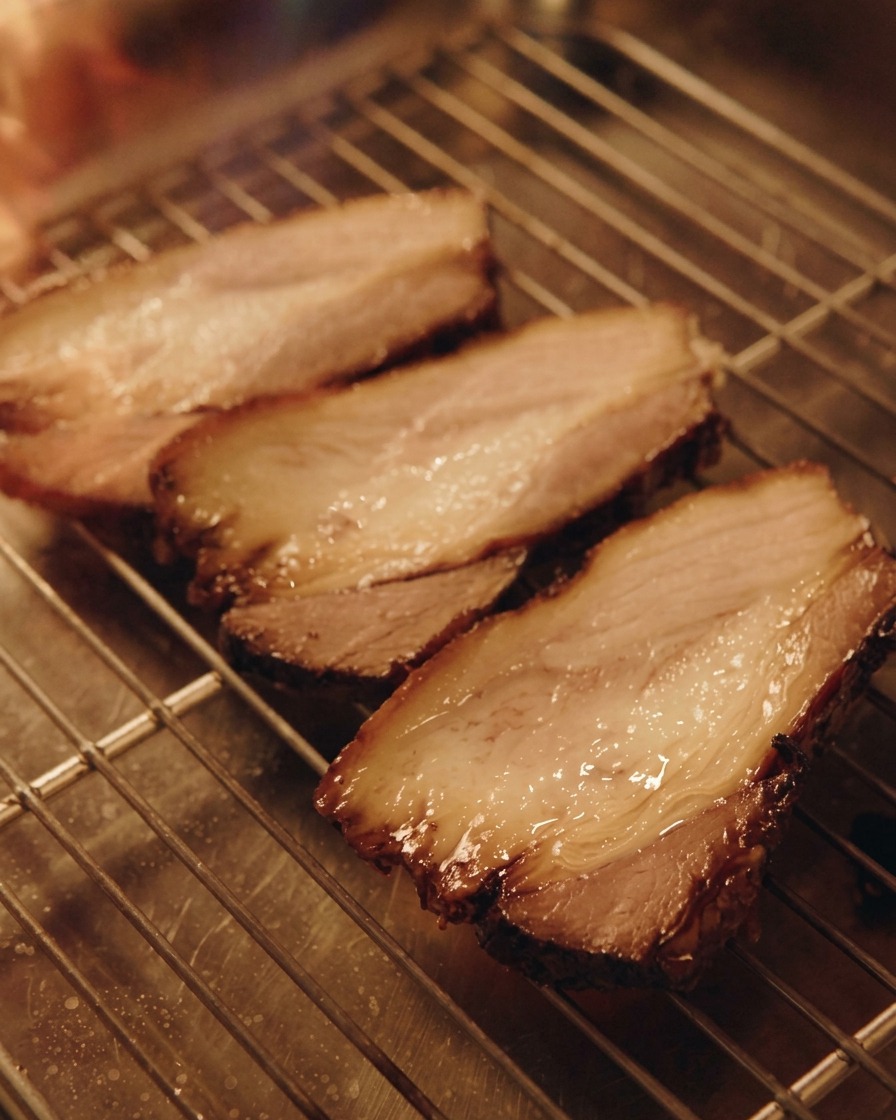
Place three thick slices of pork chashu on a wire rack. Use a handheld kitchen blowtorch to sear the surface of the meat until it becomes fragrant and slightly charred. This process renders the fat and intensifies the savory flavor of the pork.
Tip: Move the blowtorch constantly in a circular motion to avoid burning the meat while achieving an even, golden-brown sear. - 5Rinse and cool the noodles
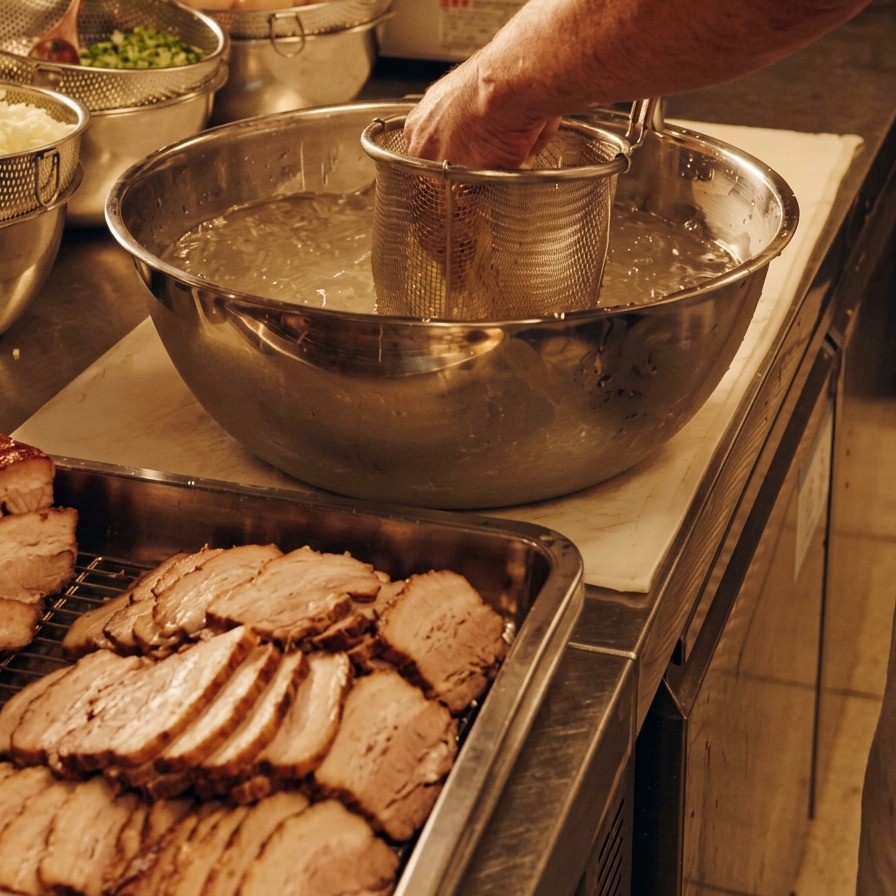
Transfer the boiled ramen noodles into a strainer and submerge them in a bowl of cold water. Gently agitate the noodles by hand to wash away excess starch and stop the cooking process immediately, resulting in a firm and chewy texture.
Tip: Rinsing thoroughly until the water runs clear is the secret to getting that perfect springy bite characteristic of authentic Tsukemen.