Guizhou Spicy Dipping Noodles (Guizhou Zhanshui Mian)
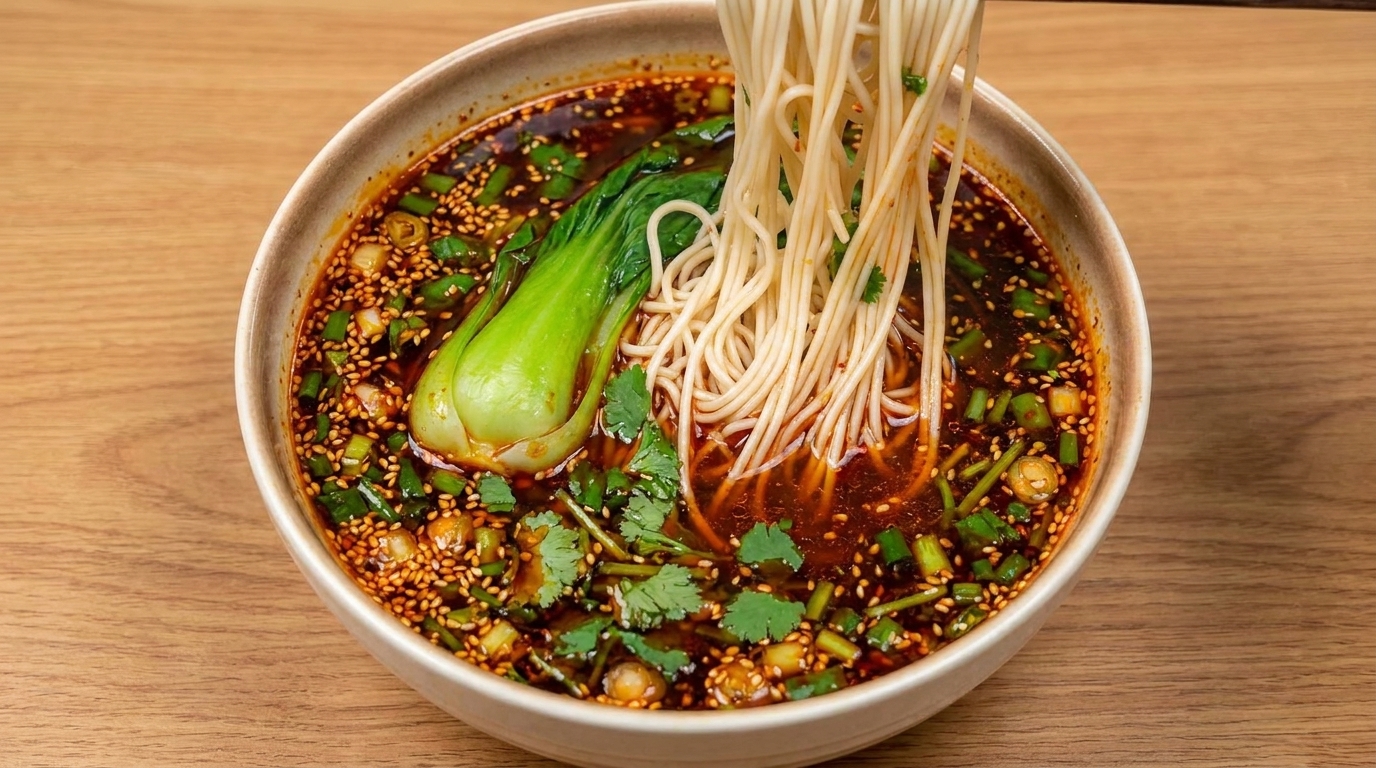
A fiery and addictive Guizhou specialty featuring a complex dipping broth enriched with smoky roasted chili flakes, aromatic lard, and Sichuan peppercorns.
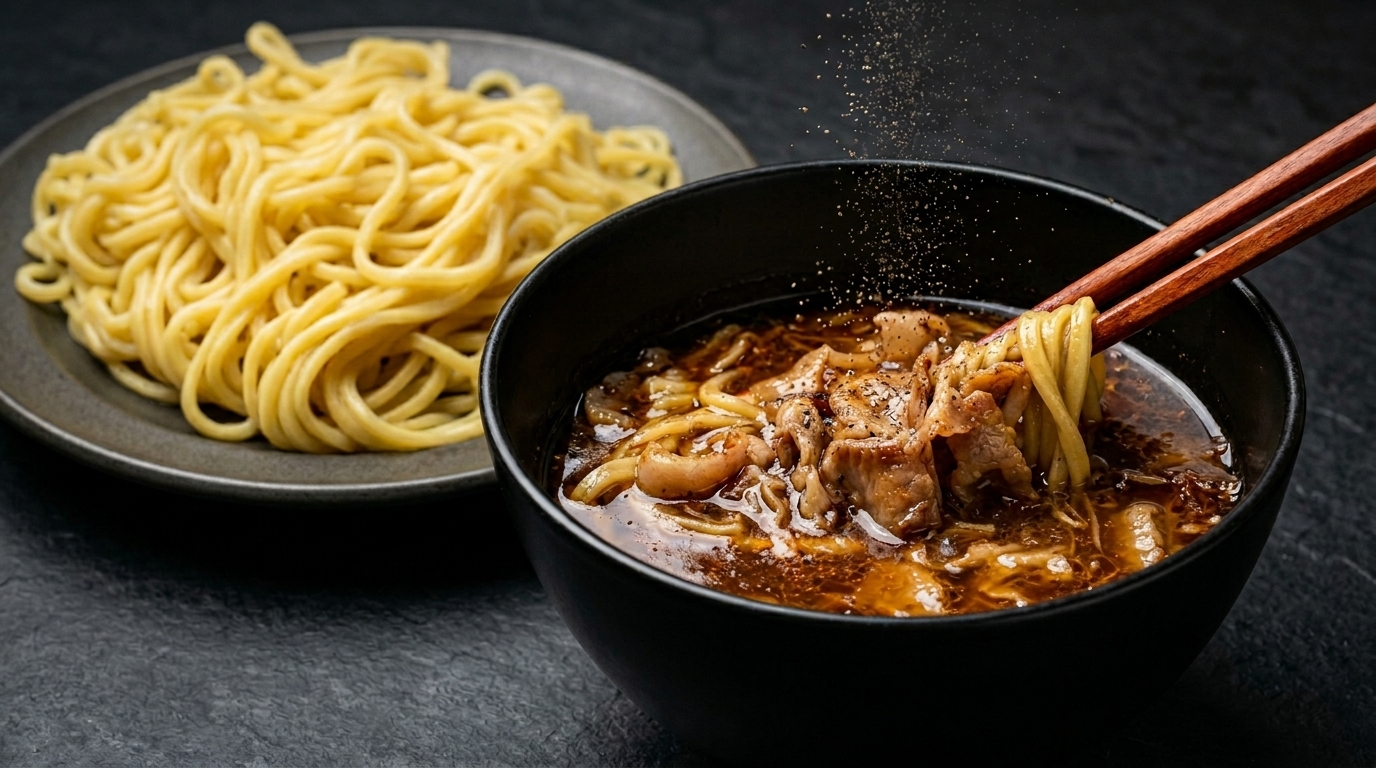
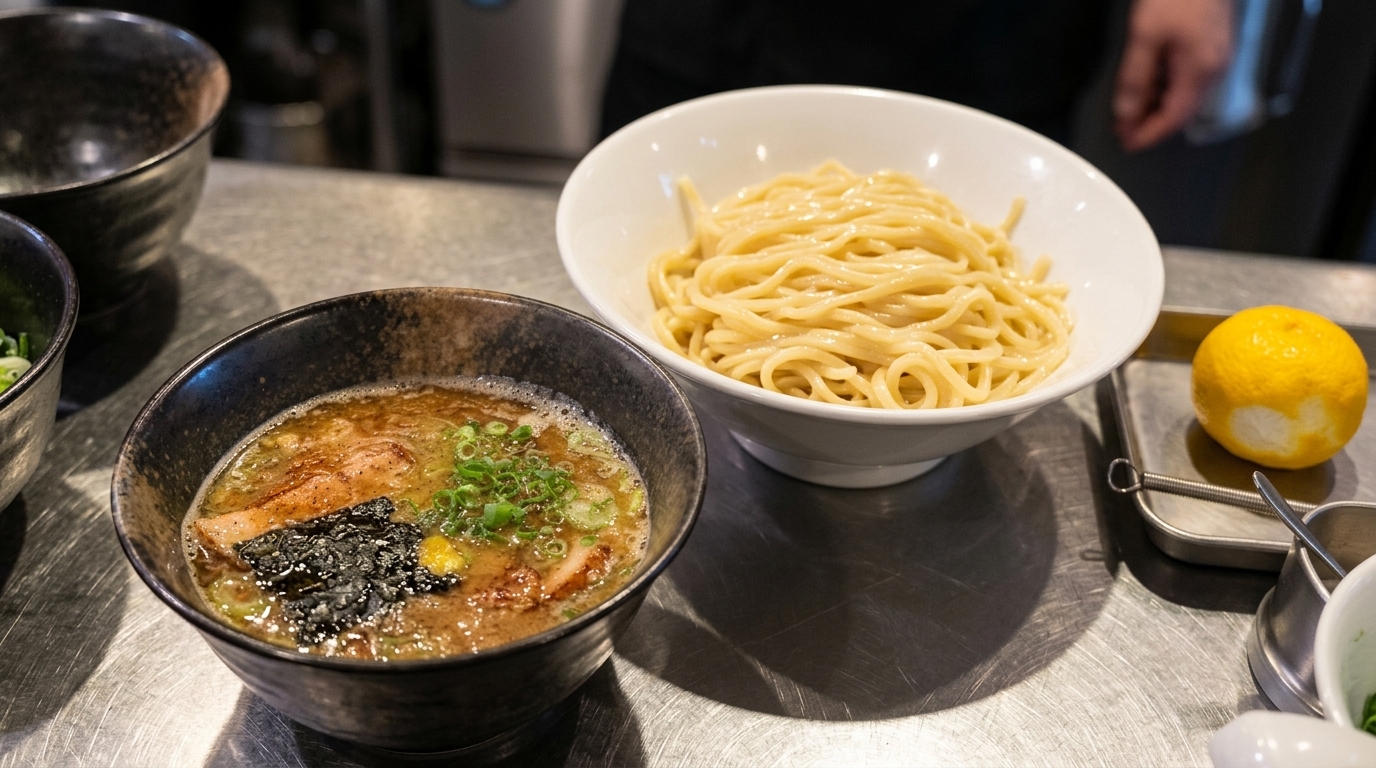
Deeply rooted in the mountainous province of Guizhou, these dipping noodles highlight the regional love for heat and numbness. The defining characteristic is the addition of lard and smoky roasted chilies, creating a rich and silky sauce that clings perfectly to every strand of noodle.
Ingredients
- 200 g dried thin noodles
- 2 tbsp dry roasted chili flakes
- 1 tbsp lard
- 1 tbsp chili oil
- 1 tbsp light soy sauce
- 1 tsp Sichuan peppercorn powder
- 2 stalks green scallions
- 100 g bok choy
- to taste fresh cilantro
- to taste salt
- 250 ml boiling water
Instructions
- 1Prepare the aromatics
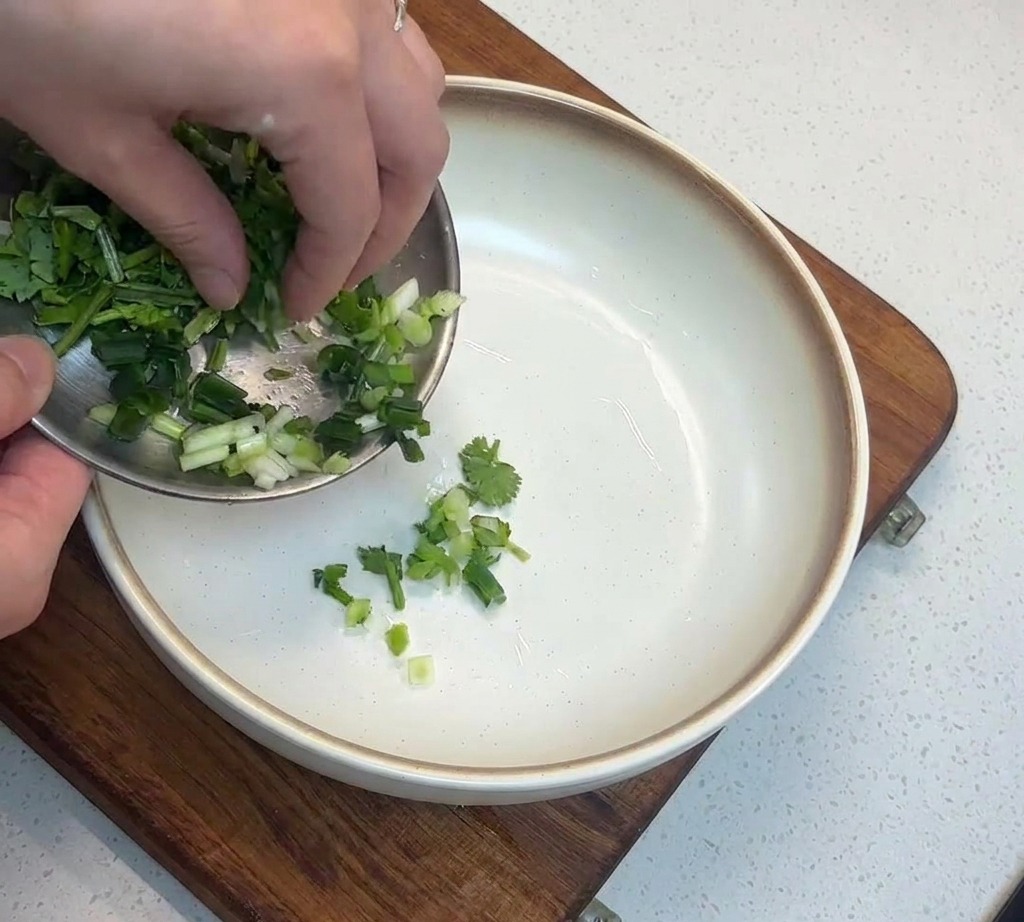
Begin by adding a portion of freshly chopped green scallions into a clean, empty white bowl. This serves as the aromatic base for the spicy dipping sauce, providing a fresh and sharp contrast to the rich flavors that will follow.
Tip: Use both the white and green parts of the scallion to get a mix of sharp bite and mild sweetness. - 2Add fresh herbs
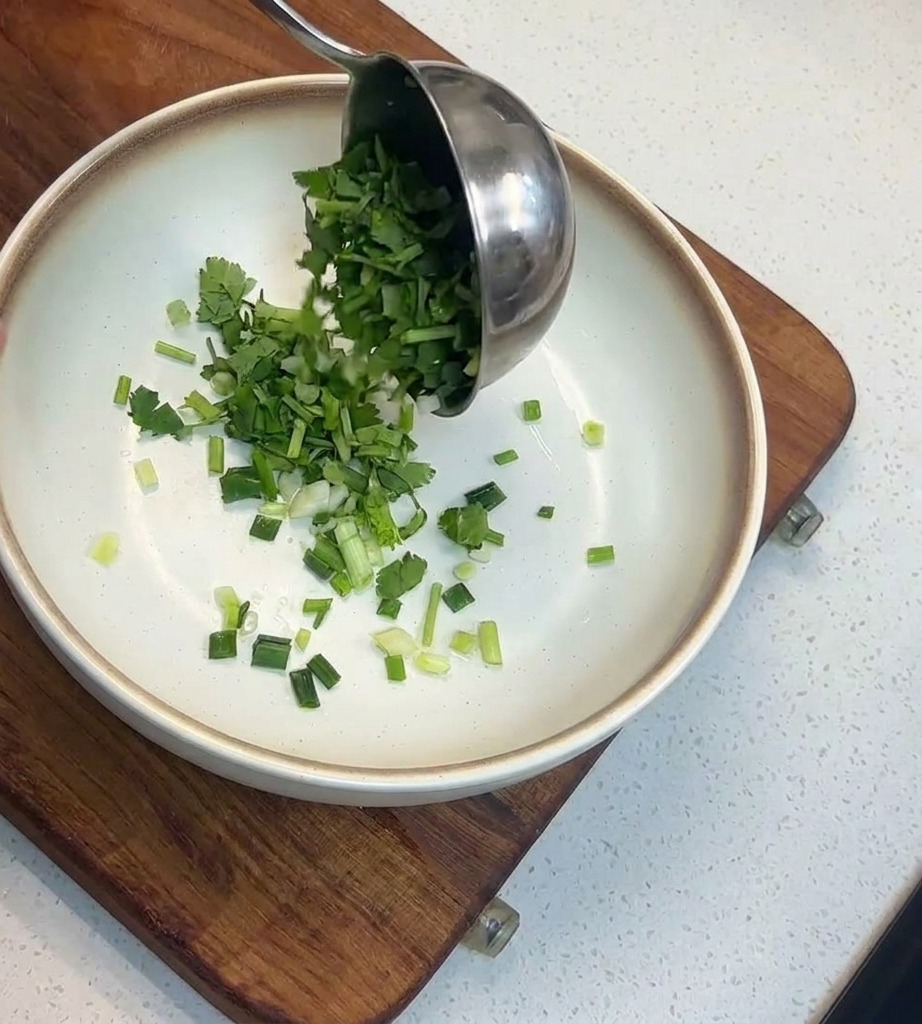
Begin preparing the dipping sauce base by adding finely chopped green scallions and fresh cilantro into a clean serving bowl. These fresh aromatics provide the essential herbal brightness that balances the heavy spices to follow.
Tip: If you arent a fan of cilantro, you can omit it or replace it with extra scallions for a similar fresh profile. - 3Incorporate roasted chili flakes
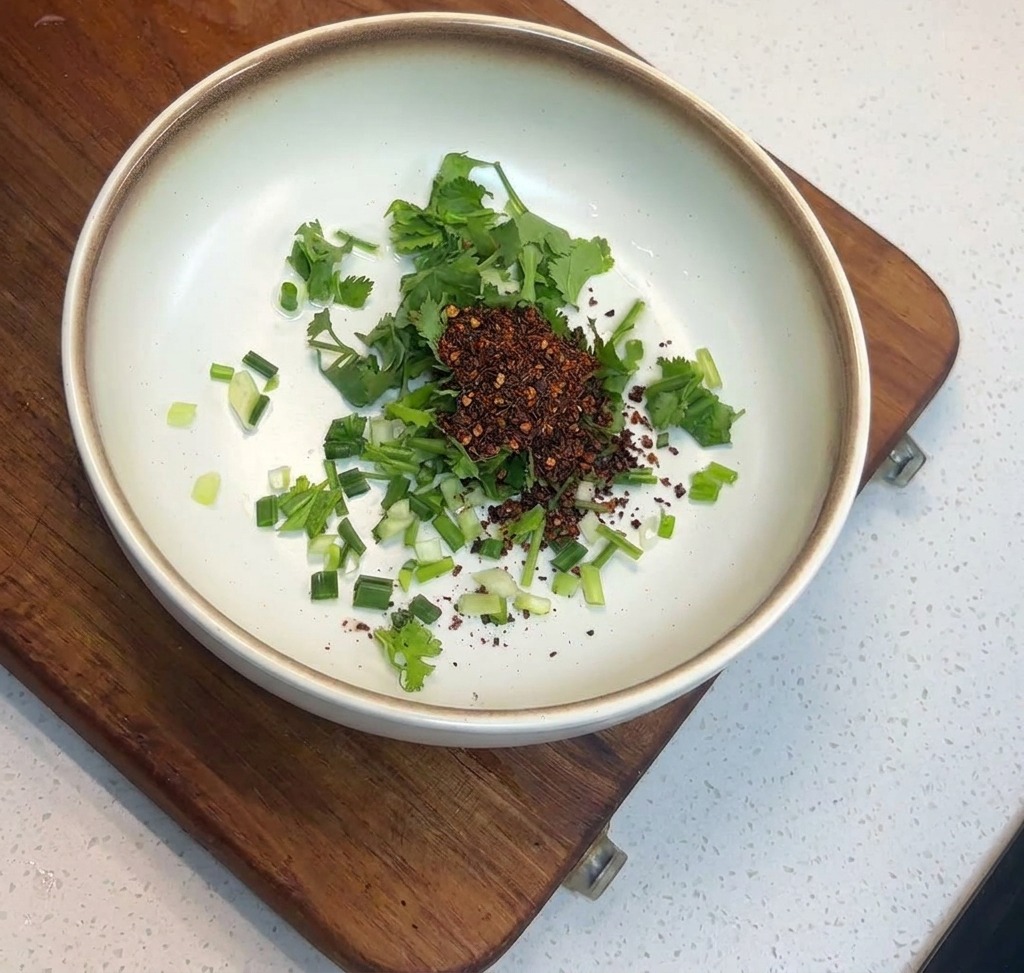
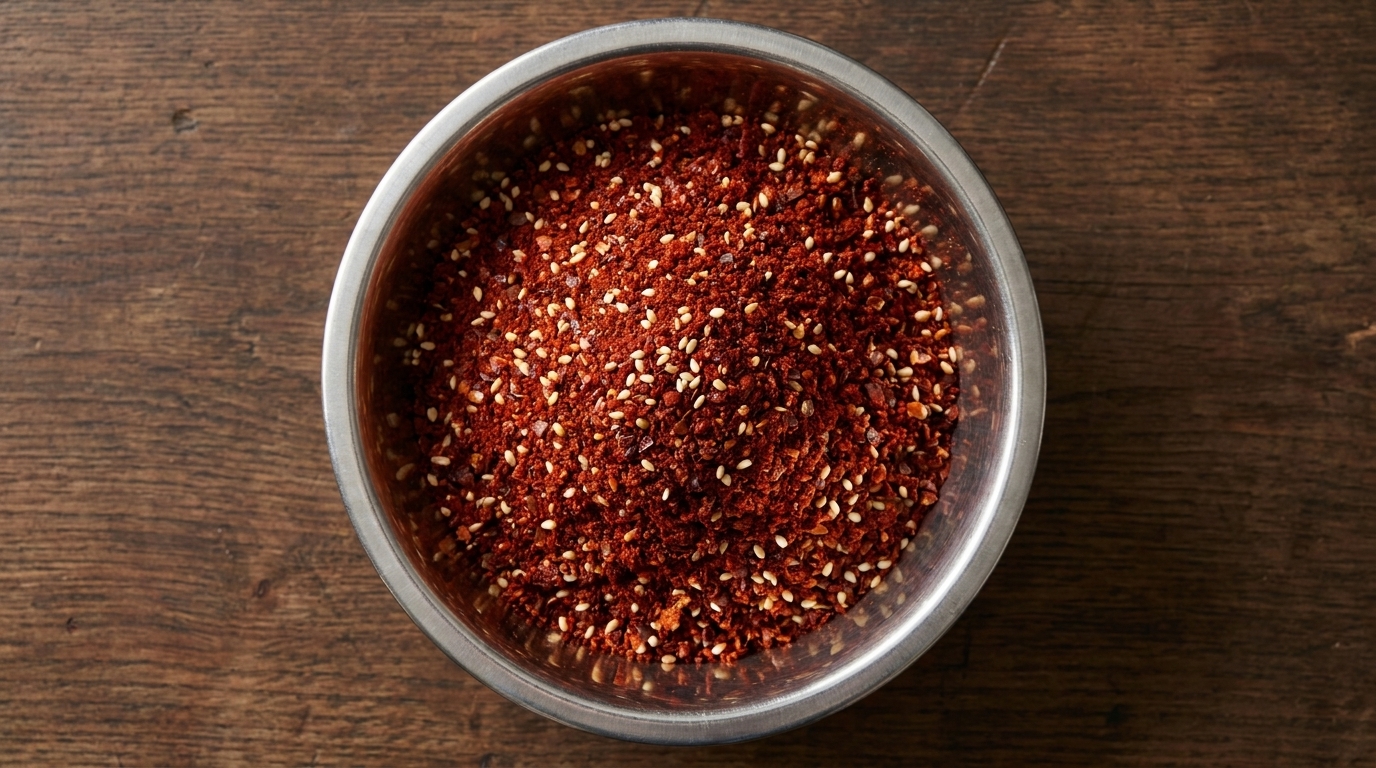
Place a large spoonful of dry roasted chili flakes directly over the bed of fresh herbs. This Guizhou style ingredient is the soul of the dipping sauce, providing a deep and smoky heat that defines the flavor of the dish.
Tip: Look for roasted or fried chili flakes specifically as they offer a more complex and toasted aroma than standard raw chili flakes. - 4Drizzle with chili oil
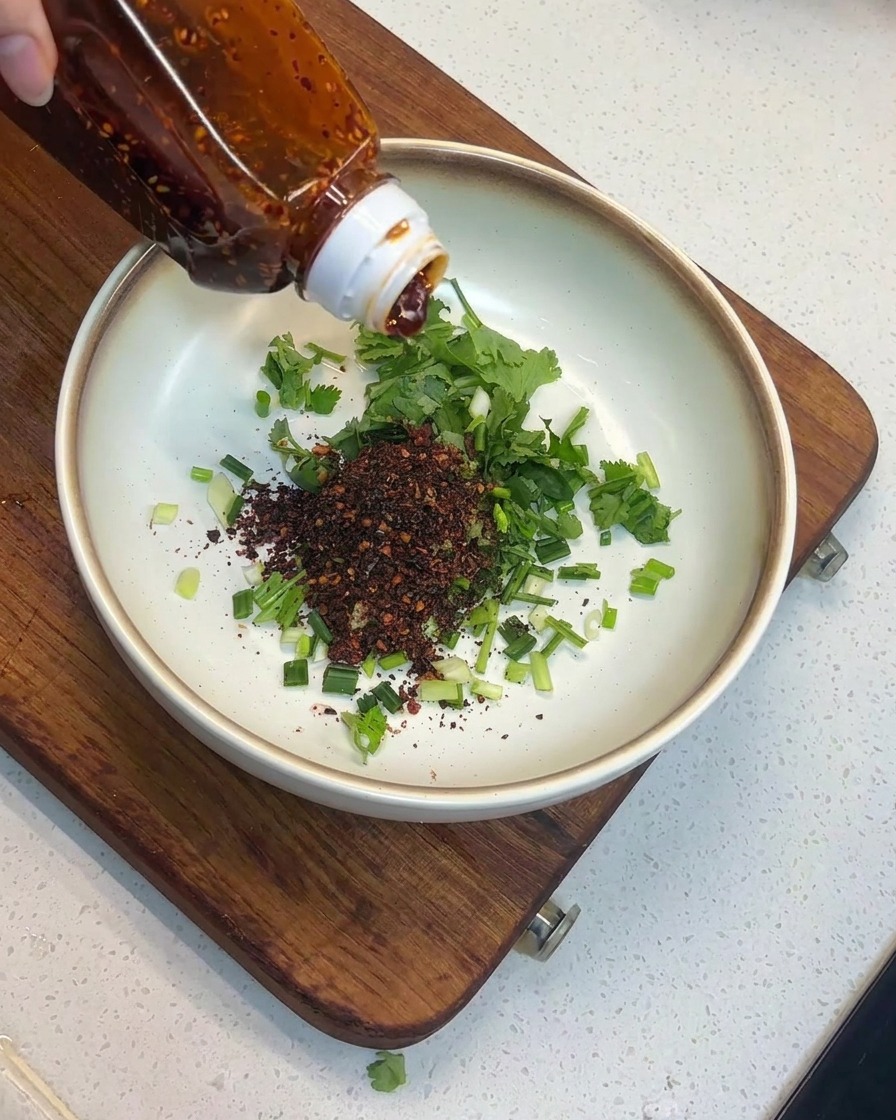
Enhance the spice level by pouring a generous amount of red chili oil over the chili flakes and herbs. The oil helps to distribute the flavors and provides a rich, spicy coating for the noodles.
Tip: Adjust the amount of oil based on your spice tolerance, but ensure there is enough to fully moisten the dry ingredients. - 5Season with salt
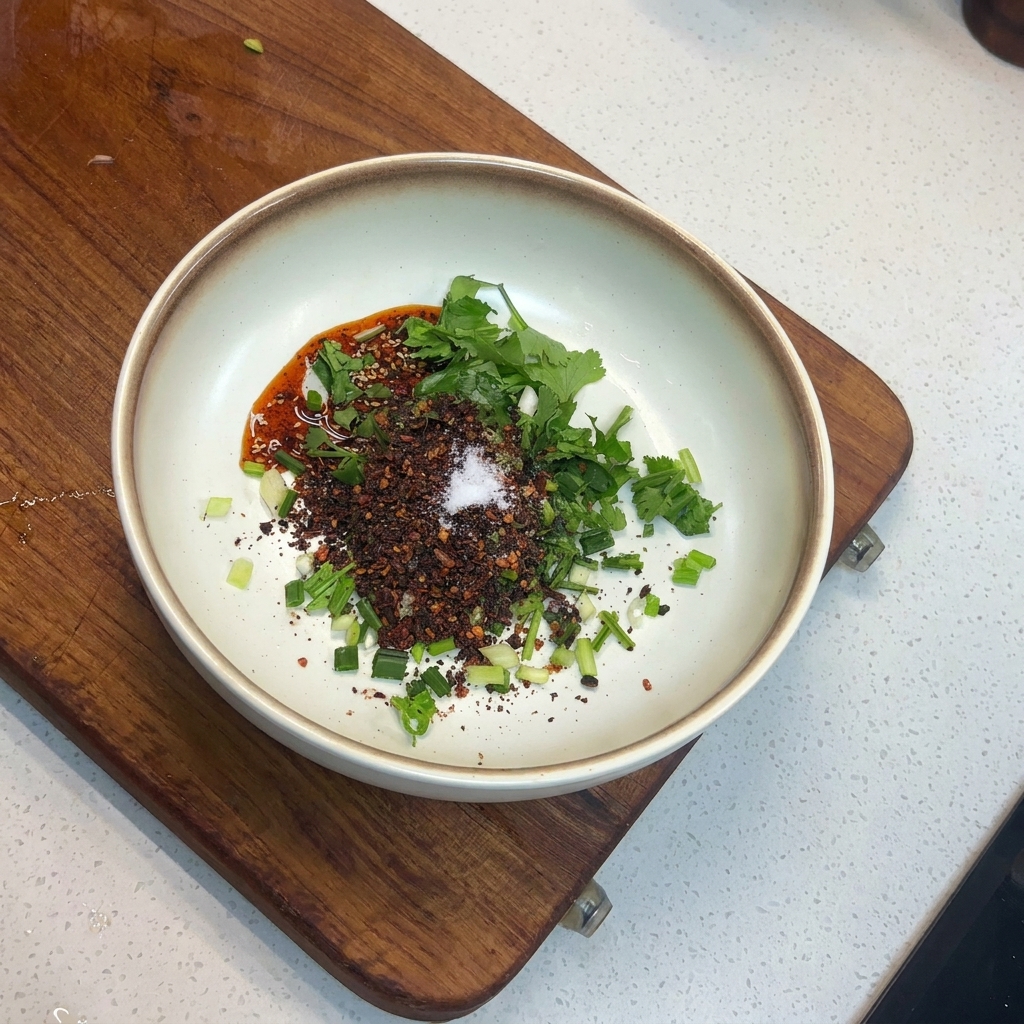
Sprinkle a small pinch of salt over the combined ingredients. This simple seasoning is crucial for drawing out the natural flavors of the aromatics and the heat of the peppers.
Tip: Go light on the salt at first, as the light soy sauce added later will also contribute significant saltiness. - 6Add numbing peppercorn powder
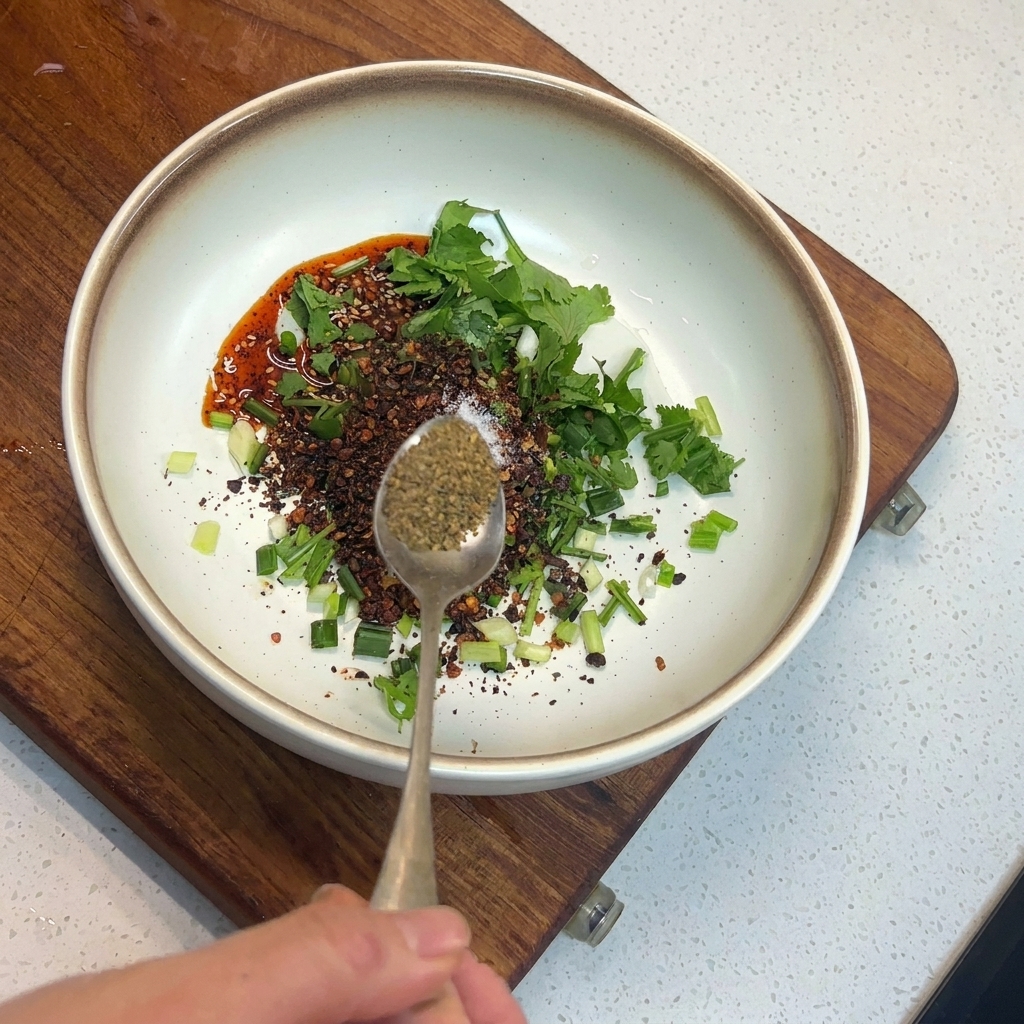
Add a spoonful of dry Sichuan peppercorn powder to the mixture to introduce a characteristic numbing sensation. This layer of mala flavor complements the heat of the chili for a more dynamic tasting experience.
Tip: Sichuan peppercorn powder loses its potency quickly; use freshly ground powder if possible for the best tingle. - 7Season with light soy sauce
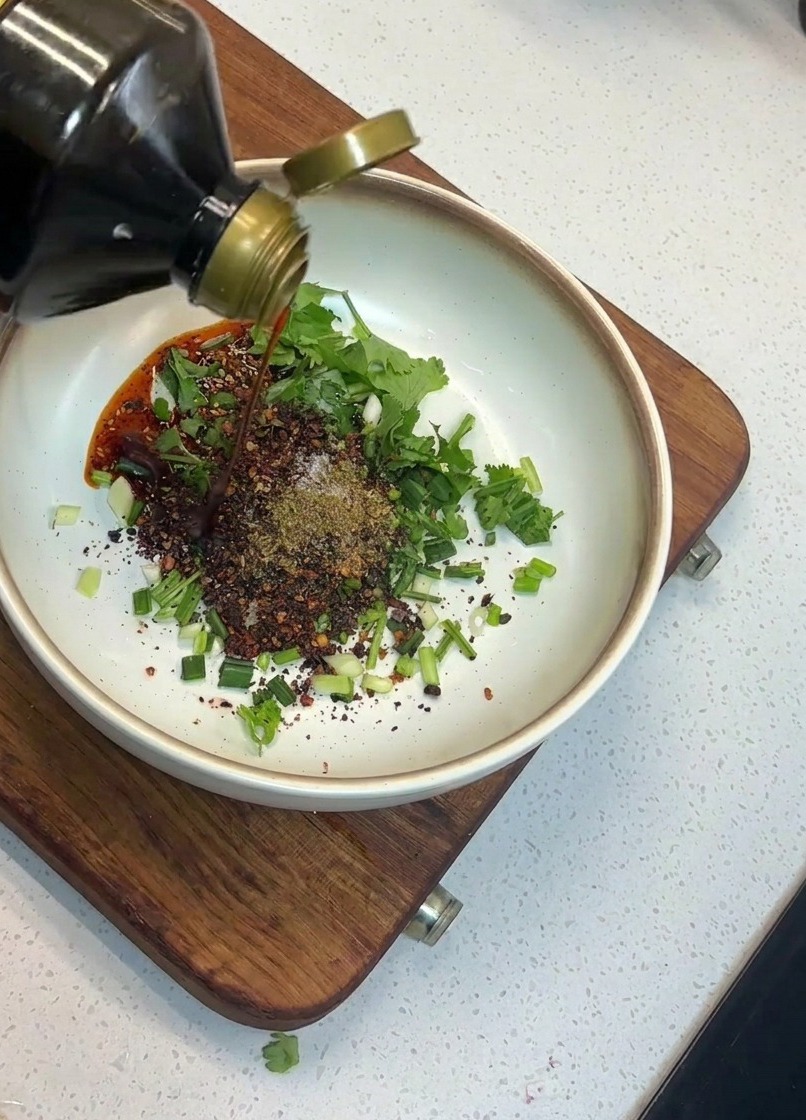
Pour a moderate amount of light soy sauce into the bowl over the prepared herbs and chili flakes. The soy sauce provides the essential salty base and umami depth required for the dipping broth.
Tip: Adjust the amount of soy sauce based on your salt preference, as the chili oil and lard will also add richness. - 8Create the dipping broth
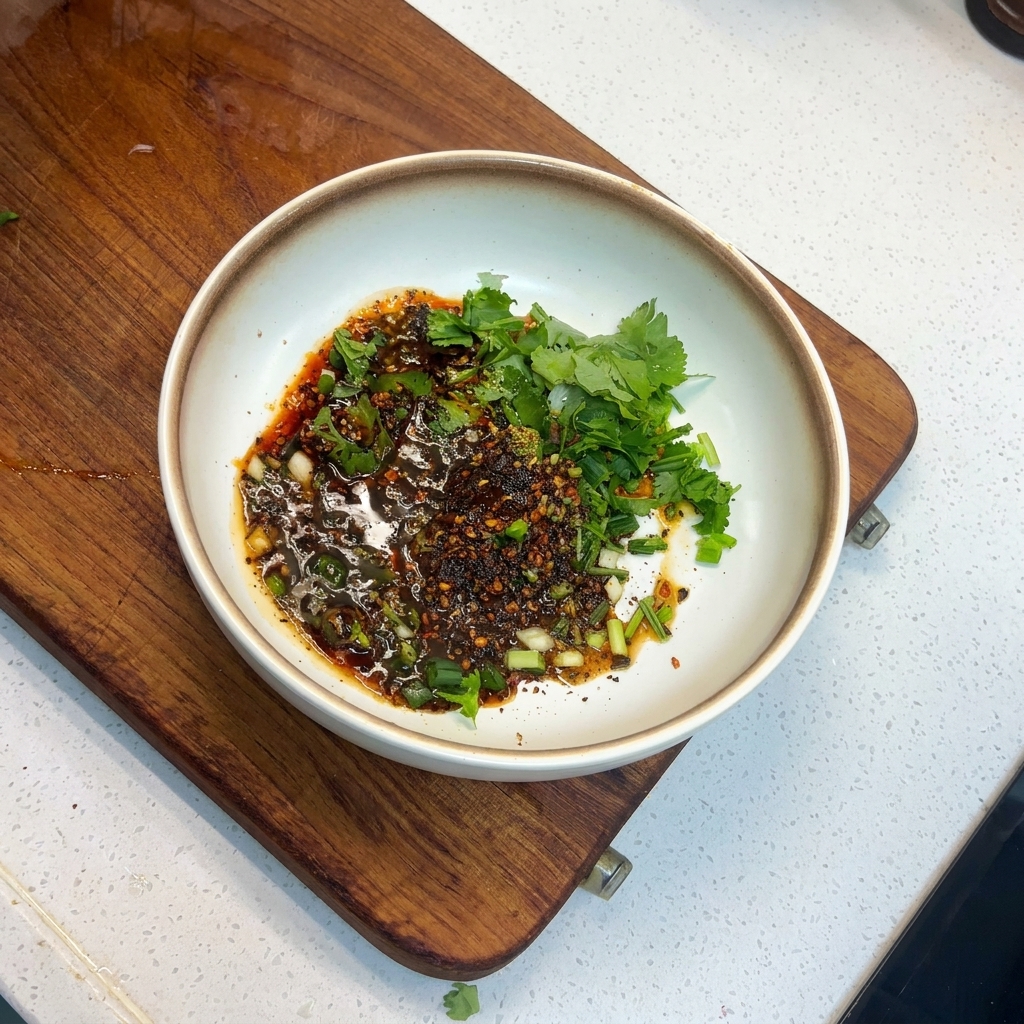
Carefully pour several ladles of boiling water into the bowl with the seasonings. The hot water will instantly bloom the aromatics and melt the spices, creating a fragrant and flavorful soup base for the noodles.
Tip: Using boiling water is crucial to properly extract the flavors from the dried chili flakes and scallions. - 9Add the secret ingredient
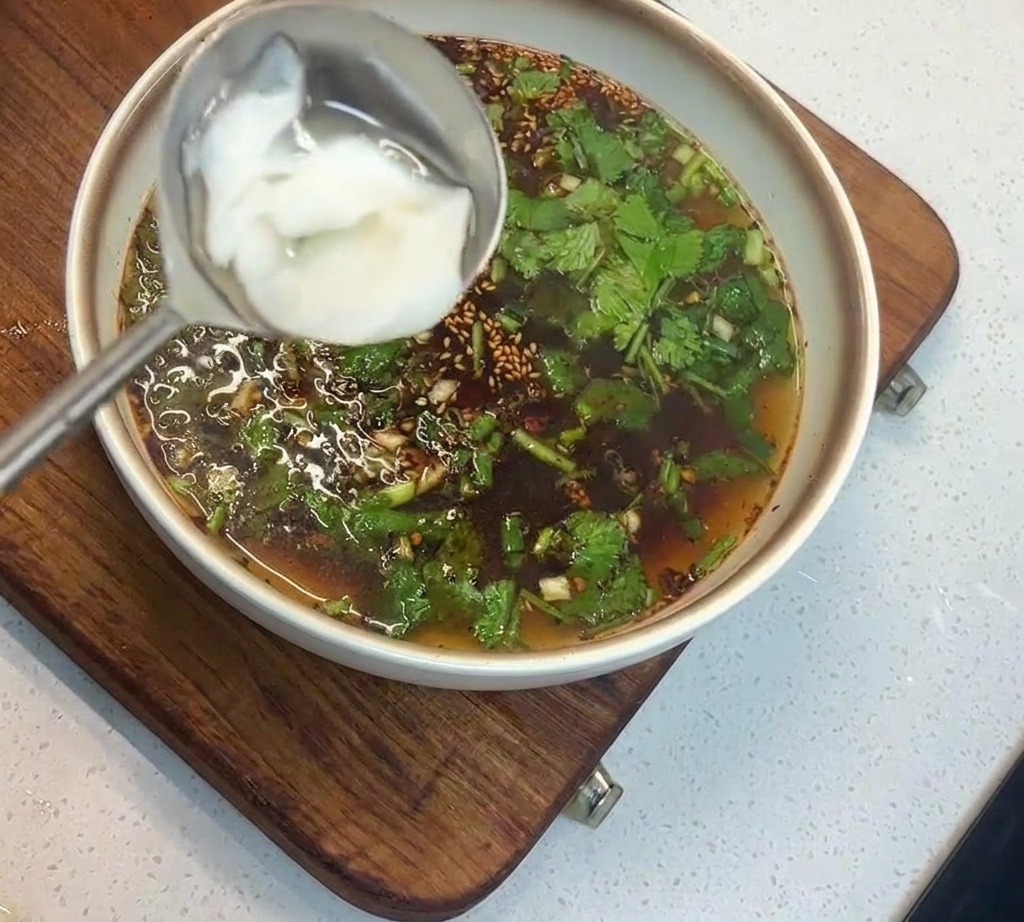
Incorporate a generous spoonful of white solid lard into the steaming broth. As the lard melts into the hot liquid, it adds a smooth, velvety texture and a traditional richness that is characteristic of authentic Guizhou-style noodles.
Tip: If you dont have lard, you can substitute with a bit of sesame oil, though the flavor profile will change slightly. - 10Emulsify the sauce
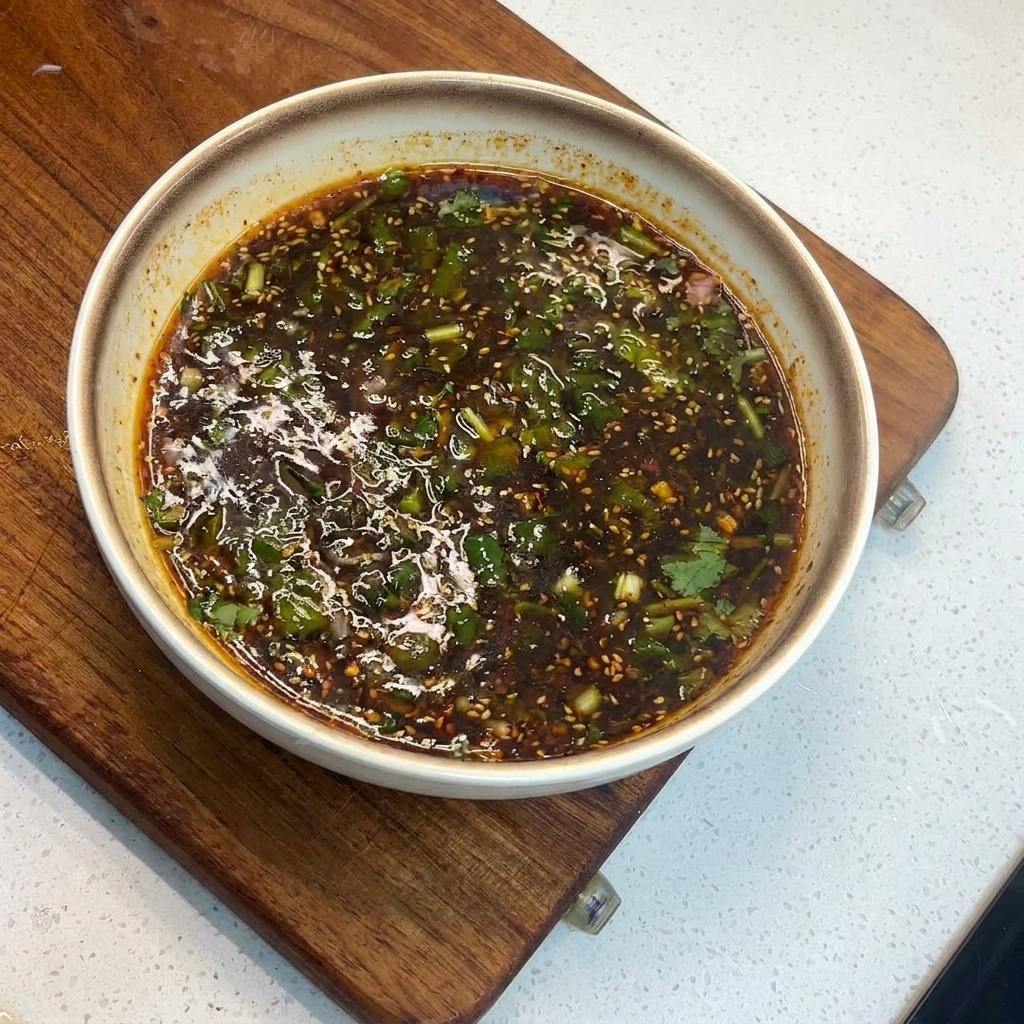
Stir the mixture thoroughly with a spoon to ensure the melted lard, soy sauce, and chili oils are perfectly combined. The broth should look rich, oily, and vibrant with bits of herbs floating throughout.
Tip: Give it a quick taste at this stage to see if it needs an extra pinch of salt or more chili flakes. - 11Cook the noodles
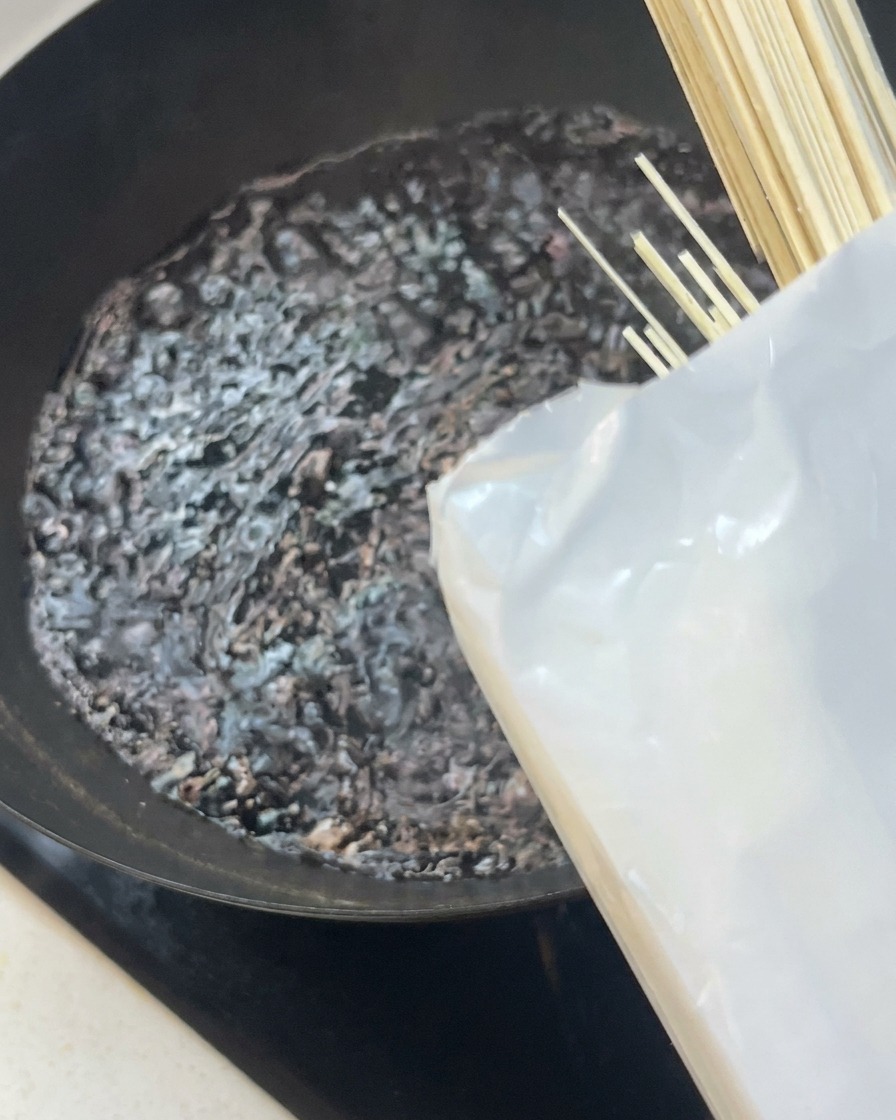
Add a bundle of dried thin noodles to a pot of vigorously boiling water. Stir them gently to prevent sticking and cook according to the package instructions until they reach your desired level of firmness.
Tip: Dont overcook the noodles; they should be slightly firm since they will be dipped into the hot broth. - 12Add the bok choy
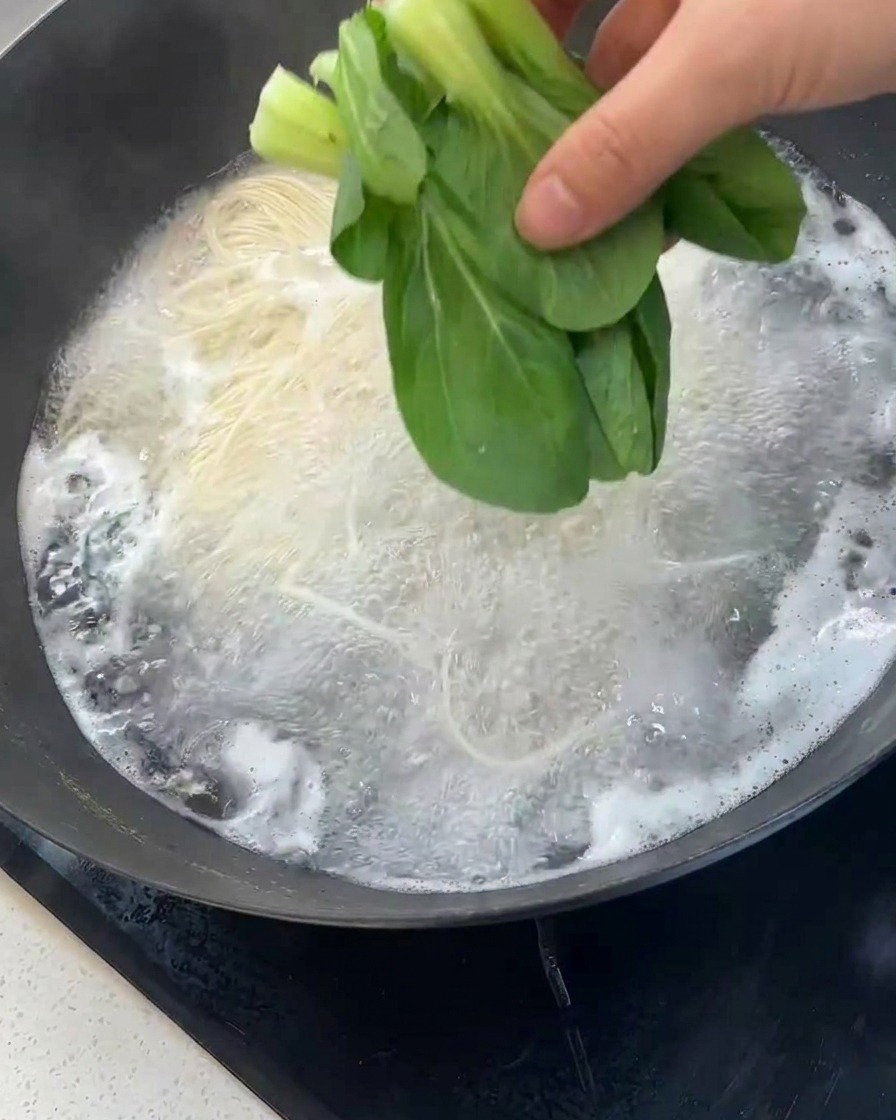
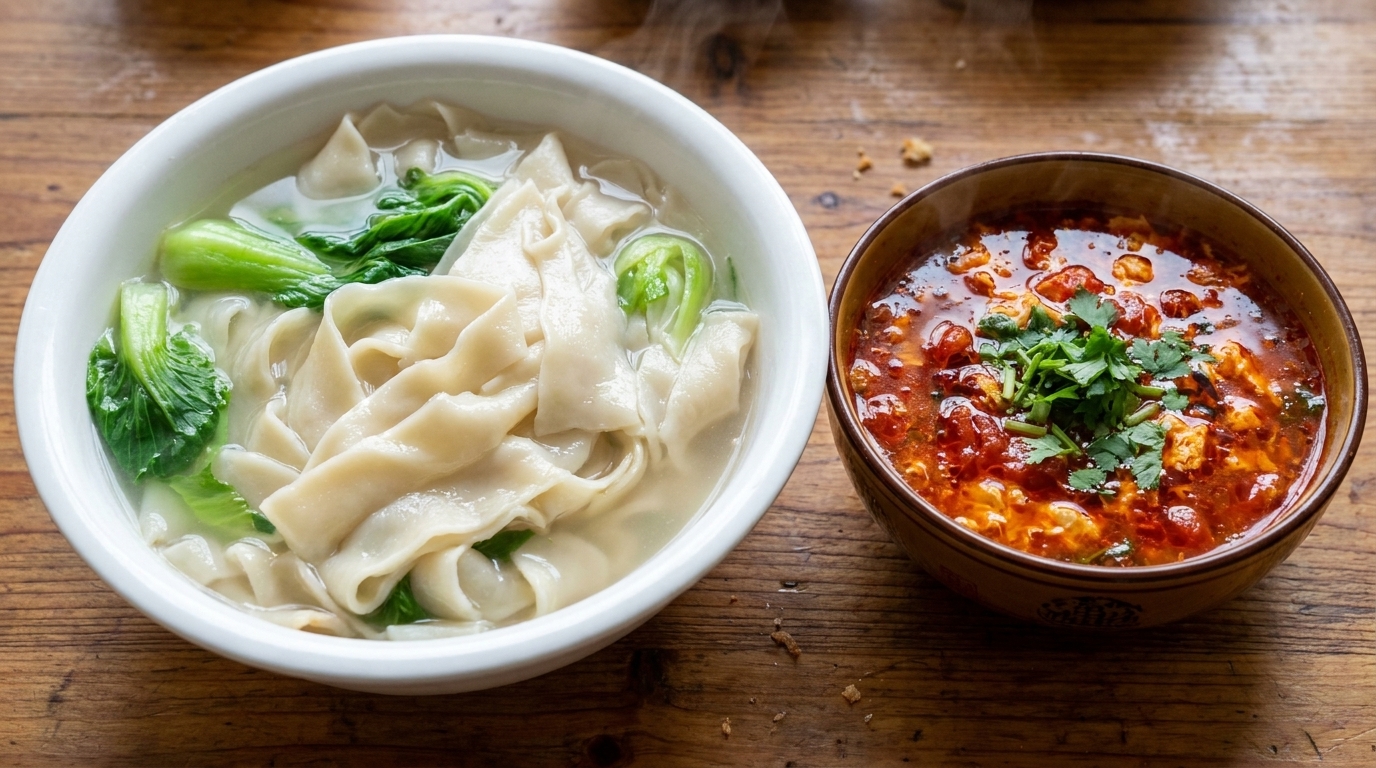
While the noodles are boiling, add a handful of fresh green bok choy leaves into the same wok. Boil them briefly with the noodles until the vegetables are tender-crisp and vibrant green.
Tip: Adding the vegetables to the noodle water saves time and ensures they are seasoned by the same boiling liquid. - 13Serve the dipping noodles
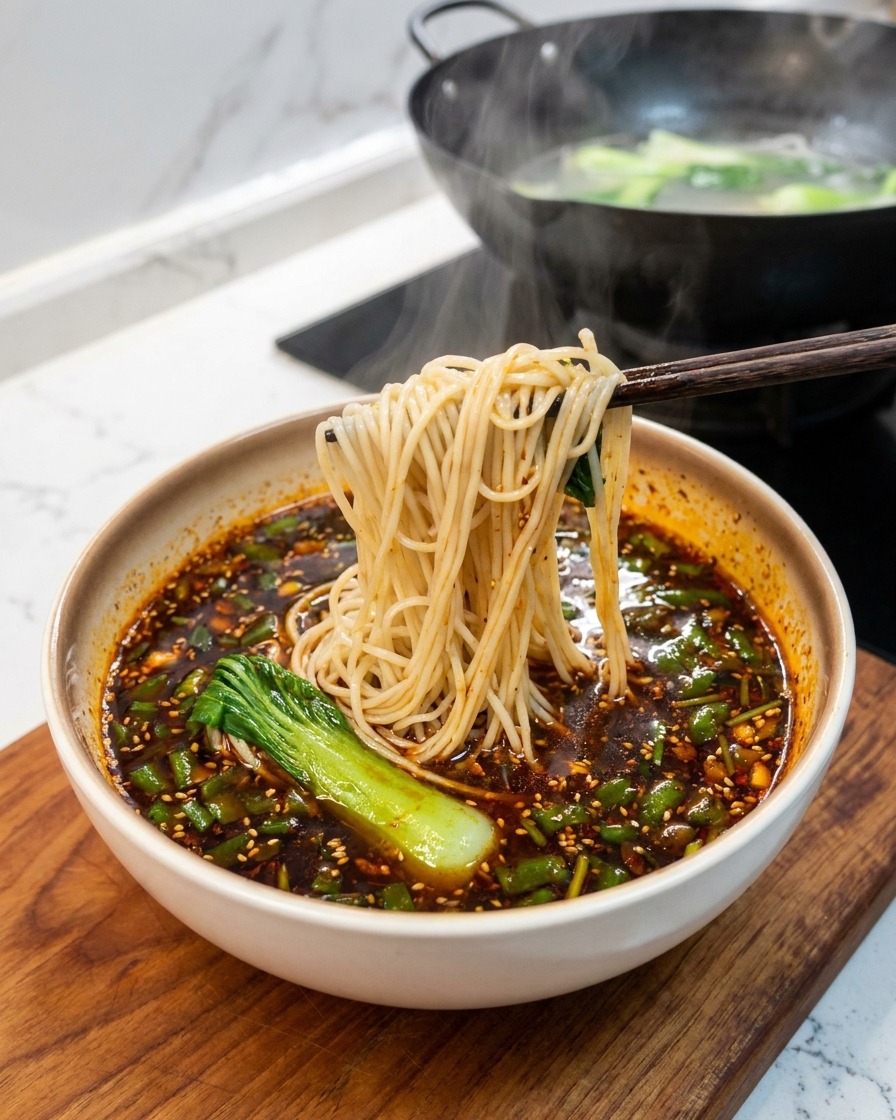
Use chopsticks to lift the cooked noodles and bok choy out of the boiling water. Transfer them directly into the prepared bowl of spicy sauce, ensuring they are well-coated with the chili oil and lard mixture for a rich, addictive flavor.
Tip: Dont drain the noodles too thoroughly; a little bit of the hot noodle water helps emulsify the sauce and coat every strand.