Rich Seafood Tonkotsu Tsukemen (Gyokai Tonkotsu)
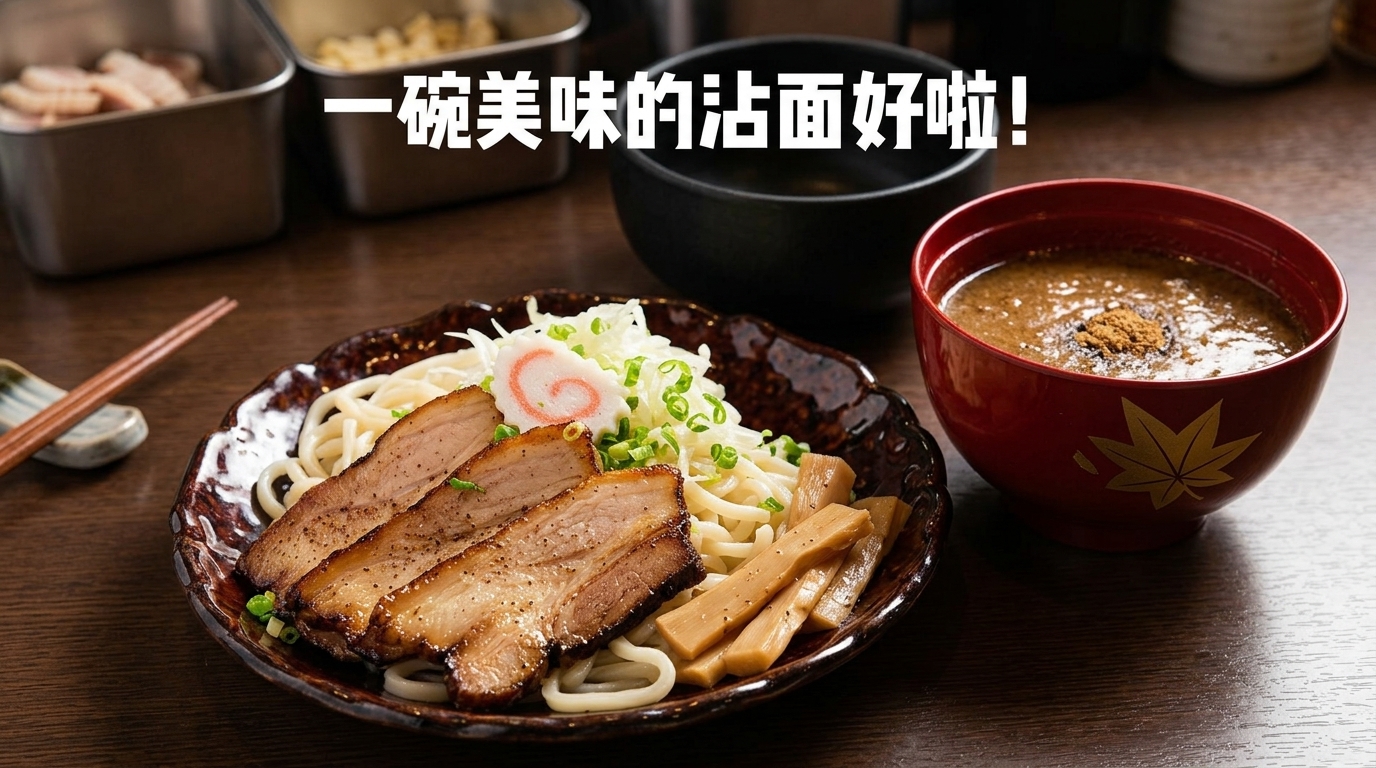
A decadent Japanese dipping noodle dish featuring a thick, creamy pork bone broth infused with a concentrated seafood punch and chewy, thick-cut ramen noodles.
Tsukemen, or dipping noodles, is a modern ramen evolution defined by its concentrated broth and separate presentation. This version combines the richness of long-simmered Tonkotsu with Gyokai (seafood) depth, creating a complex, umami-forward experience that highlights the signature chewy texture of the chilled noodles.
Ingredients
- 100 g small dried anchovies (niboshi)
- 50 g bonito flakes (katsuobushi)
- 1 cup dark soy sauce
- 0.5 cup mirin
- 0.4 cup sake
- 1 piece dried kombu
- 500 ml pork bone broth (frozen or fresh)
- 2 servings thick-cut ramen noodles
- 6 slices chashu pork
- 1 whole marinated soft-boiled egg (ajitama)
- 2 stalks green onions
- 4 pieces menma (bamboo shoots)
- 2 slices narutomaki (fish cake)
- 1 tbsp aromatic scallion or onion oil
Instructions
- 1Prepare the seafood base
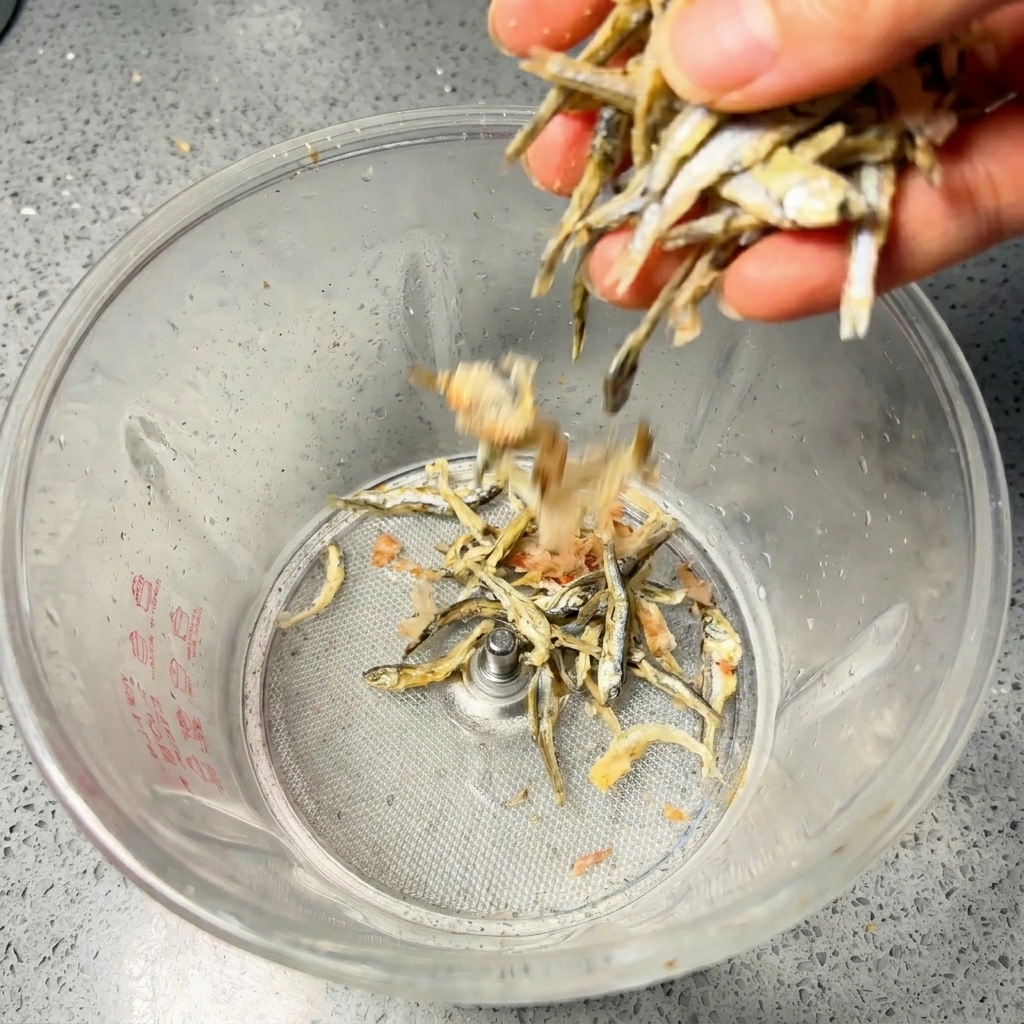
Begin by placing a handful of small dried fish and bonito flakes into a clear blender jar. This concentrated seafood base provides the essential gyokai umami flavor that defines a rich and authentic seafood tonkotsu tsukemen broth.
Tip: Make sure the dried seafood is completely free of moisture before grinding to ensure you get a fine, dry powder. - 2Grind into a fine seasoning
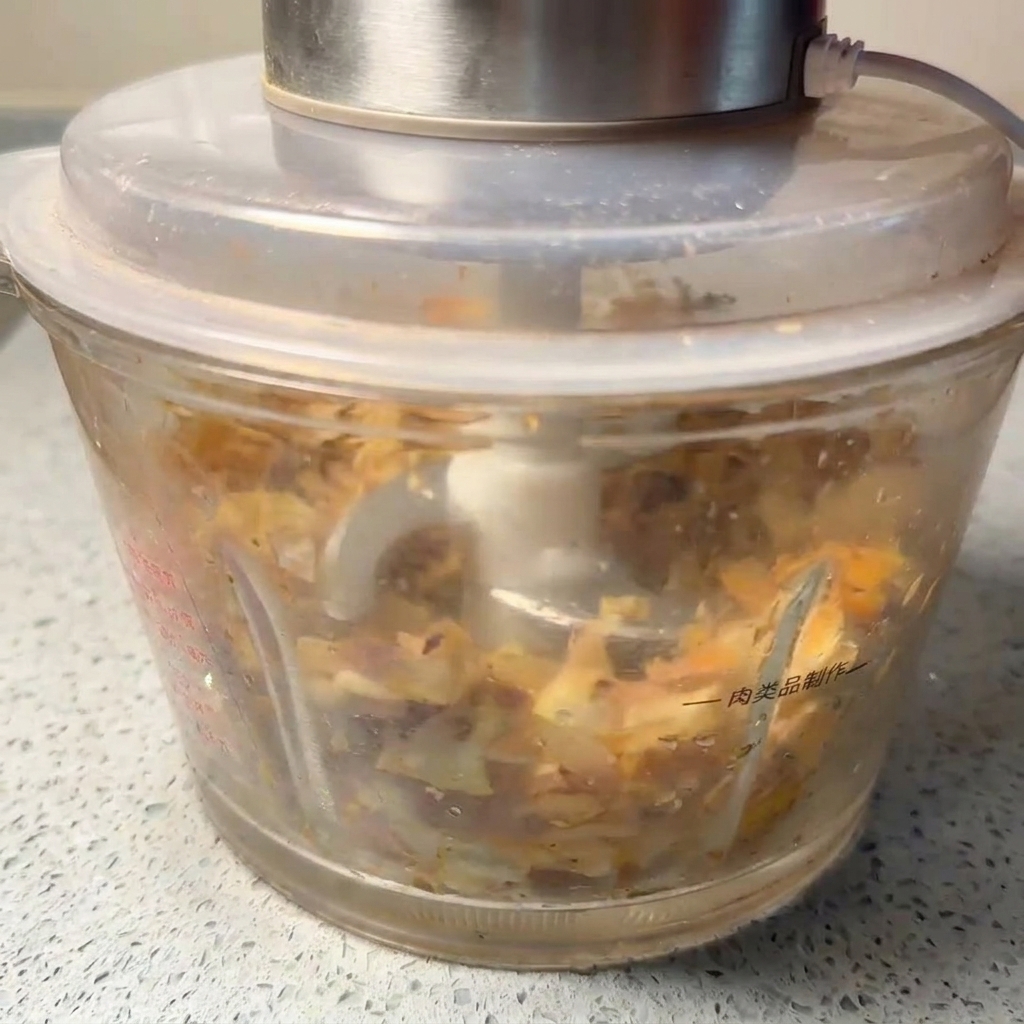
Pulse the blender until the dried fish and bonito flakes are transformed into a fine, aromatic brown powder. This powder will be used to intensely flavor both the seasoning tare and the final dipping soup.
Tip: If your blender has a dedicated dry grind mode, use it to achieve the most consistent texture for the fish powder. - 3Combine the seasoning base
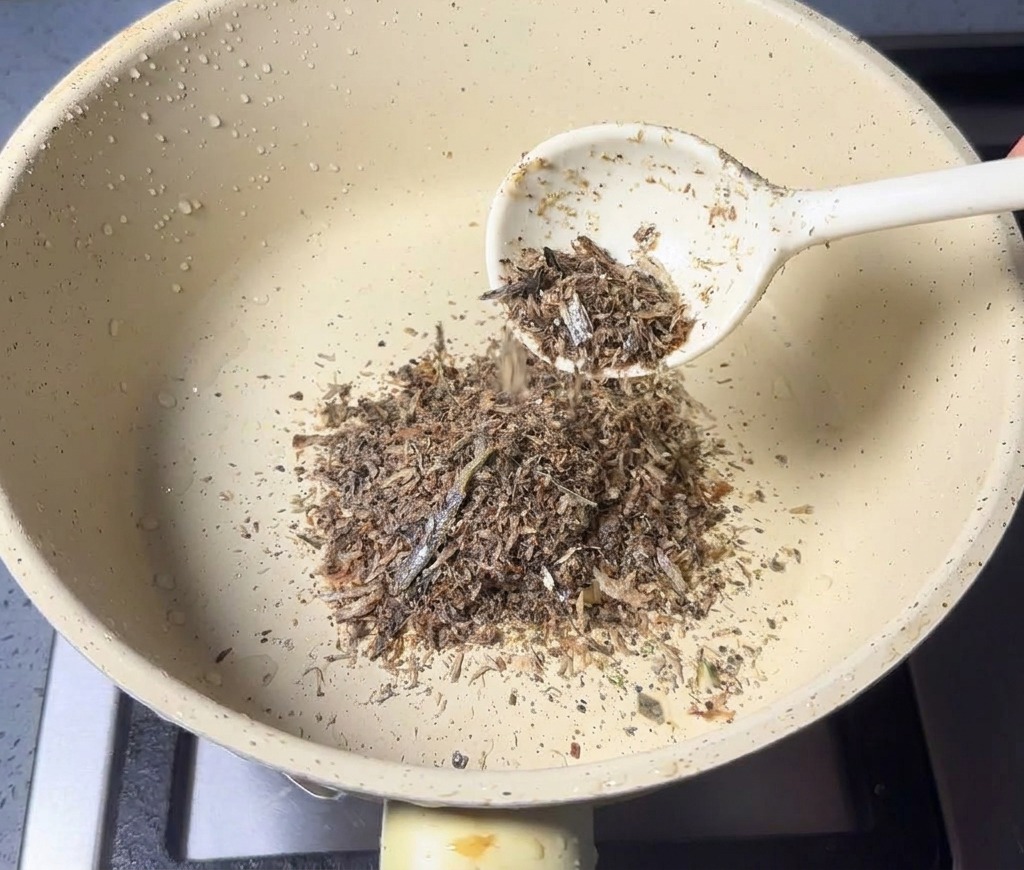
Begin preparing the seasoning sauce by adding a spoonful of the freshly ground seafood powder into a small pan, followed by one cup of dark soy sauce. This combination creates a rich, umami-packed foundation for the tsukemen dipping broth.
Tip: Ensure the pan is clean and dry before adding the powder to prevent it from clumping before the liquid is added. - 4Add the liquid aromatics
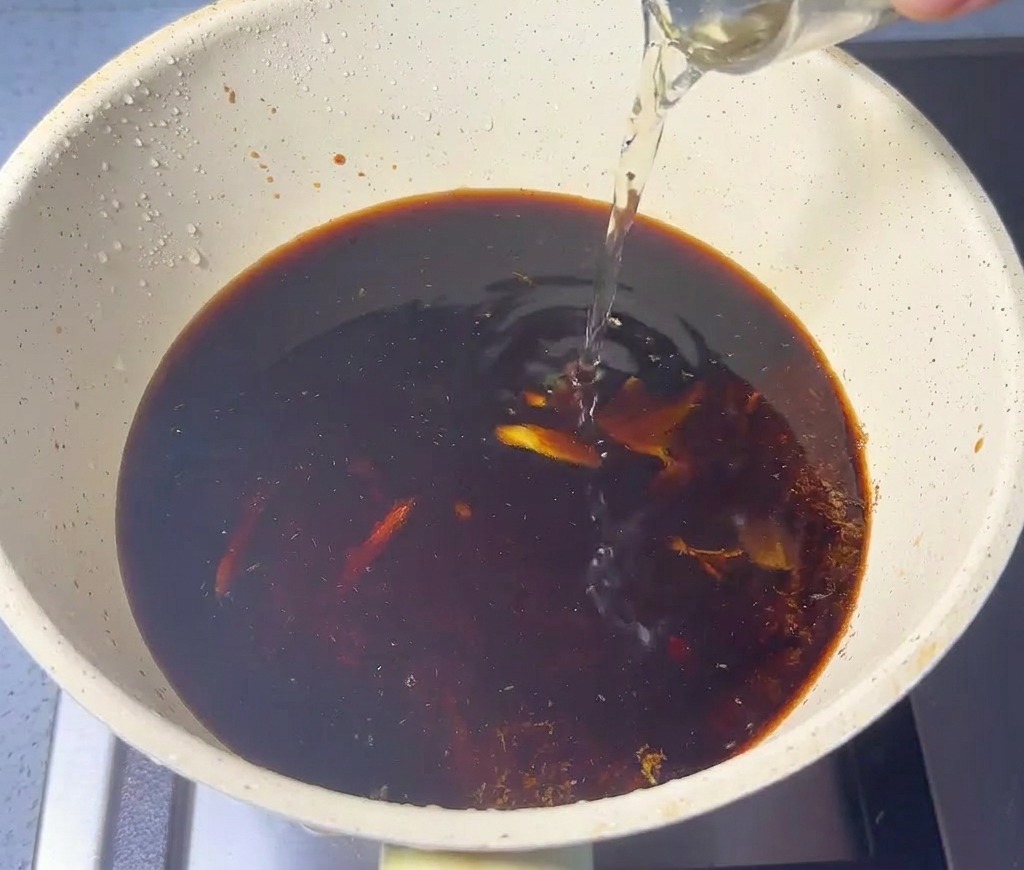
Pour half a cup of mirin and a small half cup of sake into the pan with the soy sauce and fish powder. These Japanese rice wines add a subtle sweetness and a layer of complexity that balances the saltiness of the soy sauce.
Tip: If you do not have sake, you can substitute it with a dry white wine or just increase the amount of mirin slightly for more sweetness. - 5Infuse with kombu
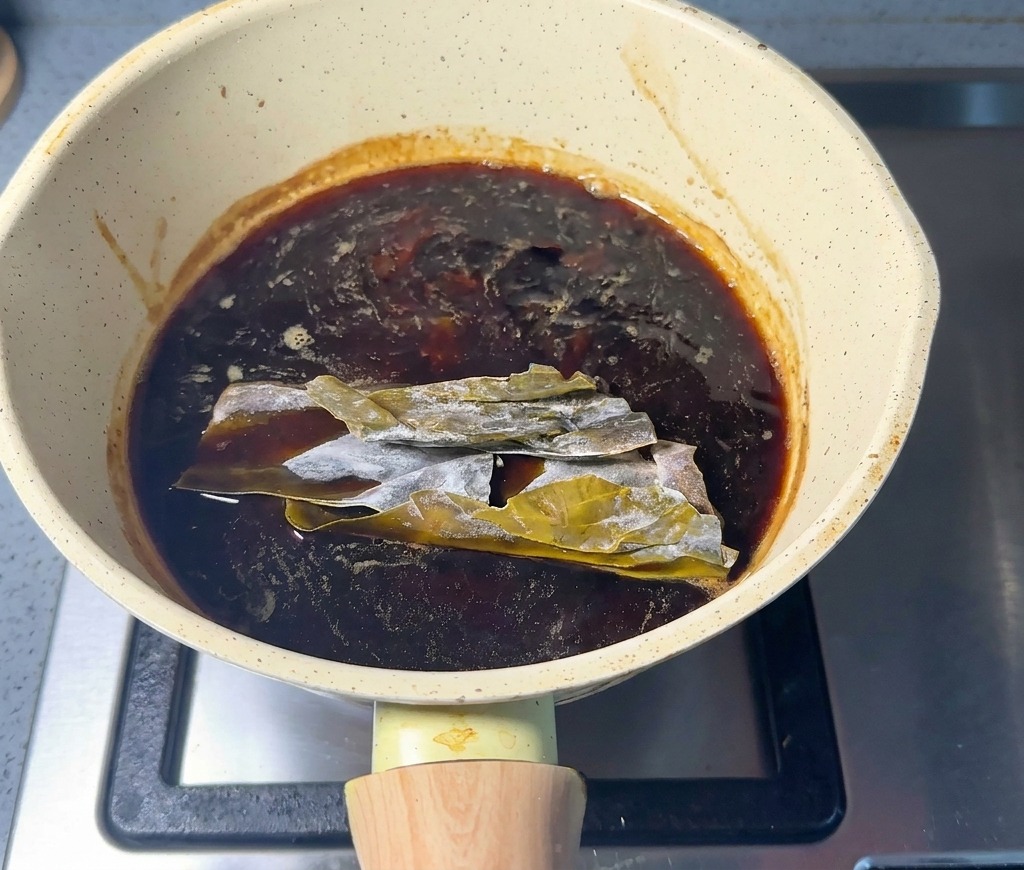
Add a piece of dried kombu (kelp) to the mixture in the pan. The kombu will slowly release its natural glutamates as the sauce heats, providing a deep, oceanic savory flavor that rounds out the seafood profile.
Tip: Do not boil the kombu for too long, as it can release a bitter or slimy texture; removing it just before the sauce is finished is ideal. - 6Simmer and skim the sauce
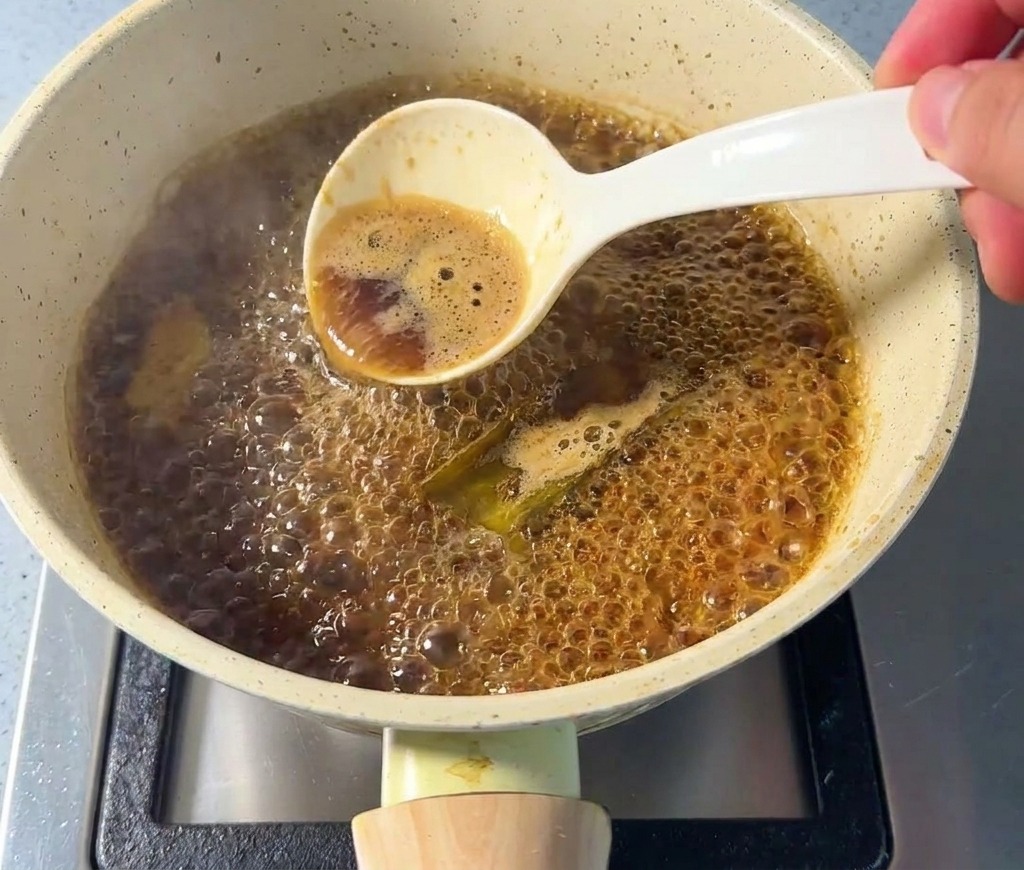
Bring the sauce to a gentle boil for about five minutes. As it bubbles, use a spoon to carefully skim off the surface foam and any floating impurities. This ensures the final concentrated seasoning sauce is clear and has a clean taste.
Tip: Keep the heat at a steady simmer; a rolling boil might reduce the sauce too much and make it overly concentrated or salty. - 7Strain the seasoning sauce
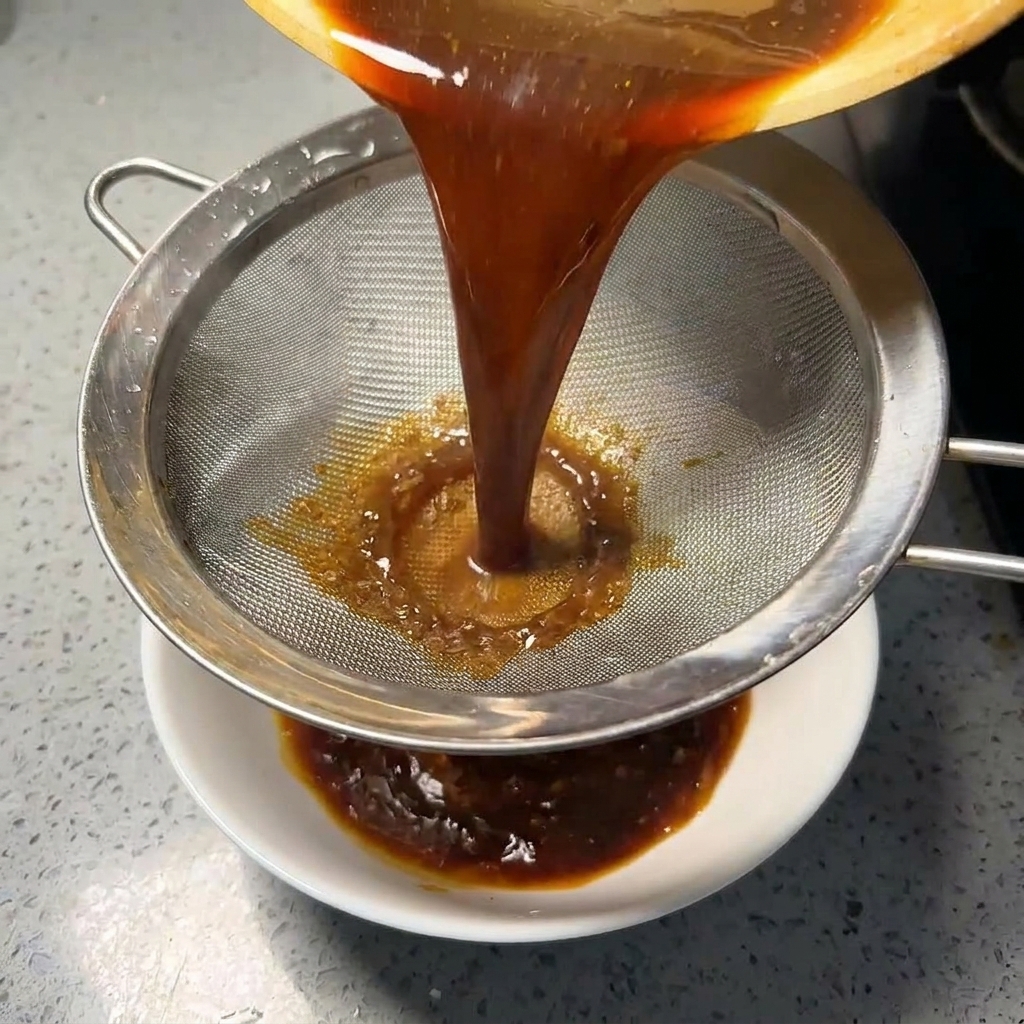
After simmering the seasoning sauce for five minutes and skimming off any foam, pour it through a fine-mesh sieve into a white bowl. This removes the kombu and fish solids, resulting in a smooth, clear, and savory tare.
Tip: Do not discard the solids immediately; you can press them against the sieve with a spoon to extract every bit of concentrated sauce. - 8Combine broth and seafood powder
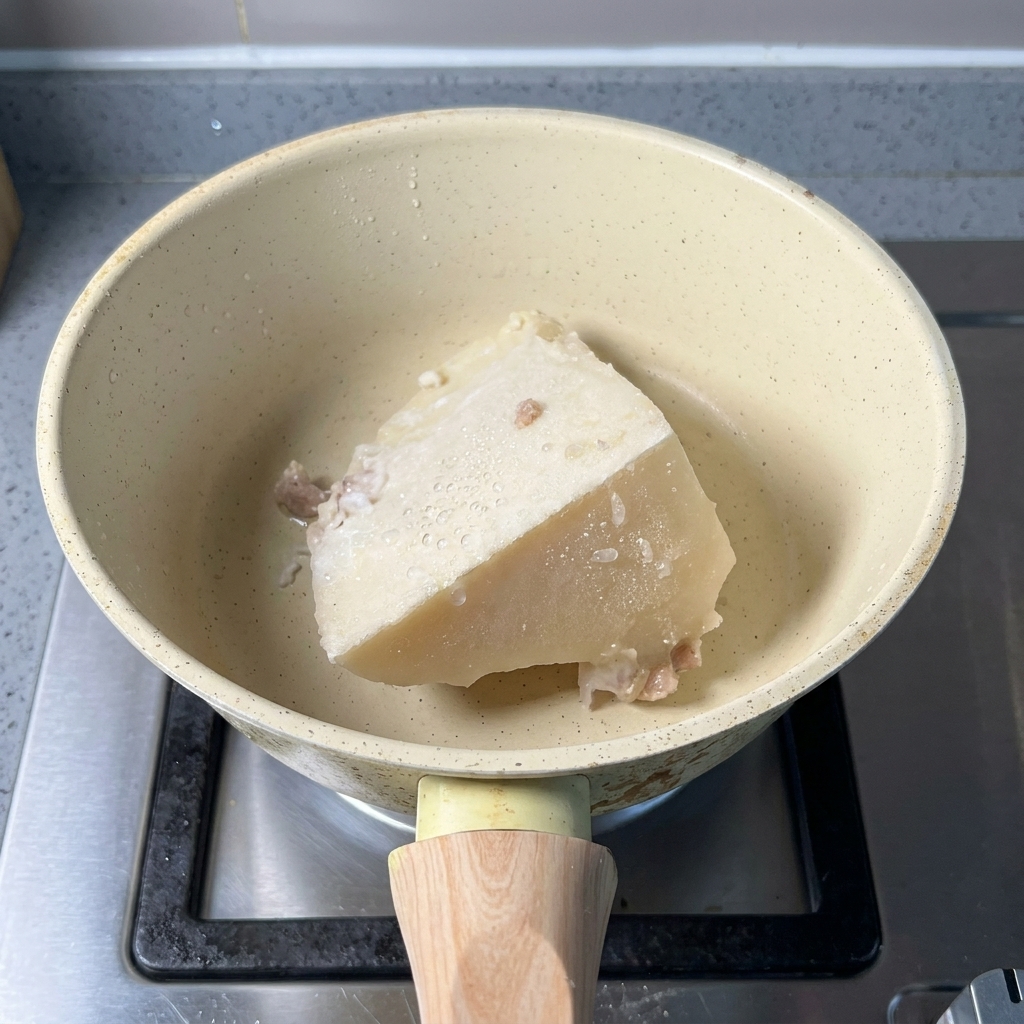
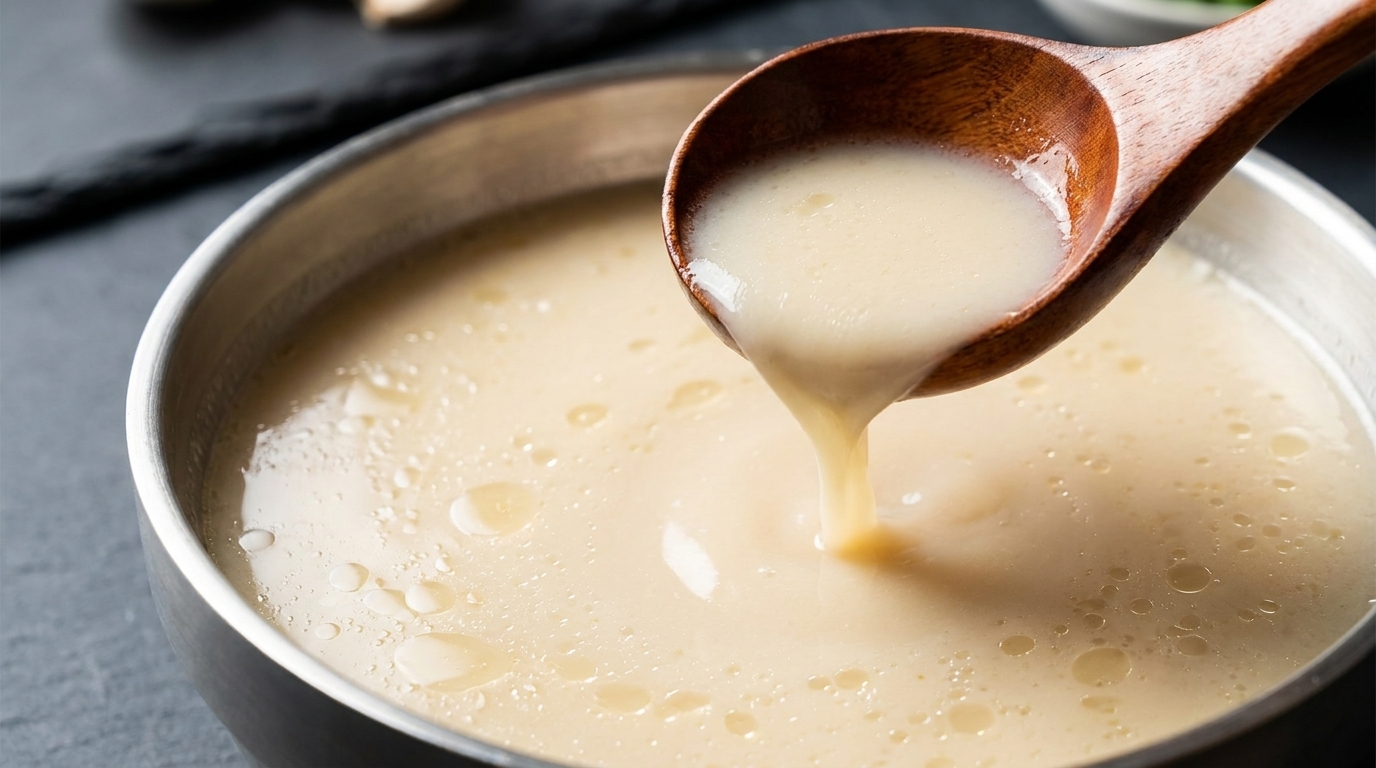
Place a solid block of frozen pork bone broth into a pan and add a generous scoop of your freshly ground seafood powder. The frozen broth block preserves the rich, creamy texture of the pork, which will now be infused with oceanic depth.
Tip: Using frozen broth portions is a convenient way to prepare high-quality ramen at home without a 12-hour boil. - 9Simmer the soup base
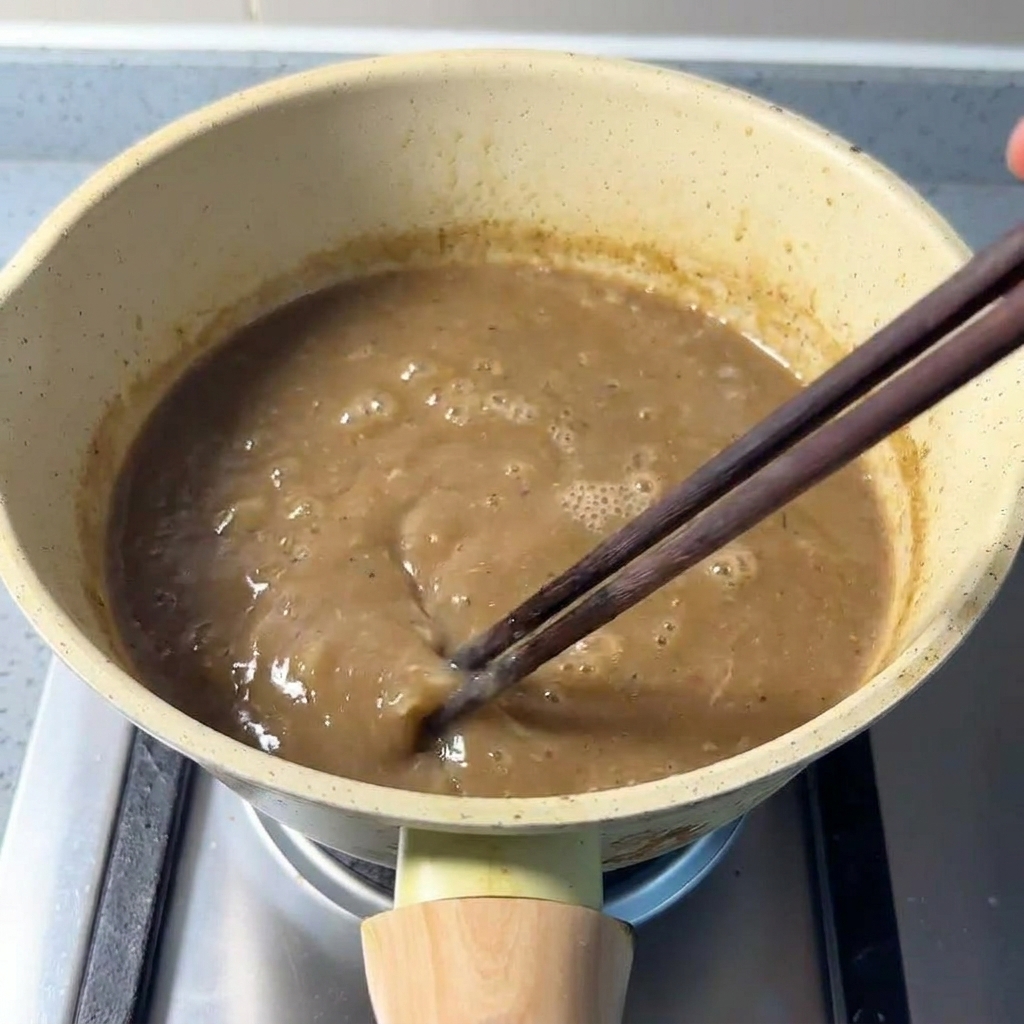
Gently heat the pan and stir with chopsticks as the broth block melts and combines with the seafood powder. Simmer for about ten minutes until the mixture becomes a thick, opaque, and highly concentrated liquid base.
Tip: Keep the heat at a gentle simmer to prevent the broth from reducing too quickly or becoming overly salty. - 10Prepare the dipping bowl
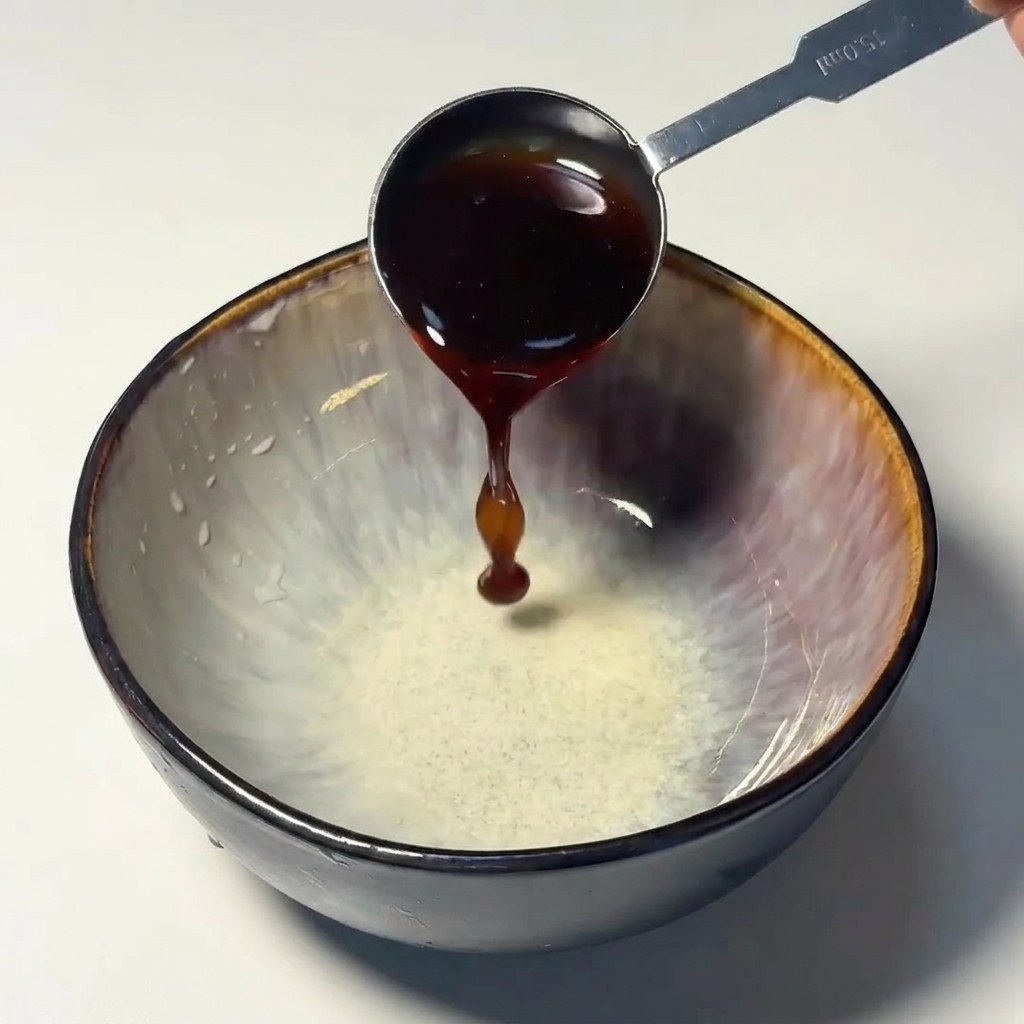
Start the final assembly by adding one spoonful of the prepared dark seasoning sauce into a ceramic serving bowl. This tare acts as the flavor foundation that will be balanced by the rich seafood-pork broth.
Tip: Warm the serving bowl with hot water beforehand to ensure your dipping broth stays hot throughout the meal. - 11Combine the broth and seasoning
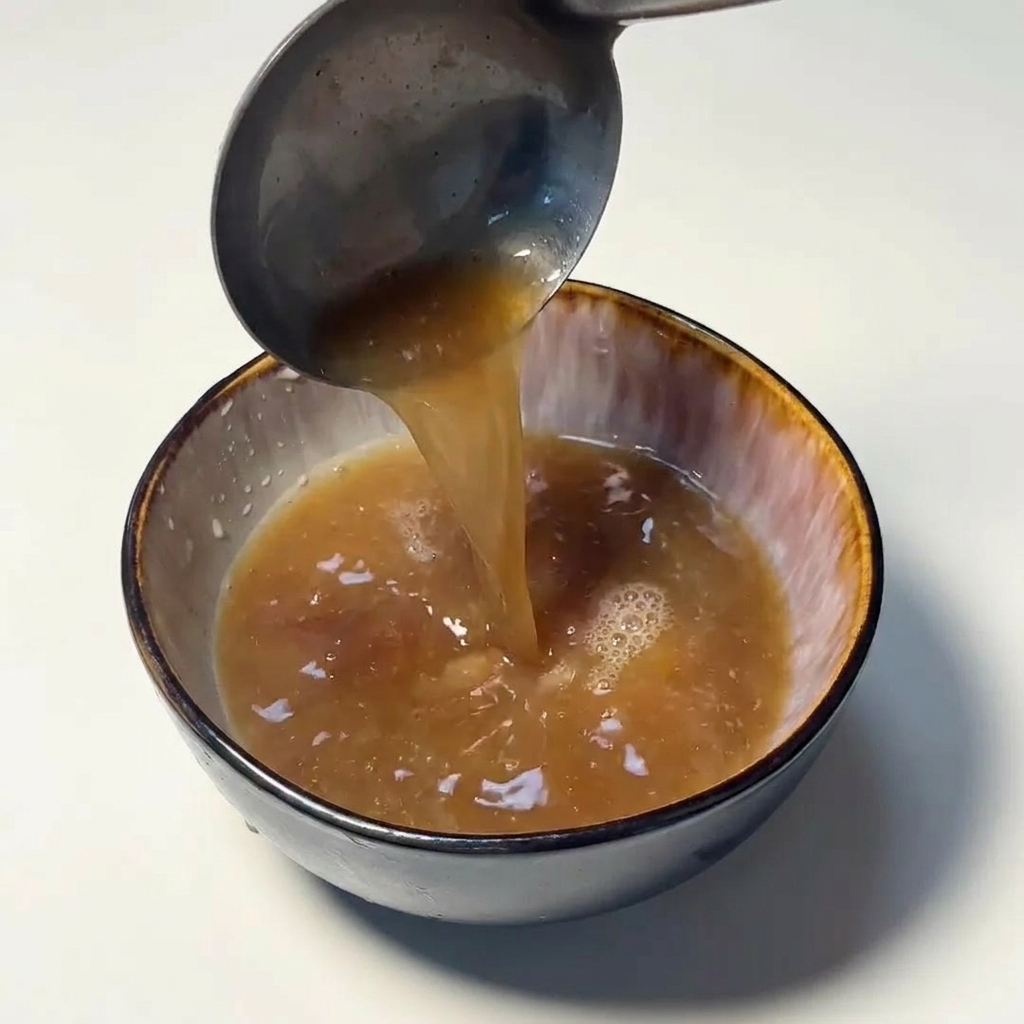
Add four spoonfuls of the concentrated seafood pork bone broth into the serving bowl containing the seasoning sauce. This creates the rich, creamy dipping base for the tsukemen.
Tip: The ratio of seasoning sauce to broth is key; one spoon of sauce to four spoons of broth provides the perfect balance of saltiness and depth. - 12Add the dipping bowl toppings
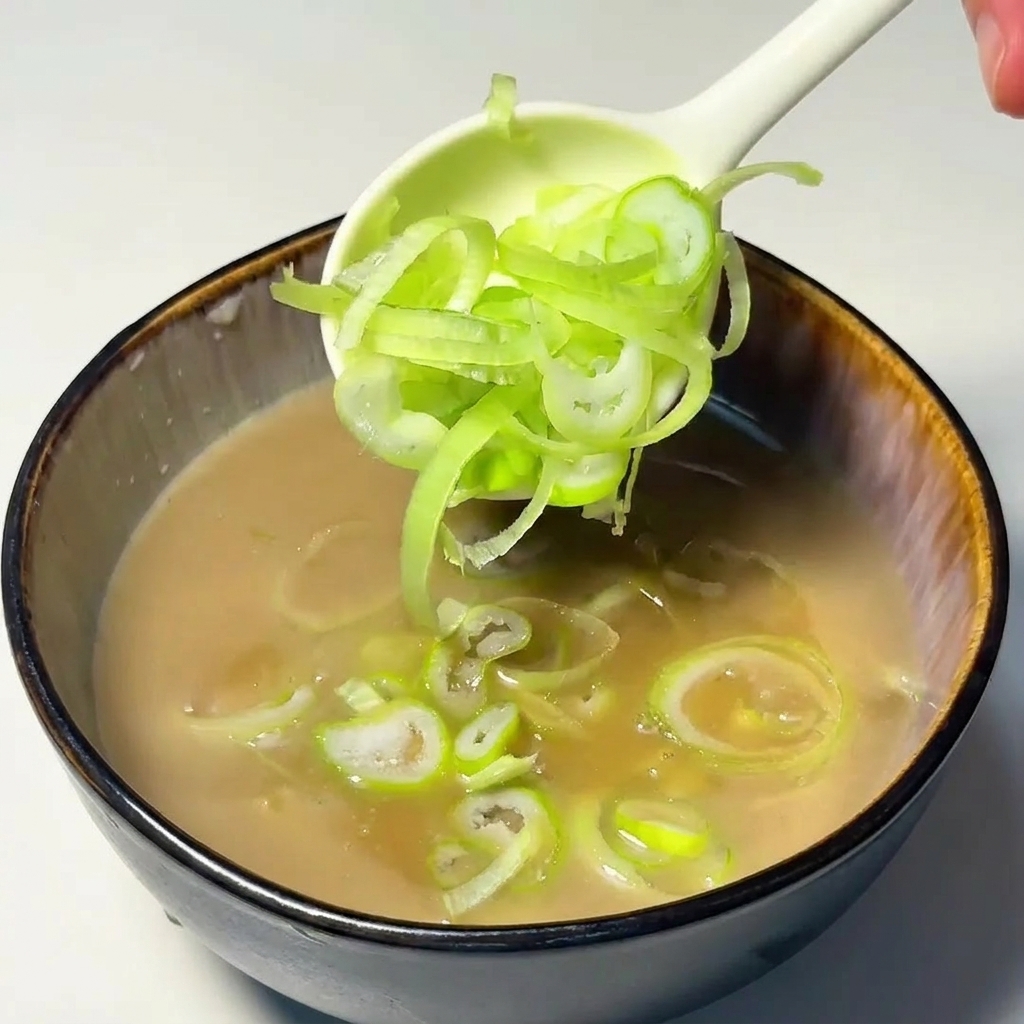
Add a handful of fresh sliced green onions to the dipping broth. This provides a crisp texture and a sharp, fresh flavor to contrast with the heavy seafood and pork base.
Tip: Sliced green onions provide a fresh, sharp crunch that helps cut through the heavy richness of the seafood and pork base. - 13Incorporate the aromatics
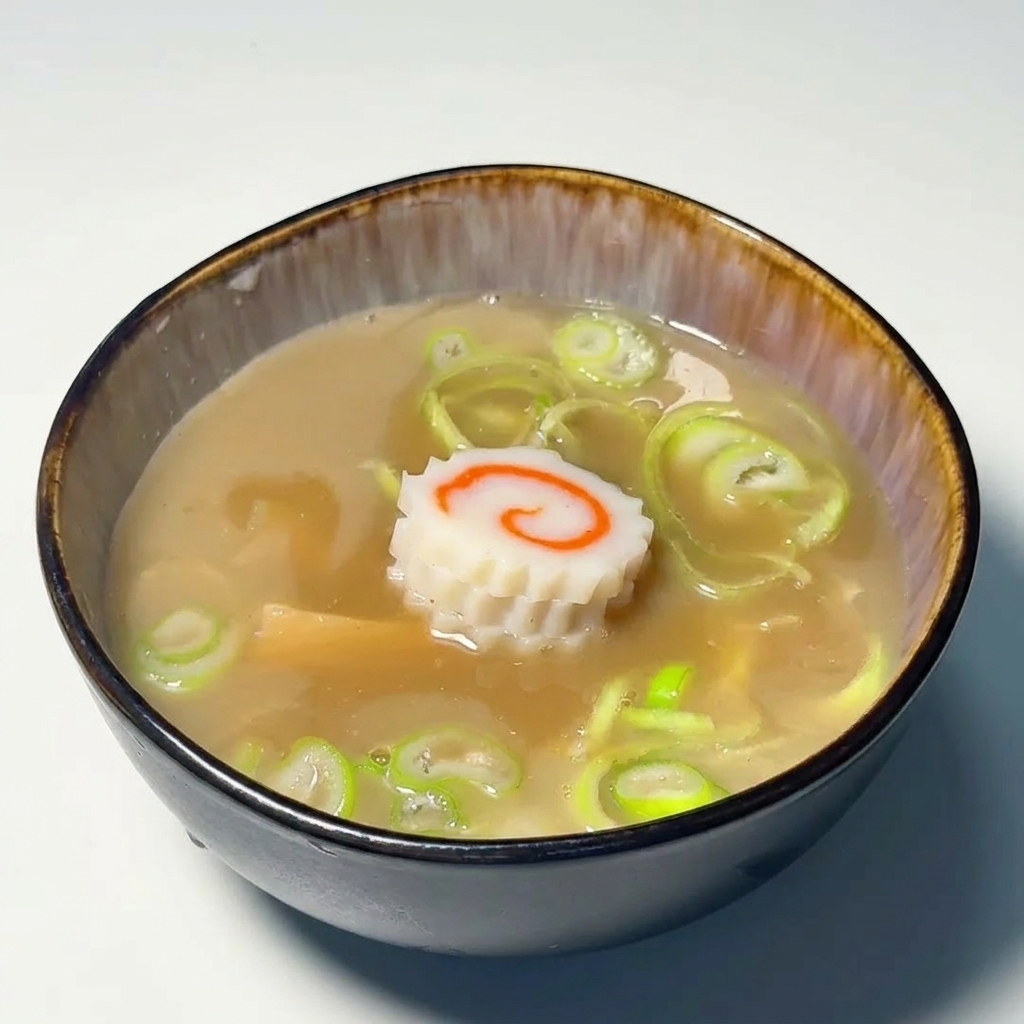
Add a slice of narutomaki fish cake and bamboo shoots to the bowl, then stir everything together. Ensure the seasoning sauce at the bottom is fully incorporated with the hot broth.
Tip: Stirring well ensures the concentrated fish powder and sauce are evenly distributed, so every dip of the noodles has consistent flavor. - 14Finish with aromatic oil
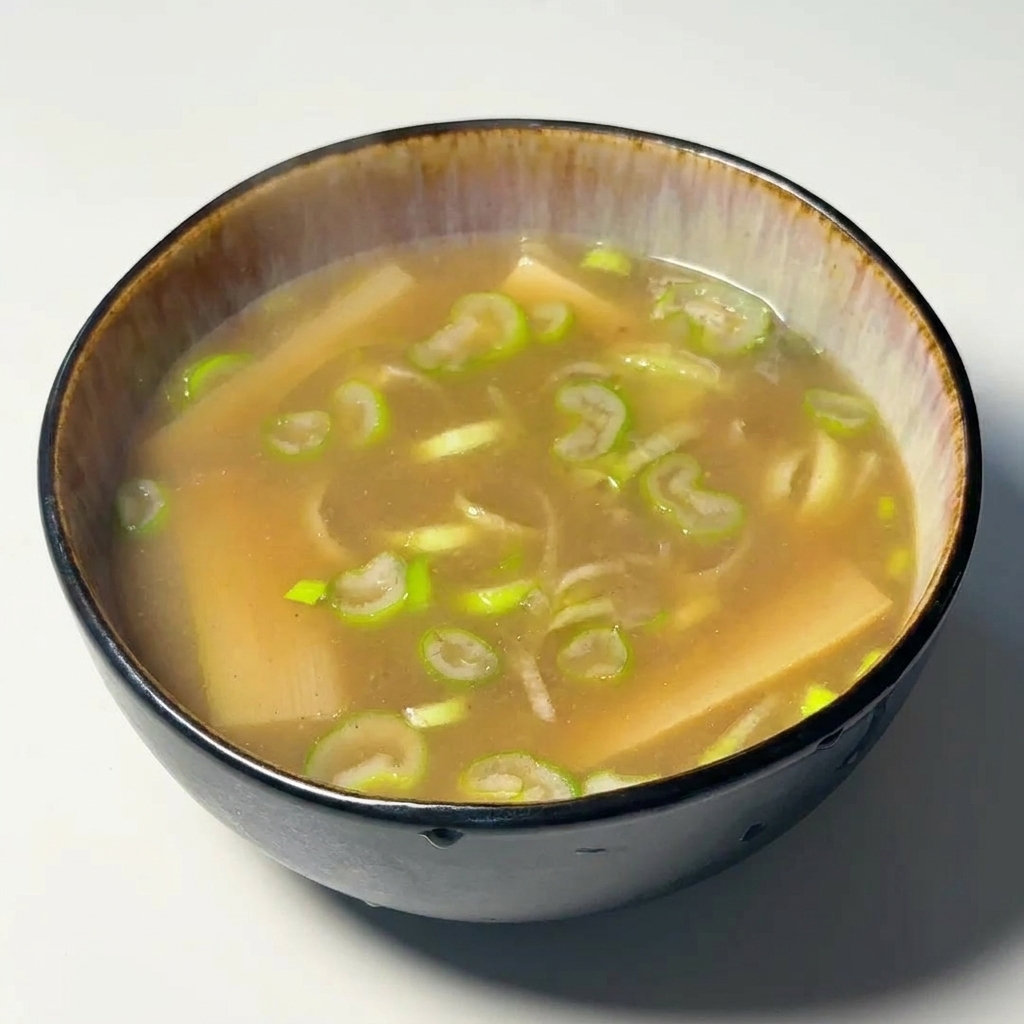
Drizzle a spoonful of clear aromatic oil over the top of the dipping bowl. This oil adds a final layer of fragrance and a silky mouthfeel to the soup.
Tip: If you do not have specialized aromatic oil, a little toasted sesame oil or scallion infused oil works as a great substitute. - 15Plate the ramen noodles
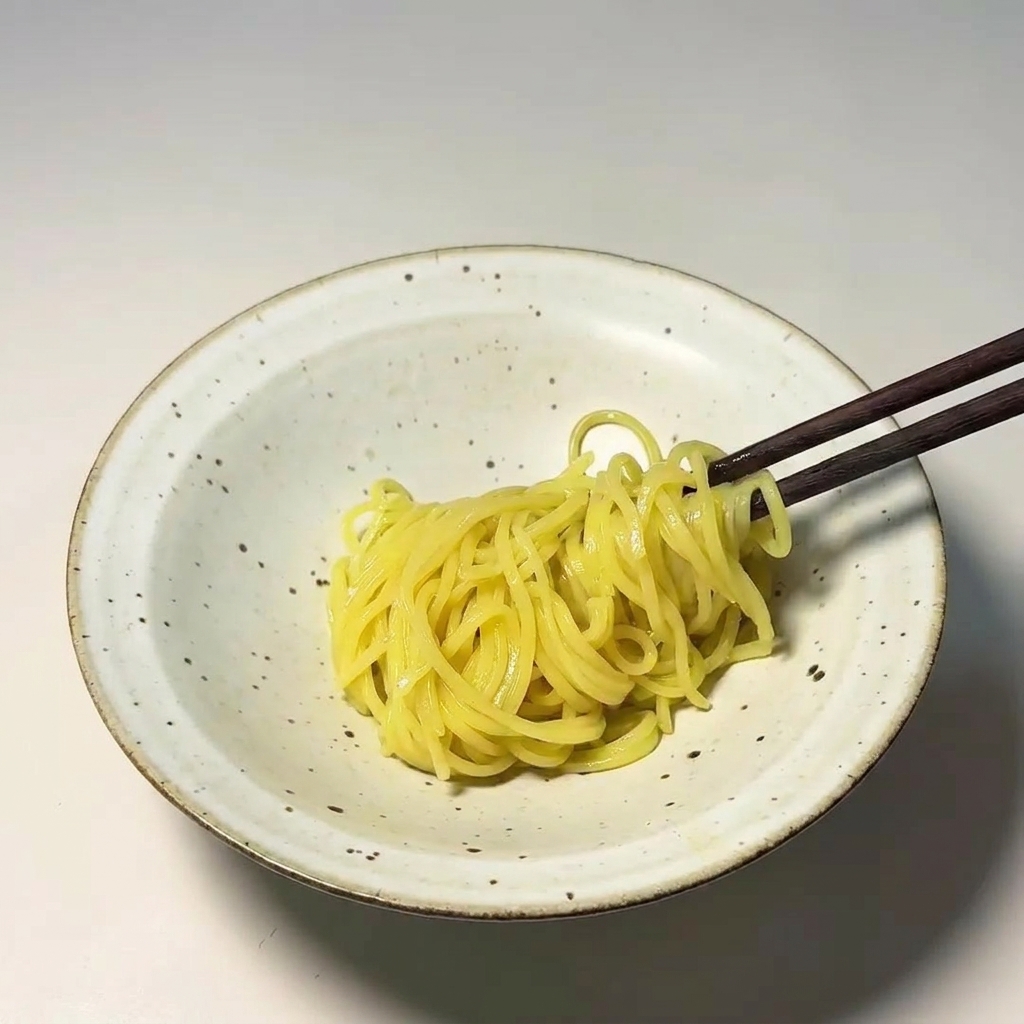
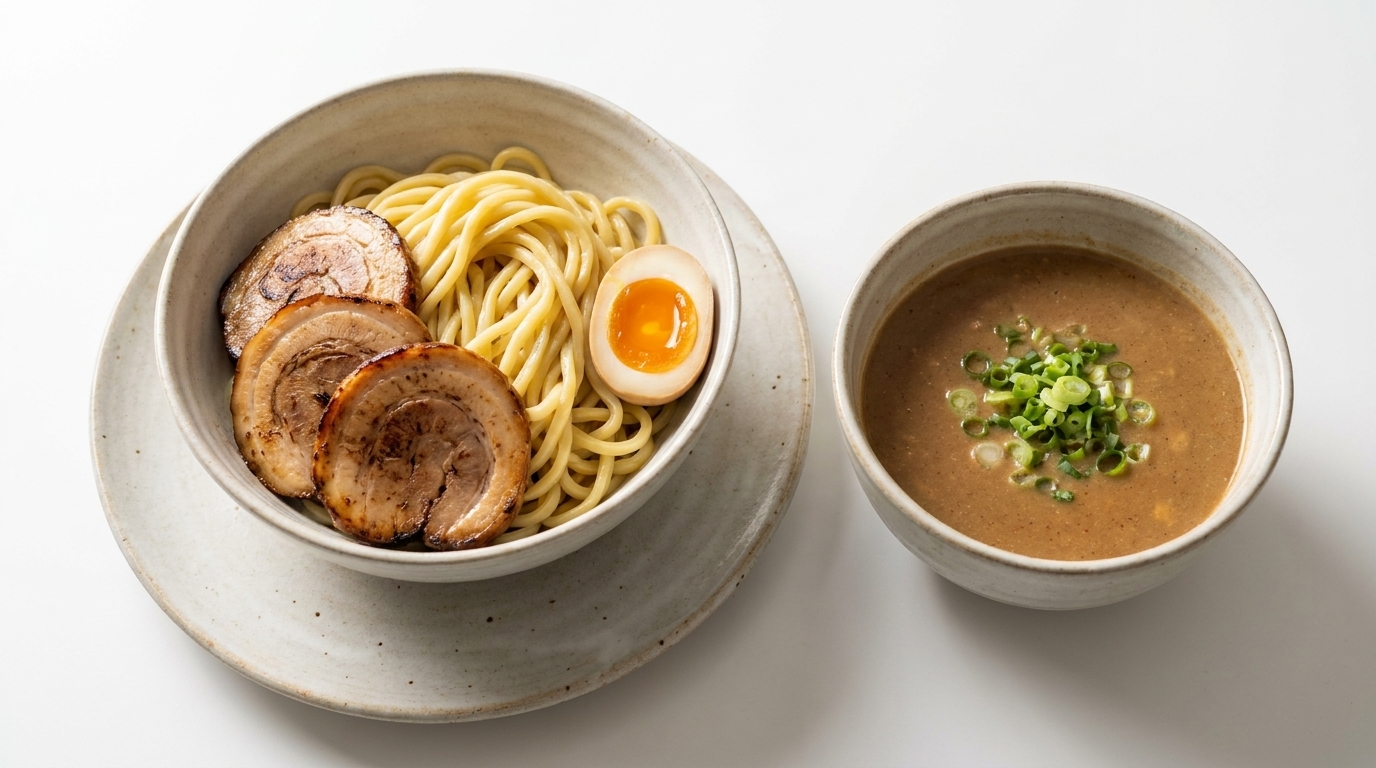
Place a serving of cooked and rinsed yellow ramen noodles into a shallow white ceramic bowl. Ensure the noodles are well drained so they do not dilute the dipping sauce.
Tip: For tsukemen, it is traditional to rinse the cooked noodles in cold water to remove excess starch and give them a firmer, chewier texture. - 16Garnish with chashu pork
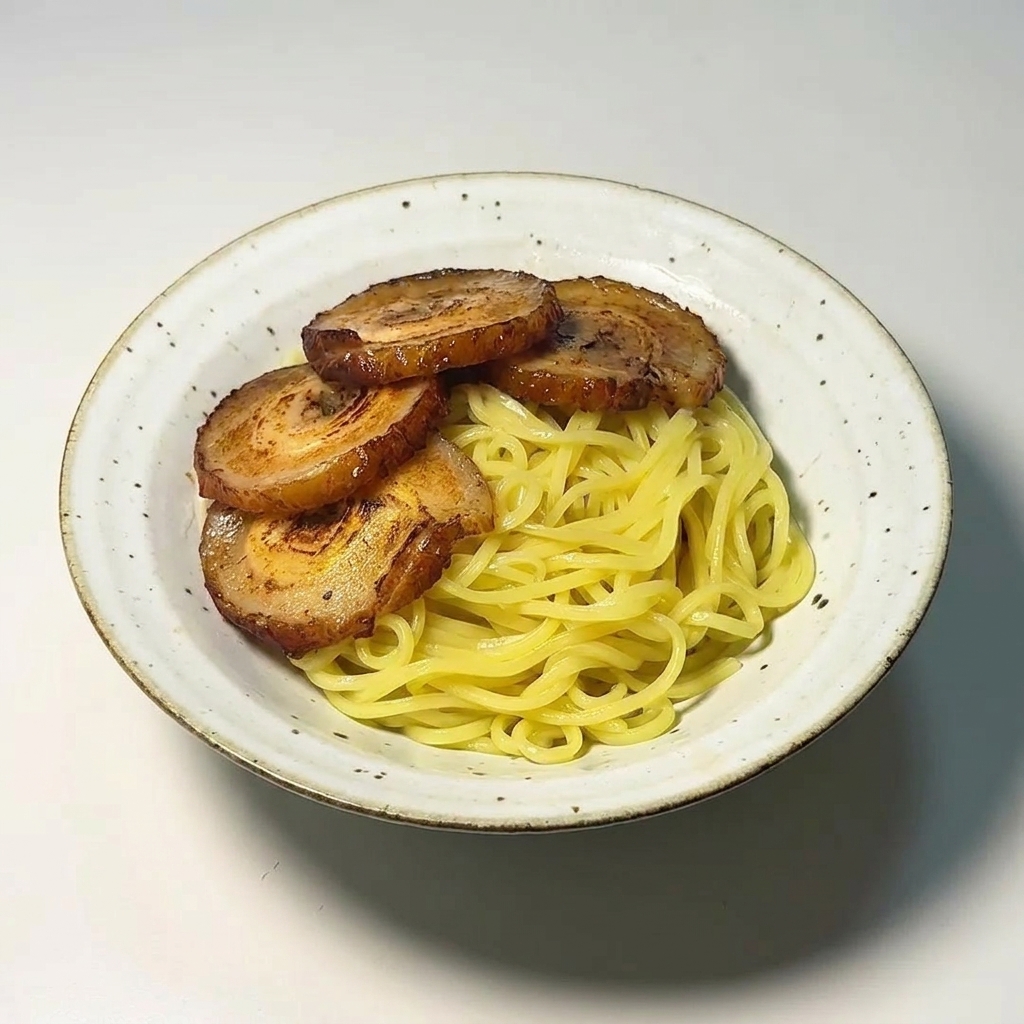
Arrange three slices of seared chashu pork on top of the noodles. Complete the plating with a soft-boiled egg and more green onions as desired before serving.
Tip: Searing the chashu briefly in a pan before serving renders some of the fat and intensifies the savory flavor of the meat.