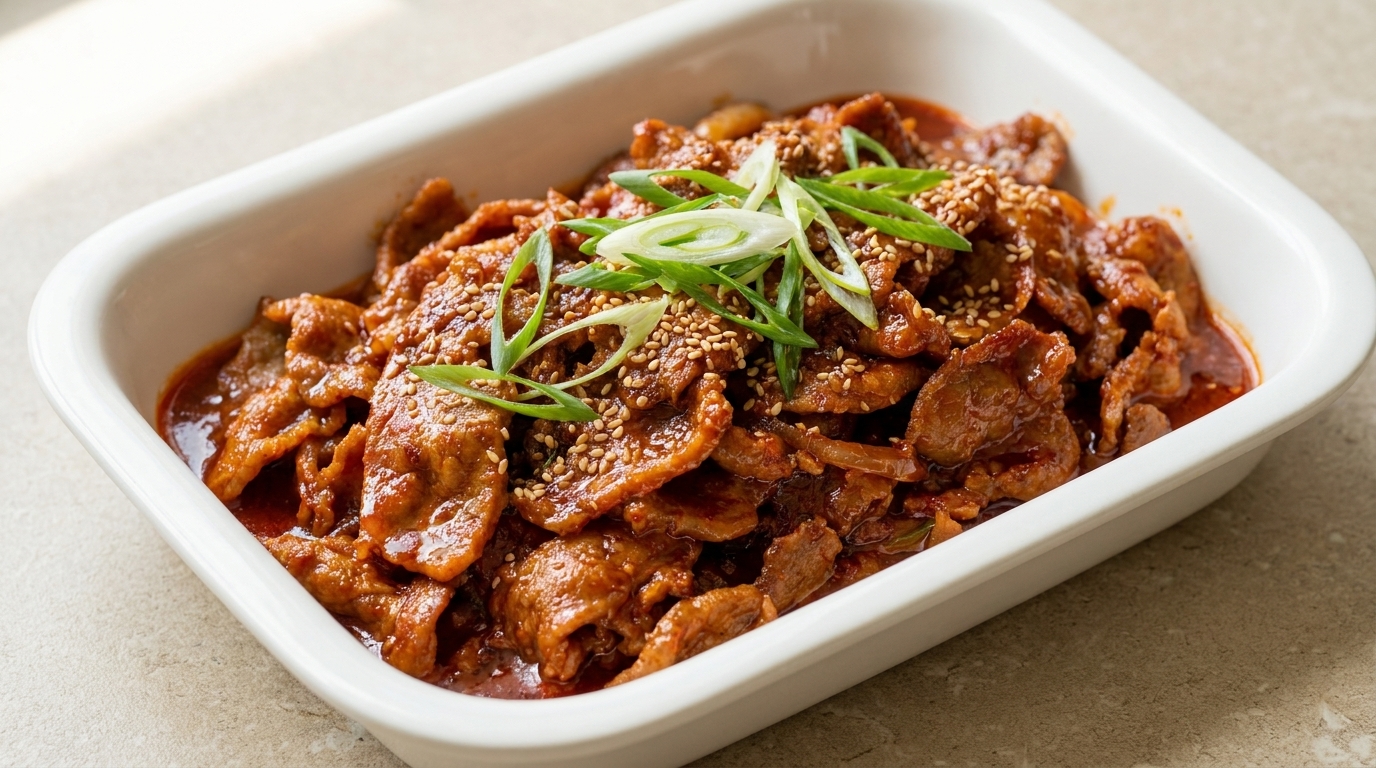
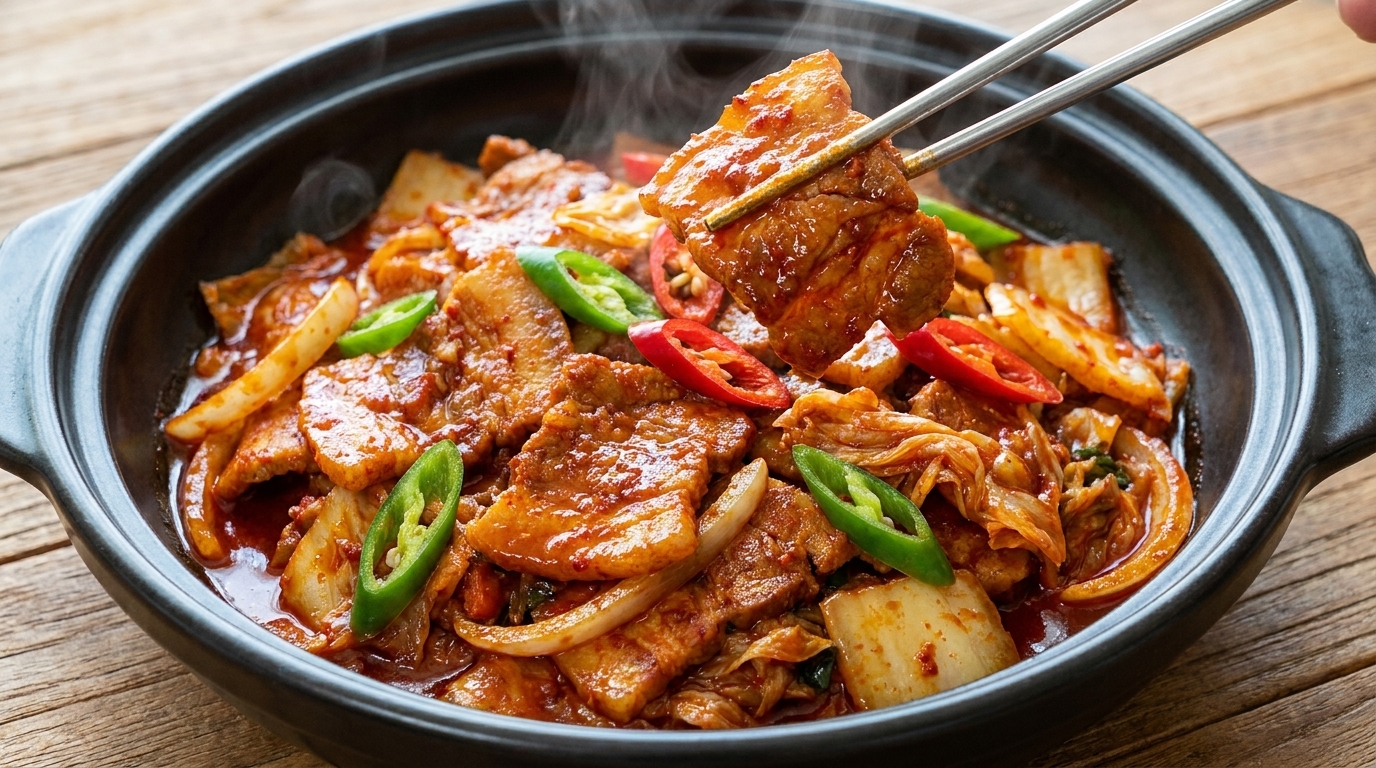
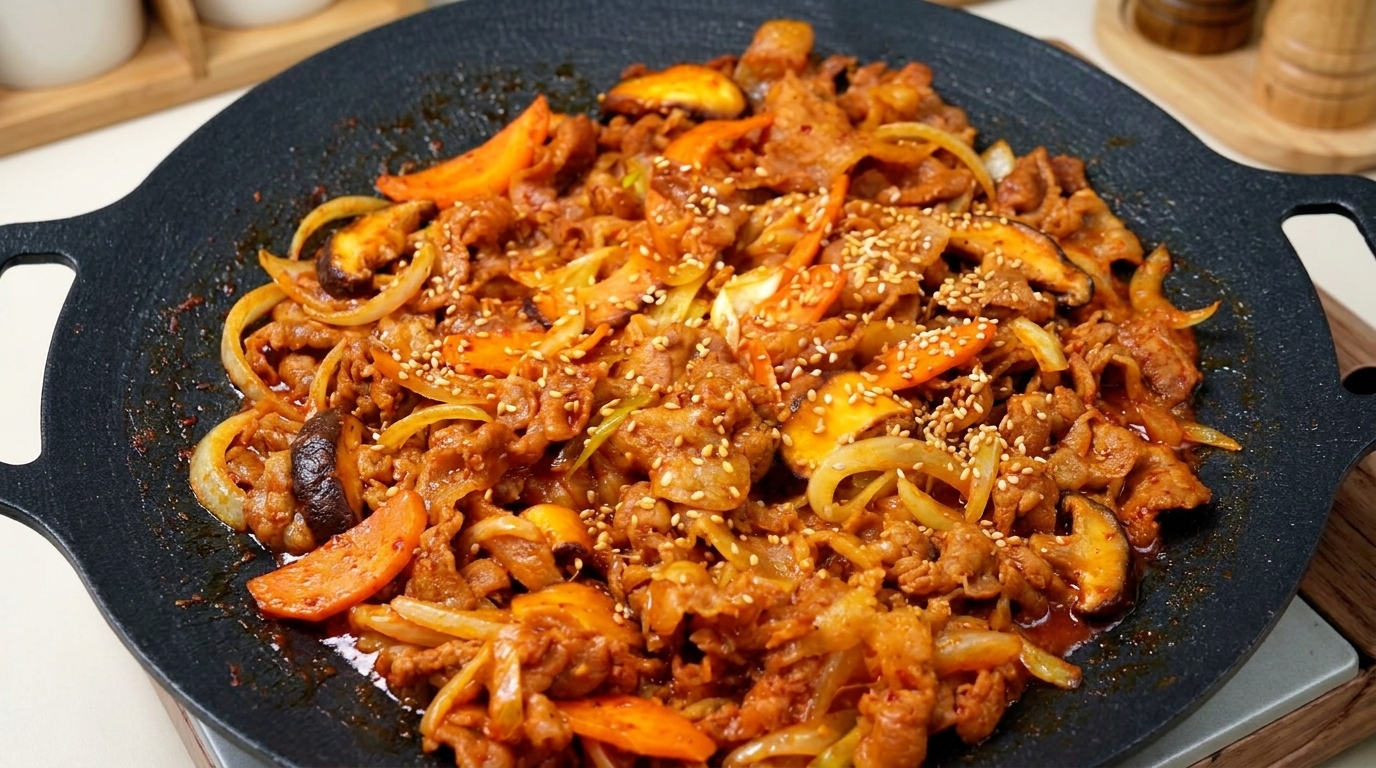
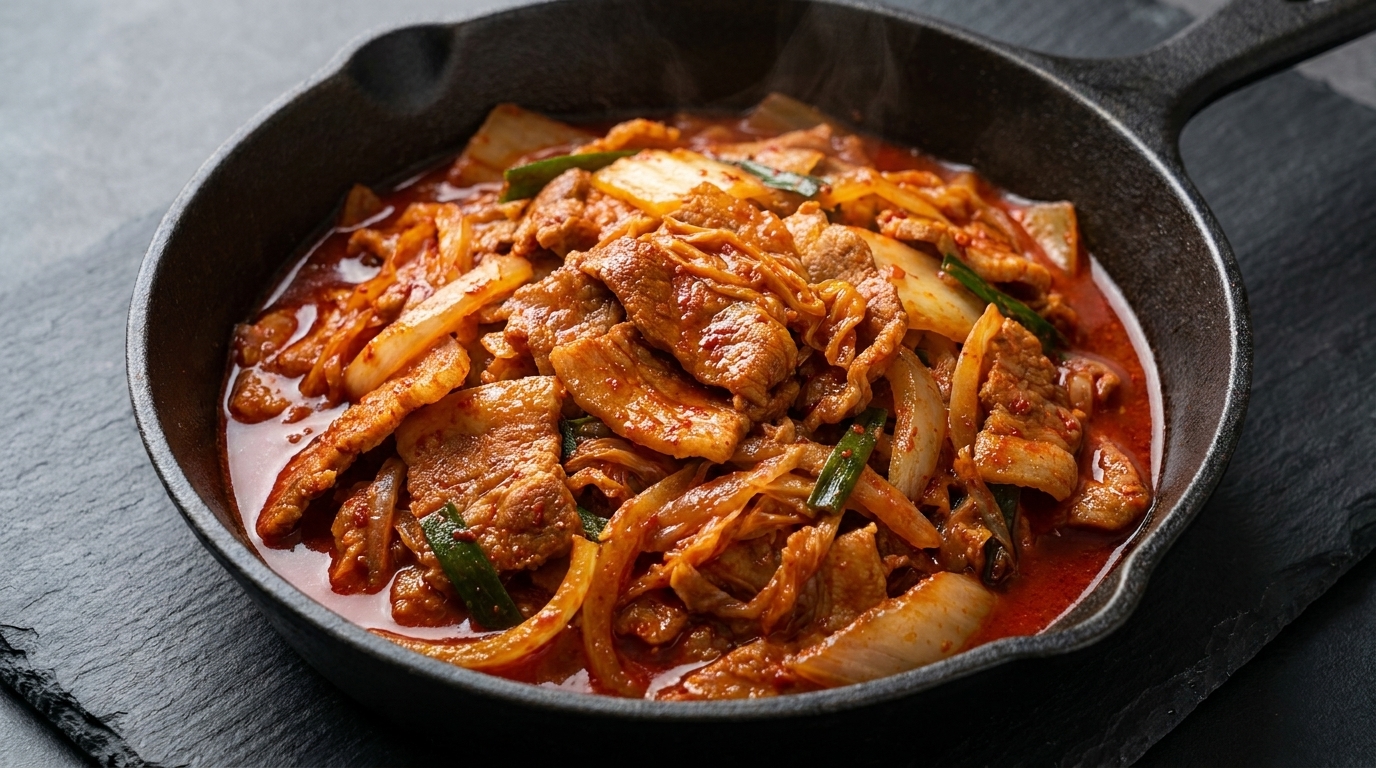
Authentic Korean Spicy Stir-Fried Pork (Jeyuk-bokkeum)
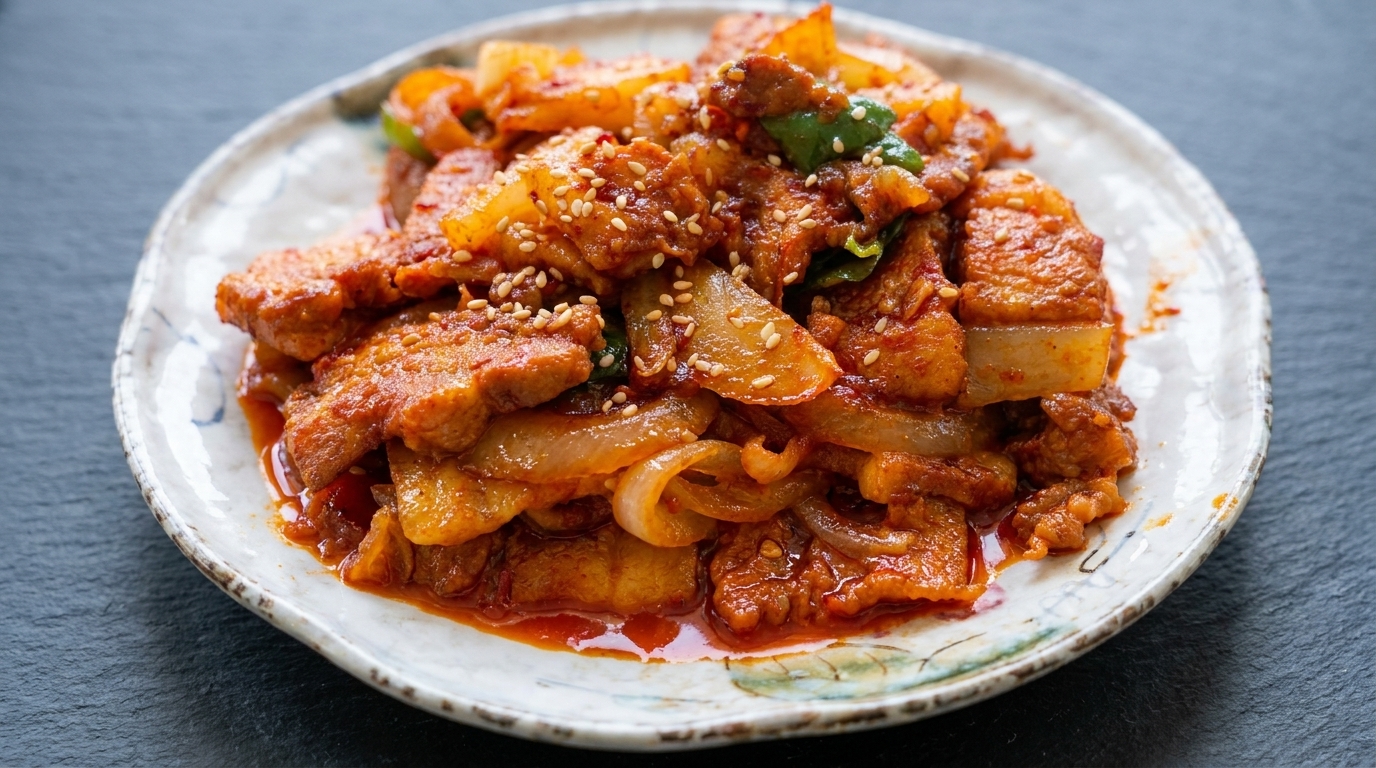
Master the art of Jeyuk-bokkeum with this recipe featuring tender pork belly caramelized in a vibrant, sweet, and spicy gochujang glaze.
Jeyuk-bokkeum is a beloved Korean soul food staple, often served at local diners and family tables across the peninsula. The dish is defined by its deep, fermented heat from gochujang and the natural sweetness of caramelized onions. Unlike its soy-based cousin Bulgogi, this stir-fry offers a punchy, bold flavor profile that is essential to the Korean culinary experience.
Ingredients
- 500 g pork leg
- 500 g pork belly
- 2 tbsp Korean chili paste (gochujang)
- 2 tbsp white sugar
- 1 tsp black pepper
- 1 tbsp sesame oil
- 2 tbsp Korean chili flakes (gochugaru)
- 1 large white onion, sliced
- 1 tbsp minced garlic
- 1 tbsp cooking oil
- to taste toasted sesame seeds
- optional green onions, chopped
Instructions
- 1Slice the pork
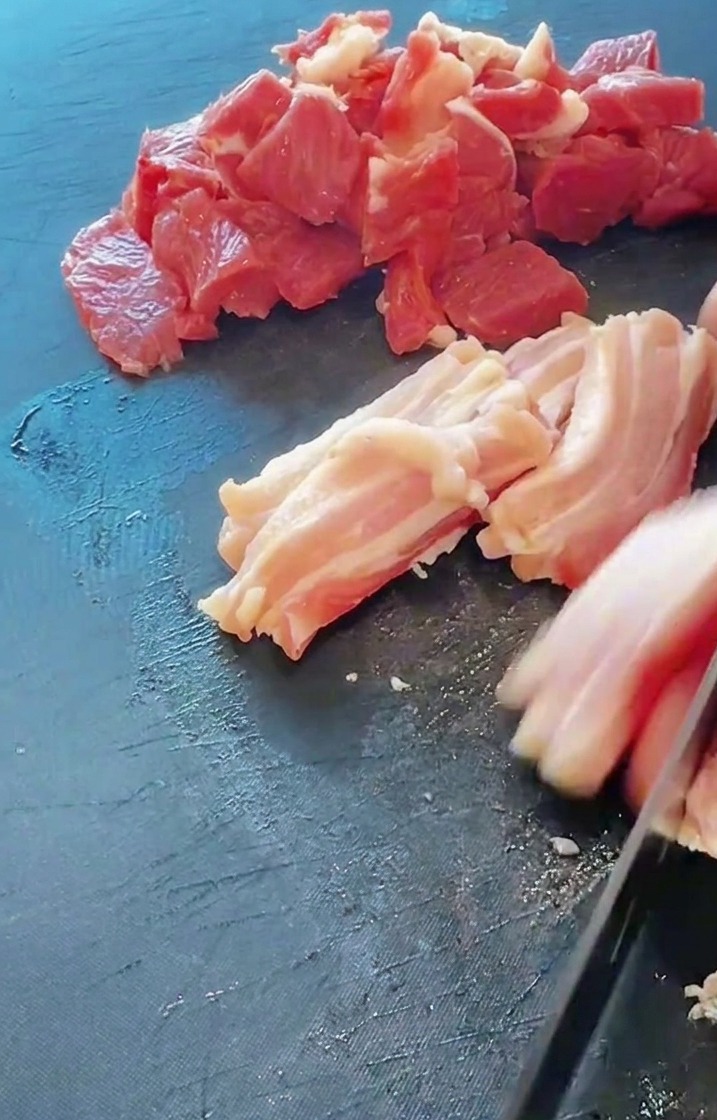
Begin by slicing the pork leg and pork belly into bite-sized strips. Using a mix of lean leg meat and fatty pork belly ensures a perfect balance of texture and flavor in the final stir-fry.
Tip: For easier slicing, place the meat in the freezer for about 20-30 minutes until it is firm but not frozen solid. - 2Season the meat
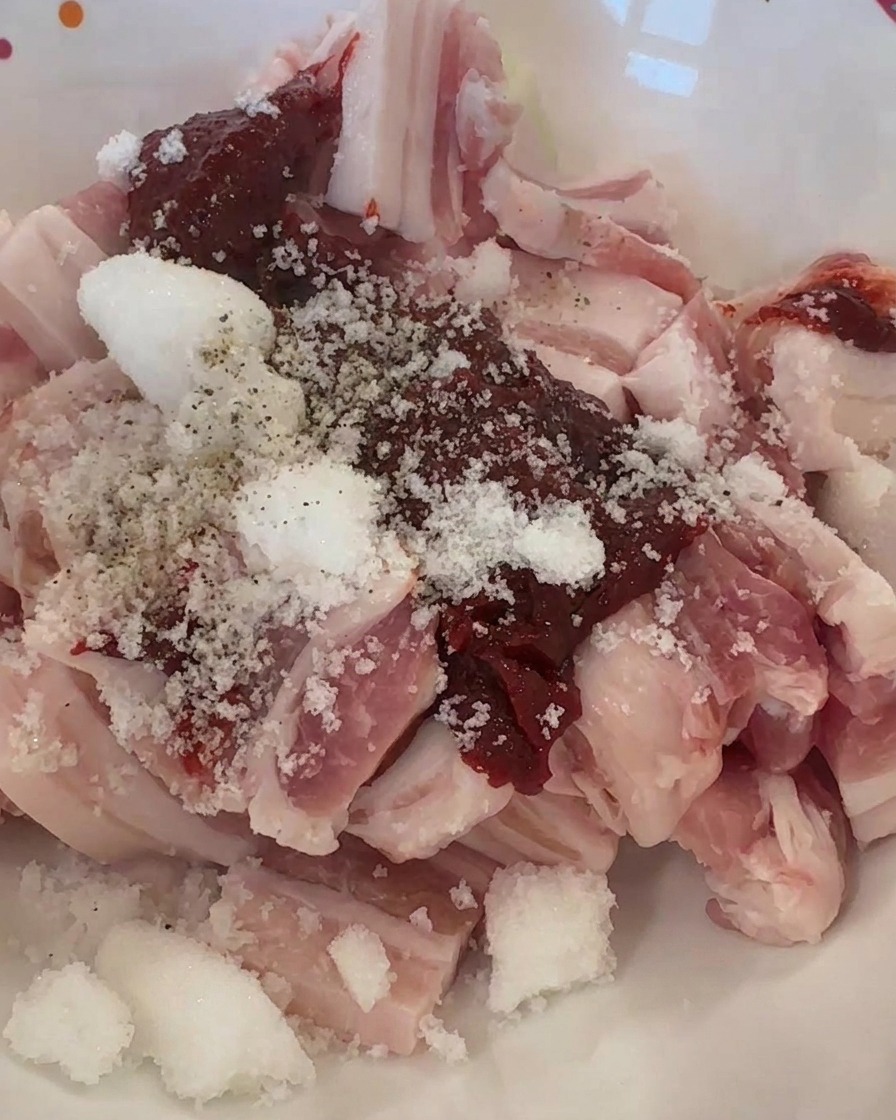
Place the sliced pork into a mixing bowl and add the base seasonings. Incorporate two spoonfuls of Korean chili paste, two spoonfuls of white sugar, and one spoonful of black pepper to provide heat and sweetness.
Tip: You can adjust the amount of sugar depending on how sweet you like your spicy pork; some prefer a more savory-forward profile. - 3Mix the marinade
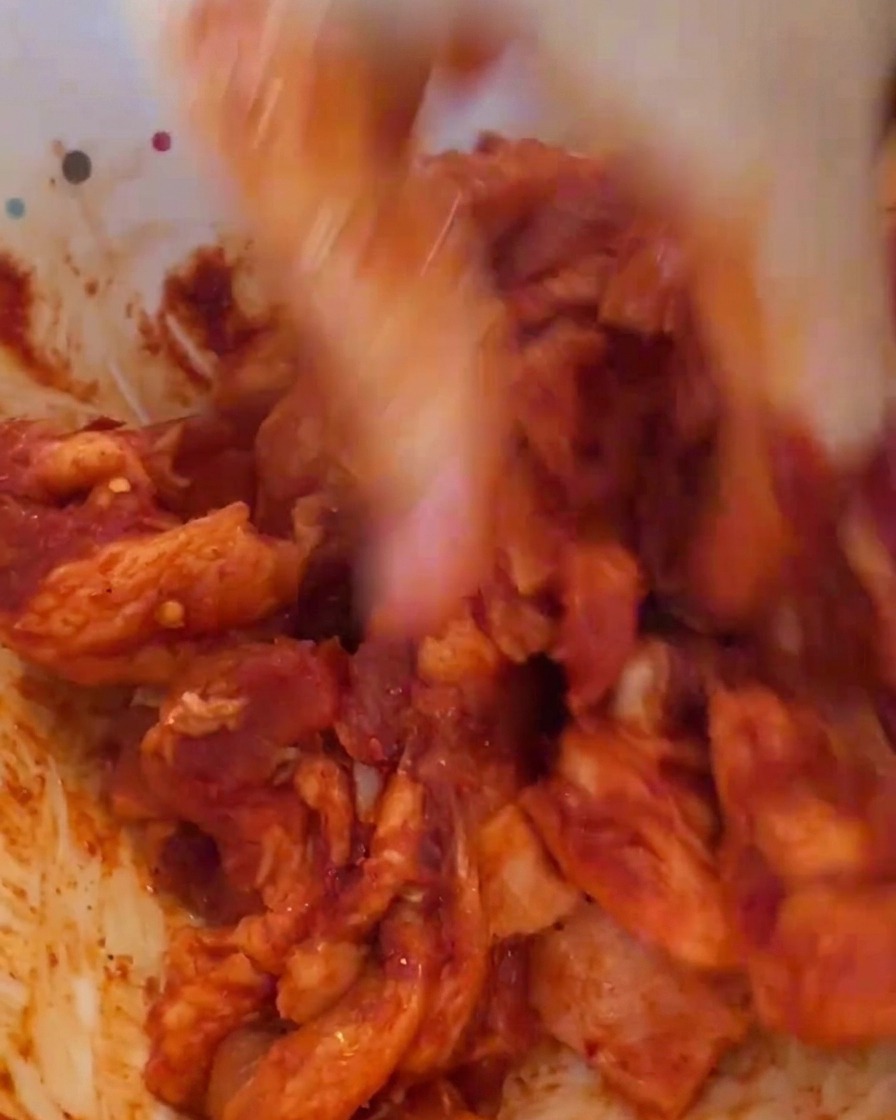
Add one tablespoon of sesame oil and two tablespoons of Korean red chili flakes (gochugaru) to the bowl. Using a gloved hand, massage the marinade into the meat thoroughly to ensure every piece is evenly coated with the vibrant spicy sauce.
Tip: Using your hands allows you to break up any meat pieces that are stuck together, ensuring the marinade reaches every surface. - 4Incorporate onions and marinate
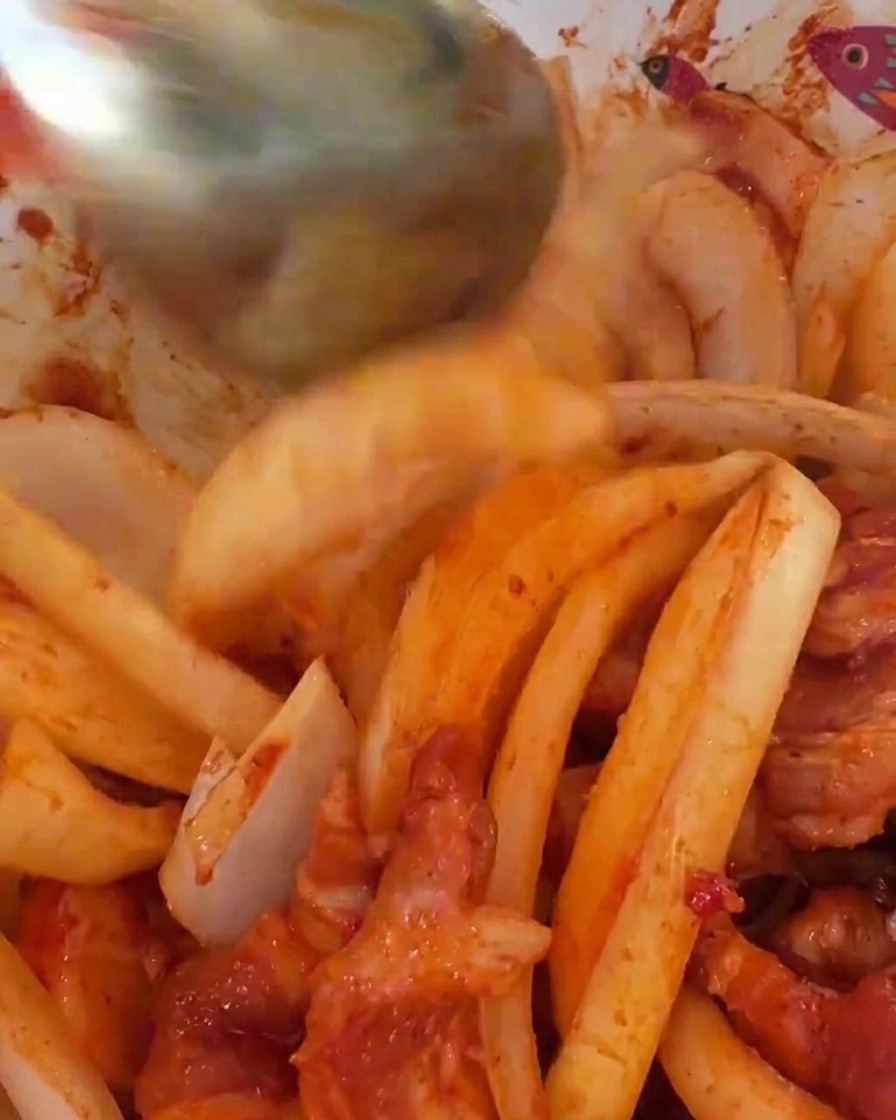
Add a generous amount of sliced white onions to the bowl. Stir them into the pork mixture until combined, then let the meat marinate for at least half an hour to allow the flavors to penetrate.
Tip: Marinating for longer, or even overnight in the fridge, will result in much more tender and flavorful pork. - 5Sauté the garlic
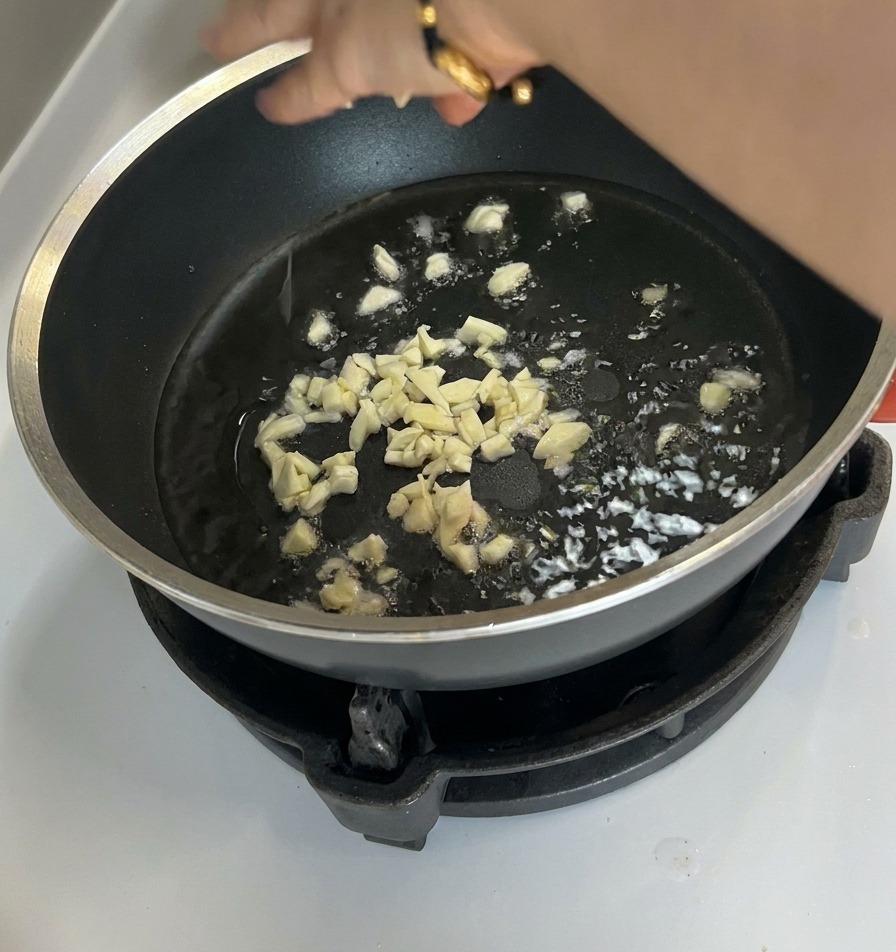
Heat a small amount of cooking oil in a pan over medium heat. Once hot, add the minced garlic and sauté it briefly until it becomes fragrant and begins to sizzle, taking care not to burn it.
Tip: Garlic burns quickly and becomes bitter, so keep it moving in the pan and be ready to add the meat as soon as you smell the aroma. - 6Stir-fry until cooked
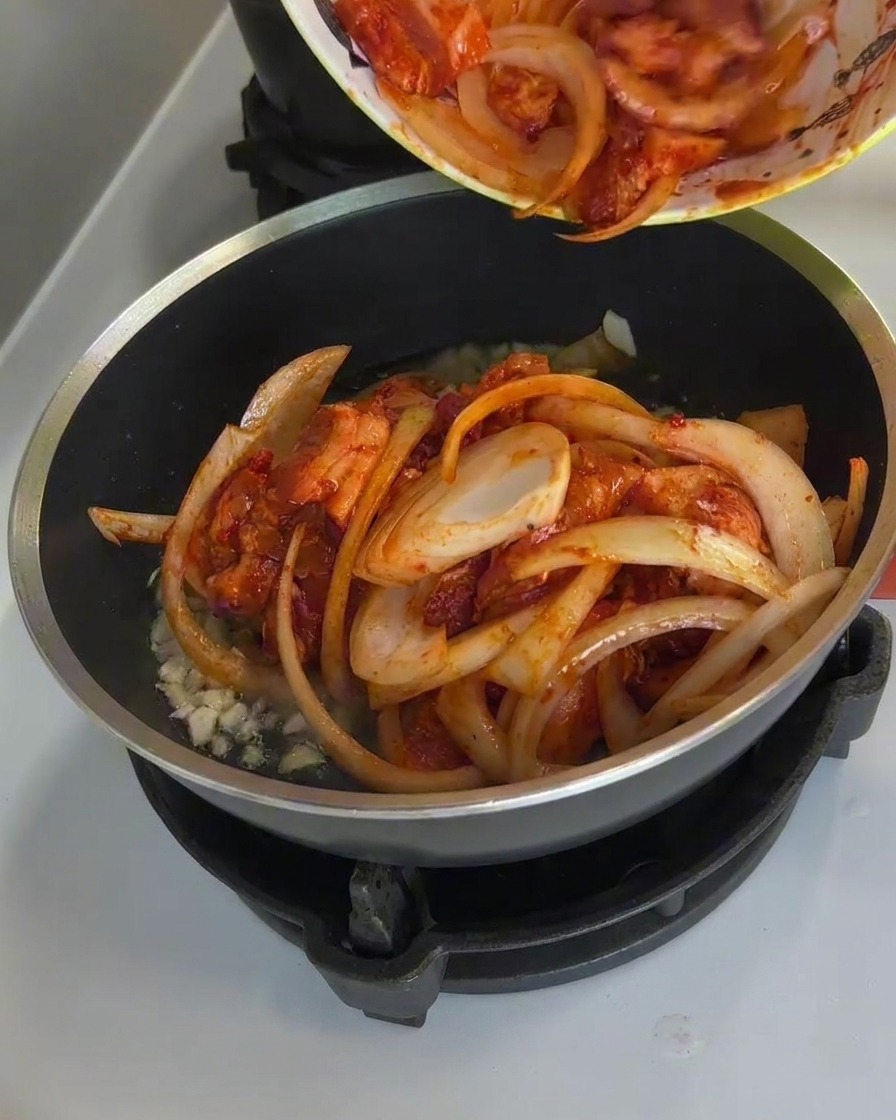
Transfer the marinated pork and onions into the pan with the sautéed garlic. Stir-fry over medium-high heat, moving the meat constantly until it is fully cooked and the onions have softened and caramelized.
Tip: Stir-frying on a higher heat helps create a slightly charred exterior on the pork, mimicking the flavor of traditional Korean BBQ.