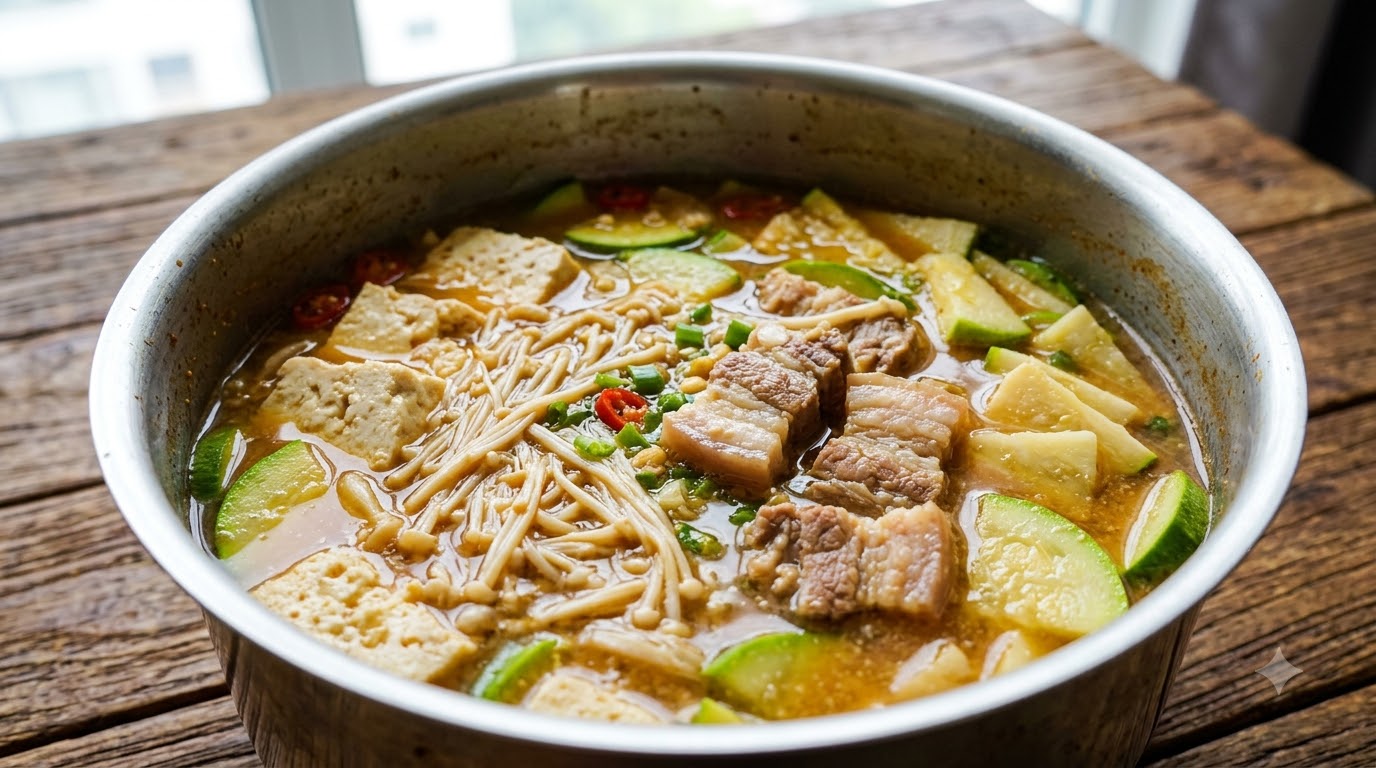
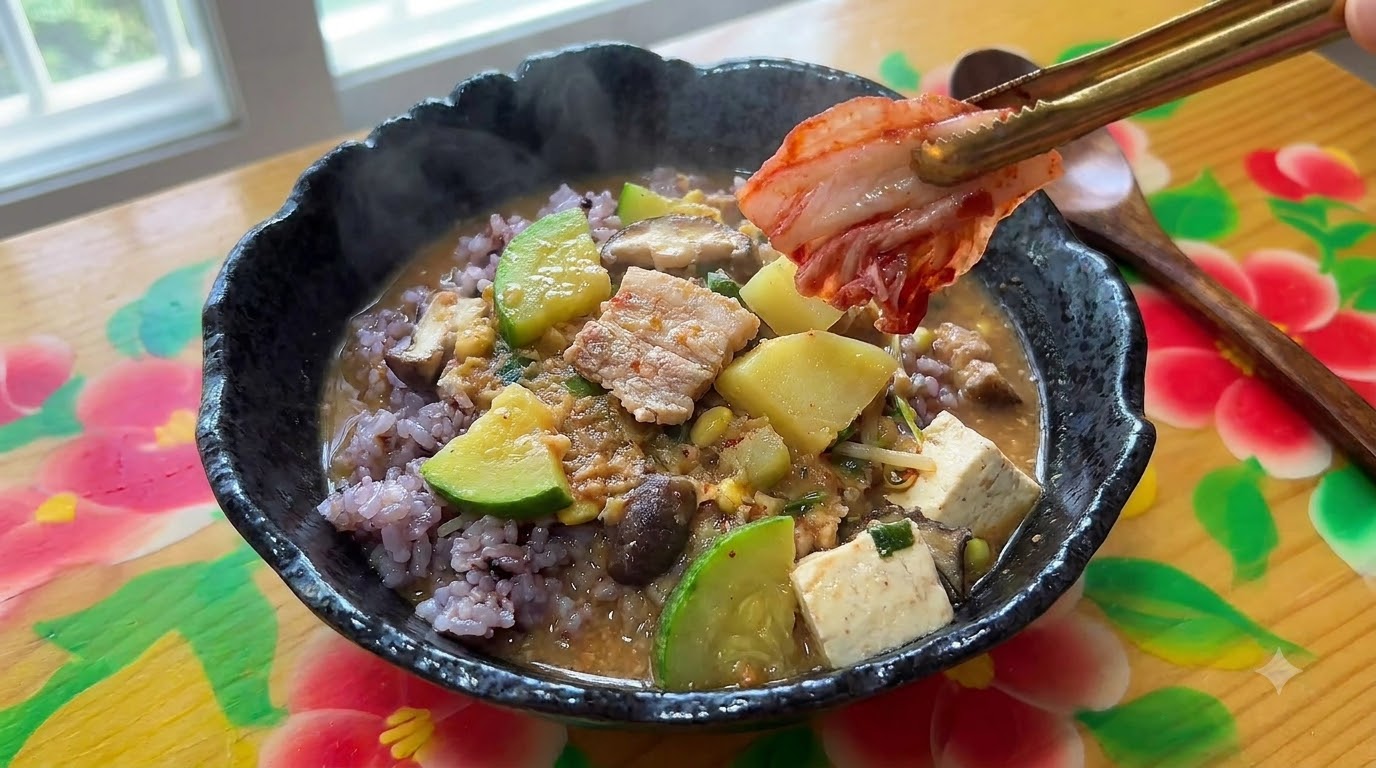
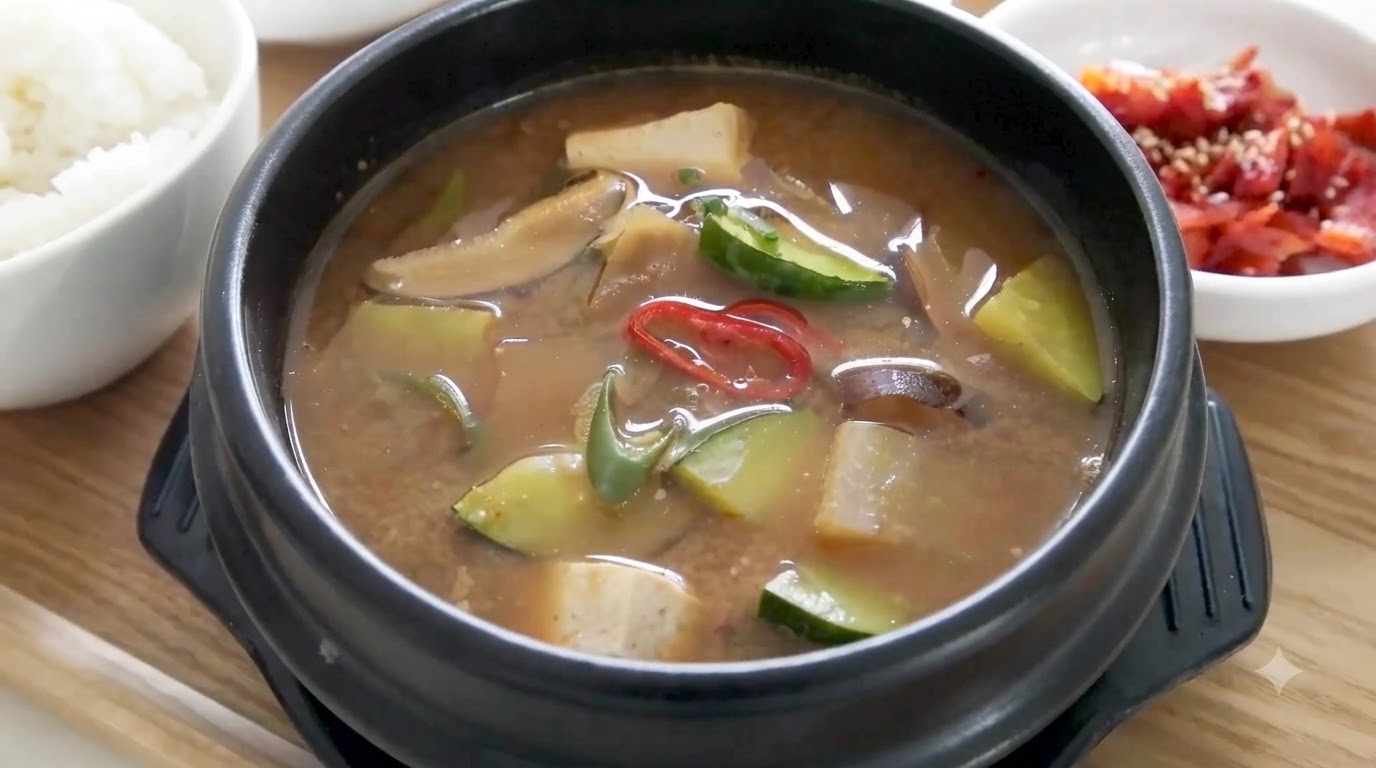
Authentic Korean Doenjang Jjigae (Soybean Paste Stew)
Experience the ultimate Korean comfort food with this hearty Doenjang Jjigae. A savory soybean paste broth loaded with tender pork, fresh vegetables, and soft tofu.
Doenjang Jjigae is a foundational dish in Korean home cooking, celebrated for its deeply savory, earthy, and comforting flavor profile. The soul of the stew lies in doenjang, a fermented soybean paste that provides a rich umami base. Paired with everyday vegetables and a protein like pork, this stew represents the warmth of a traditional Korean family meal.
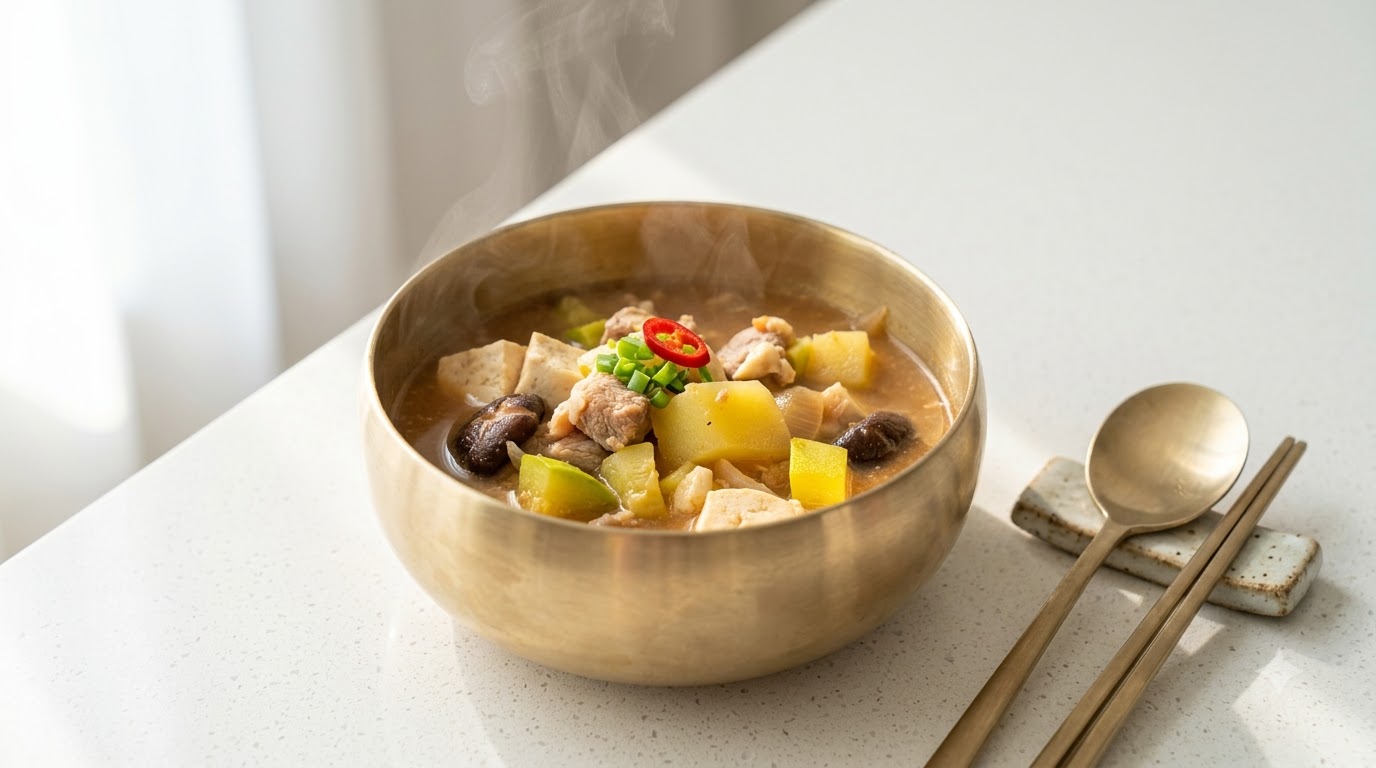
Ingredients
- 2 cups water or anchovy broth
- 2 tbsp Korean soybean paste (doenjang)
- 150 g pork (belly or shoulder), diced
- 2 shiitake mushrooms, diced
- 1/2 onion, diced
- 1 scallion, chopped
- 1 medium potato, diced
- 1/2 zucchini, diced
- 200 g firm or soft tofu, sliced
- to taste beef bouillon powder
- to taste salt
Instructions
- 1Add and dissolve soybean paste
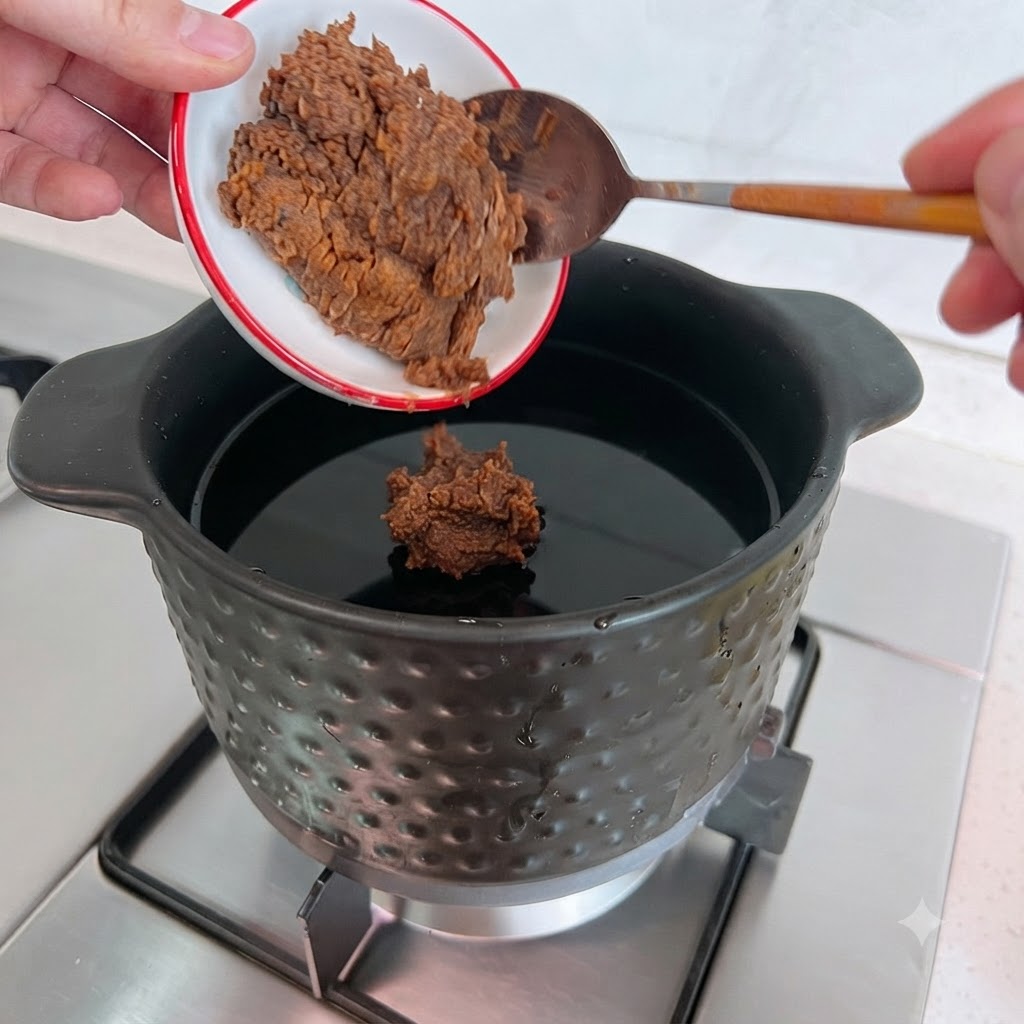
Add a suitable amount of water into the pot. After it boils, add two large spoons of soybean paste and stir evenly to let the paste fully dissolve into the soup. Cover the lid and bring it to a boil again.
Tip: Stir thoroughly to ensure the soybean paste dissolves completely for an even flavor. - 2Add pork pieces
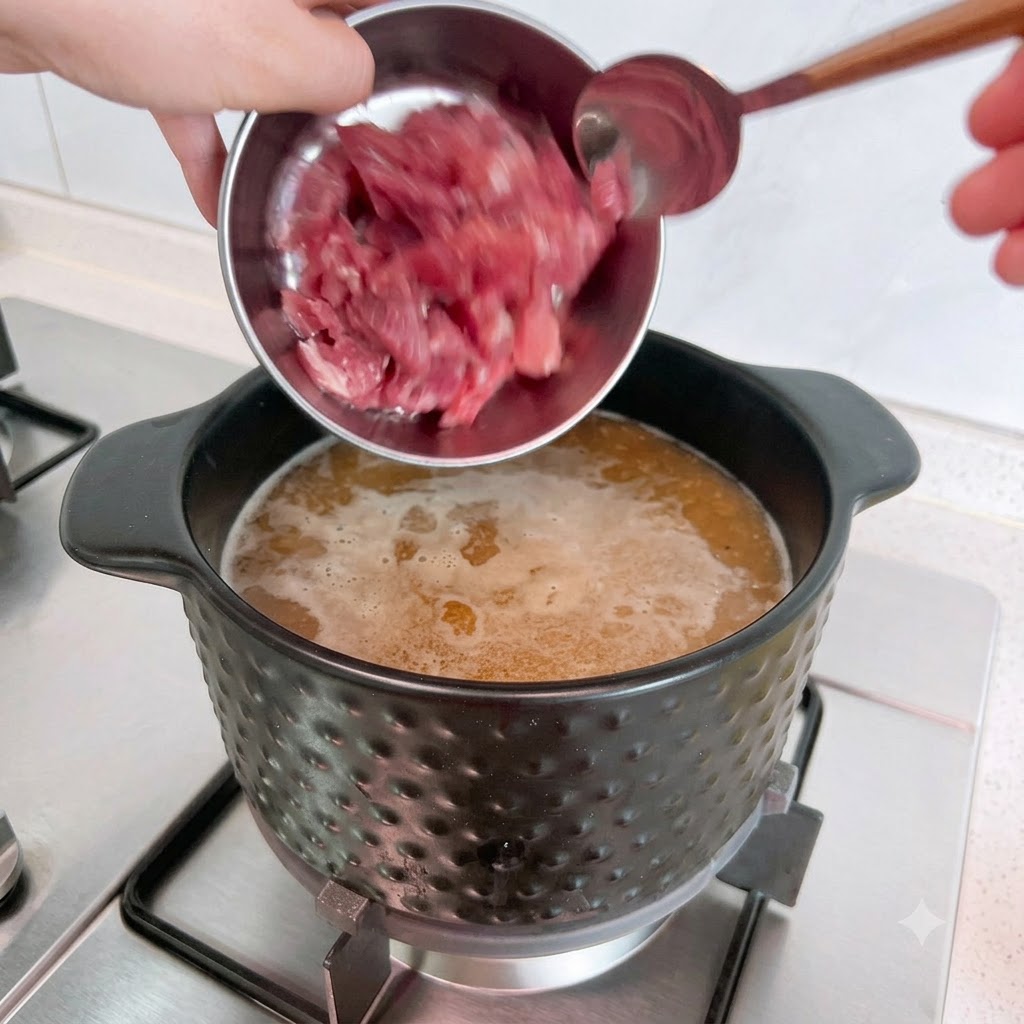
Once the water is boiling, add the pork and cook until it changes color.
Tip: Skim off the foam after adding the pork for a cleaner broth. - 3Skim off foam
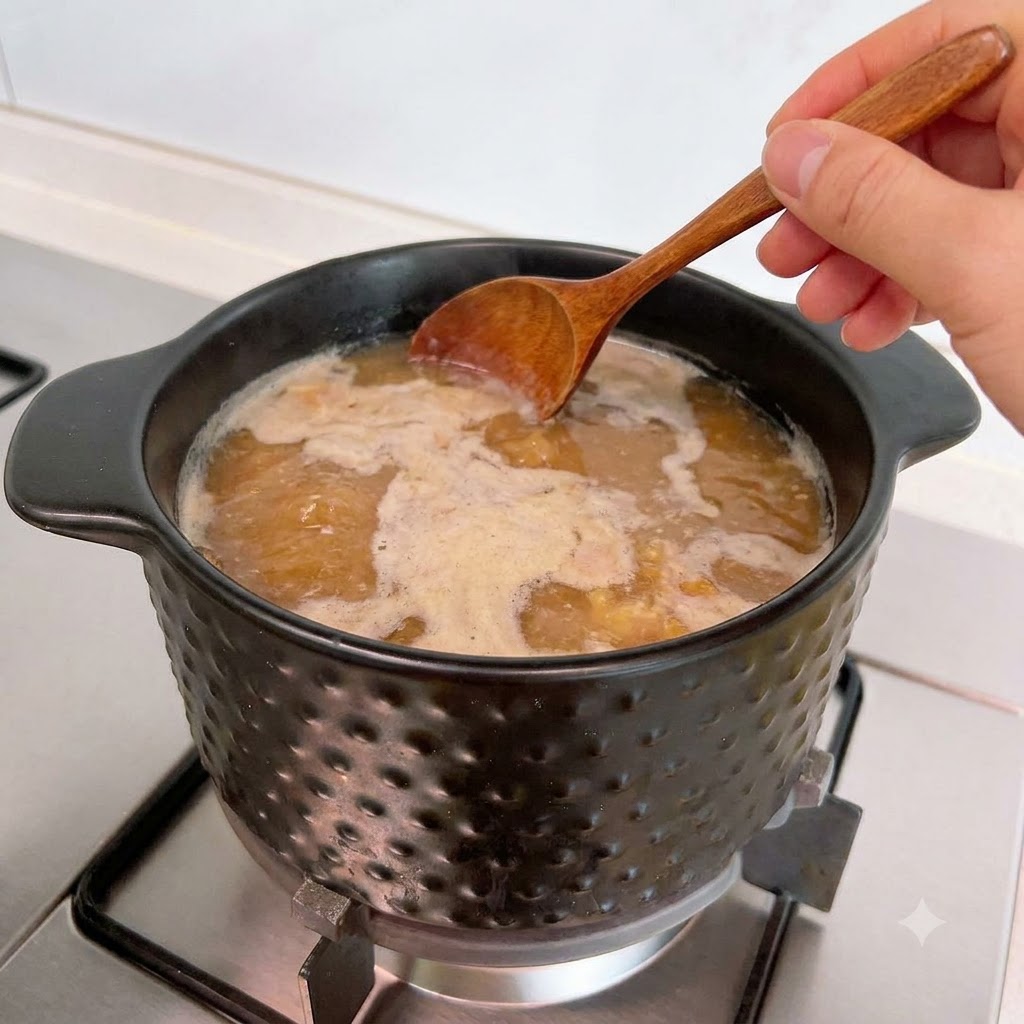
Skim off the foam from the surface of the boiling soup using a spoon before adding other ingredients.
Tip: Removing impurities and foam ensures a clean-tasting broth. - 4Add mushrooms, onions, and scallions
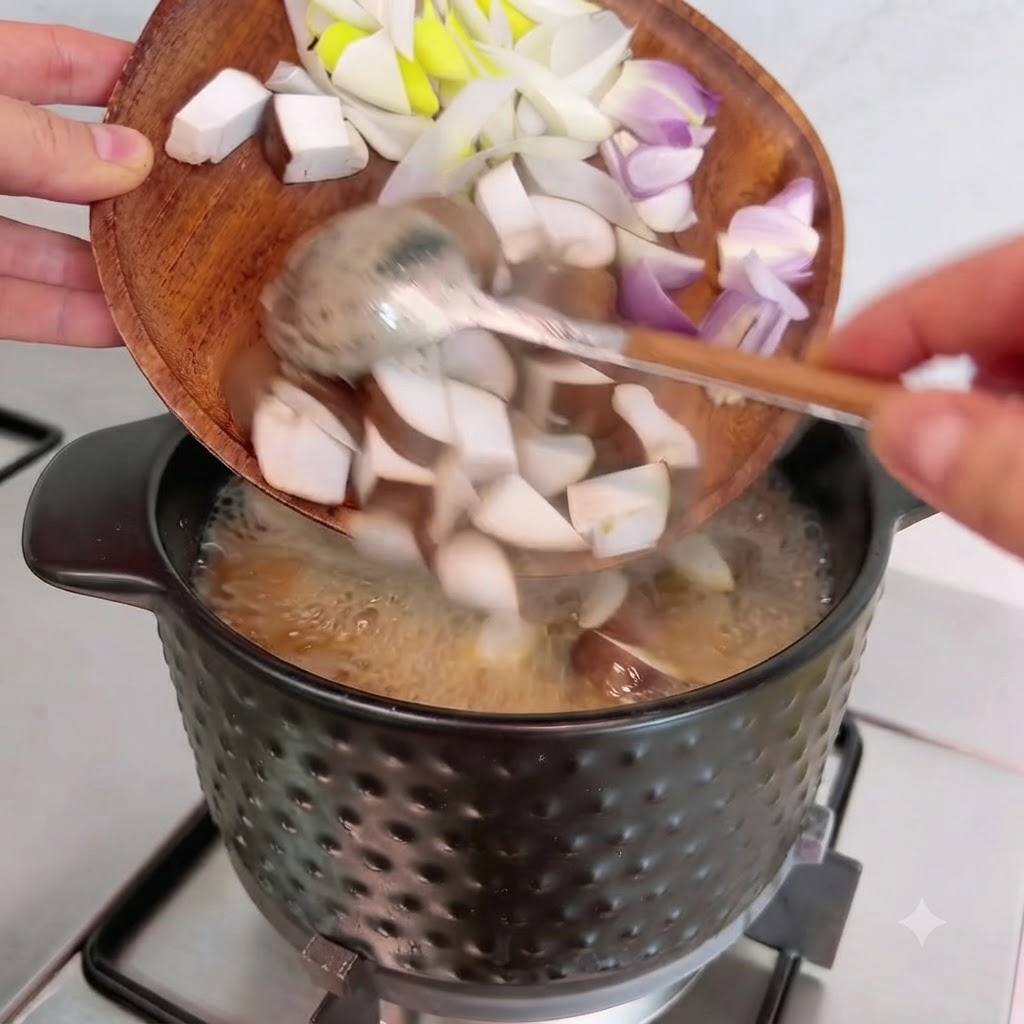
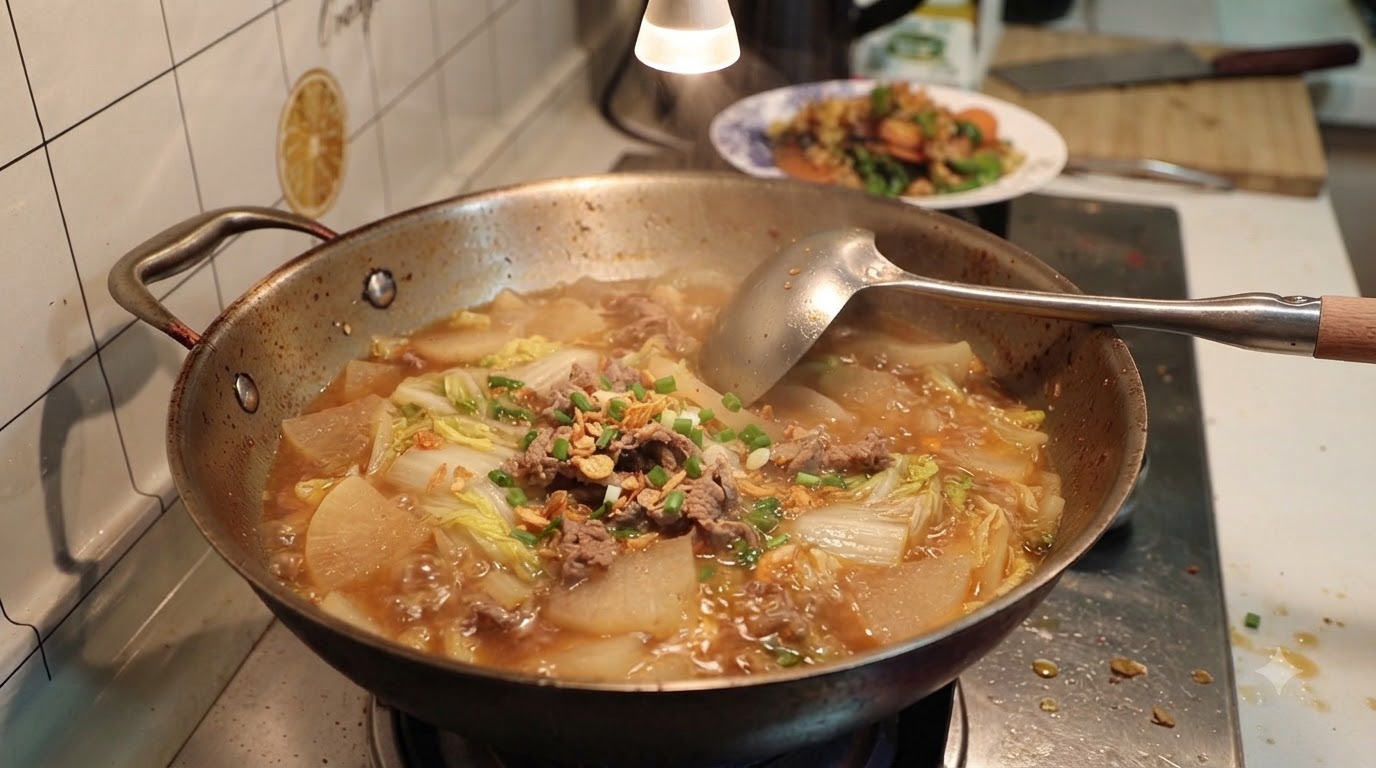
First, add the diced shiitake mushrooms, onions, and scallions into the boiling soup.
Tip: Cut the vegetables into uniform pieces so they cook evenly. - 5Add potatoes and zucchini
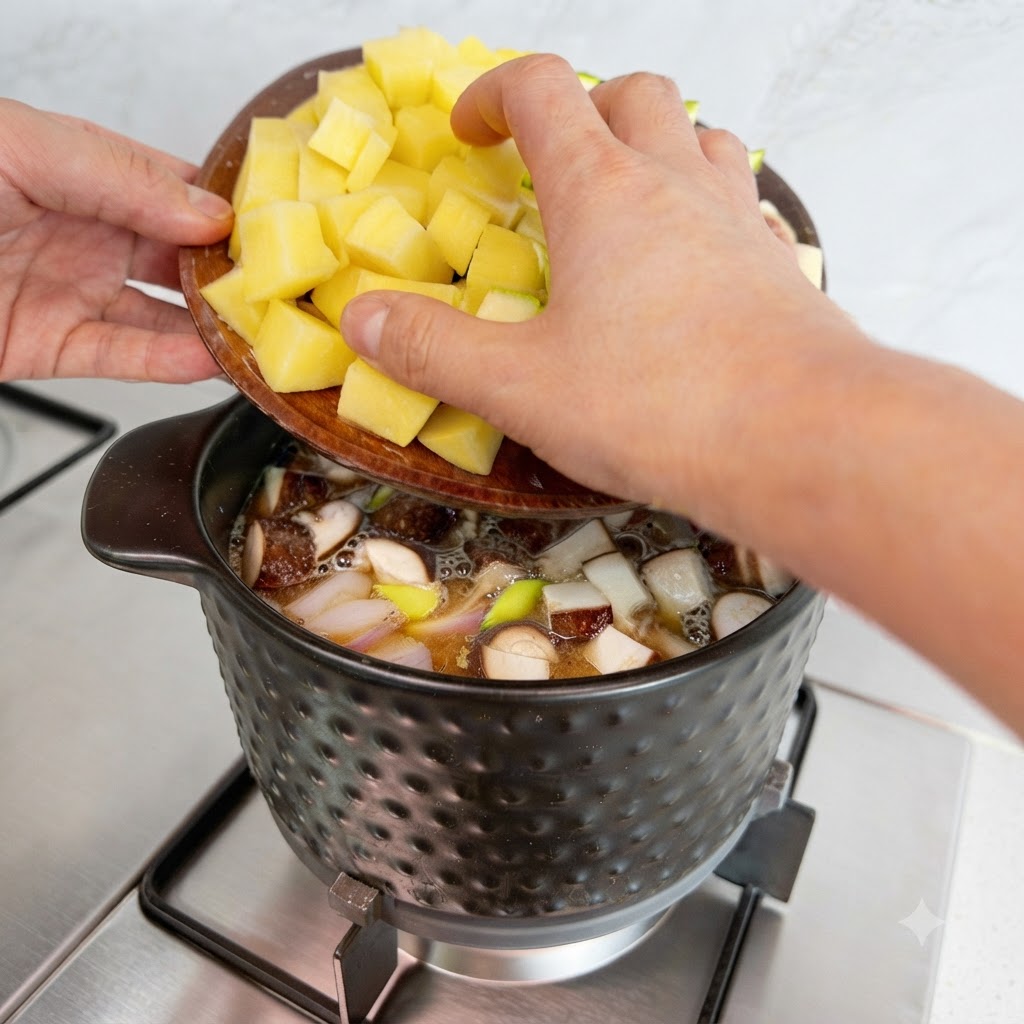
Then add the diced potatoes and zucchini into the pot, and cook for about 5 minutes.
Tip: Simmer gently so the root vegetables absorb the rich broth flavors. - 6Add sliced tofu
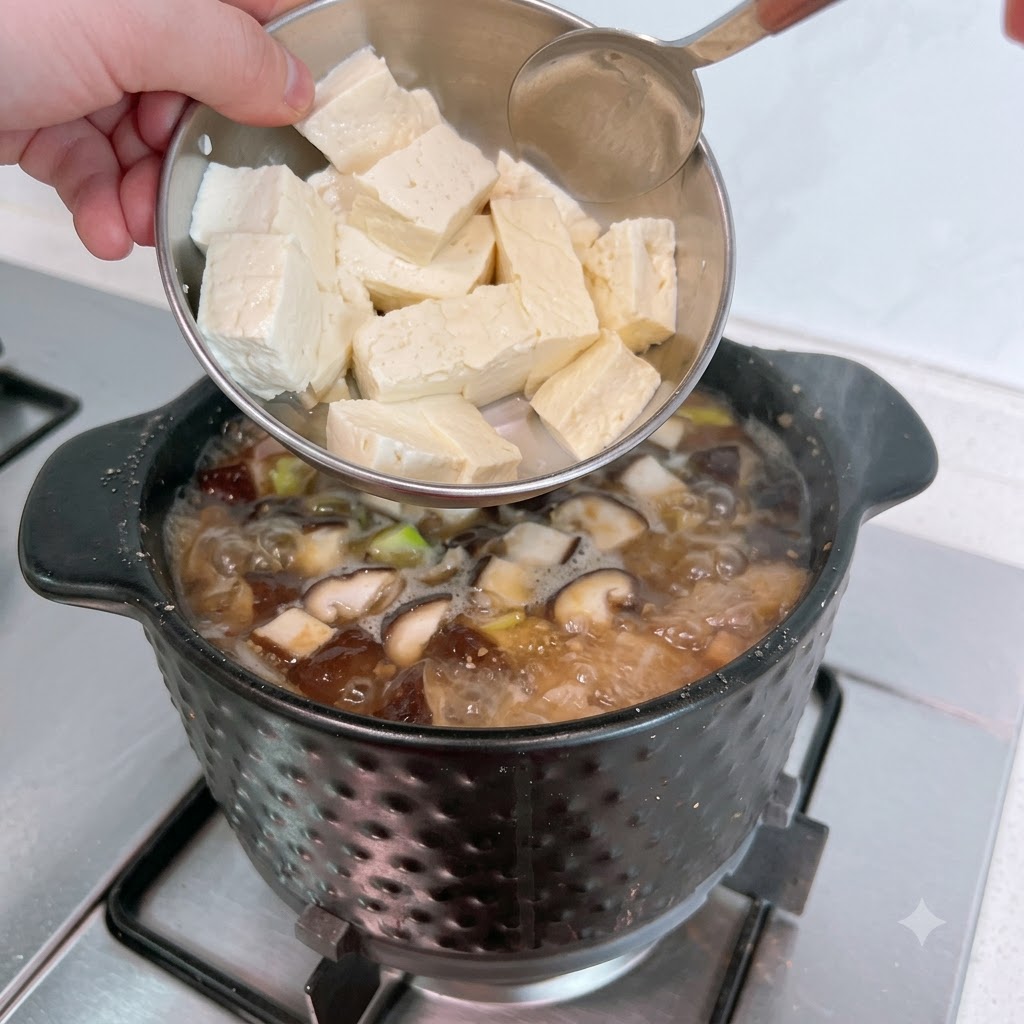
Next, gently add the sliced tofu and continue to cook for about 10 minutes, allowing the tofu to absorb the rich flavors of the broth without breaking apart.
Tip: Add tofu gently to prevent it from breaking apart in the bubbling stew. - 7Season the Soup
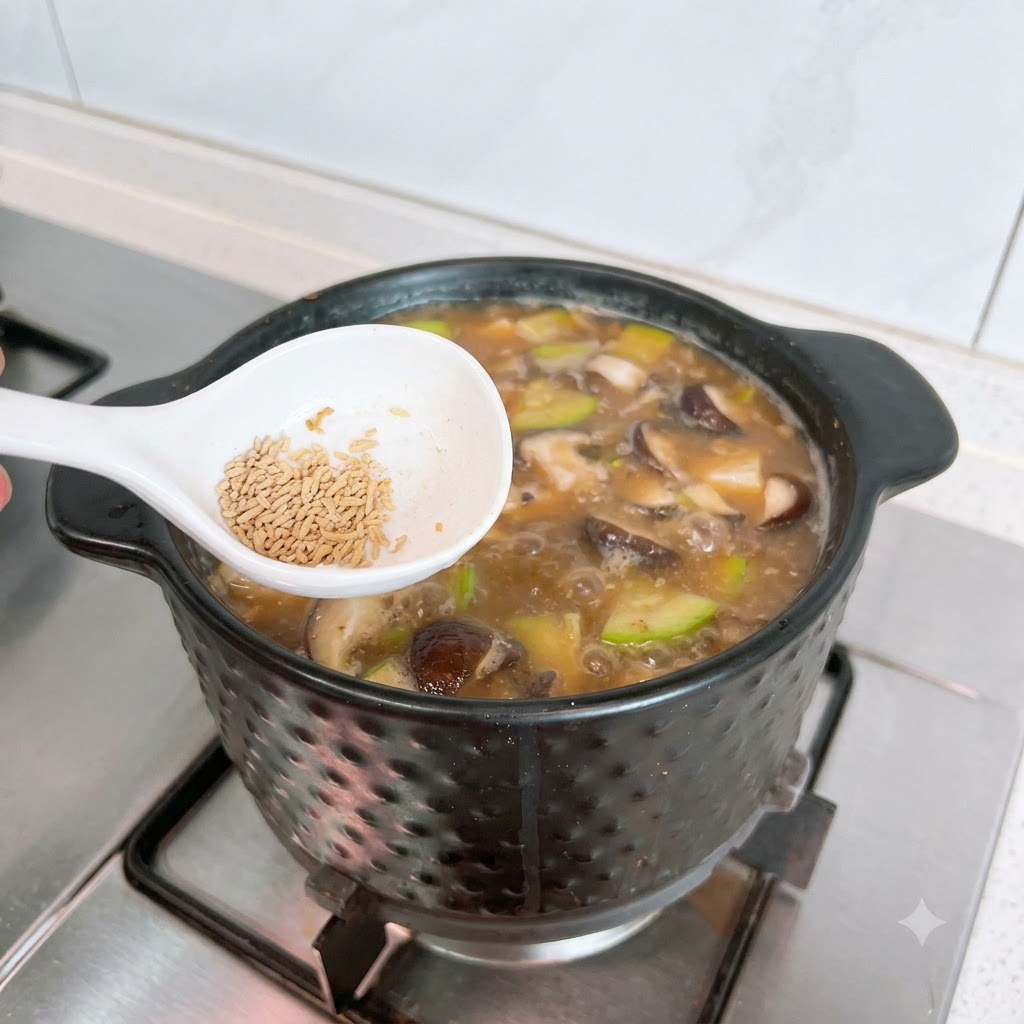
Taste the stew and adjust the seasoning by adding beef bouillon powder and salt to your preference. Simmer on low heat for a few more minutes until all the ingredients are fully cooked, tender, and deeply flavorful.
Tip: Taste the broth gradually after adding seasonings so you do not make it overly salty. - 8Ladle and Serve
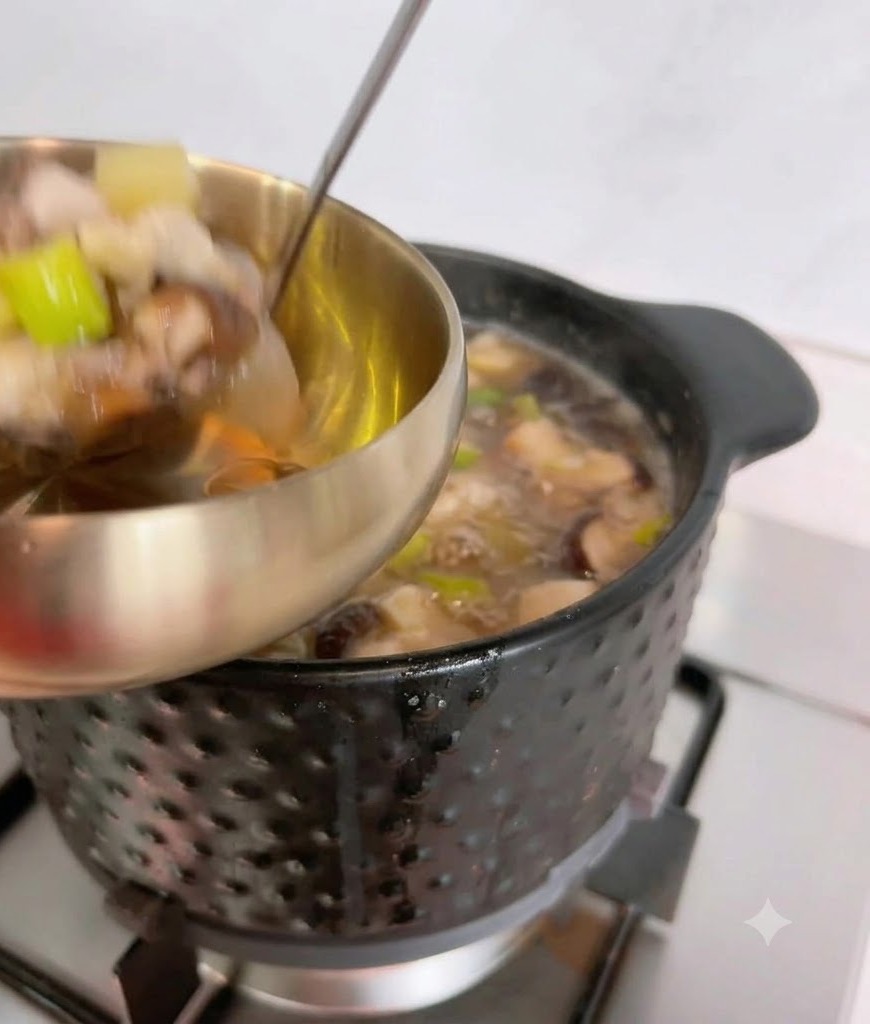
Carefully ladle the fragrant and fully cooked Doenjang Jjigae from the cooking pot into a serving bowl.
Tip: Use a warm serving bowl to help keep the soup hot longer at the table.