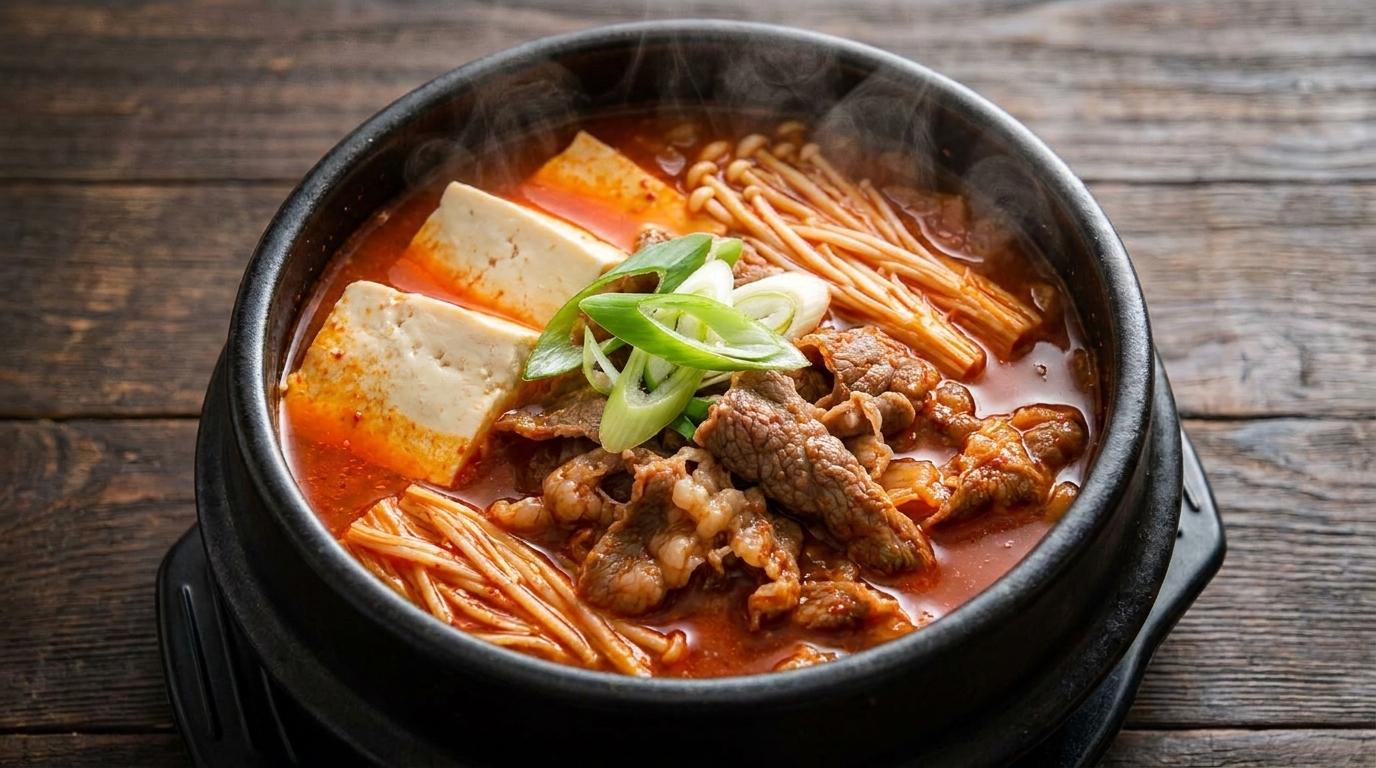
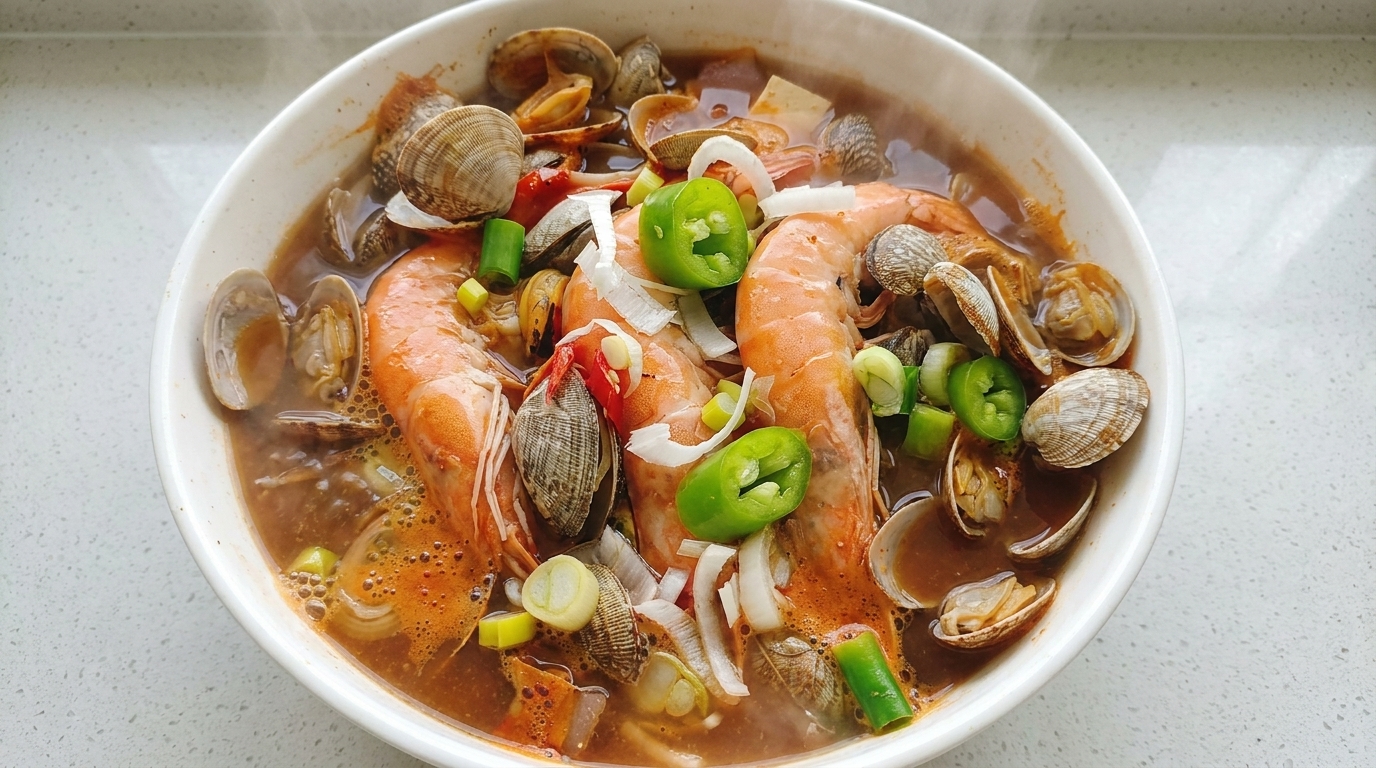
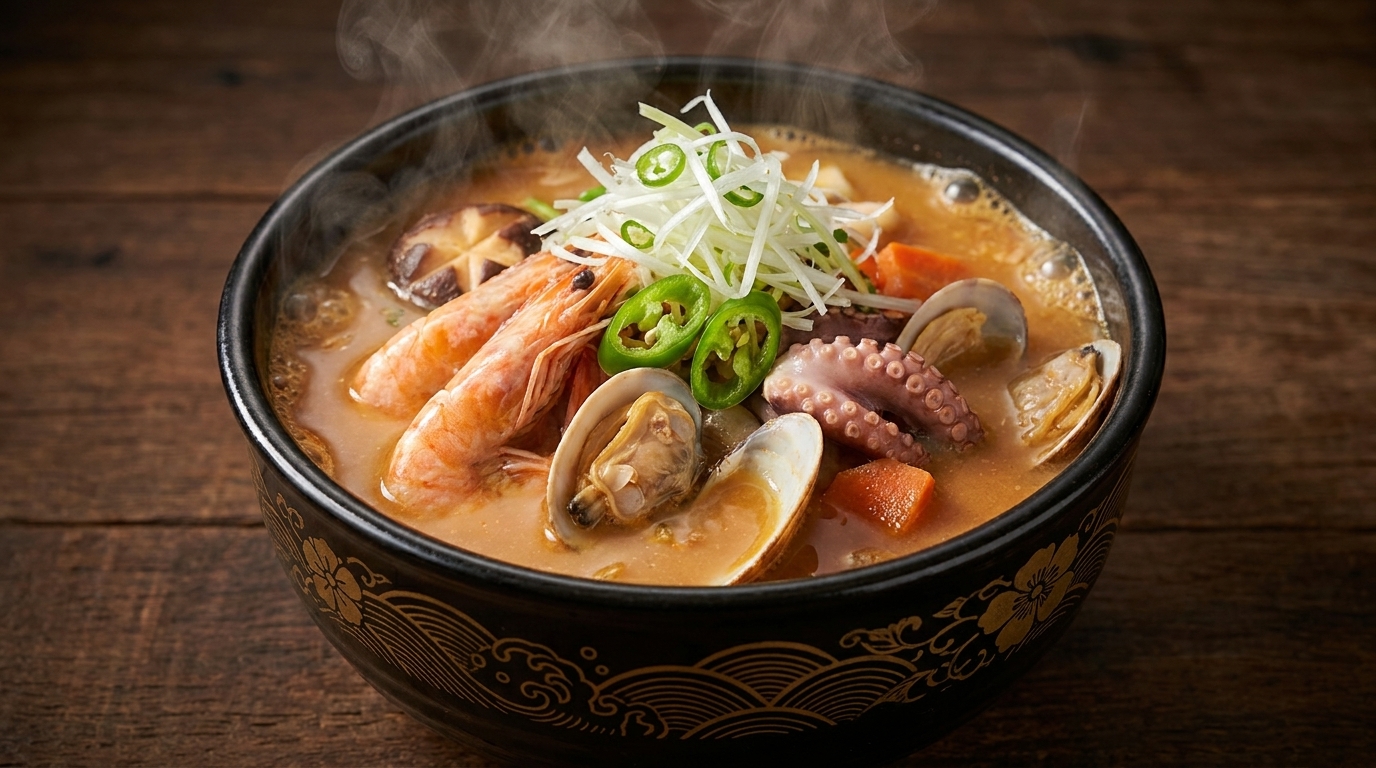
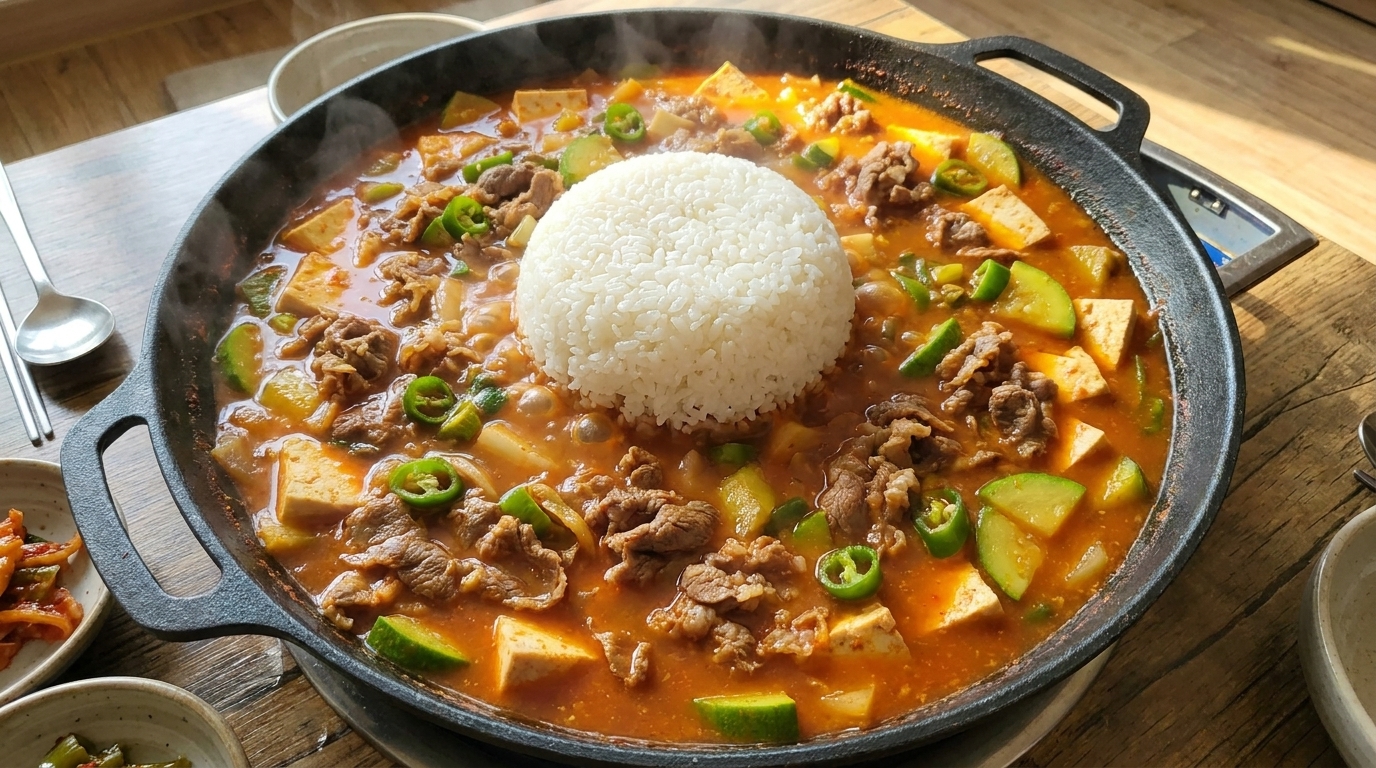
Spicy Korean Seafood Stew (Haemul Doenjang-jjigae)
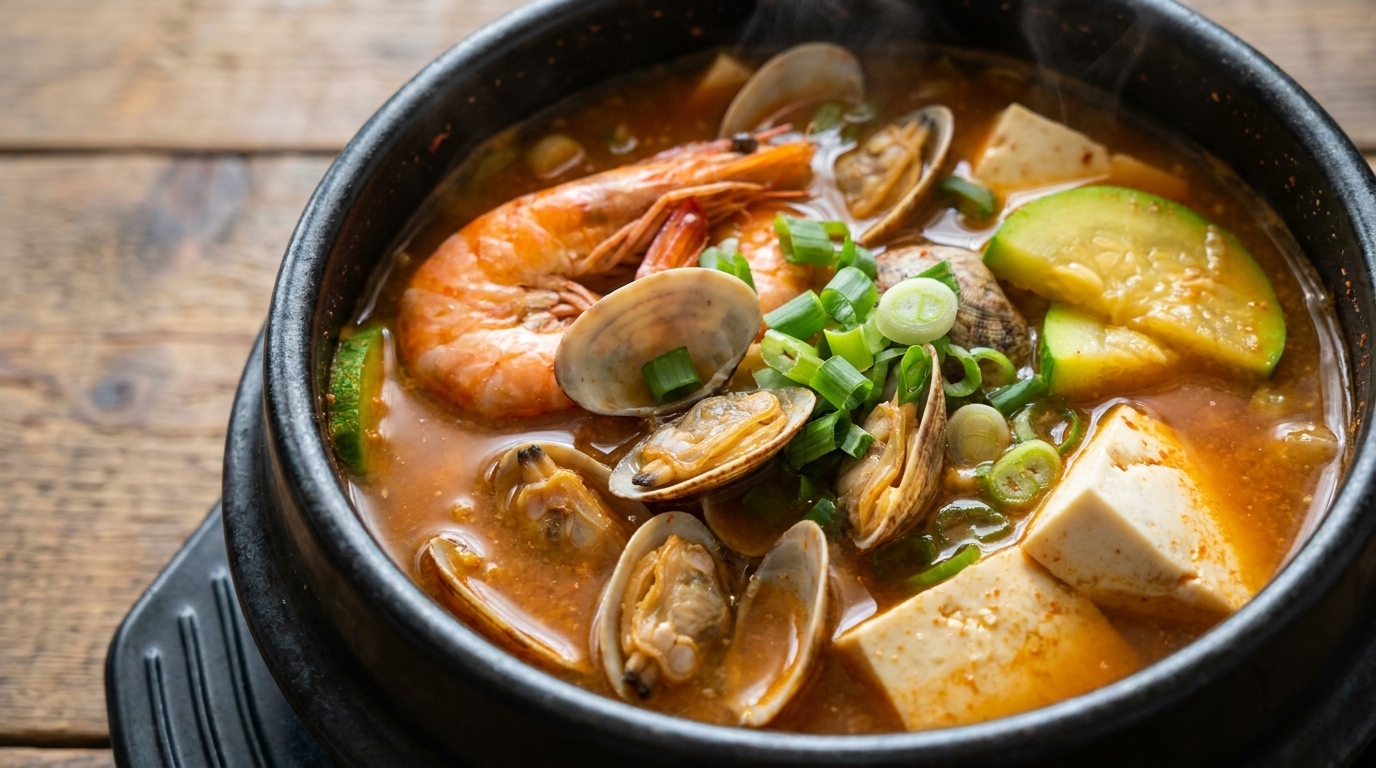
A robust, warming Korean stew featuring a briny seafood broth enriched with fermented soybean paste, spicy gochujang, and tender autumn vegetables.
Doenjang-jjigae is a cornerstone of Korean home cooking, traditionally valued for its deep umami and probiotic benefits. This seafood variation, or Haemul Doenjang-jjigae, elevates the humble soybean paste base with fresh clams and shrimp, creating a sophisticated balance of earthy and marine flavors that is especially cherished during the cooler autumn months.
Ingredients
- 250 g clams
- 250 g fresh shrimp
- 1 block silken tofu
- 1 medium zucchini
- 1 large leek
- 100 g bean sprouts
- 1 tbsp minced garlic
- 2 tbsp Korean soybean paste (doenjang)
- 3 tbsp Korean chili paste (gochujang)
- 500 ml rice water
- 1 tbsp cooking oil
- 1 tbsp salt
- optional green onions
Instructions
- 1Soak the clams
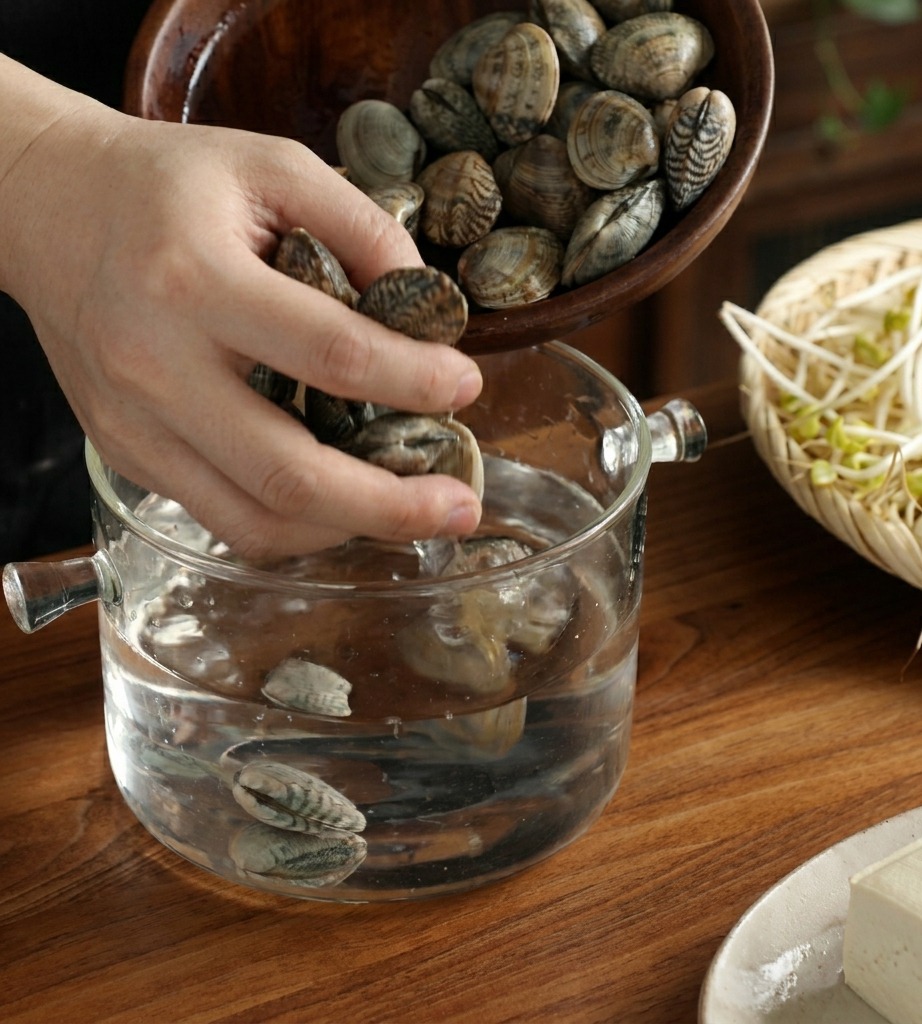
Begin by placing 250g of fresh clams into a glass container filled with clean water. This initial soaking step is the first part of the cleaning process to ensure the seafood is ready for the soup.
Tip: Use room temperature water to encourage the clams to open slightly and begin the purging process. - 2Purge the sand
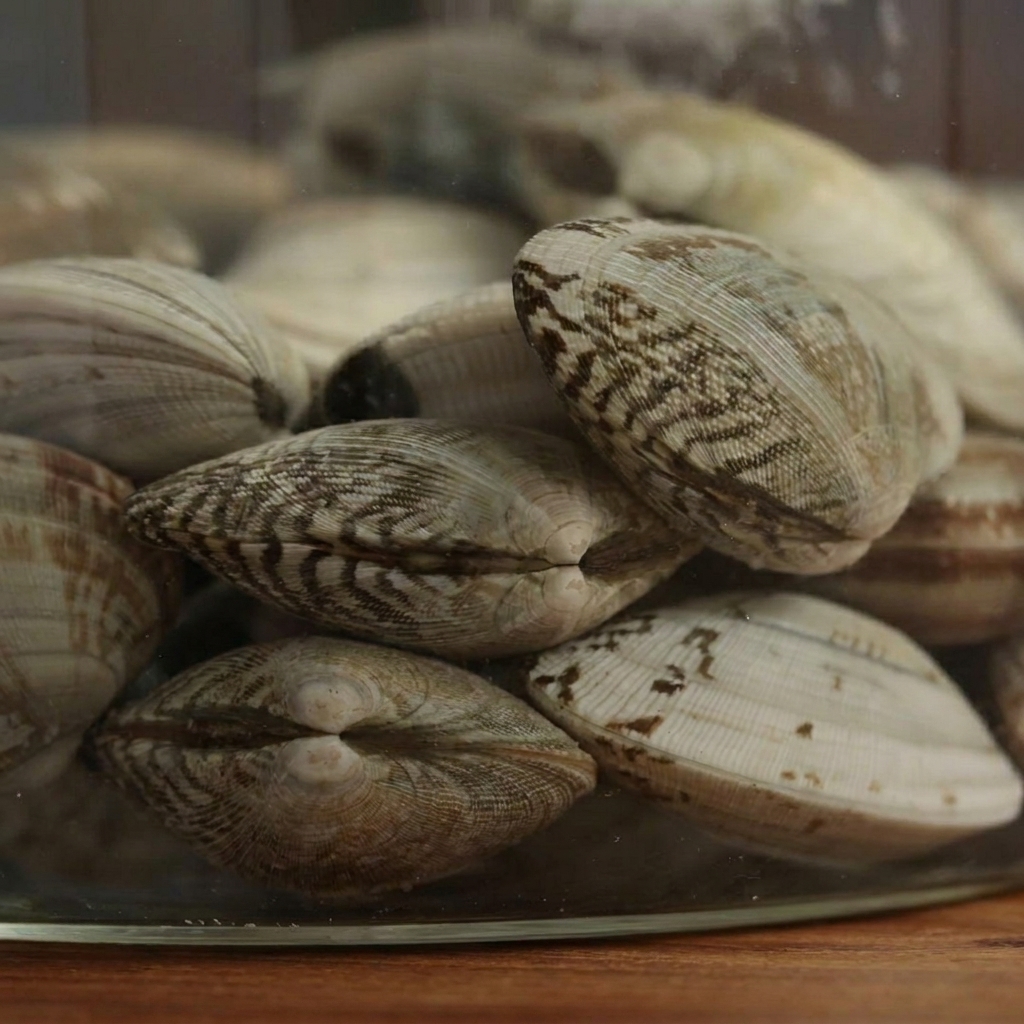
Add a large spoonful of salt to the water with the clams. Allow them to soak for about an hour; the salt mimics seawater, which encourages the clams to expelling any internal sand or grit for a cleaner broth.
Tip: If you have time, placing the container in a dark, cool spot can help the clams purge even more effectively. - 3Devein the shrimp
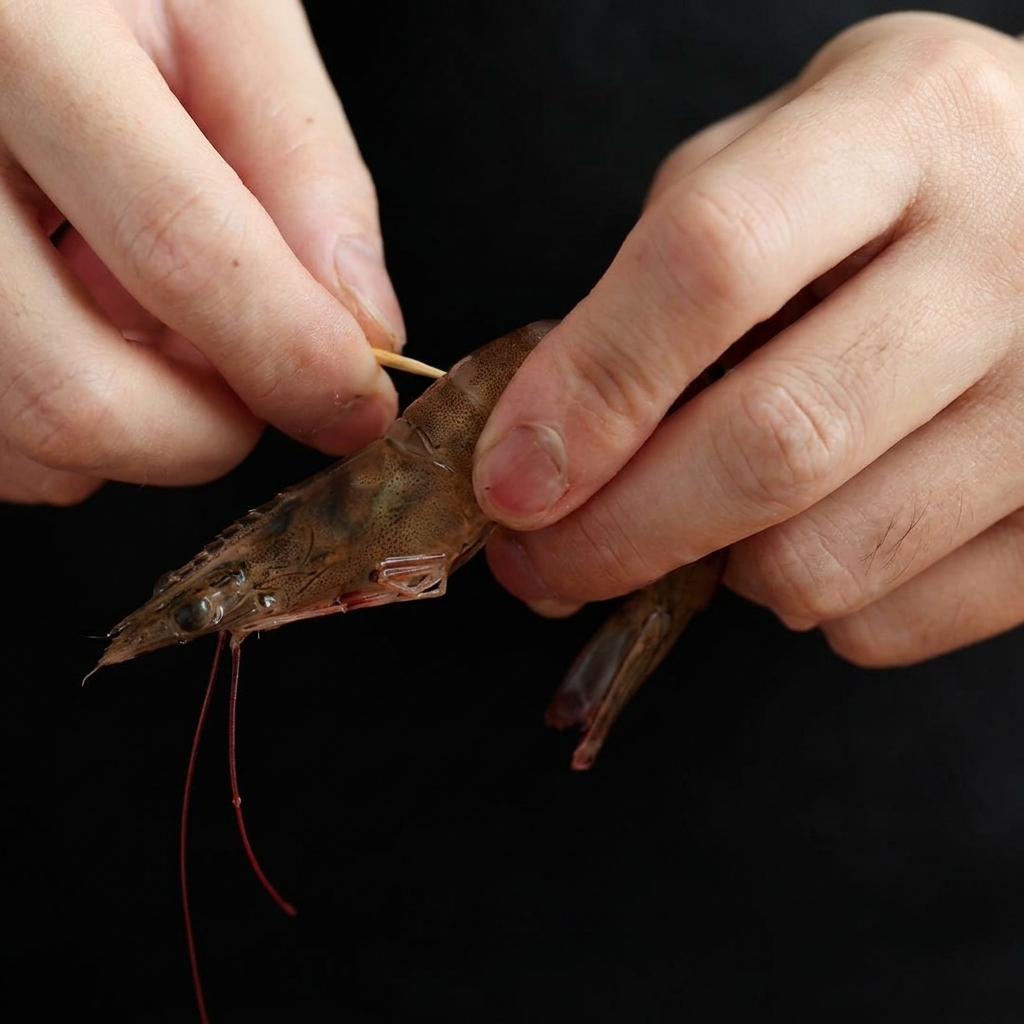
Take 250g of fresh shrimp and use a toothpick to carefully pull out the intestinal veins from the back. This step ensures the shrimp are clean and have a pleasant texture when cooked in the stew.
Tip: Insert the toothpick about two-thirds of the way down the body to pull the vein out in one long piece. - 4Cube the tofu
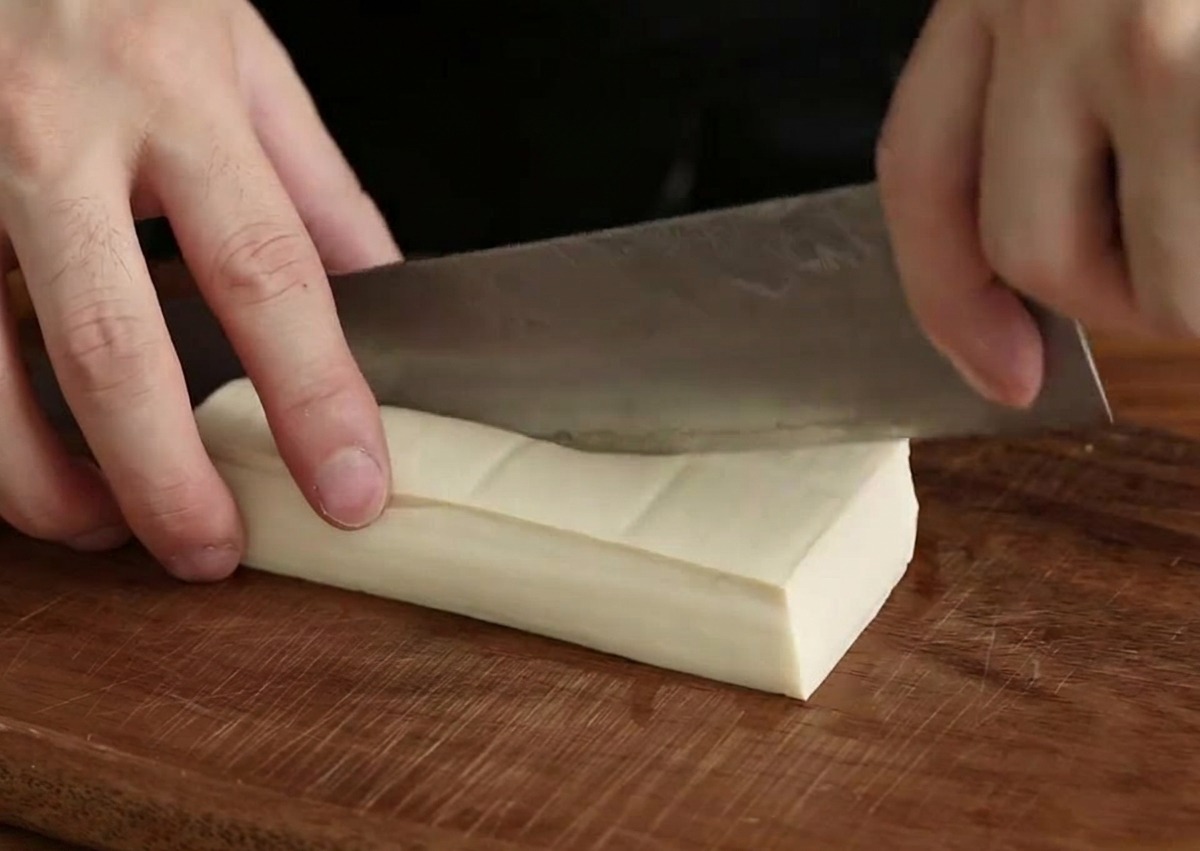
Place a block of white silken tofu on a wooden cutting board. Use a sharp kitchen knife to slice the tofu into uniform square cubes, which will hold their shape well in the boiling soup.
Tip: Handle silken tofu gently as it is very delicate and can break apart easily. - 5Slice the leeks
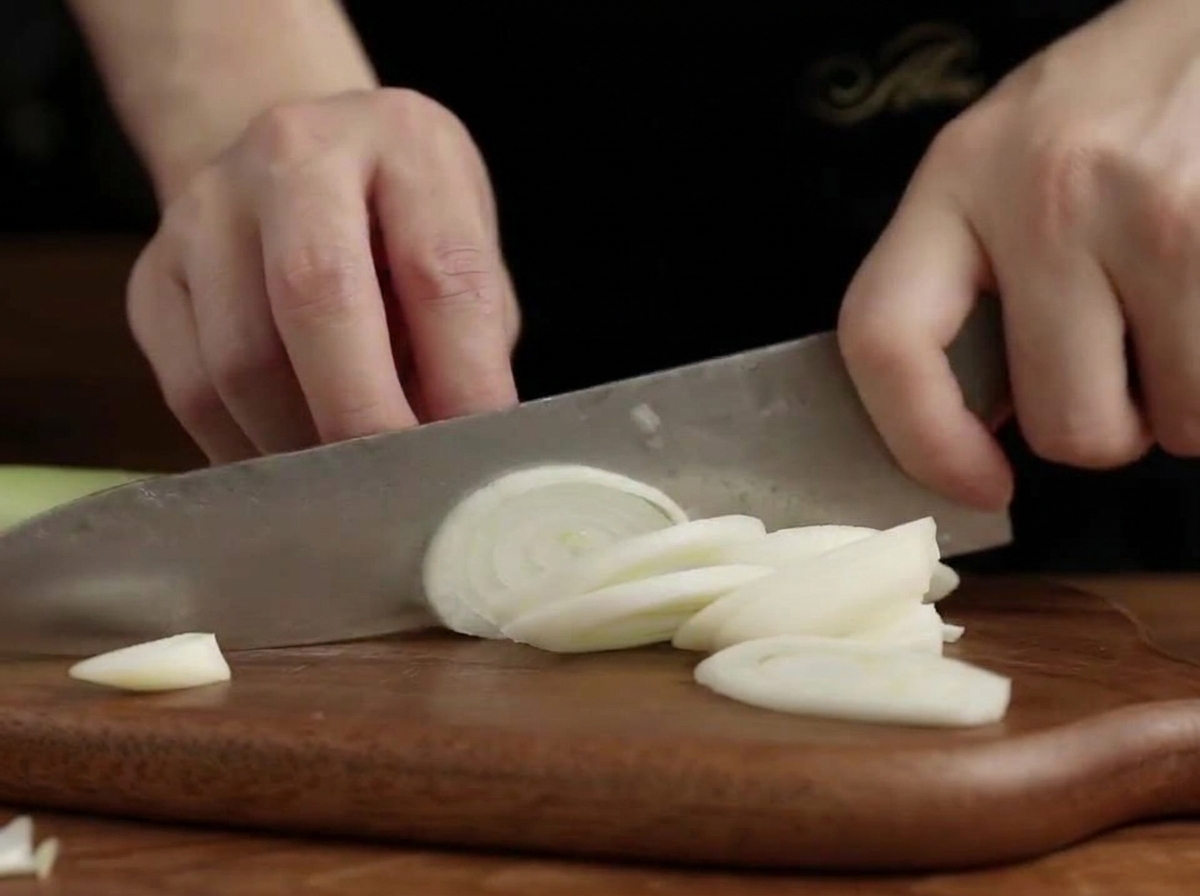
Prepare the aromatics by slicing leeks diagonally into thin, elegant pieces. These will be stir-fried later to create a fragrant base for the seafood miso broth.
Tip: Cutting on a diagonal (bias cut) increases the surface area, allowing the leeks to release more flavor into the oil. - 6Prep the zucchini
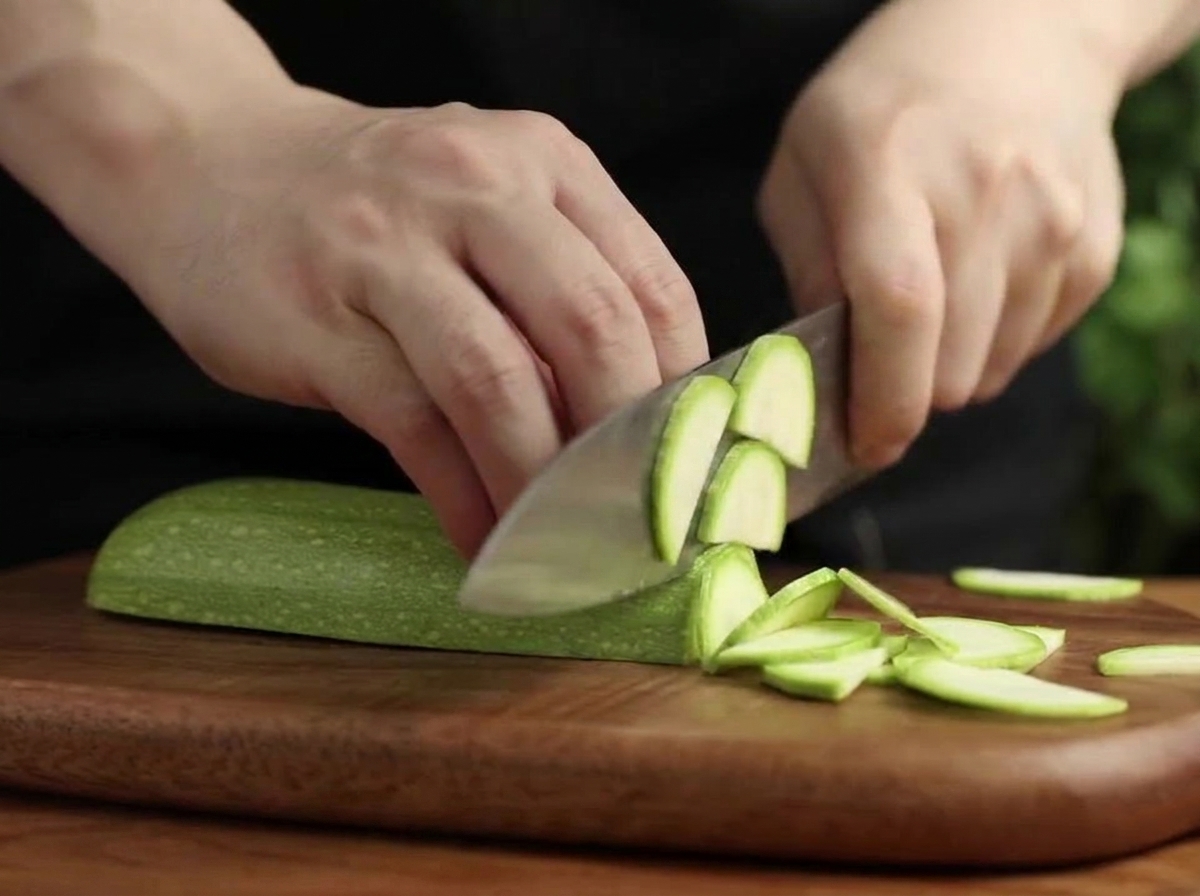
Slice a fresh green zucchini into thin half-moon shapes. These slices cook quickly and add a lovely texture and color to the autumn seafood stew.
Tip: Try to keep the slices around the same thickness so they all soften at the same rate in the soup. - 7Sauté the aromatics
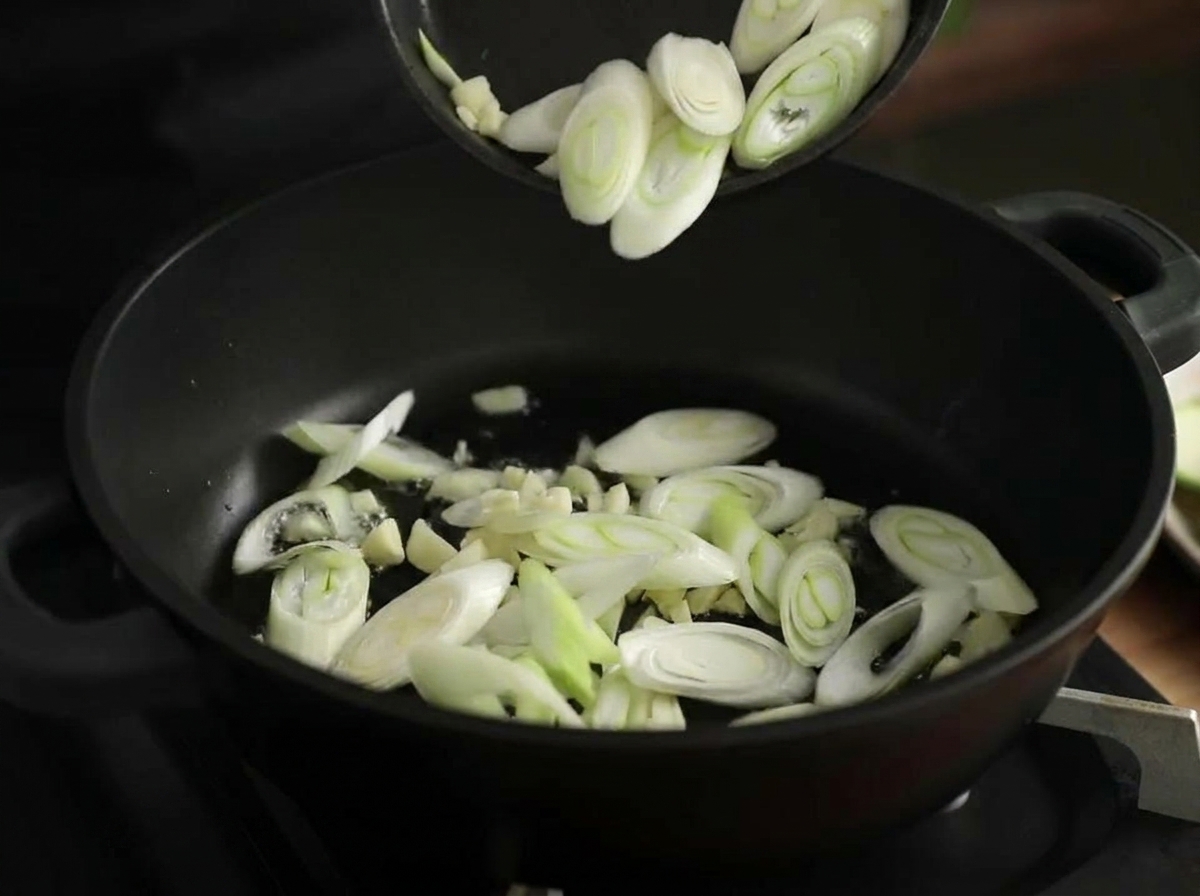
Begin by heating a small amount of oil in a black pot. Add the minced garlic and diagonally sliced leeks, stir-frying them over medium heat until they become soft and release their fragrant aroma. This step creates a savory and aromatic base for the seafood stew.
Tip: Keep the heat at medium to prevent the garlic from browning too quickly, which can introduce a bitter taste to the broth. - 8Pour in the rice water
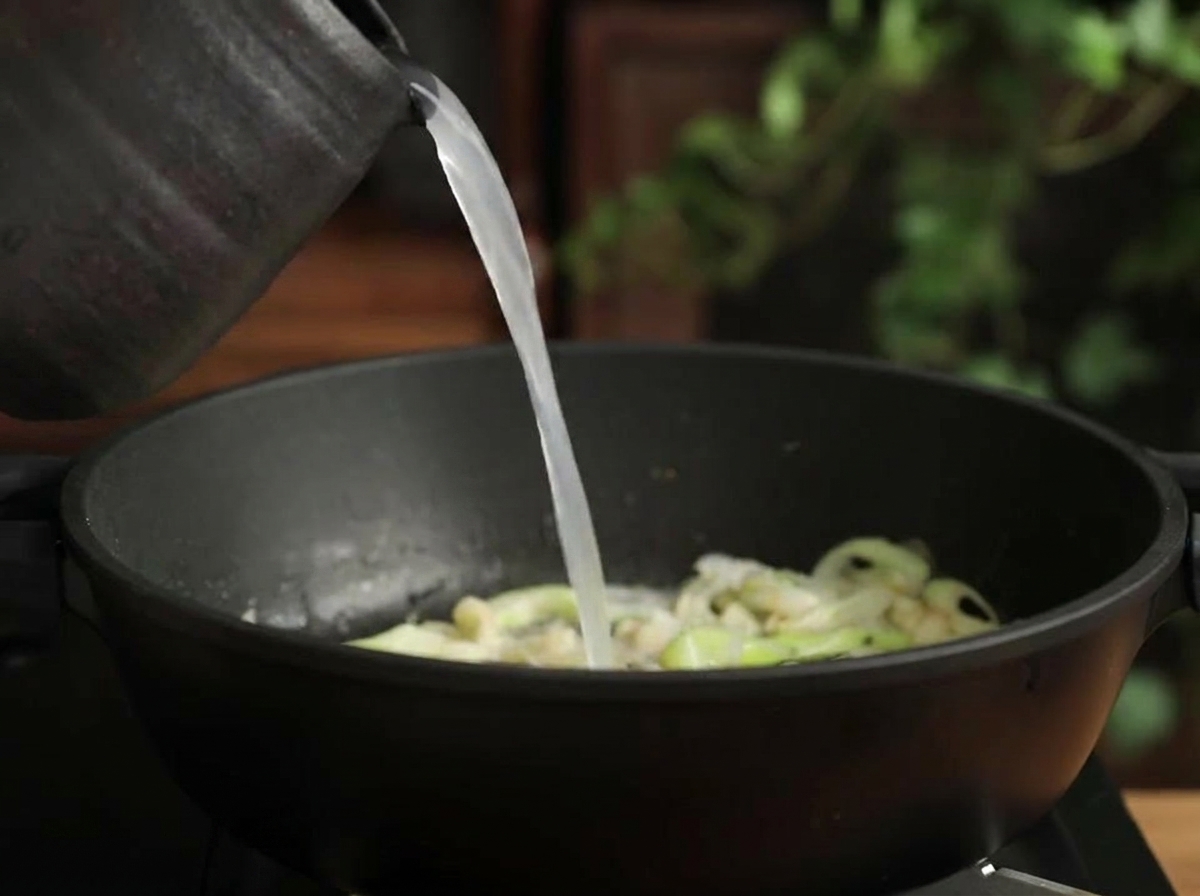
Once the aromatics are fragrant, pour an appropriate amount of cloudy rice water into the pot. Using rice water instead of plain water adds a subtle nuttiness and a slightly thicker, silkier texture to the soup base.
Tip: For the best results, use the water from the second or third rinse of your rice to ensure it is clean but still contains enough starch. - 9Season the broth
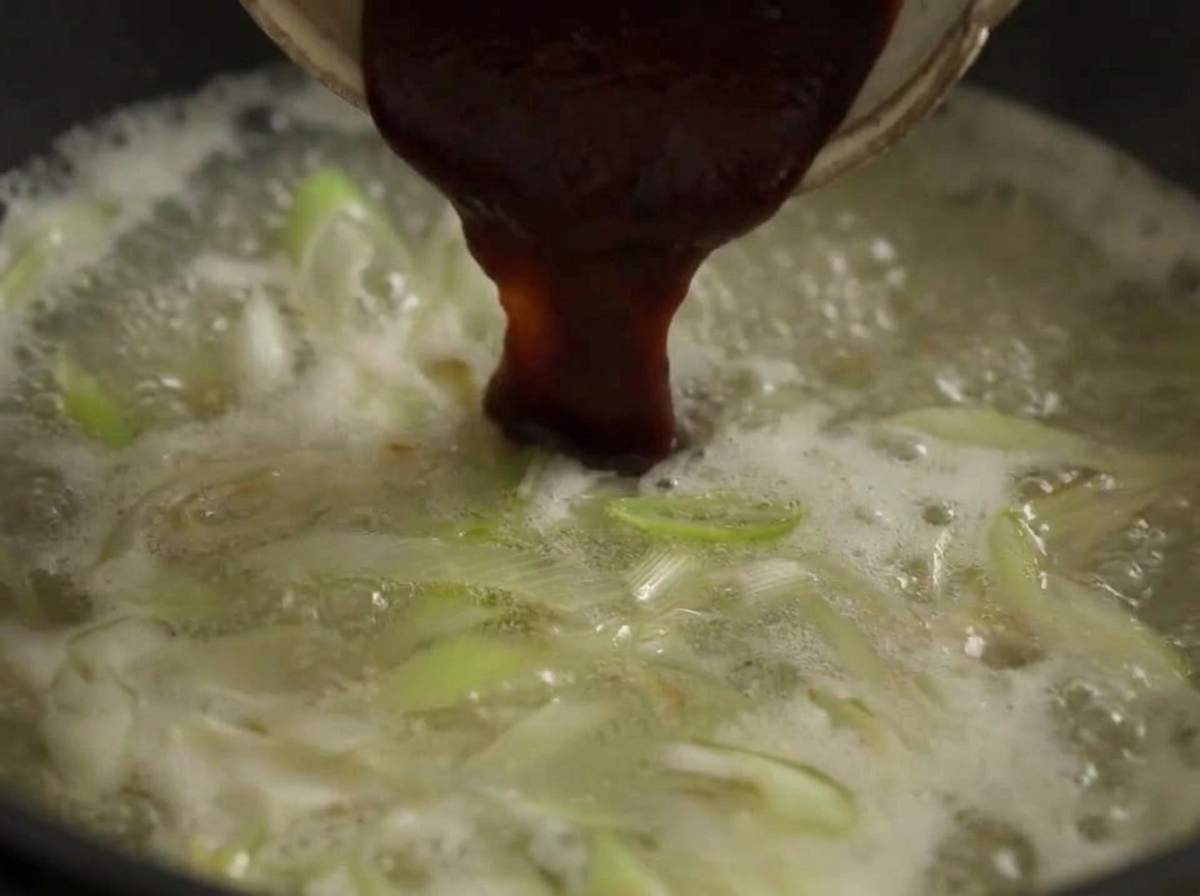
Add two spoonfuls of Korean soybean paste (doenjang) and three spoonfuls of Korean chili paste (gochujang) to the boiling liquid. Stir thoroughly to ensure the pastes are completely dissolved and the flavors are well-integrated into the vibrant red broth.
Tip: Stir in a circular motion or use a small whisk to help dissolve the thick soybean paste more quickly. - 10Add bean sprouts
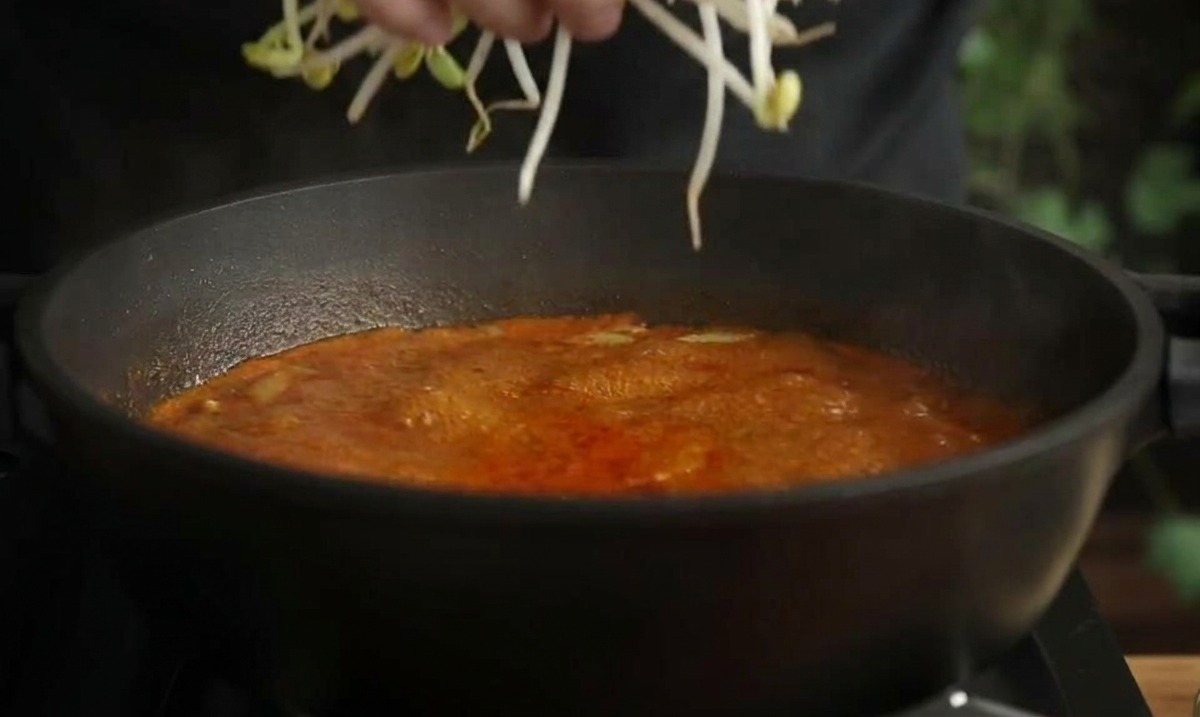
Add the fresh bean sprouts into the simmering red broth. These sprouts provide a light, refreshing crunch that balances the spicy and savory flavors of the Korean soybean and chili paste base. Stir them in gently so they are submerged in the flavorful liquid.
Tip: Do not overcook the sprouts; they only need a minute or two to soften while retaining their characteristic texture. - 11Add the zucchini
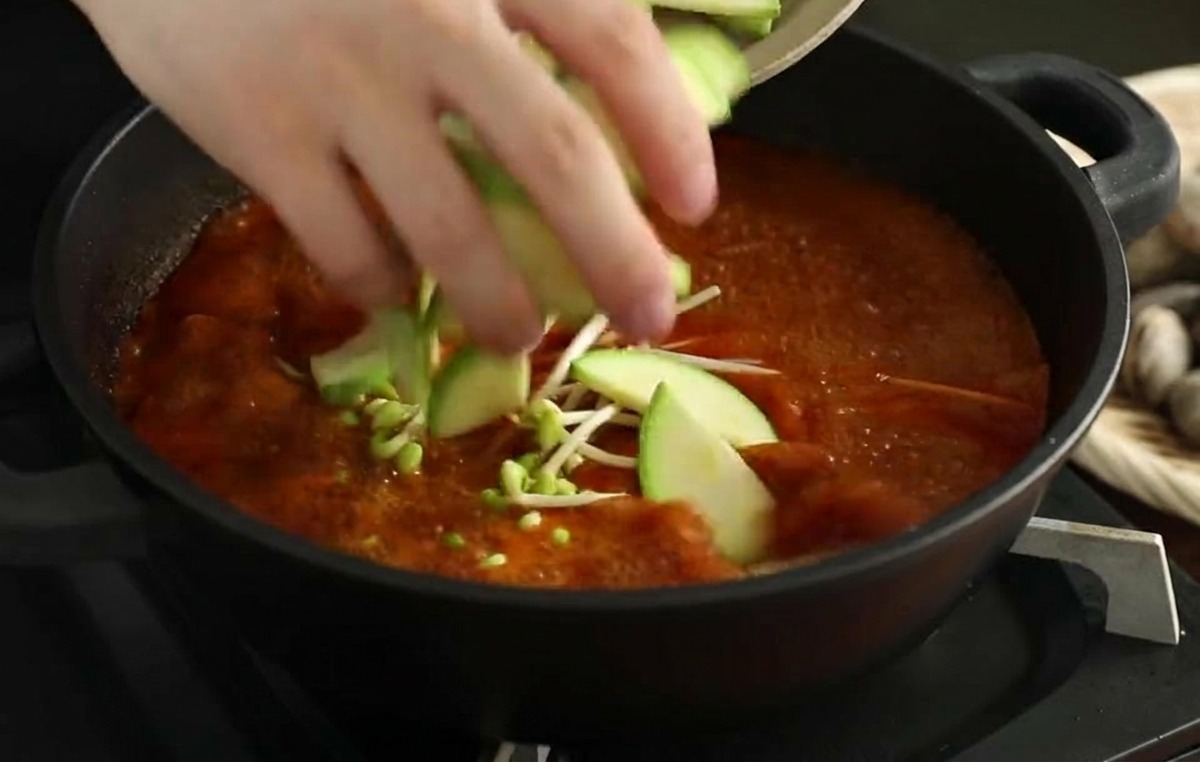
Introduce the thin zucchini half-moons into the bubbling red soup. These vegetables add a mild sweetness and a tender texture that perfectly complements the spicy and savory elements of the seafood broth.
Tip: Slice the zucchini uniformly to ensure all pieces cook through at the same rate. - 12Add the tofu cubes
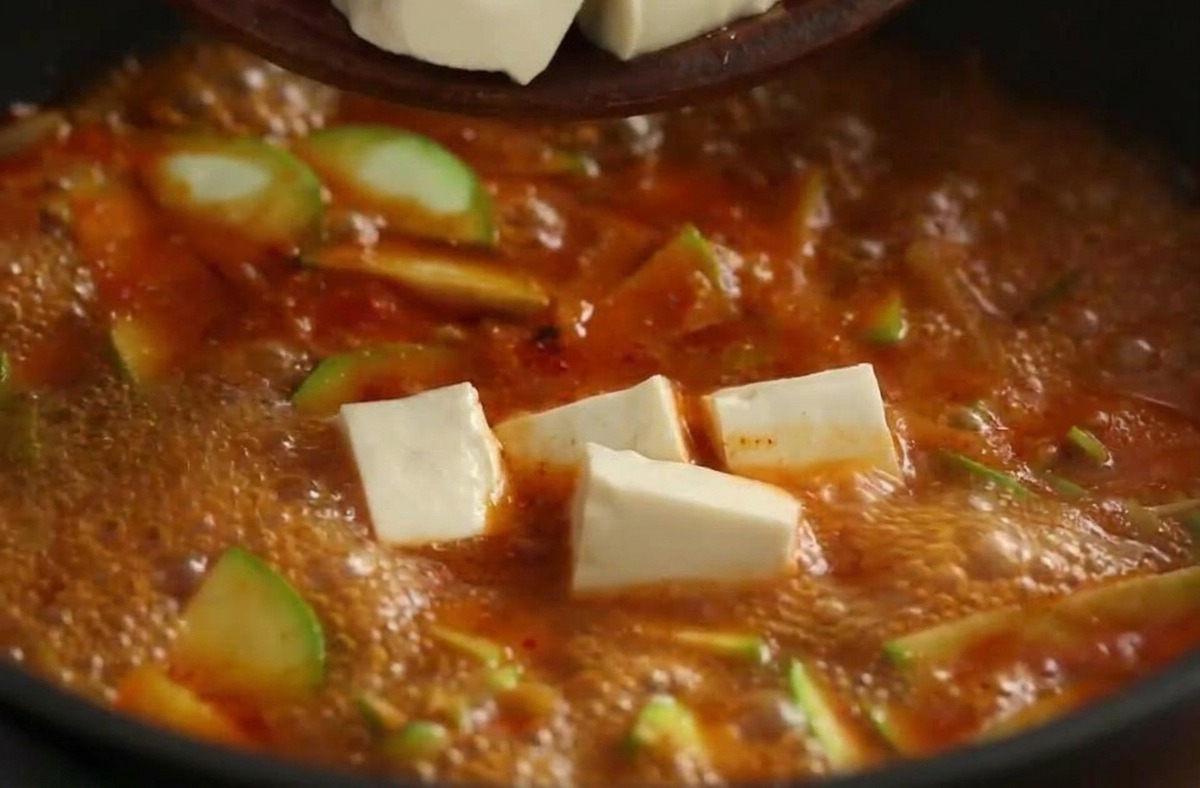
Carefully place the tofu cubes into the bubbling stew. Let the mixture simmer for about three minutes, allowing the tofu to absorb the rich flavors of the broth while the vegetables reach the perfect level of tenderness.
Tip: Handle the tofu gently to avoid breaking the cubes as they are added to the simmering soup. - 13Add the clams
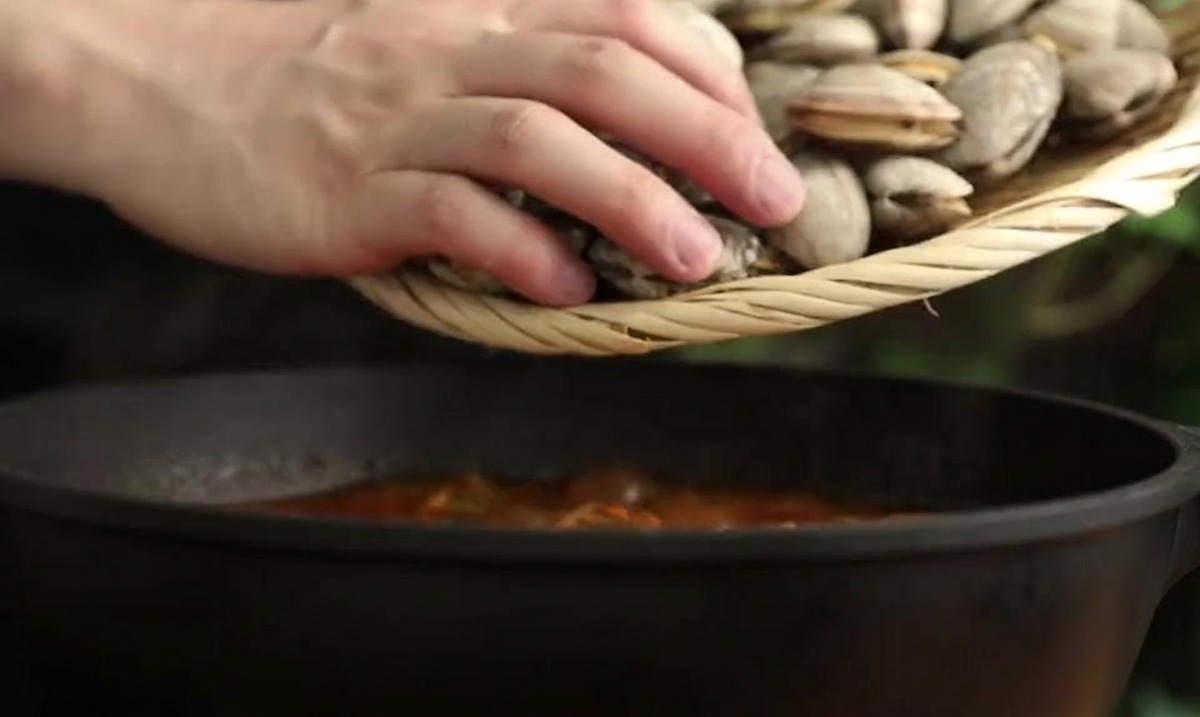
Carefully add the purged and drained clams to the seafood stew. As they cook in the hot liquid, they will open up and infuse the broth with a deep, briny seafood essence that is essential for this traditional Korean-style soup.
Tip: Ensure the clams have been soaked in salted water beforehand for at least an hour to remove any internal sand or grit. - 14Incorporate the shrimp
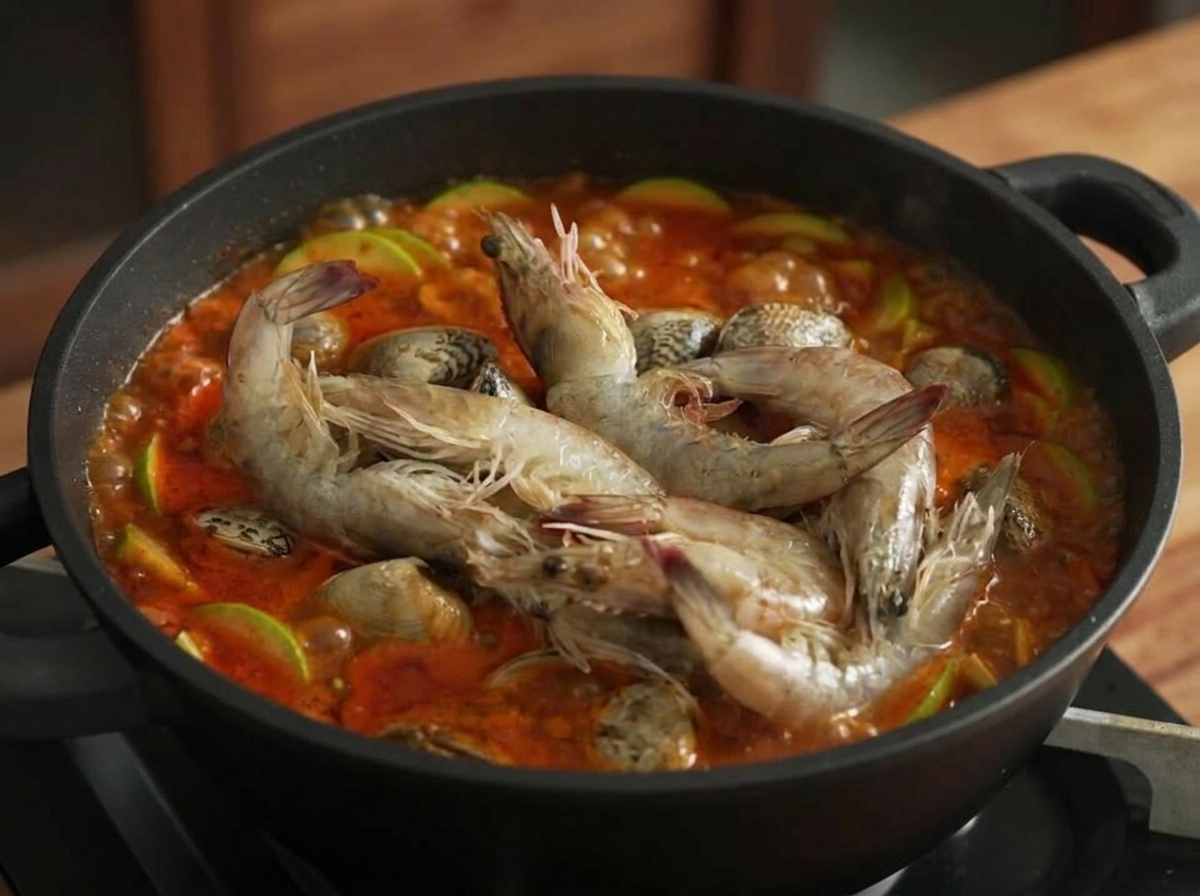
Place the deveined whole shrimp into the pot alongside the other ingredients. The shrimp will cook quickly in the bubbling broth, turning a bright orange-pink color. This addition rounds out the protein and adds another layer of seafood richness to the dish.
Tip: Keep the shrimp whole with heads and tails intact to maximize the depth of the seafood flavor in the broth.