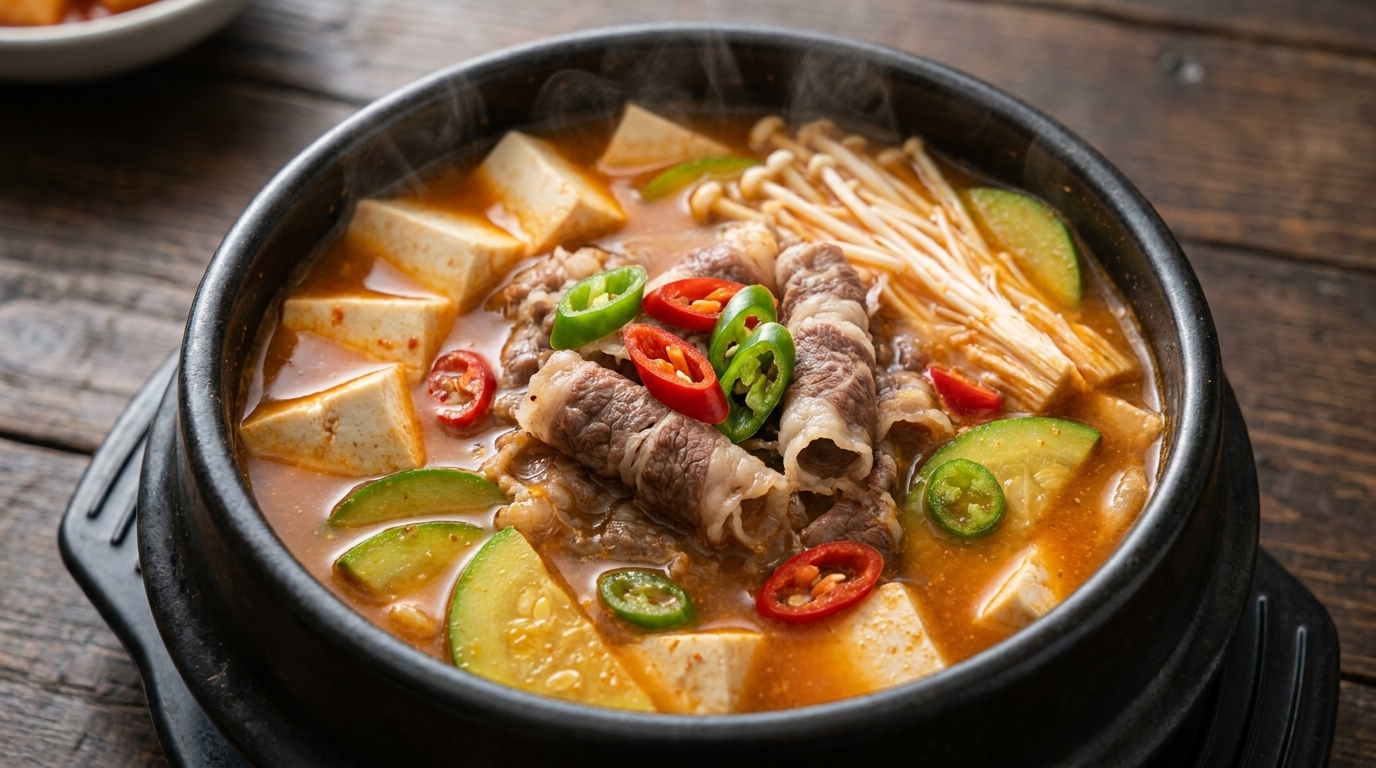
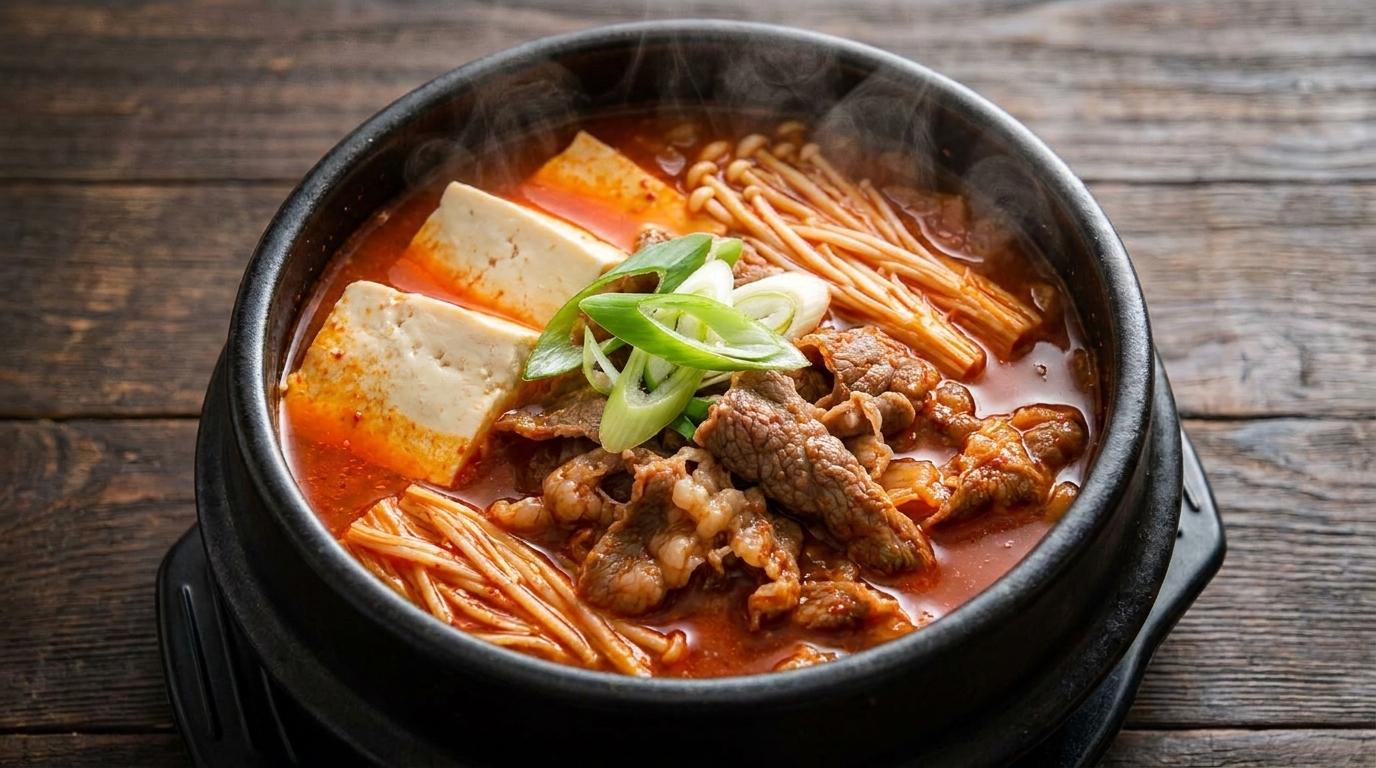
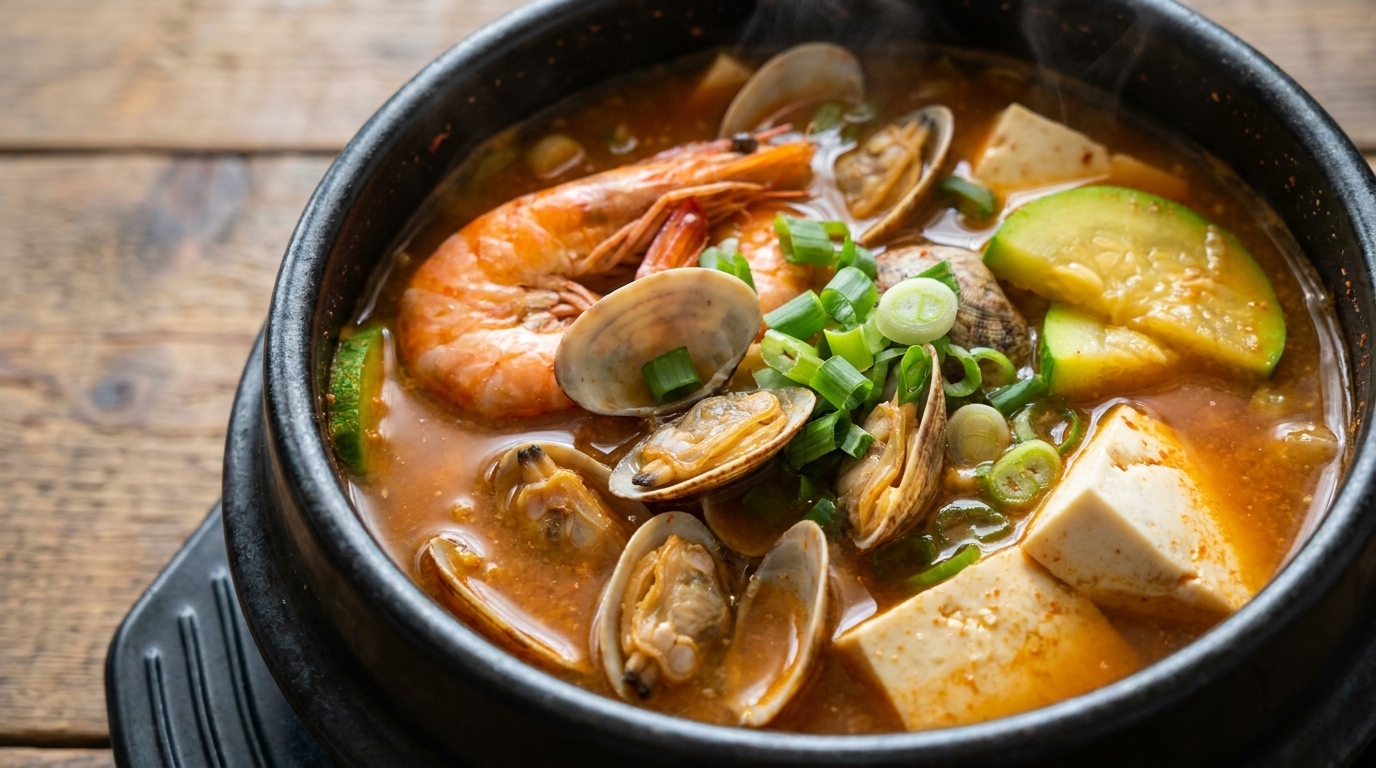
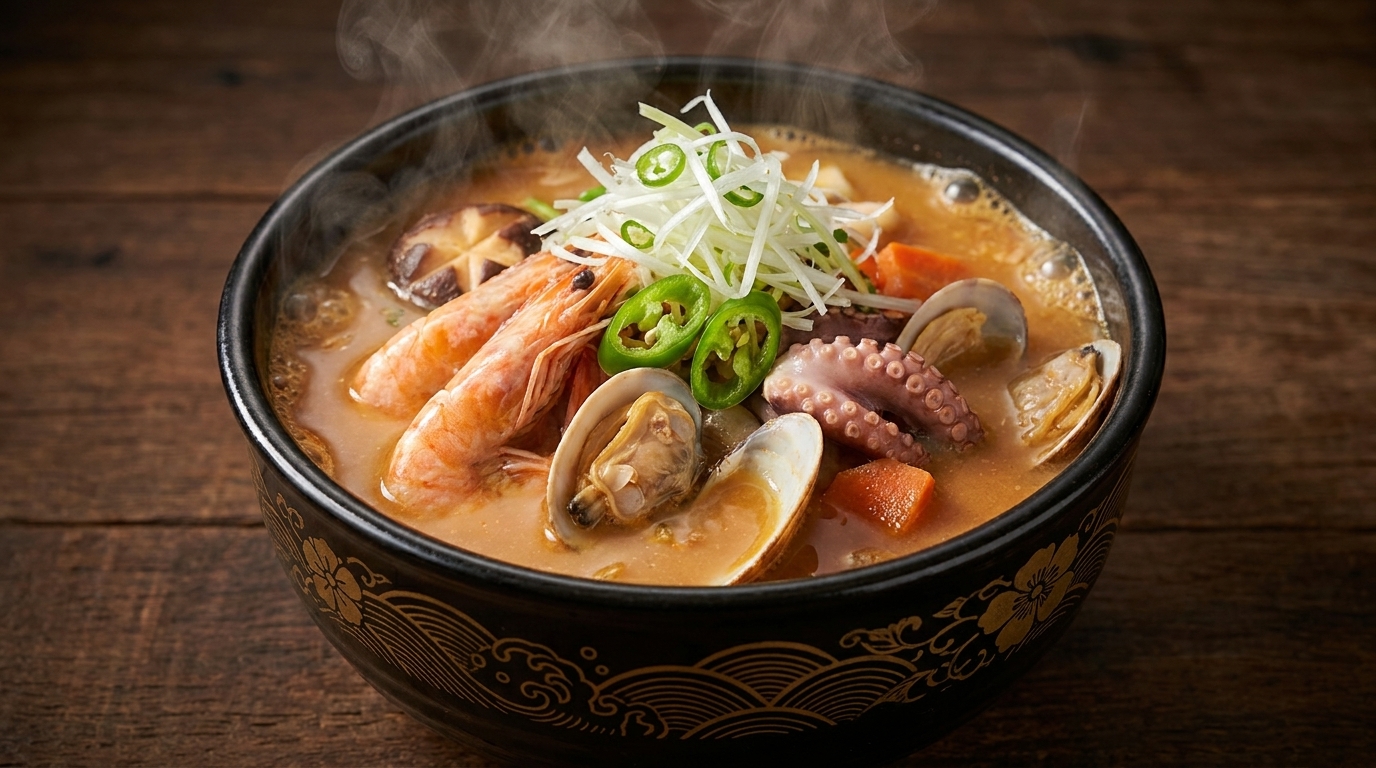
Korean Seafood Soybean Paste Stew (Haemul Doenjang Jjigae)
A robust and briny Korean classic combining the deep umami of fermented soybean paste with fresh prawns, clams, and mussels in a spicy anchovy broth.
Haemul Doenjang Jjigae is a soul-warming staple of Korean coastal cuisine celebrated for its refreshing flavor. While vegetable versions are earthy, this seafood variant relies on the natural sweetness of shellfish to balance the pungent and salty depths of the traditional fermented base.
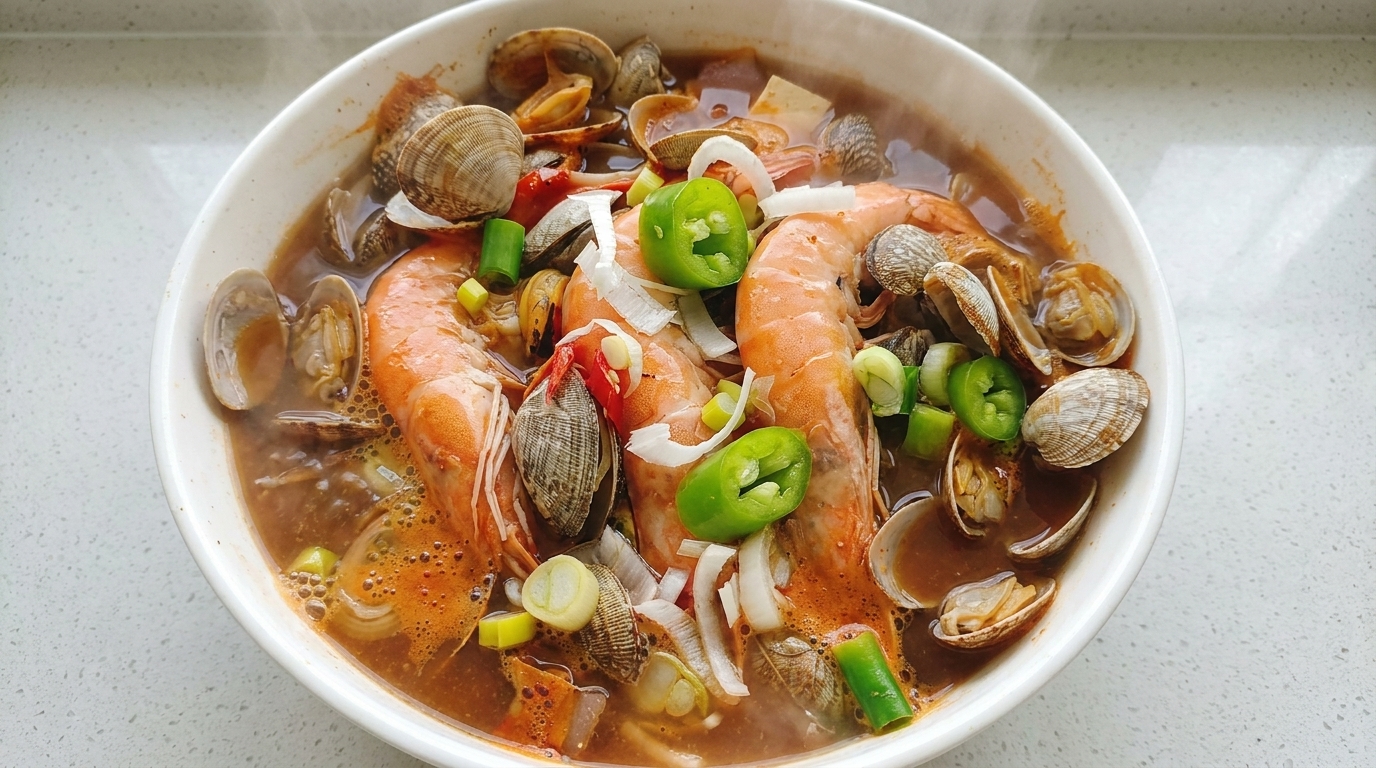
Ingredients
- 250 g black mussels
- 150 g fresh clams
- 4 large prawns
- 20 g small dried anchovies
- 1.5 liters water
- 2 tbsp Korean soybean paste (doenjang)
- 1 tbsp Korean chili paste (gochujang)
- 12 medium zucchini
- 12 onion
- 200 g soft tofu
- 2 green chilies
- 1 red chili
- 2 scallions
- to taste salt
Instructions
- 1Boil the mussels
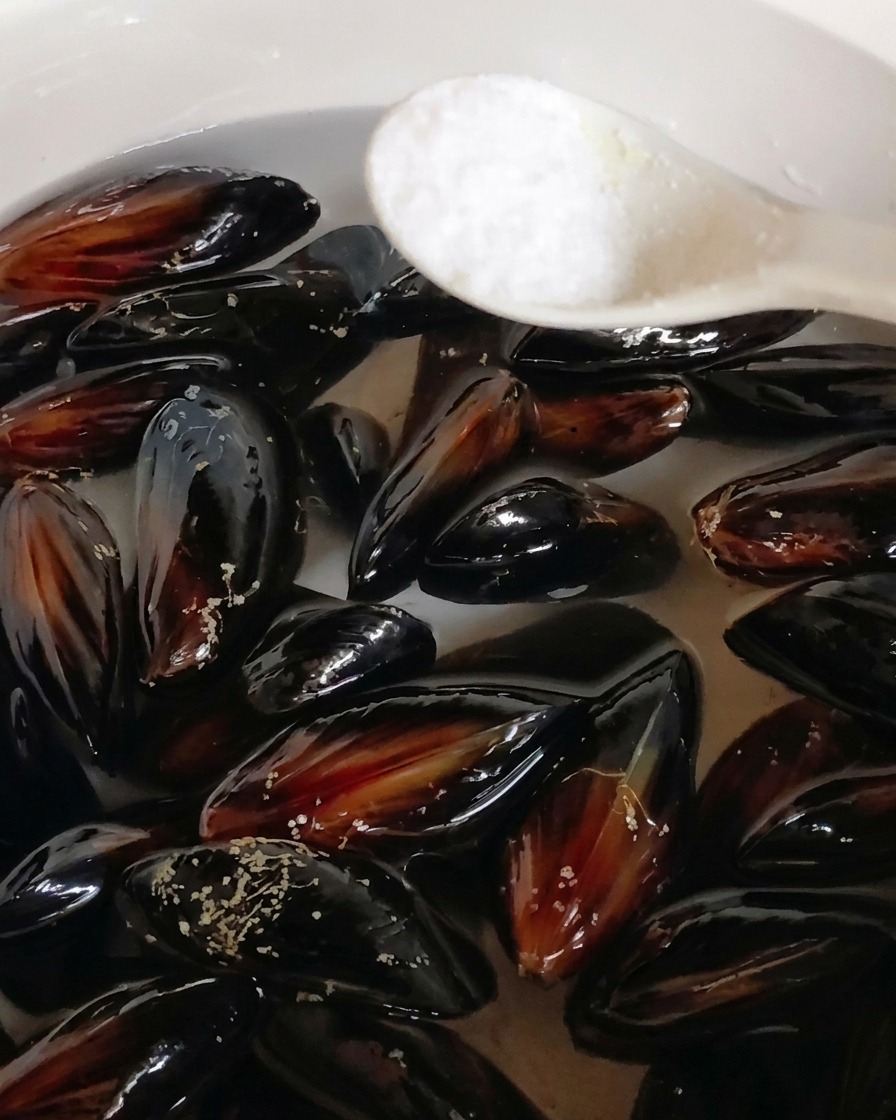
Place the black mussels into a pot of cold water and add a spoonful of salt. Bring the water to a boil and cook until the mussels have fully opened.
Tip: Adding salt to the water helps season the mussels and draws out any remaining impurities from the shells. - 2Remove the mussel meat
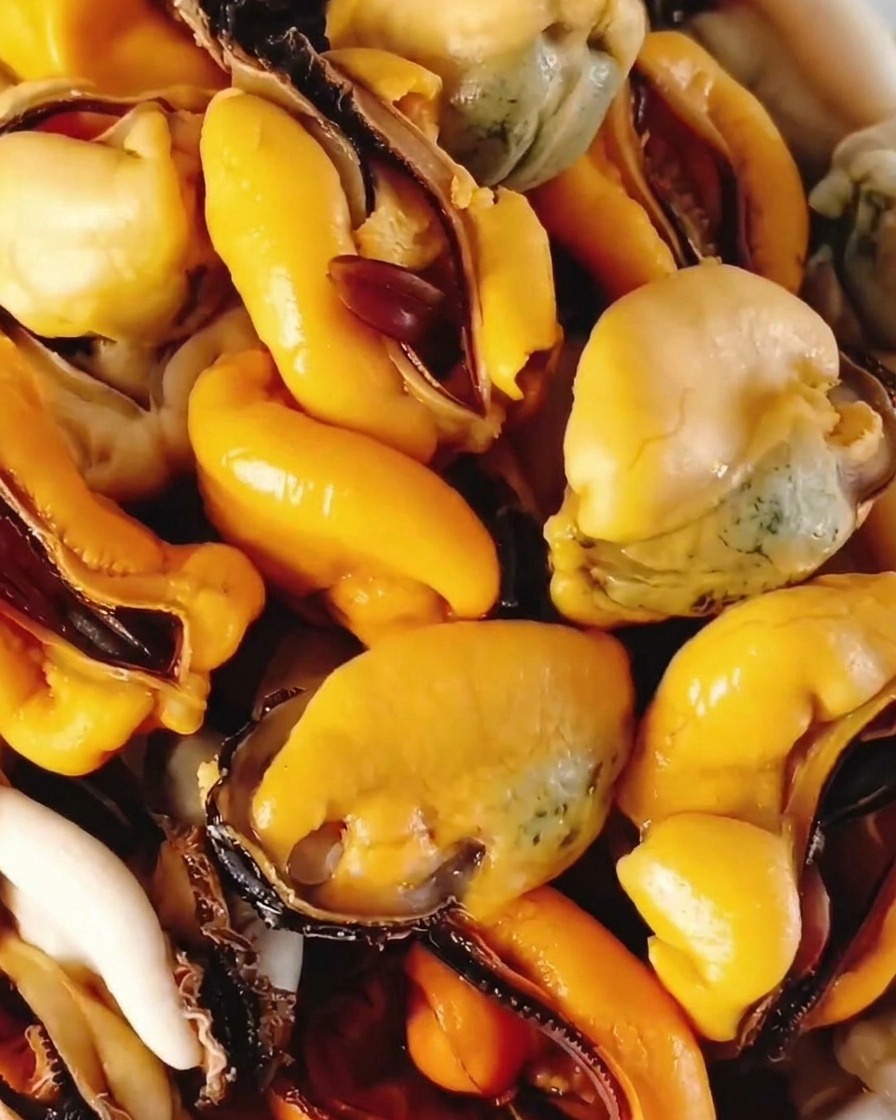
Once the mussels are fully cooked, remove them from the pot and let them cool slightly. Carefully extract the cooked meat from the shells and place it into a small bowl to use later in the stew.
Tip: Discard any mussels that remain tightly closed after boiling as they are likely no longer fresh. - 3Prepare the zucchini
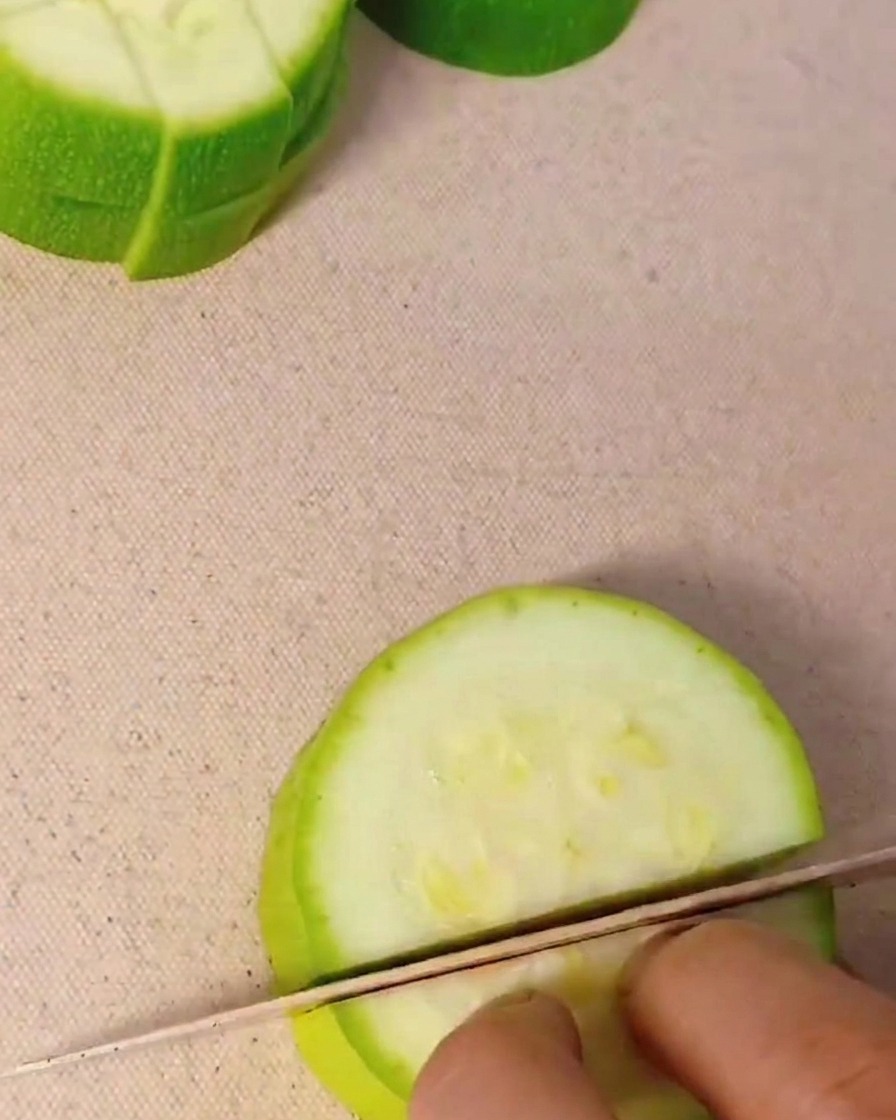
Wash the zucchini and slice it into uniform, bite-sized cubes. Consistency in size ensures that the zucchini pieces cook evenly throughout the stew. Prepare other vegetables like onions and chilies at this stage to have everything ready for the pot.
Tip: You can leave the skin on for extra texture and nutritional value, but make sure to scrub the surface well before slicing. - 4Boil the anchovy broth
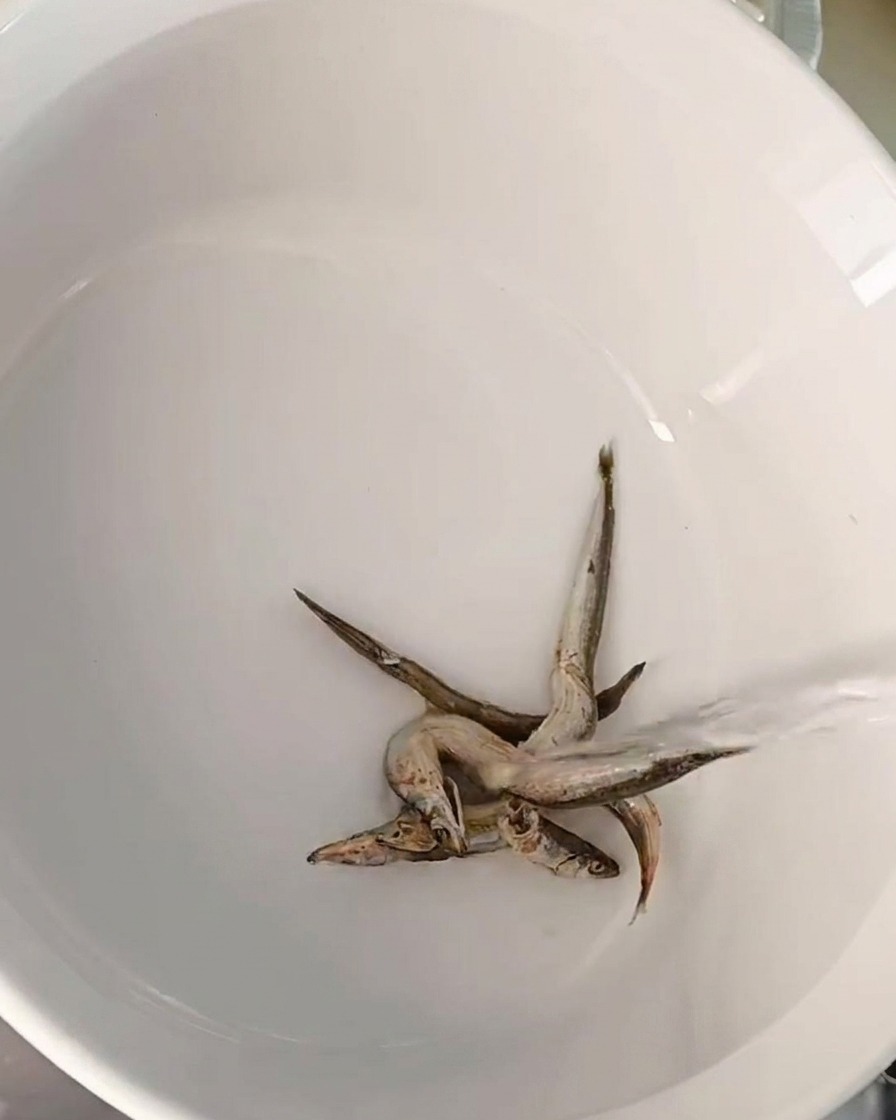
Place a handful of small dried anchovies into a pot of clear water. Bring the water to a boil to extract the savory, umami-rich essence that forms the foundation of the soup. Once the broth is flavored, remove the anchovies to leave a clean, clear liquid.
Tip: For a deeper flavor, you can lightly toast the dried anchovies in the dry pot for a minute before adding the water. - 5Dissolve the soybean paste
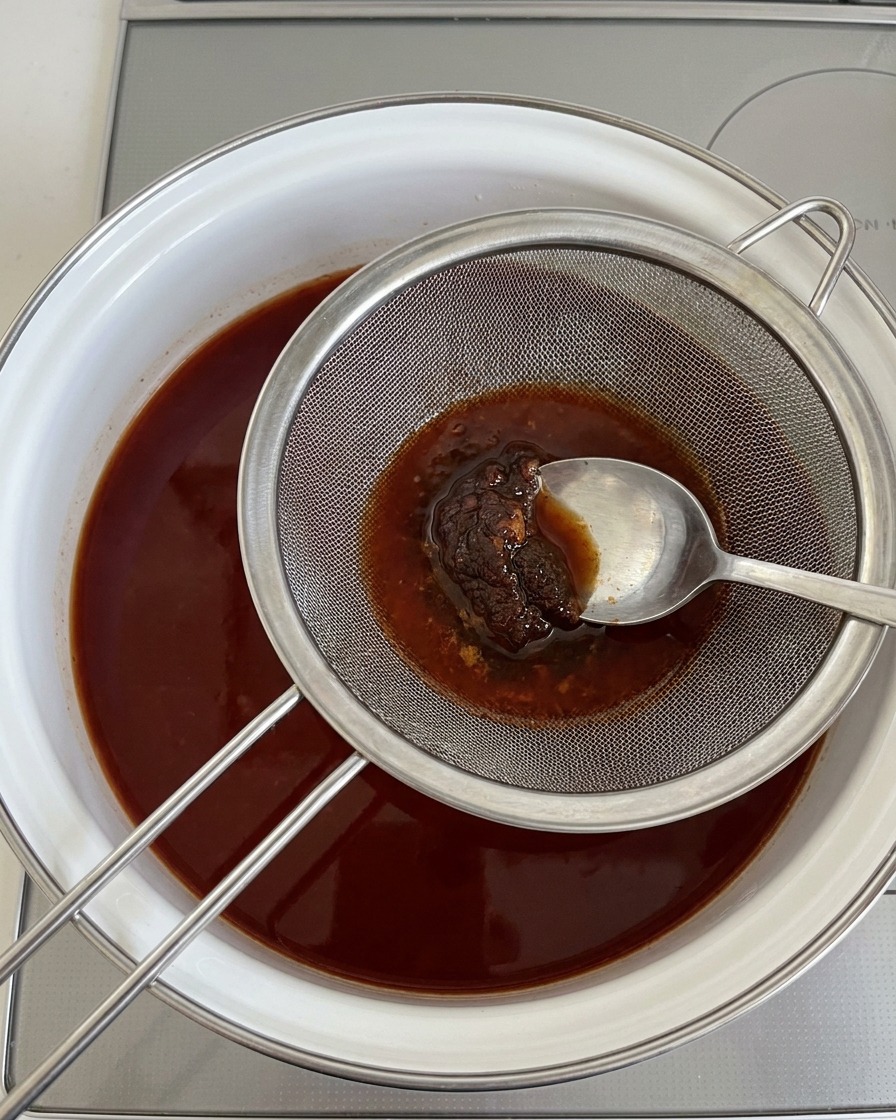
Position a metal strainer over the simmering anchovy broth and add the thick soybean paste. Use a spoon to press and dissolve the paste evenly into the liquid, discarding any remaining solid bits.
Tip: Using a strainer ensures the soup base is smooth and prevents unwanted clumps of paste from remaining in the broth. - 6Stir in the chili paste
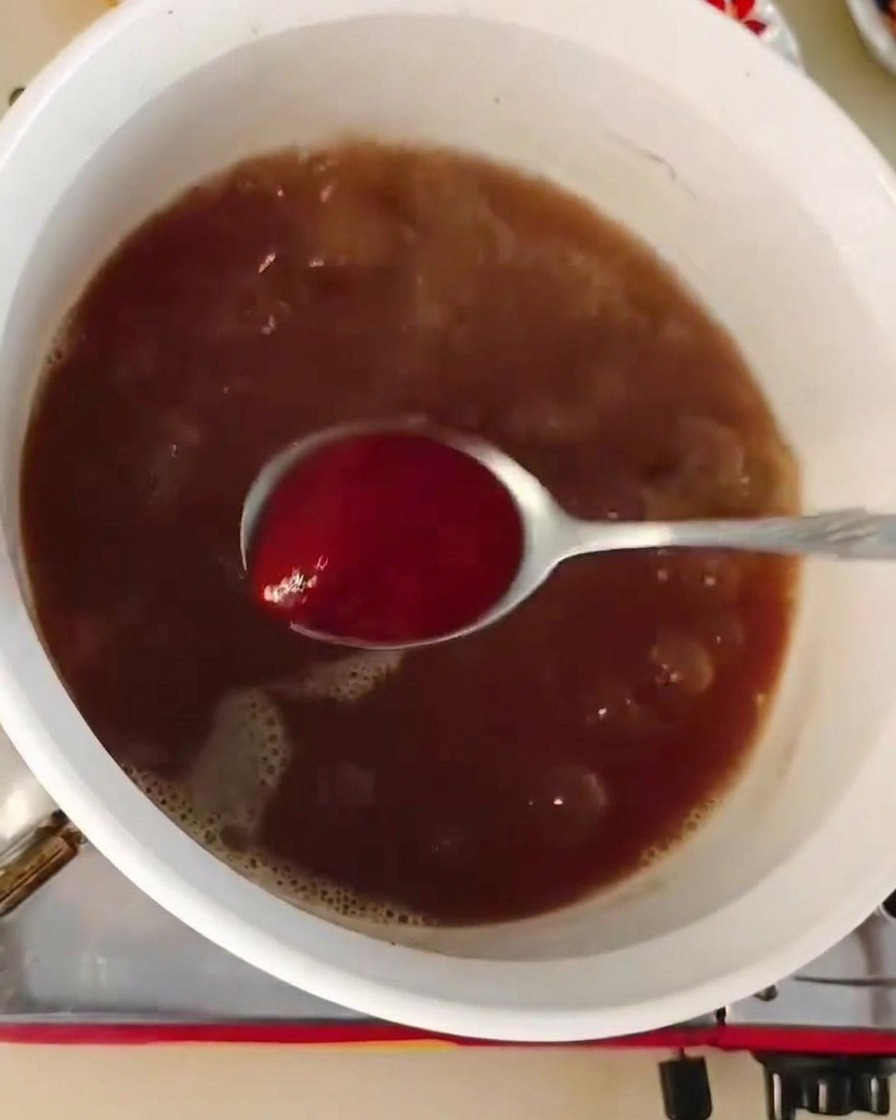
Add a spoonful of vibrant red chili paste into the dark brown soup base. Stir well to fully incorporate the paste, adding a deep red color and a spicy kick to the stew.
Tip: Adjust the amount of chili paste based on your desired level of heat. - 7Simmer the vegetables
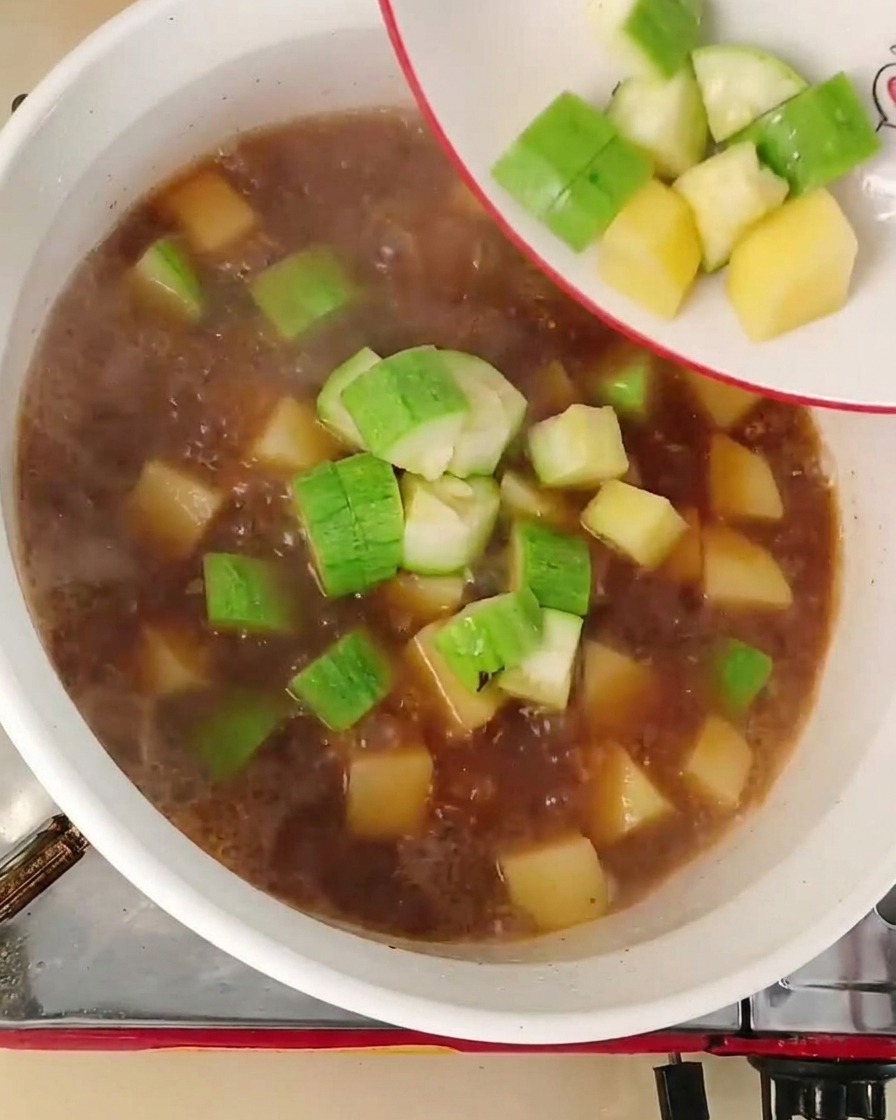
Add the diced zucchini and onions into the simmering broth. Allow the vegetables to cook until they soften, providing a natural sweetness that balances the saltiness of the fermented soybean paste.
Tip: Add the denser vegetables first to give them more time to cook through before adding the delicate seafood and tofu. - 8Add the tofu
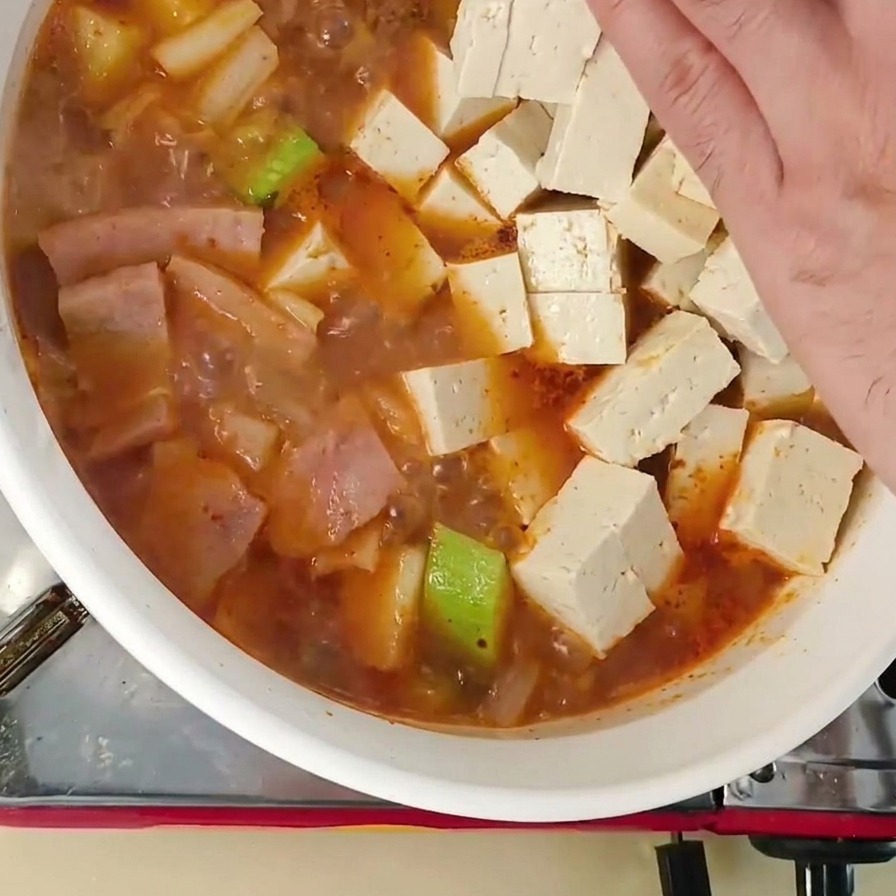
Gently slide the cubes of soft white tofu into the boiling stew. The tofu will absorb the flavors of the fermented soybean broth and add a delicate, silky texture to every spoonful. Be careful not to stir too vigorously to keep the cubes intact.
Tip: Using firm or extra-firm tofu helps the cubes maintain their shape better during the boiling process. - 9Integrate the seafood
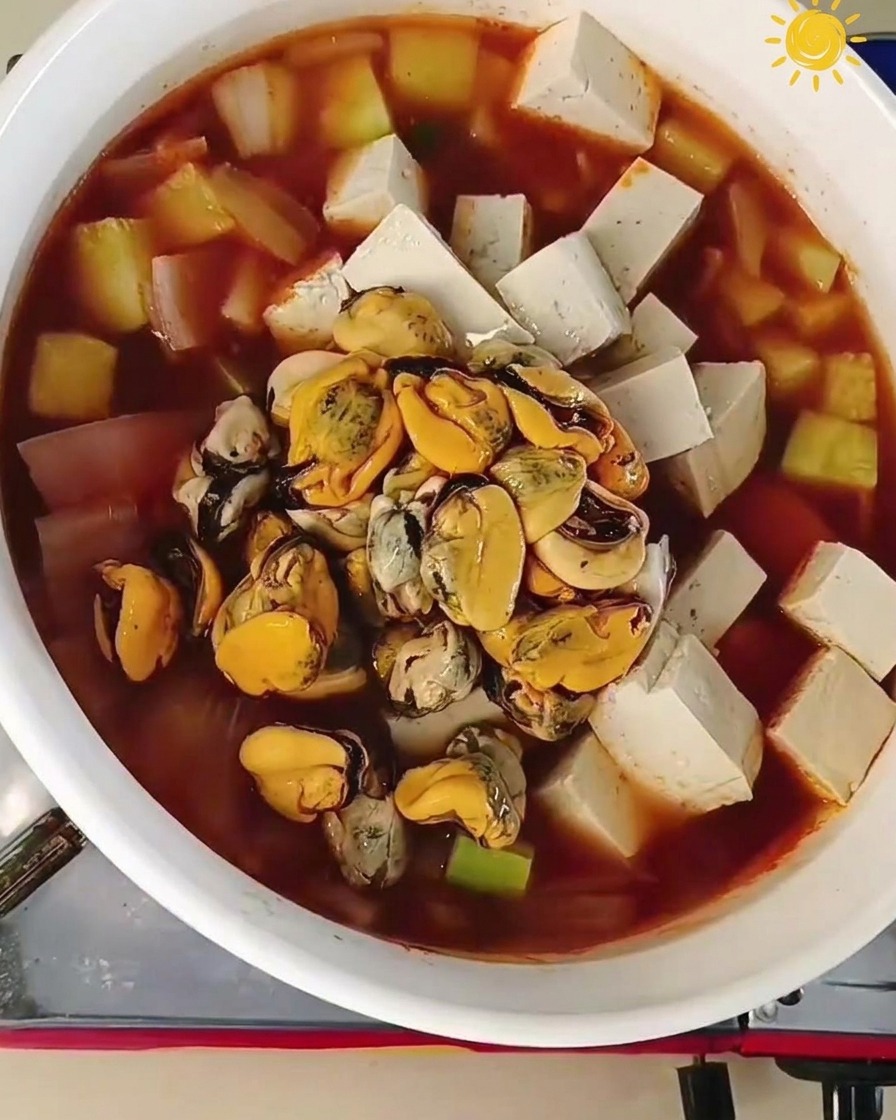
Add the cooked mussel meat and the four large raw prawns to the pot. The seafood will cook quickly in the boiling broth, releasing its juices and creating a rich, coastal flavor profile that elevates the traditional soybean base.
Tip: Ensure the prawns are cleaned and deveined before adding them to the pot for the best eating experience. - 10Add the clams
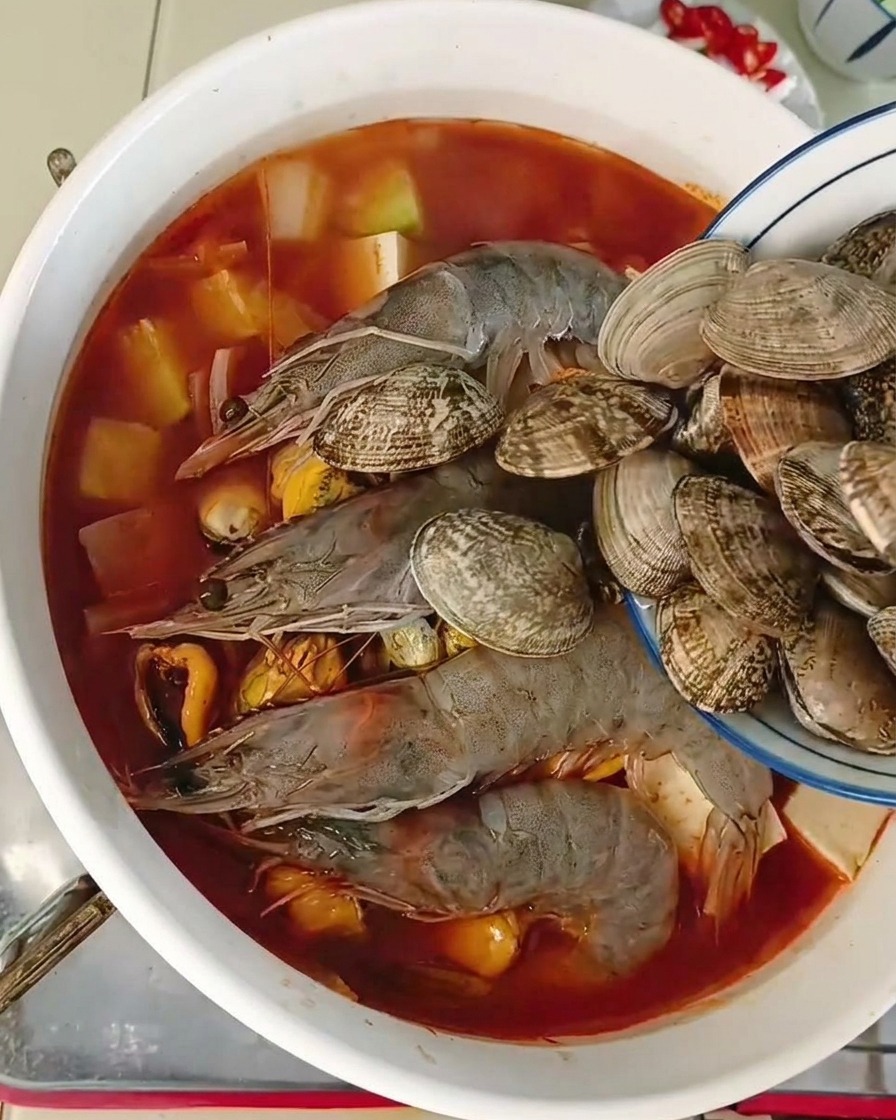
Finally add the fresh clams to the boiling stew. Cook until the clams open up indicating they are perfectly done. This final addition of seafood completes the briny finish of the dish.
Tip: Discard any clams that do not open after boiling as this indicates they were not fresh. - 11Garnish and serve
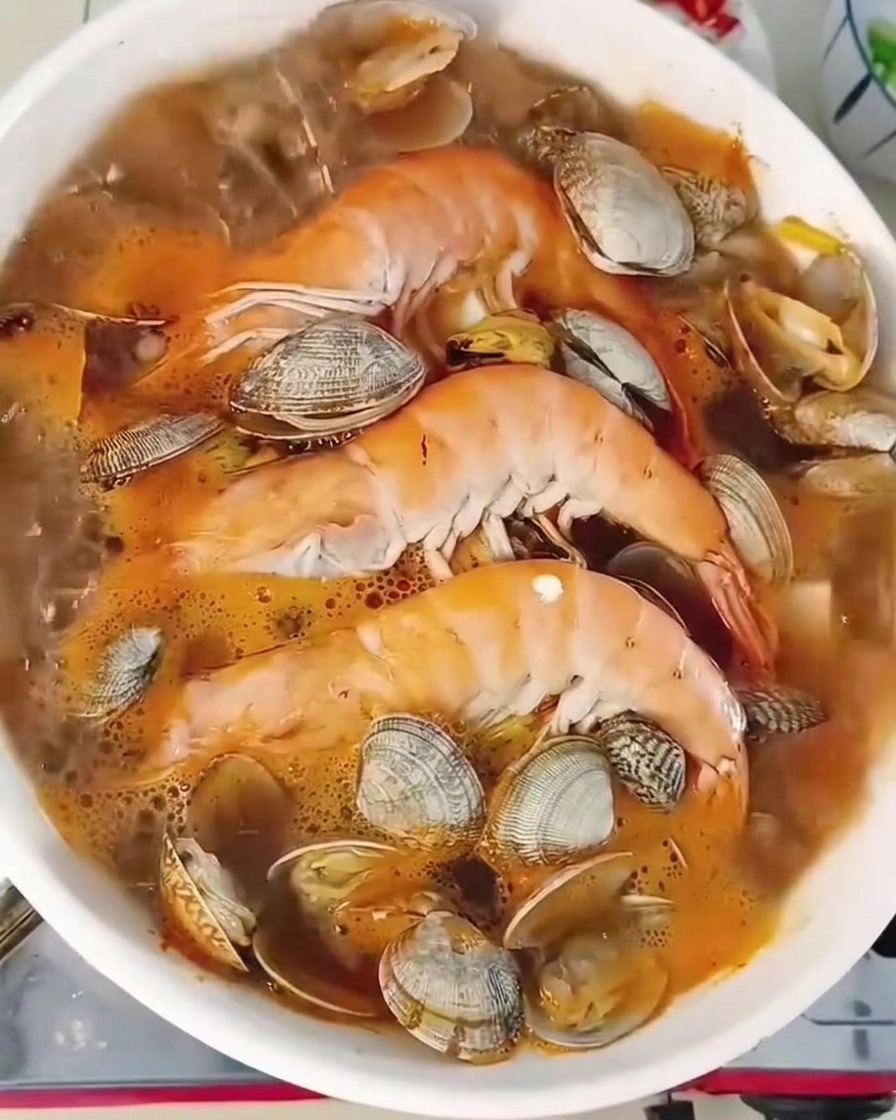
Sprinkle the sliced green chilies and scallions over the stew just before serving. Let it boil for a few more seconds to allow the aromatics to release their flavor without losing their bright, fresh color.
Tip: Add the chilies and scallions at the very end to keep them vibrant and prevent them from overcooking in the hot broth.