Traditional Yanbian Soybean Paste Soup
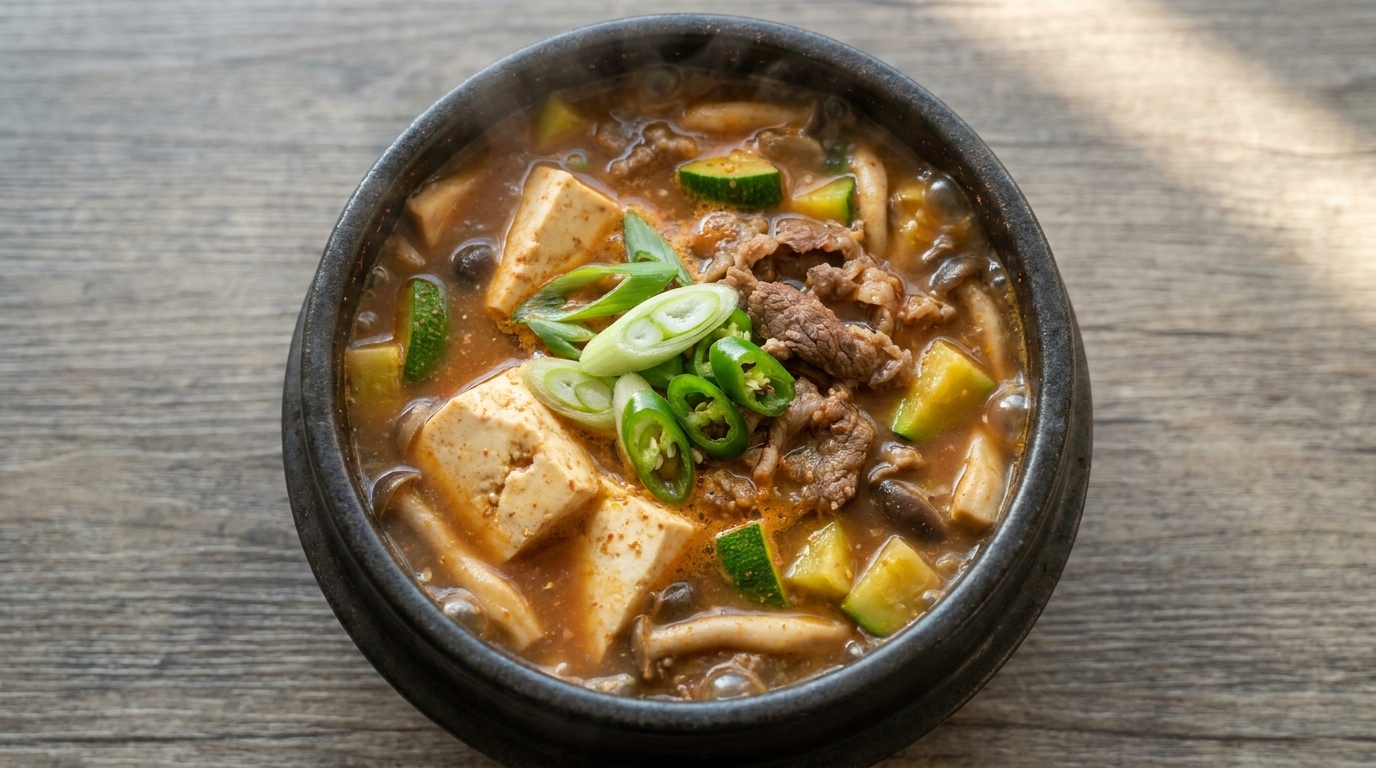
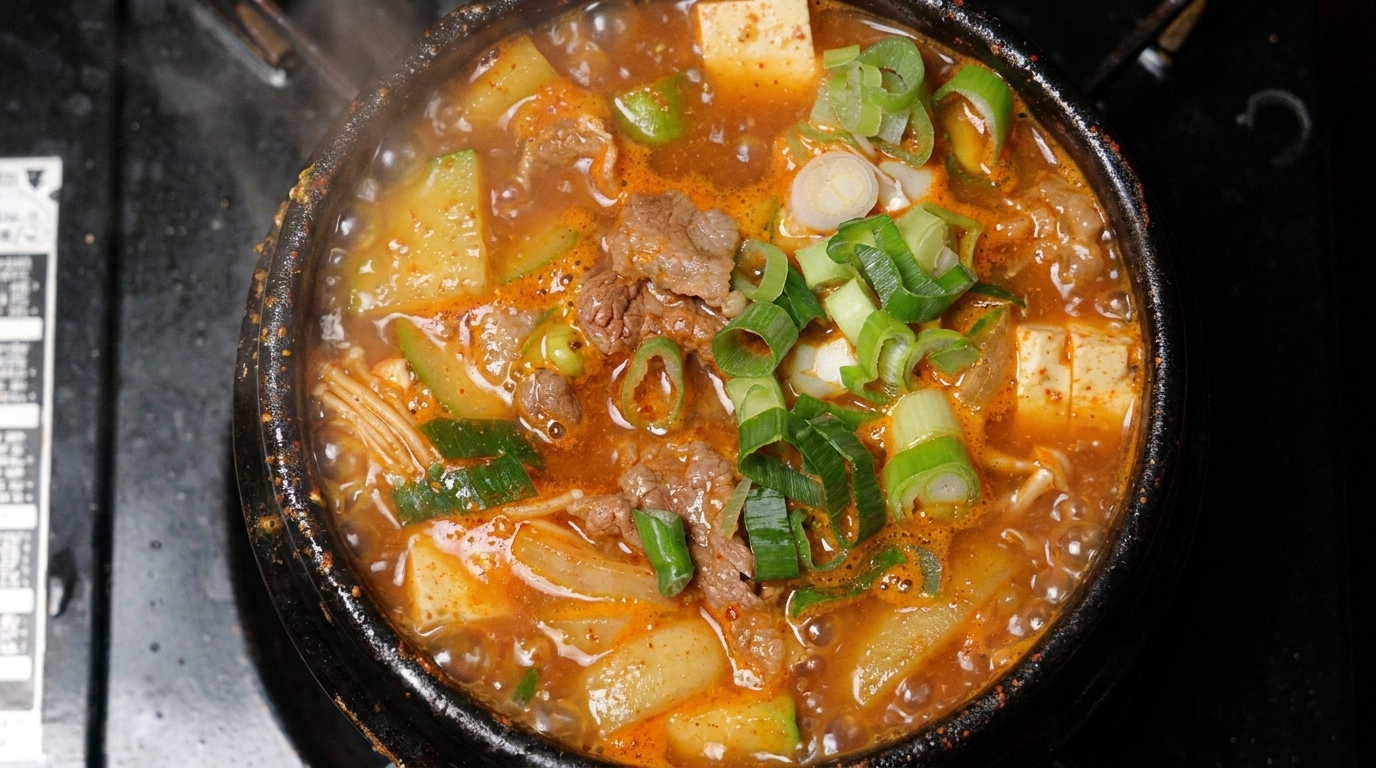
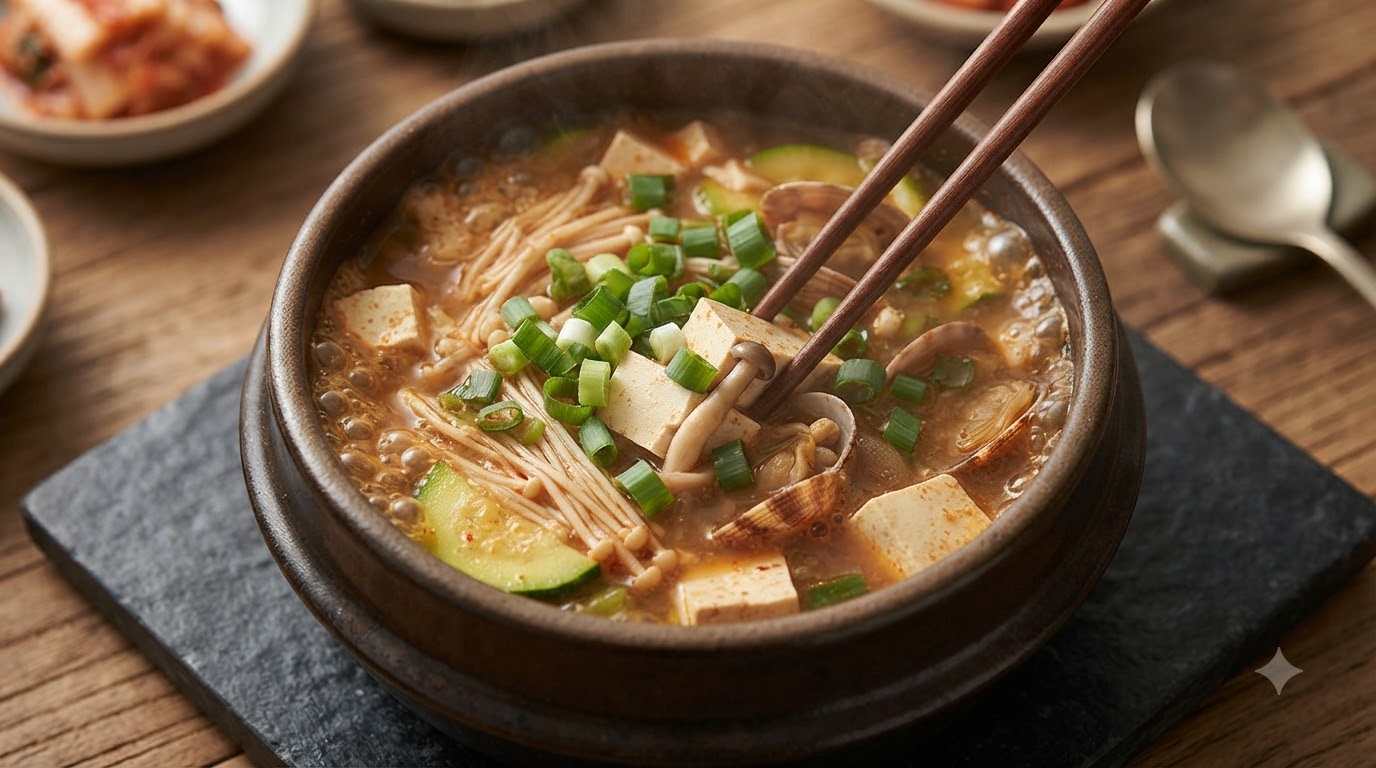
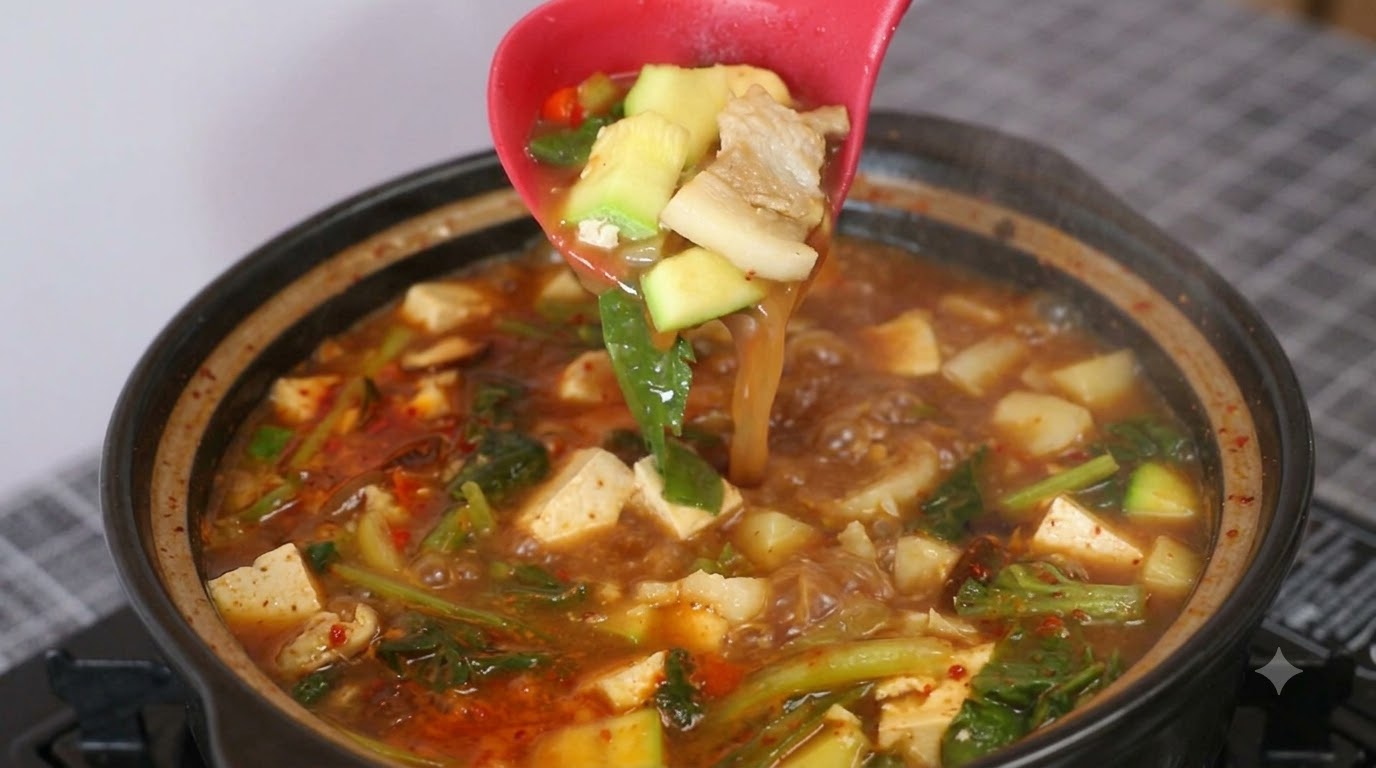
Bring the robust flavors of Yanbian to your kitchen with this hearty, comforting soybean paste soup. Loaded with pork belly, firm tofu, and fresh vegetables, it cuts through greasiness and is deeply satisfying.
Originating from the Yanbian Korean Autonomous Prefecture, this deeply savory soybean paste soup is a beloved staple for families. Known for its soul-warming qualities, it is perfect for sobering up or simply enjoying a rich, hearty meal. The addition of pork belly and heat-resistant potatoes gives it a comforting texture that appeals to both adults and children alike.
Ingredients
- 1 medium heat-resistant potato
- 4 whole shiitake mushrooms
- 1/2 green zucchini
- 2 leaves napa cabbage
- 1 block firm tofu
- 3 cloves garlic
- 2 red Thai chili peppers
- 4 cups water
- 2 tbsp soybean paste
- 150 g pork belly
- 1 tsp MSG
- 1 tbsp chili powder
- 1 tbsp chili flakes
Instructions
- 1Dice the potatoes
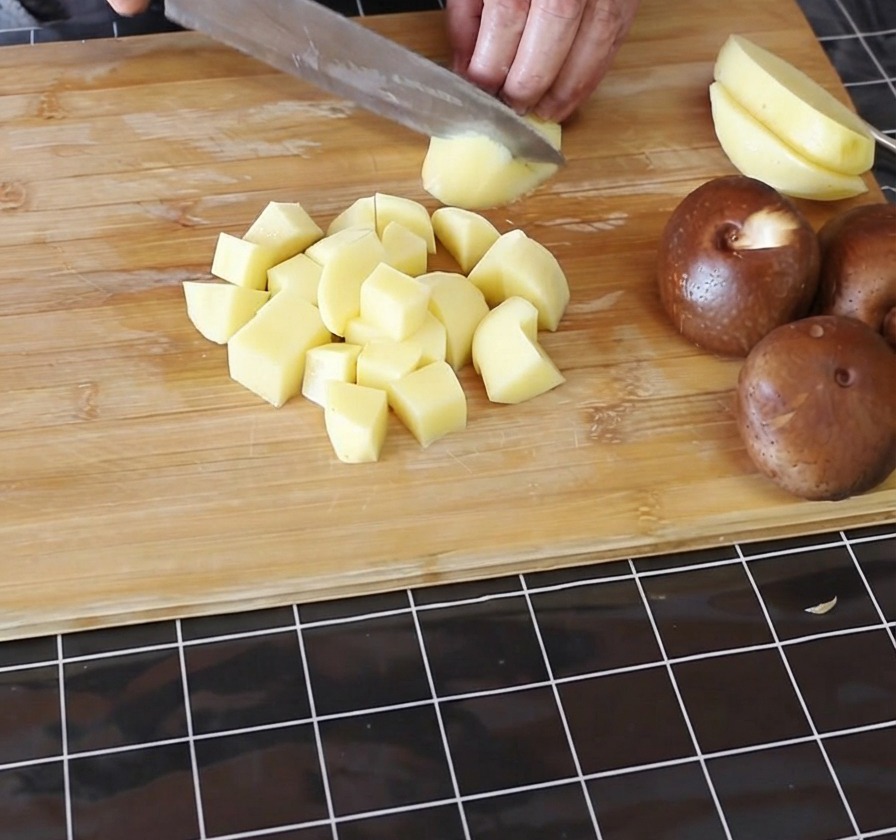
Begin by peeling the potatoes and dicing them into small, bite-sized cubes. These heat-resistant potatoes will be added to the pot early so they become perfectly tender in the soup.
Tip: Keep the potato chunks relatively uniform in size to ensure they cook evenly in the broth. - 2Cut the shiitake mushrooms
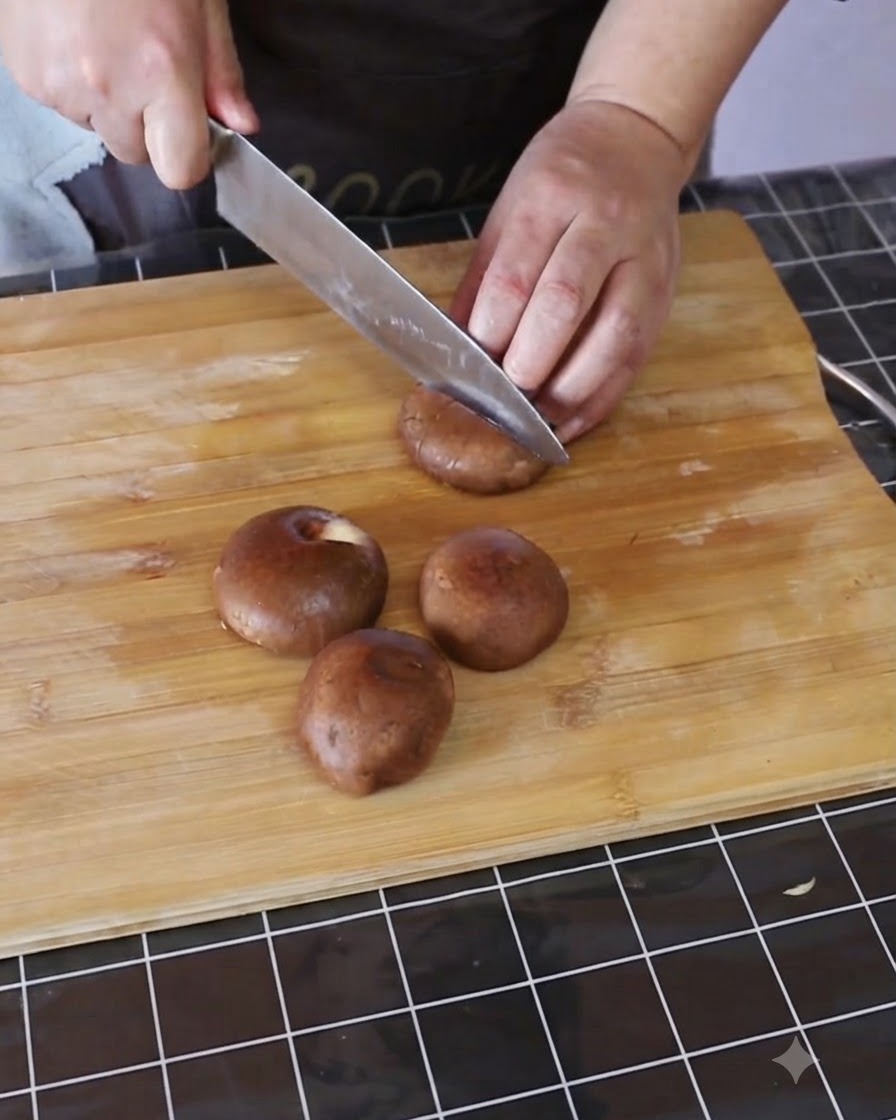
Place whole shiitake mushrooms on a wooden cutting board and use a chefs knife to slice them into smaller pieces.
Tip: Slice the mushrooms evenly to ensure consistent texture in the soup. - 3Slice the green zucchini
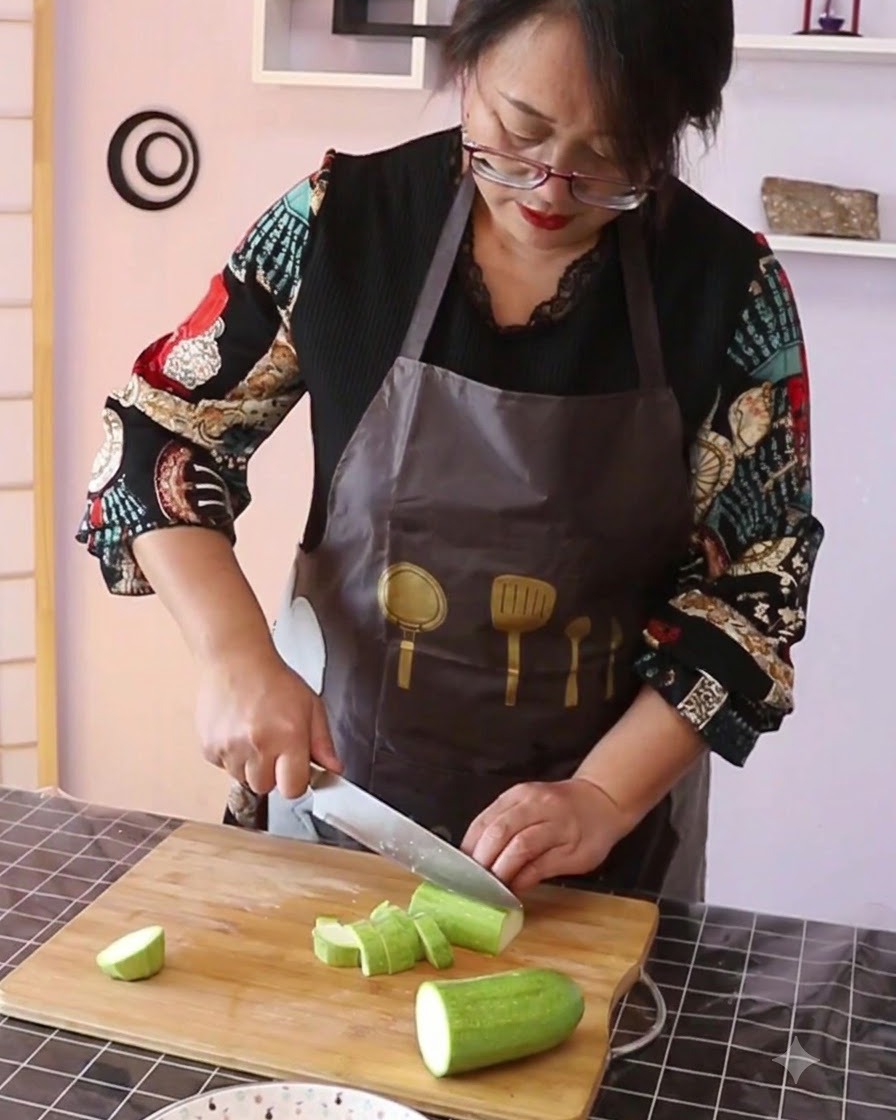
Take a green zucchini and slice it into bite-sized chunks on the wooden cutting board.
Tip: Cut into uniform chunks so they cook evenly with the rest of the vegetables. - 4Chop napa cabbage and firm tofu
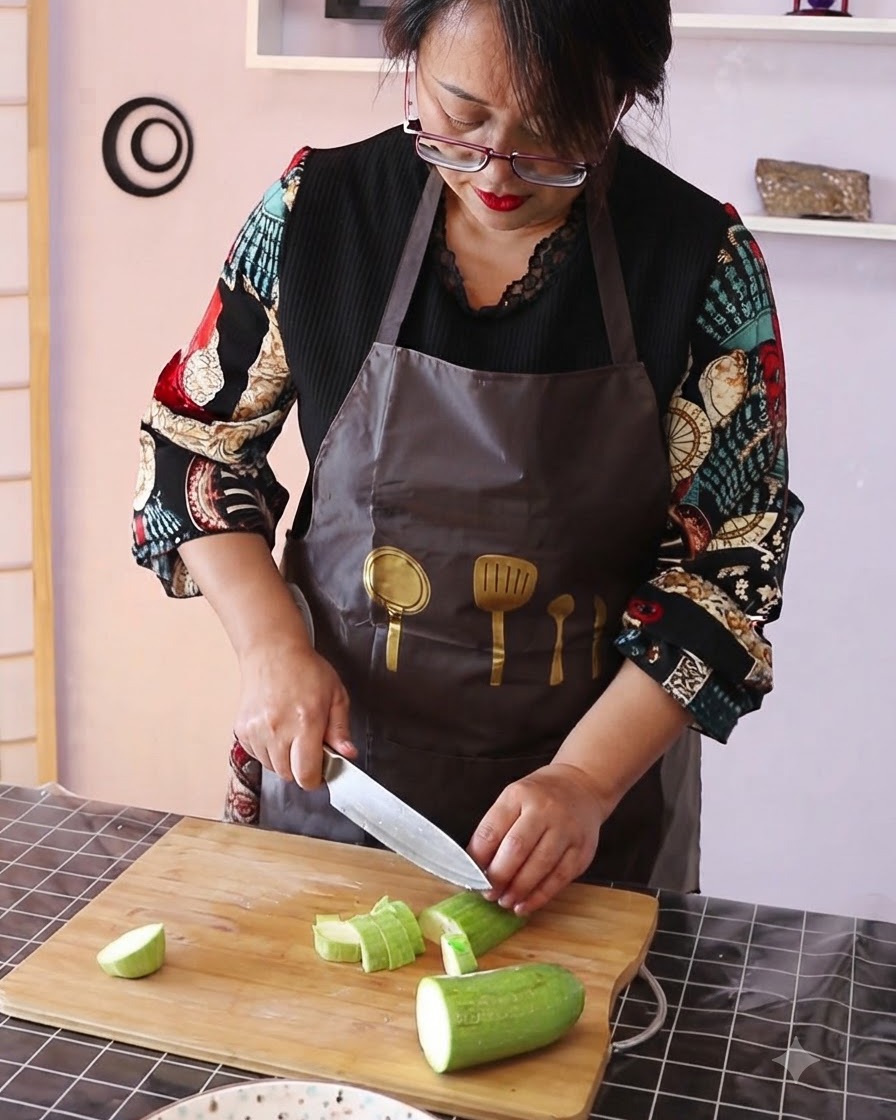
Chop napa cabbage and large blocks of firm tofu into suitable portions on the wooden cutting board.
Tip: Handle the firm tofu carefully to keep the blocks intact before adding them to the pot. - 5Mince the garlic
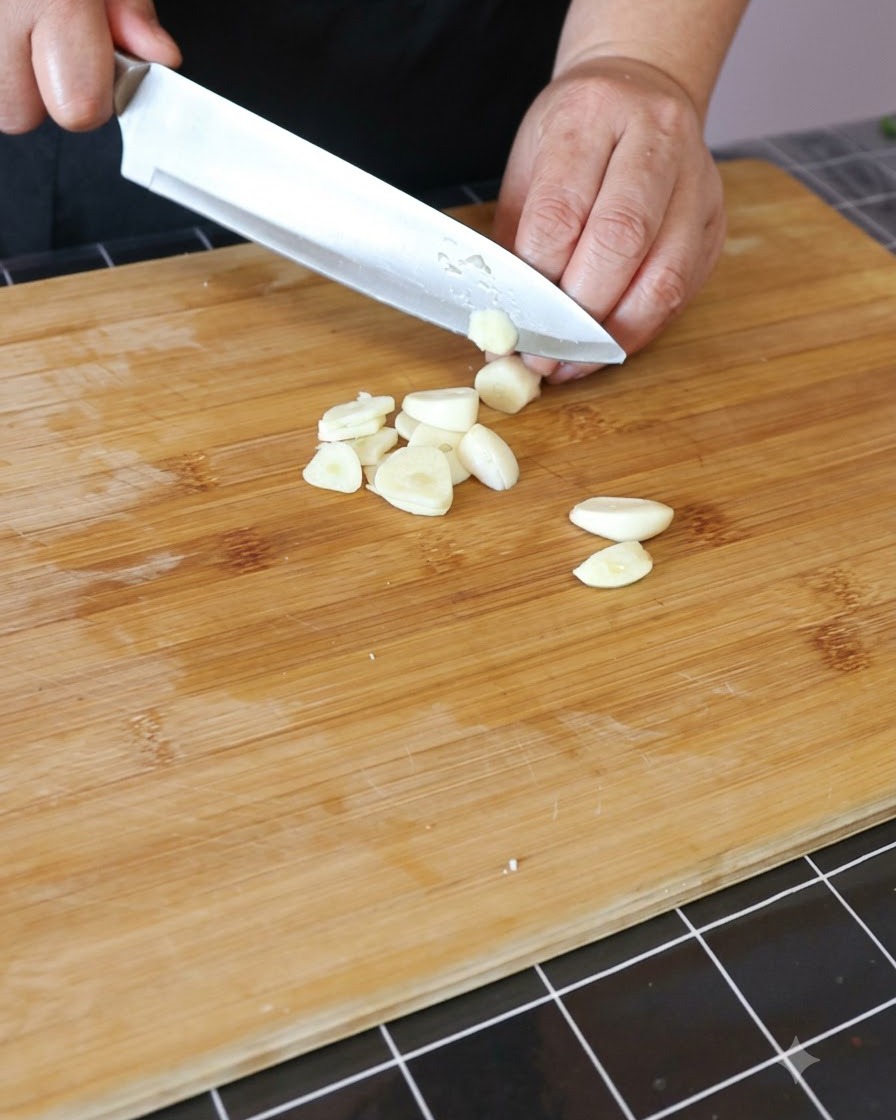
Mince peeled garlic cloves finely on the wooden cutting board using a sharp chefs knife.
Tip: Finely mincing the garlic helps release its aromatic flavors effectively into the soup base. - 6Slice Thai chili peppers
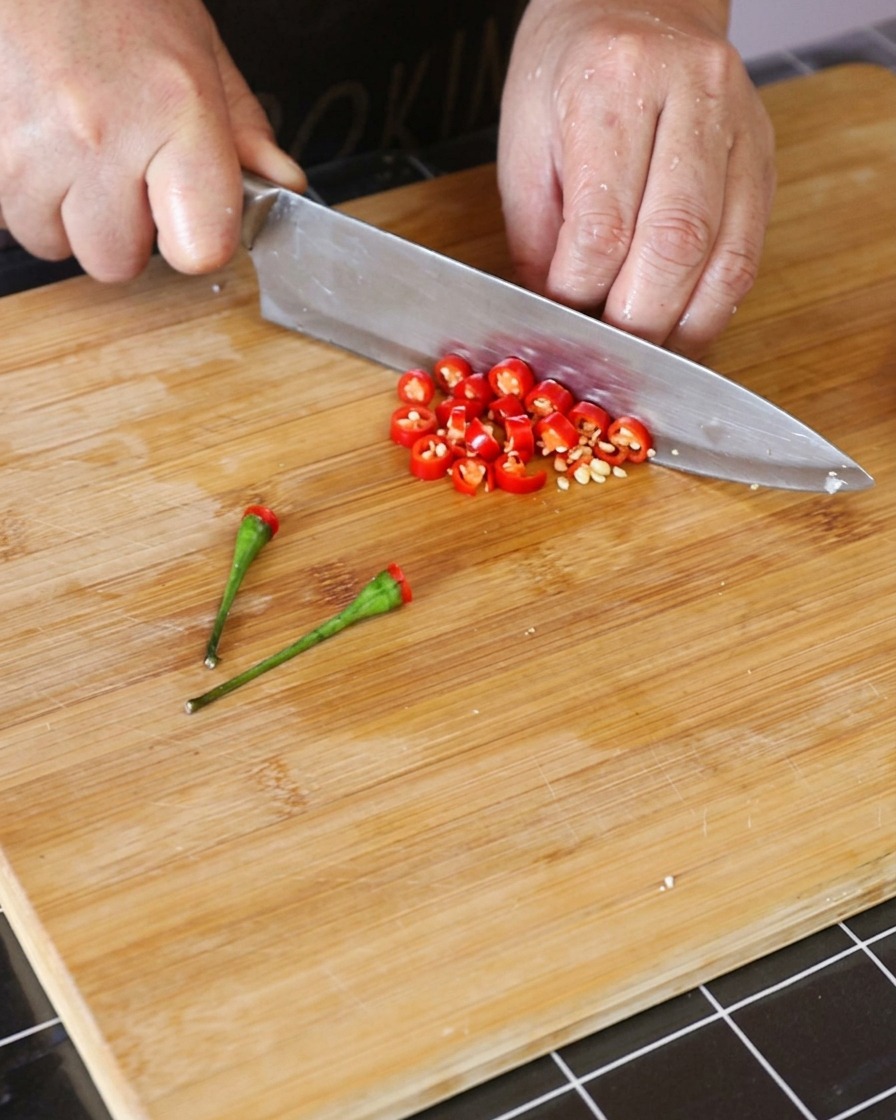
Slice fresh red Thai chili peppers into small rings on the wooden cutting board.
Tip: Adjust the amount of chili peppers according to your personal preference for spice. - 7Pour water into the pot
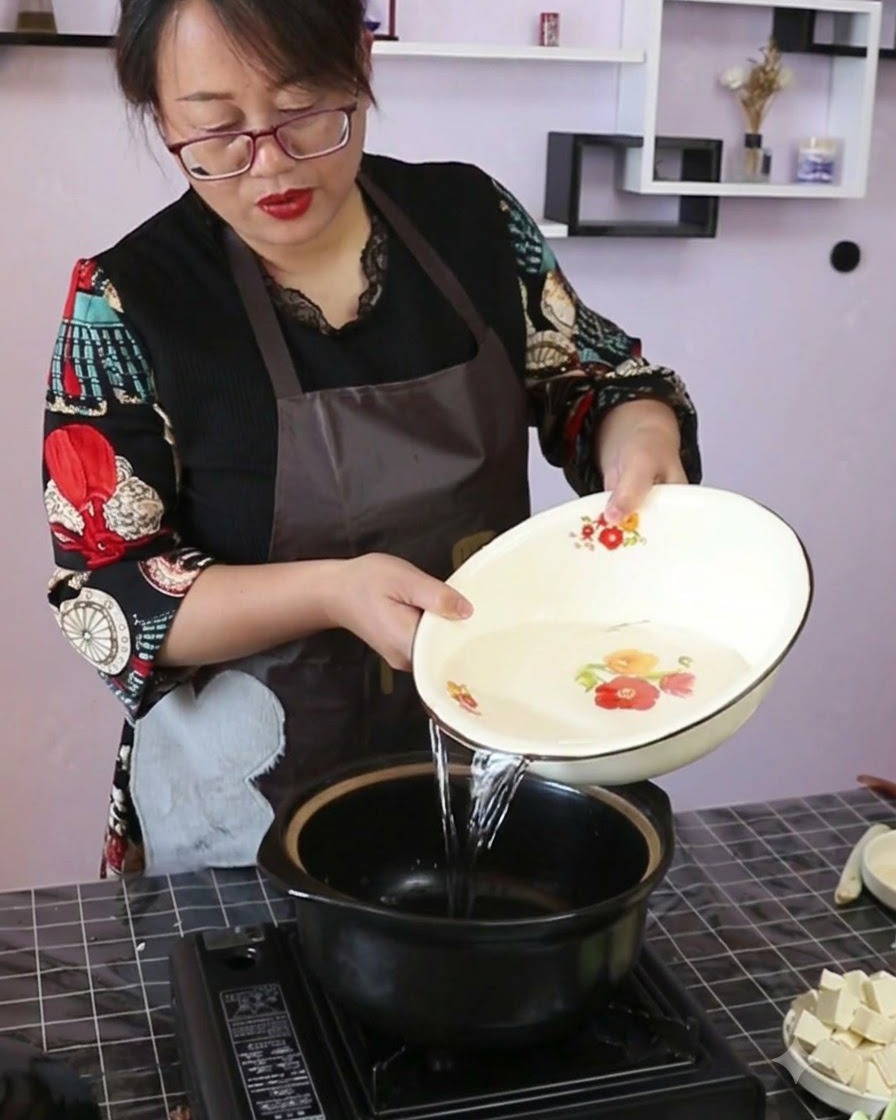
Pour clean water from a decorative bowl into a black ceramic cooking pot placed on a portable stove.
Tip: Ensure the pot is stable on the portable stove before starting the heating process. - 8Stir in soybean paste
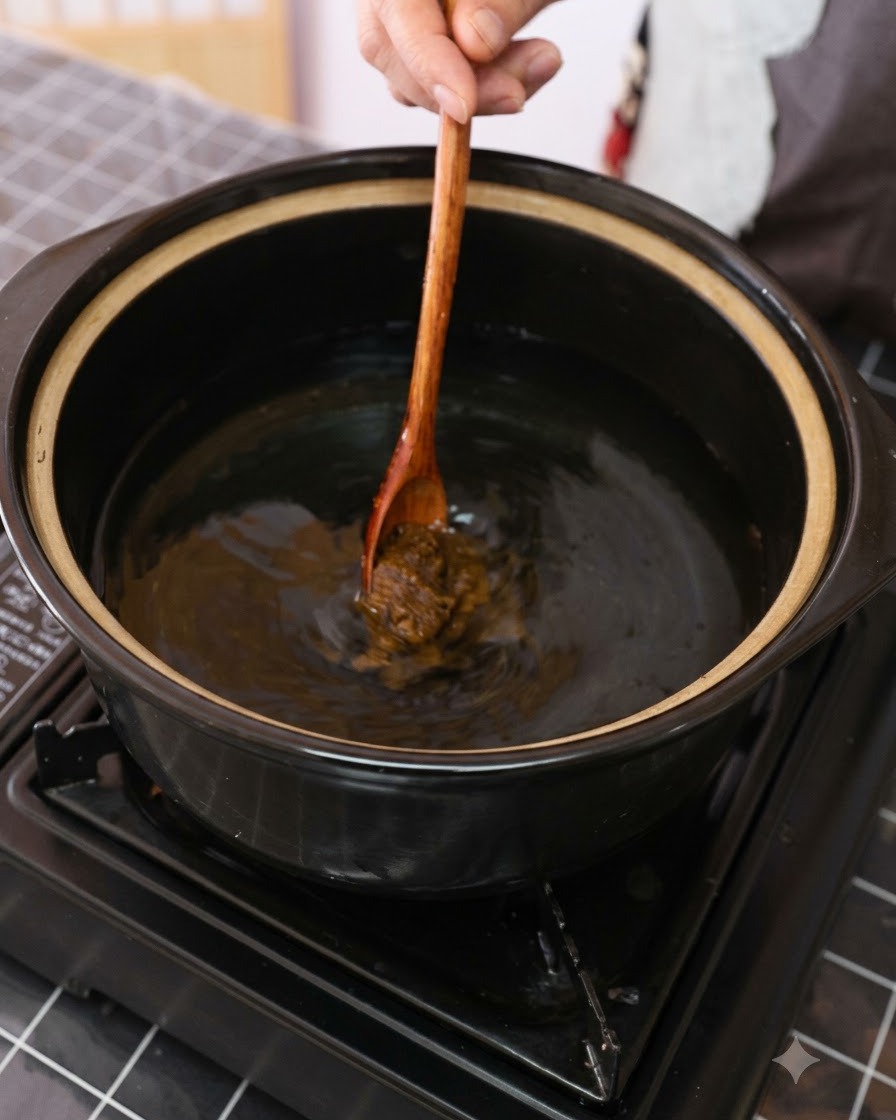
Add two spoonfuls of brown soybean paste to the water in the pot, and stir well using a wooden spoon to dissolve it completely.
Tip: Stir the paste thoroughly into the water before heating to ensure an even flavor base. - 9Add Potatoes and Pork Belly
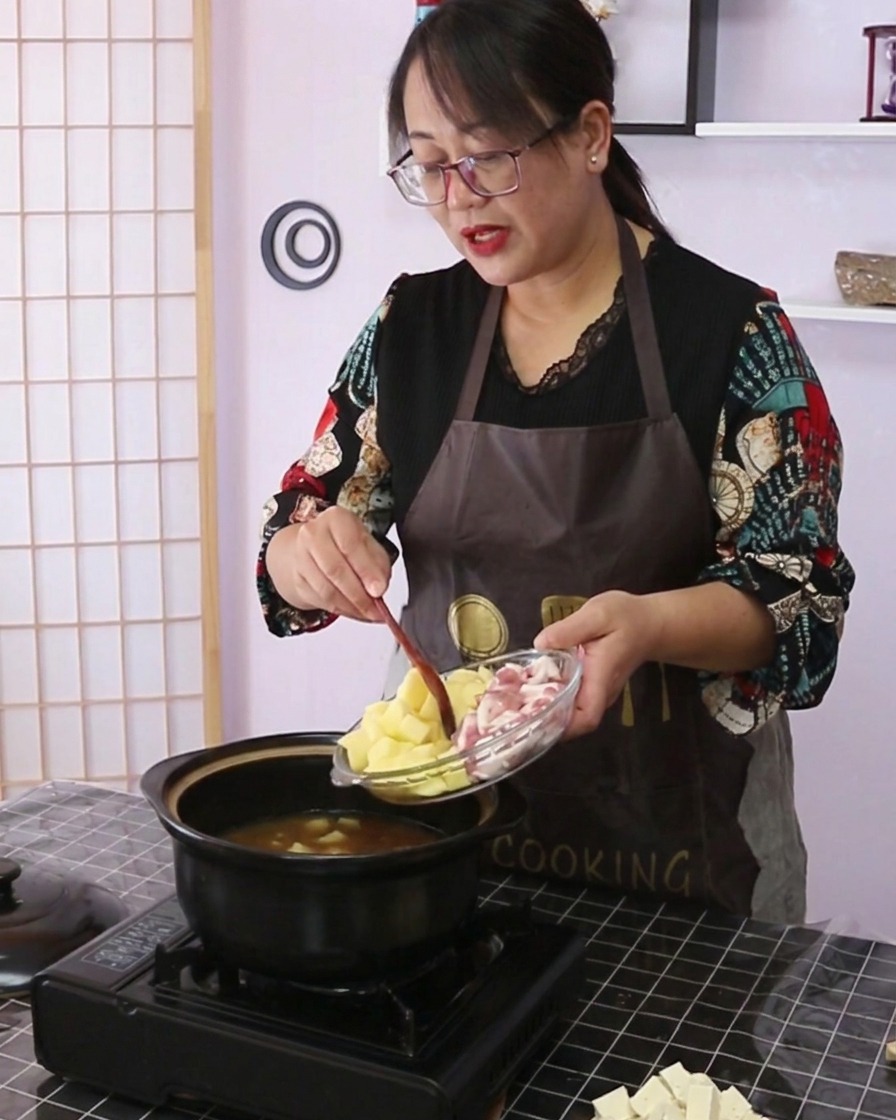
Put the heat-resistant diced potatoes and sliced pork belly into the pot containing the seasoned water, then cover and bring to a boil.
Tip: Adding potatoes early allows them to soften nicely as the soup simmers. - 10Add Zucchini and Mushrooms
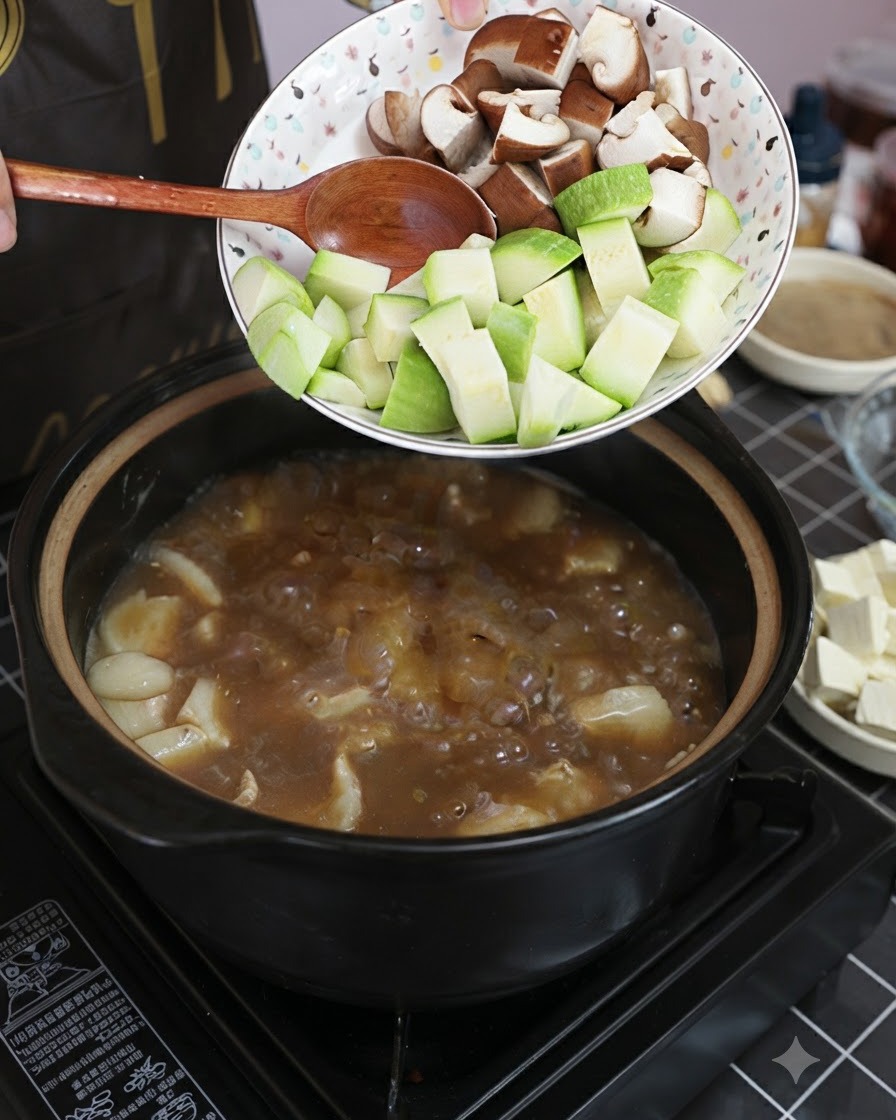
Add the chopped zucchini and shiitake mushrooms into the simmering pot to build the vegetable base of the soup.
Tip: Cut the zucchini and mushrooms into uniform chunks so they cook evenly. - 11Add Tofu
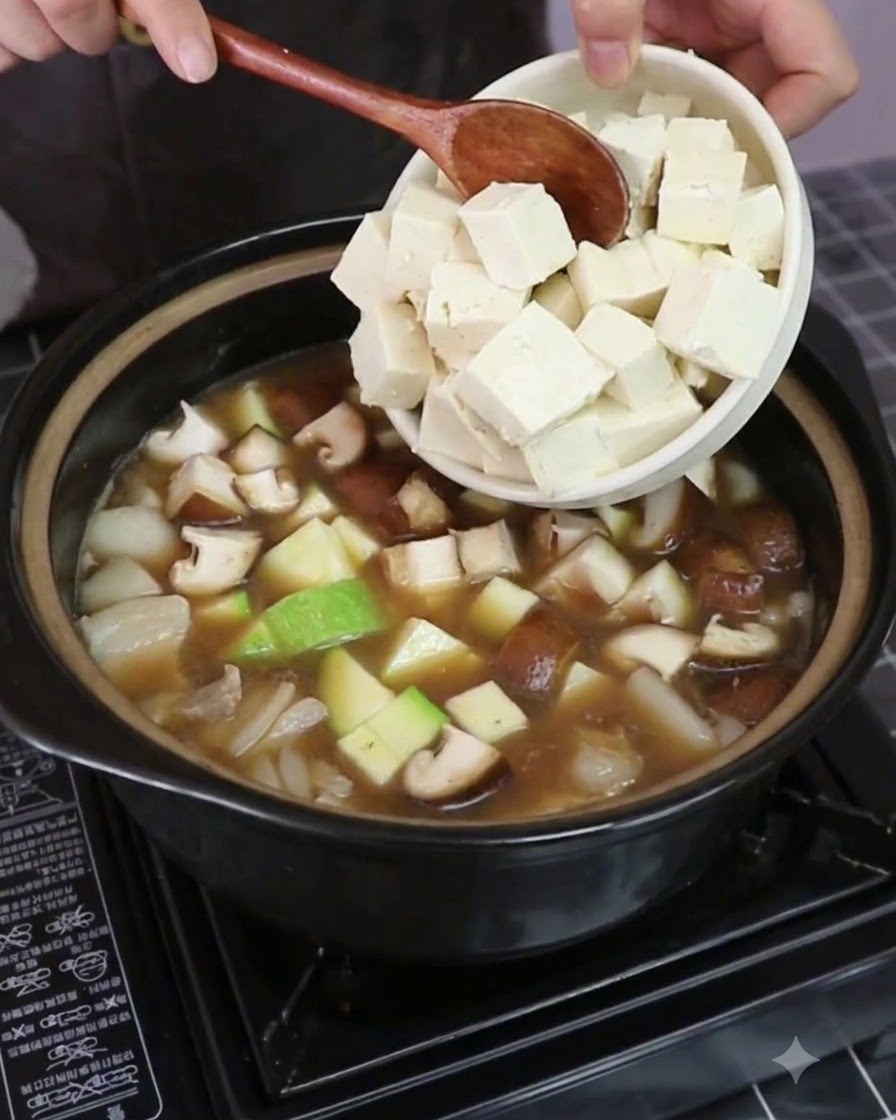
Add the cubed brine firm tofu into the pot containing the vegetables and broth.
Tip: Firm tofu holds its shape well during simmering without breaking apart easily. - 12Season the broth with MSG
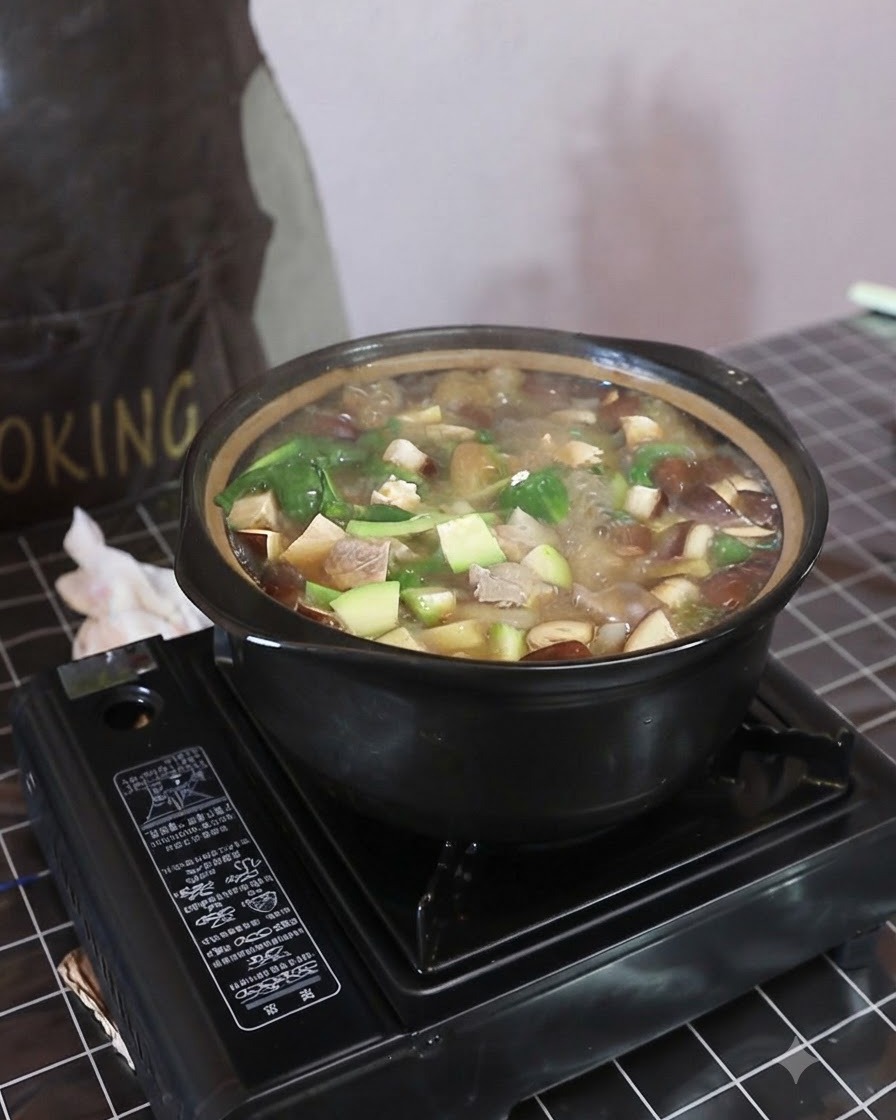
Once the broth returns to a boil, season it by adding a spoonful of MSG to enhance the overall savory depth of the soup.
Tip: Make sure the soup is at a rolling boil so the seasoning dissolves and distributes evenly throughout the pot. - 13Add garlic and Thai chilis
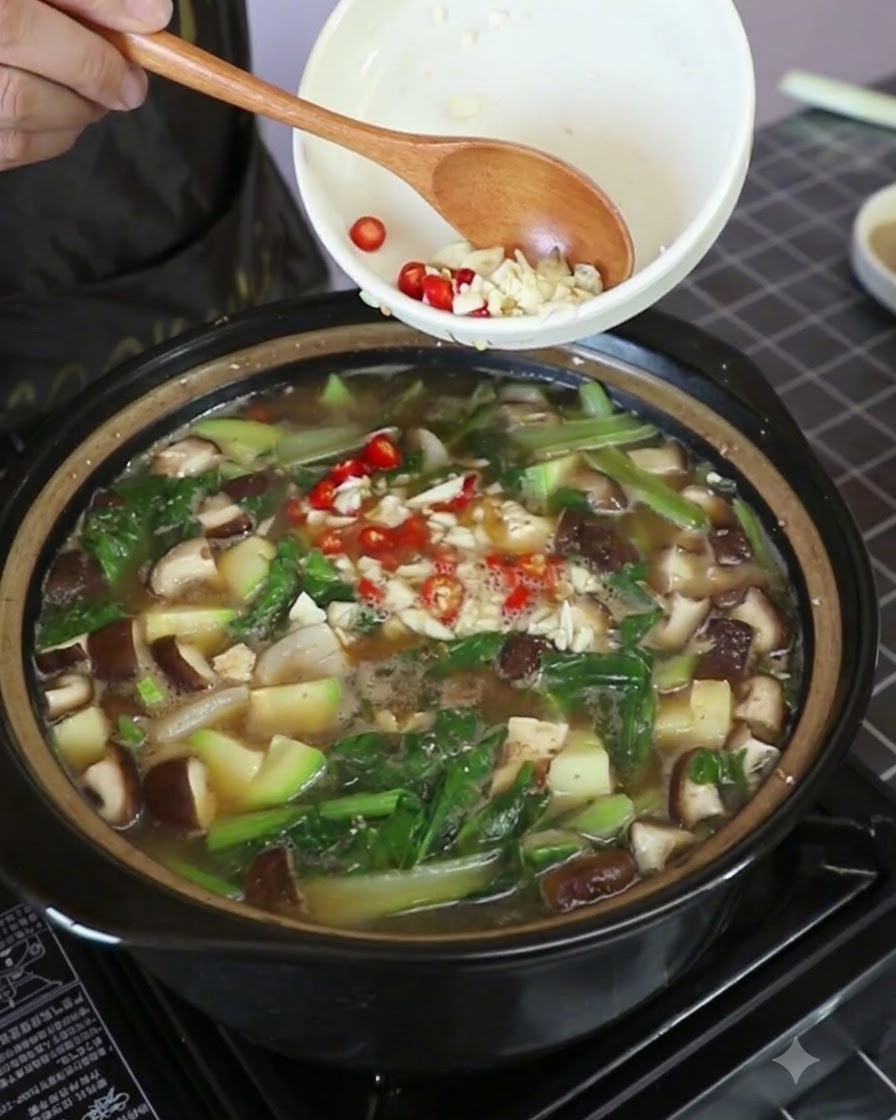
Tip the freshly minced garlic and sliced Thai chili peppers from the bowl directly into the bubbling soup to build aromatic layers and heat.
Tip: Adjust the amount of Thai chili peppers based on your personal spice preference. - 14Add chili powder and flakes
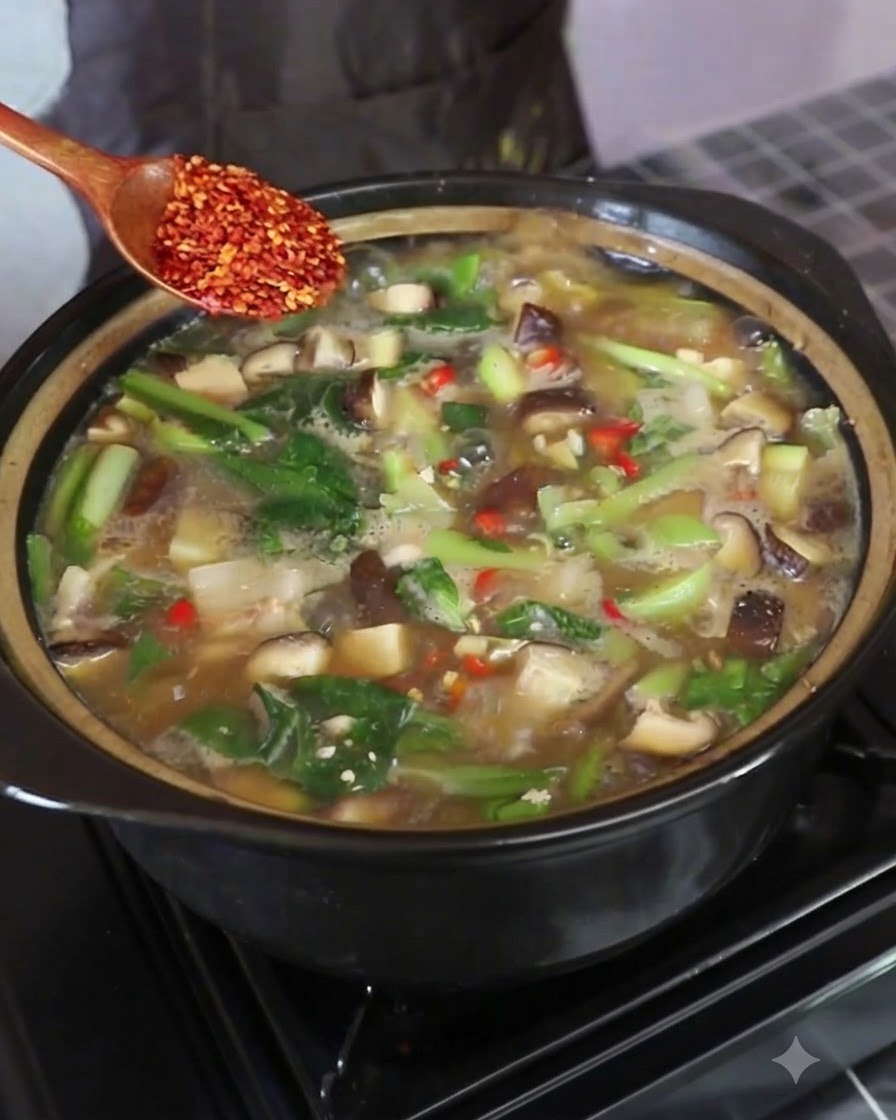
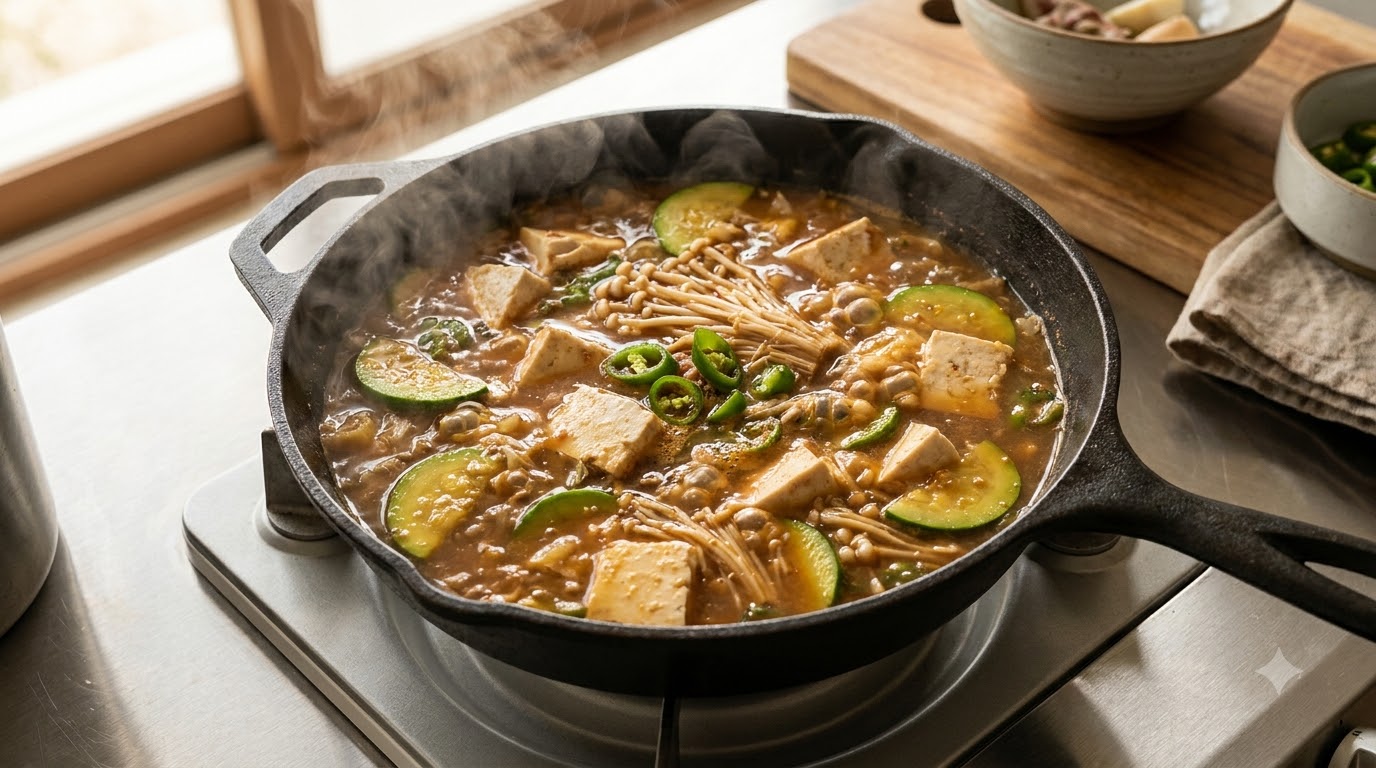
Sprinkle in a spoonful of red chili powder and chili flakes, then use a wooden spoon to stir everything together, letting the soup simmer until fully cooked and bubbling.
Tip: Omit the chili powder and flakes if you prefer a non-spicy version of the soup.