Traditional Korean Rice Cake
Dumpling Soup (Tteokguk)
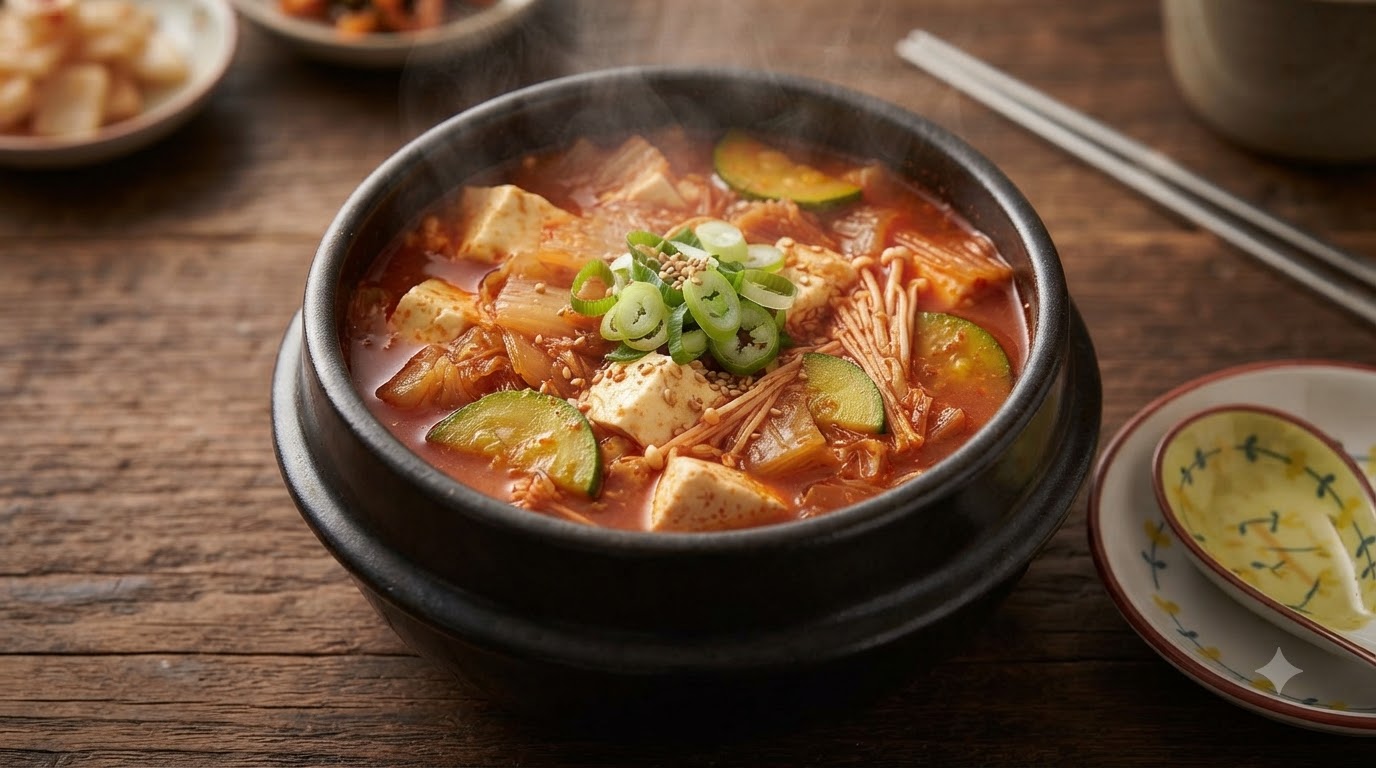
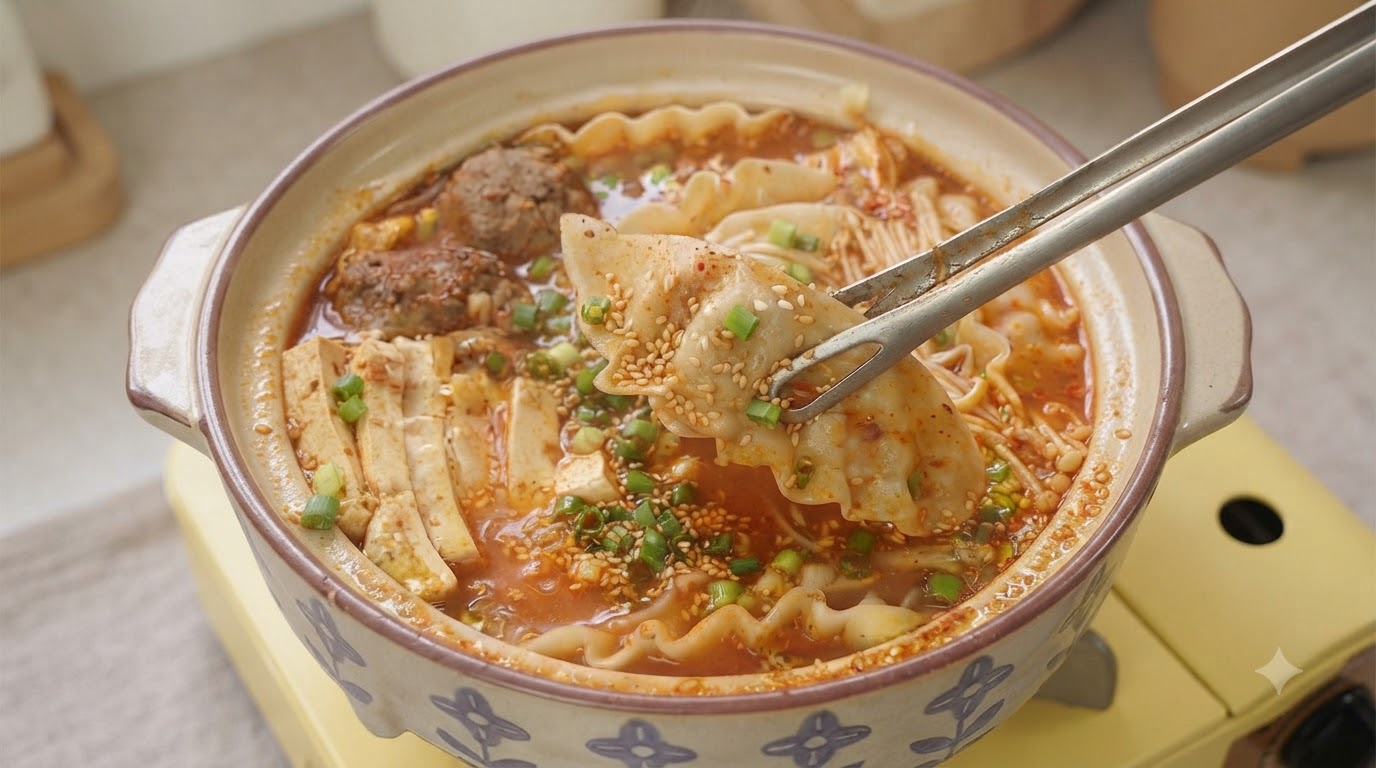
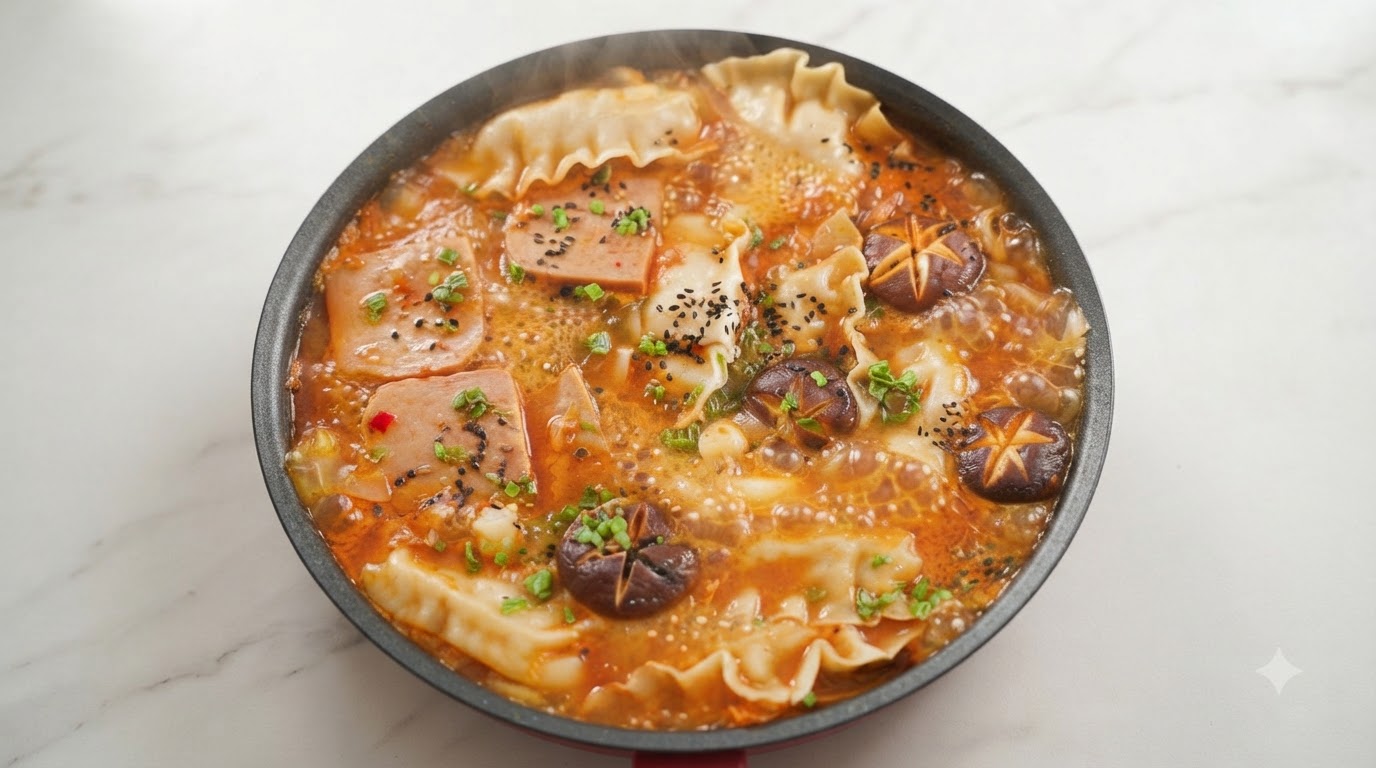
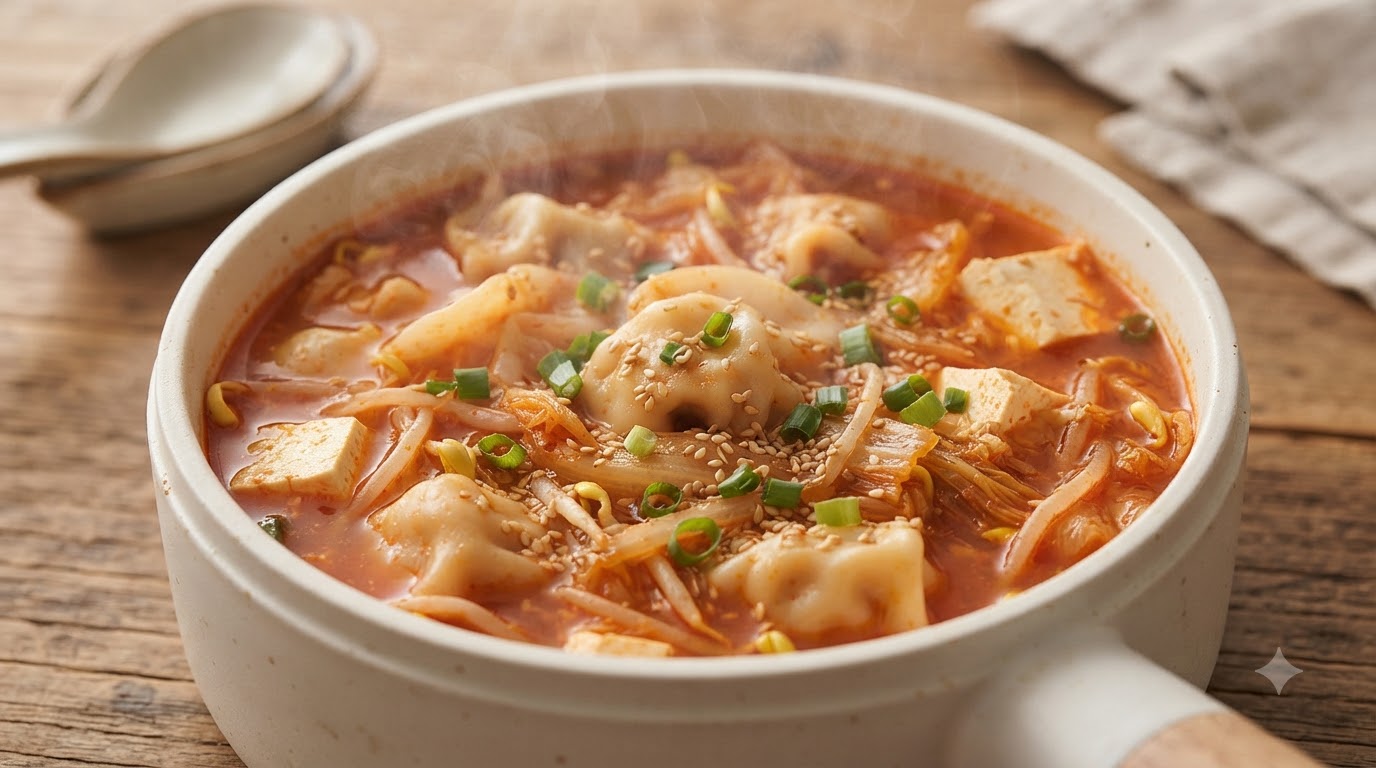
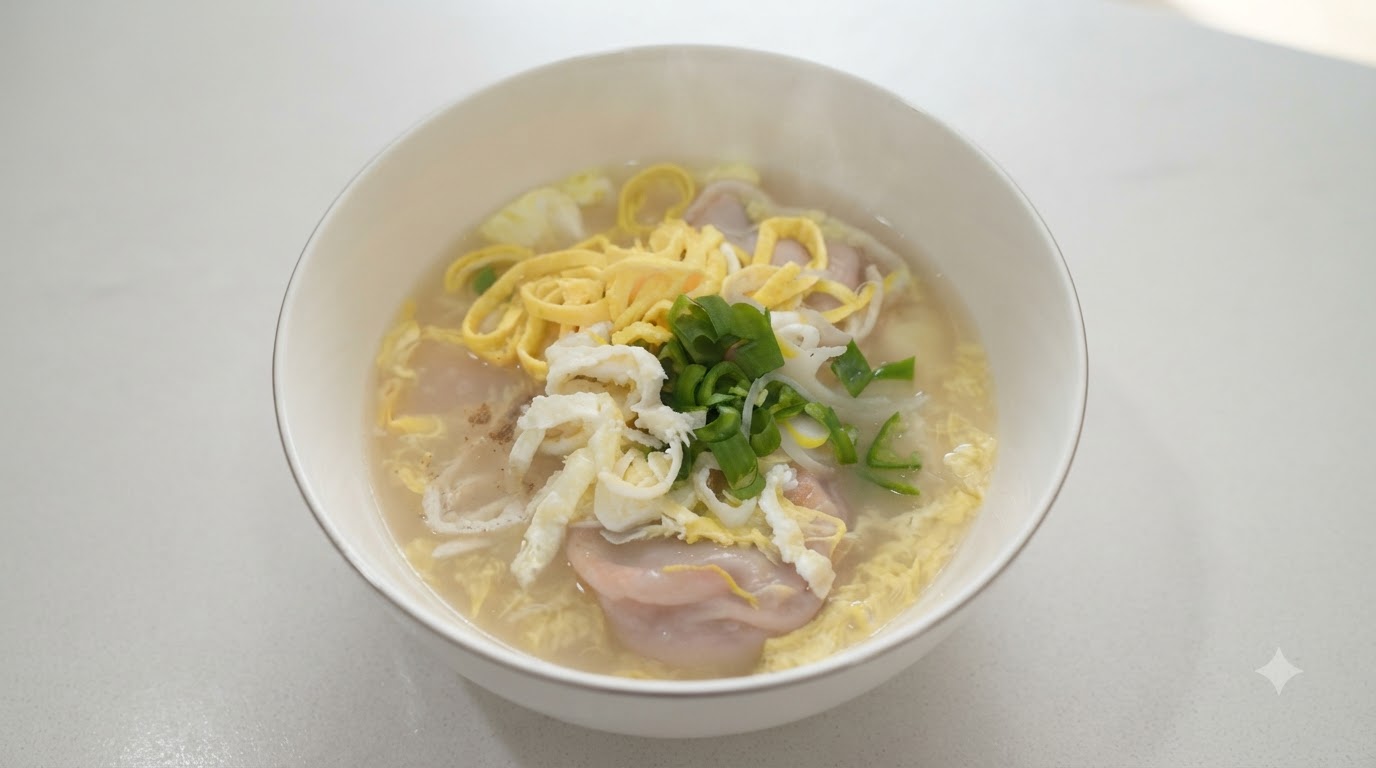
A comforting bowl of Korean rice cake and dumpling soup featuring chewy sliced rice cakes, savory kimchi dumplings, and rich beef bone broth garnished with delicate egg strips.
Korean rice cake and dumpling soup, traditionally known as tteokguk, is a deeply comforting dish often enjoyed to celebrate cozy evenings or special occasions. Combining chewy sliced rice cakes with plump kimchi dumplings in a savory beef bone broth, it offers a harmonious blend of rich flavors and satisfying textures. Garnished with thinly sliced egg crepes and fresh green onions, it provides a simple yet nourishing meal that warms you from the inside out.
Ingredients
- 500 g sliced rice cakes
- 1 L beef bone broth
- 2 eggs
- 6 to 8 kimchi dumplings
- 2 cloves minced garlic
- 1 tsp salt
- 1 tsp beef seasoning powder
- to taste scallions
- to taste green chili
- optional pepper powder
Instructions
- 1Separate the eggs
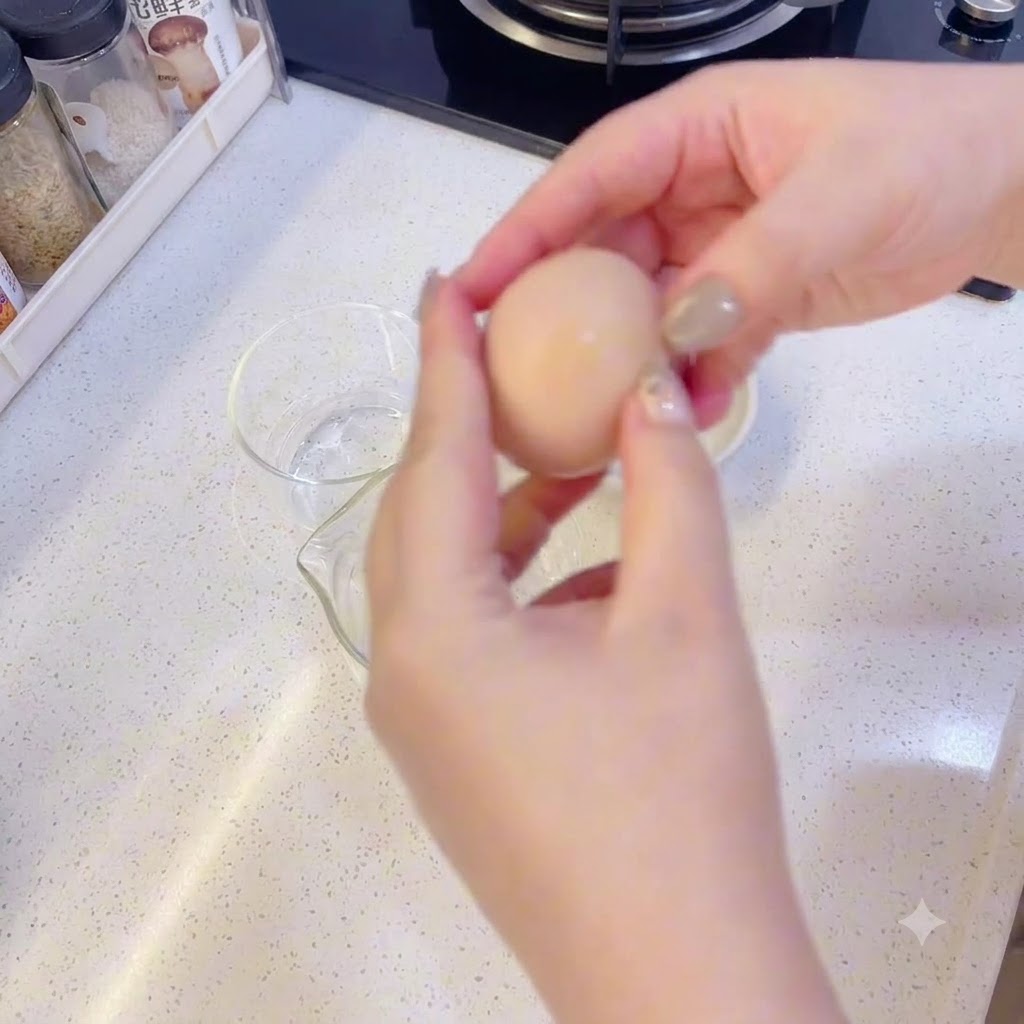
Carefully crack the eggs and separate the egg yolks from the whites into clear glass containers. Keeping them separated allows you to fry distinct yellow and white egg pancakes for the garnish.
Tip: Separating eggs is often easier when they are cold, straight from the refrigerator. - 2Fry the egg white
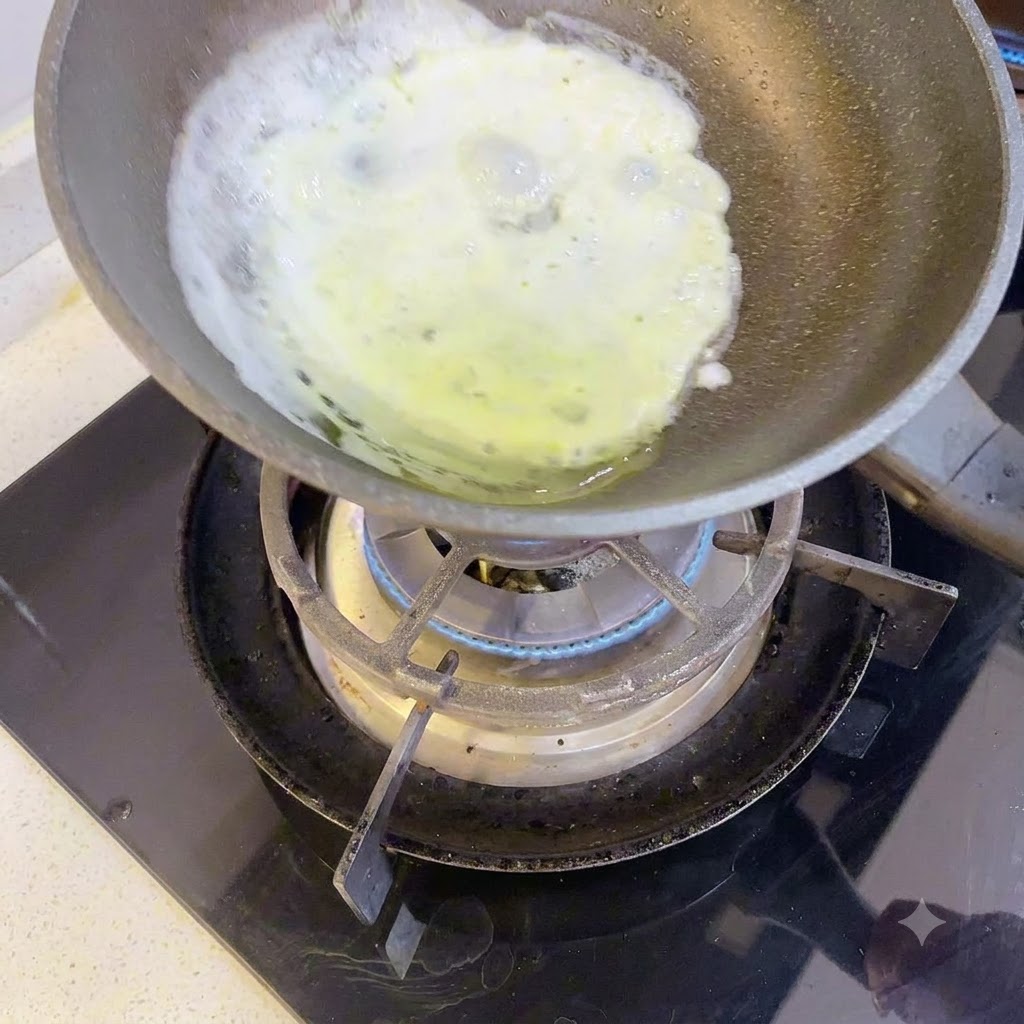
Lightly oil a flat-bottom pan and place it over low heat. Pour in the egg white mixture, swirling the pan to spread it into a thin, even pancake. Cook gently until completely set.
Tip: Keep the heat low to ensure the egg white cooks through without browning, maintaining its clean white color. - 3Roll and slice the egg crepes
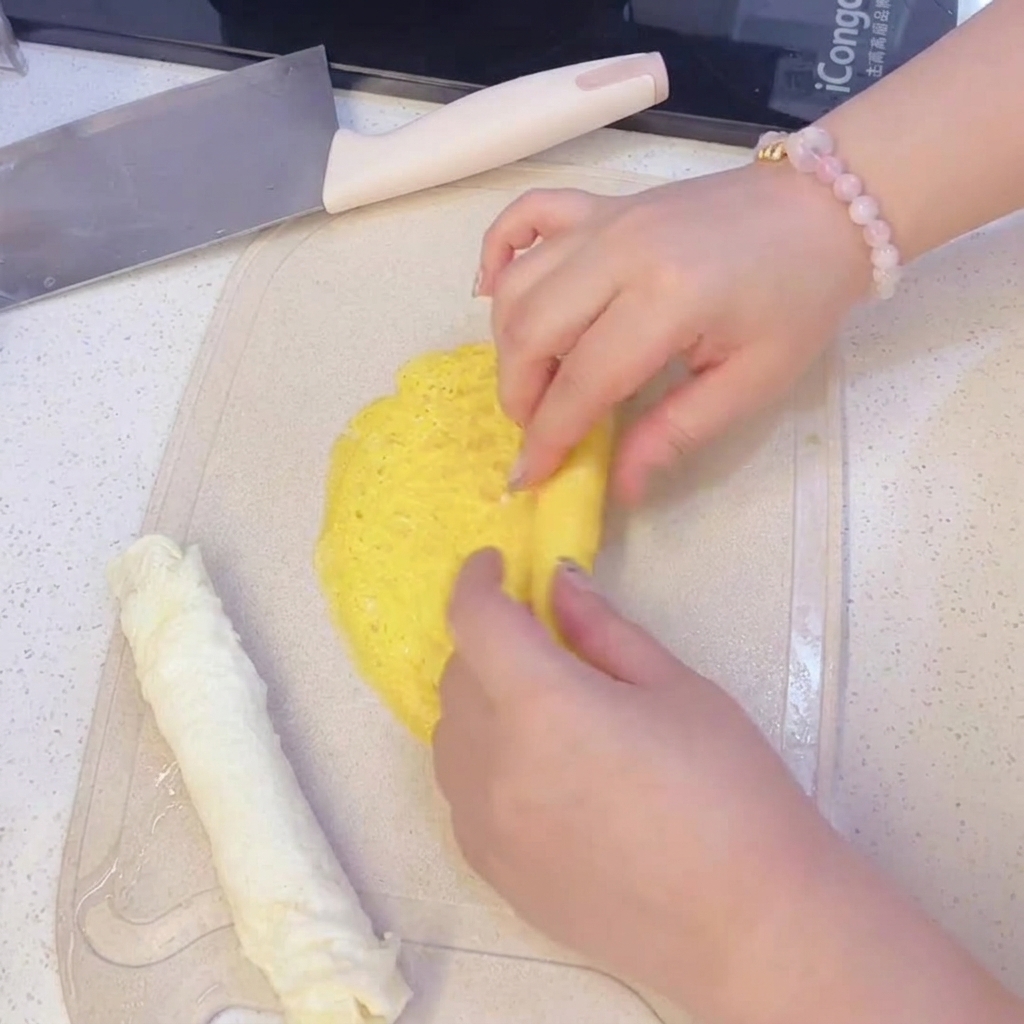
Once the egg pancakes have cooled slightly, roll them up tightly. Use a kitchen knife to slice the rolled egg whites and yolks into thin strips on a cutting board, then set them aside for garnishing.
Tip: Rolling the egg pancakes before cutting is a simple trick to ensure uniform, thin strips. - 4Heat the beef bone broth
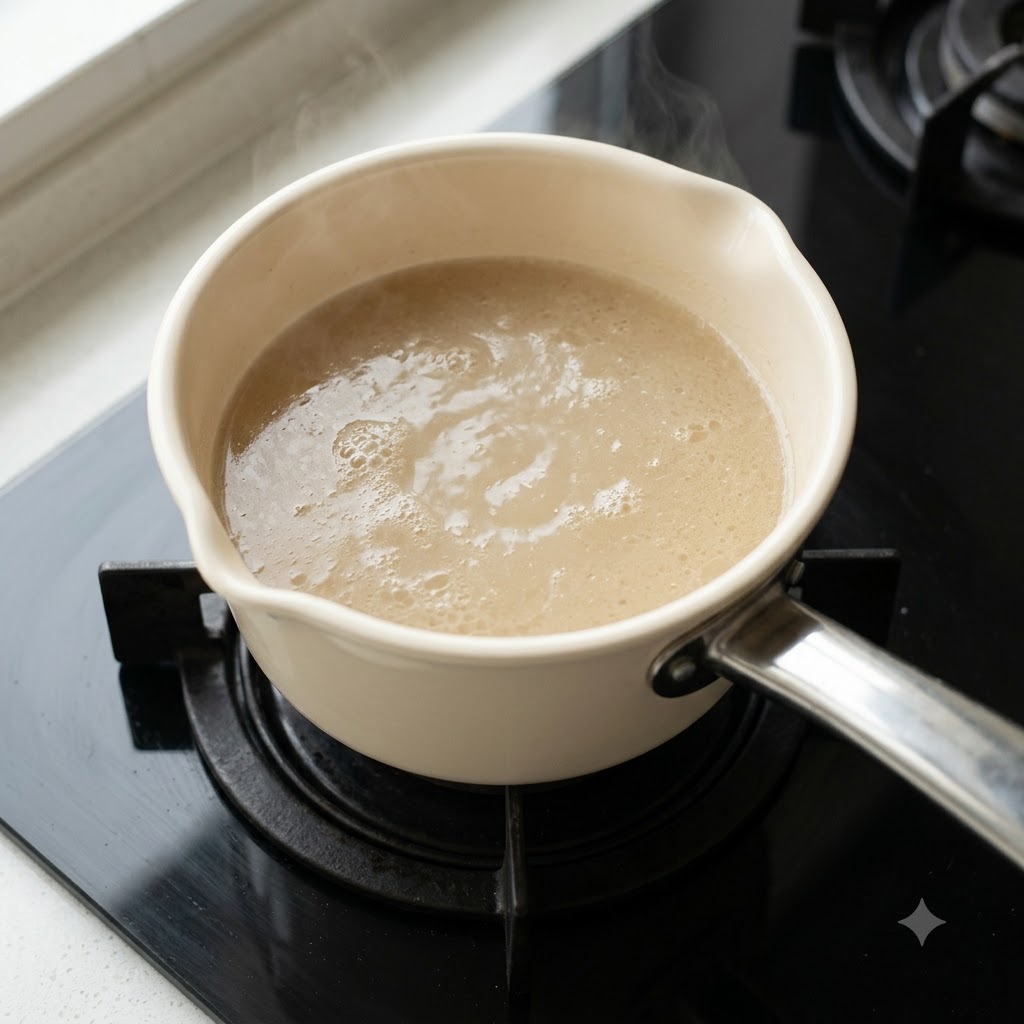
Pour the frozen beef bone broth into a pot and place it on the stove. Heat the broth until it comes to a steady boil, providing a rich base for the soup.
Tip: Using high-quality beef bone broth adds a deep, savory flavor to the dish that complements the dumplings perfectly. - 5Add sliced rice cakes
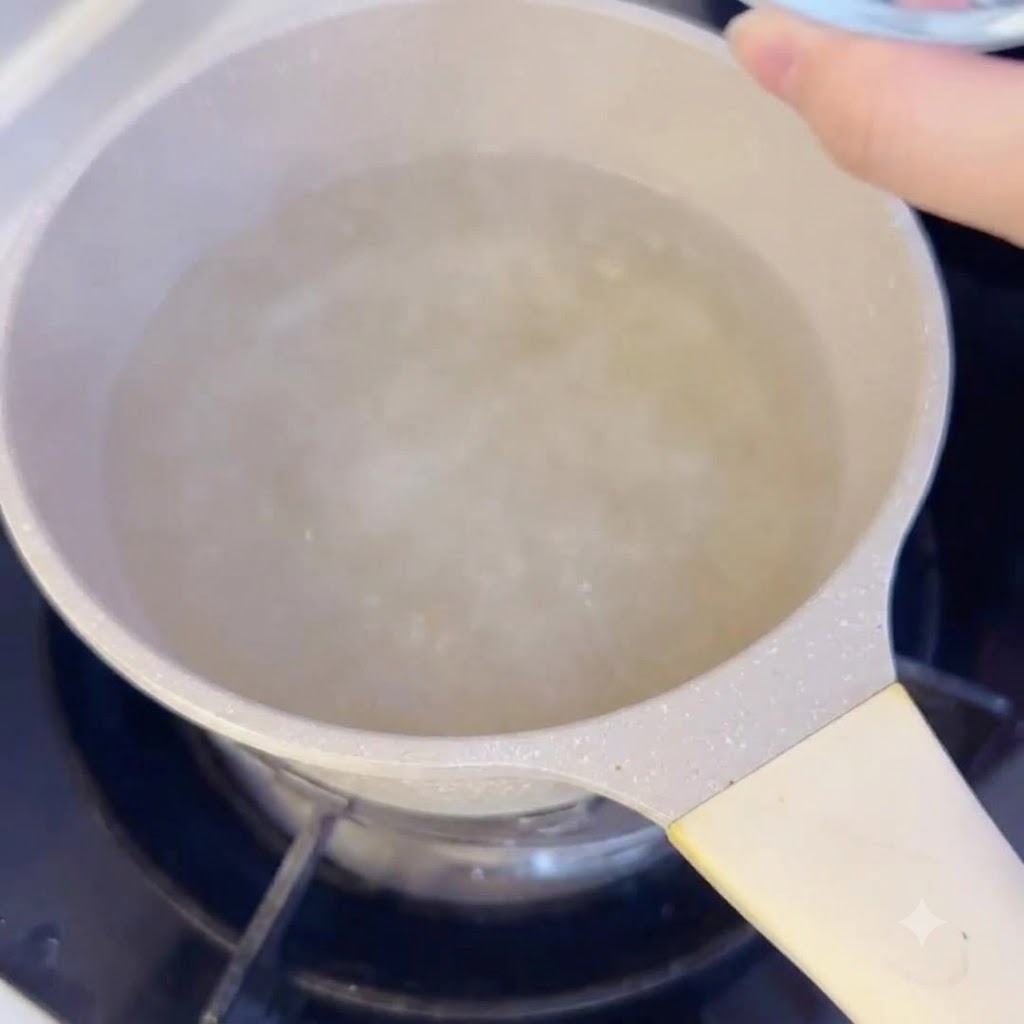
Take the prepared sliced rice cakes and add them directly into the pot of boiling beef bone broth.
Tip: Ensure the broth is at a rolling boil before adding the rice cakes to prevent them from sticking to the bottom. - 6Add minced garlic
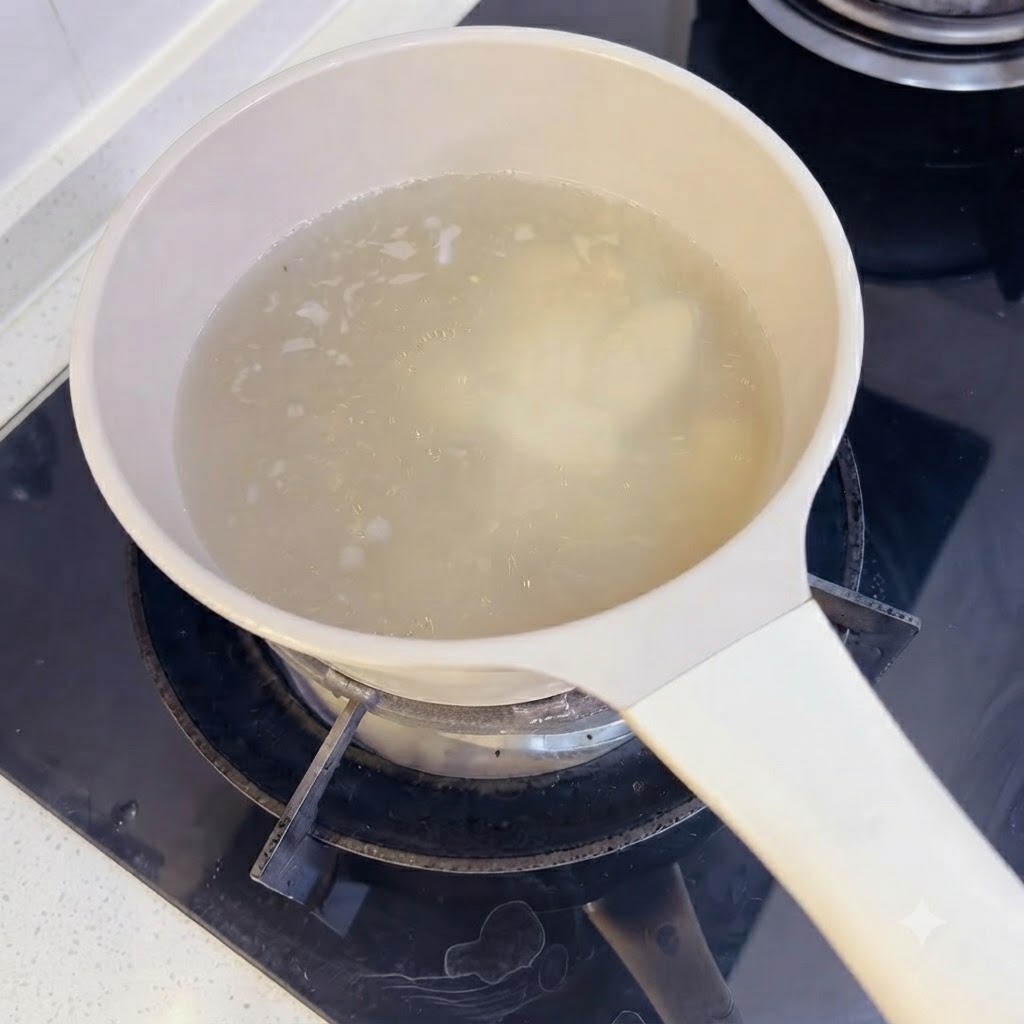
Stir in a spoonful of freshly minced garlic into the boiling broth and rice cake mixture to enhance the aromatic flavor profile of the soup.
Tip: Freshly minced garlic yields a much brighter flavor than pre-packaged varieties. - 7Add kimchi dumplings
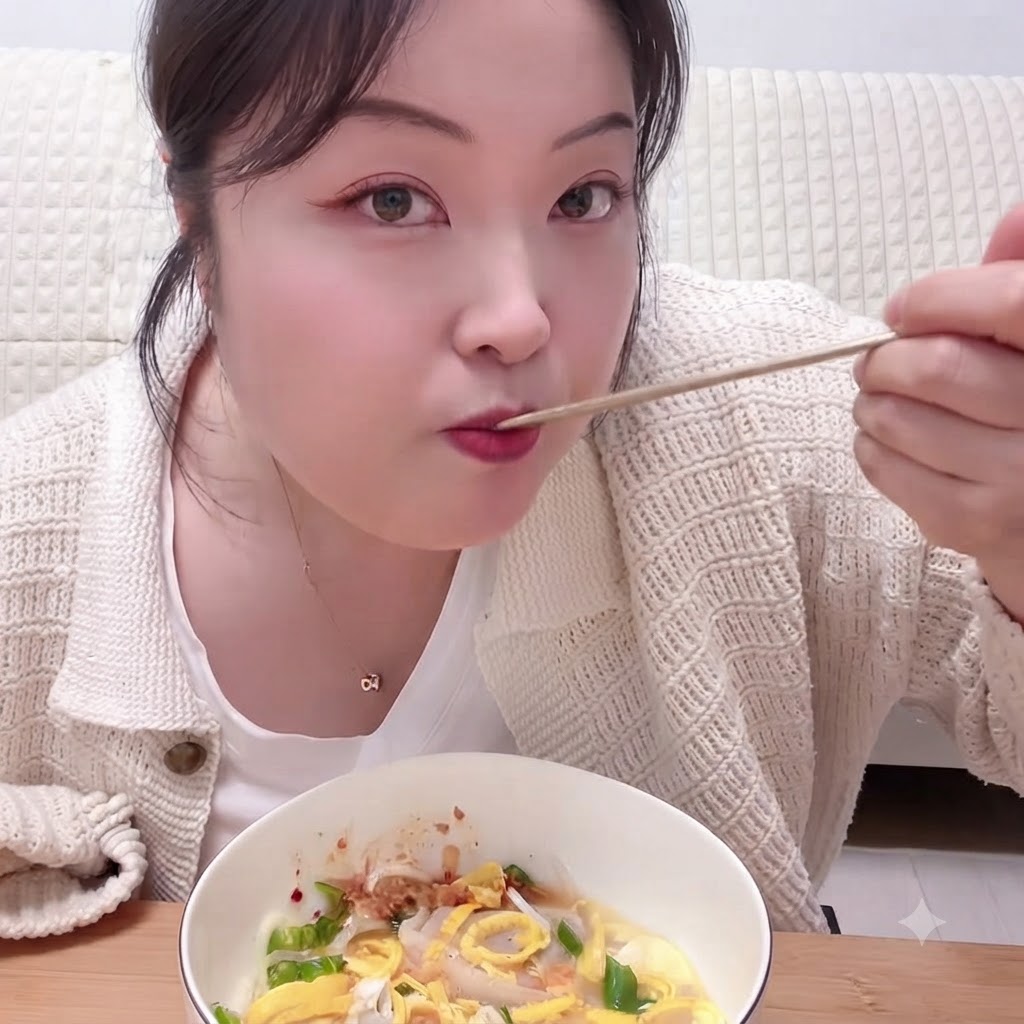
Gently place the frozen or fresh kimchi dumplings into the bubbling broth, allowing them to cook thoroughly alongside the rice cakes.
Tip: Do not overcrowd the pot so the dumplings cook evenly without breaking apart. - 8Season the soup

Season the simmering soup by adding salt and beef seasoning powder to taste, then pour in the beaten egg liquid once everything is thoroughly cooked.
Tip: Adjust the salt level gradually, keeping in mind that kimchi dumplings and beef seasoning powder already contribute sodium.