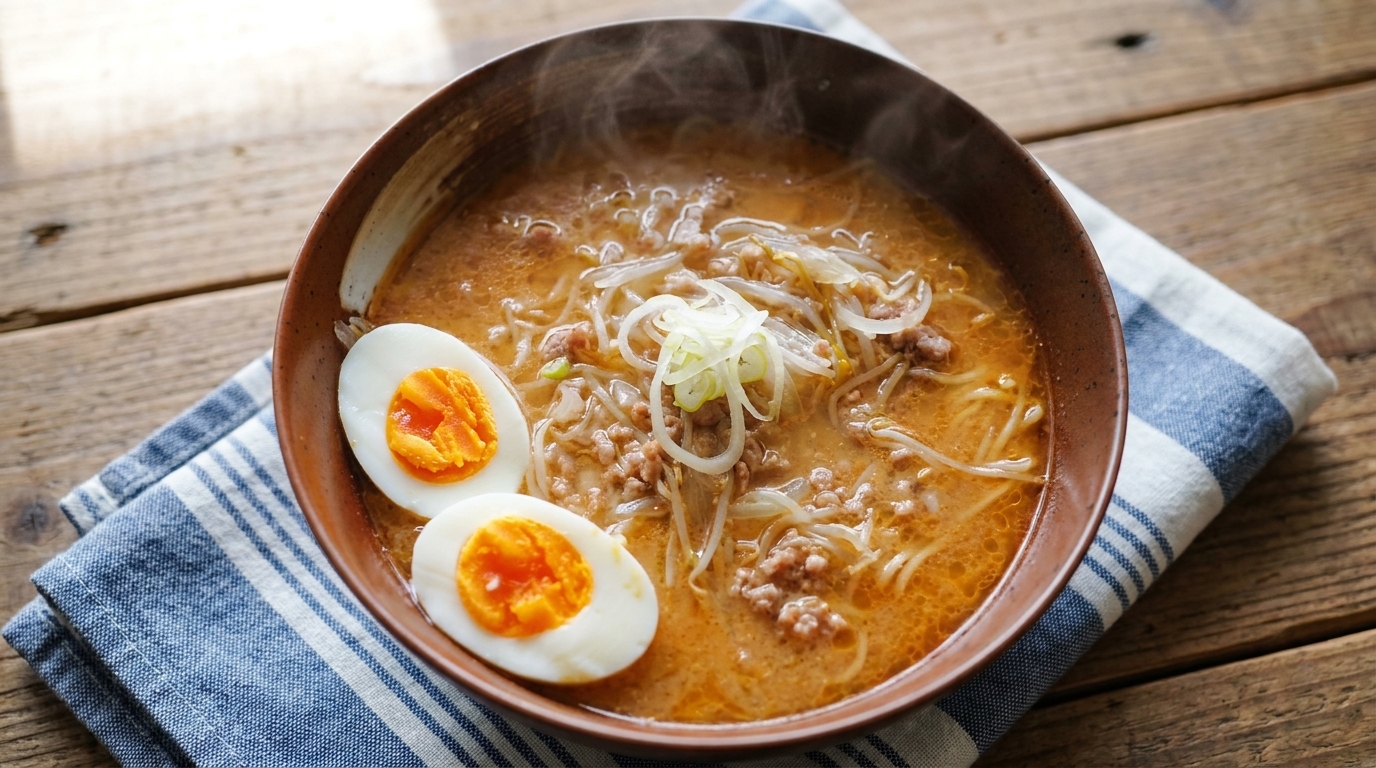
Authentic Hokkaido Sapporo Miso Ramen
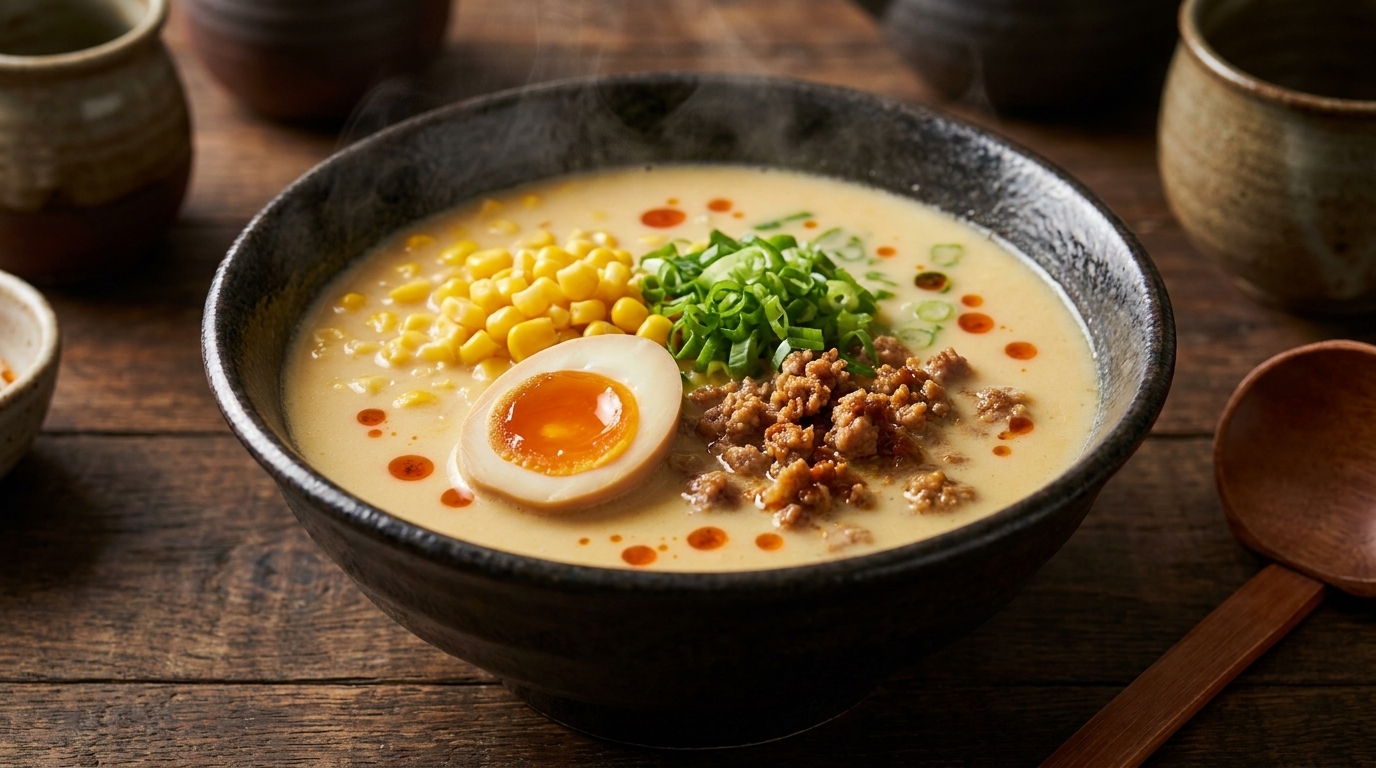
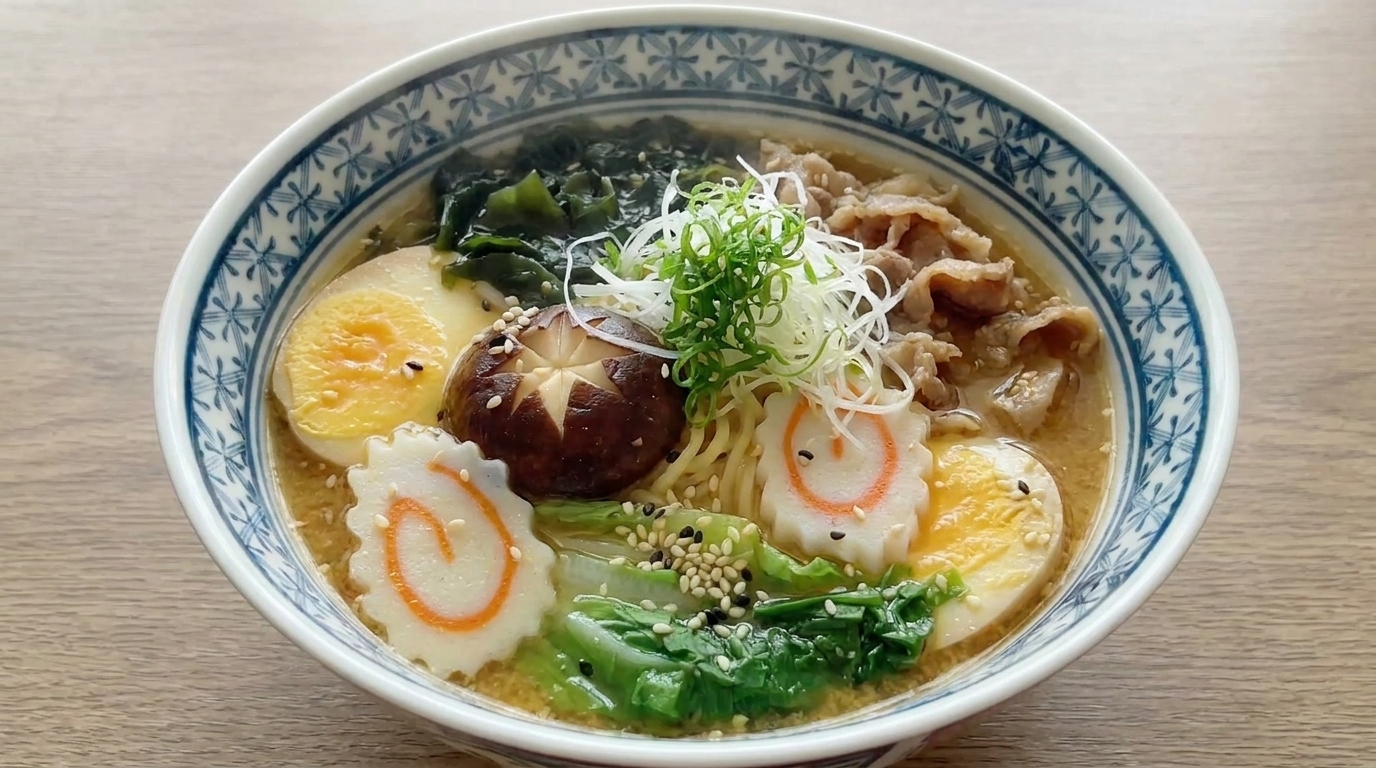
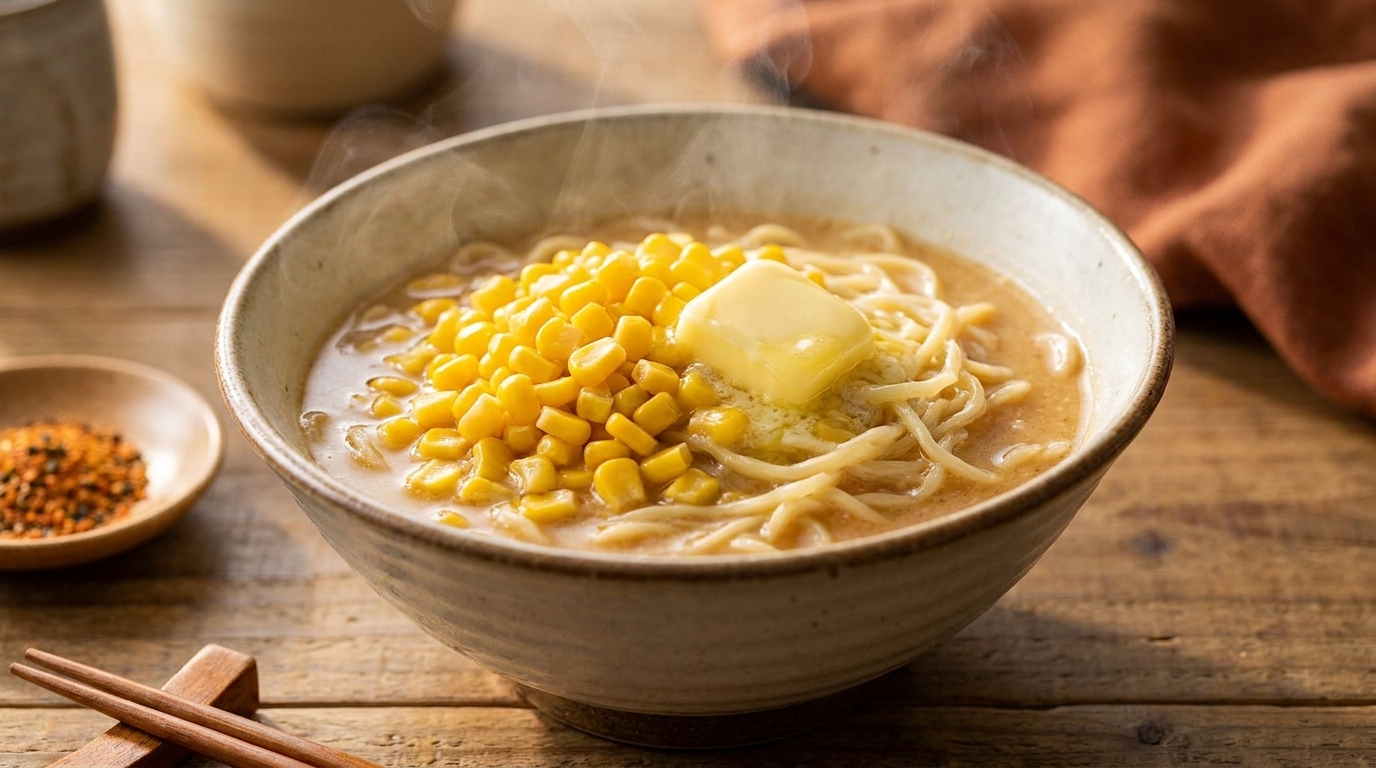
Warm up with a bowl of Hokkaido soul food featuring chewy ramen noodles submerged in a rich miso broth and topped with savory minced pork and crunchy bean sprouts[cite: 1].
Hokkaido is the snow swept northern frontier of Japan and its signature Sapporo style miso ramen is built for warmthcite: 1. Unlike lighter shoyu broths this version uses a robust miso base and stir fried toppings to create a hearty comforting meal that has become a global culinary iconcite: 1.
Ingredients
- 2 eggs
- 1 white onion
- 2 stalks green onions
- 150 g minced pork
- 1 tbsp cooking oil
- 1 tsp minced ginger
- 1 tsp minced garlic
- 100 g bean sprouts
- 1 pinch salt
- 1 pack Hokkaido non-fried ramen noodles
- 1 pack concentrated miso seasoning
Instructions
- 1Cool the boiled eggs
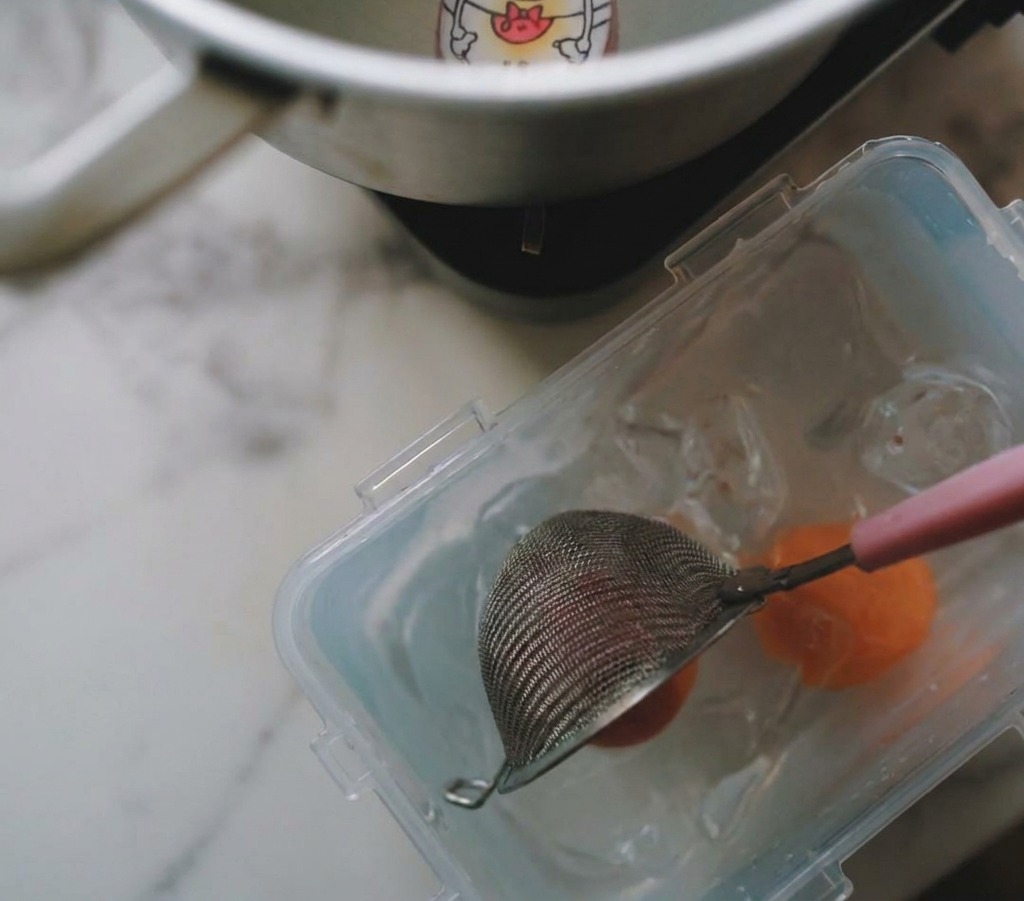
After boiling the eggs for several minutes, use a mesh strainer to immediately transfer them into a container filled with ice and water. This rapid cooling process stops the cooking instantly, ensuring the yolks remain soft and jammy while making the shells easier to peel later.
Tip: Let the eggs sit in the ice bath for at least 5 minutes to ensure they are fully chilled to the core before you attempt to peel them. - 2Shred the white onion
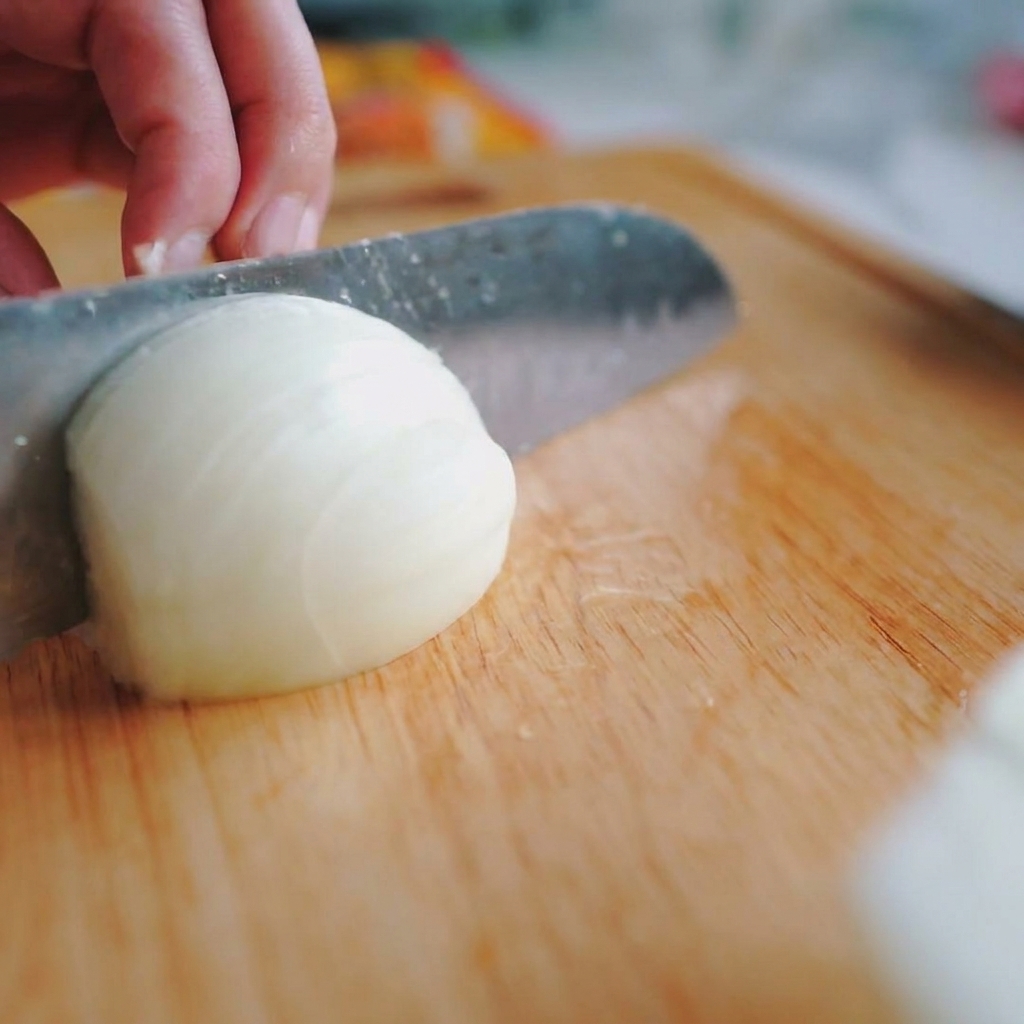
Place a peeled white onion on a wooden cutting board and use a sharp knife to shred it into very thin, uniform strips. These thin slices will soften quickly during the stir-fry process, adding a delicate sweetness and crunch to the ramen topping.
Tip: To get cleaner, thinner strips, keep the root end intact while slicing to hold the layers of the onion together. - 3Prepare the green onion garnish
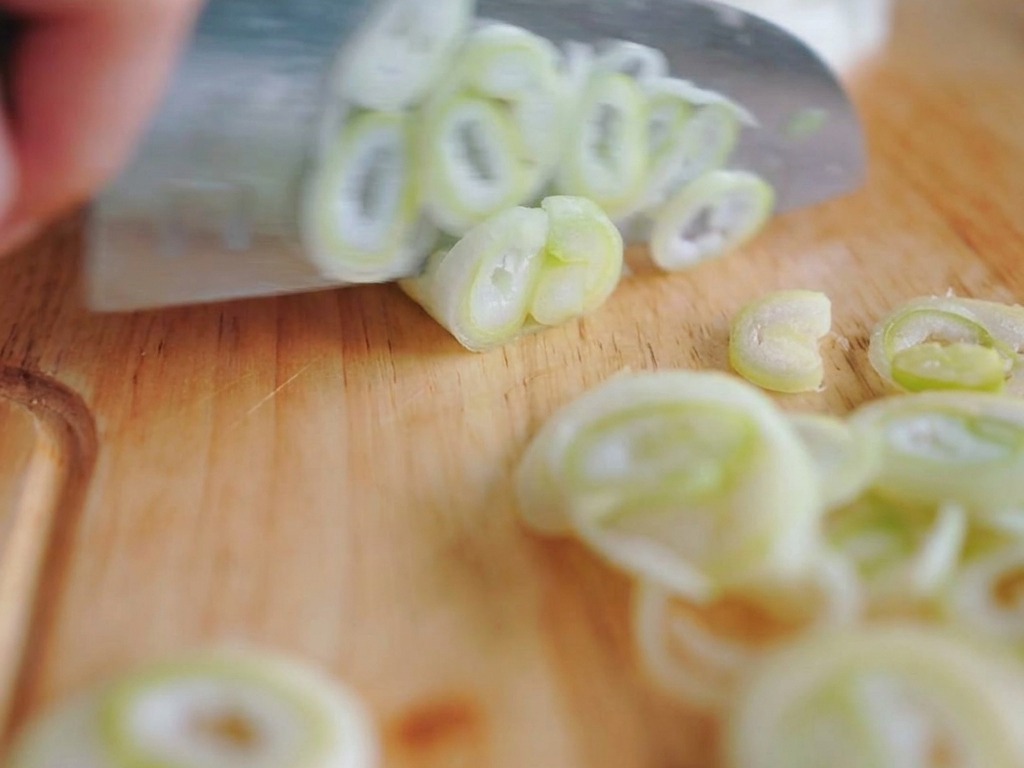
Finely slice the green onions into thin, uniform rings. These will be used as a fresh final garnish to provide a sharp flavor contrast and a burst of color to the rich miso broth and savory pork toppings.
Tip: Use a very sharp knife to avoid crushing the delicate onion layers, which keeps the rings crisp and vibrant for the final presentation. - 4Sauté the minced pork
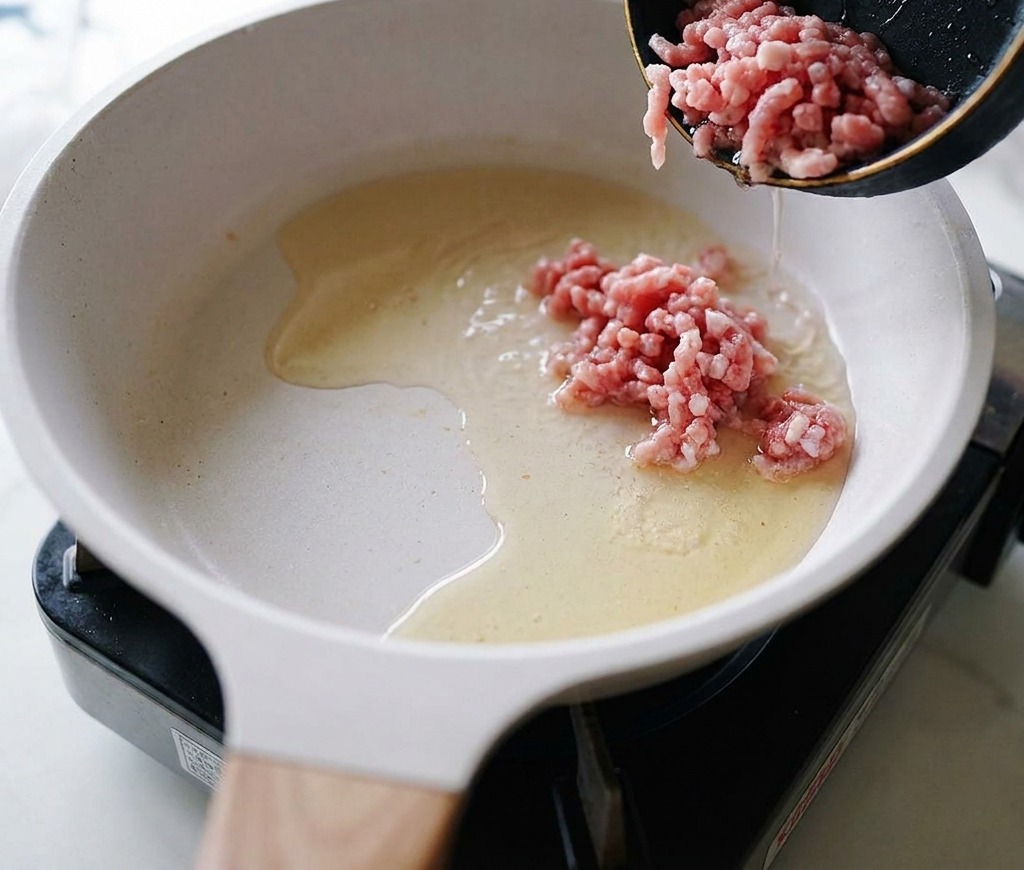
Heat a small amount of oil in a pan over medium-high heat. Carefully add the raw minced pork into the shimmering oil. Use a spatula to break the meat into smaller crumbles as it begins to cook.
Tip: Wait until the pan is fully heated before adding the pork to ensure it sears properly rather than just steaming in its own juices. - 5Add aromatics to the pork
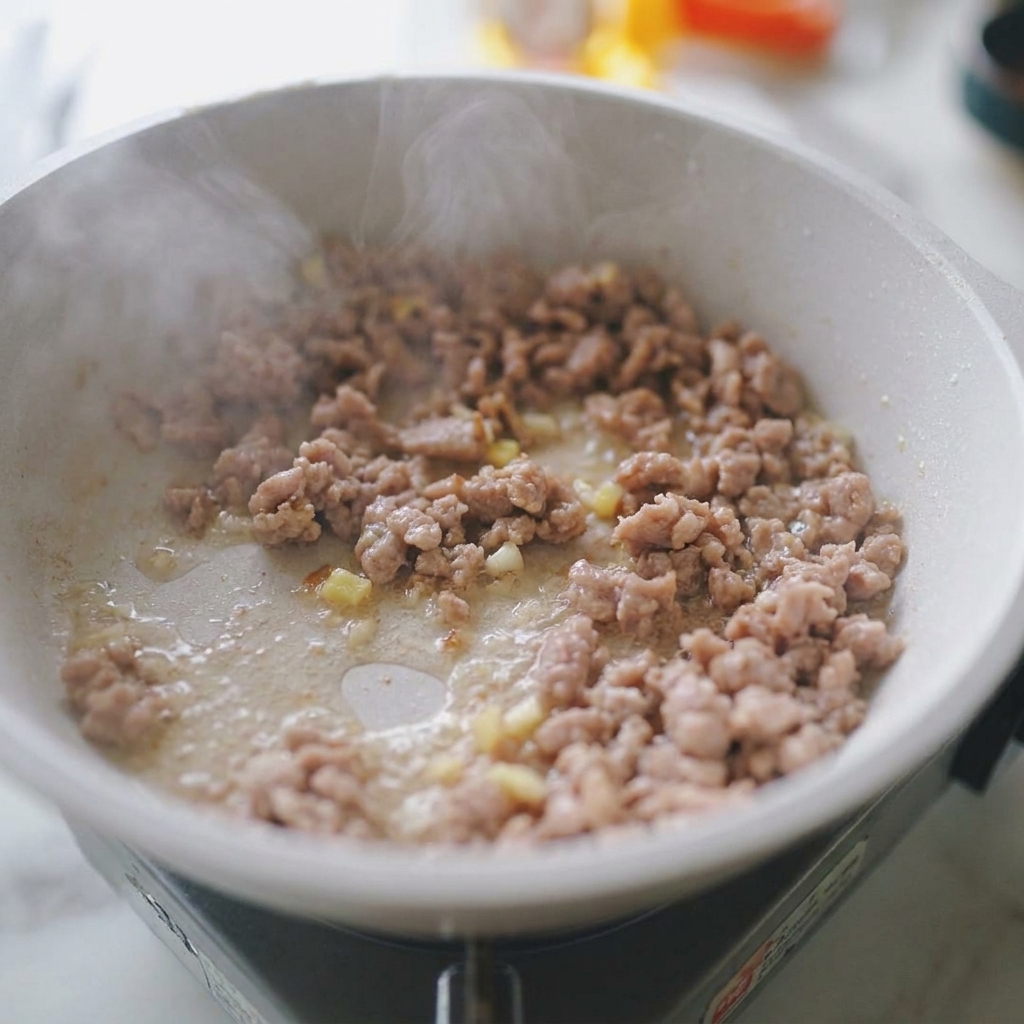
Once the minced pork is browned and no longer pink, add the minced ginger and garlic to the pan. Stir-fry the mixture for about a minute until the aromatics become fragrant, infusing the meat with deep, savory flavor.
Tip: Be careful not to burn the garlic; if the pan is too hot, lower the flame slightly before adding the minced aromatics. - 6Add the white onion
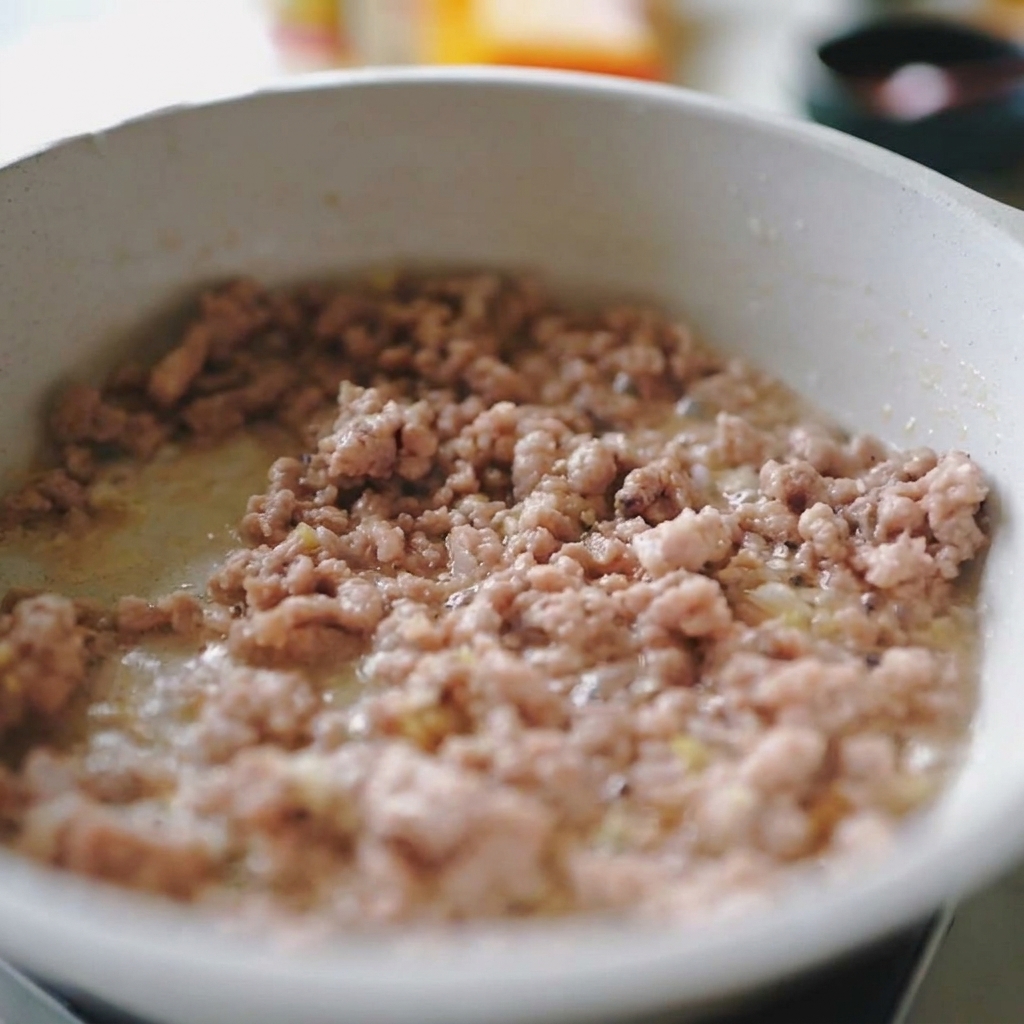
Add the shredded white onions to the pan with the browned pork and aromatics. Sauté the mixture until the onions become tender and translucent, allowing them to absorb the savory juices and flavors from the meat.
Tip: Sautéing the onions with the pork allows the rendered fat to flavor the vegetables, creating a more savory topping for the ramen. - 7Sauté the pork and vegetables
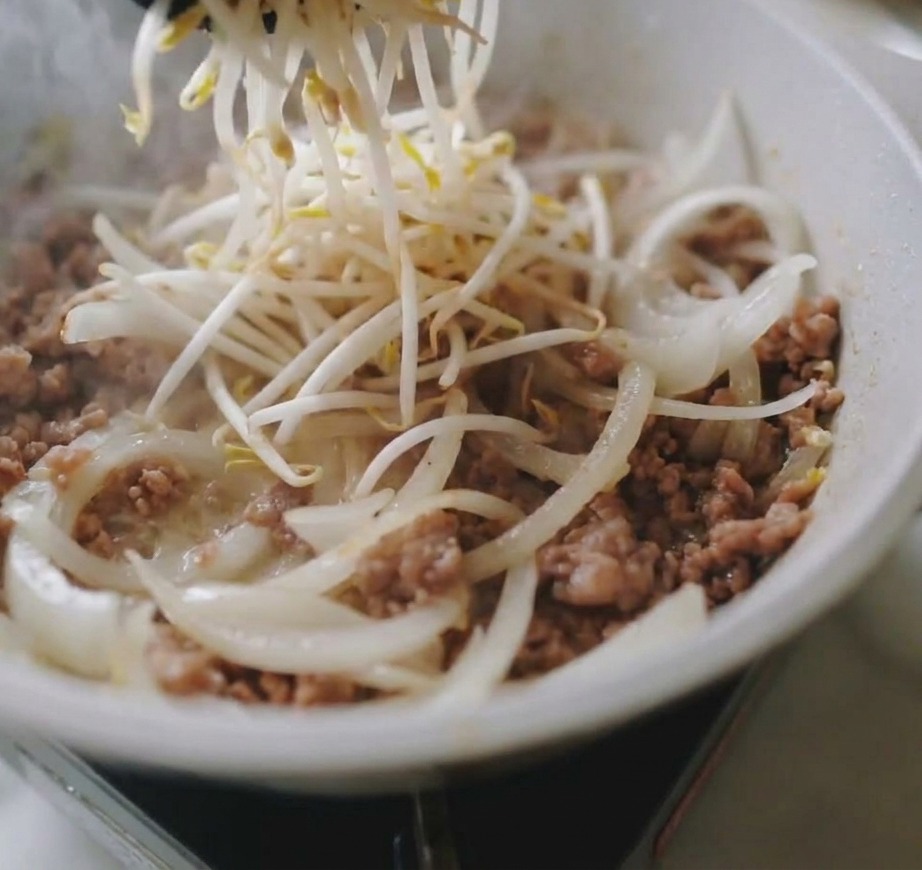
Once the minced pork is browned and the onions have softened add a generous handful of fresh bean sprouts to the pancite: 1. Stir fry the mixture over medium high heat until the sprouts are just tender but still retain their signature crunchcite: 1.
Tip: Do not overcook the bean sprouts as a quick stir fry keeps them crisp and prevents them from becoming soggy or releasing too much water into the pancite: 1. - 8Boil the ramen noodles
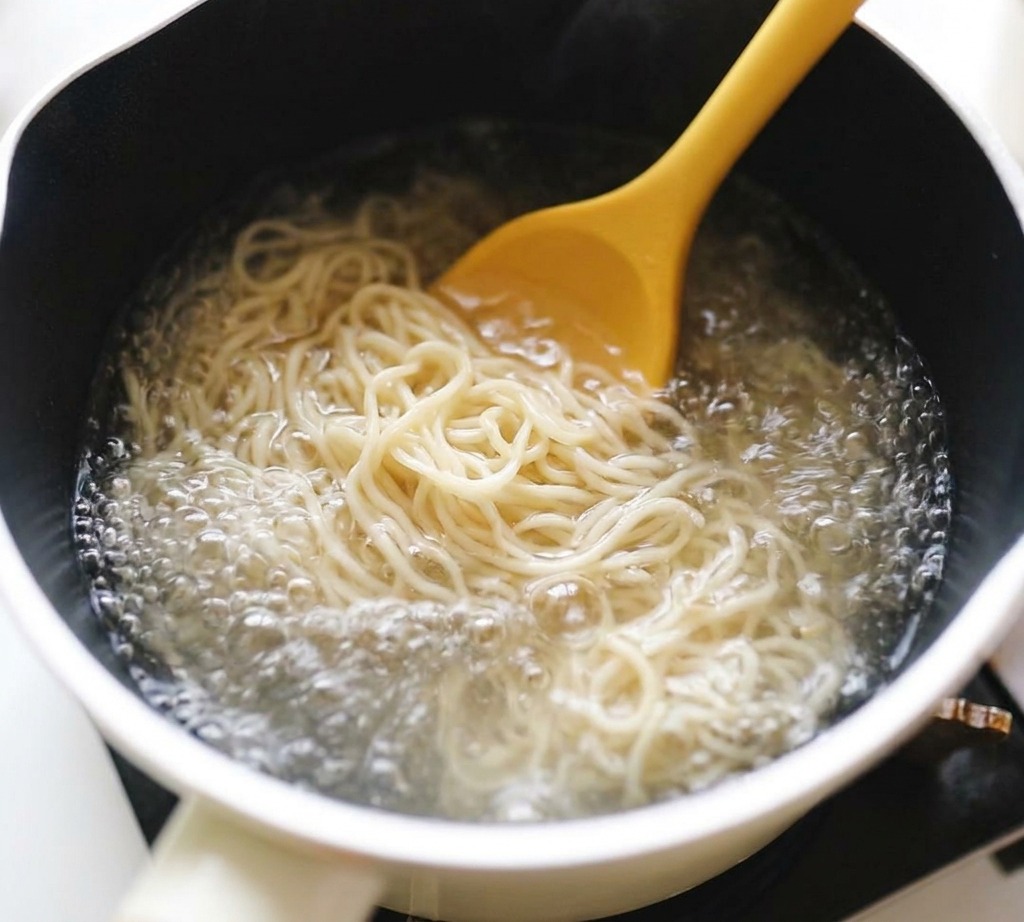
Add the authentic Hokkaido non fried noodles to a pot of boiling watercite: 1. Stir them gently with a spoon to ensure the strands do not stick together and simmer for four and a half minutes until they achieve a perfect chewy texturecite: 1.
Tip: Make sure the water is at a rolling boil before adding the noodles to ensure even cooking and the best possible al dente noodle texturecite: 1. - 9Prepare the miso base
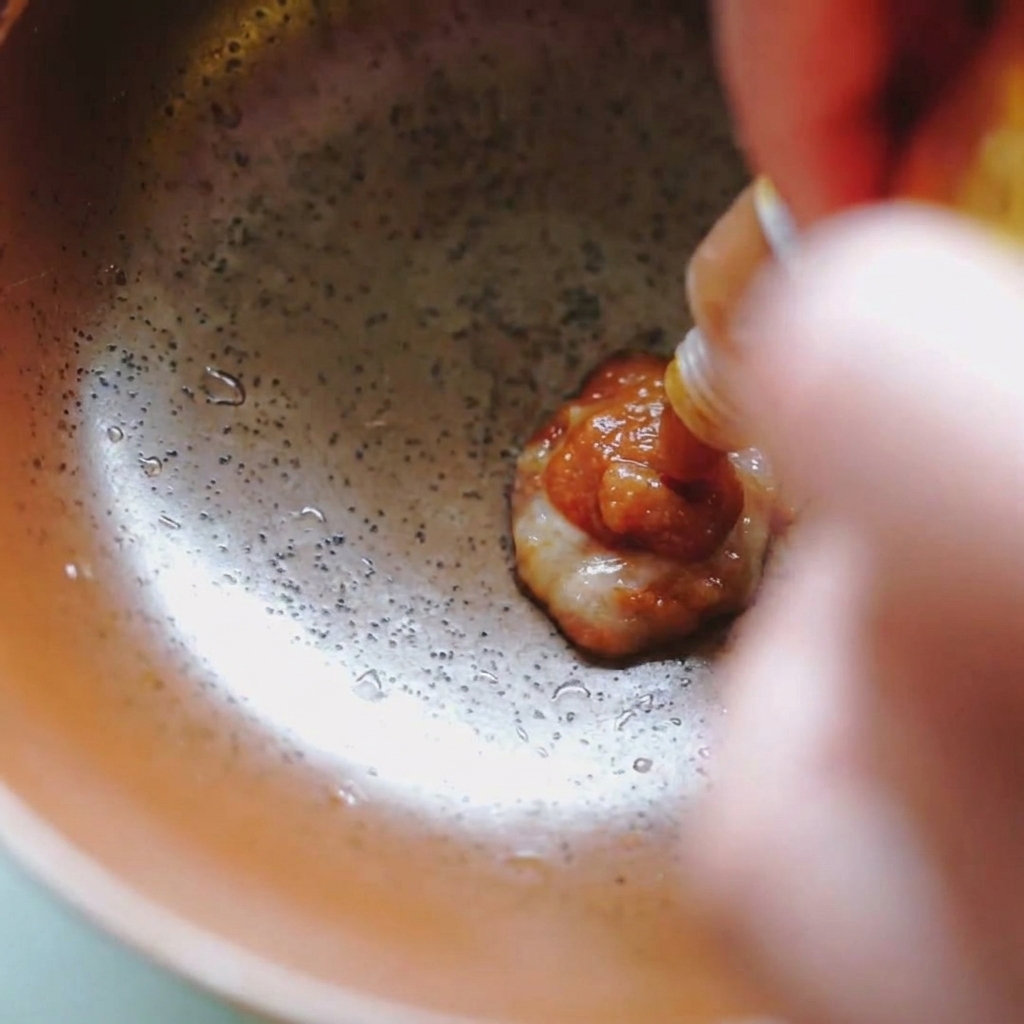
Take the serving bowl and squeeze the concentrated miso seasoning paste directly into it. This thick, flavorful paste will serve as the base for the Hokkaido-style ramen broth.
Tip: Make sure to squeeze the packet thoroughly to get every bit of the concentrated seasoning into the bowl. - 10Create the miso broth
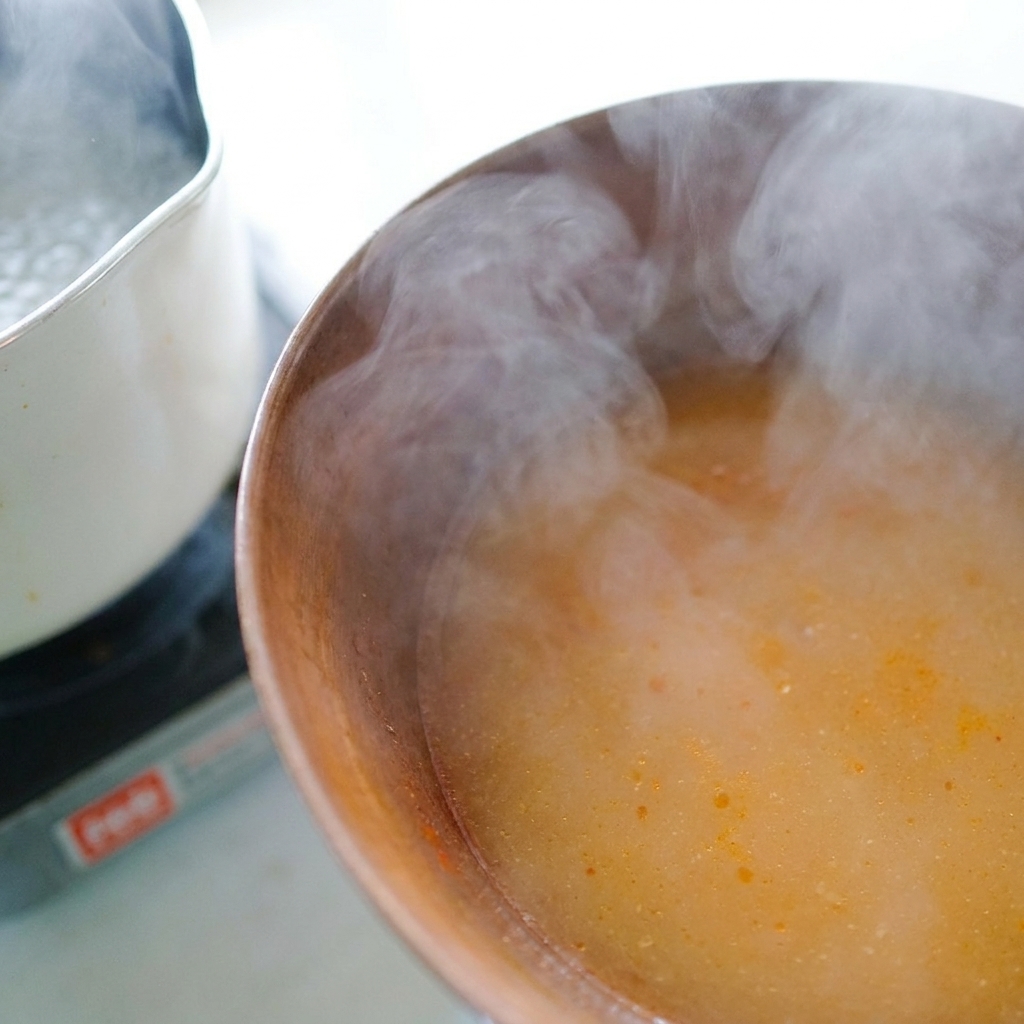
Ladle several spoonfuls of the hot water used for boiling the noodles into the serving bowl. Stir the water into the miso paste until it is completely dissolved, creating a steaming and fragrant broth.
Tip: Using the starchy water from the noodles helps give the broth a slightly thicker, more authentic texture. - 11Combine noodles and broth
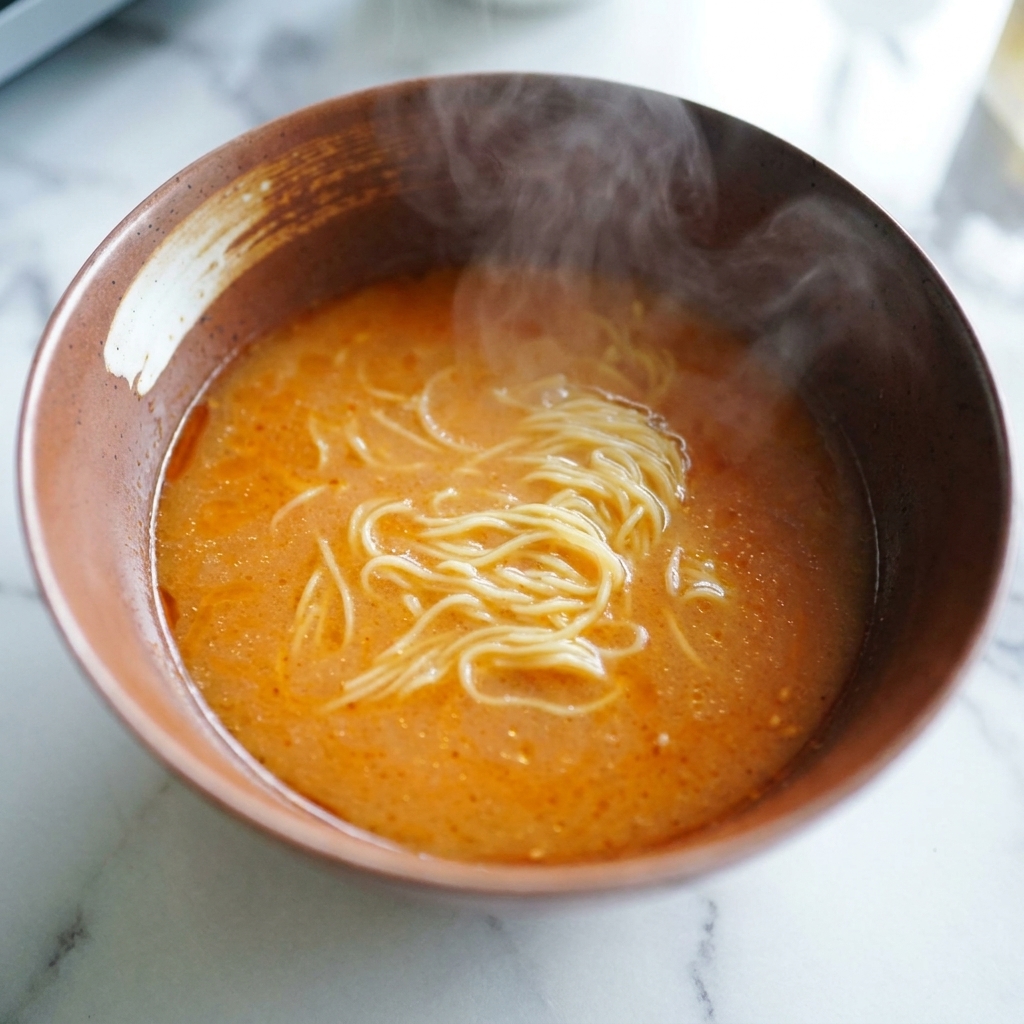
Carefully add the cooked and drained Hokkaido non-fried noodles into the prepared miso broth. Use chopsticks to gently settle the noodles so they are submerged and can absorb the flavor of the soup.
Tip: Adding the noodles immediately after draining ensures they stay hot and maintain the perfect al dente texture. - 12Add the pork and bean sprout topping
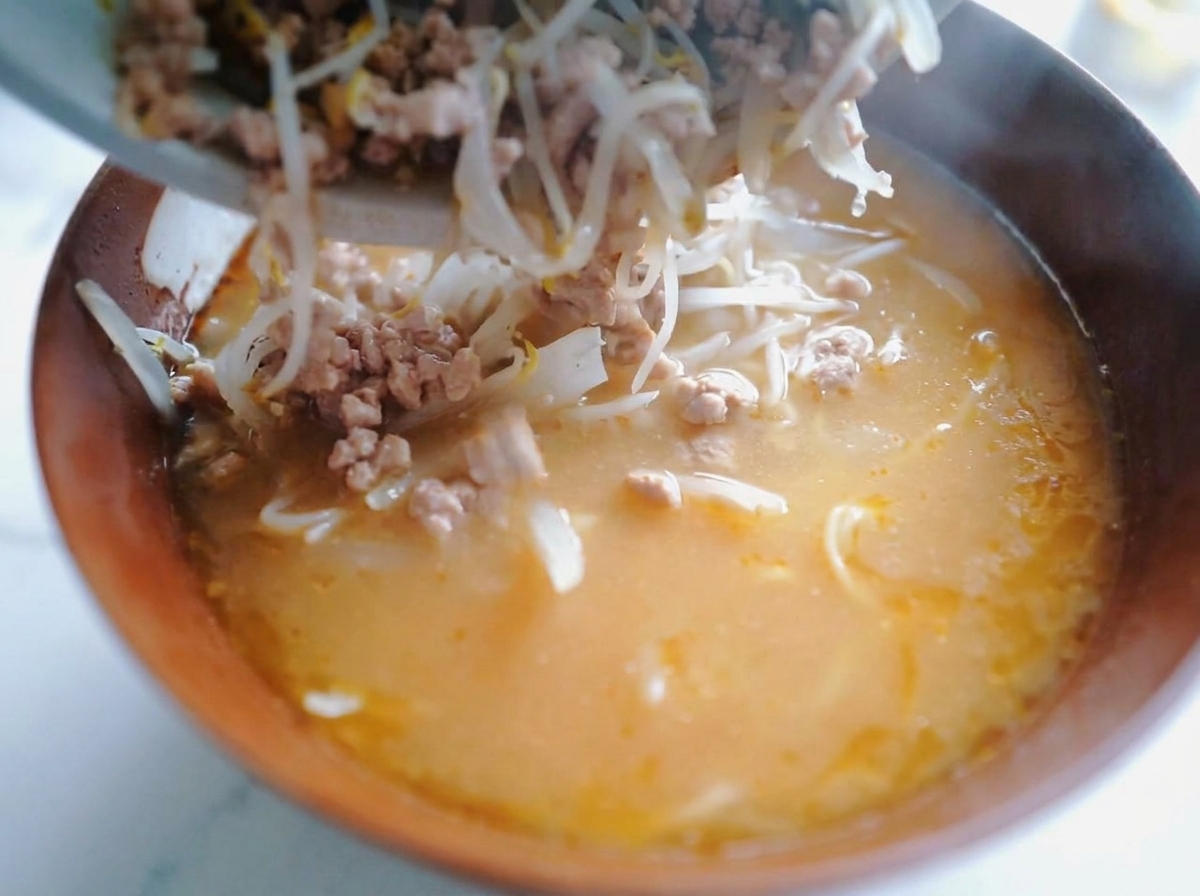
Carefully pour the sautéed minced pork and bean sprout mixture over the noodles and broth in the serving bowl. This combination provides a hearty, savory component and a satisfying crunch that defines the classic Sapporo style. Distribute the toppings evenly so they integrate with the miso-flavored soup.
Tip: Keep the toppings hot until the moment of assembly to ensure the ramen remains at the perfect serving temperature.