Easy Homemade Clam Shio Ramen
Seared Duck
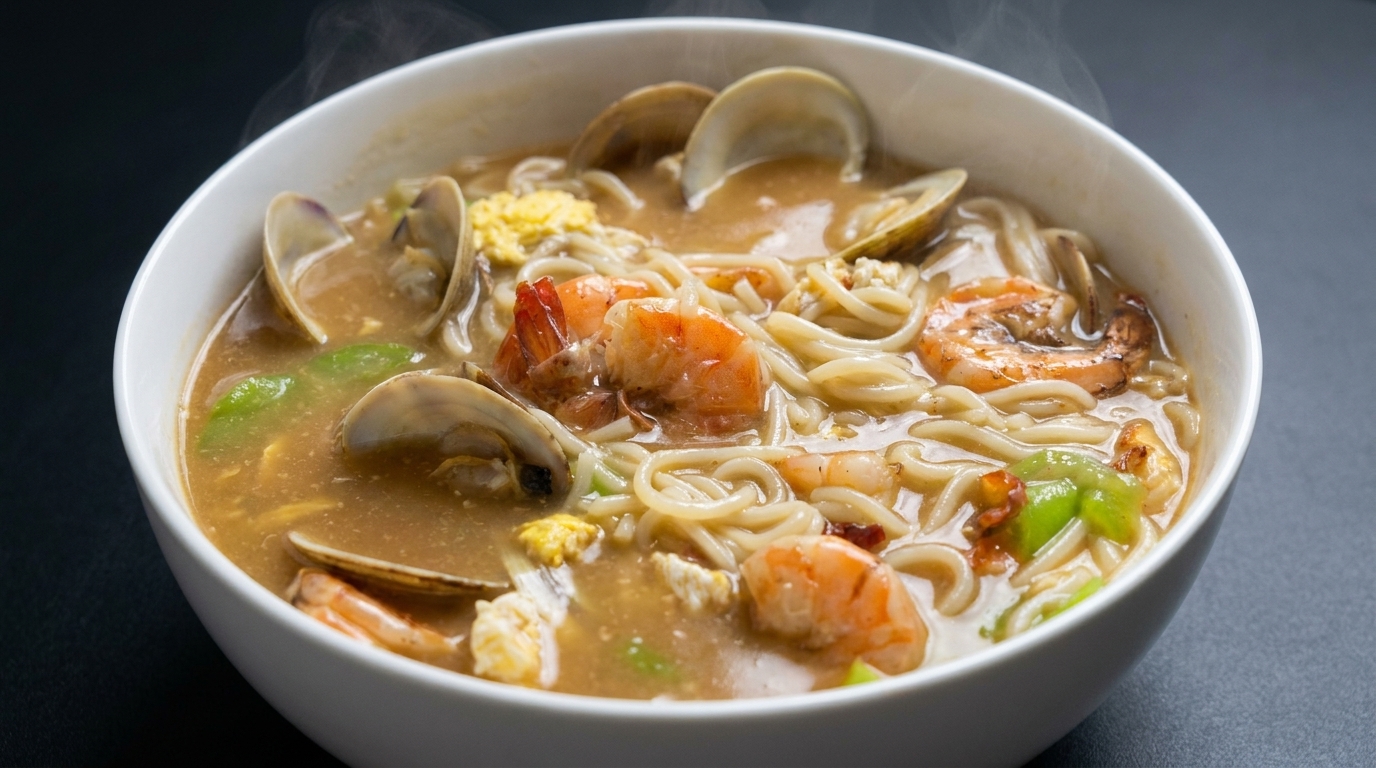
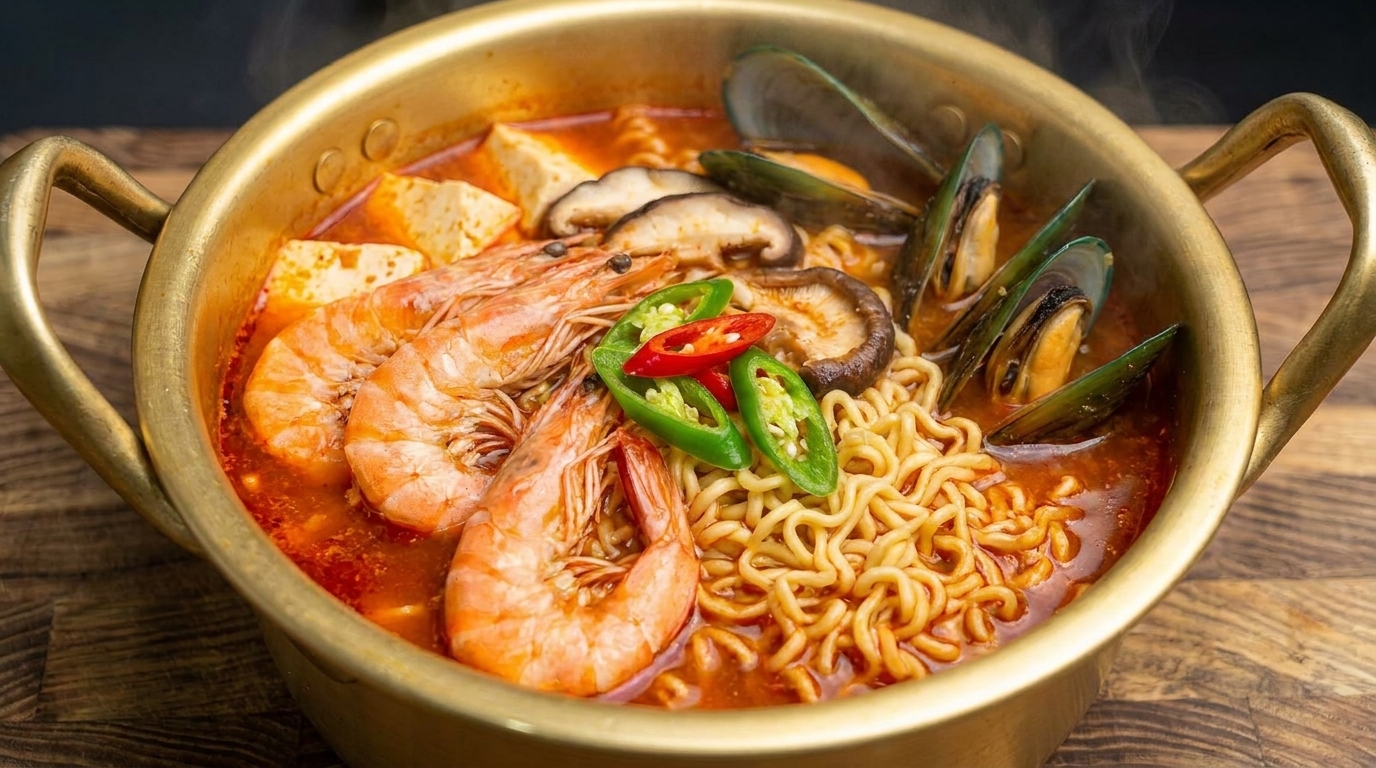
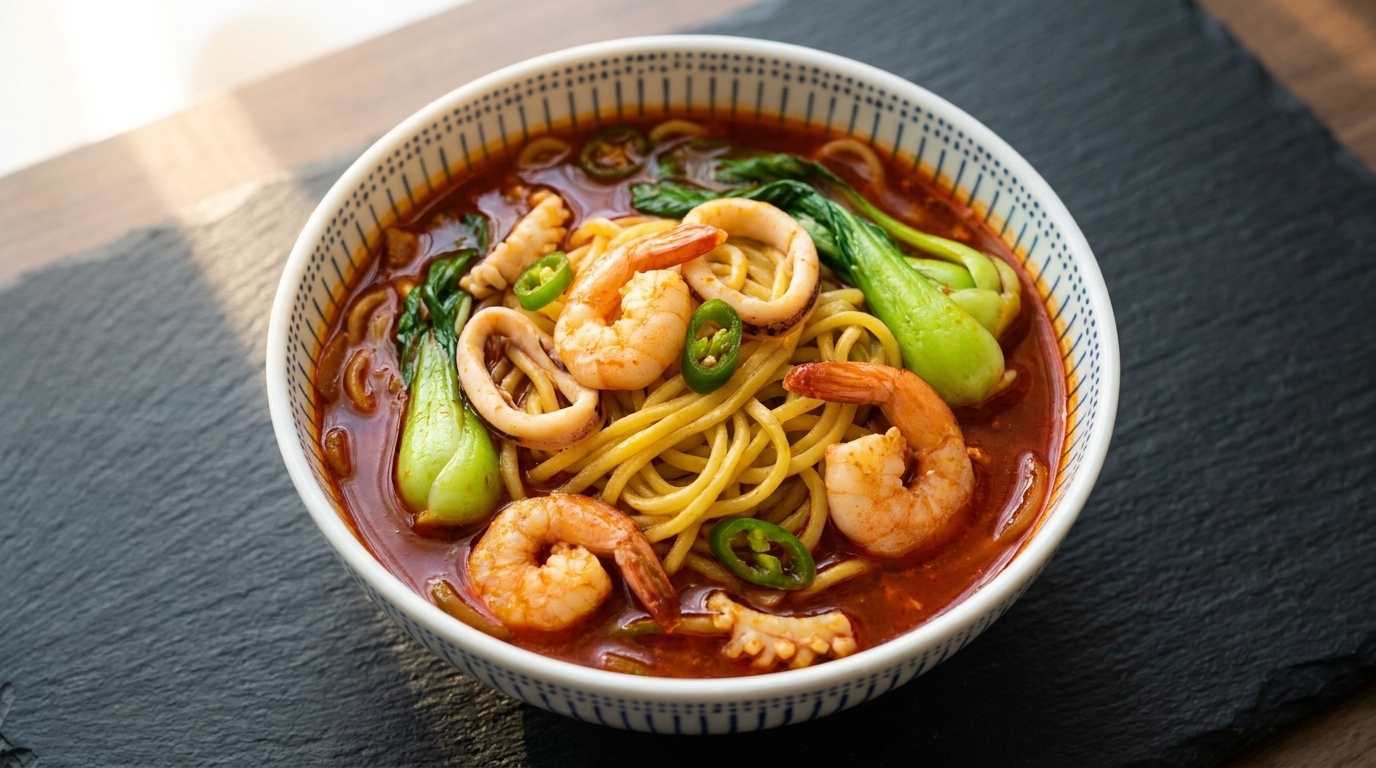
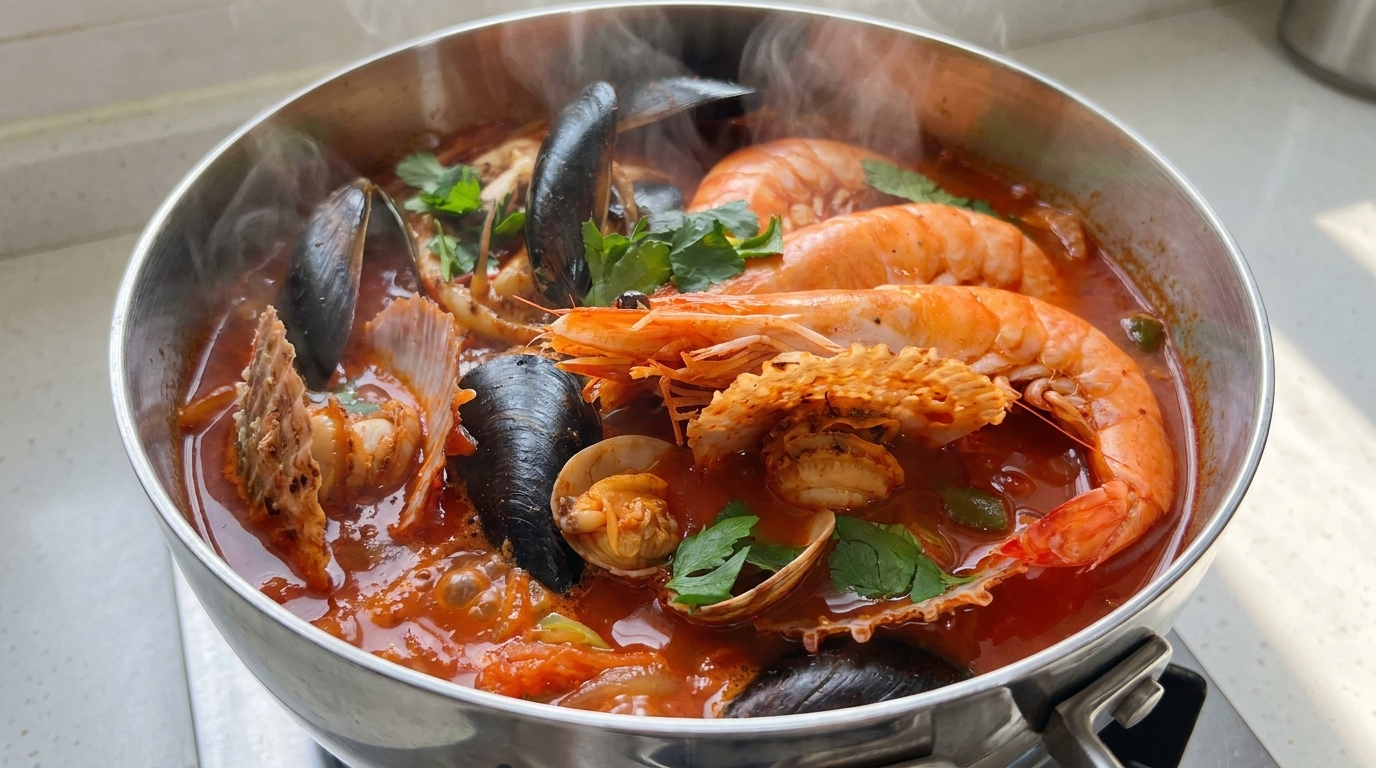
A delicate yet deeply savory shio ramen featuring a briny clam broth, succulent seared duck, and fresh leeks for a refined home-cooked noodle experience.
Clam shio ramen is a lighter alternative to heavy pork-based varieties, relying on the clean, briny essence of the sea. This recipe combines the traditional seafood base with the rich, savory depth of seared duck fat, creating a complex flavor profile that is both modern and authentic. It is a perfect dish for those who appreciate a broth that is crystal clear in appearance but deep in umami.
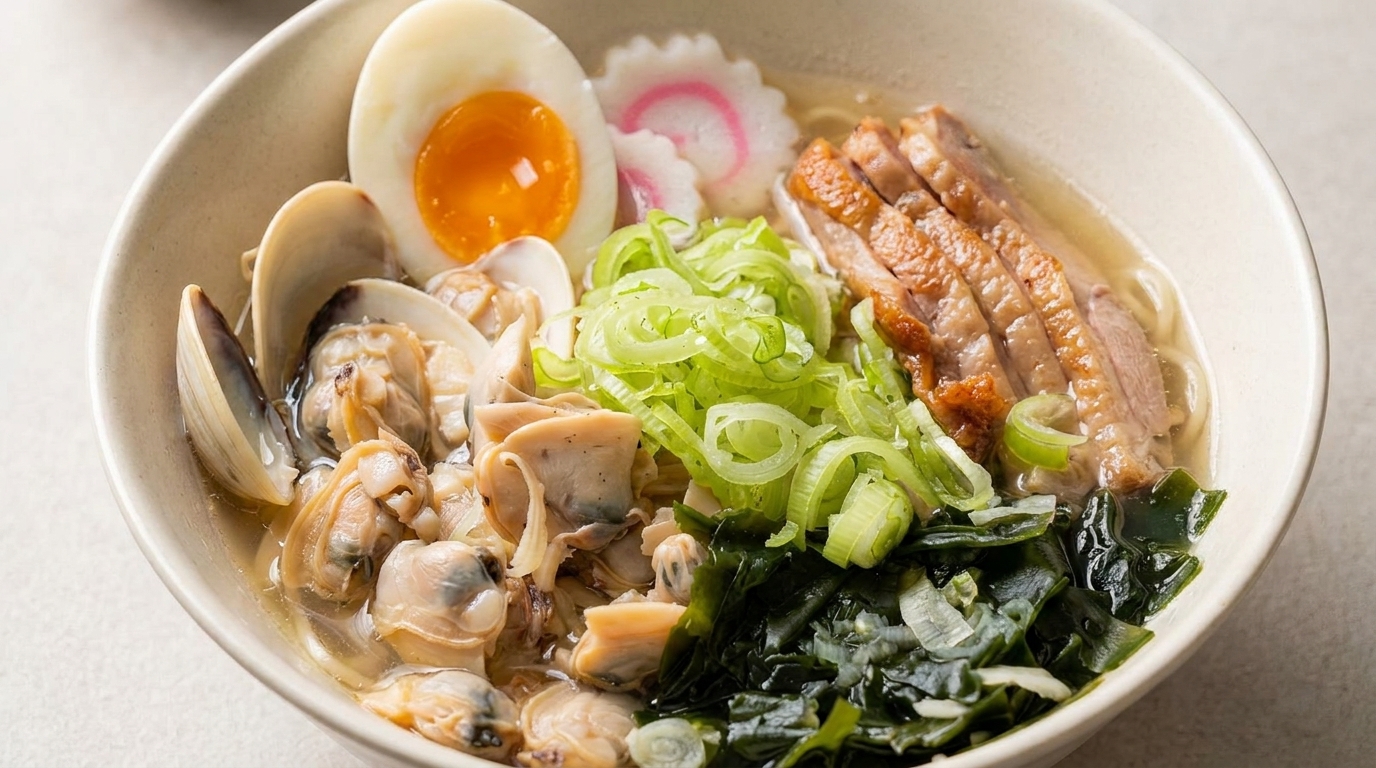
Ingredients
- 1 piece duck leg
- 300 g fresh clams
- 1 bundle fresh ramen noodles
- 1 stalk leek
- 2 cloves garlic
- 50 ml sake
- 500 ml water
- 1 tbsp Japanese seafood seasoning powder
- 1 tsp Japanese soy sauce
- 1 tbsp dried seaweed
- optional narutomaki
- 1 soft-boiled egg
- to taste black pepper
Instructions
- 1Slice the leeks
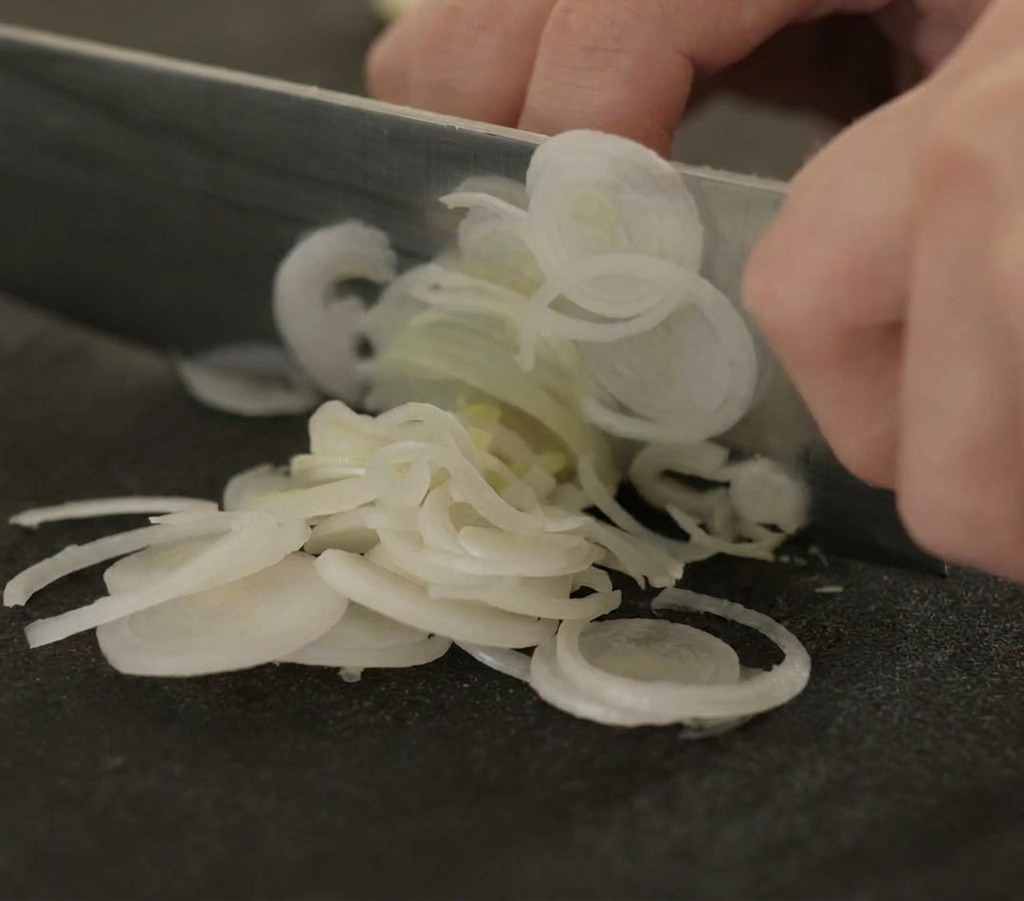
Carefully slice the fresh leeks into thin, uniform rings on a cutting board. Focus on using the white and light green parts of the leek, as these offer the most delicate flavor and best texture for the ramen garnish and base.
Tip: If the leeks are sandy, rinse the rings in a bowl of cold water after slicing and pat them dry. - 2Prepare the garlic
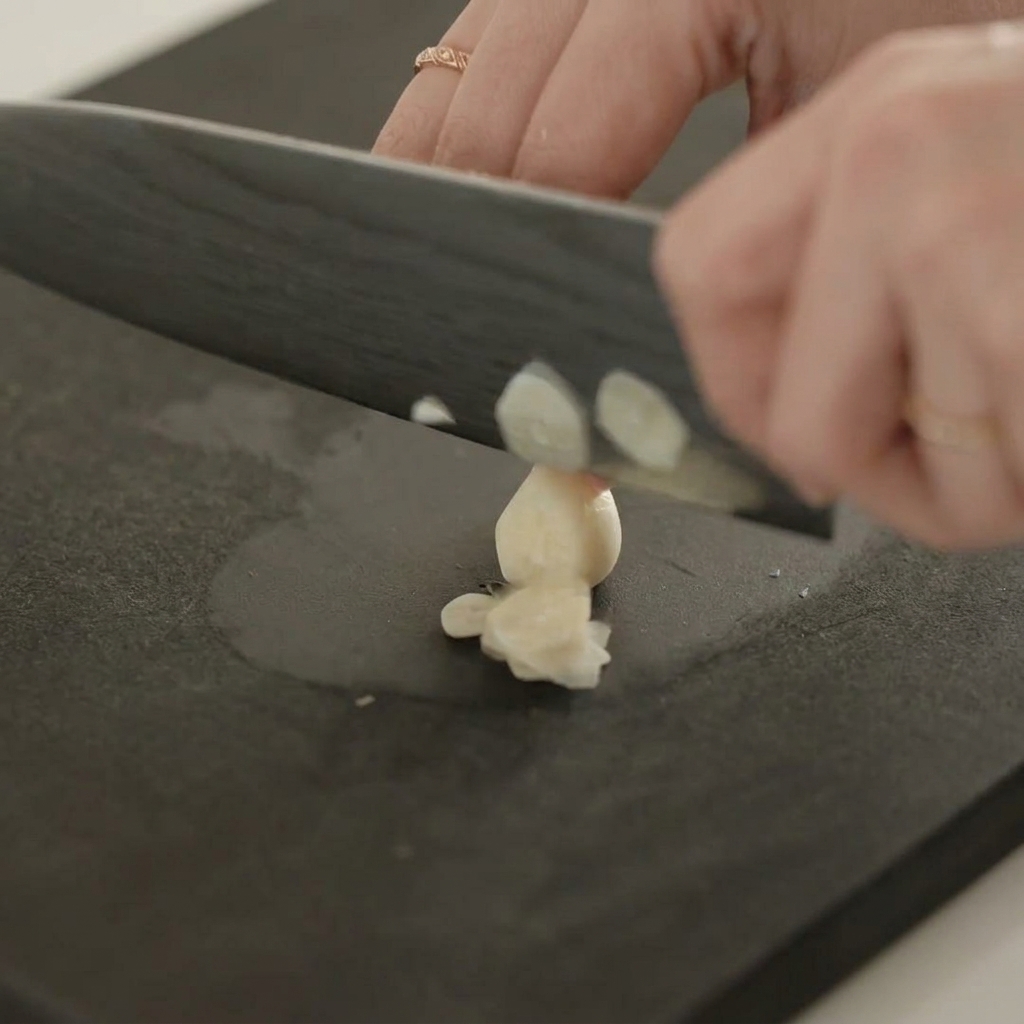
Prepare the garlic by slicing the cloves into thin slivers. Using a sharp knife ensures the pieces are uniform and ready to release their pungent aroma when they hit the hot duck fat later in the process.
Tip: If the garlic cloves are small you can leave them whole or just crush them slightly to prevent them from burning too quickly. - 3Sear the duck leg
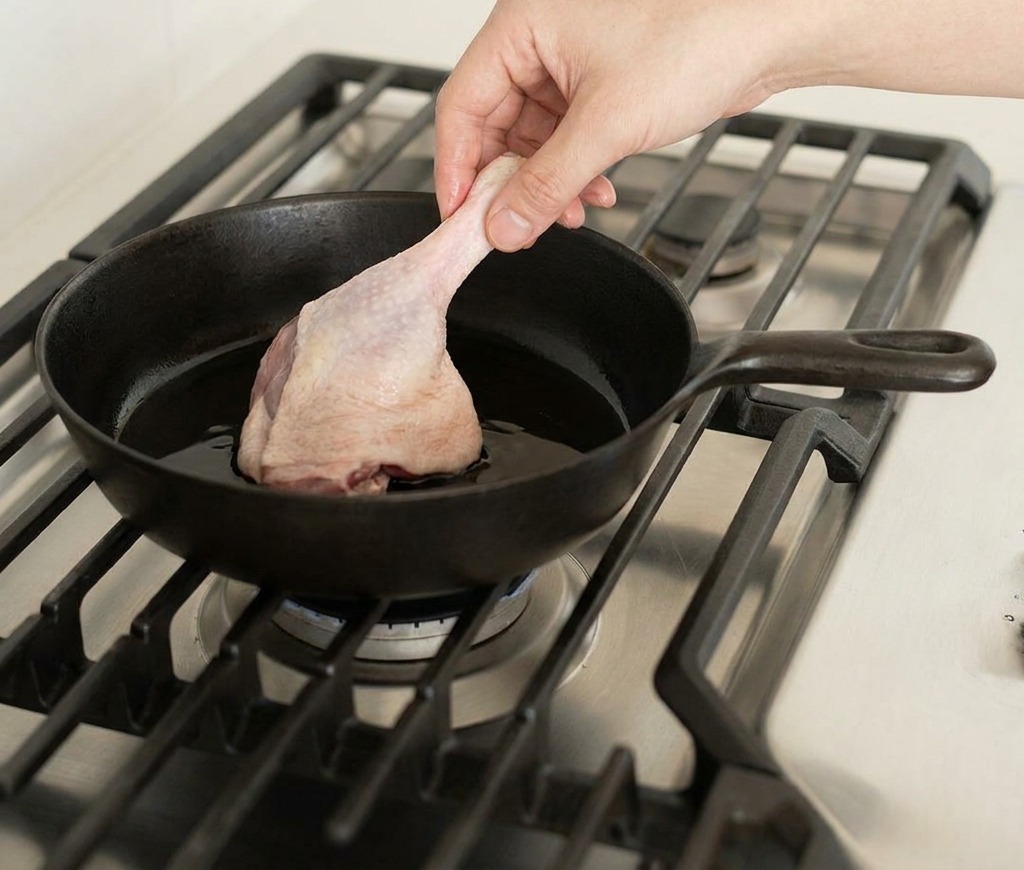
Place the raw duck leg into a hot pan with a small amount of oil. Start with the skin-side down to begin rendering out the fat, which will provide a rich, flavorful base for the rest of the aromatics.
Tip: Dont overcrowd the pan; give the duck enough space to sear properly rather than steaming. - 4Brown the meat
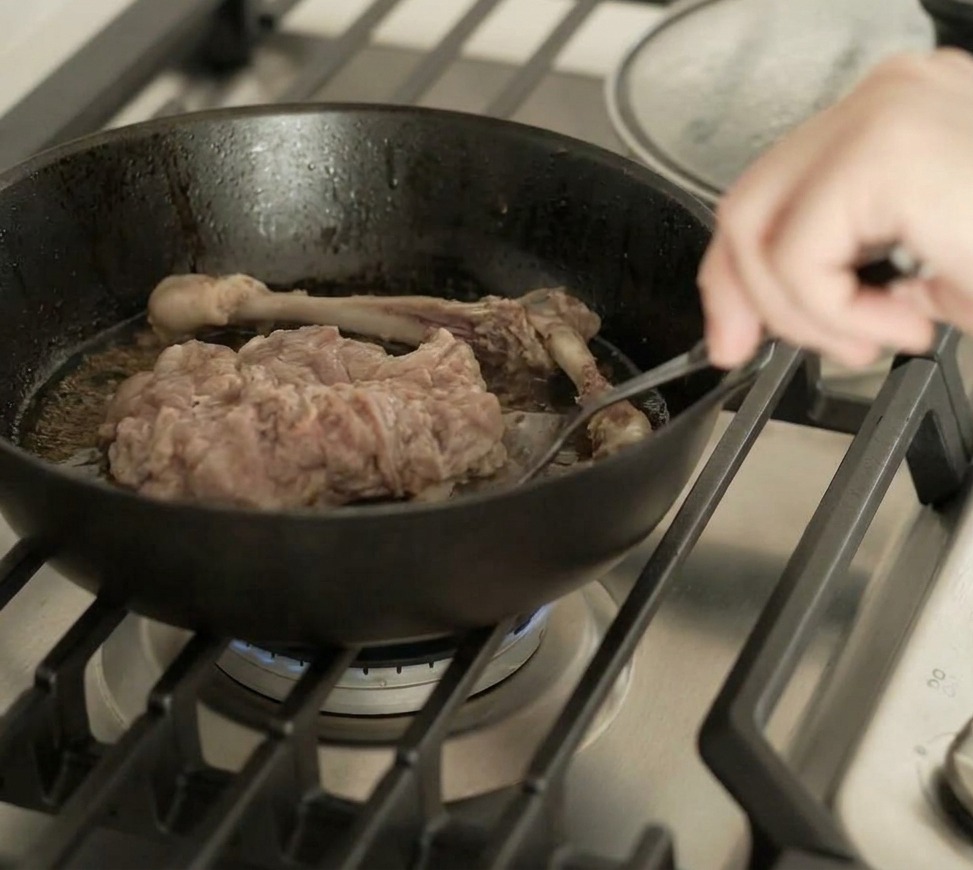
Once the skin has developed a deep, golden-brown crust, flip the duck leg over. Searing the meat on both sides locks in the juices and creates a complex flavor profile for the finished shio ramen.
Tip: Use a pair of tongs or a sturdy spatula to flip the leg carefully to avoid oil splatters. - 5Add the aromatics
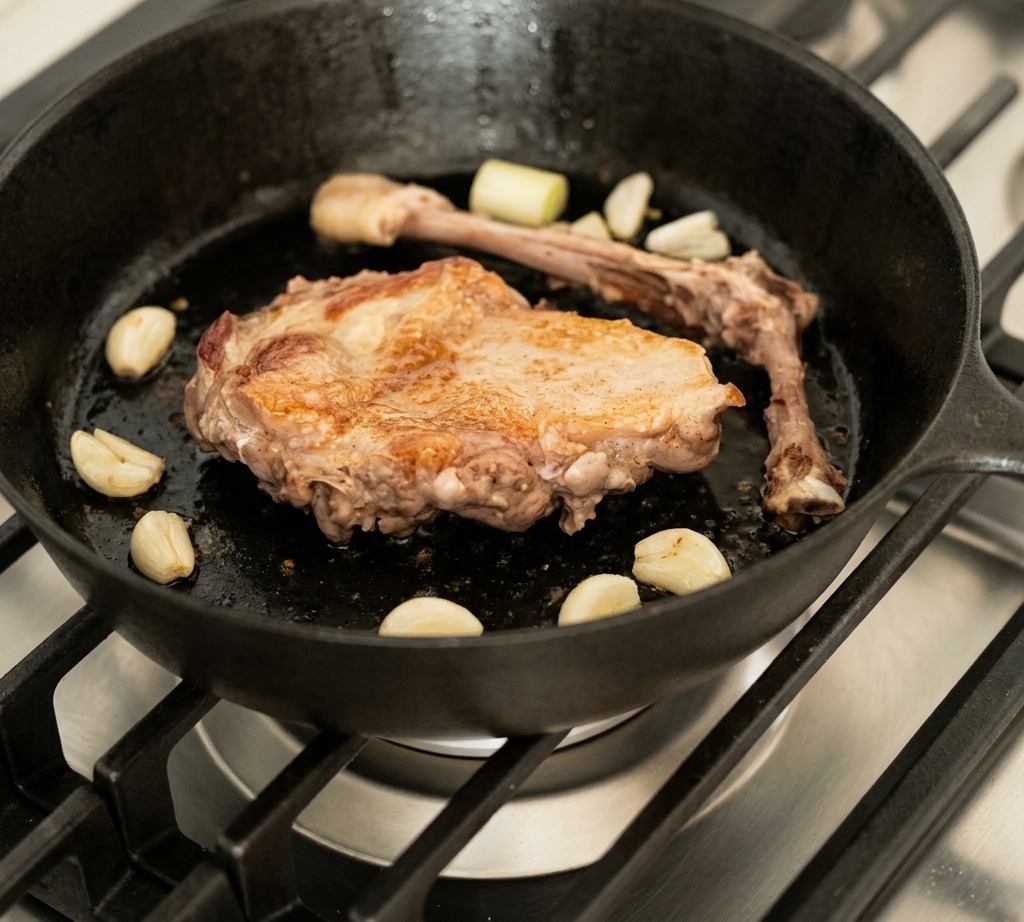
Introduce the thinly sliced leeks and garlic into the pan with the duck. Let them cook in the rendered duck fat until they become soft and fragrant, which will infuse the fat with a savory aroma.
Tip: Keep the heat at medium to ensure the garlic doesnt burn and turn bitter. - 6Deglaze with sake
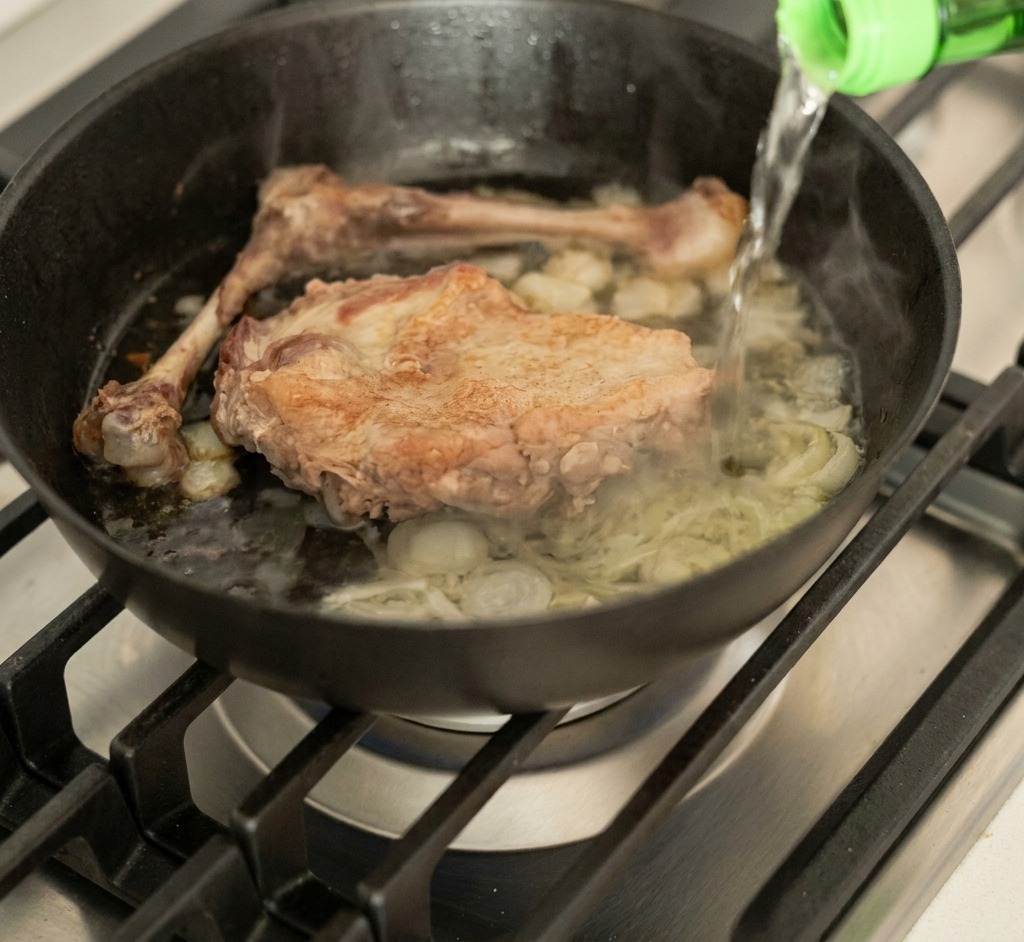
Pour the sake into the pan to deglaze, scraping up any browned bits from the bottom. Allow the liquid to come to a boil, which burns off the harsh alcohol while leaving behind a subtle sweetness.
Tip: Using a decent quality drinking sake will significantly improve the final taste of your broth. - 7Add the clams to the pan
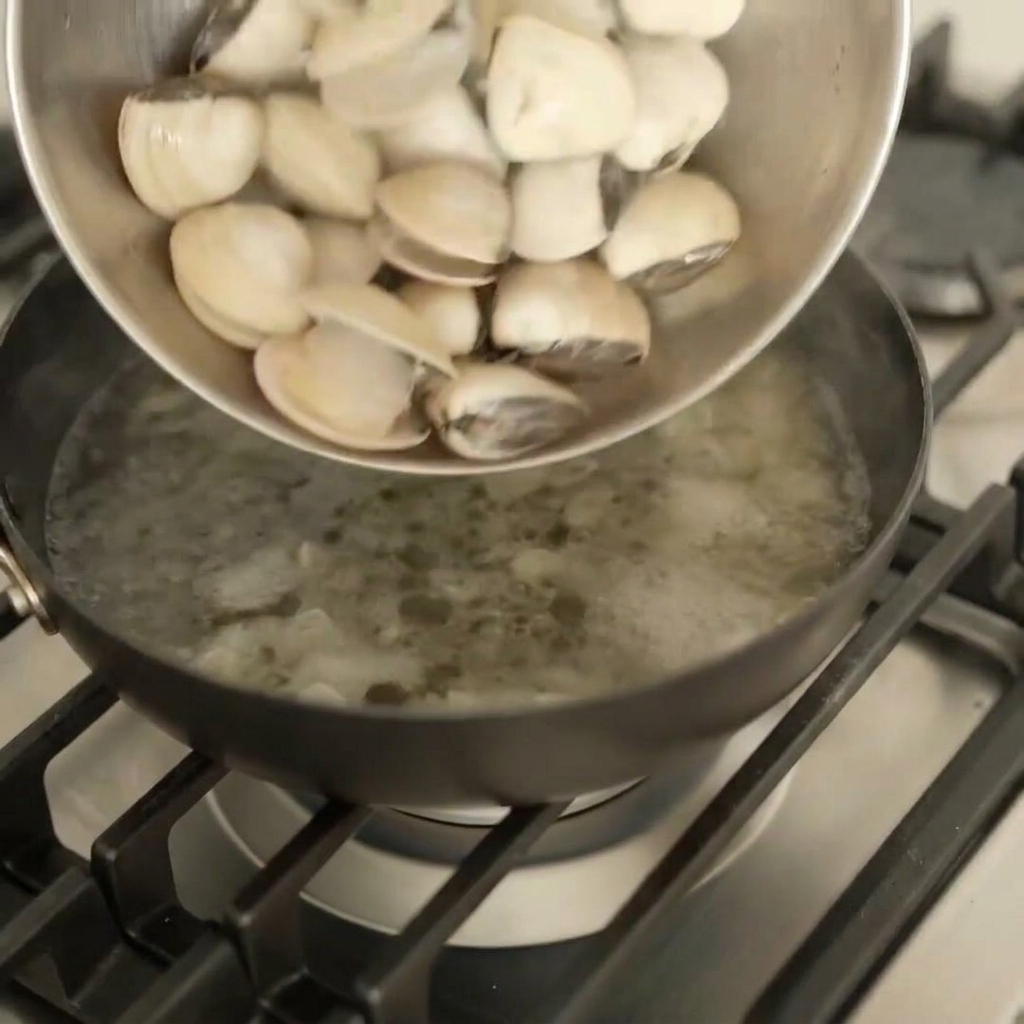
After searing the duck and aromatics, pour the fresh clams into the pan. The clams will interact with the residual heat and fats in the pan, beginning the steaming process. Their natural juices are a critical component for the briny, savory depth required for a proper shio ramen broth.
Tip: Always rinse your clams thoroughly in cold salt water before cooking to ensure any internal sand or grit is removed. - 8Steam until open
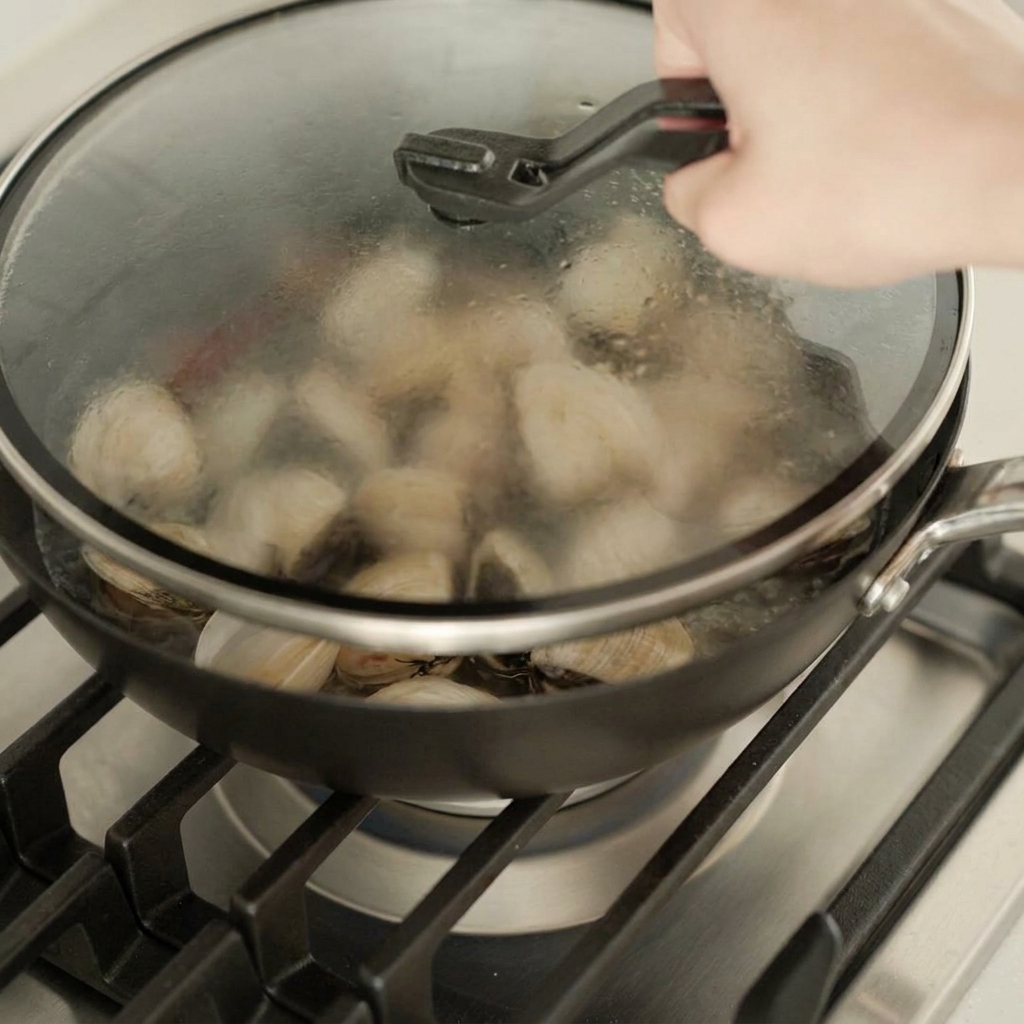
Place a glass lid over the pan to trap the steam. This gentle cooking method ensures the clams cook through without becoming rubbery. Keep a close eye on them through the lid; they are finished as soon as the shells have fully opened and released their flavorful liquor.
Tip: Discard any clams that do not open after several minutes of steaming, as these were likely dead before cooking. - 9Create the soup foundation
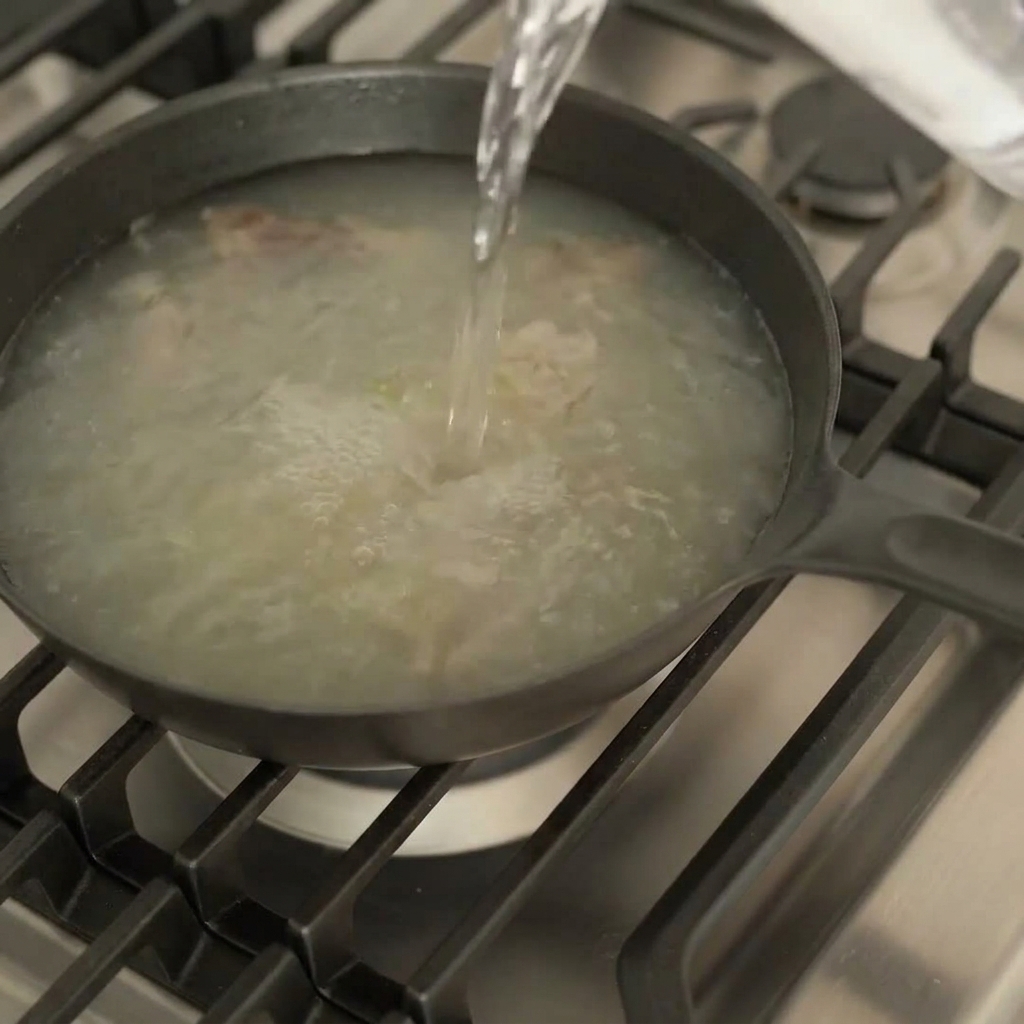
Once the clams are cooked and set aside, pour fresh water into the pan. This water will deglaze the pan, picking up all the concentrated flavors from the seared duck, garlic, leeks, and clam juices. This creates a cloudy, nutrient-rich base for the ramen soup.
Tip: Using filtered water will ensure the cleanest possible flavor, allowing the delicate seafood and duck notes to shine. - 10Add seafood seasoning
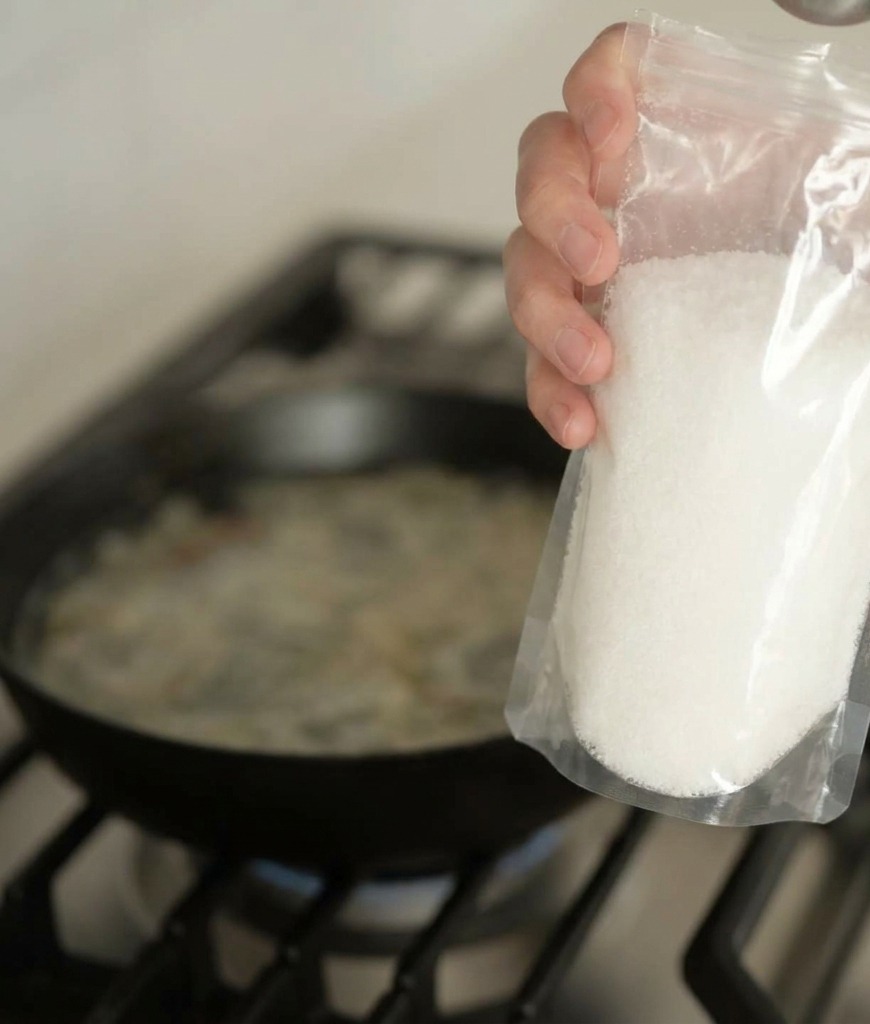
Enhance the umami profile of your broth by sprinkling in Japanese seafood seasoning powder. This concentrated seasoning adds layers of complex ocean flavors that complement the fresh clams. Stir the liquid gently to ensure the powder is fully dissolved and integrated into the broth.
Tip: Since different brands of seafood seasoning vary in saltiness, add it gradually and taste the broth to achieve your preferred balance. - 11Finish with soy sauce
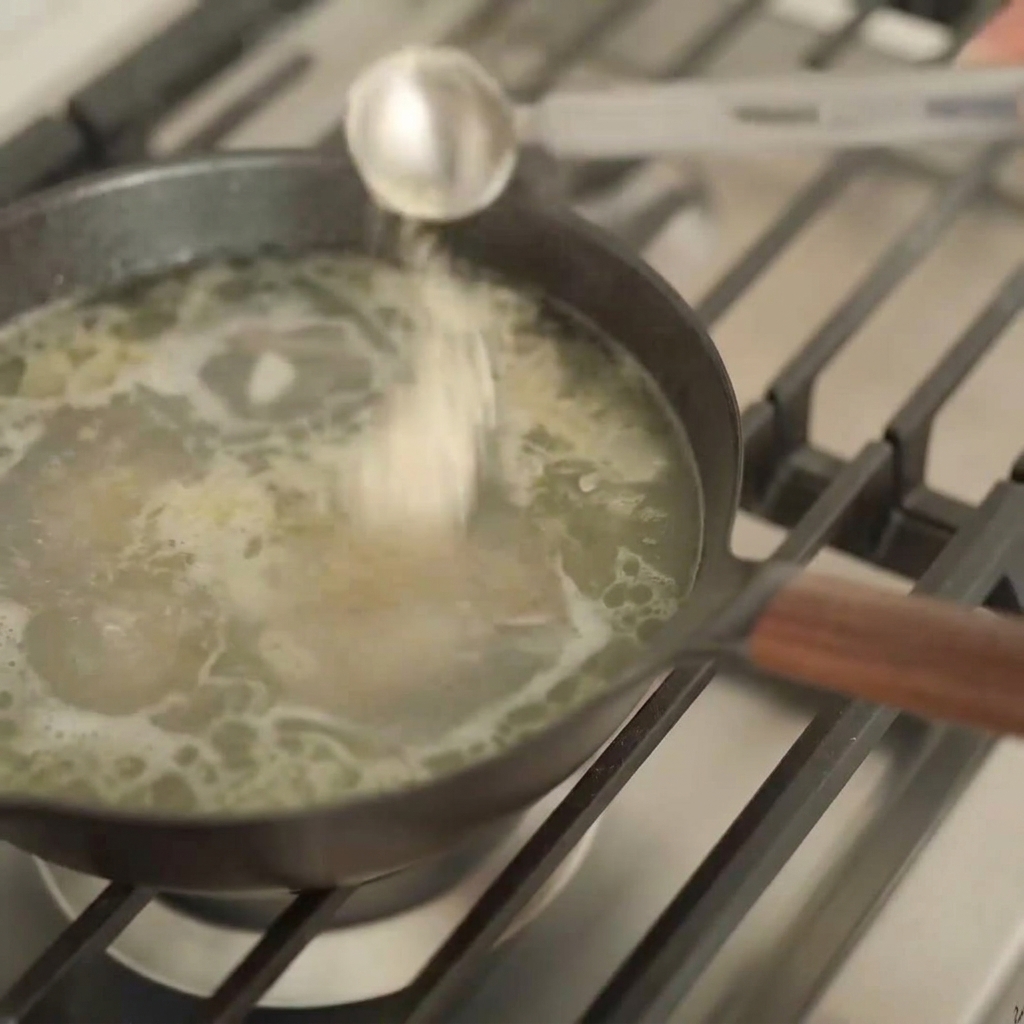
Add a small amount of Japanese soy sauce to the simmering liquid. In a shio (salt-based) ramen, the soy sauce is used sparingly to add a hint of fermented depth and a light golden hue without overwhelming the primary salt and seafood flavors of the dish.
Tip: Use a light-colored soy sauce (usukuchi) if available to keep the broth looking clear and vibrant. - 12Cook the ramen noodles
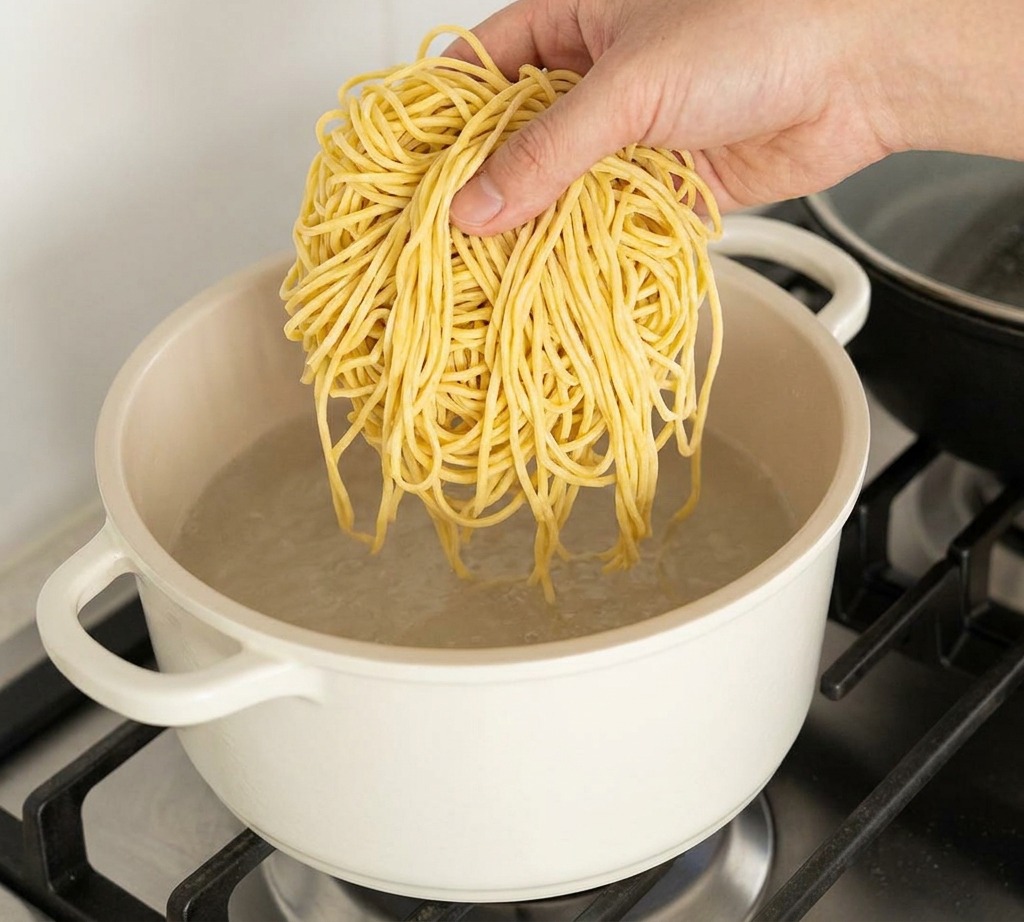
Bring a large pot of water to a rolling boil. Carefully drop the bundle of fresh ramen noodles into the water. Use a pair of chopsticks or tongs to gently loosen the noodles so they cook evenly and do not clump together as they soften.
Tip: Do not overcook fresh noodles; they usually only need 2–3 minutes to reach a perfect al dente texture. Check the package instructions for specific timing. - 13Add seaweed to the broth
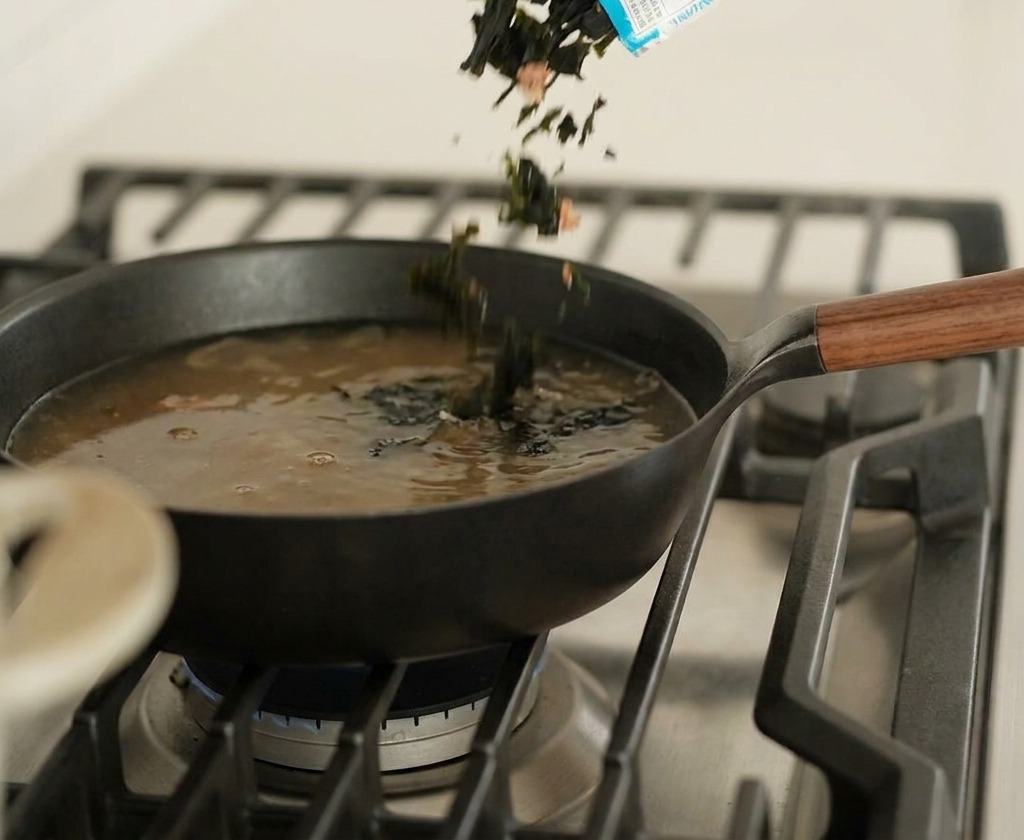
Open the packet of dried seaweed and pour the pieces directly into the simmering soup base. The seaweed will rehydrate almost instantly in the hot liquid, releasing its briny umami flavor and adding a dark green texture to the broth.
Tip: If using large pieces of dried seaweed, you can crumble them slightly with your hands before adding them to ensure bite-sized pieces in every bowl. - 14Incorporate the seaweed
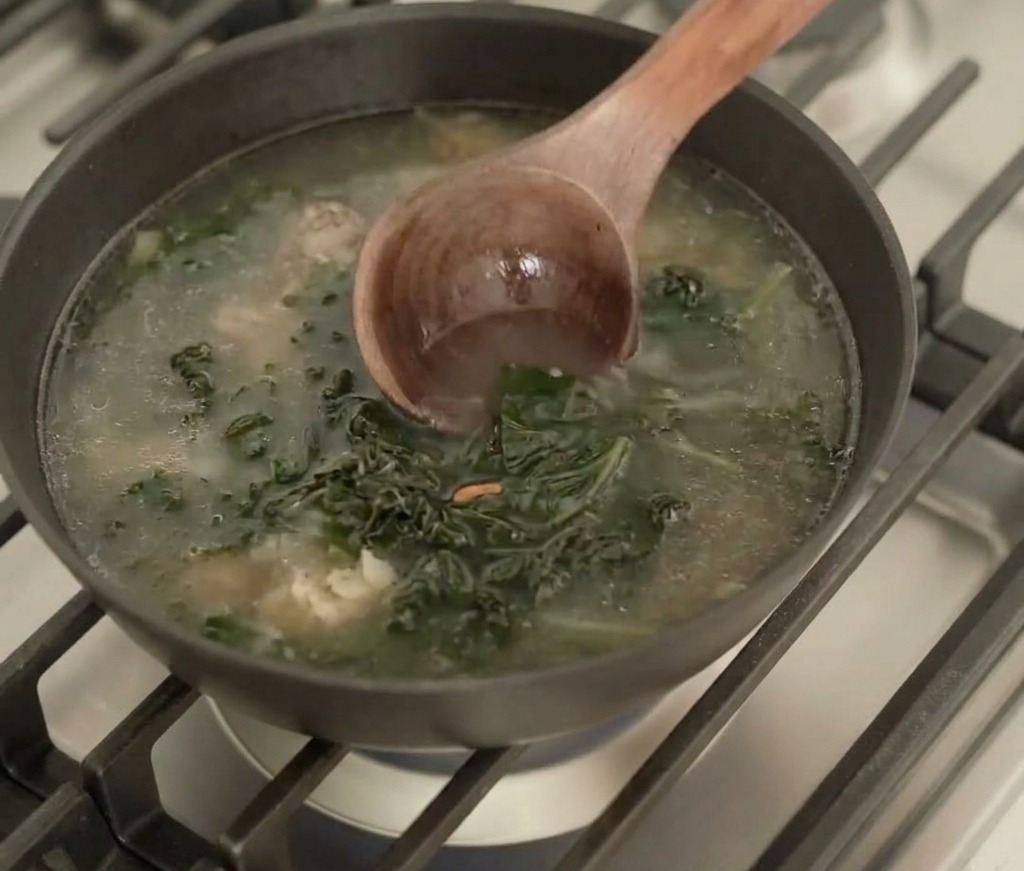
Use a wooden ladle to gently stir the soup base. Ensure the seaweed is fully submerged and evenly distributed throughout the broth so it can properly infuse its savory taste into the liquid before serving.
Tip: Stir gently to keep the rehydrated seaweed pieces intact for a better visual presentation in the final bowl. - 15Transfer the cooked noodles
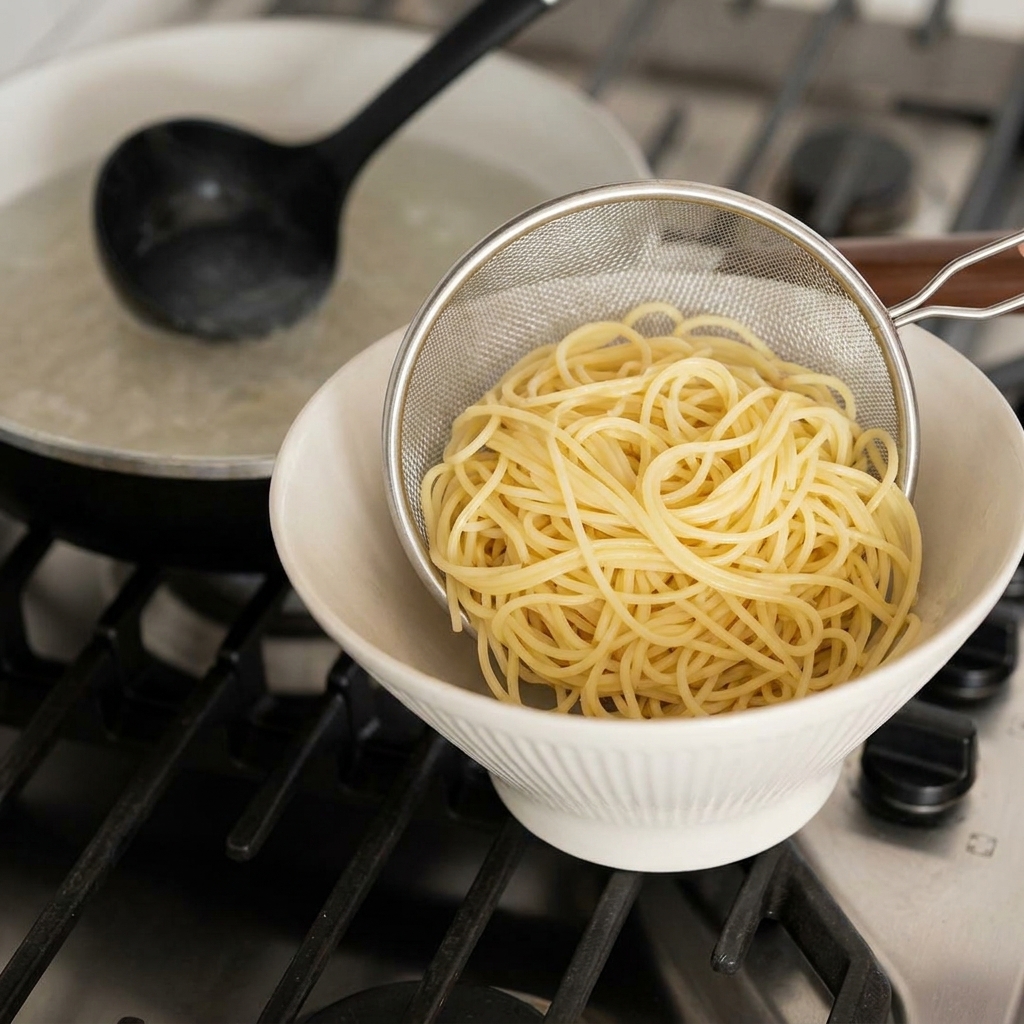
Once the ramen noodles have reached an al dente texture, lift them out of the boiling water using a mesh strainer. Shake off any excess water well and carefully transfer the noodles into your serving bowl to begin the final assembly of the dish.
Tip: Work quickly during this step to ensure the noodles stay hot and dont stick together before the soup is added. - 16Slice the cooked duck
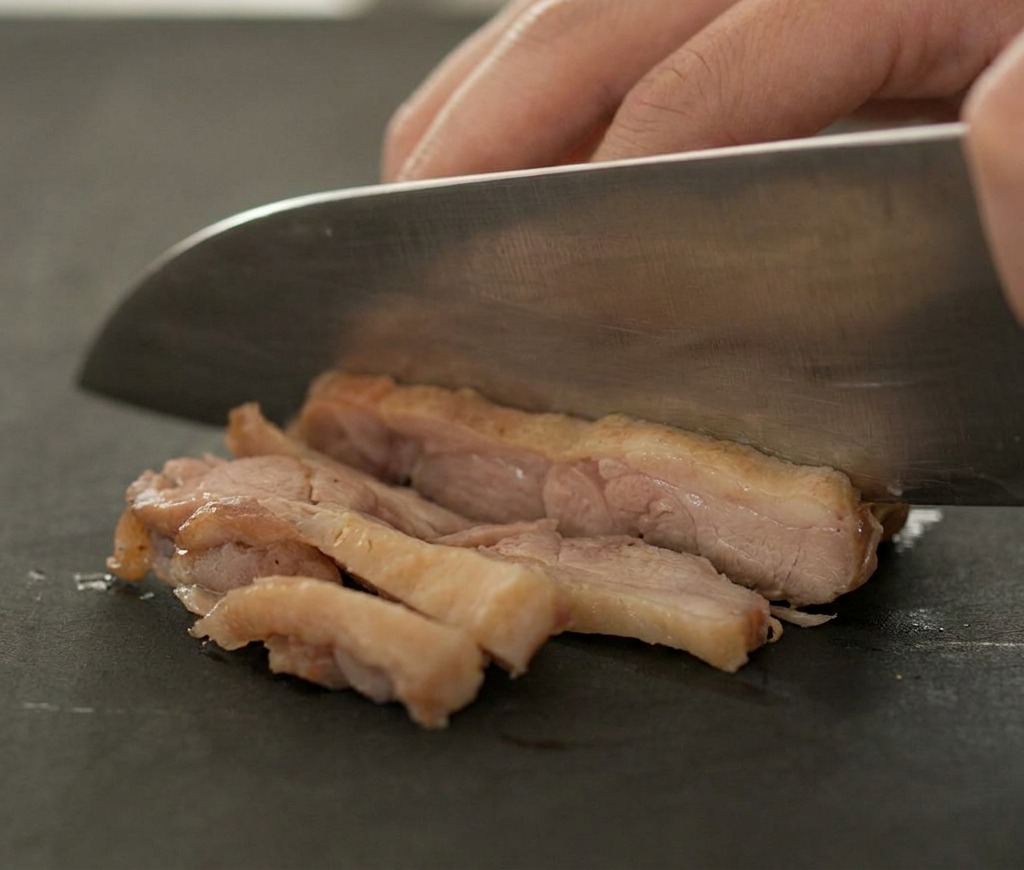
Place the seared and cooked duck leg onto a clean cutting board. Using a sharp chefs knife, slice the meat into thin, uniform strips. These slices will serve as the primary protein topping for your ramen bowl.
Tip: Let the duck rest for a few minutes before slicing to ensure the juices remain in the meat, keeping it tender and flavorful.