Korean Beef Doenjang Jjigae
Rice
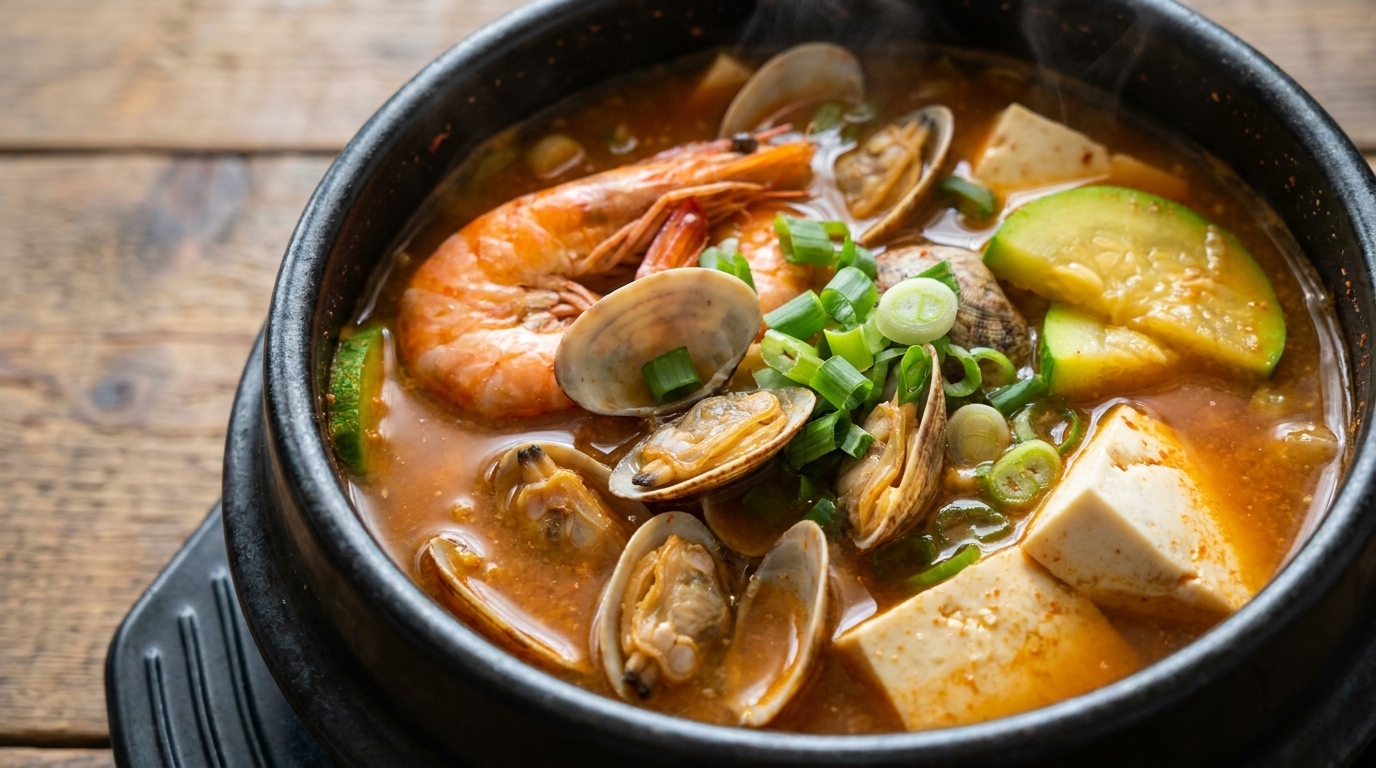
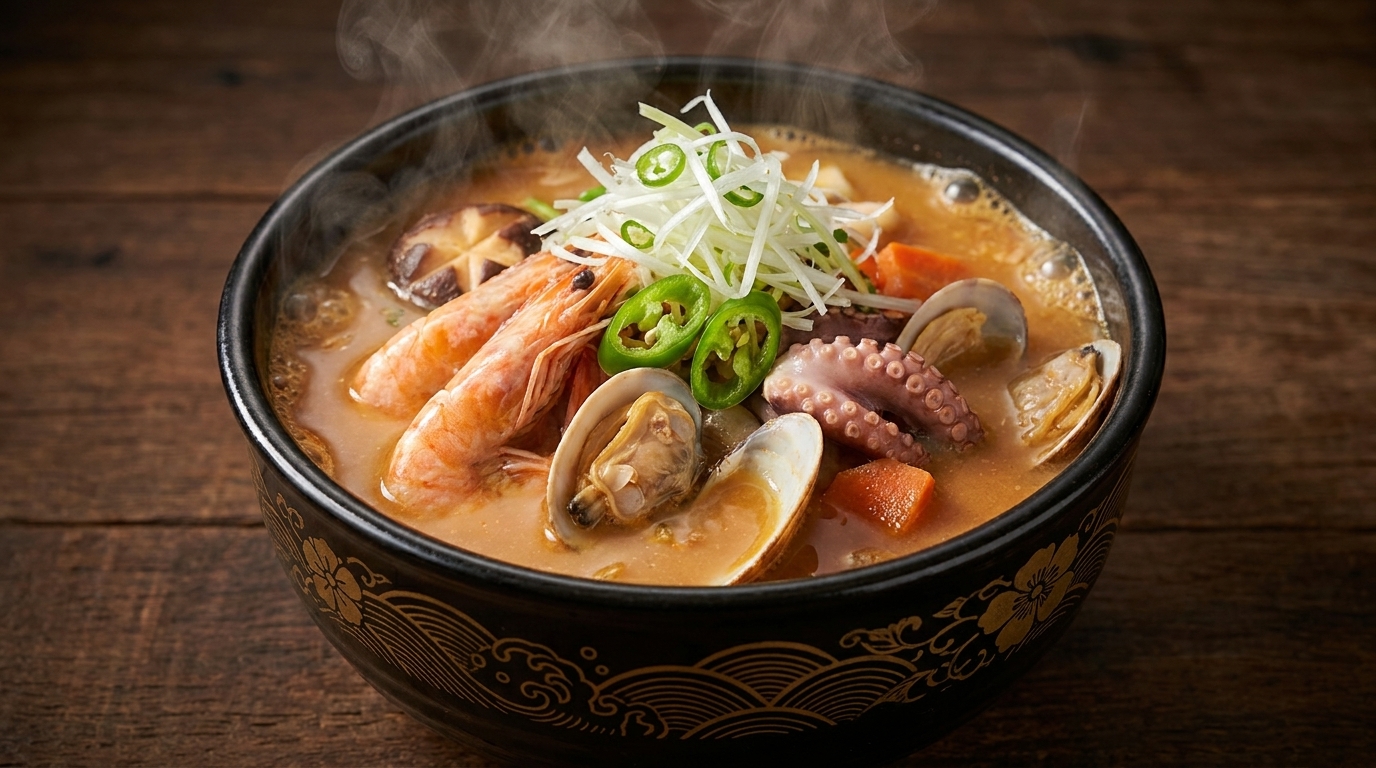
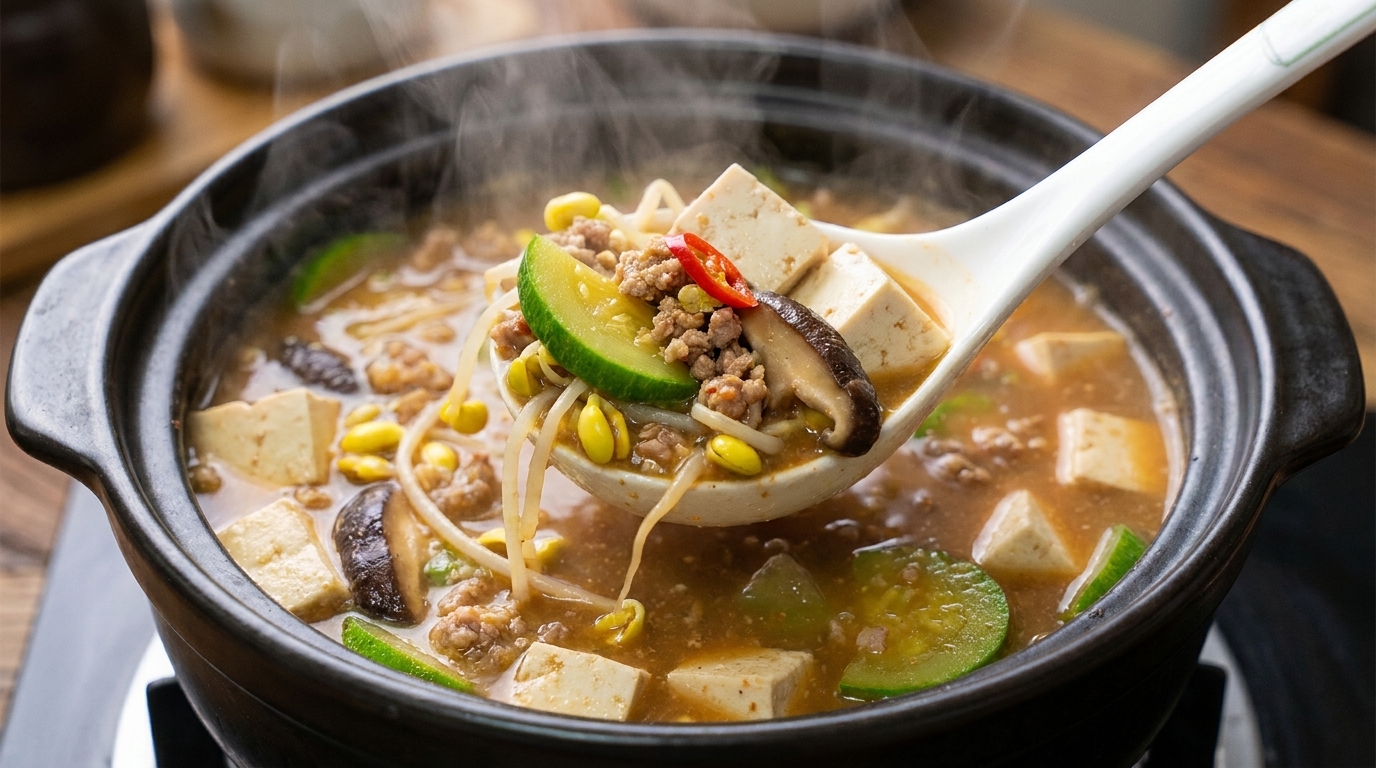
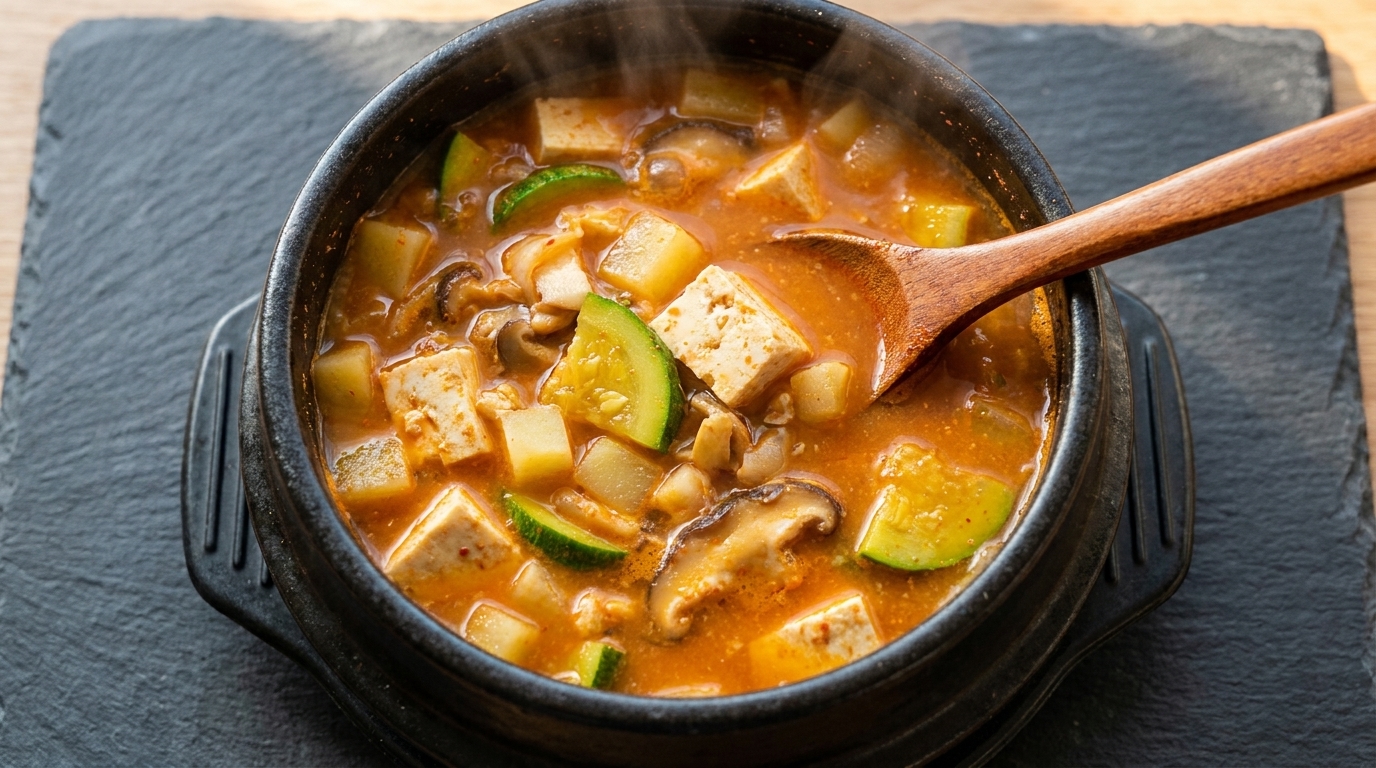
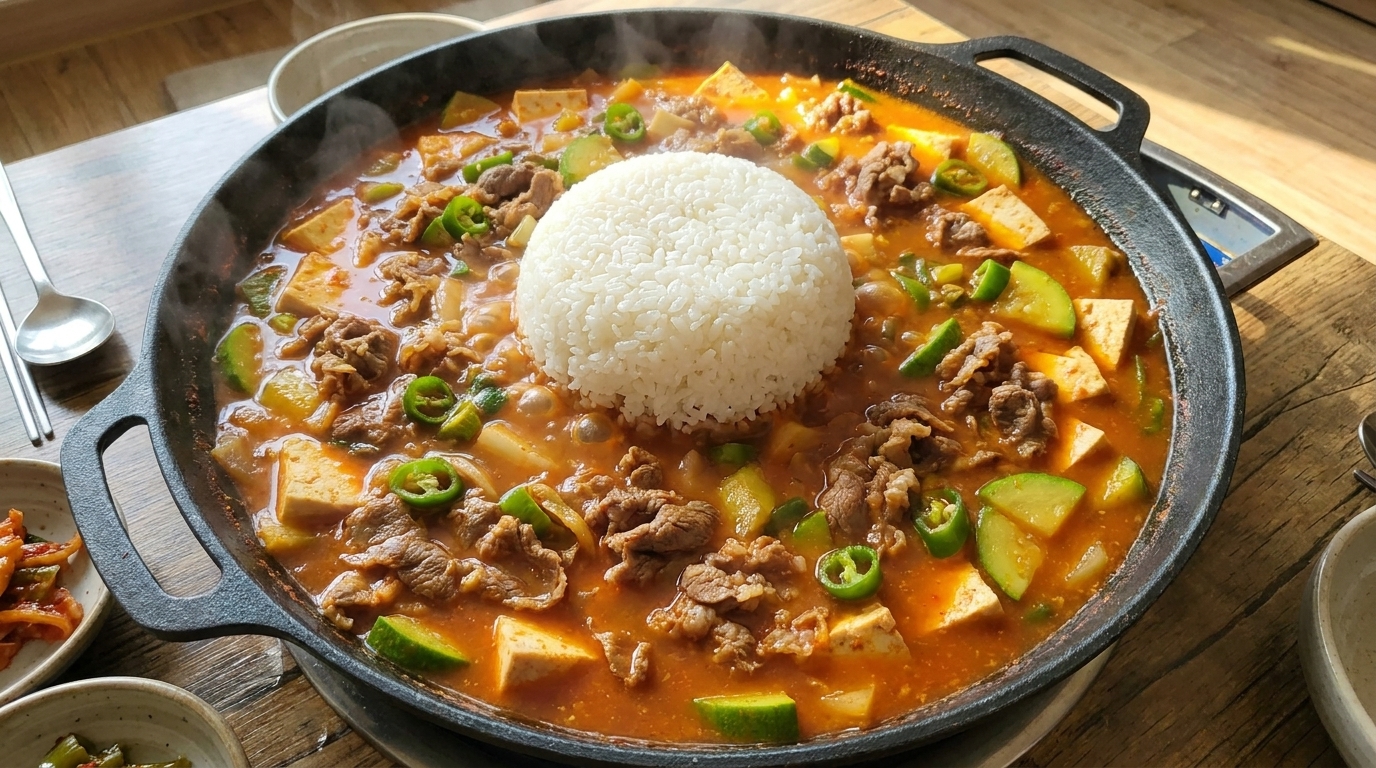
A hearty Korean beef belly and soybean paste stew, simmered with fresh vegetables and tofu, served with a signature mound of steamed rice right in the pan.
Doenjang jjigae is a soul-warming staple in Korean home cooking, defined by the deep, earthy richness of fermented soybean paste. This version elevates the classic stew with tender beef belly and a variety of fresh vegetables. Inverting a bowl of steamed rice directly into the center of the pan creates a comforting, cohesive meal that brings out the best of these savory flavors.
Ingredients
- 200 g beef belly, thinly sliced
- 2 tbsp soybean paste (doenjang)
- 1 tbsp chili paste (gochujang)
- 1 tbsp chili powder (gochugaru)
- 2 cloves garlic, minced
- 500 ml water
- 1 tsp tuna extract
- 1 tsp oyster sauce
- 100 g tofu, cubed
- 1/2 cup zucchini, chopped
- 1/2 cup mushrooms, sliced
- 2 green chilies, sliced
- 1 bowl steamed white rice
Instructions
- 1Sauté the beef belly
Place the beef belly slices into a hot pan. Stir-fry them over medium heat until they begin to brown and render their fat, creating a flavorful base for the stew.
Tip: Use a heavy-bottomed pan to ensure even browning of the meat. - 2Add aromatics and soybean paste
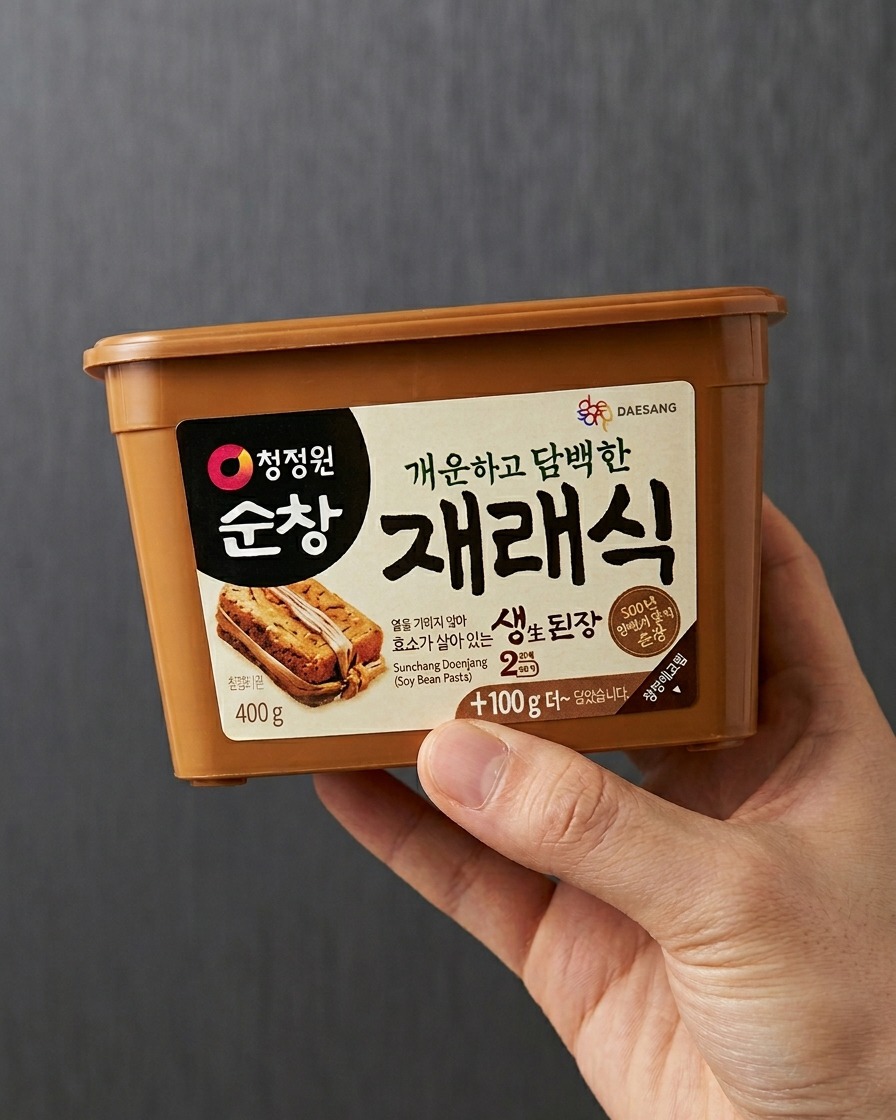
Add minced garlic and two spoonfuls of soybean paste to the browned beef. Stir everything together well so the paste coats the meat evenly and becomes fragrant.
Tip: If the paste seems too thick, add a small splash of water to help it incorporate. - 3Add chili powder
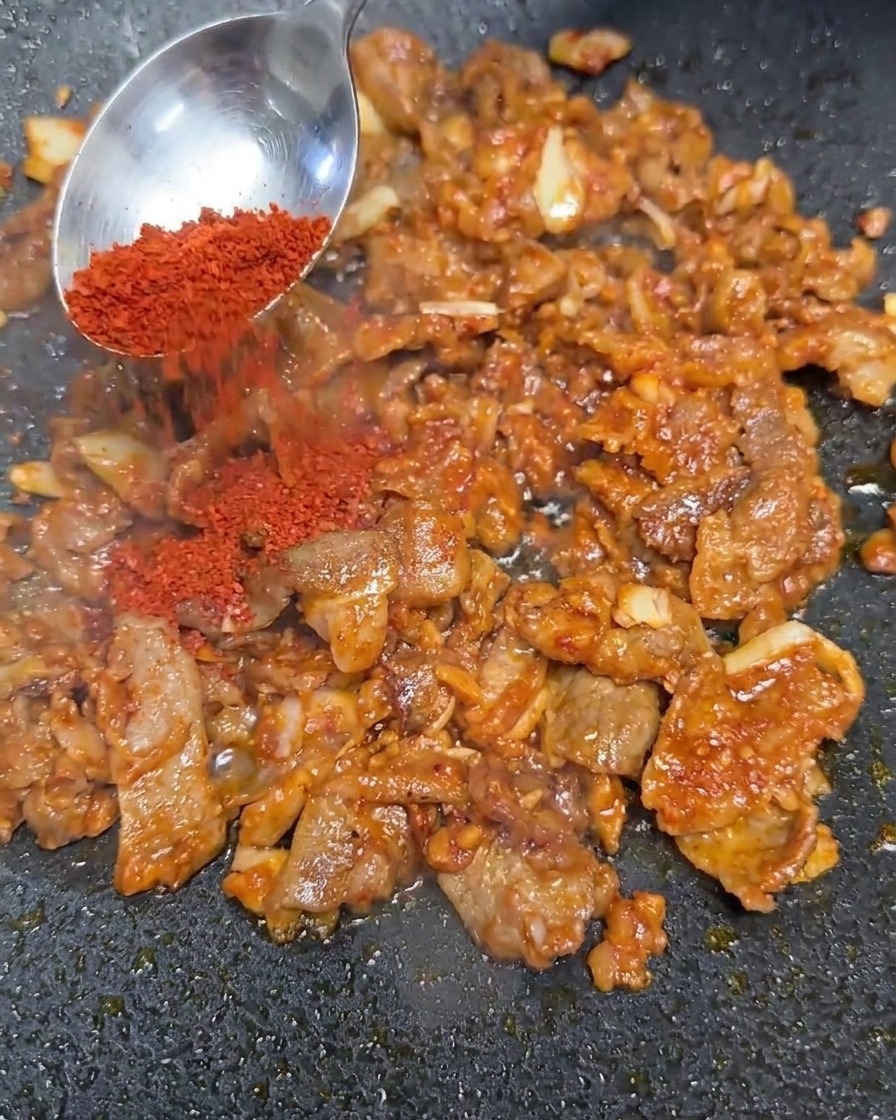
Sprinkle one spoonful of red chili powder over the mixture. Stir well to combine, which will add a vibrant red color and a subtle kick of heat to the stew base.
Tip: Adjust the amount of chili powder based on your preferred heat level. - 4Pour in water

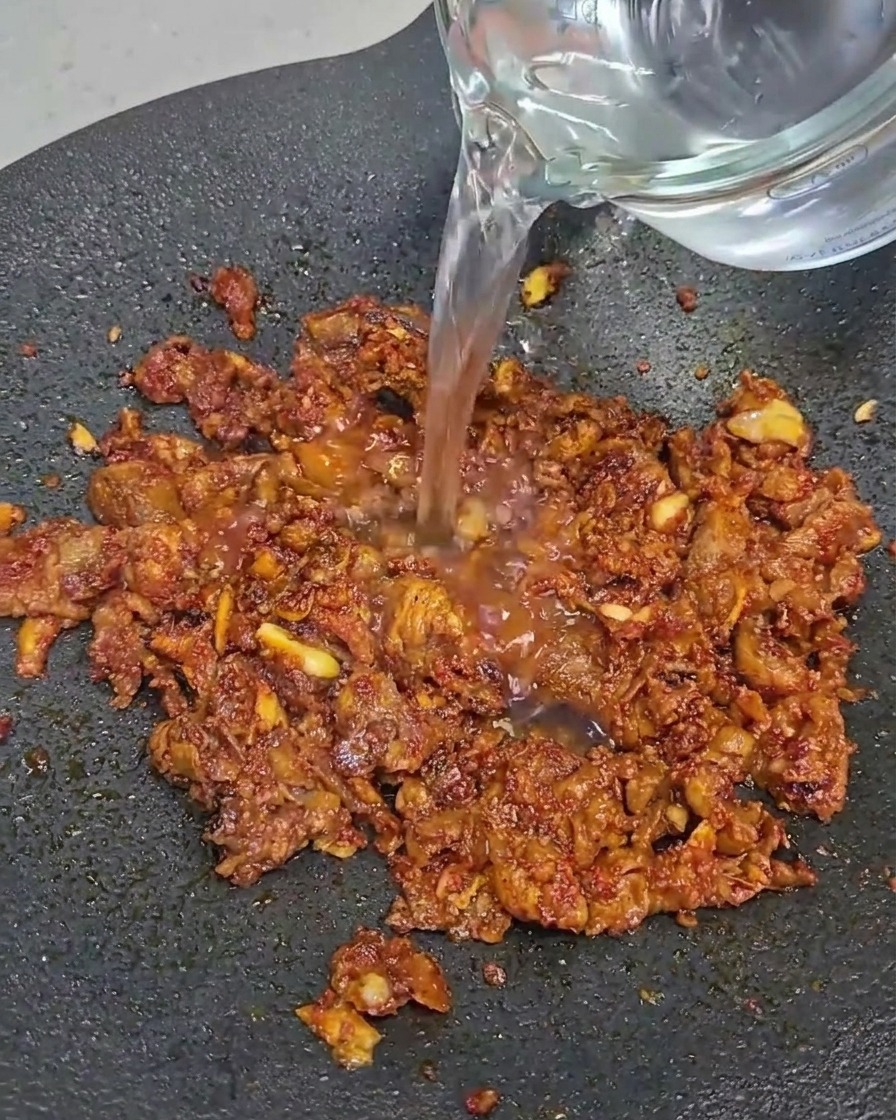
Pour 500 milliliters of water into the pan. Stir gently to deglaze the pan and combine all the ingredients into a cohesive, flavorful broth.
Tip: Using warm water can help bring the broth to a simmer faster. - 5Season the broth
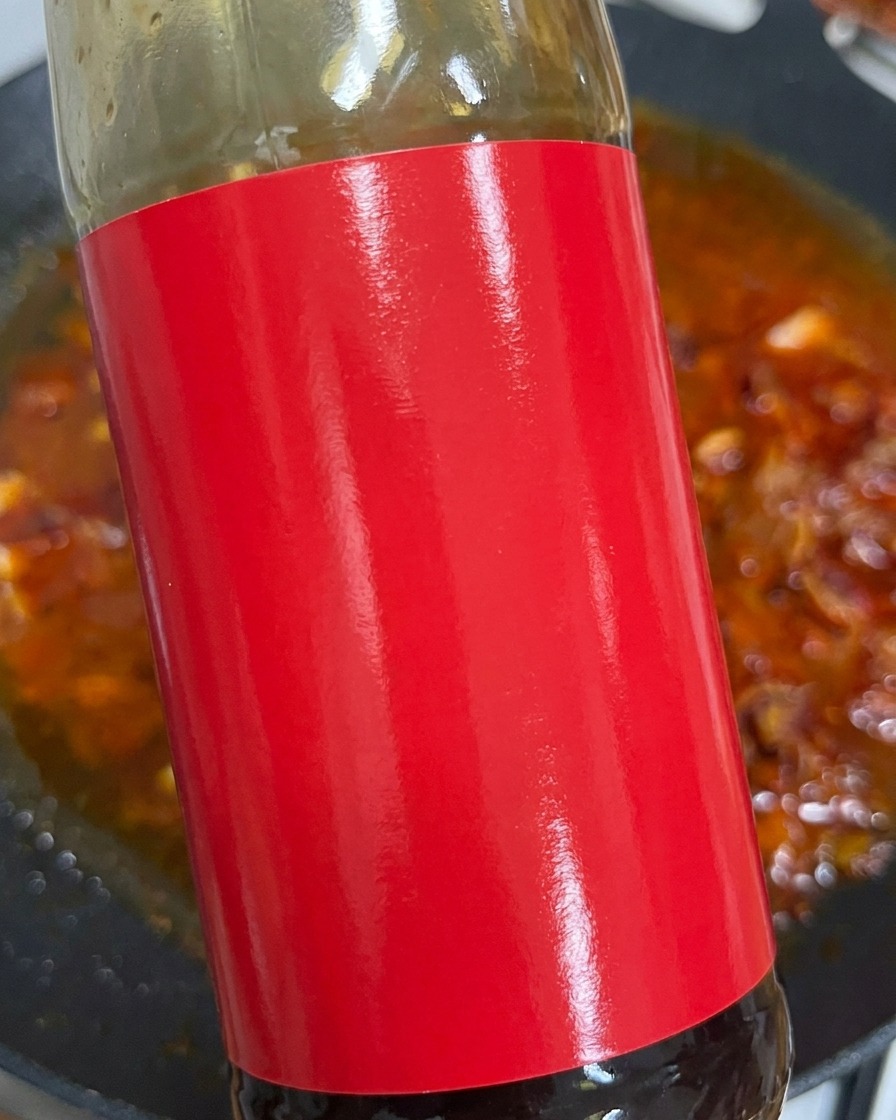
Add a splash of oyster sauce to the simmering broth. This provides a rich, umami depth that balances the earthiness of the soybean paste.
Tip: Tuna extract can also be added here for extra depth, if preferred. - 6Add vegetables and tofu
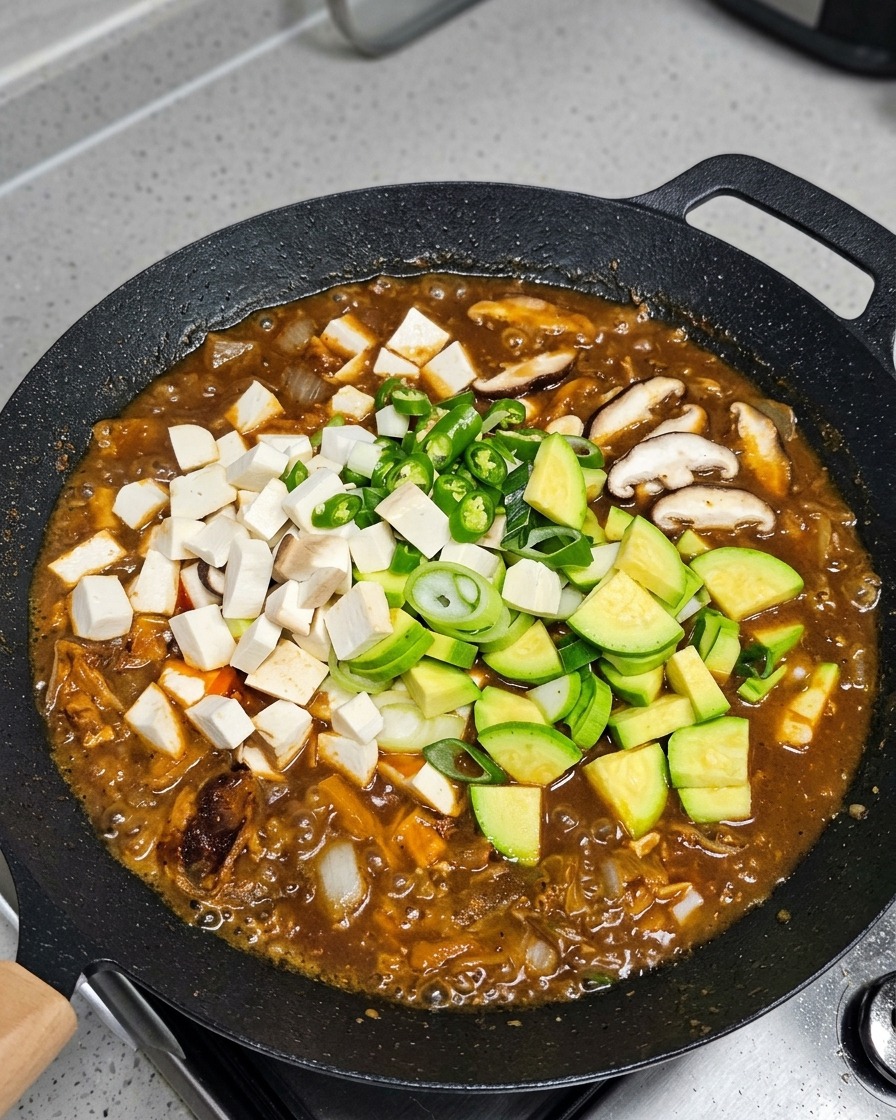
Add the chopped zucchini, tofu, mushrooms, and green onions to the pot. Gently push them into the broth and allow the stew to simmer until the vegetables are tender.
Tip: Add harder vegetables first if you prefer them softer, but adding everything at once keeps the cook time simple. - 7Simmer the Stew
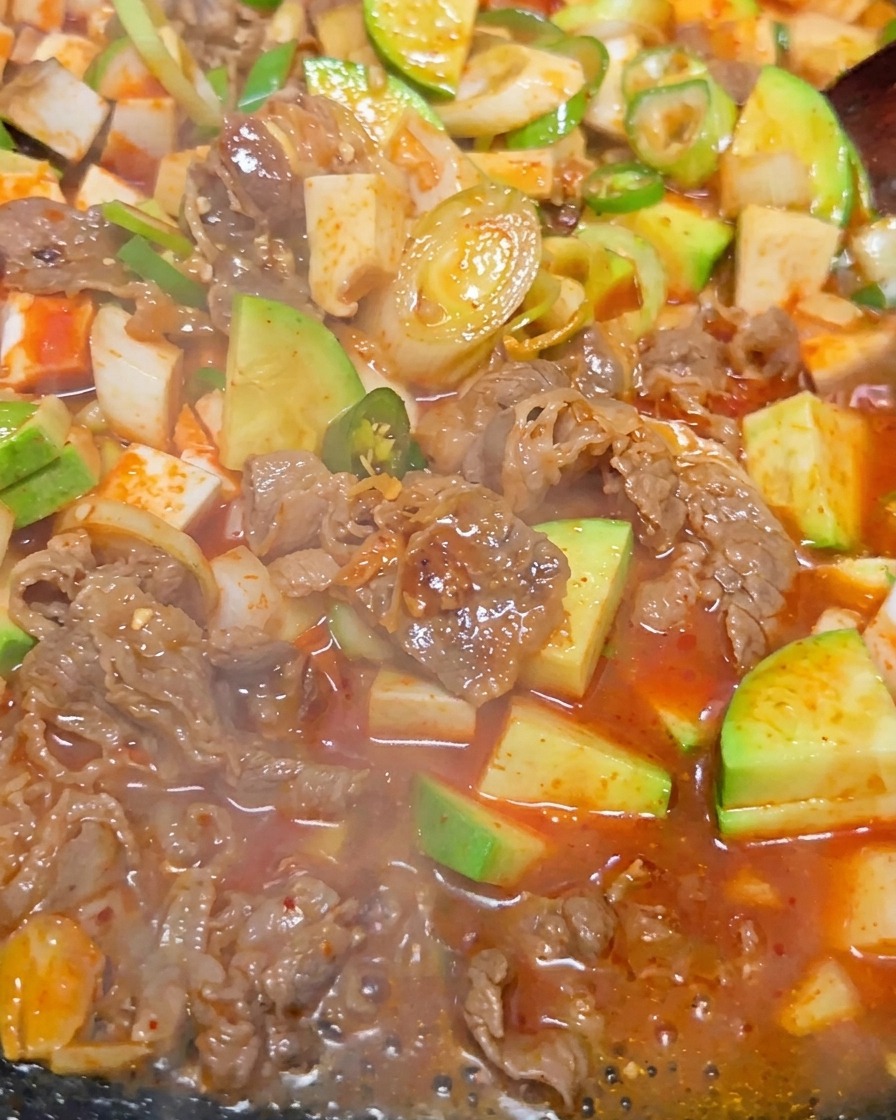
Add the prepared mushrooms, zucchini, and green chilies into the bubbling broth with the beef, soybean paste, and tofu. Allow the mixture to simmer thoroughly until the vegetables are tender and the flavors have melded into a rich, savory stew.
Tip: Watching the stew bubble is part of the experience; ensure it simmers long enough for the soybean paste to fully develop its deep, earthy flavor. - 8Add the Rice
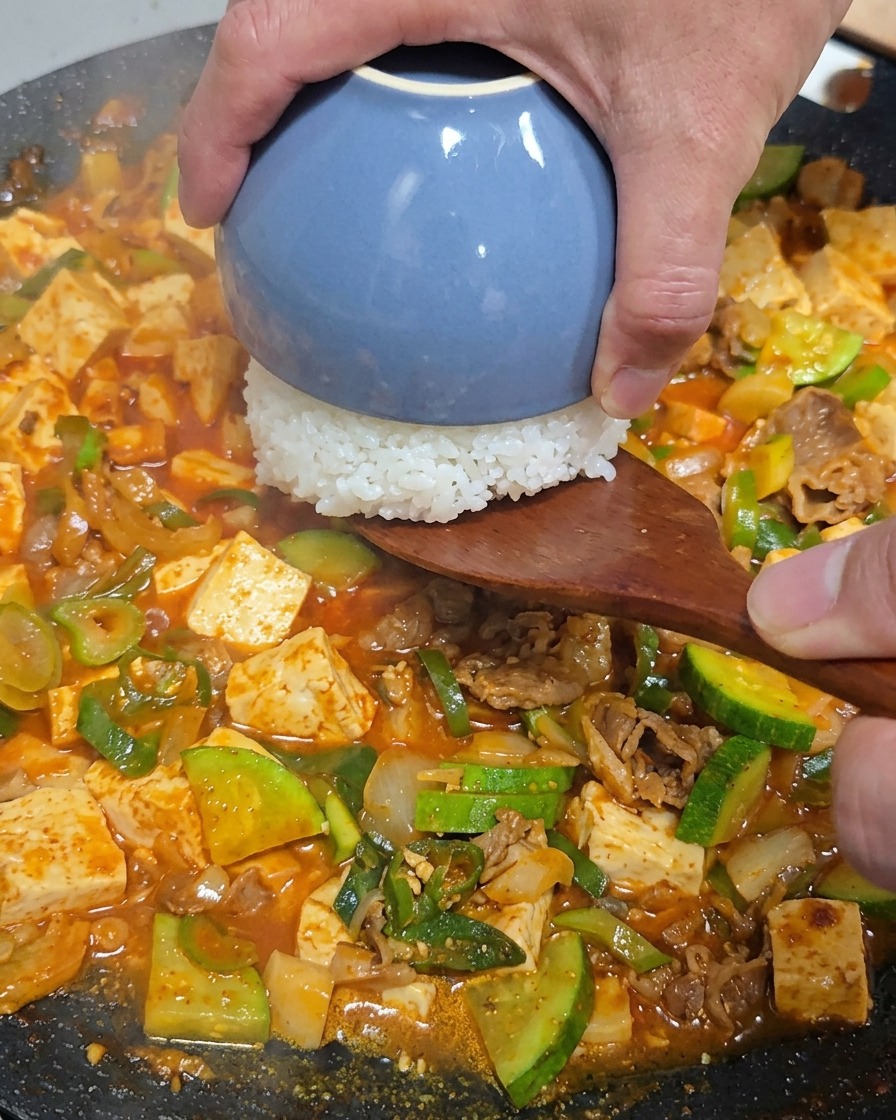
Once the stew is cooked to perfection, take a bowl of freshly steamed white rice and invert it carefully directly into the center of the pan. This allows the rice to soak up the savory broth for a comforting, satisfying meal.
Tip: Use a sturdy spatula to help invert the bowl cleanly so the rice mound stays intact in the middle of the stew.