Korean Kimchi Soybean Paste Soup (Doenjang-jjigae)
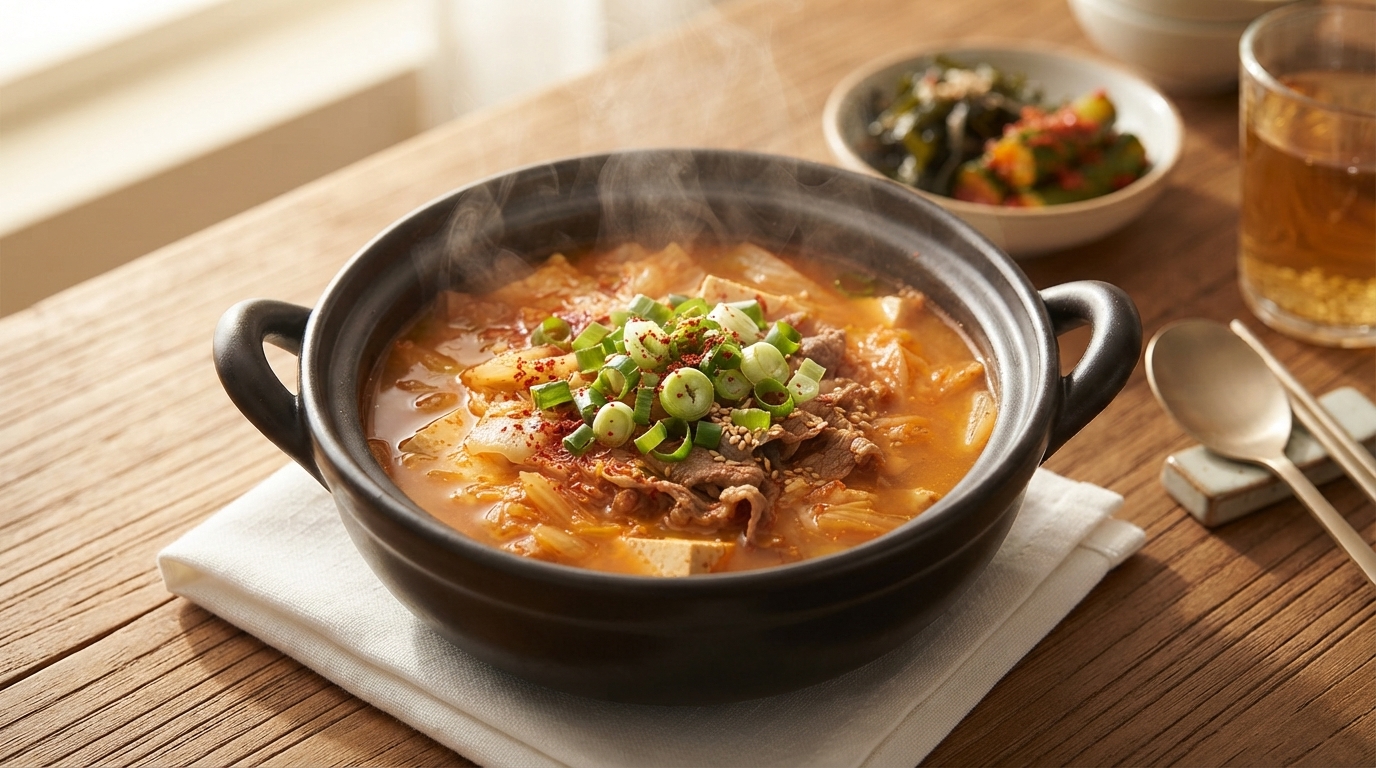
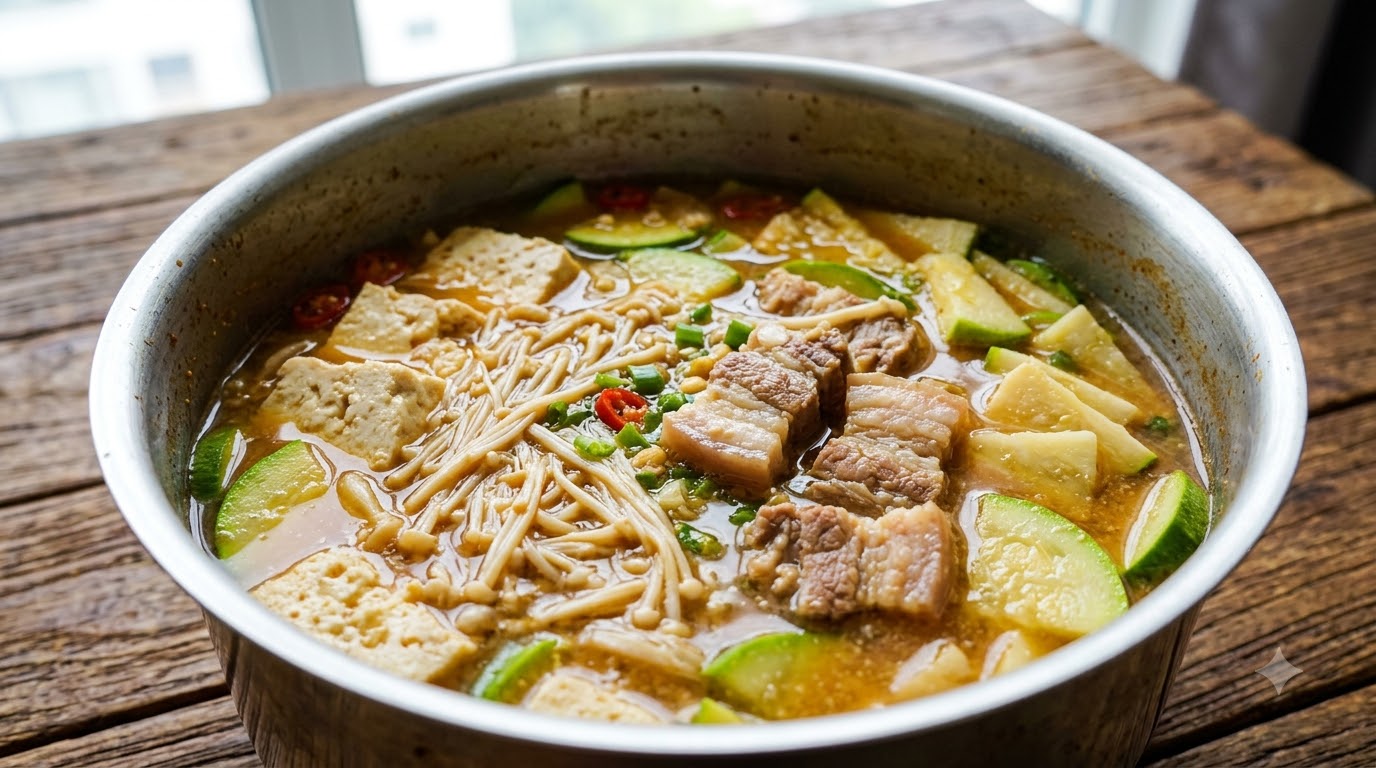
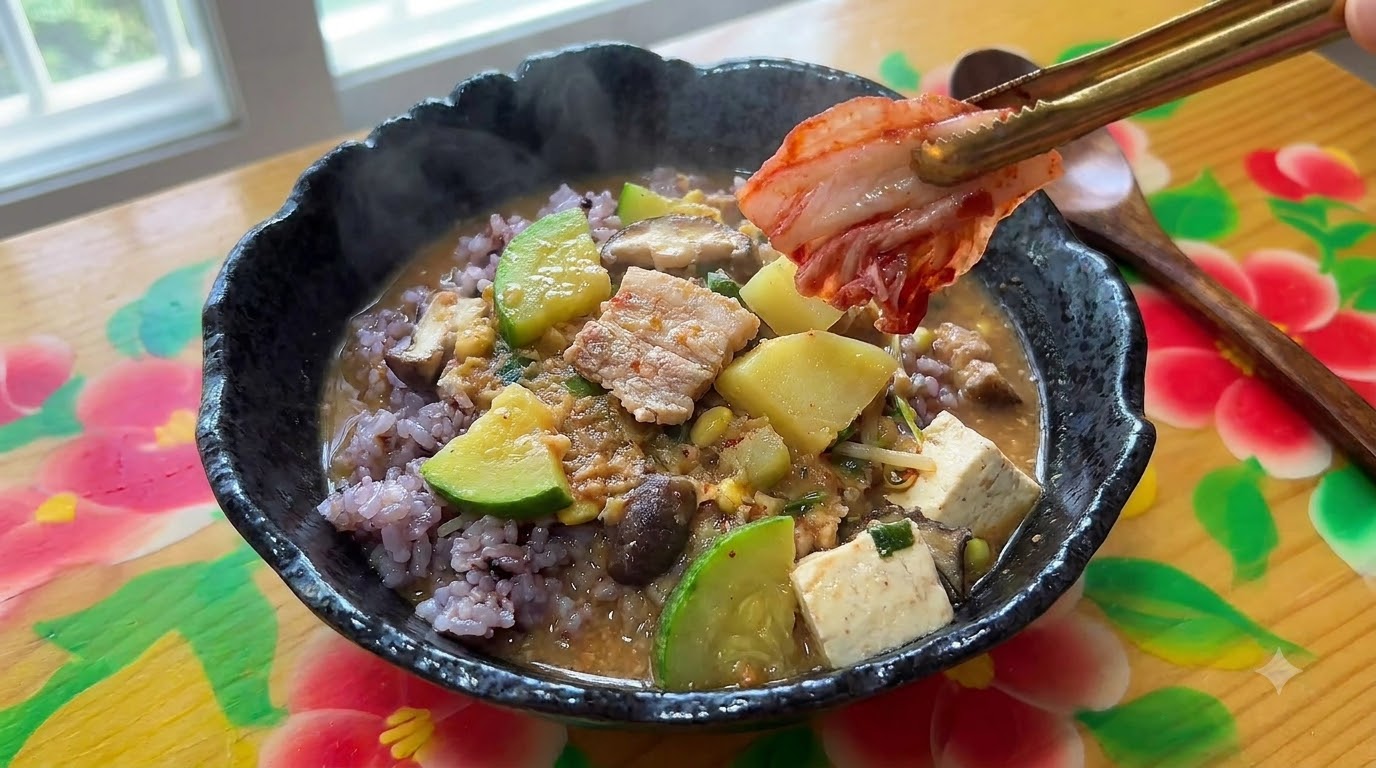
A comforting family-style Korean soybean paste soup layered with fermented kimchi, plump jumbo shrimp, tender oysters, fresh vegetables, and rich doenjang broth.
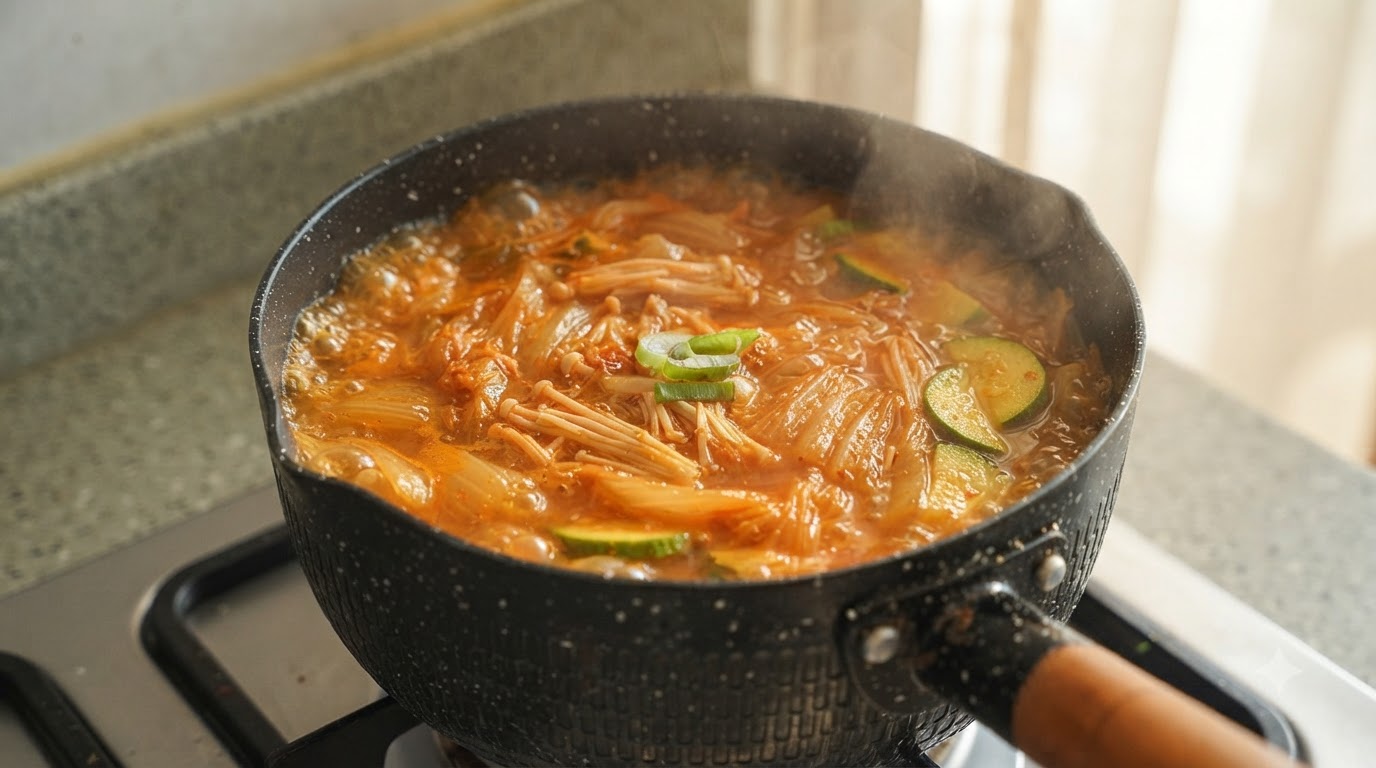
Doenjang-jjigae is a cornerstone of home-cooked Korean cuisine, prized for its deep, earthy umami flavor derived from fermented soybean paste. This rich family-style version pairs the signature savory paste with tangy kimchi, fresh seafood, and vegetables, creating a deeply warming and nourishing stew that is traditionally simmered right at the table.
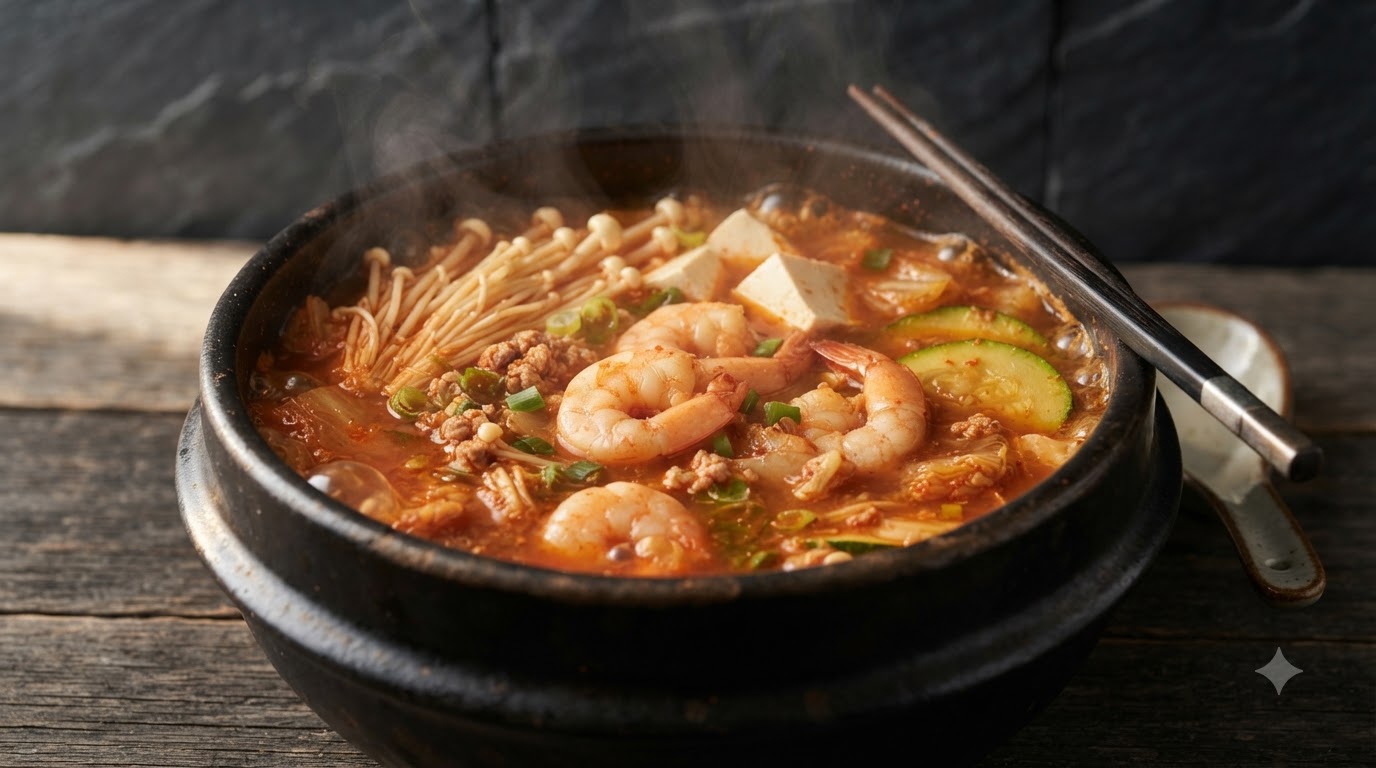
Ingredients
- 3 tbsp Korean soybean paste doenjang
- 1 tbsp Korean sweet and spicy chili paste gochujang
- 1 cup mature kimchi
- 6 pieces jumbo shrimp
- 100 g fresh oysters
- 150 g firm tofu
- 100 g white radish
- 1 medium zucchini
- 1 pack enoki mushrooms
- 200 g flower cabbage
- 2 pieces small chili peppers
- 500 ml water
Instructions
- 1Slice the white radish
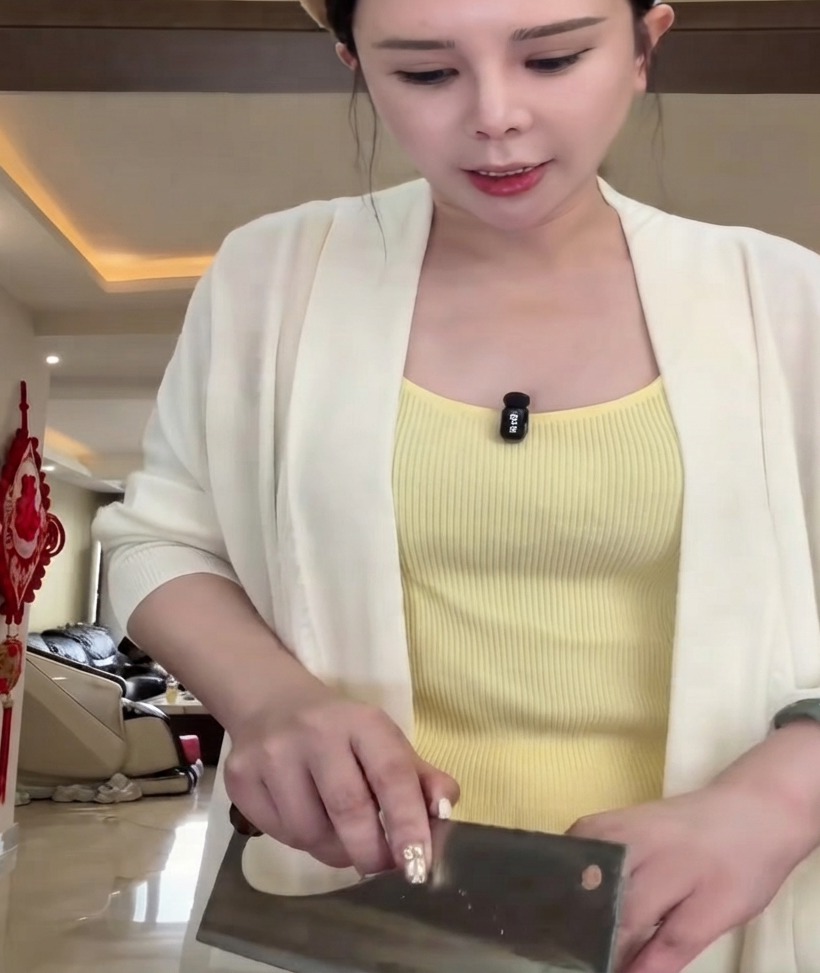
Take the prepared white radish and use a cleaver to slice it into thick rounds on a wooden cutting board.
Tip: Cut the slices to a uniform thickness so they cook evenly in the pot. - 2Slice the zucchini
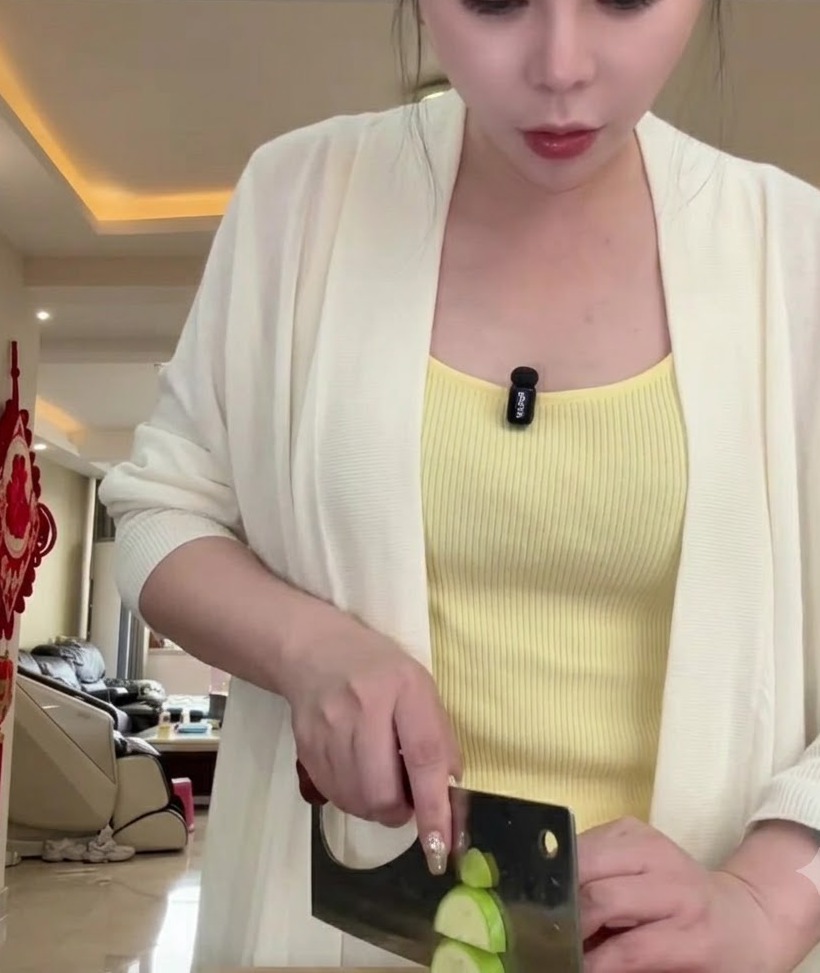
Slice the zucchini into thick rounds on the wooden cutting board using a cleaver, keeping them slightly thicker than the white radish slices.
Tip: Zucchini will soften during simmering, so keeping it slightly thicker prevents it from becoming mushy. - 3Trim the enoki mushrooms
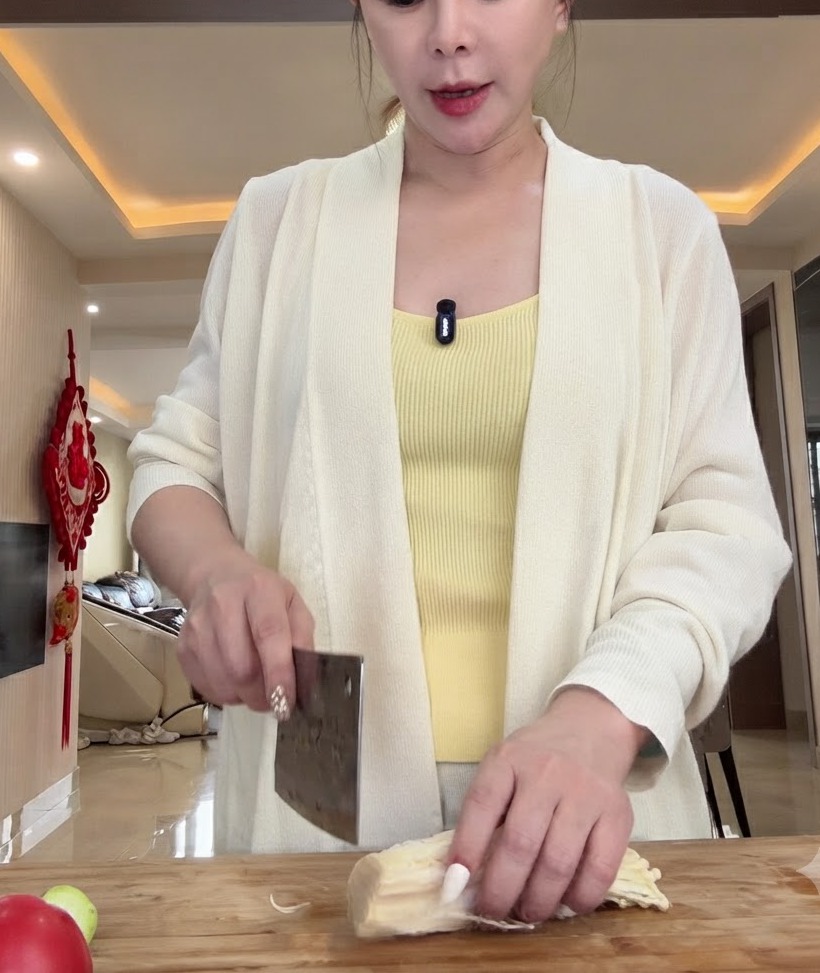
Wash the enoki mushrooms thoroughly, then use a knife or cleaver to cut off a small part of the root portion at the base where they grow.
Tip: Discard the tough root clump entirely before adding the mushrooms to the pot. - 4Layer oysters at the bottom
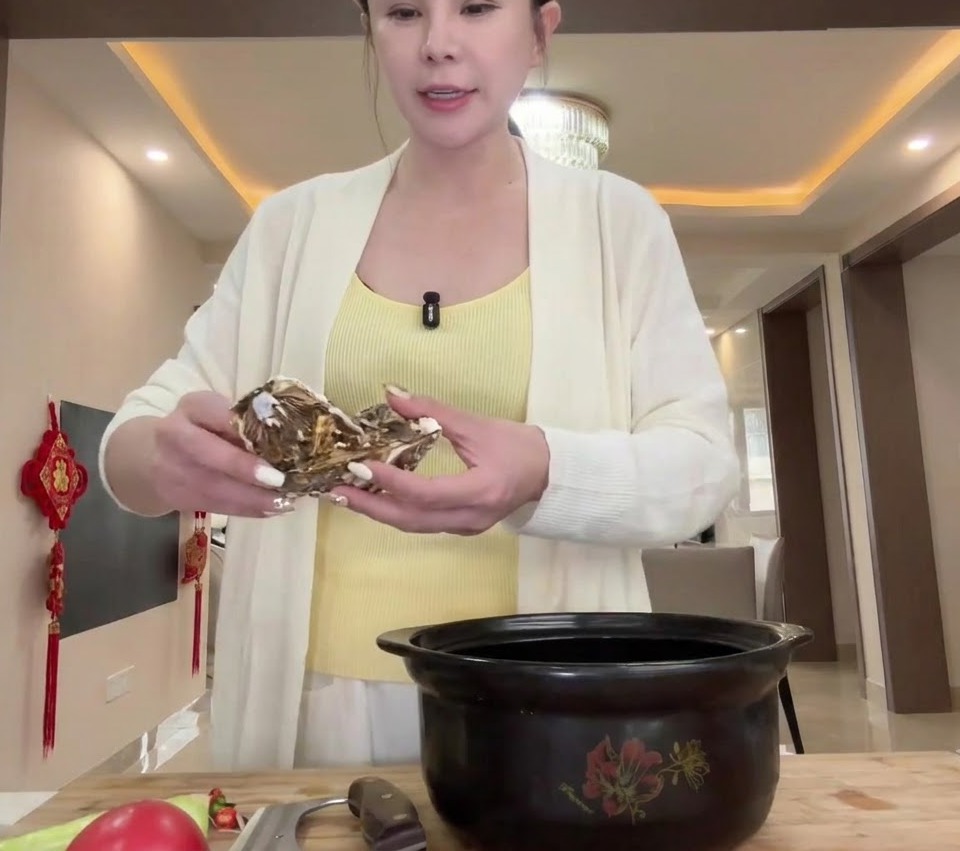
Place clean raw oysters directly at the bottom of a large black clay pot to create a supportive base and prevent burning.
Tip: Laying ingredients like oysters or cabbage at the base prevents the stew from easily burning the bottom of the pot. - 5Add cabbage into the pot
Add chopped flower cabbage into the black clay pot directly on top of the oyster layer to further prevent bottom burning.
Tip: Layering leafy vegetables over the bottom seafood creates a protective barrier for long simmering. - 6Layer radish and zucchini

Spread the freshly sliced white radish and zucchini into the clay pot on top of the cabbage and oyster layers.
Tip: Do not worry if the pot feels very full, because the vegetables will release water and lower the soup level as they cook. - 7Pack vegetables into the pot
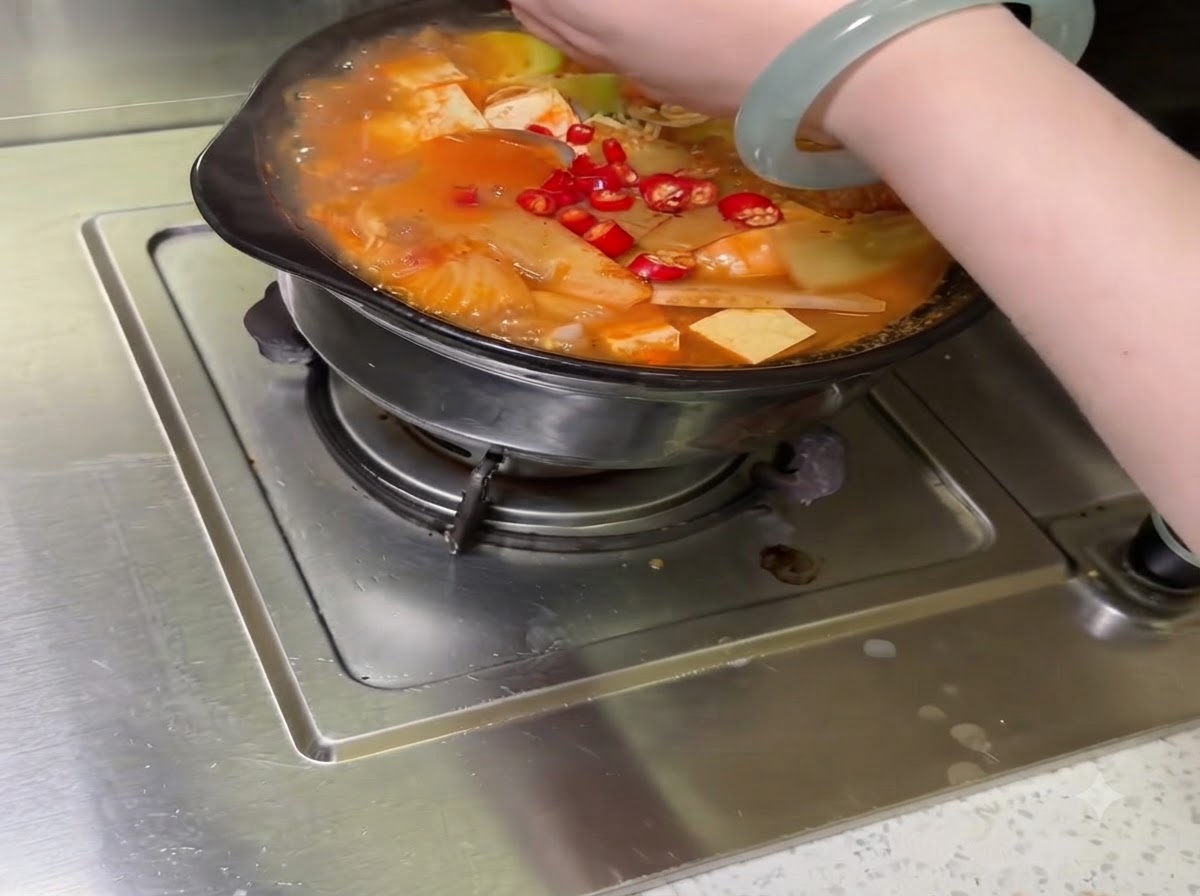
Add the prepared vegetables, including zucchini, white radish, flower cabbage, and small spicy peppers, into the clay pot. Layer the ingredients carefully so they fit securely, knowing that they will release water and reduce in volume as they cook.
Tip: If the pot looks too full, dont worry; the vegetables will shrink down as they release moisture during heating. - 8Trim kimchi roots

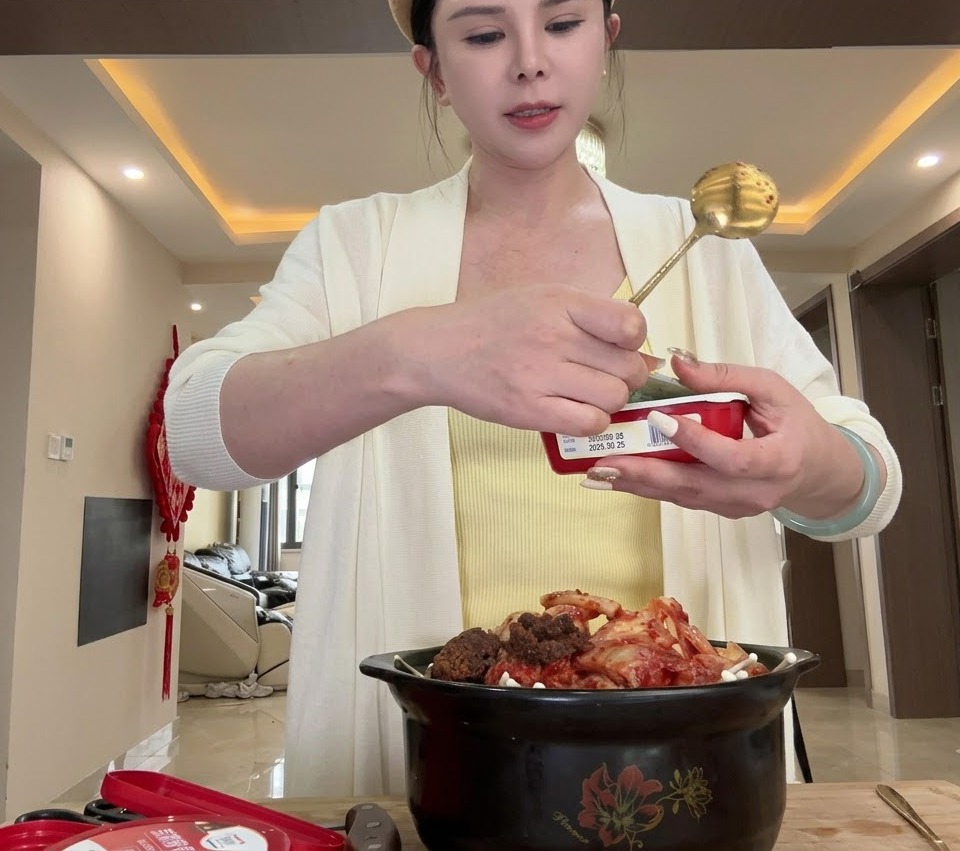
Take the kimchi and use kitchen shears to cut off the roots directly over the pot. Add the remaining kimchi pieces into the mix to infuse the base with traditional Korean flavors.
Tip: Trimming roots directly over the pot saves prep time and keeps your workstation clean. - 9Add Korean soybean paste

Scoop generous amounts of Korean soybean paste and add it directly into the clay pot along with the other ingredients. Because of the large pot size, use a sufficient amount of paste to build a rich, savory broth base.
Tip: Soybean paste forms the hearty umami foundation of the soup, so adjust the quantity based on your pot size.