Authentic Japanese Katsudon (Crispy Pork Cutlet Rice Bowl)
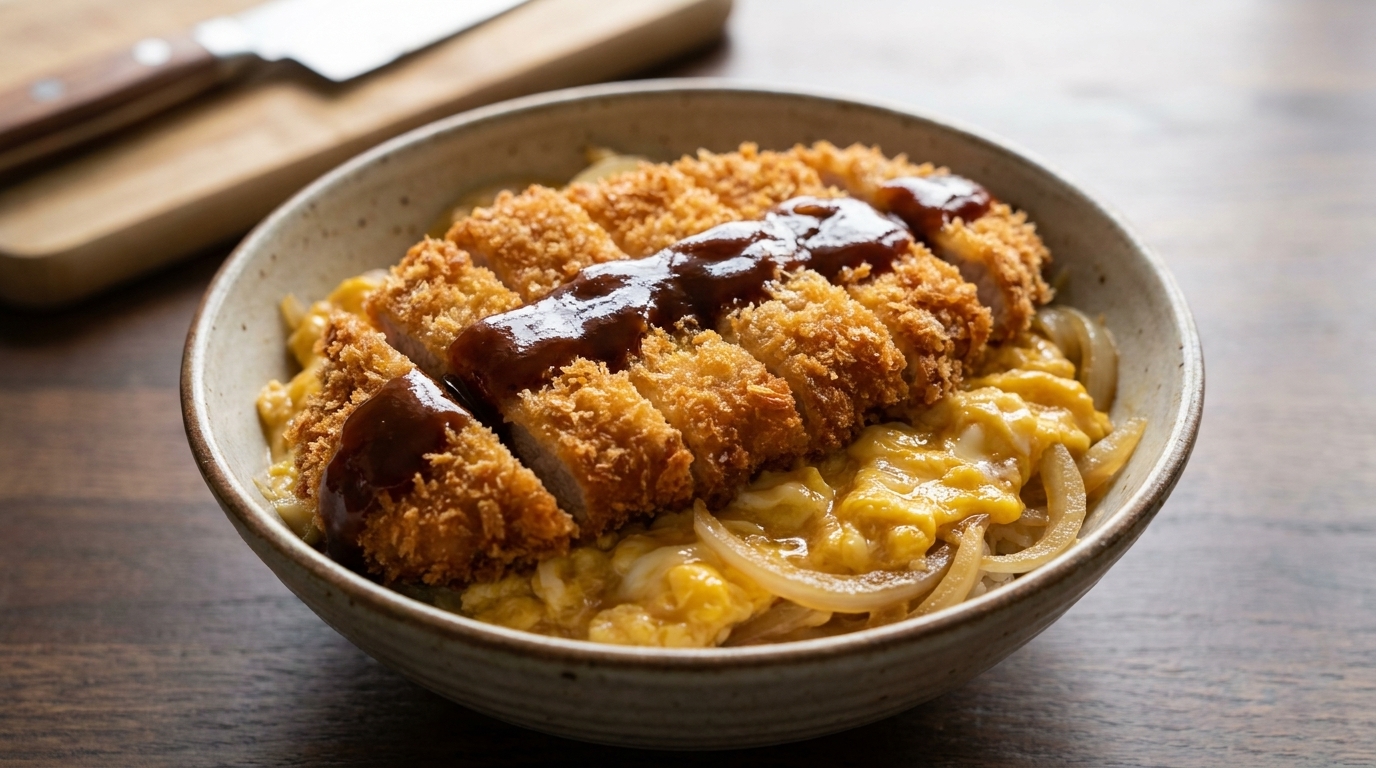
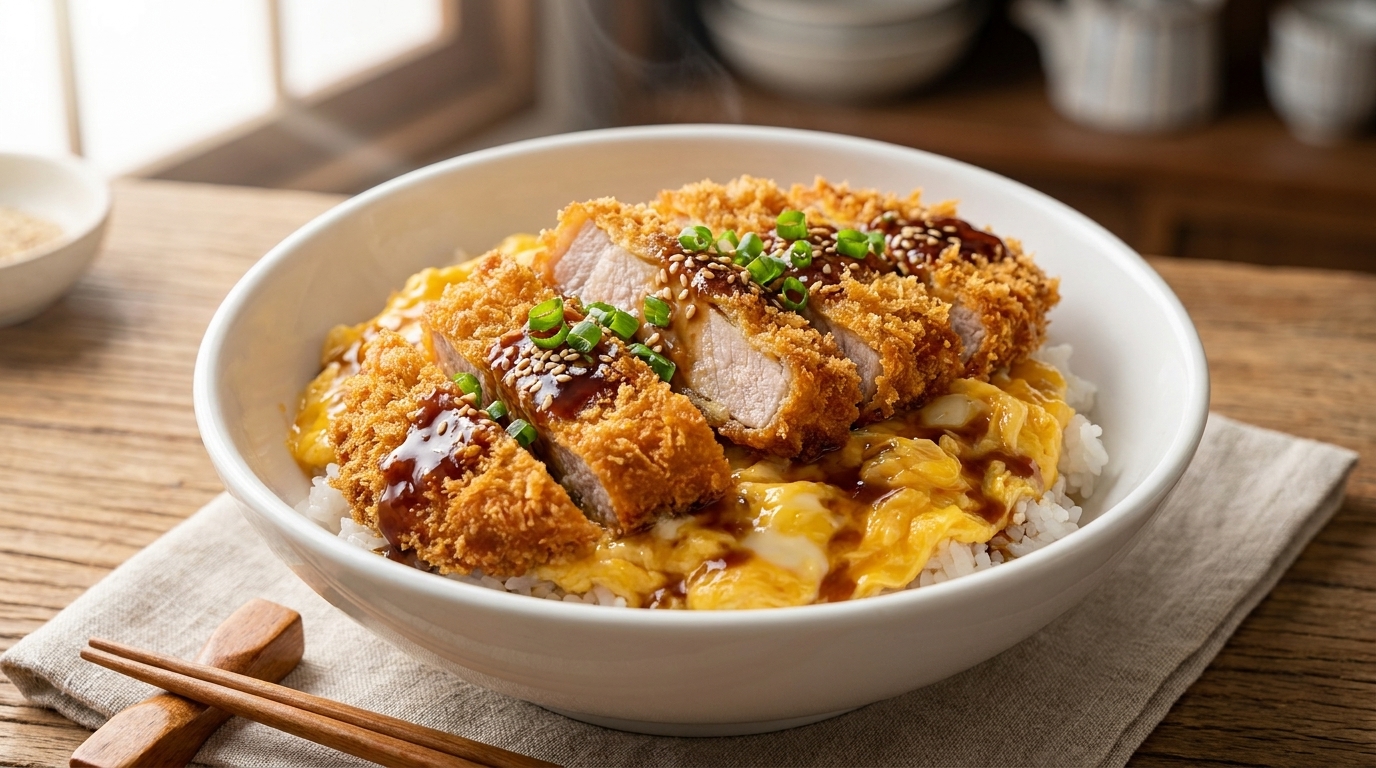
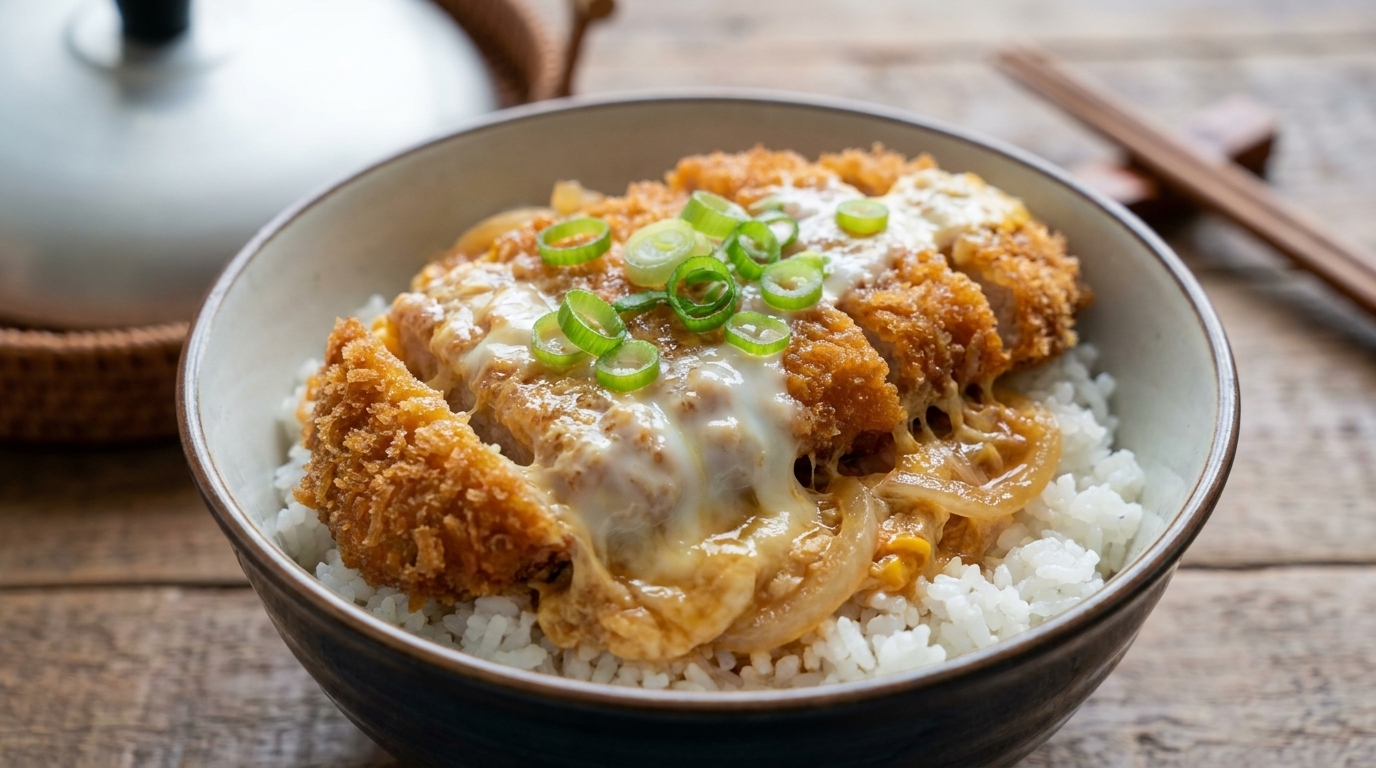
A soul-warming Japanese classic featuring a crispy panko-breaded pork cutlet simmered in a savory dashi-style sauce with sweet onions and silky, semi-set eggs.
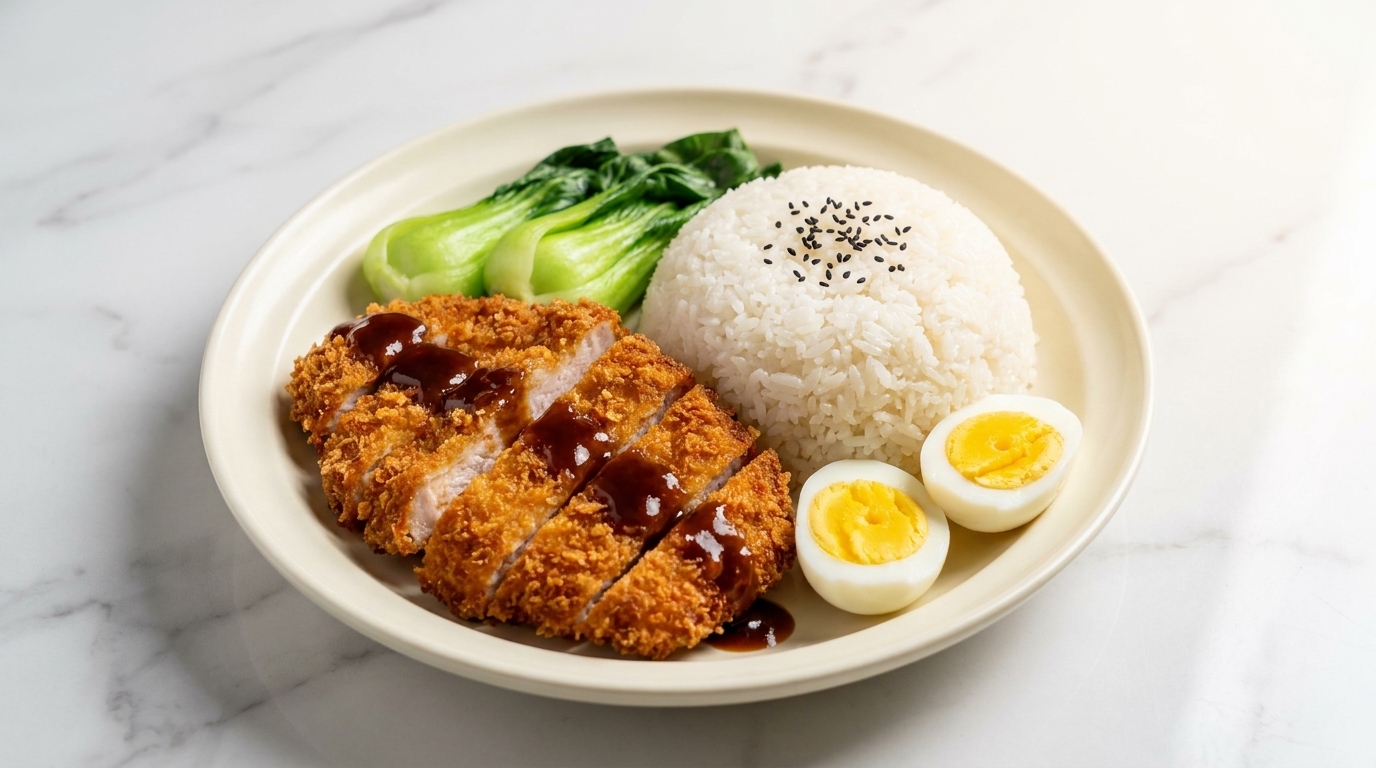
Katsudon is the ultimate Japanese comfort food, famously enjoyed by students and athletes to ensure victory, as katsu means to win. This recipe balances the satisfying crunch of a golden tonkatsu with a delicate, umami-rich broth and the luxurious texture of perfectly steamed eggs over a bed of warm rice.
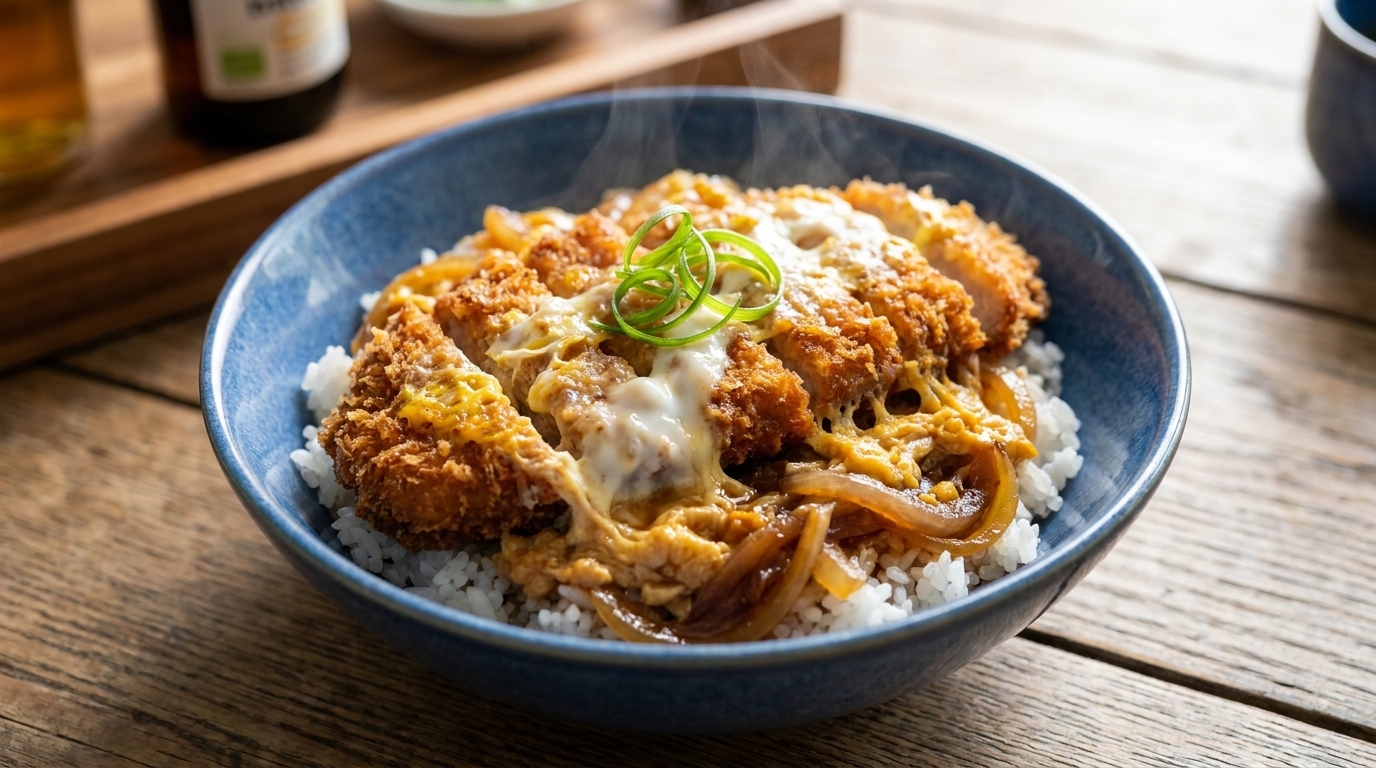
Ingredients
- 300 g pork shoulder meat
- to taste salt
- to taste black pepper
- for coating white all-purpose flour
- 2 large eggs
- 1 splash water
- 1 cup panko breadcrumbs
- as needed frying oil
- 100 ml water
- 20 ml soy sauce
- 30 ml mirin
- 20 g sugar
- 30 ml sake
- 12 white onion
- 1 bowl steamed white rice
- to taste shredded nori seaweed
- optional scallion curls
Instructions
- 1Tenderize the pork
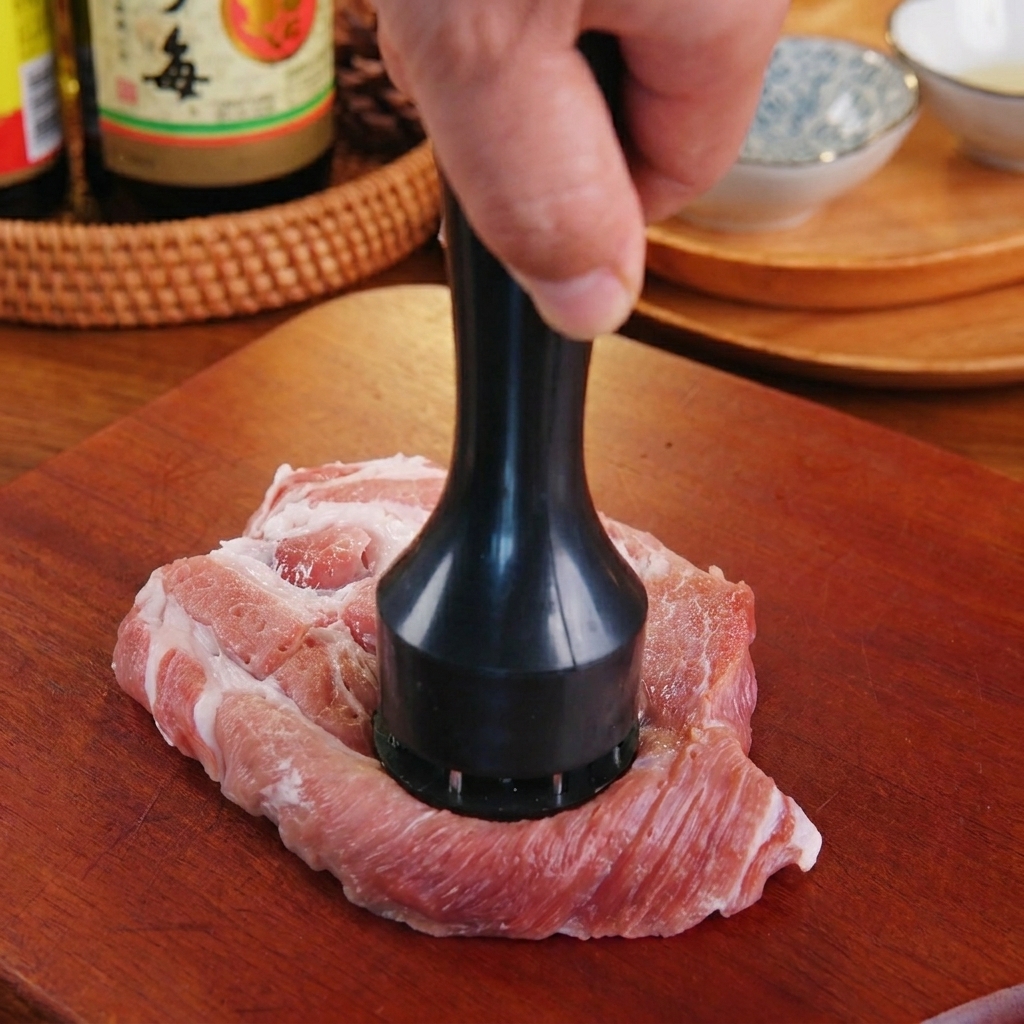
Place the raw pork shoulder meat on a wooden cutting board and use a meat mallet to pound it evenly across the surface. This breaks down the tough muscle fibers and ensures the meat has a uniform thickness for a more tender bite and even cooking.
Tip: If you dont have a meat mallet, you can use the back of a heavy chefs knife or a rolling pin to achieve a similar effect. - 2Season the meat
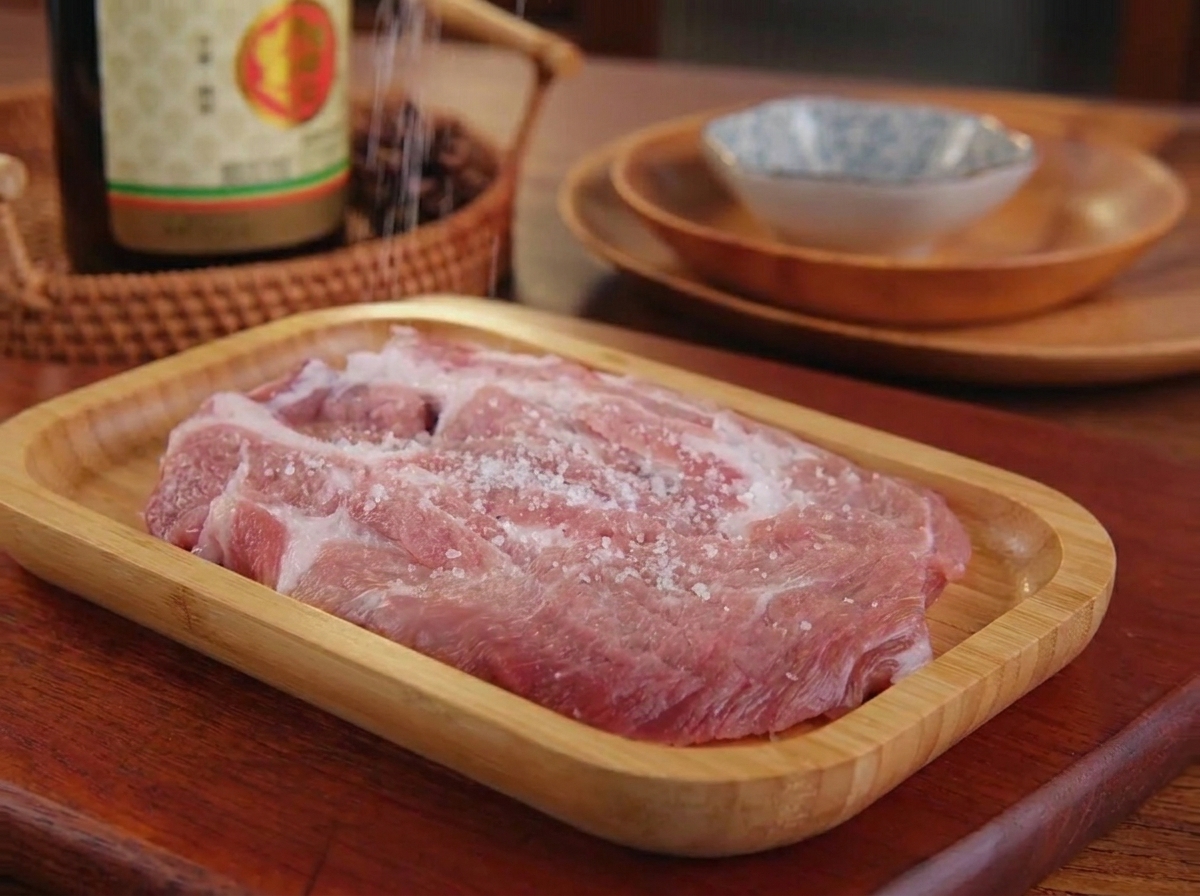
Season both sides of the tenderized pork generously with salt and black pepper. Massage the seasonings into the meat to ensure they are well-absorbed, then set it aside to marinate for at least 20 minutes to develop a deeper flavor profile.
Tip: Marinating for the full 20 minutes is key; it allows the salt to penetrate the fibers, keeping the pork juicy when fried. - 3Dredge in flour
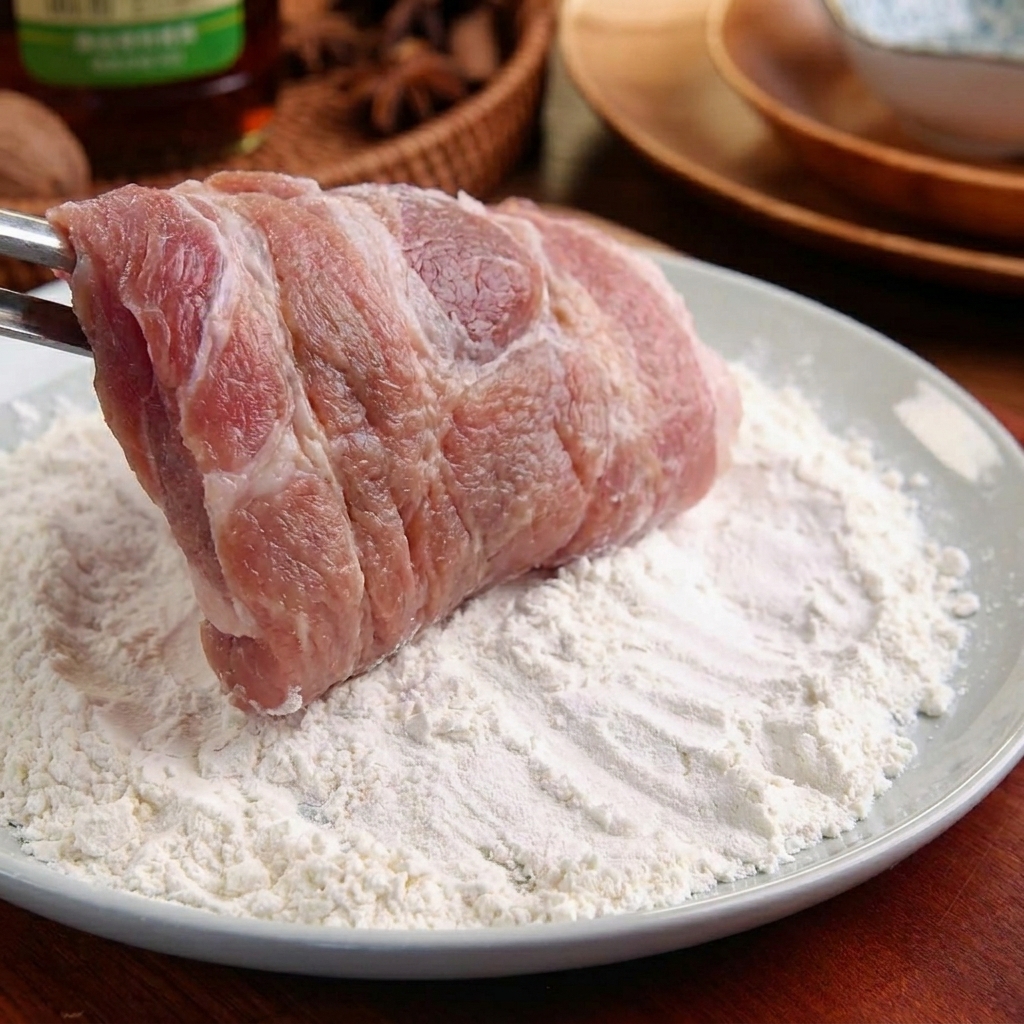
Prepare a plate with white all-purpose flour and coat the marinated pork slice thoroughly. Ensure every part of the meat is covered with a thin layer of flour, then gently shake off any excess to prevent the coating from becoming clumpy.
Tip: A light coating of flour helps the egg wash adhere better, ensuring the breading doesnt slip off during the frying process. - 4Dip into egg wash
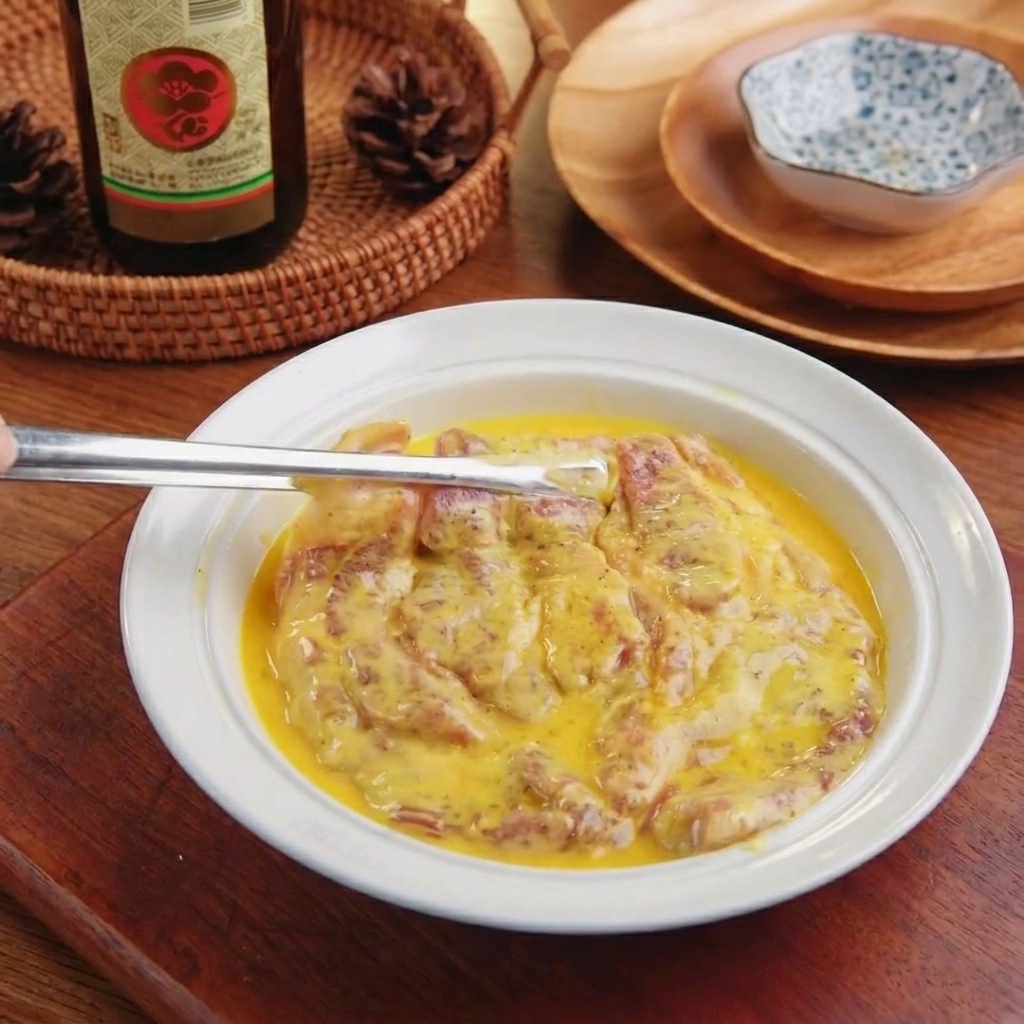
Submerge the floured pork cutlet into a shallow bowl containing a whisked egg wash. Flip the meat to make sure it is completely moistened by the egg, which acts as the glue for the final layer of breadcrumbs.
Tip: Adding a tiny splash of water or oil to your eggs can help create a smoother, more consistent egg wash for easier coating. - 5Coat with breadcrumbs
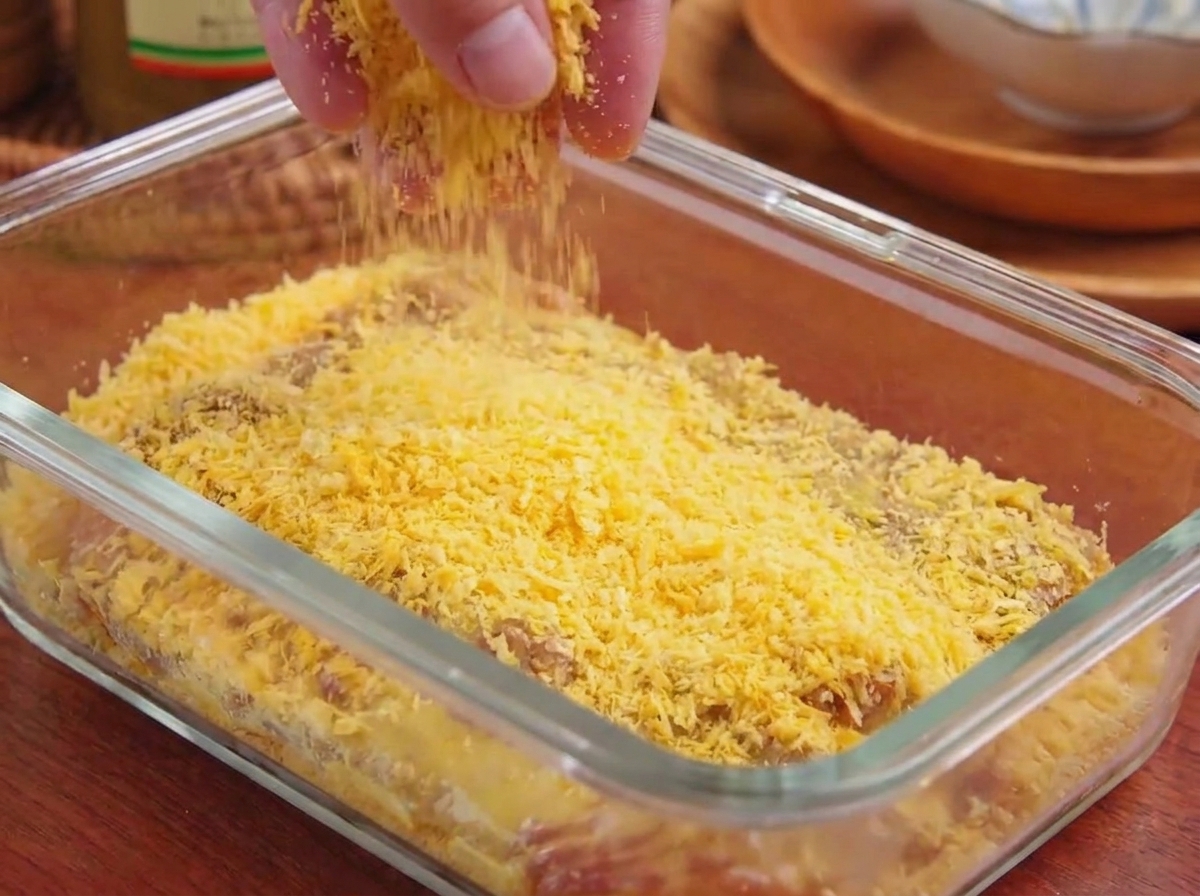
Transfer the egg-coated pork to a container filled with yellow panko breadcrumbs. Press the crumbs firmly onto both sides of the meat to create a thick, even crust that will provide the signature crunch of a katsudon.
Tip: Use one hand for wet ingredients and the other for dry ingredients to avoid your fingers getting covered in sticky breading. - 6Fry the pork cutlet
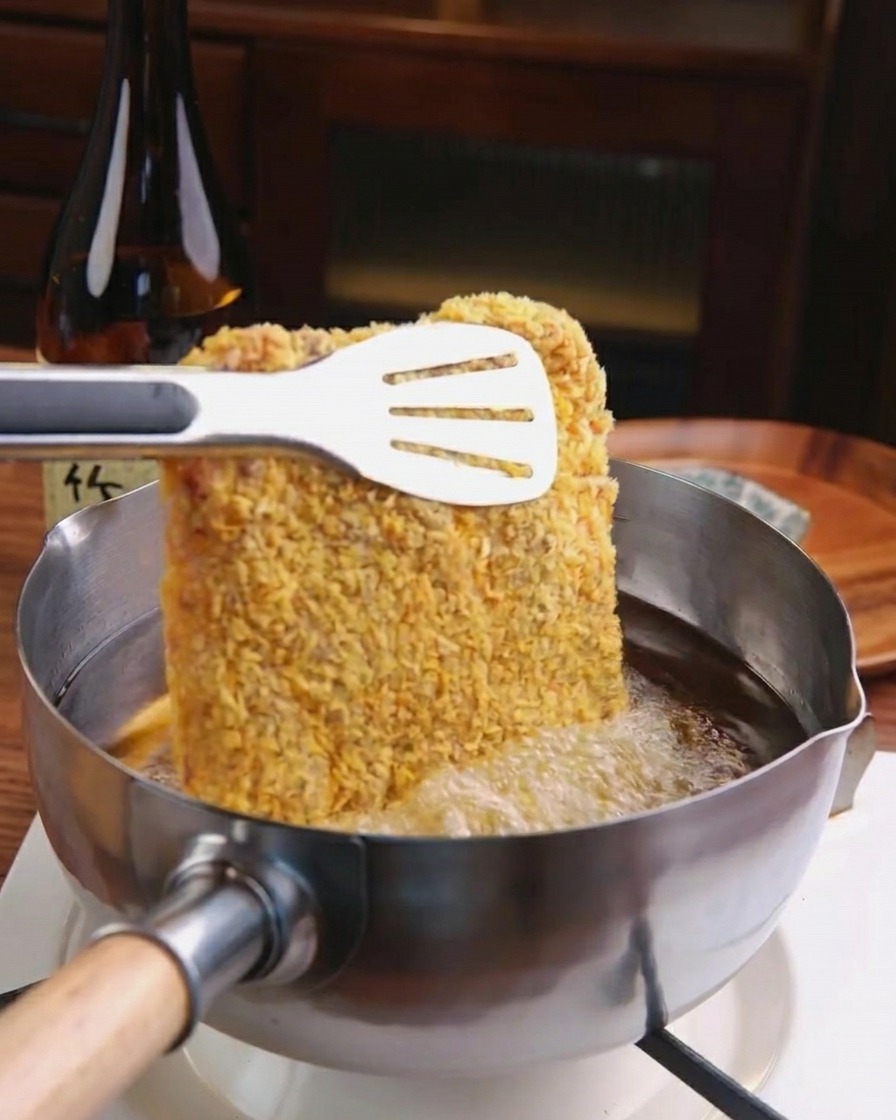
Heat oil to approximately 160-170°C and carefully lower the breaded pork into the pot. Fry over medium-low heat for about 3 to 4 minutes until the exterior is a beautiful golden brown and the meat is cooked through and juicy.
Tip: Maintain a steady temperature; if the oil is too hot, the crumbs will burn before the meat is cooked, and if its too cool, the pork will be greasy. - 7Slice the tonkatsu
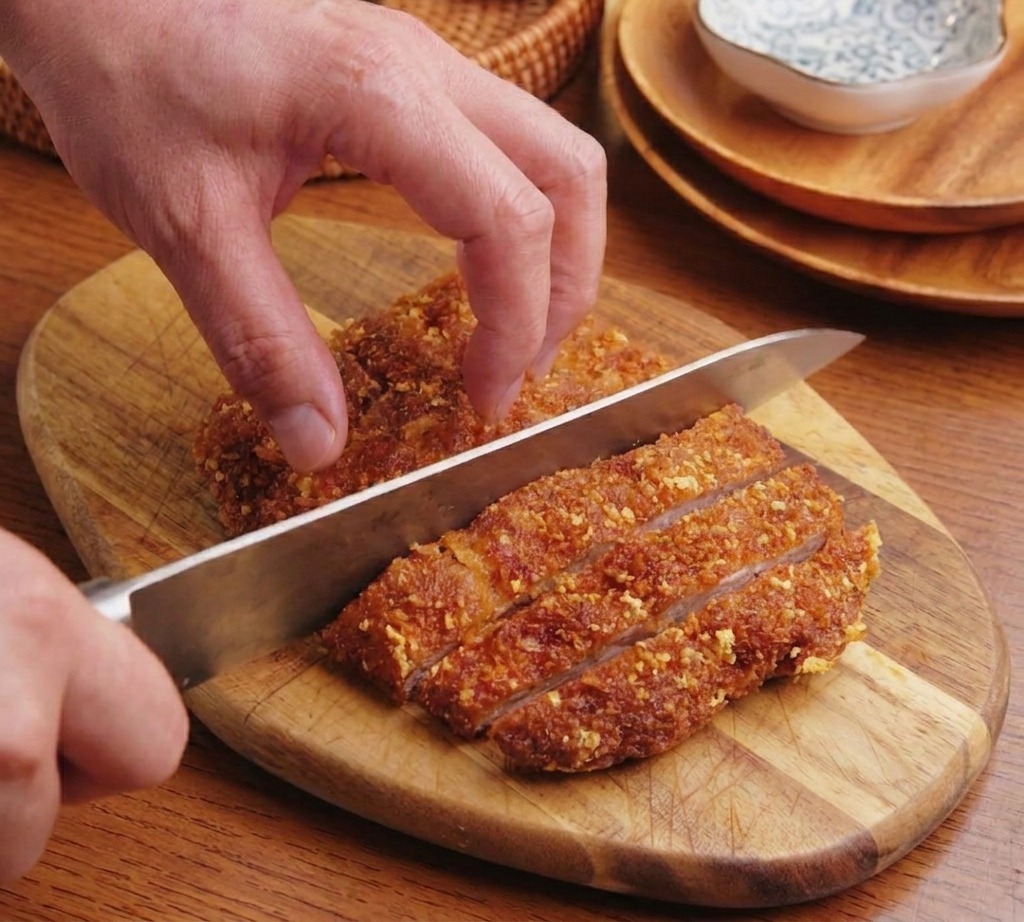
Once the fried pork has rested for a few minutes to keep the juices inside, use a sharp chefs knife to cut the cutlet into thick, even strips. These strips will allow the savory sauce to penetrate the meat while making it easier to eat with chopsticks later. Keep the slices together to maintain the shape of the cutlet.
Tip: Resting the meat is crucial; if you slice it immediately, the steam and juices will escape, potentially making the crust soggy. - 8Prepare the simmering sauce
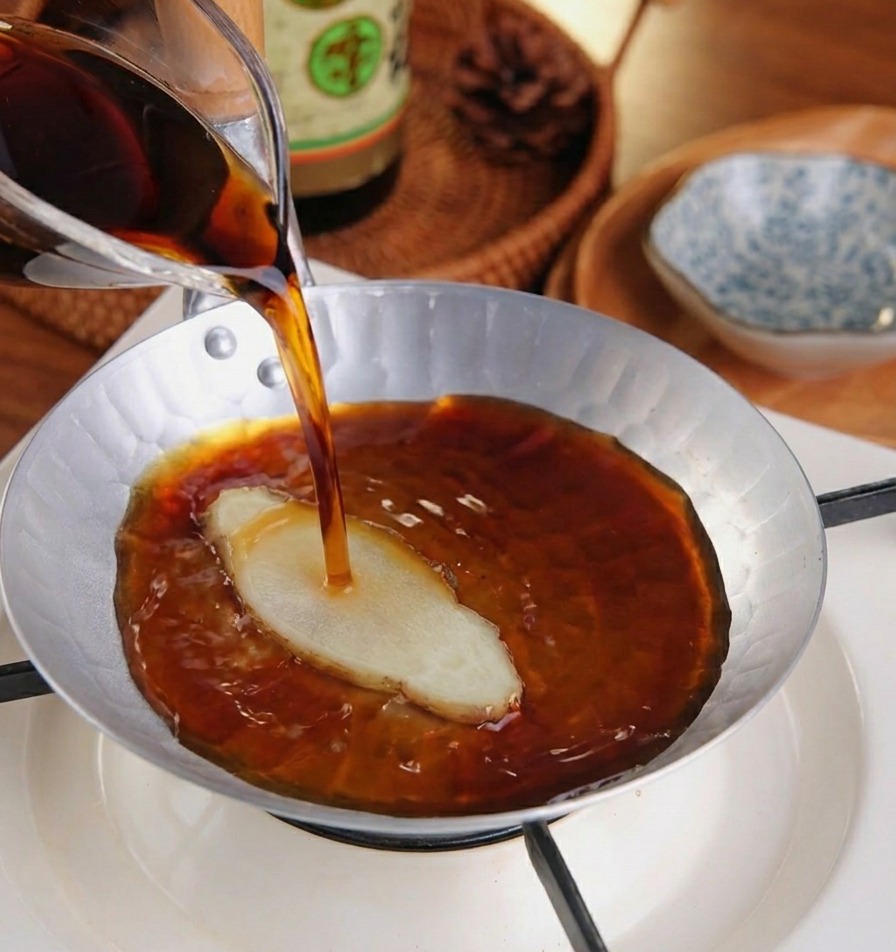
In a specialized katsudon pan or a small skillet, combine the soy sauce, mirin, sugar, sake, and water. You can add a single slice of ginger to the pan now to infuse the liquid with a subtle, warming aroma as it begins to heat up.
Tip: If you dont have a katsudon pan, any small 6-inch non-stick skillet will work perfectly for individual servings. - 9Sauté the onions
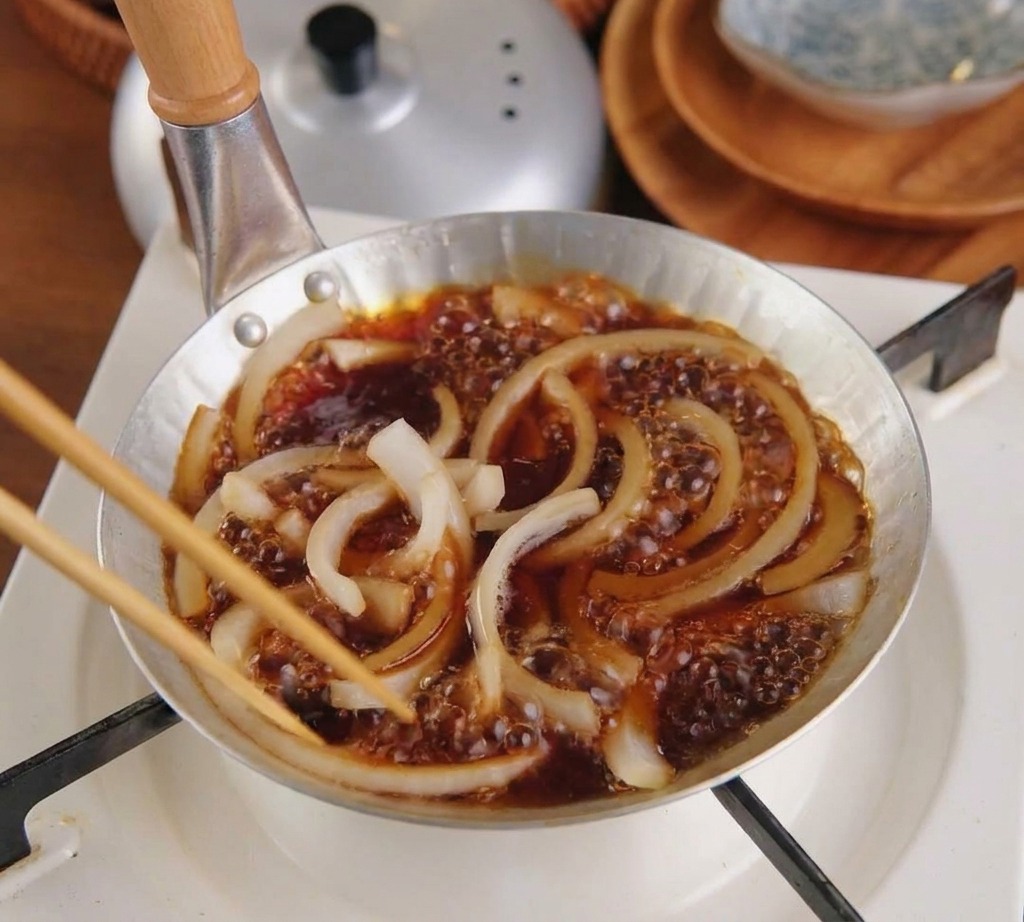
Add the thinly sliced white onions into the seasoning sauce and bring it to a gentle simmer over medium heat. Cook the onions until they soften and become translucent. This process allows the onions to release their natural sweetness into the broth while absorbing the rich flavors of the soy and mirin.
Tip: Spread the onions out evenly across the bottom of the pan to create a soft bed for the pork cutlet. - 10Add the pork to the pan
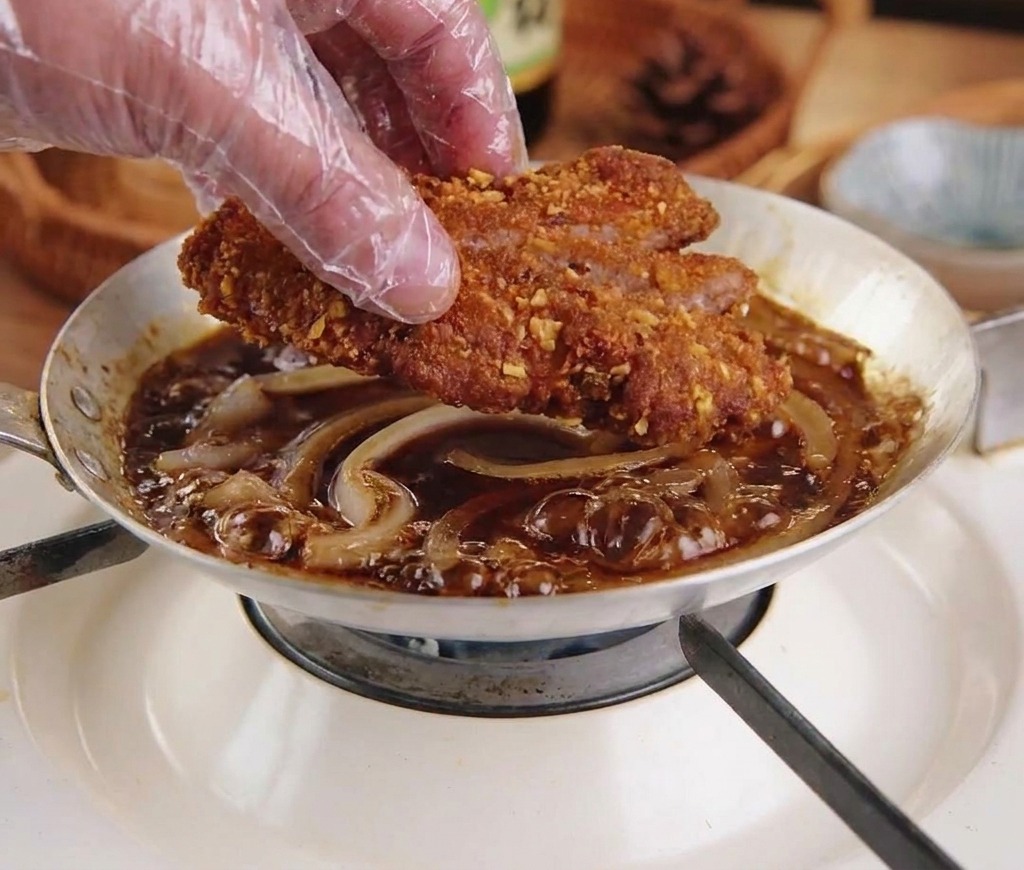
Carefully place the sliced pork tonkatsu strips onto the bed of simmering onions. Allow the cutlet to sit in the sauce for about a minute; this allows the bottom of the breaded crust to absorb the savory liquid while the top surface retains its signature fried crunch.
Tip: Avoid submerging the pork completely; you want the top surface to stay out of the liquid to preserve some of its fried crunch. - 11Add the whisked eggs
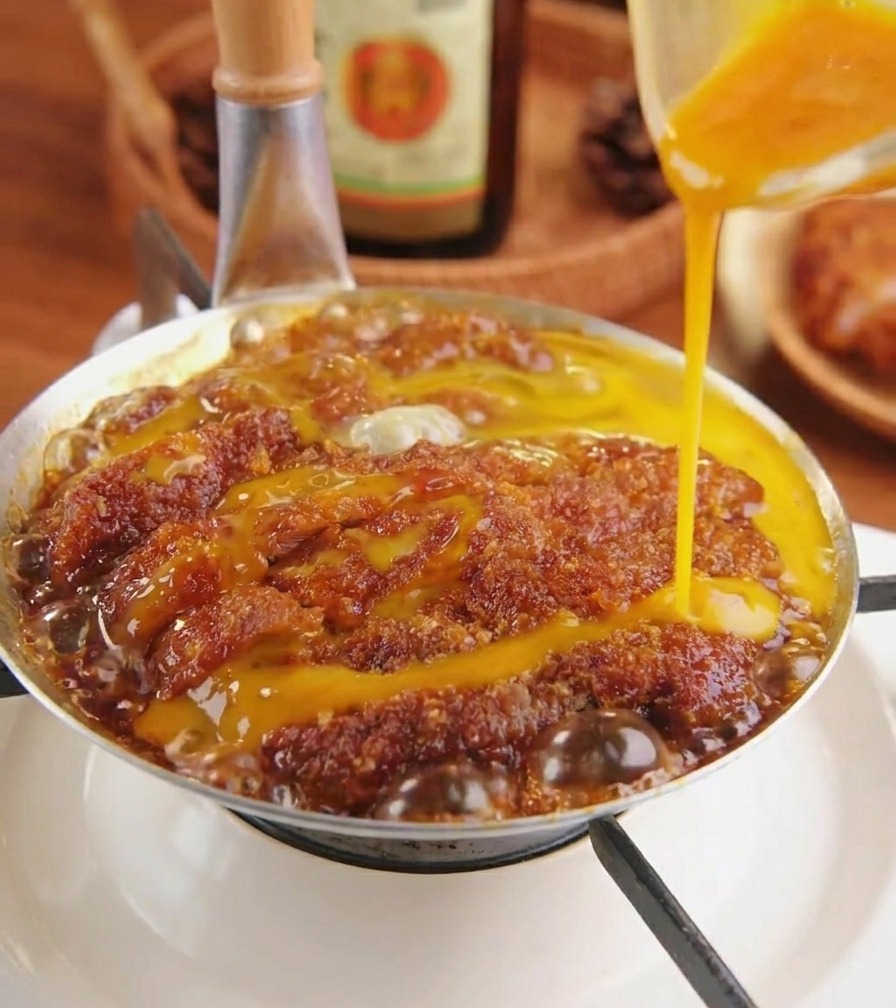
Lightly beat two eggs and drizzle about two-thirds of the mixture over the pork and into the surrounding sauce. Pouring in a circular motion ensures the egg fills all the gaps between the meat and onions. The egg acts as a binder, creating a silky, rich layer that coats the entire dish.
Tip: Dont over-whisk the eggs; leaving visible streaks of yolk and white provides a better aesthetic and more varied texture. - 12Steam to set the jukuju eggs
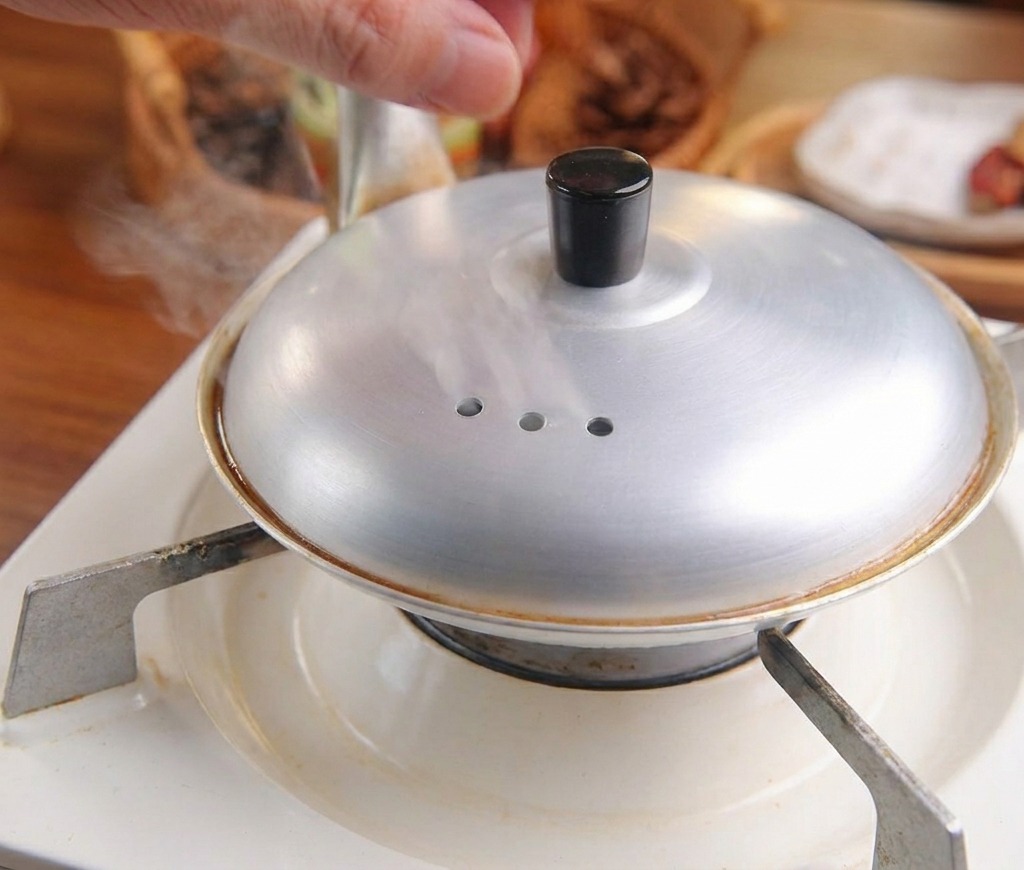
Cover the pan with a lid and reduce the heat to low. Steam for approximately one minute until the eggs are semi-set. Aim for a jukuju texture, where the eggs are cooked through but remain glossy and slightly runny on top.
Tip: Keep a close eye on the pan; eggs cook very quickly under a lid and can go from perfect to overcooked in seconds. - 13Prepare the rice base
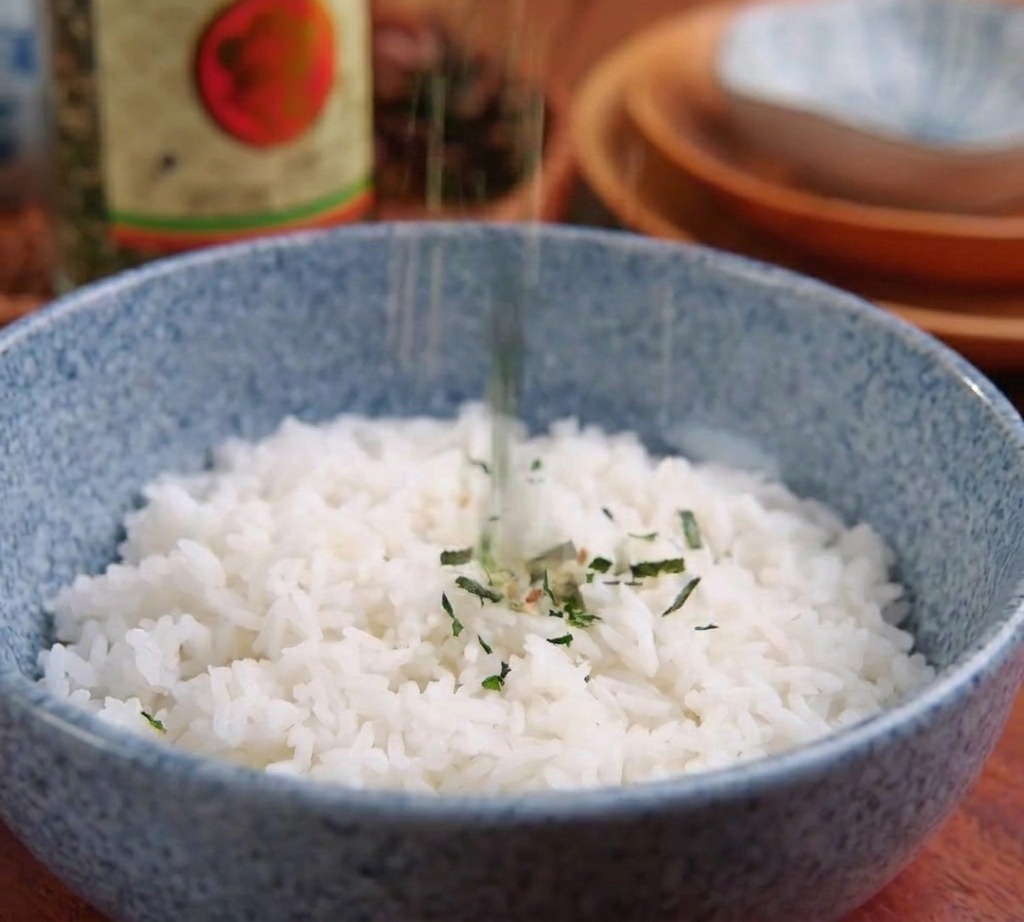
Fill a serving bowl with warm, steamed white rice. Sprinkle a generous layer of shredded nori seaweed (dried seaweed) over the surface. This adds a delicate umami flavor and creates a beautiful visual contrast between the dark seaweed and the white rice.
Tip: If you dont have pre-shredded nori, simply use kitchen shears to cut a standard toasted seaweed sheet into very fine, thin strips. - 14Assemble the Katsudon
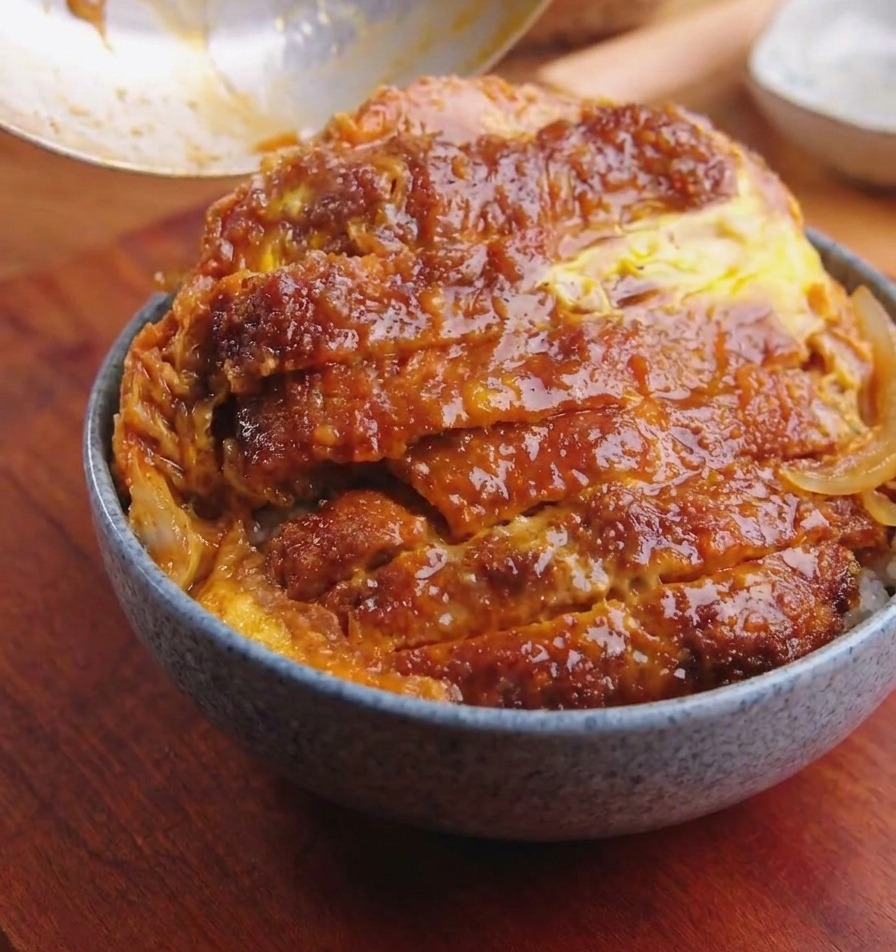
Carefully tilt the pan and slide the simmered pork cutlet, along with the surrounding eggs and onions, directly onto the prepared rice. Use a gentle motion to ensure the cutlet stays centered on the nori-topped rice, allowing the savory sauce to soak in.
Tip: Work quickly while the eggs are still semi-set and glistening. The residual heat from the pork and rice will finish setting them perfectly as you serve.