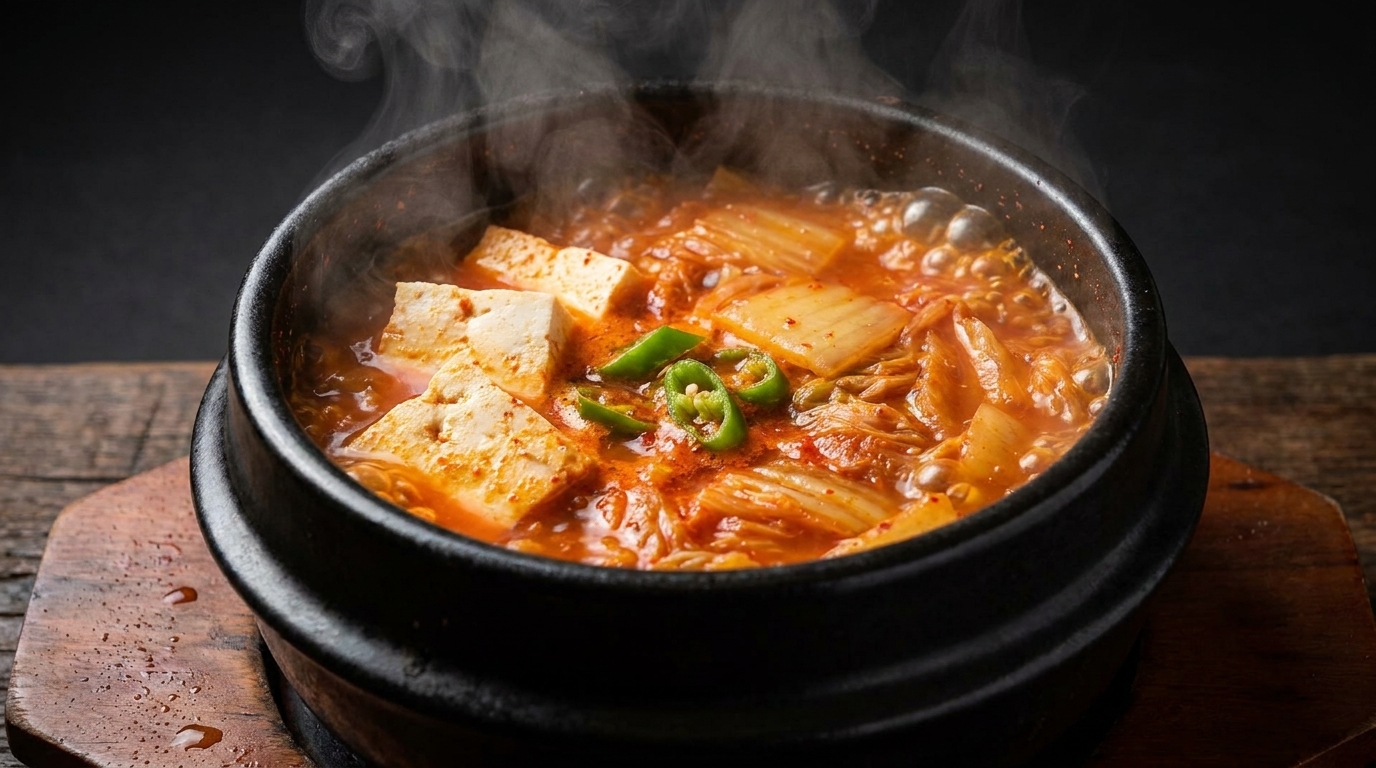
Traditional Korean Kimchi Soup (Kimchi-jjigae)
A soul-warming Korean staple featuring well-fermented kimchi, crispy pork belly, and silky tofu simmered into a deep, spicy, and savory umami-rich broth.
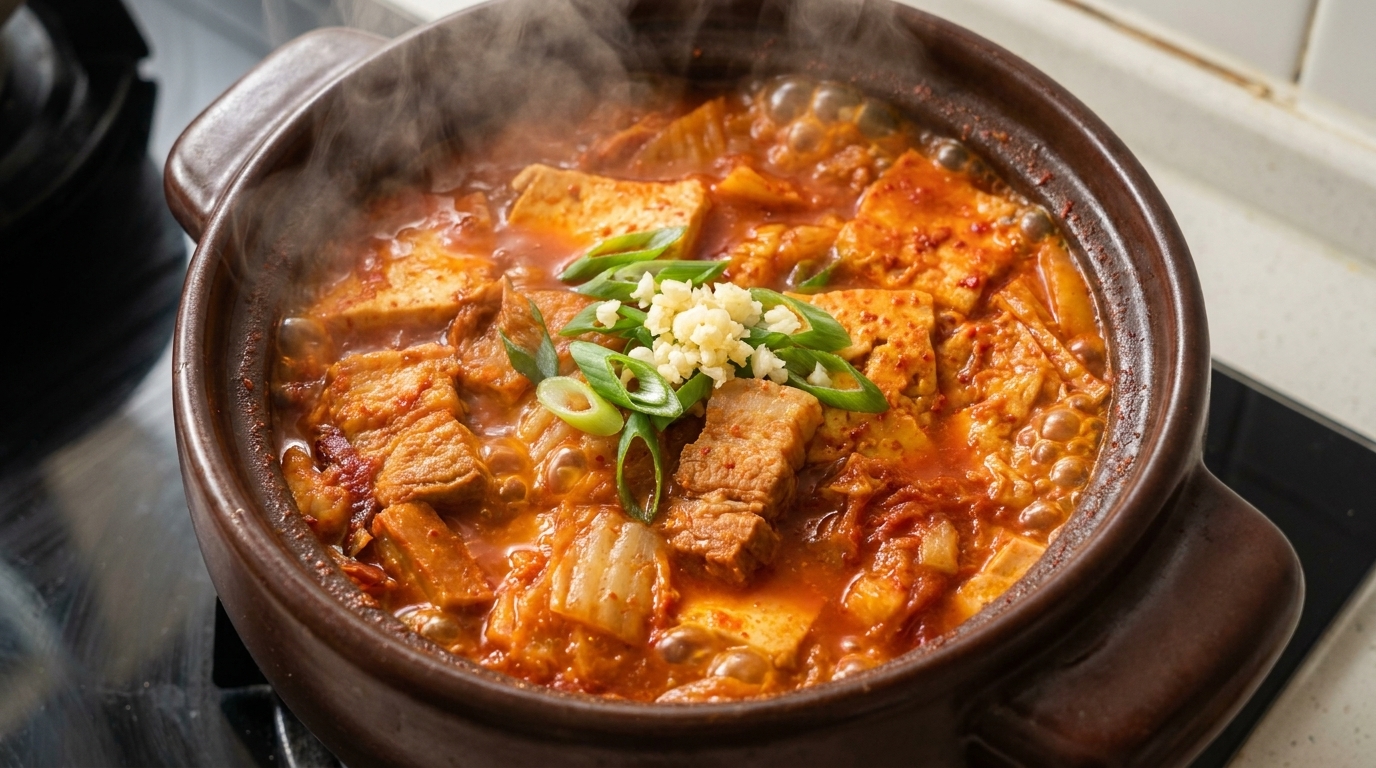
Kimchi-jjigae is perhaps the most beloved stew in Korean cuisine, representing a perfect harmony of heat, acidity, and savory richness. Historically a humble dish made to stretch pantry staples like aged kimchi and sprouts, modern versions are elevated with succulent pork belly and earthy mushrooms. The secret lies in stir-frying the kimchi and pork in sesame oil before adding liquid to unlock the deepest possible flavors.
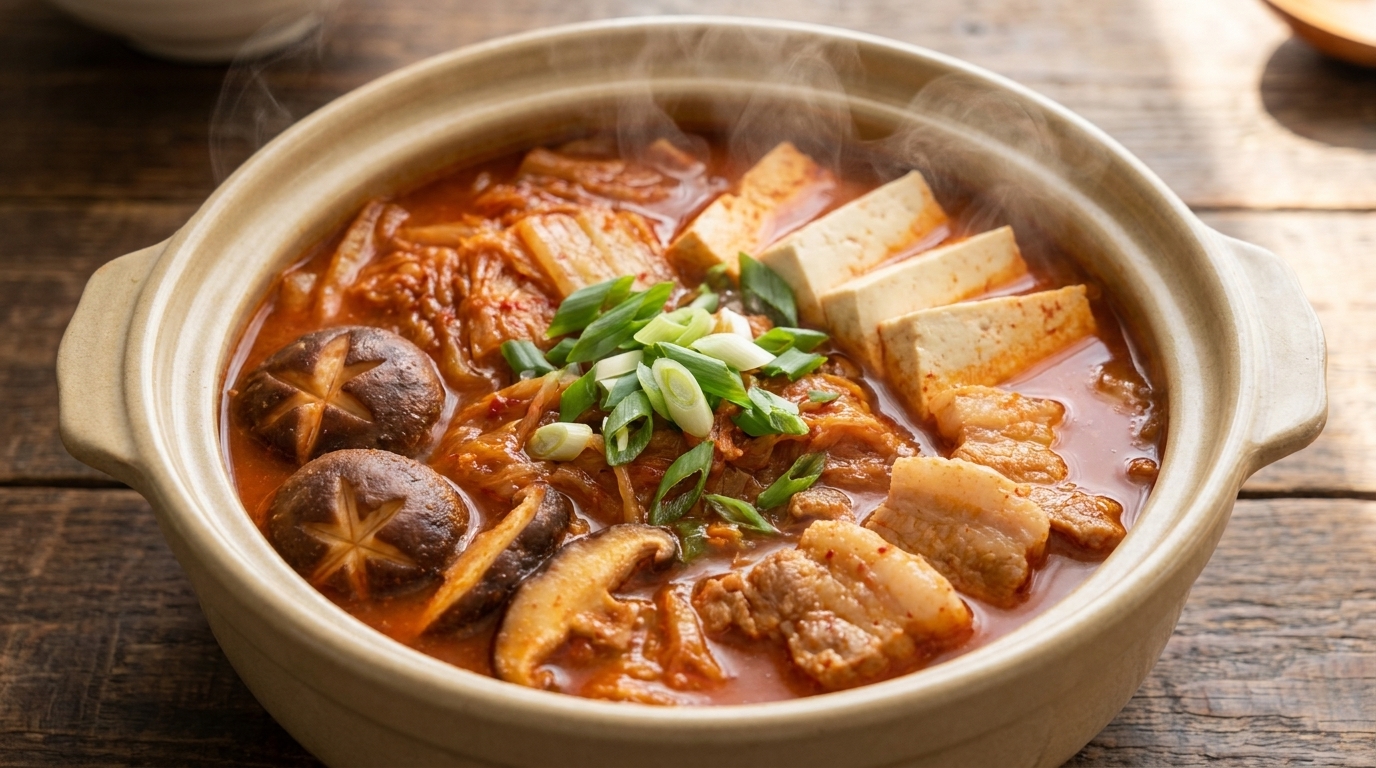
Ingredients
- 300 g pork belly
- 500 g aged kimchi
- 2 tbsp toasted sesame oil
- 1.2 l water
- 150 g fish cakes
- 1 block tofu
- 4–5 pieces shiitake mushrooms
- 2 stalks green onions
Instructions
- 1Fry the pork belly until golden
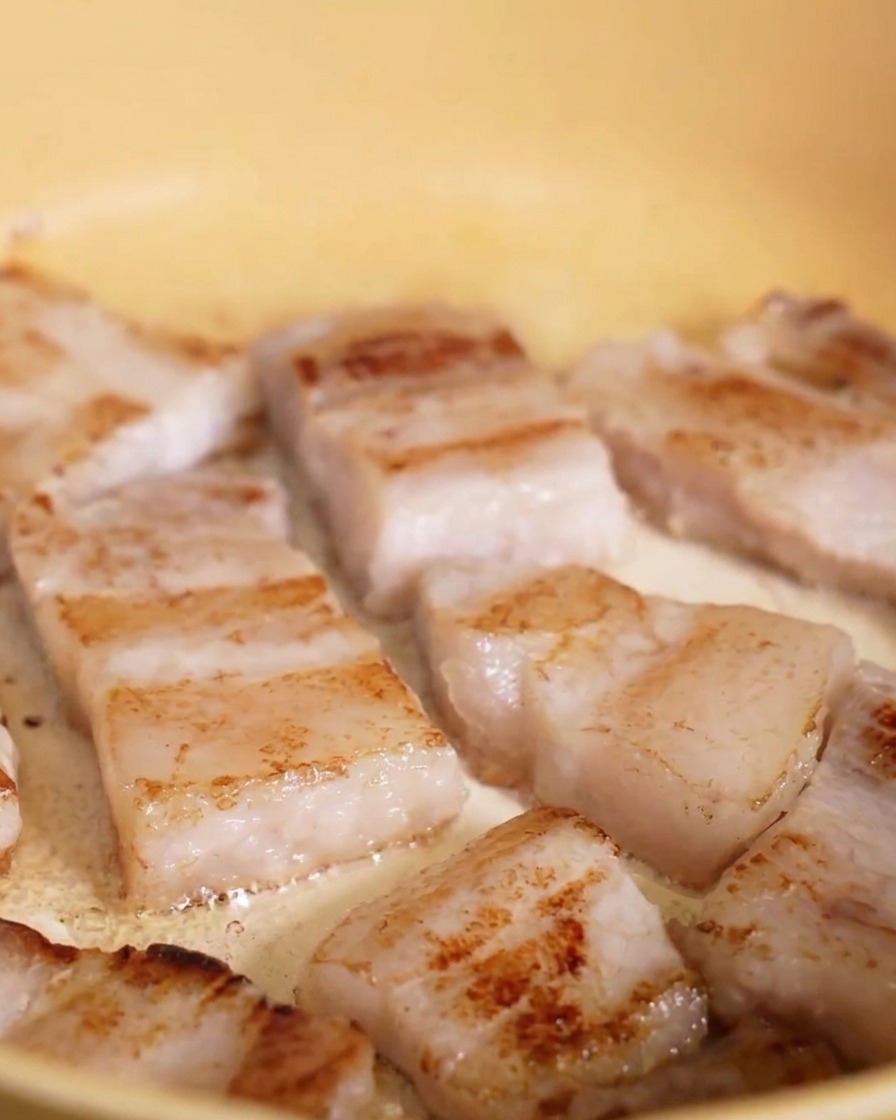
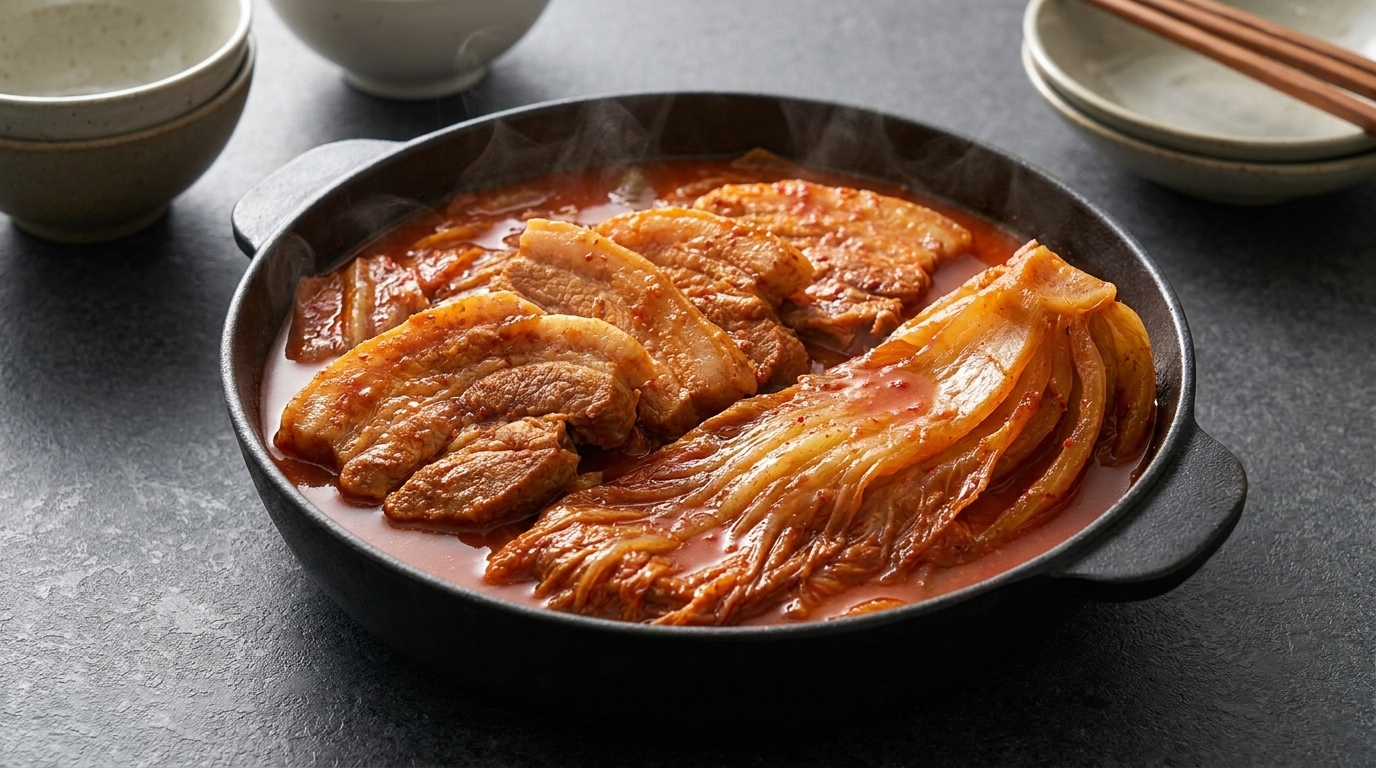
Place the thick slices of pork belly into a pan over medium heat. Fry them until both sides are golden brown and crispy. This step renders out the fat and creates a deep savory foundation for the soup.
Tip: Do not rush this process because getting a good sear on the pork ensures the meat remains flavorful and the fat integrates well into the broth. - 2Transfer the fried pork belly
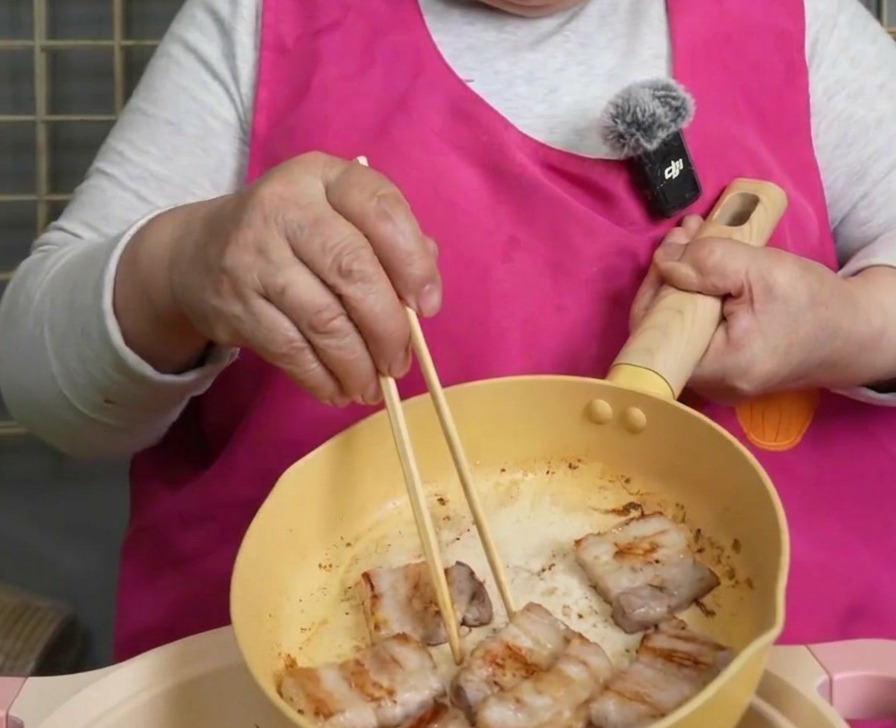
Once the pork belly slices have been fried until they are golden and crispy on both sides, use chopsticks to carefully transfer them from the frying pan into a larger cooking pot. This crispy pork will form the flavorful base of your soup.
Tip: Fry the pork until the fat is well-rendered; this flavorful oil is what makes the final soup so fragrant and tasty. - 3Add sesame oil
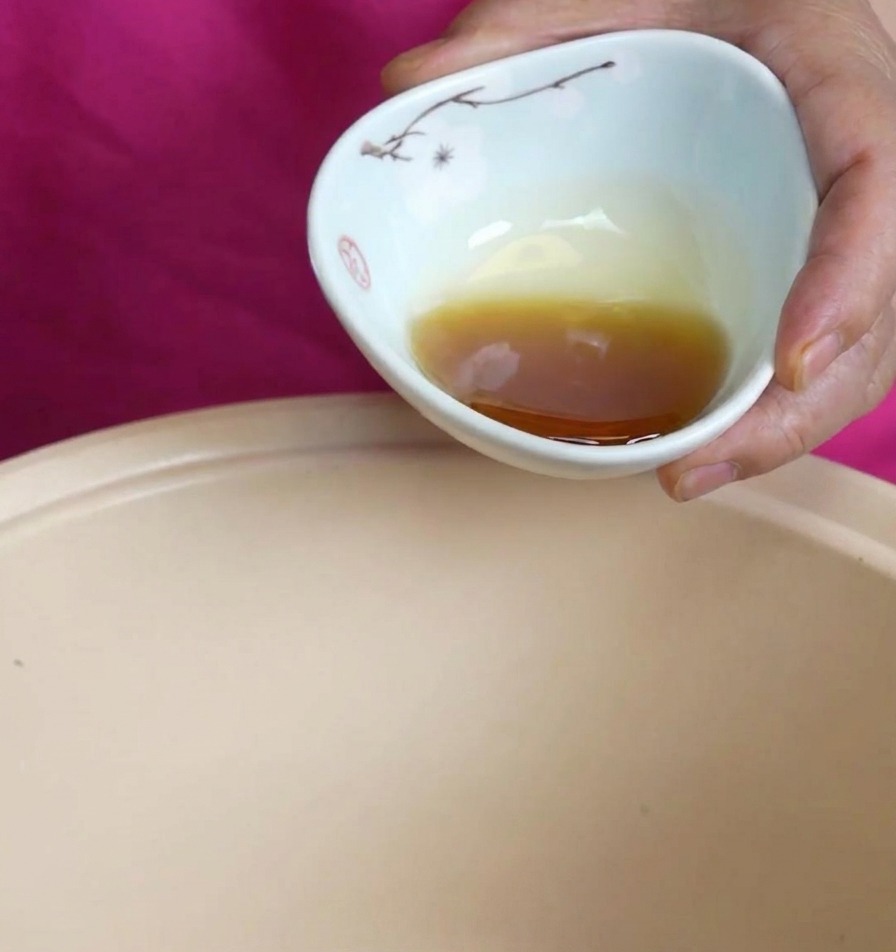
Once the fried pork belly is in the cooking pot, pour in a generous amount of toasted sesame oil. The oil will combine with the pork fat to create an incredibly fragrant base for stir-frying the kimchi.
Tip: Toasted sesame oil has a low smoke point, so add it just before you are ready to stir-fry the next ingredients. - 4Add the spicy kimchi
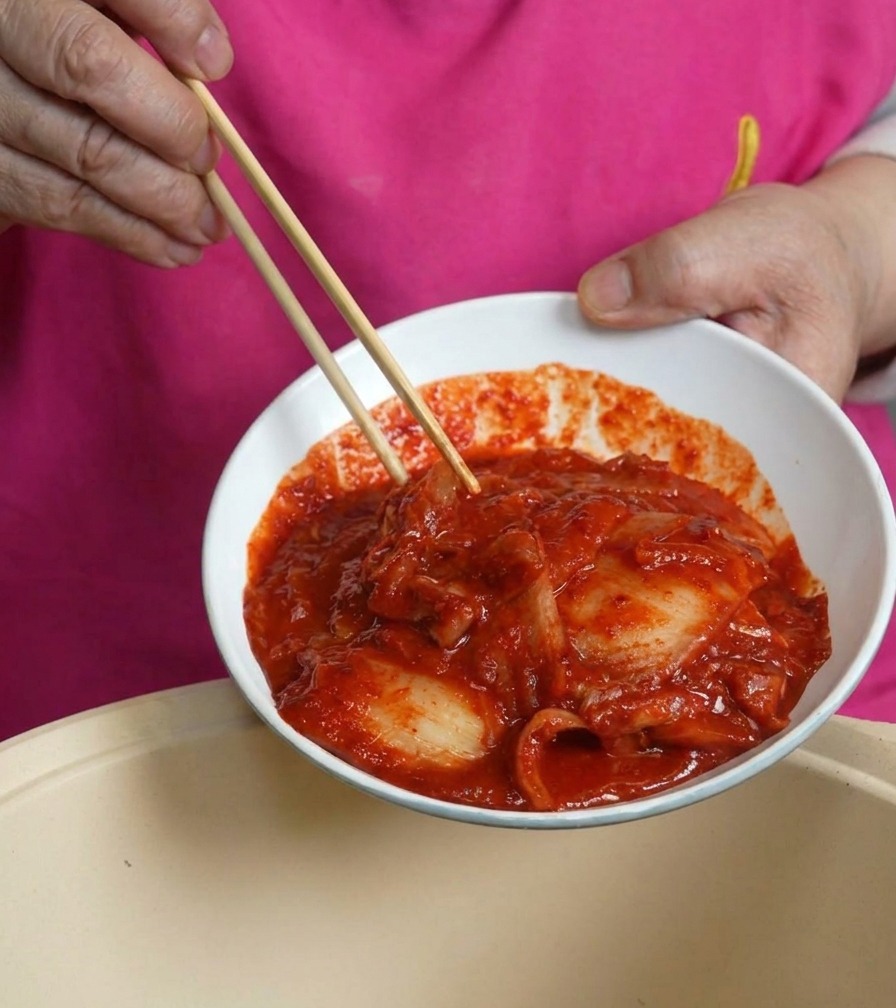
Add a large portion of well fermented spicy kimchi to the pot with the pork and sesame oil. Using aged kimchi is vital as it provides the necessary acidity and depth of flavor for an authentic soup.
Tip: If your kimchi is not sour enough you can add a teaspoon of rice vinegar to mimic the fermented tang. - 5Stir fry pork and kimchi together
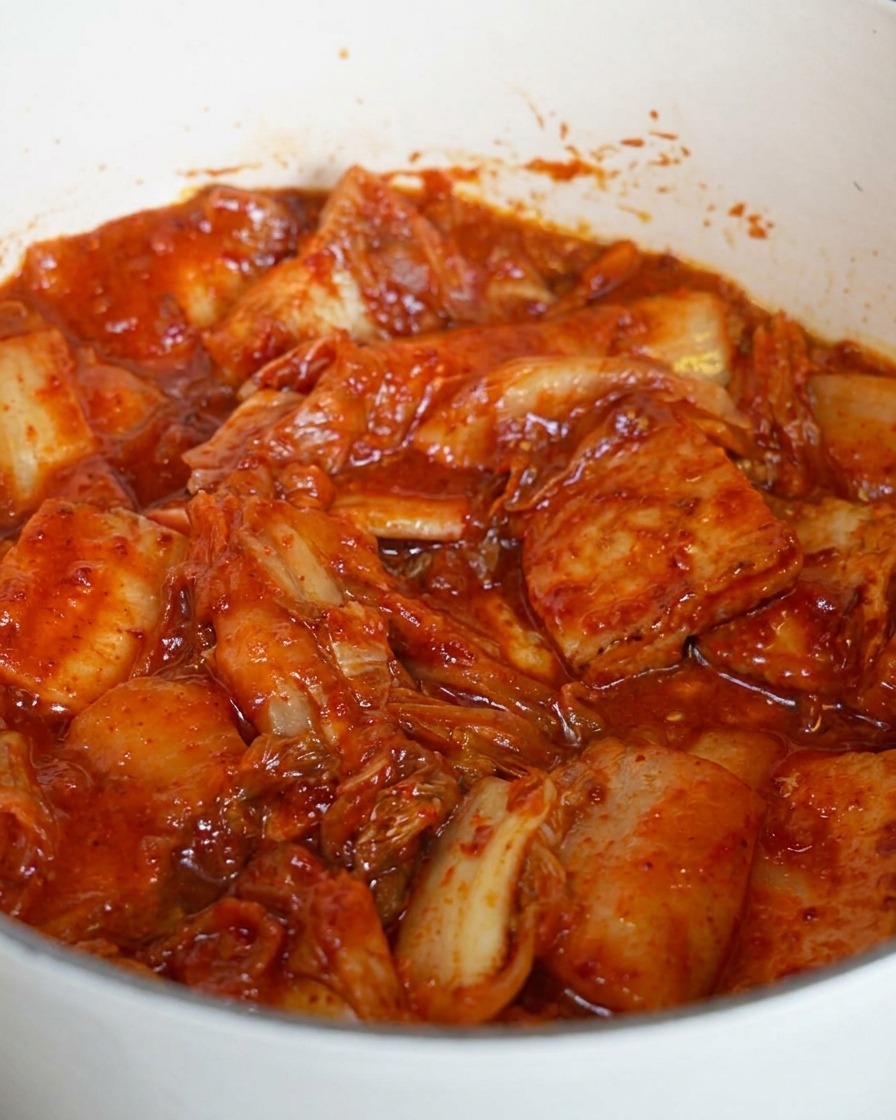
Using chopsticks or a spatula, stir fry the pork belly and kimchi together in the pot. This process allows the pork to absorb the spicy juices of the kimchi while the cabbage softens and caramelizes slightly in the sesame oil.
Tip: Stir frying the kimchi before adding water is the secret to a rich and highly fragrant broth. - 6Add water for the soup base

After stir-frying the pork belly with the kimchi and sesame oil to release their aromas, pour in the water. This will act as the foundation of your stew, allowing all the rich flavors from the meat and fermented cabbage to meld together as it simmers.
Tip: If you have rice water (the water from washing rice) on hand, use that instead of plain water to give the soup a thicker, more traditional texture. - 7Incorporate fish cakes

Add the sliced fish cakes into the boiling red soup. These add a wonderful savory depth and a chewy texture that complements the softness of the kimchi and the richness of the pork.
Tip: Cut the fish cakes into bite-sized pieces so they are easy to eat and can absorb the spicy broth quickly. - 8Add fresh tofu

Carefully place the slices of white tofu into the simmering pot. Tofu is a classic addition that balances the heat of the kimchi and provides a silky, protein-rich element to the dish.
Tip: Try not to stir too vigorously after adding the tofu to prevent the delicate slices from breaking apart in the broth. - 9Add shiitake mushrooms for umami
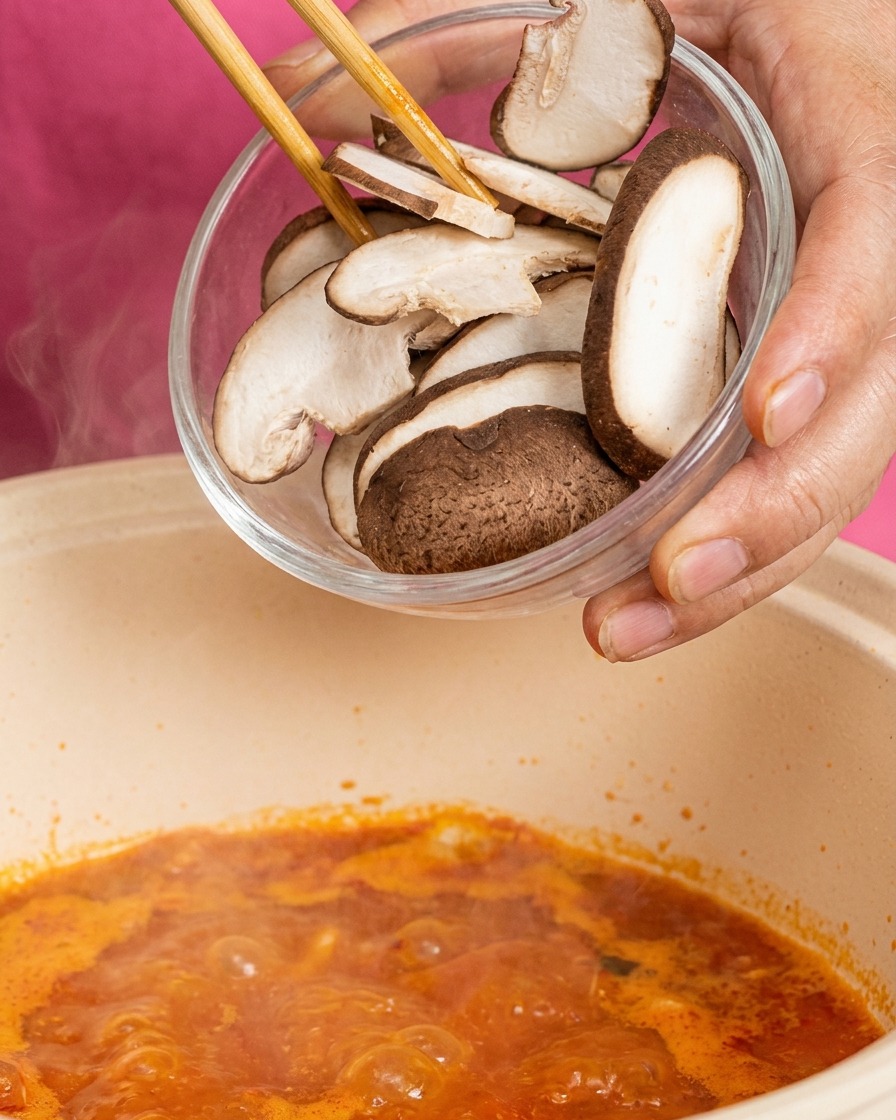
Introduce the sliced raw shiitake mushrooms into the pot. As they cook, they will release their earthy flavor into the broth, adding another layer of umami complexity to your kimchi soup.
Tip: Fresh shiitake mushrooms provide the best texture, but dried ones can be used if soaked beforehand to rehydrate. - 10Add the final garnish
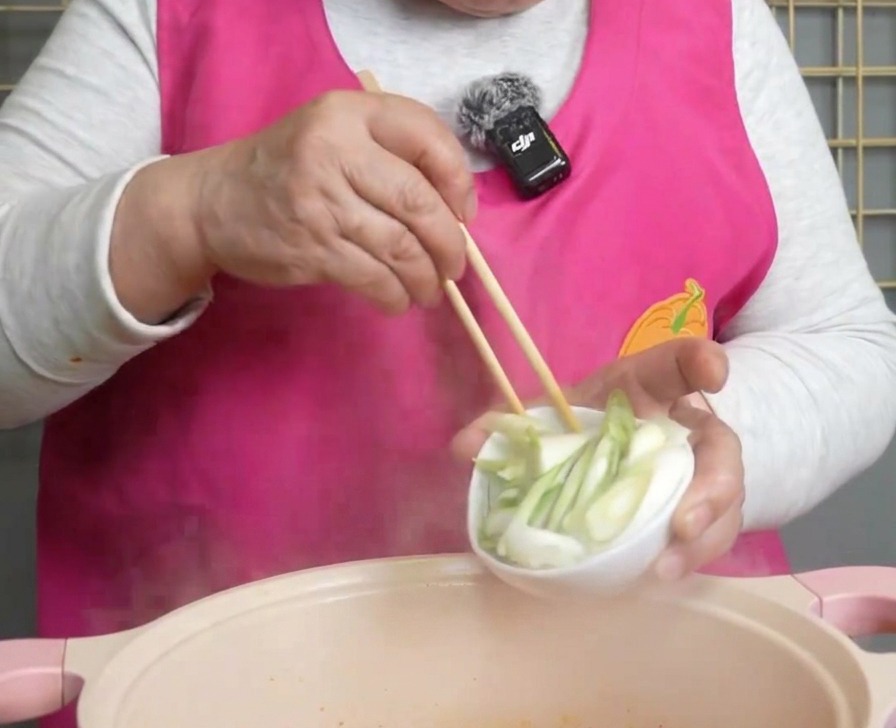
Just before removing the pot from the heat, add a handful of freshly chopped green onions to the simmering soup. This final touch adds a bright, fresh aroma and a pop of green color to the rich kimchi broth.
Tip: Always add delicate herbs and green onions at the very last second to preserve their vibrant color and sharp flavor.